Karl Delossantos

  • The Conjuring Universe Films, Ranked

    The Conjuring Universe Films, Ranked

    The Conjuring Universe is the first horror cinematic universe. See how we rank each of the movies in the franchise from worst to best!

    With five movies and over one billion dollars at the box office—and counting—The Conjuring franchise of movies has become one of the most unlikely cinematic universes following in the model of Marvel’s. It all launched in 2013 with James Wan’s The Conjuring, which premiered to critical acclaim and a box office to match. It eventually spawned two spin-off series and shows no signs of stopping—The Nun recently posted a franchise-best opening weekend. However, as the franchise expands, the expectations for each installment rises. So, below we’ve ranked all The Conjuring Universe films from worst to best!

    Let us know in the comments if you agree with our list and your rankings!

    The Nun (2018)
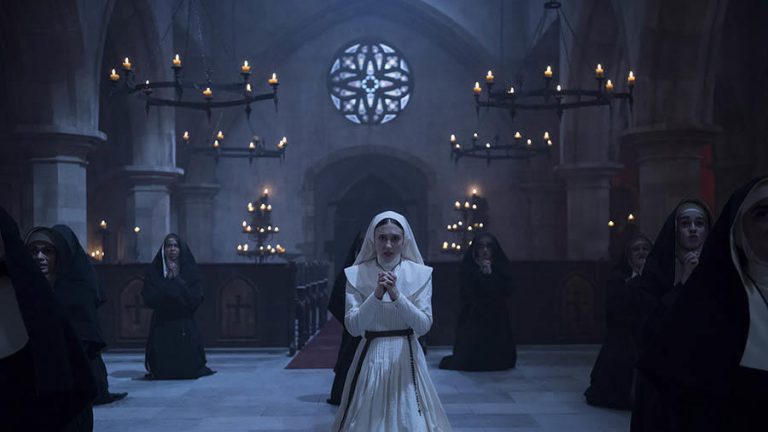
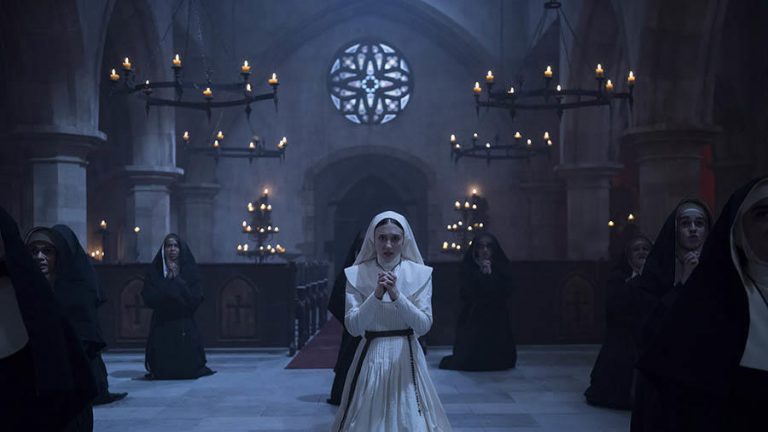
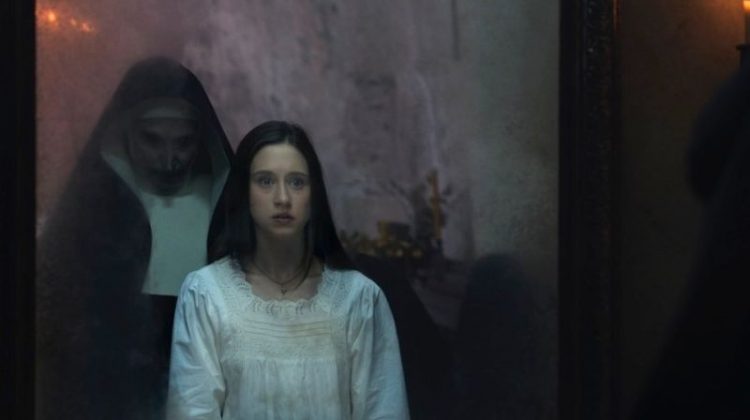
    Taissa Farmiga in The Nun

    The Nun is incredibly well shot and designed—its the first move in the franchise to not take place in a house—but that’s really where the compliments end. This entry is the first to feel like a big horror blockbuster, and that’s not a good thing. As with The Conjuring 2 later in this list, the reliance on CGI to support the scares cheapens the movie as a whole. Also, the movie has no tension because it goes from 0 to 100, then stays there, which would be fine if every scare didn’t follow the exact same formula. Its visually striking and has a strong lead performance by Taissa Farmiga, but this is the first movie in the The Conjuring Universe that makes me nervous for its future. 

    The Nun is available for pre-order on Amazon!

    Annabelle (2014)
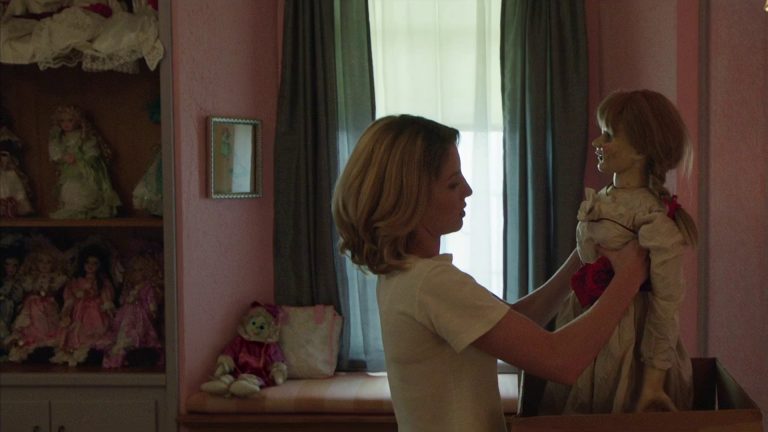
    Annabelle Creation the Conjuring Universe

    Annabelle is actually better than it’s been made out to be. Yes, it relies too much on jump scares, has a formulaic plot, and two wooden leads that don’t add much substance. However, its horror, while fleeting, is effective—the home invasion set piece is particularly effective. Had the plot broken away from a typical horror movie formula and given interesting supporting characters like Alfre Woodard more screentime, it had the potential to be a solid entry in the franchise. 

    Annabelle is available to rent and buy on Amazon!

    The Conjuring 2 (2016)
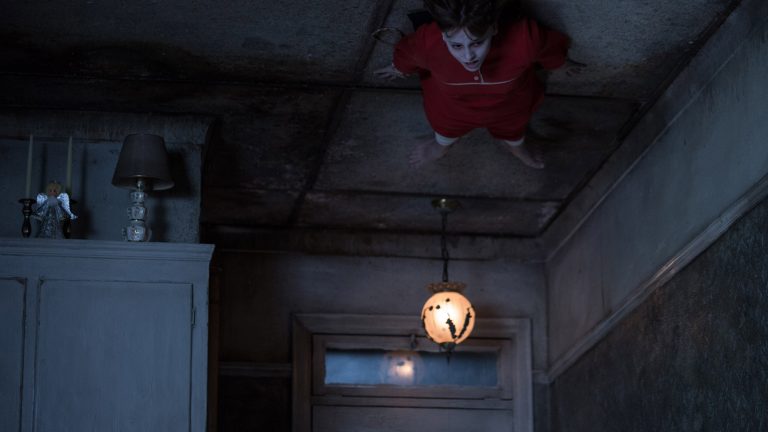
    The Conjuring 2 finds the Warren’s tackling yet another family being tormented by a demon. This time, however, the Warrens are also being tormented by their own demons. Beginning with a stellar cold open featuring the infamous Amityville haunting, The Conjuring 2 has its moments, but fails to live up to the original. Its issues can be traced back to the problems most sequels have—it’s too big of a movie. The scares, while sometimes effective, are too reliant on CGI and retracing the patterns of scares from the original. The plot also became to complicated for the deeper emotional arc of the Warrens to truly pay off. 

    The Conjuring 2 is available to rent and buy on Amazon!

    Annabelle: Creation (2017)
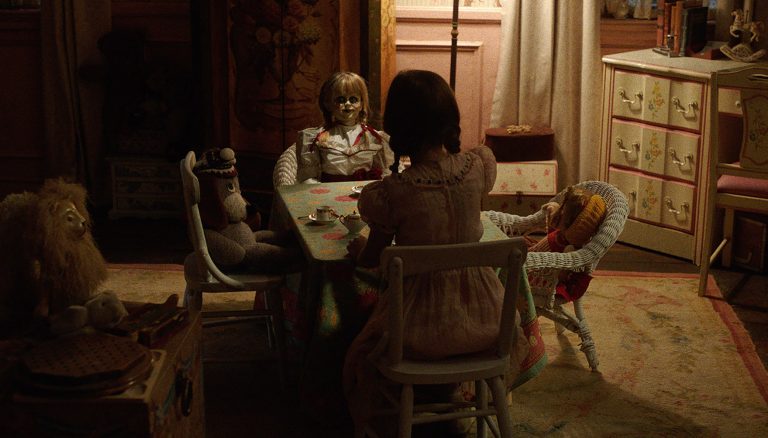
    For franchises like The Conjuring Universe to work, studios need to hire interesting directors to tackle the projects—like Taika Waititi for Thor: Ragnarok or Patty Jenkins for Wonder Woman. That’s exactly what happened with Annabelle: Creation. Director David F. Sandberg, who broke out with his debut feature Lights Out, tackles the second movie in the Annabelle series with old-fashioned scares and atmospheric tension that make it a tense experience from beginning to end. Instead of relying on sudden loud noises, the movie relishes in its imagery and the silences that add tension.

    Annabelle: Creation is available to rent and buy on Amazon!

    The Conjuring (2013)
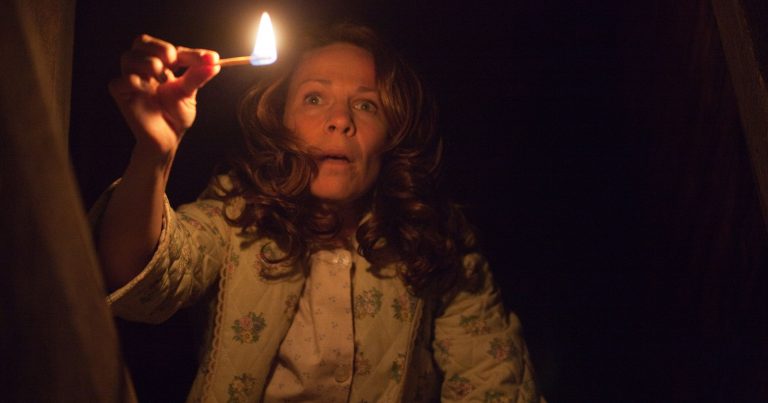
    Even five movies in, James Wan’s original The Conjuring remains the best movie in this franchise and one of the tentpoles of this new golden age of horror. Truly, The Conjuring holds up as a nearly pitch-perfect ghost story that treats its scares as fully thought-out set pieces—something that the franchise has strayed away from. It even arguably has one of the best horror set pieces in recent memory with the “hide and clap” scene (pictured above). However, the scenes connecting the scares are just as impressive. Unlike a lot of horror movies, The Conjuring actually develops its characters, specifically the Warrens. Even the scares are often character driven. There’s yet to be another movie in this franchise that has risen to this level. Granted, it set quite a bar. 

    The Conjuring is available to rent and buy on Amazon!


    What do you think? How would you rank The Conjuring Universe films? Let us know in the comments!
  • ‘A Simple Favor’ review — A deliciously twisted mystery

    ‘A Simple Favor’ review — A deliciously twisted mystery

    A Simple Favor is a darkly funny and campy mystery thriller anchored by stellar performances by Blake Lively and Anna Kendrick.

    30-second review: So much of the plot of a simple favor is melodramatic and ironically plays off like an episode of a CW primetime soap opera. But it works. That’s thanks to director Paul Feig‘s incredible sense of tone. He knows when the movie needs to be a melodrama and when it needs to be a comedy and when it needs to be a mystery. Finding that right balance makes A Simple Favor a pure delight to watch.

    However, it would be nowhere near as successful as it is if it wasn’t for an awkwardly charming lead performance by Anna Kendrick and a stellar, career-high turn from Blake Lively playing a compelling and deliciously campy character.

    Where to watch A Simple Favor: Available to buy or rent on Prime Video.

    Director Paul Feig has been on a roll with female-fronted broad comedies with critical and commercial hits Bridesmaids, The Heat, Spy, and Ghostbuster coming one after the other. And while all of those movies share the same general tone—elevated, raunchy broad comedy with emotional elements—he takes a crack at a truly genre-bending story in the deliciously campy mystery A Simple Favor, which is based on the novel by Darcey Bell and adapted by Jessica Sharzer.

    In the film, Feig is challenged with balancing a Gone Girl style mystery with a satirical suburban melodrama a la The Stepford Wives with a hint of the broad comedy he has become famous for. And while he’s mostly successful in his execution, the true stars of the movie are Anna Kendrick and Blake Lively giving the best performances of their careers. 

    Kendrick plays Stephanie, a widowed full-time single mother and part-time mommy blogger who is every bit the endearingly awkward, always upbeat person we’ve come to expect Kendrick to play. And while many may have become tired of her adorkable charm defined by spitfire lines delivered in stream of consciousness style, it certainly is effective here. Though she’s certainly a super mom to her son Miles (Joshua Santine), the other parents at the school don’t easily take to her over-achiever status, which is why they’re surprised when she becomes friend with full-time working mom Emily (Lively).

    Emily is an enigma. She seems to have it all. A high-profile job in the city, a beautiful house in the suburbs, stunning closet—she rocks chic three-piece suits paired with equally stunning Louboutin’s throughout the film—and a devilishly handsome husband, Sean (Henry Golding). However, there’s a darkness to her hidden by her effortless attitude towards life. Still, Stephanie is roped into her life blinded with intrigue—and an afternoon martini quickly loosens her up to the idea of friendship. And that intrigue only increases when Emily goes missing. 

    A Simple favor
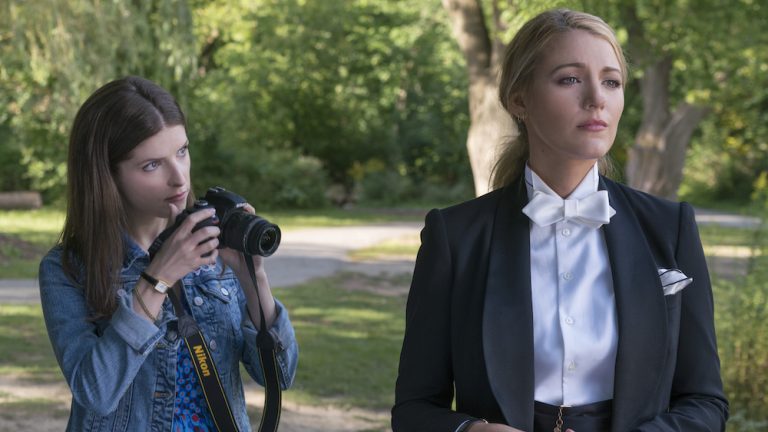
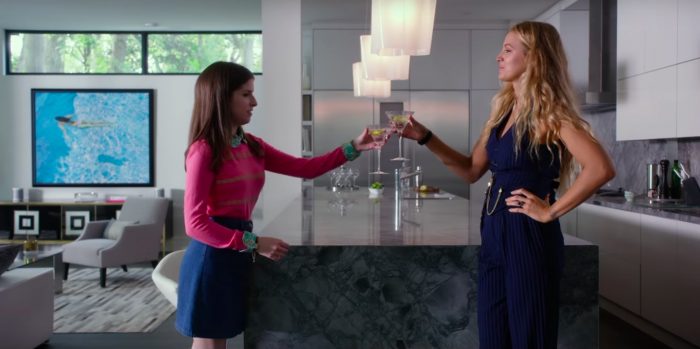
    Anna Kendrick and Blake Lively in A SIMPLE FAVOR. Credit: Lionsgate.

    One day, Emily asks Stephanie for the eponymous simple favor, which is looking after her son Nicky (Ian Ho) while she deals with a work crisis. With Sean in London visiting his mother, Stephanie, always eager to help out, accepts. But Emily never returns to pick up Nicky. From there, the story unfolds while Stephanie tries to figure out what happened to her recently acquired best friend. Along the way, she deals with a suspicious detective (Bashir Salahuddin, great here) convinced there’s more to the case than meets the eye, Emily’s boss Dennis (Rupert Friend), and a punk artist from Emily’s past (Linda Cardinelli). 

    A Simple Favor has more twists, turns, and shocks than a soap opera and Feig tackles them all with a self-aware campy flair that makes every stinging quip and ridiculous moment land. And although the movie has trouble navigating its own plot towards the end, Feig has a stellar cast to anchor it. After charming us earlier this summer in Crazy Rich Asians, Golding more than holds his own as a doting, though worn down, husband and father to Emily and Nicky. His character’s slow deterioration during the film is shown all over his face, but he still retains that movie star glow. He has a career ahead of him.

    Still, it’s Anna Kendrick’s quick-fire charm and Blake Lively’s seductively sinister barbs that make A Simple Favor so incredibly fun to watch unfold. Even as the plot becomes convoluted—sometimes to excess—it’s still the kind of consciously ridiculous suburban satire that is going to please any audience it plays to. A Simple Favor is a mess in the best way possible. The only thing that would make it better is if you watched it with a gin martini with a twist of lemon in hand.


    ADVERTISEMENT


    More movies, less problems


    Hey! I’m Karl. You can find me on Twitter and Letterboxd. I’m also a Tomatometer-approved critic.

    💌 Sign up for our weekly email newsletter with movie recommendations available to stream.


    ADVERTISEMENT


  • ‘The Nun’ review — Commits one too many sins

    ‘The Nun’ review — Commits one too many sins

    The Nun feels like too much of a blockbuster with a lack of plot and focus on jump scares to be an effective entry in this horror franchise.

    The Conjuring series has turned into an unlikely cinematic universe following the model that has made Marvel so successful. However, with The Nun, the fifth entry in the franchise, we’re already beginning to see some wear. The film, directed by Scottish director Corin Hardy, is on track to be the biggest film in terms of box office. It’s also the biggest film in the franchise in terms of scale, which is exactly what the problem is.

    Although, The Nun isn’t the first movie in the franchise to set off in the wrong direction. Many of the problems I had with this movie seem to have started in The Conjuring 2. That movie again covered the haunting of a family, but the excessive use of CGI, a lean more towards jump scares rather than atmosphere, and a complete lack of subtlety fail to recreate the success of the original. The Nun takes those problems and amplifies them. It’s the first movie in this series that feels like a blockbuster. And that’s not a good thing.

    Like any good cinematic universe, The Nun is tightly connected to the previous movies. The concept for this movie was introduced in The Conjuring  2 where a demonic nun called Valak terrorized the Warrens. In 1952 Romania, that same demonic nun is terrorizing an abbey of nuns, two of whom at the start are venturing into an area that a sign warns, “God ends here.” Eventually, one of those nuns is killed and the other commits suicide, which is what causes the Vatican to send Father Burke (Damián Bichir) and novitiate Sister Irene (Taissa Farmiga, sister of The Conjuring star Vera Farmiga) to the abbey to investigate.

    The investigation, of course, doesn’t last long as paranormal occurrences almost instantly begin as they arrive at the abbey with the help of a local named Frenchie (Jonas Bloquet)—his character is one of the main problems of the movie. Unlike most of the movies in the Conjuring universe, the scares begin almost immediately in the film without much build up. However, the scale of them is too large. Even worse, they use the same formula of shot, pan to the left, pan back, and of course, something appears in the background. For a while, it’s at least a fun experience, but that fades away quickly.

    To the movie’s credit, it is beautifully shot. Cinematographer Maxime Alexandre plays with light and shadow well to imbue at least some atmosphere into the movie where the direction and writing fail. There is one scene that works. Sister Irene, sleeping in the abbey after being unable to leave, wakes to find another sister kneeling facing away. Unbeknownst to Sister Irene, a crucifix begins to slowly turn upside down. It’s the slow and effective atmosphere based horror that made The Conjuring so successful. Quickly though, all the goodwill from that scene is taken away when the movie returns to its formula.

    Towards the end, The Nun tries to beef up its plot and eventually connects it to the rest of the franchise, but its sins are too many to ever make it interesting. It’s disappointing considering its predecessor Annabelle: Creation was such a successful entry in the franchise. There is promise for a franchise like this, however, if it continues in this direction there may be no hope to salvage it. There are glimmers of something good. Here’s hoping we can find it through all the evil.

    The Nun is available to rent or buy on Amazon!

    Karl’s rating:

  • ‘Support the Girls’ review — Regina Hall is a powerhouse

    ‘Support the Girls’ review — Regina Hall is a powerhouse

    Support the Girls is a charming and emotional day-in-the-life dramedy with another magnificent performance by Regina Hall. 

    Regina Hall is one of the best and most underrated actresses working today. From her perfectly timed one-liners in Scary Movie to her grounded and emotional performance at the core of Girls Trip she has been consistently great in so many projects. It’s time Hollywood took notice. And if there’s ever been a movie for them to look to, it’s her latest performance in Support the Girls.

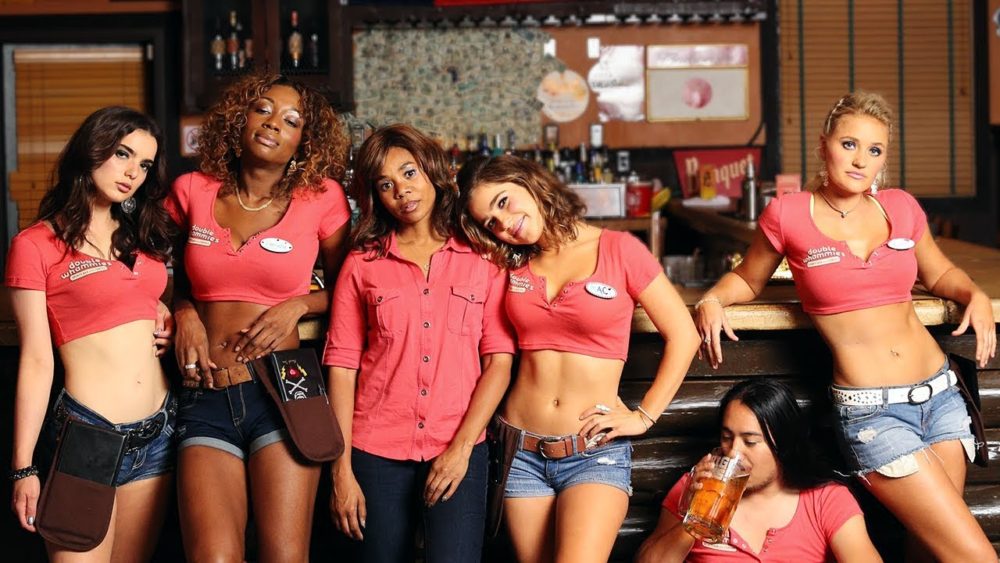
    Hall plays Lisa, the manager of a Hooters-like bar and restaurant called Double Whammies where twentysomething waitresses wearing crop tops and Daisy Dukes serve beer and wings to less than subtle men. When we meet her, she’s in the middle of a crying spell in the parking lot before the lunchtime rush. There’s no context for why as we watch her try to get herself under control. It’s a perfect scene to display Hall’s talents as she somehow imbues some subtlety into the least subtle human emotional response. Eventually, one of the waitresses Maci (Haley Lu Richardson in yet another great performance after last year’s Columbus and Split) interrupts her and walks her into the restaurant. No questions asked. 

    It’s that kind of quiet realism that defines Support the Girls and most of the director and screenwriter Andrew Bujalski’s career. Noted as the “Godfather of Mumblecore”—a subgenre of indie film that focuses on naturalistic dialogue and performances over plot—Bujalski brings an incredibly specific style to seemingly mundane storylines. It’s what made Jim Jarmusch’s Paterson so compelling.

    Support the Girls
    Shayna McHayle, Haley Lu Richardson, and AJ Michalka in Support the Girls.

    We follow Lisa through her day as she troubleshoots the ever-growing list of problems she faces as the general manager of Double Whammies—a would-be robber stuck in the air vents, a waitress who gets a curious tattoo, an off-the-books car wash fundraiser, a misogynist owner (James LeGros) breathing down her neck, and on top of that the cable is out just when there is going to be a big boxing match. However, Lisa tackles each one with a smile and still has time to make sure every single waitress that works there feels safe.

    However, there’s not much more to the plot than that. Along the way we meet a cast of characters that all bring different kinds of humor and charm to the movie. There’s Lisa’s right-hand woman Danyelle (Shayna McHayle giving a great debut performance) who delivers sharp one-liners and observations, butch lesbian regular Bobo (Lea Delaria) whose sharp respect for the girls sometimes gets her in trouble, and ditzy new hire Jennelle (Dylan Gelula) whose character could be summed up when she says, “I’m like a marketing major.”

    Admittedly, I didn’t understand Support the Girls for much of the running time. It feels like scene after scene of nothing happening. However, the remarkable final 20 minutes pull the entire movie together. It was all on the screen. I was just looking in the wrong place. The movie lies in the faces of each of the characters, every one of whom carries the baggage of their days and lives with them. That’s why Regina Hall is so incredible in the lead role. From the first frame where we watch her crying in a car facing the day to the last as she closes one out, we know exactly what she is feeling.

    Support the Girls is—as deservedly corny as it sounds—about the power of sisterhood and the work that women put in every day to just survive. However, unlike other female empowerment movies, everything doesn’t work out for all of our characters. It’s just reality. As one character notes, you cry until you laugh and you laugh until you scream. If Support the Girls wants you to walk away with one thing it’s that it’s okay to do all those things. Life is frustrating. Just take it one day at a time.

    Support the Girls is available to buy or rent on Amazon!

    Karl’s rating:

  • ‘Searching’ review — A thriller for the digital age

    ‘Searching’ review — A thriller for the digital age

    John Cho shines in Searching, an engaging and suspenseful thriller that takes place completely on a computer screen

    Searching begins with a very familiar landscape with rolling hills, a blue sky speckled with clouds, and mountains in the distance. This vista is the desktop of a computer. That’s where the entire running time of Searching, like the film Unfriended before it, takes place.

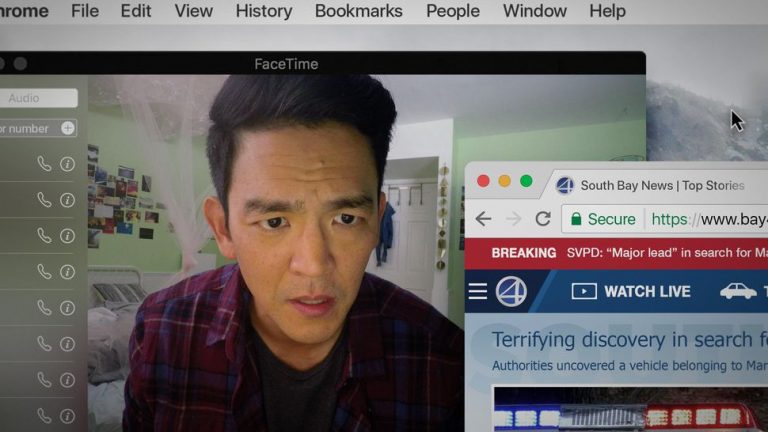
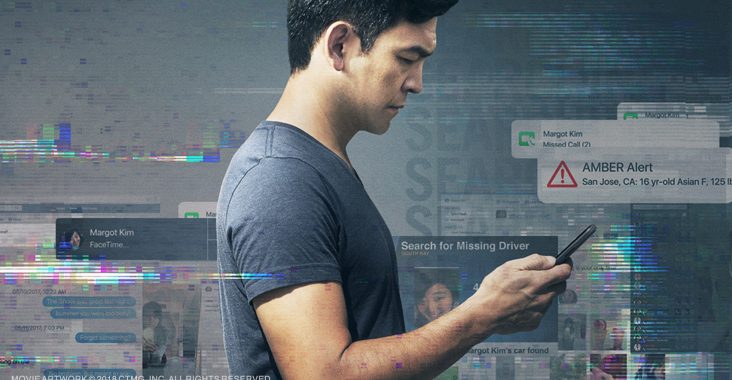
    For the most part, it takes place on the computer screen of widower David Kim (John Cho), a father who frantically searches for his daughter by piecing together her real-world life by learning about her digital life. While the way the movie is presented might feel like a gimmick—and the tactic has been used as a gimmick in the past—Searching quickly undoes any skepticism you’d have by using it in increasingly innovative ways.

    However, the plot isn’t something we haven’t seen before. Through a breezy montage at the beginning of the film that brilliantly walks us through Margot’s (Michelle La), David’s daughter, childhood from kindergarten to high school. Along the way, through home videos uploaded onto YouTube, calendar events, and emails we learn the story of how Margot’s mother Pam (Sarah Sohn) succumbs to cancer. So much of our lives are spent online. It seems like a fitting way to throw us into the narrative.

    We skip forward some years since Pam has passed, something that still weighs heavily on David and Margot. Much of the film is told through texts and FaceTime calls between characters, which is how the center of the plot gets moving. We see the familiar multi-colored tentacles of a Mac screensaver fill the screen. Soon, a call from Margot pops up. Then another. Then a FaceTime call that activates the camera and shows David fast asleep.

    The next day, he’s oblivious to his daughter’s disappearance. However, like any parent that hasn’t had contact with their child for a few hours—he sends her countless texts, the familiar “hello” and “are you alright?” that we always get from our parents even as adults—he begins to worry.

    John Cho in Searching

    From there, he goes on a digital journey from Facebook to YouCast to Venmo to try and find his daughter and piece together her mysterious life. Along the way, Detective Rosemary Vick (Debra Messing) becomes attached to the case and works with David to unravel the mystery.

    At one point, David goes onto Margot’s Facebook—he recovers her password by hacking his way onto her email in a way that I’m sure almost all of us have experienced—and makes his way through her friends list calling and texting every person to figure out where she’s been and what she’s doing. All of David’s actions on his computer screen are things that we’re all familiar with. It’s one of the main reasons that the movie feels so realistic, at least at the beginning.

    Searching is beautifully stitched together Nick Johnson and Will Merrick who balance the narrative with subtle hints to the horror that the internet can bring. Specifically, we journey through YouTube comments and Reddit threads as the public catches on to the case.

    At one point, a girl that admits to David that she wasn’t friends with Margot posts a tearful video mourning the loss of her “best friend.” The film dissects society’s response to a crisis, both good and bad. It feels all too real.

    The movie’s greatest asset is how grounded it feels. During the first half of the film, it truly feels like we’re intruding on character’s lives. However, unlike Unfriended, the format can’t sustain the narrative the movie is trying to tell.

    Workarounds for the limitations of the format like surveillance cameras and live streams feel bulky in the otherwise lean plot. Even more, the film’s finale, while pleasing to some, knocks some of the air out of the film. However, Searching feels like another step further in capturing the digital age. And John Cho—always a steady hand in Star Trek and off a career-high performance in Columbus—shines as an equally hopeful and hopeless Daniel.

    Searching is available to buy or rent on Amazon!

    Karl’s rating:

  • ‘Calibre’ review — Netflix’s suspenseful Scottish Highlands thriller

    ‘Calibre’ review — Netflix’s suspenseful Scottish Highlands thriller

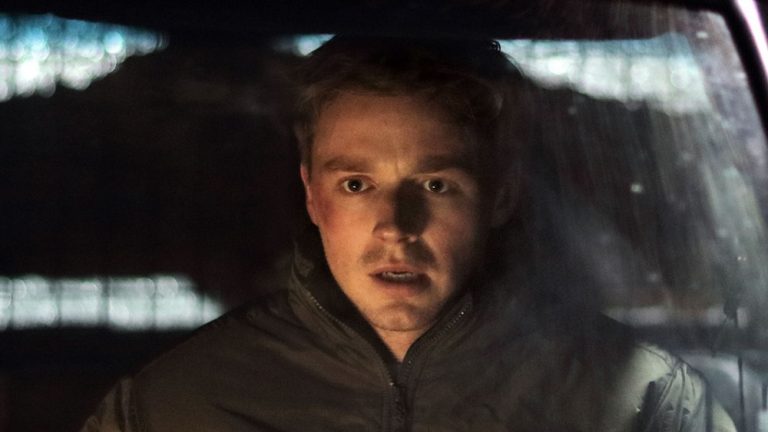
    Calibre is a lean and oppressively dark thriller set in the Scottish Highlands that announces Matt Palmer as an exciting new filmmaker and Jack Lowden as a star

    Calibre at the beginning is interspersed with sweeping, silent shots of the Scottish Highlands. The shots are beautiful but foreboding and isolating. Slowly the film closes in. The shots get tighter and lighting gets darker. The movie is literally closing in on the main characters.

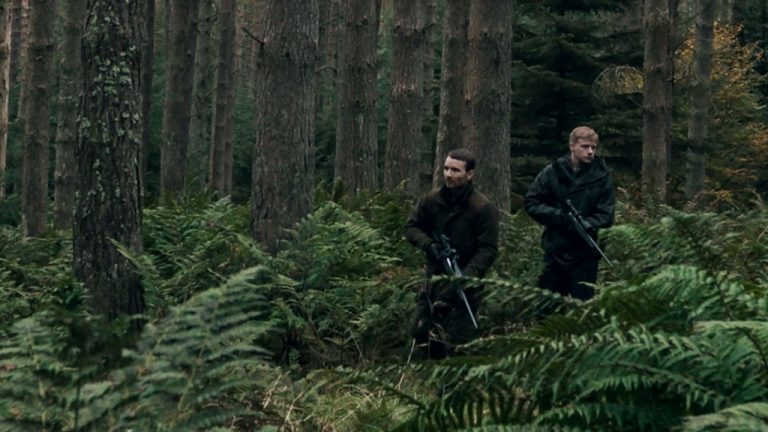
    The film, which is director Matt Palmer’s feature debut, is methodical and precise in its plot as two friends, Vaughn (Jack Lowden—last seen in Christopher Nolan’s Dunkirk—is brilliant here) and Marcus (Martin McCann), go on a hunting trip far into the Scottish Highlands.

    Palmer’s screenplay deftly sets up the relationship of the pair in the breezy first act of the film. Vaughn, who has fiance and baby on the way, and Marcus, a businessman with a cocaine habit, are old boarding schoolmates that have the air of friends that can pick up where they left off even after time apart.

    Their hunting trip takes them to a small village on troubled times held up and led by Logan (Tony Curran in a great performance). Though their drunken night on the town is light and fun despite some tension with the locals, the trip is anything but a relaxing reunion between schoolmates.

    Jack Louden in Calibre

    Something remarkable happens about 20 minutes into the film. In short, the hunting trip goes awry and someone ends up dead. From that point on, it’s nearly impossible to look away from the screen for most of the running time. Continually Calibre wounds tighter and tighter as new information and increasingly distressing events hammer at the pair before a bracing but inevitable finale closes out the taut thriller.

    Even more impressively, the most suspenseful scenes are the ones where it’s just characters talking. However, Palmer’s sharp writing and tight directing keep you at arm’s length so you’re constantly at the edge of your seat trying to decipher who knows what.

    Calibre flirts with folk horror like Kill List and, in an odd way, The Texas Chainsaw Massacre. They all follow polished city folk as they go up against rural counterparts. However, the more important similarity is the main characters’ series of decisions that lead them to their fates.

    Truly though, the story isn’t something we haven’t seen before. However, when a movie is told this effectively with a Hitchcockian flair—credit has to be given to Chris Wyatt’s masterful editing and composer Anne Nikitin simple but oppressive score—it’s hard not to be engrossed in Calibre.

    Calibre is now streaming on Netflix!

    Karl’s rating:

  • ‘Crazy Rich Asians’ review — A step forward for represenation and rom-coms

    ‘Crazy Rich Asians’ review — A step forward for represenation and rom-coms

    Crazy Rich Asians is a big step forward for representation, but also a refreshing take on a genre that has needed a mainstream hit.

    Crazy Rich Asians is the first Hollywood studio movie to feature an all-Asian cast since The Joy Luck Club nearly 25 years ago. However, that’s not the only thing that it is doing after nearly that long. Despite being groundbreaking for its cast and subject matter, it also throws back to an age of Hollywood when romantic comedies were flashy, a little corny, but grounded by its characters.

    What’s so refreshing about the characters in Crazy Rich Asians is they are archetypes we’ve seen before, but because they’re pulled from different experiences they feel fresh. The perfect example is the protagonist, Rachel (Constance Wu). She was raised by a single mother who immigrated from China to the US to give her daughter a better life. That experience is something that has shaped Rachel and who she is today. As a first-generation Asian-American, even the mention of that backstory was a watershed moment for me.

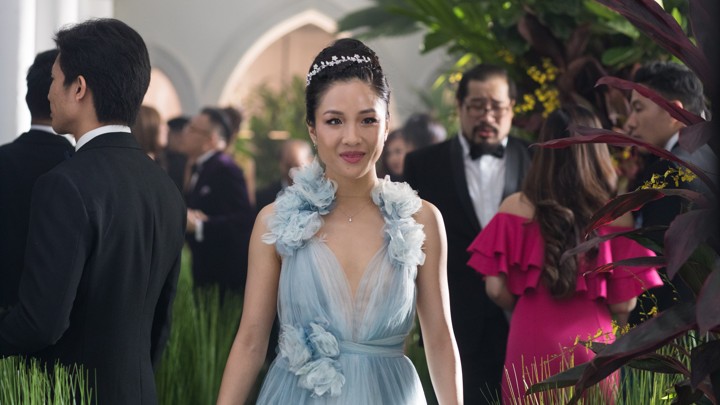
    Rachel, an economics professor at New York University, is dating fellow professor Nick Young (a ridiculously charming Henry Golding). Nick asks Rachel to accompany him back home to Singapore to attend—and be the Best Man— at his best friend Colin (Chris Pang) and his fiance Araminta’s (Sonoya Mizuno) wedding. What he failed to tell Rachel is that he is the heir to his family’s massive Singaporean real estate developer fortune and they are—well, crazy rich. 

    In a subversion of many other romantic comedies—where Asian characters are often put into stereotypes or shown simply in the background of a date set at a Chinese restaurant—American Rachel is the outsider. Not quite Asian enough to be a part of the Young family’s world. It’s especially apparent as Nick introduces her to his mother Eleanor (a deliciously devious Michelle Yeoh), his grandmother Shang Su Yi (Lisa Lu), a parade of Aunties, and countless young eligible bachelorettes that despise Rachel.

    While there are people on her side like Araminta and Nick’s sister Astrid (Gemma Chan), who is having troubles of her own, it seems that almost everyone is weary of Rachel. At one point while at Araminta’s bachelorette party Rachel finds a dead and gutted fish on her bed with the message “catch this you gold digging bitch” on the wall. Yeah, these crazy rich Asians don’t play. And while a moment like that is shocking and the way she’s treated by Eleanor—most of which consists of icy stares and cool takedowns—and others could be over-the-top, it’s all told in a fun way. Crazy Rich Asians is essentially—and I say this in the best way possible—a soap opera.

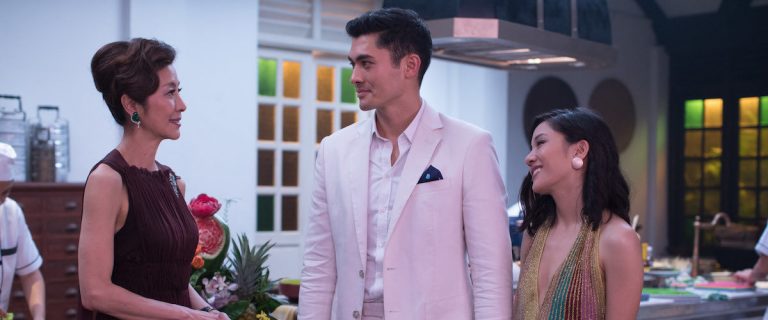
    Crazy Rich Asians
    Michelle Yeoh, Henry Golding, and Constance Wu in Crazy Rich Asians.

    However, there is a lot of heart, as well. A large part of that heart comes from Rachel’s Singaporean college friend Goh Peik Lin (Awkwafina is hilarious and used perfectly) and her family (Ken Jeong and Koh Chieng Mun to name a few actors) who are all hilarious and Rachel’s mother Kerry (Tan Kheng Hua). 

    And while Rachel tries her best to win over Nick’s family—they’re constantly trying to convince him that Rachel doesn’t belong among them—she eventually learns that to beat them she has to join them. She returns Eleanor’s icy stares and cold takedowns and stunts on the other jealous girls at the wedding. The movie is tightly plotted and almost all of it is about relationships and communication—both spoken and unspoken. 

    The importance of diversity and telling a wide array of stories in Hollywood becomes so apparent in a movie like Crazy Rich Asians. While the story and movie have mass appeal, it’s the small moments and gestures that make it clear that this is made for an Asian audience—crazy rich and regular alike.  One of the moments—one of many that I smiled at simply because I recognized it from my own life—is a tense Mahjong game that also doubles oddly as a negotiation. And while the game furthers the story, what was more emotional was watching something that was such a large part of my childhood being reflected on screen.

    Fireworks, private island resorts, lavish balls, one of the most entertaining things about Crazy Rich Asians is how crazy rich the characters are. However, the most fascinating thing about the movie is how much it’s about the things that connect us as Asians—and not just culture. I think the expectations of Asian parents and their desire for their kids to be as happy and successful in life sometimes cause rifts in our relationships with our parents. That’s one part of what Crazy Rich Asians is about. The other part is about how our parents always have our best interests at heart—whether it’s Rachel’s mom’s decision to bring her to American or Nick’s mom’s desire for him to take over the family business. No offense to rom-coms in the past, but this is much more interesting than a straight-forward love story. Crazy Rich Asians is a step forward for representation, but also a step forward for an entire genre.

    Crazy Rich Asians is available to rent or buy on Amazon!

    Karl’s rating:

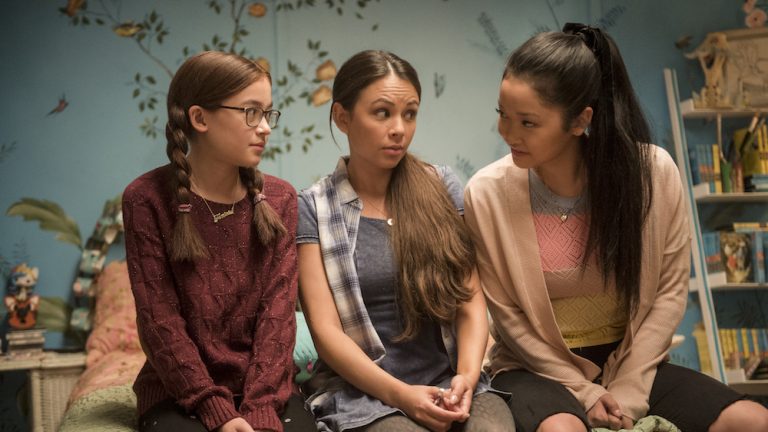
  • ‘To All the Boys I’ve Loved Before’ review — A crush-worthy teen rom-com

    ‘To All the Boys I’ve Loved Before’ review — A crush-worthy teen rom-com

    To All the Boys I’ve Loved Before is a swoon-worthy teen romantic comedy with a heart of gold and a trailblazing protagonist.

    To All the Boys I’ve Loved Before comes on the heels of Set it Up and Crazy Rich Asians, which seems to cement 2018 as the comeback of the romantic comedy. And while To All the Boys I’ve Loved Before would seem like it has the least pedigree of the three, it’s one of the best teen movies I’ve seen in years—including movies I loved this year like Love, Simon and Blockers. That’s because it, for the most part, subverts the typical teen rom-com cliches.

    One part of that is casting Vietnamese-born actress Lana Condor as the lead character who was written in Jenny Han’s book of the same name as a half-Korean, half-Caucasian girl—something that not every Hollywood adaptation of a prior property has done. However, the other part of the movie’s success is that Susan Johnson took those typical rom-com cliches in the movie and simply makes them work. It has the typical structure of a rom-com, but fills that structure with realistic—but still over-the-top—characters and a star-making performance by Condor.

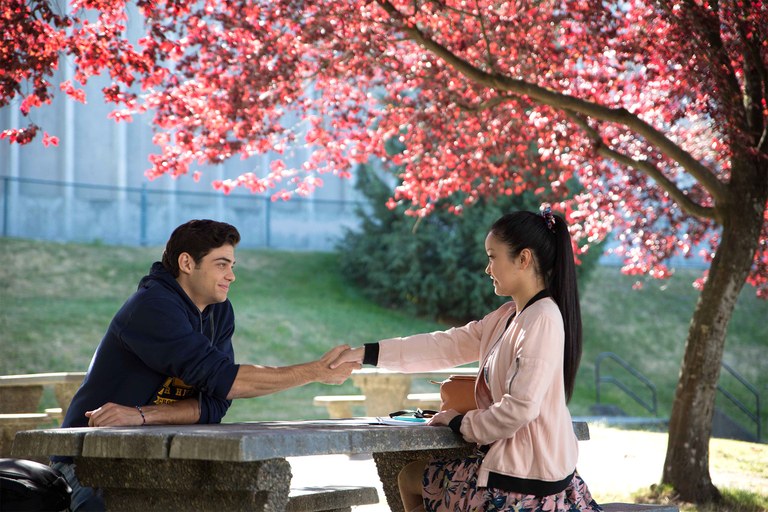
    Condor plays Lara Jean Covey, your typical high school student who awkwardly tries to find someone to sit with in the cafeteria, is afraid to drive, and harbors crushes on boys that she barely has contact with. However, unlike most teens, she writes letters to each of her crushes—the letters are as embarrassing as you’d think—and hides them away in a gift box her deceased mother gave her. Some of those crushes include a middle school spin-the-bottle kiss, Peter (Noah Centineo), her Freshman year homecoming date Lucas (Trezzo Mahoro), and her sister Margot’s boyfriend and former friend Josh (Israel Broussard).

    That last crush is the one that could have the most devastating effect for Laura Jean since Margot (played by Janel Parrish) has broken up with Josh right before she left for college in Scotland. That’s why when the letters somehow get out in typical rom-com fashion, Lara Jean hatches a plan to avoid an awkward discussion about his letter.

    💌 Sign up for our weekly email newsletter with movie recommendations available to stream.


    ADVERTISEMENT


    To All Of The Boys I’ve Loved Before

    That plan involves another former crush, Peter, now the school’s most popular lacrosse-playing jock who just broke up with his girlfriend and Lara Jean’s former best friend Gen (Emilija Baranac), pretending to be her fake boyfriend to convince Josh she’s not in love with him anymore. But Peter has his own motivation for the fake relationship. He desperately wants Gen back since she left him for a college student.

    Though the plot is as teen rom-com as it gets and the story beats don’t stray too far from the standard—there are ridiculous parties in enormous mansions, a climactic school event that is a turning point for the movie, a leaked embarrassing moment caught on camera—Johnson makes every single moment count, even the corny ones.

    But what struck me the most was the emotional moments. Surprisingly they had a lot of impact, especially a moment where Lara Jean and her father (John Corbett) reminisce about her mother and he tells her a story about a diner they’d frequent. A lot of rom-coms can feel like they lack a human element, but it’s alive and well To All The Boys I’ve Loved Before.

    The reason Netflix has been so successful in churning out romantic comedies is that they realize they don’t have to reinvent the wheel. To All the Boys I’ve Loved Before doesn’t do much to surprise, but it has heart, something that the barrage of rom-coms that came out in the 2000s didn’t have. Don’t sleep on this movie just because it’s familiar—save for a lead character and actor blazing a trail for diversity—To All The Boys I’ve Loved Before is a crush-worthy movie that will have your heart swooning.

    To All the Boys I’ve Loved Before is now streaming on Netflix. You can get the novel here.

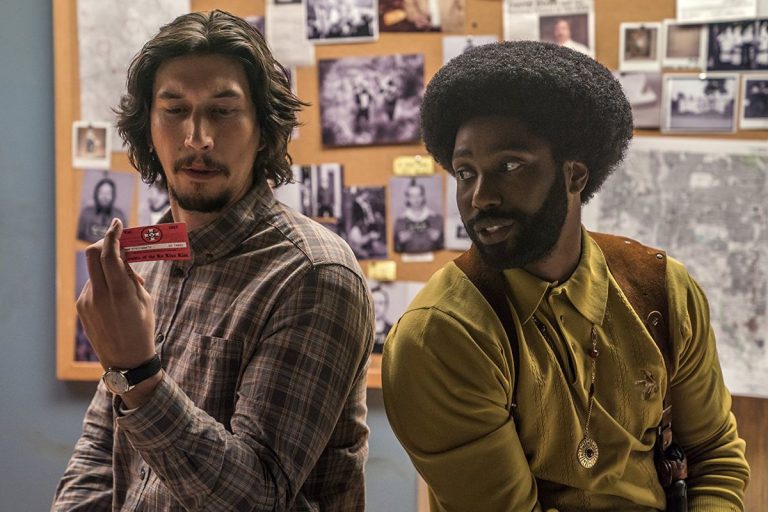
  • ‘BlacKkKlansman’ review — Spike Lee’s response to Trump and hate

    ‘BlacKkKlansman’ review — Spike Lee’s response to Trump and hate

    BlacKkKlansman is an astonishing and often ridiculous true story that is terrifyingly relevant today

    BlacKkKlansman begins with a clip of Gone with the Wind where Vivian Leigh as Scarlett O’Hara navigates thousands of bodies during the aftermath of a Civil War battle. Then, it abruptly cuts to a Dr. Kennebrew Beaureguard (Alec Baldwin essentially assuming his SNL Trump persona) as he films—attempts to, at least—a PSA that explains why “scientifically” the white race is superior. It’s an off-kilter way to begin a movie that explores such a serious topic, but that’s just the way that Spike Lee operates. When Lee adds style to his films, it’s to also add substance. That’s what makes the film’s ending knock the breath out of you.

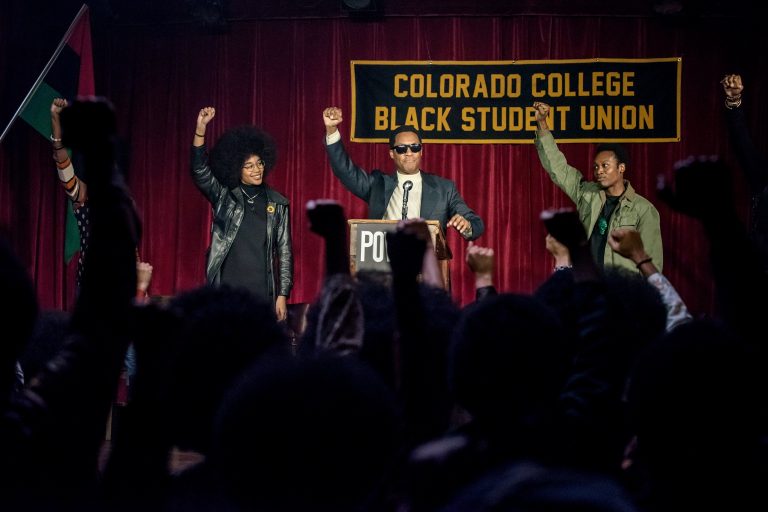
    One of the highlights of the film is an early scene where Ron Stallworth (John David Washington)—he is the first black detective in the Colorado Springs Police Department—is assigned to infiltrate a rally where civil rights activist and leader Kwame Ture (Corey Hawkins with an incredible one-scene performance) is delivering a speech. Since it is his first real assignment—he was been working in the records room taking racists taunts mostly from Landers (Fred Weller)—Stallworth is the consummate professional.

    In the speech, Ture emphasizes the importance of black pride in the fight for equality and the liberation of black people. “We have to stop being ashamed of being black. A broad nose, a thick lip and nappy hair is us and we are going to call that beautiful whether they like it or not,” he says. And all throughout his speech, images of the black faces that are listening intently with fire and hope in their eyes fade in and out of frame. It’s thrilling and emotional. Stallworth seems to be affected by the speech too. Most movies are lucky to have one of those moments. Lee is able to pull off several in BlacKkKlansman.

    Eventually, Stallworth is promoted to the intelligence division where he responds to an ad in the paper promotion the Ku Klux Klan. He calls the number listed and speaks with Walter Breachway (Ryan Eggold), the local president of the chapter. Stallworth is sure to list every race, religion, and people that the KKK despise and using their colorful language to describe each group. Impressed, Breachway invites Stallworth to meet. Of course, he can’t actually meet him, which is why Flip Zimmerman (Adam Driver) steps in as the physical embodiment of Stallworth.

    “Stop running away from being black.”

    — Kuame Ture (Corey Hawkins), BlacKkKlansman

    Whenever we see the Klan members, Lee portrays them like they are in a minstrel show. Some of what happens is slapstick and darkly hilarious. At one point, Felix (Jasper Pääkkönen), one of the more aggressive members of the chapter, forces Zimmerman—who is still posing as Stallworth and slowly making bonds in the group—to take a lie detector test. The ensuing scene between the two is some of the most sharply hilarious dialogue I’ve seen in a film all year. Another member, Ivanhoe (Paul Walter Hauser), might as well be wearing a dunce cap.

    However, the threat they pose is not underplayed. Felix, along with his wife Connie (Ashlie Atkinson, a standout), are planning an attack on the Black Student Union led by Stallworth’s love interest and activist Patrice (a criminally underused Laura Harrier from Spider-Man: Homecoming). Elsewhere, the Grand Wizard of the Klan David Duke (Topher Grace)—eventually Stallworth has several conversations with him and Zimmerman eventually meets—has political ambitions that terrifyingly mirrors our world today too closely. As one character puts it, it’s “another way to sell hate.”

    However, Lee also explores this true story based on Ron Stallworth’s memoir—he took creative liberties in several places—on the character level. Specifically, he explores identity as Stallworth tries to figure out how to both be a black man and a cop—a fact that Patrice finds hard to get over—and Zimmerman attempts to accept his Jewish heritage.

    In the end, BlacKkKlansman is greater than the sum of its parts. Though it comes in at a robust 135 minutes, I almost wish it was a little bit longer to tie up some of the plot threads that we pick up and drop along the way. However, the power of the story can’t be underplayed and that’s all thanks to Spike Lee’s masterful execution and knockout performances by Washington and Driver—both Oscar-worthy. After the truly stunning final sequence, an upside down American flag appears before fading to black and white. It’s Lee’s way of saying—and what one character says at a point in the film—”why don’t you wake up?” 

    BlacKkKlansman is available to rent or buy on Amazon!

    Karl’s rating:

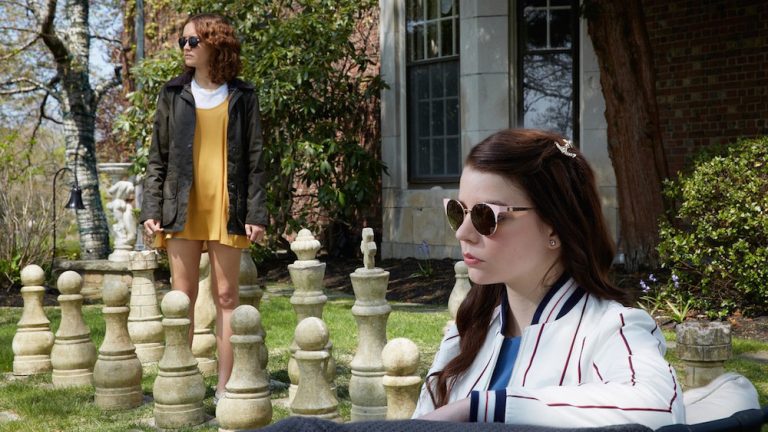
  • ‘Thoroughbreds’ review — Coming-of-age has never been so diabolical

    ‘Thoroughbreds’ review — Coming-of-age has never been so diabolical

    Thoroughbreds is a twisted and darkly funny coming-of-age debut film about what it means to be evil

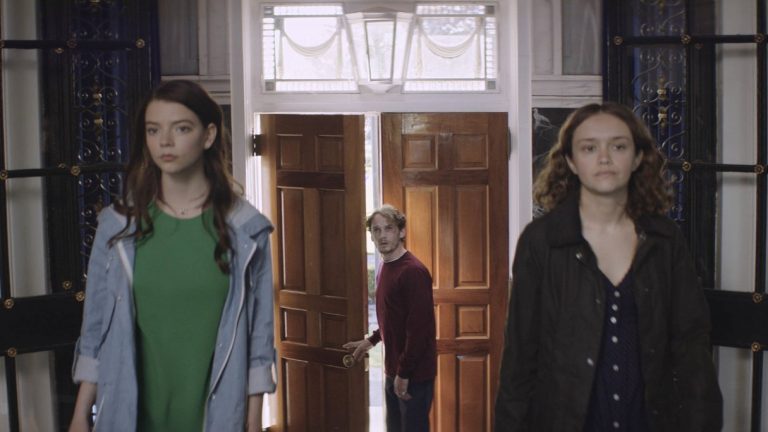
    Thoroughbreds is about evil. What makes someone evil? However, it begs that question in two ways. What makes someone evil—meaning what action or actions that a person takes that makes them considered evil—and what makes someone evil—in that what happens in someone’s genetics or upbringing that could make them evil. The film, however, is more opaque than that. Director Cory Finney’s first feature is a subversive coming-of-age that is deliciously twisted and bleakly hilarious in a way that we haven’t seen since Park Chan-Wook’s Stoker.

    The characters in Thoroughbreds come from privilege and imbue everything that comes with that. Lily (Anya Taylor-Joy following up her breakout roles in The Witch and Split) is a polished and intelligent boarding school girl who has countless prospects in life. Amanda (Olivia Cooke), on the other hand, could simply care less about what life has in store for her. She admittedly is completely devoid of emotion and can’t even process it in other people. However, the two were old friends and have again started to talk to each other, even though they both know that it’s because Amanda’s mother Karen (Kaili Vernoff) paid Lily to casually tutor her.

    The two girls haven’t spoken to each other in years since drifting apart after middle school—the way it always goes—and Lily is clearly hesitant to interact with Amanda after she euthanized her injured horse with nothing but a knife. And while their reunion is uneasy, the quickly bond over one thing: Lily’s contempt for her stepfather Mark (Paul Sparks). Amanda quickly dispatches an easy solution: murder Mark.

    Like most film noir’s, which Finley used as the basic structure, Thoroughbreds is interested in the morality of its character’s actions. Much of the film’s lean 90-minute running time is spent with the pair debating the absurd plan’s ethics in darkly funny exchanges. Cooke delivers Amanda’s dialogue with a pointed deadpan that always seems to get to Taylor-Joy’s Lily. Connecting back to the central question of the movie, Amanda is the makes question and Lily is the what question.

    “You cannot hesitate. The only thing worse than being incompetent, or being unkind, or being evil, is being indecisive.”

    — Amanda (Olivia Cooke), Thoroughbreds

    Eventually, the low-level drug dealer Tim (Anton Yelchin in one of his final film roles before his tragic death) is introduced into the story. His kicked assumed tough guy exterior mixed with a kick puppy dog endearment makes him an interesting third wheel in the story. He serves as a bridge between the two extremes of the girl. He may be doing something harmful—dealing drugs to teenagers—but he’s doing it for a noble purpose—pursuing his slice of the American dream. Yelchin’s performance just makes the sting of losing him even worse. Few actors could both endear themselves to an audience with characters that don’t always deserve it.

    The girls plan to use Tim as a hitman to murder Mark, who Sparks plays absolutely despicably with few redeeming qualities if any. But does he truly deserve to die for that? Instead of going for genre thrills, Thoroughbreds is more meditative than that. Case in point, a climactic scene is a single image that doesn’t change except for the sounds we hear just outside the frame. This may be Finley’s first film, but he’s extremely assured as a director.

    Thoroughbreds is a perfect example of various elements coming together to make a great film. Taylor-Joy and Cooke deliver incredible performances that act as foils to one another while Yelchin, though limited in screentime, acts as an emotional grounding for the film. The twisted but simple plot is expertly stitched together by Louise Ford and scored by Erik Friedlander—one of the best movie scores of the year. And at the core is a stunning feature debut by Finley. The movie flies by, but it’s impactful and daring. Thoroughbreds is one of the year’s best.

    Thoroughbreds is available to watch on Amazon ➤

    Karl’s rating:

  • ‘The Meg’ review — All shark, no bite

    ‘The Meg’ review — All shark, no bite

    The Meg doesn’t deliver on its summer B-movie promises, though Jason Statham does his best to hold the movie together. 

    Jason Statham fighting a giant prehistoric shark is a log line that promises a perfectly campy B-movie summer blockbuster. And that fact that it’s coming out in the heat of August only supports that theory. However, The Meg only delivers on part of that promise. It is certainly a summer blockbuster with its shallow thrills and classic action hero moments, but this John Turteltaub directed movie completely swims past the campy B-movie moments that would make this movie pure “so bad it’s good” gold. 

    That’s not to say that the movie doesn’t have its moments, Statham is a perennially solid leading man who would have absolutely shined had this movie given him more moments to flex his comedic chops like he did in 2015’s Spy. Still, he’s able to pull off a few good one-liners as Jonas Taylor, a deep-sea rescue diver who has come off a bender in Thailand to help rescue his ex-wife Lori (Jessica McNamee) from a recently uncovered section of the Marianas Trench. As Jonas was five years ago, her sub was attacked by an unseen enormous creature that is later revealed to be the titular Megalodon, a giant shark thought to be extinct for millions of years.

    The Meg

    Eventually, Jonas is able to rescue Lori, but a new problem presents itself: The Meg was set loose from its watery dungeon. With the help of the crew of the Mana One, a marine biology research facility funded by Jack Morris (Rainn Wilson) and run by Dr. Minway Zhang (Winston Chao) and his daughter Suyin (Li Bingbing), he tracks down the Meg and attempts to kill it. And, to Turteltaub’s credit, the action scenes are the kind of adrenaline popcorn action flick set pieces that belong in a movie like this. It’s the scenes in between that are the problem. When not dealing directly with the shark, The Meg takes itself way too seriously. Usually, that’d be fine. Mission: Impossible — Fallout, another blockbuster from this summer, balances its serious moments with its camp divinely. However, The Meg can’t find that balance. It can’t be both, so it does neither. 

    While some characters are certainly given more to do and play up the camp—DJ (Page Kennedy) and The Wall (Ólafur Darri Ólafsson) have their momenets—most feel like flat cutouts that are there to up the body count. There are glimmers of what this movie could have been in Statham’s performance as well, but they are few and far between. Eventually, the finale, for the most part, delivers what we want—the PG-13 rating prevents it from going all the way, though—but it’s little too late for the movie. 

    The Meg is fine when you’re watching it, but you could easily keep one eye on the screen or bury your head in your popcorn and not miss much. It simply fades away from memory the instant the house lights come up. Truly, the movie is not bad enough to be good. It lacks the bite it needs to reach the gigantic size of shark movie classics like Jaws or even the more recent The Shallows. Hollywood needs to give Jason Statham a broad comedy stat. Anything to make up for this dead in the water movie.

    The Meg is available on Amazon ➤

    ★★ out of five

  • ‘Blockers’ review — A surprisingly progressive teen sex comedy

    ‘Blockers’ review — A surprisingly progressive teen sex comedy

    Blockers is an uneven, but hilarious, profound, and progressive take on the American sex comedy

    The teen sex comedy has been a staple in American cinema for decades with massive hits like American Pie and The 40-Year-Old Virgin anchoring the contemporary era. However, these raunchy gross-out comedies have been due for a refresh for some time. Especially now as Hollywood is being held more accountable for the way it portrays marginalized groups that are usually forced into stereotypes in this kind of movie. That’s what makes Blockers such an interesting movie. The movie, which is the Pitch Perfect screenwriter Kay Cannon’s directorial debut, explores progressive themes despite its raunchy sex comedy exterior.

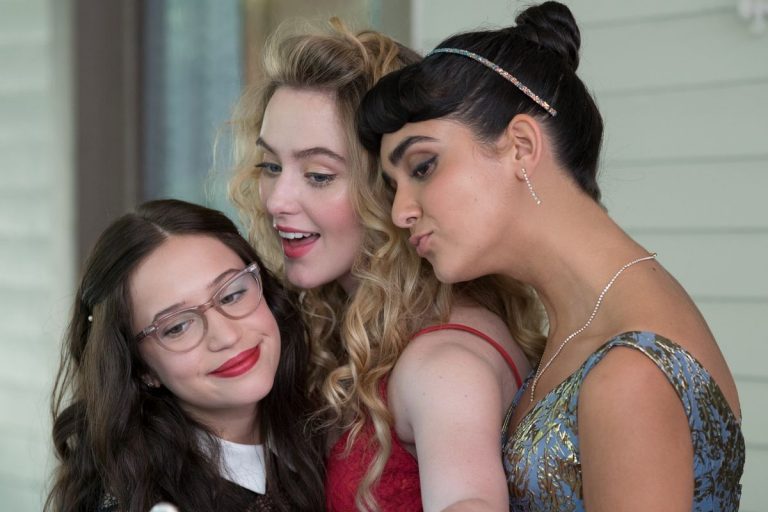
    The plot itself doesn’t sound very innovative. Three friends, Julie (Kathryn Newton), Kayla (Geraldine Viswanathan), and Sam (Gideon Adlon, a standout), are looking forward to their senior prom and specifically the night following it. They create a pact that all of them will lose their virginity, a pact that their parents discover hilariously by decoding the girls’ emoji messages to each other. However, each of the girls is losing their virginities for a different reason. Julie plans to lose her virginity to her boyfriend Austin (Graham Phillips). Kayle plans on losing it to her date and lab partner Connor (Miles Robbins), even though she doesn’t know him well. Sam is questioning her sexuality and thinks she may be a lesbian, however, she joins the pact to feel closer to her friends and to help her truly realize whether she is gay or not.

    That is one half of the story. The other half lies with their parents. Lisa (Leslie Mann), Julie’s mother, feels connected to her daughter and often refers to her as her best friend. Though it’s only hinted at, we can deduce that Lisa had Julie at a young age and raised her as a single mother, which explains her attachment to her. Mitchell (a fantastic and perfectly dressed as a dad John Cena), Kayla’s dad, championed her as an athlete and is overly protective of her. While Sam has a good relationship with her mother Brenda (June Diane Raphael) and stepfather Frank (Hannibal Buress), it’s her estranged father Hunter (Ike Barinholtz) that joins Lisa and Mitchell on their adventure to chase down their daughters and stop them from following through with the pact.

    What elevates Blockers past most teen sex comedies is that it’s clear that Cannon specifically was empathetic to both sides of the narrative: the parents and the kids. On the kid’s side, the movie explores both the incredible invincibility and confusion of being a teen. All three girls are so sure and unsure of their actions as they bounce from party to party before ending up at a hotel where their pact will potentially be fulfilled.

    On the parents’ side, Lisa is desperately trying to keep her relationship to Julie alive as she considers what college to attend in the fall. Mitchell’s overprotective nature turns into mistrust of anyone around Kayla. And Hunter tries to salvage what small relationship he has with Sam.

    And while all this deep emotional exploration is great, it doesn’t mean that Blockers doesn’t have fun. If anything, part of the issue is that it veers too far into raunchy teen comedy in some scenes. Mainly, there’s a chain reaction of throw up in a limo, an awkward walk in on a sexual encounter (not involving the teens), and, of course, butt chugging. However, there are also moments where the comedy is smarter. The scene where the parents try to decode the emoji messages is so smart and perfectly timed and a scene where they fight over control of a car is physical comedy at its best. The balance with the emotional elements of the story is sometimes off, but it’s never dull.

    Progressive is not often a term you can apply to a movie produced by Seth Rogen and written by four men, however, Blockers is pointedly progressive. In one scene, Kayla’s mom Marcie (Sarayu Blue)—Kayla is mixed, which is refreshingly not a main plot point—chastises the other parents for not allowing their daughters to explore their sexualities in a safe way. She touches on feminism and sex positivity without being preachy. And even racist, homophobic, and misogynistic humor that often laces similar movies are pointed out and dismantled hilariously.

    Blockers is a huge step in the right direction for studio broad comedy the same way that Game Night was earlier in the year. There are some issues like the pacing and the way that the emotional elements work in and sometimes the jokes don’t always land, but the good parts are really good. In particular, Barinholtz has a couple monologues that catch you off guard considering his character’s deadbeat dad stereotype feels so on the nose. However, his storyline is more profound than that. The ending is also near-perfect and brings closure to every character in one way or another. If anything, the best thing that Blockers does is that it proves that being funny and being progressive and being profound aren’t mutually exclusive things. They can live together. Even if it doesn’t get it perfectly right, it comes close.

    ★★★½ out of five

    Blockers is available on Blu-ray and Digital HD on Amazon ➤


  • ‘Mission: Impossible — Fallout’ review — The blockbuster of the summer

    ‘Mission: Impossible — Fallout’ review — The blockbuster of the summer

    Mission: Impossible — Fallout is yet another great entry in this long-running franchise thanks to Christopher McQuarrie and Tom Cruise.

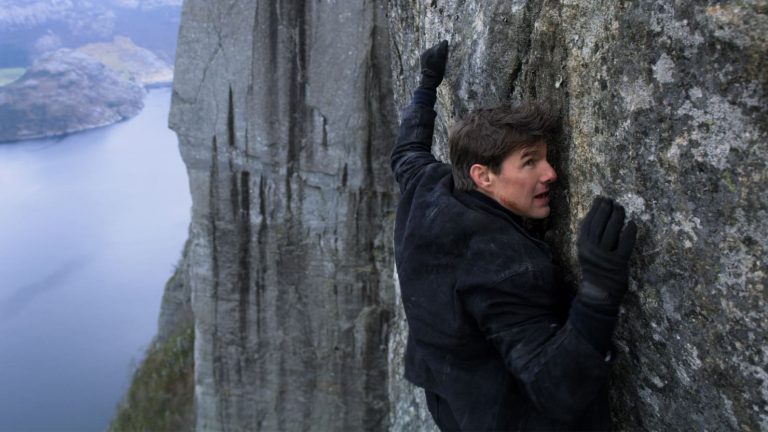
    Over the course of six movies, Mission: Impossible has basically turned into the franchise where Tom Cruise does crazy stunts. Fallout, the newest entry, is no exception—and I’d have it no other way. Christopher McQuarrie—he wrote and directed this film as well as its predecessor Rogue Nation—seems to have cracked the code to this long-running franchise. In Fallout, the story is negligible. There’s enough plot to keep the momentum and the twists keep it engaging. McQuarrie seems to be the perfect match to star Tom Cruise‘s unique take on action.

    The difference between the action in this movie and the action in the equally audacious Fast & Furious franchise is that in Fallout, McQuarrie captures the action in a clean and economical way. It’s the reason Mad Max: Fury Road was so successful. Every action set piece has a narrative pulse whether it be a two on one brawl in a bathroom or an epic car chase through the streets of Paris or a HALO jump from an airplane—the best scene in the film and possibly of the year.

    In Fallout, we begin, as always, with Ethan Hunt (Cruise) receiving his mission, should he choose to accept it. He is tasked with retrieving three plutonium cores that can be easily turned into nuclear bombs that can reek destruction on any city that the holder chooses. In this case, the holder is a group dubbed “The Apostles,” a terrorist organization born out of the remains of “The Syndicate.” Refreshingly, that main plot, which is set up breezily in the cold open—it features an amusing cameo by Wolf Blitzer—is the goal for the entire film. Unlike the Bond films or Bourne films which have twisting plots that end up somewhere different than where they started, Fallout stays focused.

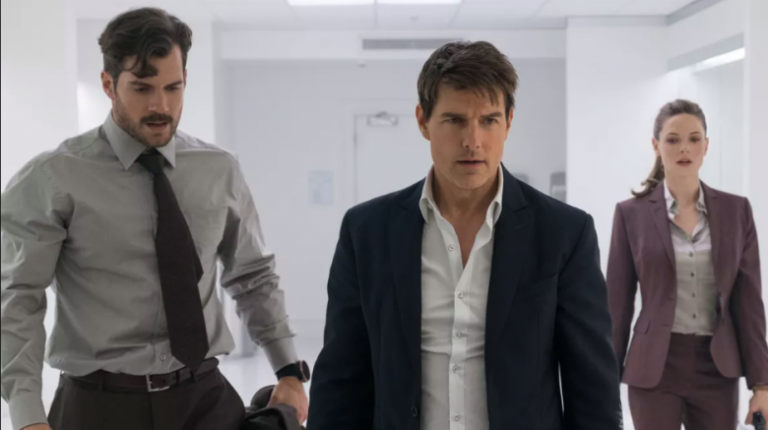
    “The Apostles” want to use the bombs to create a new world order by inflicting the maximum pain on the planet. As they say, “the greater the pain, the greater the peace.” Ethan’s search—he’s aided by a skeleton crew consisting of Benji (Simon Pegg) and Luther (the consummate steady hand Ving Rhames)—leads him to Paris where an arms dealer known as White Widow (Vanessa Kirby is a clear standout in the role) is allegedly selling the cores to a man called John Lark, who wants to carry out “The Apostles’” agenda. However, before going to Paris, CIA director Erica Sloane (a deliciously headstrong Angela Bassett) forces Ethan to take along August Walker (Henry Cavill sporting the infamous mustache) as a failsafe.

    From there, Fallout puts out some of the most impressive and thrilling action sequences ever committed to film. However, every action set piece has a purpose. The HALO jump adeptly sets up Hunt’s moral center and juxtaposes against Wilson’s more brash tactics. The scene, which is devoid of composer Lorne Balfe’s (The Florida Project) impressive score, is breathtaking. McQuarrie gives every moment and action weight. As the pair tumble towards the Earth, you feel the stakes of what is happening, even if you know everything is going to come out fine.

    Every set piece is infused with those stakes. At one point, an armored truck carrying former leader of “The Syndicate” Solomon Lane (Sean Harris) is rammed into a river. Instead of the truck slowly filling with water, which would throw off the rhythm of the scene, an intense and literal wall of water swallows Lane. The camera is attached to the truck to give the illusion that the water, not the truck is rotating. It’s that kind of innovative filmmaking that makes Fallout a bold practice in the action movie genre.

    Tom Cruise is infamous for concocting crazier and crazier stunts that he performs himself. While it seemed like a publicity ploy, Mission: Impossible — Fallout makes it clear why he’s been indispensable until now. His screen presence is irreplaceable specifically when he is performing action. Now that he’s found a director that knows how to capture them, the Mission: Impossible franchise has found new life. Don’t let us down Ethan. That is your mission, should you choose to accept it.

    Mission: Impossible — Fallout is available on Amazon ➤

    ★★★★ out of five

  • ‘Sorry to Bother You’ review — A wild, terrifying, and brilliant social satire

    ‘Sorry to Bother You’ review — A wild, terrifying, and brilliant social satire

    Sorry to Bother You is uncategorizable as a movie because nothing has taken the same risks, but the outcome is stunning

    Sorry to Bother You is overwhelming, mesmerizing, confusing, terrifying, and perhaps, almost too smart for its own good. That being said, there’s never been a more stunning takedown of capitalism than this movie. Get Out changed cinema as a mainstream social satire that works effectively both on the level of a horror movie and comedy. And while Sorry to Bother You doesn’t quite reach that level — the pacing feels precisely too slow and too fast at the same time — it’s heartening to see something like it exist. Mostly because a movie like it has never existed. If any movie is postmodern, it’s this one.

    In the movie, which is Boots Riley’s debut feature, television is dominated by the news, a show called “I Got the S#*@ Kicked Out of Me!”—it’s exactly what it sounds like—and ads for Worry Free Living. Worry Free is a company that offers free housing (a tiny room filled with rows of two people to a single bed), free food (the worst cafeteria food), and no bills in exchange for free labor. It’s a heightened version of reality, but still, sadly, based in some reality. At one point, we cut to a newspaper headline that says that Senate declares Worry Free’s practices legal and not slavery, though it clearly is. It’s that kind of confrontational messaging that makes Sorry to Bother You soar.

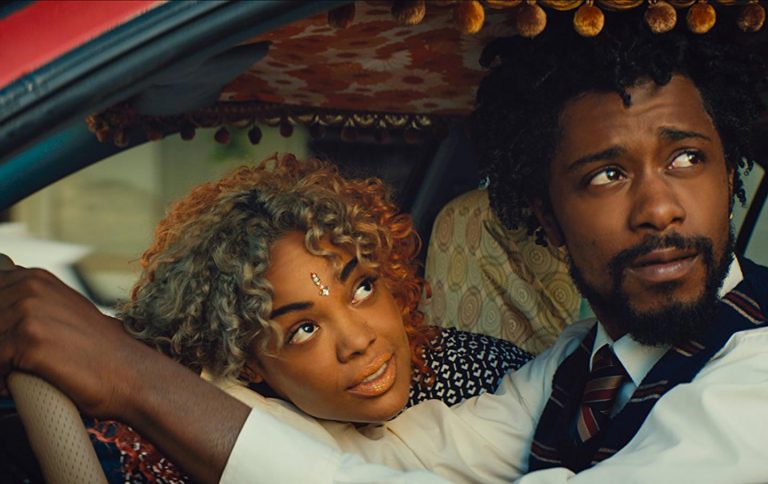
    Lakeith Stanfield plays Cassius “Cash” Green, who we meet in the middle of a job interview for the telemarketing company RegalView. Hilariously, he comes in holding an employee of the month plaque and enormous trophy from high school. However, the interviewer notices that a job on his resume is a fake—since he was the manager of the bank that Cash allegedly worked at. Still, Cash is hired—mostly because the job takes almost no skills other than “sticking to the script.”

    Sorry to Bother You
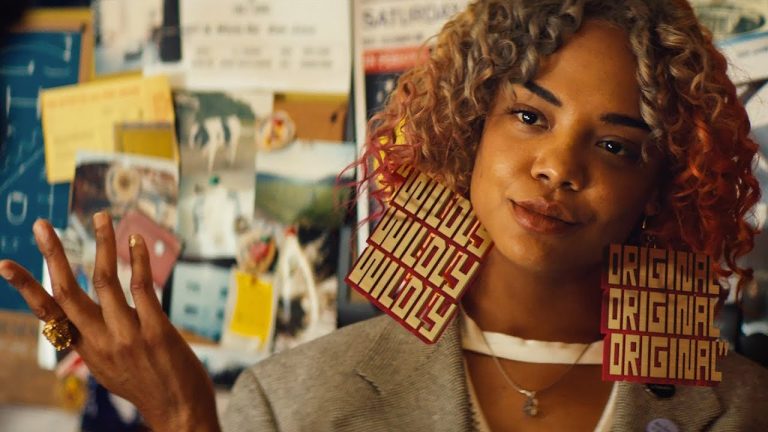
    Tessa Thompson in Sorry to Bother You.

    Cash struggles with the job at first. He’s unable to get any customers to buy anything, which even drives him to consider working for Worry Free. His artist-activist girlfriend Detroit (Tessa Thompson) vehemently opposes the concept of the company and often vandalizes their billboards as part of an activist group called “The Left Eye”. Eventually, Langston (Danny Glover), one of Cash’s coworkers, gives him the tip of using his “white voice” when talking to customers. It’s exactly what you think it’d sound like. Cash’s white voice is voiced by David Cross. Again, it’s a provocative, ridiculous, but incredibly effective way to portray the code-switching that black people often have to do depending on the setting. However, the tactic makes Cash one of the best telemarketers in the company and setting on a path to become a “power caller”.

    After the end of each shift Cash’s friend Salvador (an underutilized Jermaine Fowler), who also works at RegalView, and co-worker Squeeze (Steven Yeun) go to a local bar to decompress from the day. Squeeze mentions wanting to start a union to demand raises. Salvador, Cash, and Detroit, who has begun working at the telemarketing company, all join along with most of the staff. They stage a strike in the middle of the day that angers management, and though Cash is part of the strike, management still promotes him to “power caller” based on his performance. He is sent up in a golden elevator with a ridiculously long passcode—one of the best sequences of the film—and meets his manager, whose name is bleeped out, who explains that power callers sell everything from weaponry to workers for Worry Free.

    From there, Sorry to Bother You somehow gets even more bizarre for better and for worse. Riley leverages provocative imagery that we have seen—protests getting violent as they clash against authorities— and that I sure as hell hope we never see—something involving horses. However, it shows that he has a clear message, even if that message isn’t communicated as clearly as I would have hoped. Some aspects or threads are dropped, some for the better and some for worse. However, it’s just the mark of a first time director.

    By the time Armie Hammer’s villainous Worry Free CEO Steve Lift comes into the mix to present Cash with an offer, the movie is off the rails in that the means of the plot becomes pure fantasy, but the message remains a troublingly realistic one. Riley targets our society today with dead-on aim from politicians being outraged without any follow through to the very concept of capitalism. And while cinematically the movie doesn’t always work, that aspect is there. Sorry to Bother You has so many ideas and delivers on a lot of them and falters on some, but the very idea of the movie is the protest. Yes, it’s weird. Yes, it’s shocking. But I am so glad this movie exists. Riley, Stanfield, and Thompson are stars on their way up. Sorry to Bother You is just another step in that ascension.

    Sorry to Bother You is available to buy or rent on Amazon!

    Karl’s rating:

  • ‘The Fog’ review — John Carpenter’s horror classic is a ghost story worth watching

    ‘The Fog’ review — John Carpenter’s horror classic is a ghost story worth watching

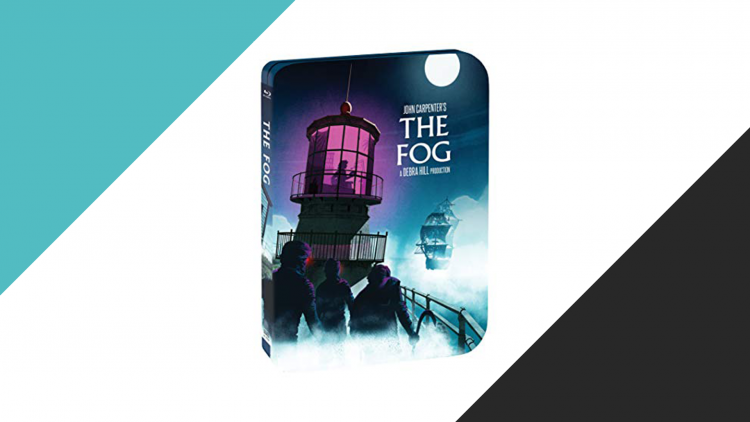
    The Fog is a short and effective ghost story told by horror master John Carpenter. Now, it returns beautifully restored in a collectible steelbook thanks to Shout Factory.

    The Fog opens on a campfire surrounded by a group of engrossed kids and an old maritime storyteller regaling them with the tale of a ship that crashed on the shores of Antonio Bay, right near where the storyteller was telling the tale. The storyteller, an old man dressed like the specter of a lighthouse keeper, speaks in a slow, gravelly voice with a foreboding tone. “11:55, almost midnight. Enough time for one more story,” he says. “One more story before 12:00, just to keep us warm.”

    This cold open was not in the original cut of the film. Legendary director John Carpenter, hot off the success of 1978’s Halloween, decided to include it after being unhappy with the finished product. That decision propels The Fog from a good horror movie to a minor classic within Carpenter’s legendary career. With the cold open, Carpenter sets an eerie, indelible atmosphere for the rest of the film. The Fog feels like a ghost story being told around a fire. The kind where you lean in slightly, put your chin on your hands and find yourself lost in the tale.

    The Fog returns via a stunning HD transfer available on blu-ray steelbook thanks to Shout Factory. And with the first new Halloween movie in more than a decade coming out this year, it’s a welcome reminder of the breadth of work Carpenter has under his belt outside of his most remembered films. And The Fog is a perfect example of how Carpenter could do so much with so little. Though made for just $1.1 million, the tiny seaside town of Antonio Bay, California looks more sweeping than it actually was.

    John Carpenter the fog
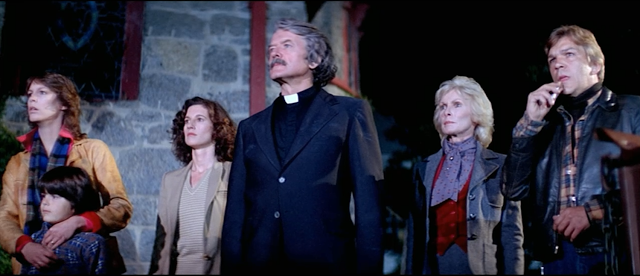
    The Cast of John Carpenter’s THE FOG

    The Fog begins on the 100th anniversary of the founding of Antonio Bay. Right as the clock strikes midnight, mysterious paranormal incidents begin happening around town — car alarms suddenly go off, televisions turn to static. All this while station owner and DJ Stevie Wayne (Adrienne Barbeau gives a standout performance) is finishing her show at the KAB radio station located in the Antonio Bay lighthouse.

    Meanwhile, a group of fisherman just offshore are relaxing and enjoying a drink while listening to Stevie’s show. However, they’re disturbed by a mysterious fog bank that is rolling past their boat. Out of the fog emerges a ship out of the 1800s and shadowy figures that kill the men. Elsewhere in Antonio Bay, Nick Castle (Tom Atkins) picks up Elizabeth Solley (Jamie Lee Curtis) who is hitchhiking down a dark road. All seems normal until suddenly all the windows of the car shatter.

    However, at one in the morning, all the paranormal activity stops. Carpenter harnesses the silent dread that stalked so much of Halloween in a whole new way here. Michael Myers already felt like an apparition, so dealing with actual apparitions in this movie feels like a natural extension. The next morning, Stevie’s son finds a plank of wood with the word “DANE” carved into it.

    Meanwhile, Nick and Elizabeth venture out to find the missing Seagrass, the fishing vessel that went missing in the middle of the night. Elsewhere in town, Kathy Williams (the legendary Janet Leigh, who also happens to be Curtis’ mother in real-life) and her assistant Sandy (Nancy Loomis) prepare for the town’s centennial celebration. 

    Eventually, these stories will come together. Along the way, there are creeps and scares that show again why John Carpenter is a master of horror. In particular, a scene involving the plank of wood in the radio station is pure horror without any loud clangs in the score or sudden jumps. Speaking of the score, it is iconic as any other Carpenter score. He is a master of mood and he perfectly matches his synthesized score to the ghost story quality of the movie.

    The Fog doesn’t go particularly deep into its characters and doesn’t have much in way of themes. However, a lot of that is to its benefit. It’s a breezy 89 minutes of horror with a compelling story and background. There is tension throughout and great scares, it’s an easy movie to watch and one that’s hard not to enjoy. The final act is a bit of a letdown after the effective build up. That’s where the shallowness of the characters and themes betray it. But overall, The Fog is an underrated movie in the Carpenter canon and on that should get its due. Hopefully, it will with this new beautiful steelbook release.

    Where to watch The Fog: Available to buy or rent on Prime Video or

    You can get the limited edition Blu-Ray steelbook here!