Kyle J. Greco

  • Album Review: Waxahatchee – “Ivy Tripp”

    Album Review: Waxahatchee – “Ivy Tripp”

    waxahatchee ivy trippI saw Waxahatchee perform in a bowling alley this past fall. Used to the punk shows and crowd-sweat that had been there before, the small-ish turnout made the place look way more cavernous than I remembered. I’d forgotten that the small tour she was on was going to provide more low-key affairs, more solo-act than full band. Sister Allison and friend Sam Cook-Parrot opened the show with graceful sets and ever-endearing songs. They were great, but Katie Crutchfield shined. Her set was a workshop; in how to embrace that type of spotlight with such focus and clarity; in how to wring the very most emotion out of sparse arrangements; in how to keep the audience entranced, holding them in your hand, gripping so fucking tightly until the end of the song, with the release, the applause, and the collective, inaudible “wow.” She played some songs off her then un-released latest effort Ivy Tripp there, and that spellbinding essence is almost as present on record as it is live.

    I say “almost” only because Crutchfield is such an excellent live performer. Ivy Tripp is not an album that seeks to “capture that live feel, man.” It was crafted, lovingly, in her new home on Long Island. Producer Kyle Gilbride has the knack for letting songs embrace the room in which they were recorded, giving a natural quality to records he works on (prime example: “You’re Damaged” from previous Waxahatchee record, Cerulean Salt). This means that her crushing amounts of talent come through with an earnestness that a studio setting couldn’t possibly foster. I’m not rhapsodizing about any of the real or imagined mystique of lo-fi; indeed, this is not a “lo-fi” album. But instead, it has the hallmarks of home and care, of handcrafted, perfect imperfection, and the record is better for it.

    Make no mistake, Crutchfield is lyrically and melodically one of the finest songwriters this generation will ever hear, and her songs would be superb regardless of where they were recorded. Her emotional honesty, attention to detail, and subtle manipulation of structure make her a singular talent. She’s been quoted as saying the record is about people who wander through life, trying to figure out what to do—but let it be about whatever you think it is. That’s part of the wonder of Waxahatchee songs; even when they’re telling a story, when painful details are out in the open, Crutchfield allows you to fill in the blanks or interpret to the extent that maybe you understand what she’s getting at; at the same time, maybe you delude yourself into thinking that she really gets you. That’s a magical thing, and it happens all over this album.

    The arrangements on the previous two Waxahatchee albums—first American Weekend and then especially Cerulean Salt—were stark and spacious, with clearly defined parameters between where one instrument began and the other ended. Ivy Tripp maintains the same musical frugality (never too many instruments or parts, subtle use of effects) that guided those records while also expanding the sonic palette into more ethereal territories. “Breathless” is set on a foundation of basic keyboard figures while atmospheric slide guitar whirrs after Crutchfield’s assured, open voice. “Under A Rock,”“Poison,” and “The Dirt” all have great rhythm guitar tones, helping to propel the song while maintaining openness to the overall sound, thus allowing the drums to land expressively. They sound like close cousins to Cerulean Salt’s “Coast to Coast.” Quieter moments like “Summer of Love” or “Half Moon” work wonderfully in what might be the quintessential Waxahatchee setup: one instrument (ok, two on “Summer of Love”) and one voice. Weirder moments on the album come off entirely naturally because they sound like fully-fleshed ideas and adhere to the aforementioned ethos.  “<” (“less than”) unravels with a woozy guitar riff and collaged drums that sound like fireworks. The fuller-sounding “La Loose” sounds like she stole her twin’s drum machine to be the paperclip that holds a shimmering art project of a pop song together.  Album centerpiece “Air” and closer “Bonfire” are the most ornate, but every part of those songs is necessary. Co-collaborators Keith Spencer and Gilbride deserve credit for helping to build out the sound of Ivy Tripp all while serving its core— Crutchfield’s wonderful songs.

    Waxahatchee’s previous records had a blooming quality to them: with each repeat listen, something new comes to the fore. Maybe it’s a nuance in the melody. Maybe the lyrics hit you differently. Ivy Tripp is going to offer that even more generously. Even after some serious quality time with it, I’m already looking forward to having this in heavy rotation in the coming months.
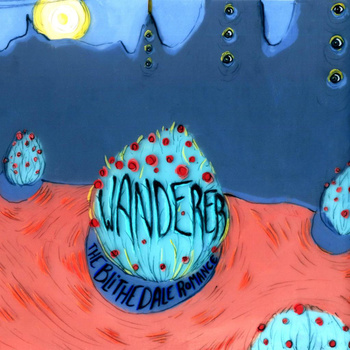
  • Album Review: The Blithedale Romance – Wanderer EP

    Album Review: The Blithedale Romance – Wanderer EP


    the blithedale romance

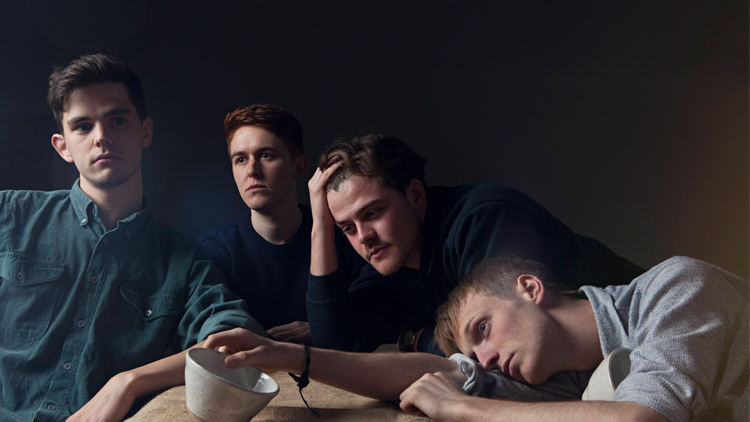
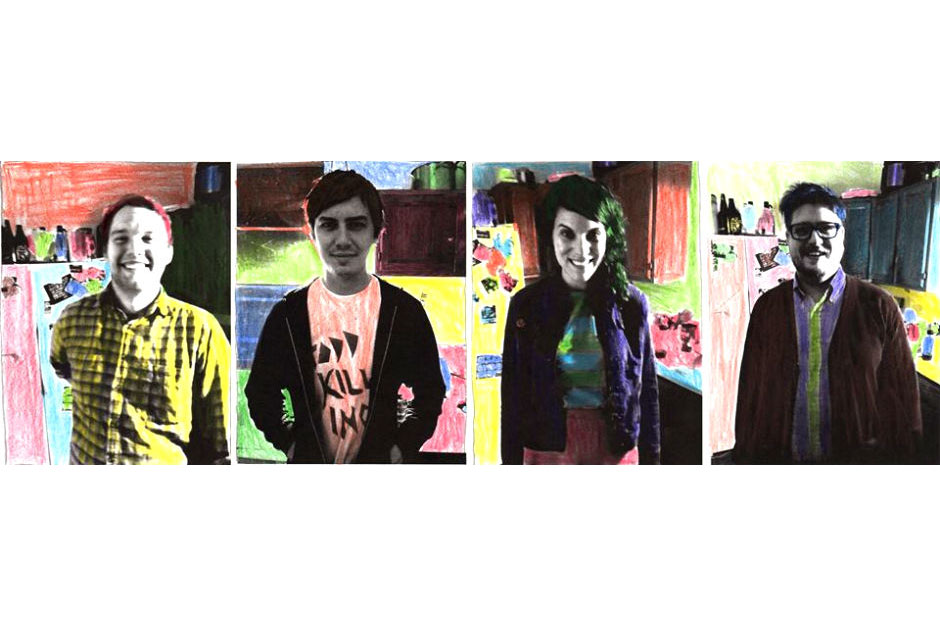
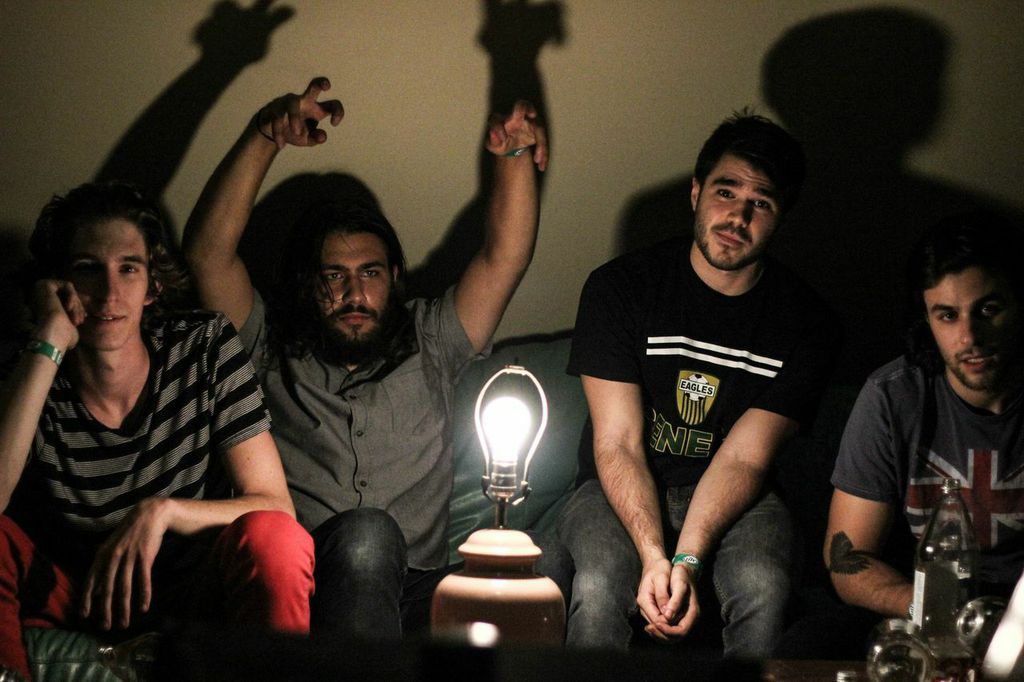
    New Jersey-based quartet The Blithedale Romance, all furious guitars and shredded vocal cords, want you to know they’re trying. The young band took a mysterious, cultish online presence and rebranded their sound “new noise” leading up to the release of this, their second EP. Despite the half-makeover, the band comes out sounding more like themselves than you might expect. But what is a little concerning is that this “new noise” is almost certainly something you’re already familiar with, and that the band seems to have regressed in terms of their songcraft. While their turns to the traditions and tropes of the post-grunge miasma that we can call “modern rock” might evoke a pang of nostalgia in the odd listener, the Wanderer EP represents more of a step backwards than forging a new path.

    The Blithedale Romance’s King EP was a decent rock ‘n’ roll record that certainly wasn’t about to shatter anyone’s perception of reality, but definitely proved themselves to be the type of Jersey band that some listeners could always hold a torch for (the way I do for Status Green). Wanderer, on the whole, sounds like a conscious effort to rock harder, and opener “Now That You Know,” with its big thumping drums and nearly-funk bass, goes for it headlong. Coupled with some bluesy guitar leads, it is fit for alt-rock radio consumption circa 1993. Now don’t get it twisted, the guitars are the star throughout this record, and deservingly so. The math-rock influences come through the most in the spindly lines they interweave throughout each of the five songs, and really are the only reason to stick around through the blandness that is second track and single “State of Fear.” There’s no the blithedale romancelyrical heavy lifting going on here: “The world is so much worse/than we’ve ever let on/there’s so much to fear/there’s so much wrong.” Such a broad statement has no cutting edge to it, however true it may be. And it’s not as though a chorus always needs hyper-clever lyrics to make an impact, but when compounded with a merely average melody, the whole song comes off particularly toothless, even with a nice guitar solo.

    The latter three songs of the EP have more going in their favor than the first two. These songs all use more nuanced instrumentation, and greatly benefit for it. “Struggle” gets mildly psychedelic while “Treason” opts for a more punk approach, and closer “Dryocopus Pileateus” has the band getting full-on mathy to pretty good effect. But the first sees the band extending the song for no reason and the second could end about a minute sooner. It’s little things like these that prevent me from wanting to listen to these songs again; either they don’t get out of their own way fast enough, or they don’t extend themselves musically to make that extra time interesting. It’s fine to do a six-minute song as long as there’s something worthwhile happening, whether its an extended jam introducing new sonic textures, or lyrics that are actually worth a damn. You do get the impression from these last three songs that there is a vision The Blithedale Romance are working towards, but it’s frustratingly clear that they have not realized that vision yet.

  • Iceage Album Review: "Plowing Into the Field of Love"

    Iceage Album Review: "Plowing Into the Field of Love"

    iceage album review

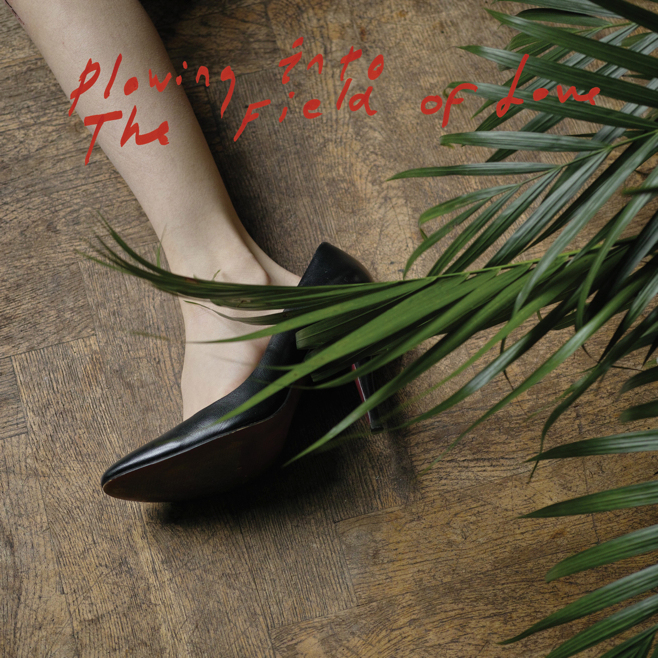
    Punk rock, at its finest, both agitates and puts a smile on your face. Danish band Iceage did that on their previous two albums, New Brigade and You’re Nothing. Both were obliterating affairs dealing with both physical and philosophical anxieties in short, aggressive, and noisy spurts, like a Black Flag for the 21st century. This, their third release, retains that youthful nihilism, while also demonstrating their improved technical ability and desire to go out on a limb musically.

    The most noticeable thing about Plowing Into the Field of Love is how fit for autumn it seems to be. Frontman Elias Bender Rønnenfelt’s Joe Strummer-meets-Tim Armstrong voice sits higher up in the mix than on previous albums, which tended to bury his vocals beneath the cold, gothic-tinged noise of the thrashing guitars. This difference makes Rønnenfelt sound more like the drunken guy at the bonfire, rambling into your ear, with the only difference being that Rønnenfelt actually has some interesting observations. The slight bit of separation between his voice and the rest of the band actually makes the band sound more cohesive; you can tell what each member is doing, but they all interlock now to sound like a band instead of a storm of noise. Obviously the latter has its qualities (and visceral effectiveness) but to hear Iceage’s maturation is relieving; they’re not content to deliver the same product over and over again to diminishing returns. At the same time, it’s not like the band has eschewed all noise, choosing to explore fuzz guitar textures other than the amp-burning ones found so often on You’re Nothing and New Brigade. This exploration also sees the band letting the guitars take on a more nuanced role in the sound. Just as there are quite a few memorable riffs here (“The Lord’s Favorite”, “How Many”, and “Abundant Living” come to mind), there are plenty more times where the electrics sit back in the mix to provide the canvas for perhaps the most startling moments on the record: when the acoustics come in. Viola, mandolin, horns, and guitar all make unplugged appearances, but do so in a decidedly traditional-sounding way. Altogether, these changes make the record sound homey yet aggressive, organic but not folksy, and way more interesting (and harsh) than anything you might hear at a fall festival this year, but still warm.

    plowing into the field of loveThis album feels a little long in comparison to the others. Consider: on New Brigade, only one song reached the three-minute mark. None reached the four-minute mark on You’re Nothing, and now no song is under two-and-a-half minutes with Plowing. Too often, bands confound “maturing their sound” with “bloating,” but that’s mostly untrue here. What we hear instead is a band conserving their energy to make those big, hooky moments actually come off that way. “How Many” achieves an epic chorus unlike any of their previous material. It certainly would still be a solid cut had it been given the same treatment as, say, You’re Nothing’s “Coalition”, but it manages to transcend the rest of their catalogue in emotional weight by not blowing through with breakneck speed. And when they really decide to slow it down, with the drunken-stumble-home of “Against the Moon,” there’s enough going on, what with the horn section and piano motif, to doubly engage the listener while also laying out one of the most emotionally bare (and meta-punk) sentiments: “Whatever I do, I don’t repent.” It reaffirms the idea of “punk” as a concept instead of a sound, and is beautifully exemplified here.

  • Album Review: Adult Jazz, “Gist Is”

    Album Review: Adult Jazz, “Gist Is”

    Adult_Jazz_site

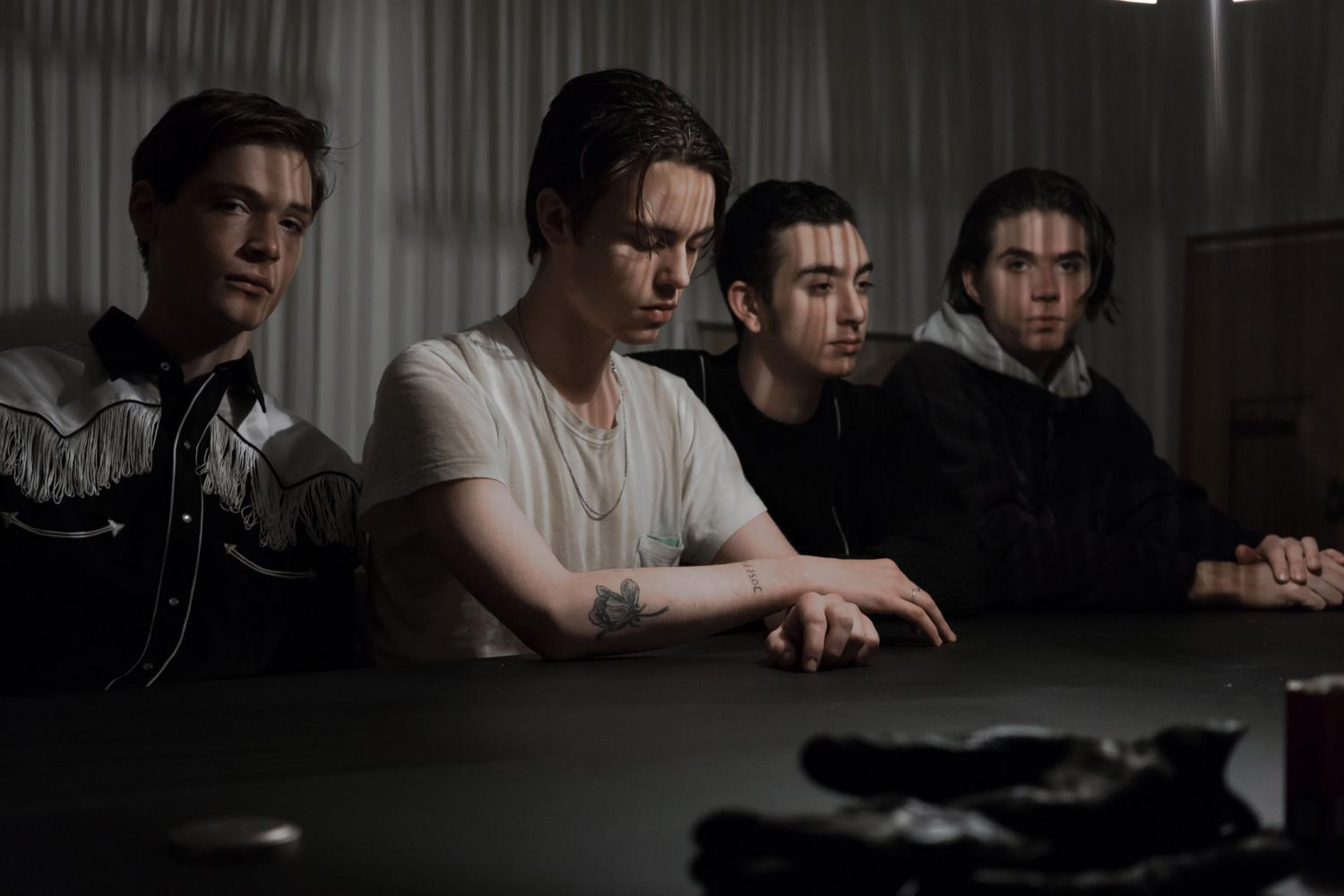
    Debut albums are tricky things to assess. An artist’s first full-length is not a reliable litmus test for how their career will pan out, or in some cases, their artistic validity. But it’s the unique blend of hype and mystery that always makes debuts exciting to listen to. That lack of history combined with the concocted narrative provided by the blogs du jour makes for a first listen that’s brimming with anticipation and yet is a venture into uncharted territory. All of that makes it confusing when a band like Adult Jazz releases something like Gist Is, a debut album that’s refined and familiar but foreign in its precociousness.

    Clocking in at nearly an hour with only nine tracks, Gist Is might initially appear to be an exercise to get through. With only one song shorter than four minutes, the band certainly takes the “long player” form to heart. Quite happily, the album hardly drags, as many songs have multiple movements within them, and each song itself plays nicely into the next. These elongated structures allow for the band to really explore and wring out the most from their instruments. There is a real freedom to the interplay between the four musicians, almost bordering on (as cliché as it is to say here) jazziness. Off-kilter rhythms, especially in songs like “Am Gone”, are given dipping accents with economical bass playing, while guitar and vocals dance over top, unafraid to clash with the rhythm section or each other. Guitars and vocals take a huge amount of cues from the David Longstreth School of art rock, dangling off the edge of song structure (though perhaps Mr. Longstreth himself would push these sounds further). This means a lot of skronky electric figures (see “Donne Tongue”) and singing versions of high-wire acts (“Pigeon Skulls”). It makes for highly expressive sounding music that tests the boundaries of its focus without ever really endangering it.

    If the album has a lived-in quality to it, that may be due to the fact that it was recorded in The Black Byre, a 16th century bastle house. The slight reverb of frontman Harry Burgess’ voice at times recalls someone shouting in an empty room, and gives a special feeling of captured reality. Adding to this great “living” sound is the juxtaposition of those performances against interesting studio tricks.  The pitch-shifted vocals on “Hum,” what sounds like the tail end of a chant on “Idiot Mantra”, and the various cut-and-paste, chopped off bits and phrases found throughout make Gist Is feel like both an artifact and alive at the same time.

    Adult Jazz's Gist IsThere are a couple of things to grapple with on this album. There are some jams here that would surely rock the festival crowd. “Springful” has a wonderful palette of sounds and a killer chorus, and “Am Gone” has a lilting summery pace that anyone on Bonnaroo ‘shrooms would wave their hands to. But there’s a certain paint-by-numbers going on here. “Hum” basically could be a James Blake song; the rest of the album arguably sounds as though Grizzly Bear, The xx, and Dirty Projectors collaborated, and the similarities are easy to spot. But it usually makes for a damn good listen, and this is a debut album, so for now, who cares? Better to draw our concern to the lyrics, which are for the most part inscrutable without liner notes. Some lines do stick well, like the opening three from “Am Gone” or these from “Spook”: “and I do not have no will/and I write these songs to trick God/ and I do not take it lightly.” Burgess, who has a good, unique voice, is not afraid to stretch words with onomatopoetic license, or to repeat phrases, or to generally test the limits of the language he uses. But this can and does bloat some of the songs unnecessarily. Also, the fake patois he occasionally uses is an artistic decision that is hard to understand, and comes off as silly.

    Gist Is is like IKEA furniture: a collection of modern influences that, when combined, creates something that isn’t earth-shattering but is certainly stylish, and ultimately something you want to live in. Adult Jazz demonstrates a sophistication and assuredness in its sound that is worthy of repeat plays and spending serious time with.

  • Album Review: The Gaslight Anthem, \"Get Hurt\"

    Album Review: The Gaslight Anthem, \"Get Hurt\"

    thegaslightanthem

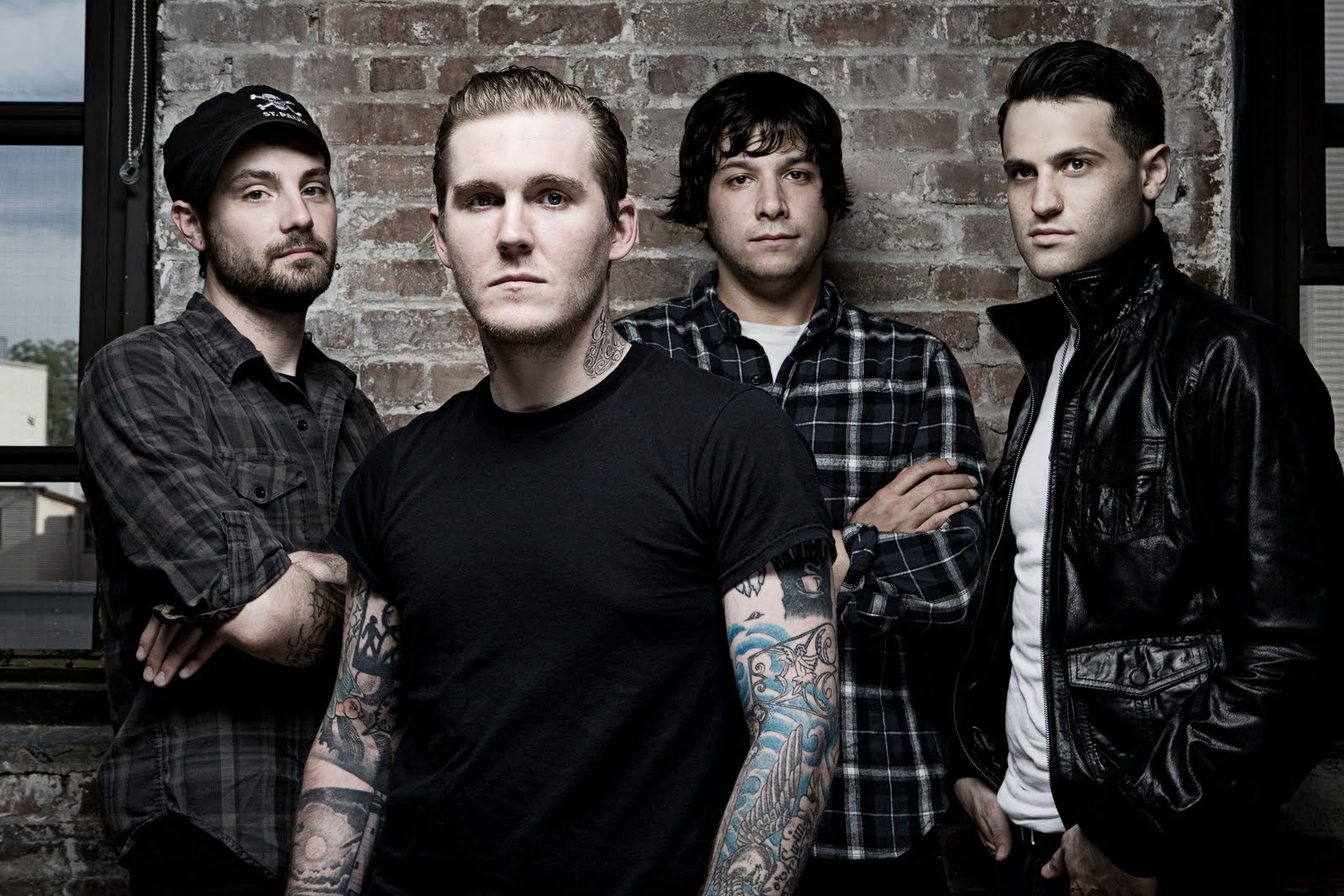
    “Everything has chains.” That’s hard-learned wisdom from Brian Fallon, The Gaslight Anthem’s frontman, on “Selected Poems”, a latter-half album cut from the Jersey quartet’s latest album Get Hurt. It’s been a particularly hard year for Fallon, as he divorced from his wife of ten years. But he’s also had to deal with the aftermath of failed acts of self-sabotage like this, and ultimately come to grips with his and the band’s increasing popularity, as well as the persistent comparisons to a certain fellow New Jersey-an. Fans of the band are certainly rooting for a triumphant return after such personal turmoil, but they may have to wait. Get Hurt is a bloodletting that rarely feels cathartic, with its sound too often regressing to the mean of alt-rock radio as they try to break free of the sound they had so carefully honed over the previous four albums.

    This is apparent from the get-go. Opener “Stay Vicious” sounds anything but, opting for big, generic sounding distortion that you might otherwise get with Stone Temple Pilots, or worse, Nickleback. It makes for perhaps the weakest song in the band’s entire catalogue. We hear ugly guitar tones like this again on “Stray Paper” and “Ain’t That a Shame”. It’s a bizarre choice for a band more than capable of making original sounding rock n’ roll while still paying respect to its traditions. Even as they made a play to follow in the footsteps of their heartland rock forebears on 2012’s Handwritten, Gaslight’s sound maintained a uniquely uplifting punk spirit even through those melancholic and bluesy numbers. Now when they try to open up to that sound, as with “1,000 Years” and “Red Violins”, it results in something that sounds tired and uninspired. The album as a whole suffers greatly from an overall sterile sound, which is hard to imagine considering Handwritten was recorded in the same studio (Blackbird Studios in Nashville) and sounds much more organic. I’m not about to speculate what producer Mike Crossey did to make things sound they way they do, but I’d encourage him not to do it again. Arrangements, by and large, are strikingly boring, particularly on “Get Hurt”, which is too reliant on an overly synthetic guitar sound, and latter-half cut “Selected Poems”, which, if not for the lyrically strong and apropos chorus might get lost by sounding too much like everything else. And speaking of latter-half cuts, the boredom increases, unfortunately, with “Break Your Heart”, which is not only the weakest ballad in the band’s discography,but also a huge disappointment considering the devastation that was palpable on Handwritten’s “National Anthem”. Much of Get Hurt lacks the aggression and energy Gaslight had on previous releases, and it is sorely missed. Alex Rosamilia’s guitarwork is excellent as always, but this batch of songs could really use his earlier-period style of maximalist leads. All of this results in an album that can be a slog to get through, at times.

    Luckily, there is a three-song section that breezes by as a vision to what this album could have been. “Helter Skeleton” takes a melody that could have been used as an 80’s sitcom theme, beefs it up with some tremolo-effected guitar (and the album’s brief glimpse of Rosamilia’s old guitar style), throws what could have been a Beach Boys line in the chorus, and peppers in some dark matter (“something tells me I will die alone”) for what is arguably the strongest track on the record. Then comes the noir-ish “Underneath the Ground” which makes good use of a Fender Rhodes and Fallon’s rugged whisper to create an ominous feeling. Then comes the single “Rollin’ and Tumblin’”, which pairs Fallon’s Sink or Swim growl with his ‘59 Sound croon and captures his sadness with speed and clarity. These three songs manage to expand Gaslight’s sound in new ways while also not sounding, like, say, Staind. Get Hurt is most interesting when the band can be heard working in new directions with subtlety, and those moments are mostly collected here. The other thoroughly solid song on the album comes right at the end; “Dark Places” is reminiscent of The ’59 Sound’s “The Backseat” sonically while offering the brokenhearted viewpoint in maybe the most cathartic manner out of this batch of songs.

    There are parts throughout the lesser songs on this album that are outright good, and it’s mostly driven by excellently written lyrics. “Selected Poems” has the aforementioned chorus. The pre-chorus in “Ain’t That a Shame” is killer: “learned the rules/ out with the wolves/ I’m vicious now baby, dumb and insatiable.”  The final part of “1,000 Years” practically saves the entire song. The problem lies in that these particular sections are surrounded by lyrics that just don’t capture the emotion in any way that doesn’t feel somewhat clichéd. “Stray Paper’s” metaphoric device is too similar to that of Handwritten’s “Blood on the Page”. “Red Violins” has lyrics that belong on the cutting room floor of last album’s sessions, too. Too much introversion and too little of Fallon’s usually top-notch storytelling leaves large chunks of the album feeling bland. Ultimately, there’s little doubt that there is real pain behind these words, it just makes you wish there was more complexity to them.

    A couple of stray thoughts: the bonus tracks are worth repeated listens. They show the band going in a more folksy direction, and it’s a good look for them, recalling The Band in some instances. Had they been split off from this release into a separate EP, it would make for a really good play; here it comes off disjointed from the regular tracks (obviously). Furthermore, this year has seen another major-label band with a punk background and a songwriter excising personal turmoil release a “different” record: Against Me! But where Laura Jane Grace was afforded the opportunity to cement her place as a punk pioneer just by releasing an album as great and frank and energetic as Transgender Dysphoria Blues, Fallon and The Gaslight Anthem found themselves at a similar place in their careers, but with an identity crisis, and without the chance to really have the same kind of impact.While it really wouldn’t make much sense for such excellent musicians to retread the same path they had on American Slang, The ’59 Sound, or Sink or Swim,  it also doesn’t make much sense to veer off into prefab grunge when they had already shown signs of being great at punk, soul, and folk. Extending their sound further into any of those last three would have surely been more exciting (even in failure) than what Get Hurt actually was, but, “everything has chains.”

  • Radiator Hospital Album Review: Torch Song

    Radiator Hospital Album Review: Torch Song

    radiator hospital album review

    Radiator Hospital makes the kinds of records that your teenaged heart wishes it could have. Principle member Sam Cook-Parrott has meshed punk energy with pop songwriting since 2010 and has steadily stacked his discography with straight-up gems crafted with a great sense of earnestness, and yet all the modesty of a high school secret admirer. On this his 12th (12th!) release, Cook-Parrott delivers a forward-charging, focused batch of songs and stories that, while less idealistic than previous LP Something Wild, refuses to get bogged down in emotional bombast.

    Torch Song has a similar feel to it that Superchunk records do, in that you go in knowing what to expect, but never in a “ho-hum” way, because you know the songs will kick ass. And like Superchunk, Radiator Hospital knows how to musically pack a genuine punk sensibility into songs that skew more towards mid-tempo or slower, as is the case with songs like “Cut Your Bangs” and “Five & Dime.” At the same time, the more obviously “punk” songs never sacrifice lyrical importance. This is key for an album focused more firmly on reality; as such, “Leather & Lace,” “Blue Gown,” and “Honeymoon Phase” work beautifully at introducing and sustaining a sense of urgency while ensuring that no chance to develop the record’s theme goes wasted. There are plenty of other really cool elements to be found throughout the record, though; from the surfy vibe of “The Eye,” to the dive bar, Hold Steady-esque jump of “Midnight Nothing;” the best lead-in Straylight Run never had on “Just May Be The One;” and, of course, the presence of the wonderful Crutchfield sisters on “Blue Gown,” “Five & Dime,” and the aforementioned “Midnight Nothing.”

    That’s not to say that the album doesn’t succeed in its quieter moments. Cook-Parrot can get down with Waxahatchee-style minimalism, as heard on “181935” (try and tell me the line “the dogs are out for blood tonight” hasn’t resonated with you before) and “I’m All Right,” taking simple guitar/voice arrangements and using them as contrast against the rockier numbers.  The conciseness of his songwriting is great for this kind of variation, and as a result the record has neat dynamics to it. Also, being Torch Song, the album would be incomplete without one, so RadHos delivers, albeit unconventionally, with the two-part “Fireworks”. The first part is sung by Maryn Jones (of Saintseneca), the reprise by Cook-Parrott, separated by half an album’s worth of songs. Appropriate to its lyrics, this distance mirrors the “another place, another time” feeling of the relationship it describes, and fully realizes the overarching theme of the album.

    When comparing Torch Song to Something Wild, production stands out the most. Whereas Something Wild meandered in fidelity, and had a real sense of being recorded in various places (and various distances from the microphone), Torch Song has a more consistent, forward-sitting mix, which keeps the energy up, maintains its momentum, and lets those quiet moments feel more intimate. The only time this doesn’t quite come off is in “Sleeping House” which sticks out by being a little too synth-heavy and lurching, despite fulfilling a necessary spot lyrically. However, it does bring about an interesting question: what would Radiator Hospital songs sound like with more synth?  Altogether, a big shout out needs to be given to engineer Kyle Gilbride and his mobile recording rig Wherever Audio for continuing to prove that DIY recording can have great results and bring the most out of great songs.

    Torch Song is another solid release from a band with almost exclusively solid releases. There are a few outright jams to be found here, and a slew of other songs with sticky enough melodies and hooks that will find their way into your subconscious. In an efficient 33 minutes, Radiator Hospital delivers a batch of experiences and stories that lend themselves to numerous replays.

  • How to Dress Well: “What Is This Heart?” Album Review

    How to Dress Well: “What Is This Heart?” Album Review

    If you were born in the early 90’s, you might have discovered a few years back a vague but fond recollection of R&B radio hits of that decade. You’ll recognize the names: Whitney Houston, Janet Jackson, Jodeci and their spin-off K-Ci & JoJo, Boyz II Men… Keith Sweat. This rekindled affection may have stemmed, in part, from releases like Love Remains, How To Dress Well’s first album. That album sounded like a half-remembered memory in and of itself, hazy and collaged together, and helped spawn a tackily-named sub-genre whose artists helped push the boundaries of popular music in turn. Now, that movement has played out in the same way that so many others have in the Internet age, with the wheat separating itself from the chaff through instantly classic albums. Krell has solidified his status in that superior group with his latest release, What Is This Heart?

    In his relatively short career, Krell has time and time again pushed the boundaries of R&B in exciting directions by refracting pop music through his own lens. Up to this point, his songs have played like deliciously deconstructed or even outright damaged gems, simultaneously proving the worth and endurance of a good pop song, first through the noise of Love Remains, and then by pulling that noisy veil back to reveal how vulnerable silence can sound on Total Loss, his previous full-length. What Is This Heart? synthesizes those aural theses into actual pop music; it achieves universality while also breaking its own new ground. Newness in the idea that the sounds found on this album are the result of a careful distillation and reduction of pop music trends of the last three decades, bringing out the highest physical and emotional catharsis within each song. The bass and synth strings on “What You Wanted”, screwed vocals on “Face Again”, subtle, slightly 808s and Heartbreaks auto-tune on “Precious Love”, the Purple Rain coda homage on “Words I Don’t Remember”, and guitar sounds pulled from just about everywhere in 80s and 90s music found throughout the album are all executed with enough precision and restraint to remind you why Top 40 radio overuses them. Much in the way that Love Remains rekindled a love for that later period of R&B, What Is This Heart? lets the listener delight in the blur of something new, exciting, and yet somehow familiar.

    Part of this credit has to be given to producer Rodaidh McDonald, who worked with Krell on Total Loss. The pristine sheen he applies here is similar to the kind found on that album, but emphasizes the usage of space to more dramatic effect. This is especially apparent on the balladesque tracks “See You Fall” and “Pour Cyril,” where washes of sound fill formerly naked space epically yet without bombast. The opener, “2 Years On (Shame Dream)”, evokes a humbleness even as it reaches a crescendo, a breath of noise behind Krell’s singing of shaaaame on a note just out of your range. Those signature super-processed Love Remains-style vocals appear now and then to raise the stakes, to build that cathedral of harmony as only found on How To Dress Well records. But the presence of these large sounds act as the atmosphere for other, smaller sounds to exist in, as is the case with “What You Wanted”. A wood-knock rhythm and synth-y sounding guitar flourish against the aforementioned synth strings and huge bass, popping out and making memories. It’s a special moment early on in an album filled with them.

    How To Dress Well’s focal point, even in its noisier days, has always been on the vocals. Krell is at his strongest both vocally and lyrically on this album, his falsetto soaring as he ruminates on love of the familial and romantic variety, as well as philosophy approaching religion and death. “2 Years On (Shame Dream)” is a stark vignette about family, love, and things that are out of one’s control. Despite being perhaps the most sonically minimalist of the tracks, it sets the tone of the album through its emotional honesty. This is punctuated and emphasized through the rhythm of Krell’s delivery, which has always been one of his strongest assets. “No one ever told you life would be this unfair but oh it is” stands out in that song as it builds and tumbles down, notes and rhythm working in unison, poetic without pulling punches. On the follow up song, “What You Wanted”, a staccato performance in the first verse leads into a chorus that dominates rhythmically: “You never say just what you wanted when you want it”. The lyrics do venture into more impressionistic territories at times, but never at the expense of conveying some kind of feeling. The previous two HTDW albums established that Krell does that well, but when “Face Again” conveys personal conflict and confusion in such a way that you’re yelling them with him like you’re at Warped Tour, you realize that he’s developed his songwriting talent even further. “House Inside (Future is Older than the Past)” is as close to gospel music as philosophy (writ large) is going to get, providing hope without explanation or resolution, but merely the statement “this world is such a pretty thing”. It’s a beautiful way to end an album that spends its time expressing the tension between hopes and tribulations.

    The most succinct summation of the entire album lies in the three song run of “Repeat Pleasure”, “Words I Don’t Remember”, and “Pour Cyril”. It has the hooks, emotional bareness, and penchant for the epic. And even with that, it doesn’t tell the full story of an album that begs to be taken fully in a single dose. If Total Loss was supposed to sprawl with sincerity a la Janet Jackson’s Velvet Rope, then WITH takes that sprawl and personal honesty and condenses it while also amplifying every eccentricity, every signature sound within each song. The entire album is a masterpiece in that it captures Krell’s vision of “pop without being populist,” and is the strongest evidence of “artistic growth” that any artist has shown in years, however misconstrued that notion may be.

    -Kyle J. Greco