Rachel Chlebowski

  • Book Review: “The Book of Life”

    Book Review: “The Book of Life”

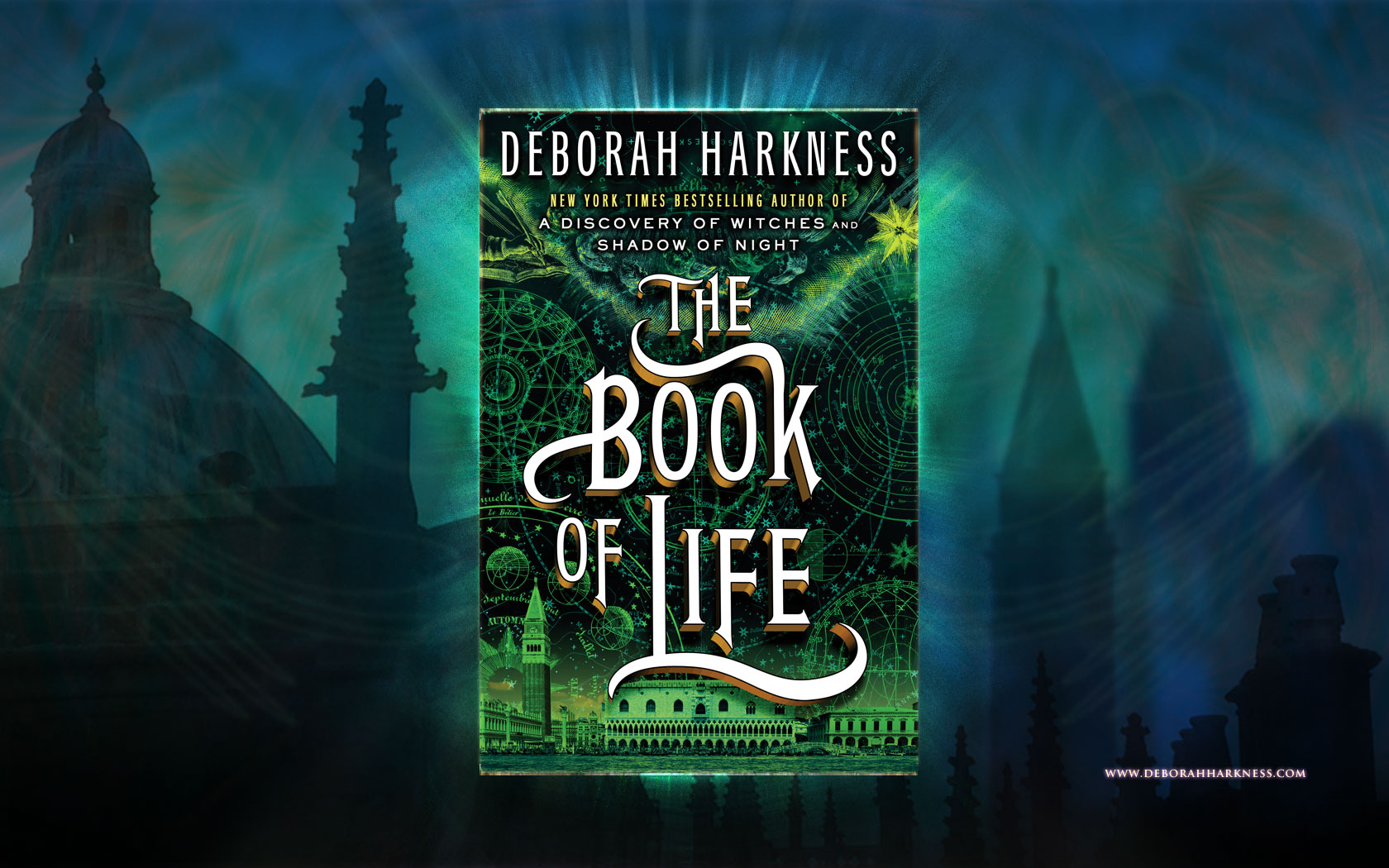
    Deborah Harkness’ All Souls trilogy began with A Discovery of Witches in 2011 (which is wickedly funny since the title-drop in that novel is, “It began with a discovery of witches”). The magical trilogy follows the romance between Diana Bishop and 1500-year-old vampire Matthew Clairmont, but hold your horses—Diana is not a love-struck teenager, but instead a witch too reluctant to use her powers, and an Ivy League professor and historian of alchemy. The trilogy follows not just their romance, but also their search for a missing manuscript that might be the key to the existence of all creatures: in Deborah Harkness’ universe, humans live alongside witches, vampires, and daemons.

    Harkness is actually a professor and historian herself, and her love of history gleams throughout her novels. The sequel, Shadow of Night, features many historical characters in new contexts that only strengthen the novel’s uncanny basis in reality. The book is overflowing with magic, but the magic is grounded and elemental, which I find fascinating. The witches’ work is earthy and authentic; if witches are real, this must be how they exist. But their first book of spells—or is it the vampires’ Book of Life?—is missing, and only Diana can access it, as we learn early in the first book. And as Uncle Ben once said, with great power comes great responsibility.

    Throughout all three novels, the drama intensifies as Diana opens herself up to magic and realizes her powers. As Diana’s abilities evolve and grow more complicated, so do the characters around her; witches turn on fellow witches, vampires turn on vampires, and despite the segregation of creatures brought about by the Congregation’s covenant, Diana’s and Matthew’s families must work together in order for their [naturally] forbidden love have a chance at working out.

    But this is supposed to be a review of the third and final novel in the trilogy, The Book of Life, which came out this past July. I don’t want to talk about where this book starts, as that would spoil the first two for anyone who hasn’t read them, so instead I will discuss its ending. This novel has left me missing its characters (now that the trilogy is over) more than any other novel has for a very long time, which is both satisfying and unsatisfying, I suppose. It sort of goes all over the place, but like its protagonist’s, Harkness’ weaving is impeccable. I felt for these characters—I felt angry on their behalf when things went south, and I celebrated their joy.

    Years ago, when A Discovery of Witches was first published, I remember reading something along the lines of this being the next step in living post-Harry Potter. When I finally started that first novel, I will admit that I took a break and did not know if I would finish the series. But in the end, the All Souls trilogy reminded me of other fantasy novels I have loved, and it was also unlike anything else I have read, which qualifies it to join my other favorites. I hope you give it a chance to join yours, too.
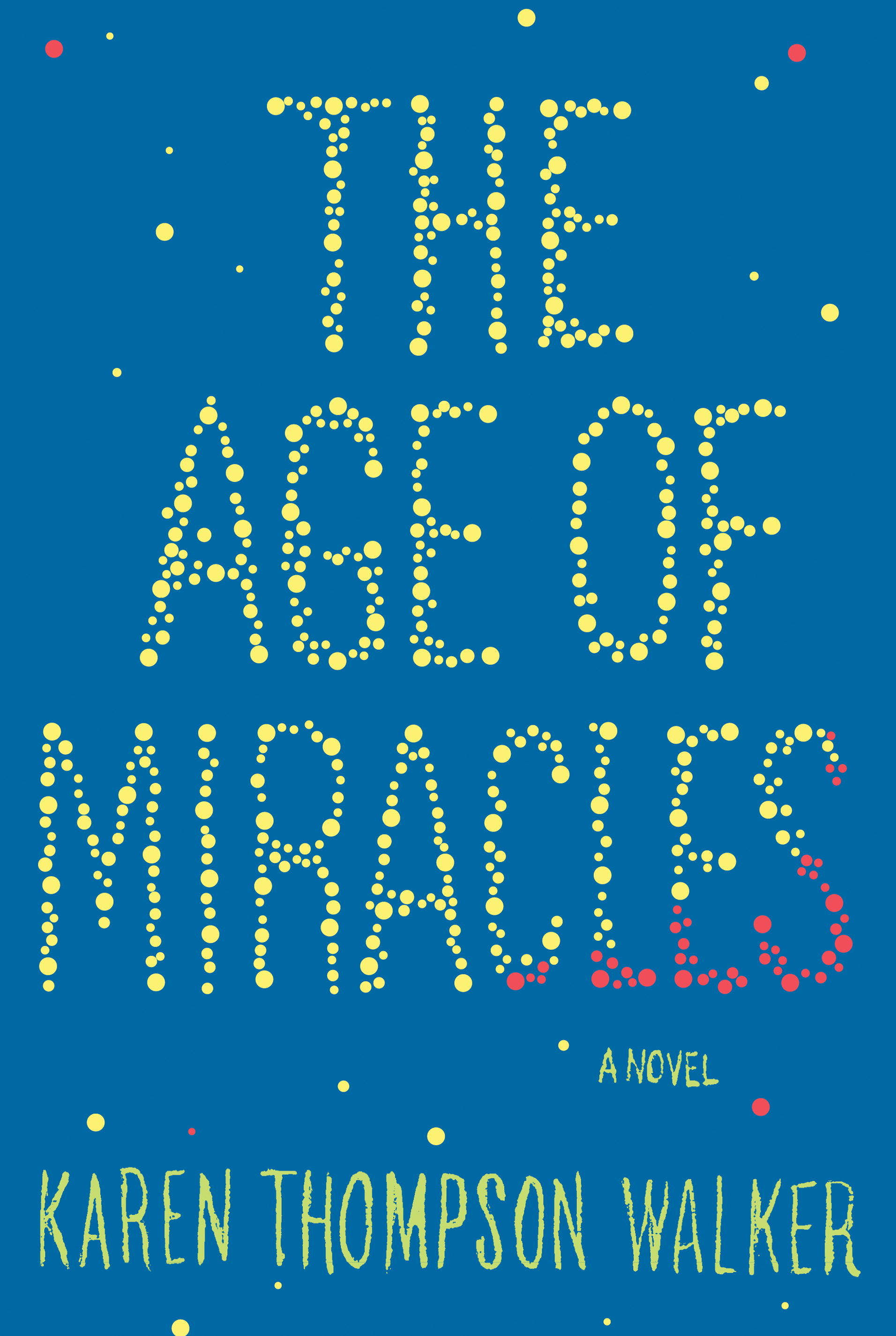
  • “The Age of Miracles” Book Review: Captivating, Speculative, and Miraculous

    “The Age of Miracles” Book Review: Captivating, Speculative, and Miraculous

    15walker"The Age of Miracles" by Karen Thompson WalkerThe Age of Miracles, a speculative fiction coming-of age-story, is Karen Thompson Walker’s debut novel. It’s a look into the lives of 11-year-old Julia and her family during “the slowing”—due to unknown causes, the earth’s rotation has shifted, and the days are getting longer. Like, 40 hours of sunlight longer.

    Walker speculates (hence, speculative fiction) what would happen if the earth’s rotation was altered. Gravity changes, and birds fall. The clocks are entirely off from sunlit and nighttime hours, forcing people to choose between “clock time” and “real time”. Scientists and ordinary people alike worry how much more sunlight or darkness their crops can handle in one sitting before they can no longer live on this planet. Can humans’ circadian rhythms adapt? How much longer until humans can no longer live on Earth?

    Meanwhile, Julia is in middle school. Her father is a doctor, her mother a drama teacher. The slowing affects their lives in different ways, but it affects everything nonetheless. Walker succeeds in balancing what I’ll call world building—her descriptions of this unique time and place—with the microcosm of her characters’ world. The science-fiction premise drives the story as much as its characters.

    Arguably, most of the characters are somewhat underwhelming. The novel is narrated by an older, nostalgic Julia, in first-person from a future perspective. This allows for some interesting and haunting moments of foreshadowing. Julia at 11 years old is excessively shy and extraordinarily ordinary in a way, but this narration from such an ordinary perspective makes her story all the more relatable and real. That is Walker’s greatest triumph—the novel’s utter realness.

    Despite some things feeling like they might not have reached their full potential, there are so many people I want to share this novel with. I want to give it to my astrophysics-major friend, because Karen Thompson Walker actually consulted an astrophysicist to make sure the novel’s scientific developments made sense. I want my friend who’s not so into sci-fi to read it, because the driving force of the novel is how the characters deal with the age they’re in. And I want my friend who loves sci-fi to read it, because I truly admire the way Walker fleshes out this premise in so many angles while from one perspective.

    As she goes through middle school during the slowing, Julia questions coincidence and fate, and the power of one event, one chance change. Walker’s debut novel is smart and compelling. Its premise excited me, and the novel did not disappoint.

  • Netflix Flick of the Week: “Stuck in Love”

    Netflix Flick of the Week: “Stuck in Love”

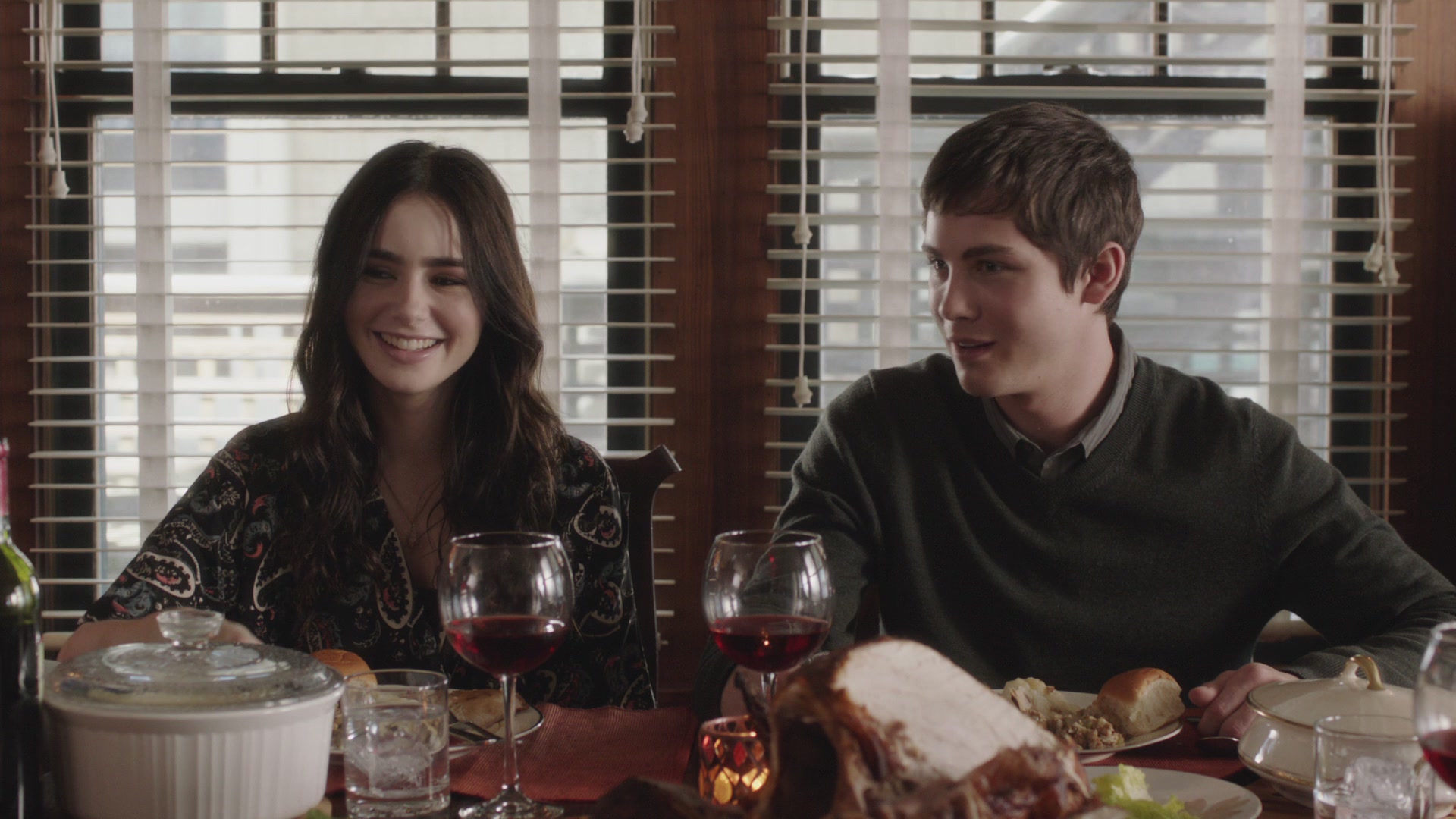
    Stuck in Love Scene

    Dir. by Josh Boone
    Dir. by Josh Boone

    Written and directed by Josh Boone (the director of the highly anticipated film adaptation of John Green’s The Fault in Our Stars. See our review here.), Stuck in Love (2012) was Boone’s debut, and a star-studded one at that.

    I’m kind of obsessed with family resemblances, and the casting is pretty spot-on there. The Mortal Instruments’ Lily Collins radiates confidence as Samantha, and Nat Wolff’s Rusty, as Sam’s younger brother, is an endearing stoner-wallflower. Both resemble their mother, played by Jennifer Connelly. Oh, and Kristen Bell plays the neighbor that the novelist father is having casual sex with! The film is about love (obviously), realism versus romance, and writers.

    Samantha and Rusty grew up in the kind of house where their dad, novelist William Borgens (Greg Kinnear), would pay them to write in their journals, and sure enough, both of them have inherited their father’s writing talents. Even though I hate Samantha for getting a book published while in college, she is the one who tells her father he can’t behave like that when she finds out he has been spying on his ex-wife. Samantha is a realist, and somehow Collins plays her as sophisticated (if often cocky), even when she refuses to talk to her own mother.

    Rusty is the hopeless romantic, and his writing forms the opening lines of the movie (“I remember that it hurt. Looking at her hurt.”). I would call his father, William, a hopeless romantic too, with the way that he stalks his ex-wife, Erica—but he has sex with Kristen Bell’s Tricia often enough to forgo that title.

    And yet, when Erica accuses him of being in denial about everything, I agree with her; when she comes to his house in distress about their daughter, you can easily see that he thought she came back for him. Stuck in Love has such beautifully heartbreaking moments that made me love it.

    Logan Lerman plays baby-faced fellow writing student Lou who “reeks of romance and good intentions” according to Samantha, and has the nice guy thing going for him while she’s a rather cynical manic pixie dream girl. Eventually, though, she admits, “You make me feel less cynical.”

    And that’s not a spoiler because these characters and their relationships go through all sorts of developments and grow throughout the story. This film is very character-driven, not plot-driven, but it is exciting, heartbreaking, and surprising. The soundtrack is also pretty stellar, featuring Conor Oberst and Elliot Smith.

    The film has an average rating of 4.1 out of 5 stars on Netflix.