Tag: Disaster Movies

  • Deepwater Horizon review — Visual effects shine through the mud and oil

    Deepwater Horizon review — Visual effects shine through the mud and oil

    Visually stunning and emotionally resonant, Deepwater Horizon is the kind of “based on a true story” movie that honors its subject, but is also eminently watchable.

    Disaster movies are already hard enough to pull off. But disaster movies based on a real event are even harder. You have to balance the expectations of the genre with reverence for the victims. United 93 is probably the most recent example of a movie that was actually able to successfully pull this off. Paul Greengrass isn’t concerned with the facts, though he certainly gets them all right. Instead he takes a humanistic approach in telling the story. While Peter Berg doesn’t quite reach those heights, Deepwater Horizon is a more than solid depiction of a horrific event that shows reverence for the victims and indicts those at fault.

    It’s pretty fantastic that the movie actually works. Not only is it a disaster movie based on a real event. It is probably one of the most highly publicized disasters in U.S. history this decade. Because of that, the audience has an opinion going into the movie. They have an idea of the facts. So, it was important for the movie to either present something new or to present it in an interesting way. Berg was able to do both.

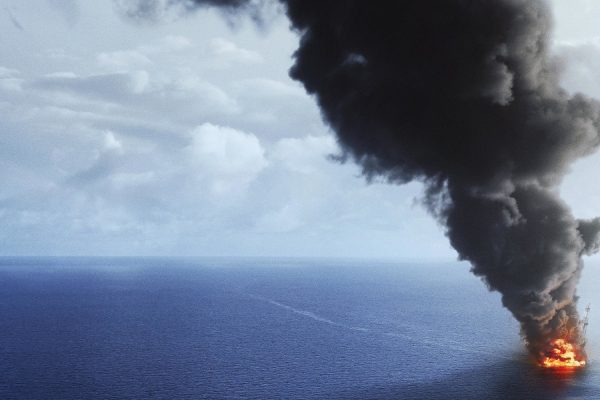
    Deepwater Horizon tells the story of the worst oil industry disaster in U.S. history. It claimed the lives of 11 people and caused incalculable damage to the environment of the Gulf of Mexico. The movie follows the men and women aboard the oil rig Deepwater Horizon in the time just before and after the explosion.


    We are introduced to the members of the crew of the rig before they set off to board. This includes chief electronics technician Mike Williams (Mark Wahlberg), dynamic positioning officer Andrea Fleytas (Gina Rodriguez), and crew chief Jimmy Harrell (Kurt Russell), affectionately known as Mr. Jimmy. Berg uses the beginning of the movie to place the crew in their lives outside the rig. Mike “spends time” with his wife and helps his daughter with a project – a little expositional setup, but it’s actually kind of cute. Andrea tries to get her pet project Mustang to work. It’s all to serve the story and the real-life people behind it. Berg doesn’t forget that he’s telling someone’s story.

    Mark Wahlberg in Deepwater HorizonWhen we get on the rig, we are introduced to Donald Vidrine (John Malkovich), who is quickly established as the villain. In real life, it was determined that Vidrine was following orders from higher-ups at BP. However, in the movie, he is the representative of the entire company. Of course, this happens a lot to simplify a story. However, anyone that knows anything about this story knows that BP came away with a slap on the wrist and a divot in their earnings report. It’s a movie with something on its mind. That something is to remind people that the eleven deaths and billions of dollars in damages resulted in no change and no accountability from the company. The idea of corporate greed is not a new one. However, Deepwater Horizon shows the horrifying possibilites brought on by it.

    The first half of the movie largely sets up the chain of events and decisions that caused the disaster. I really appreciated the screenwriters’ care to not dumb down the events. They showed trust in the audience to understand the mechanics. Terms like PSI and negative pressure are thrown around but don’t feel like jargon. Actually, much of the first act feels almost like it could be a documentary. The movie takes care to give you detail by showing facts and labels on screen. However, it’s the dialogue that makes it shine. Screenwriters Matthew Michael Carnahan and Matthew Sand actually wrote dialogue the way that people speak. Conversations switch subjects and drift. Characters recall past events. It’s the kind of screenwriting we need more of.


    However, from the second that the rig actually blows, there is no stopping the momentum of the film. Peter Berg is able to create a caustic environment that makes you feel the heat of the fire and the power of the explosions. Visually the film is stunning. It is a new high in terms of photo-realistic effects. Balls of fire, dangerous jets of mud, and sudden jolts of pressure actually feel dangerous. That’s a hard thing to achieve in an action movie. It makes you feel like the characters are vulnerable. Granted, they are on a flaming glorified boat that is 46 miles off the coast.

    Mark Wahlberg gives a surprisingly strong performance here, which is something I never thought I’d say. Though for much of the movie he is the macho hero with near superman abilities. But when he is given the chance to emote, it’s heartbreaking. Another highlight is Kurt Russell as the stern crew chief who takes BP head on. However, John Malkovich as the sneering BP executive steals the entire movie. He’s the kind of slithery corporate puppet that is needed for the audience to direct its anger at. And though he might as well be a mustache twirling villain, it works. He’s performing to the back of the theater and the movie is all better for it.

    Deepwater Horizon is deeply entertaining, visually stunning, and emotional. Though it has its flaws, it also has moments of astonishment that show it for what it is: a technical achievement. The visual effects feat of the second half is reason enough to see it. However, it has a surprising emotional depth that makes it more than just a disaster movie. Even then, what makes it eminently rewatchable is this thrilling story that you can’t imagine being real.

    ★★★½ out of 5


    Deepwater Horizon is available on Blu-Ray and Digital HD on Amazon!
  • Godzilla (2014) Movie Review — A darker, visually stunning version of the classic monster flick

    Godzilla (2014) Movie Review — A darker, visually stunning version of the classic monster flick

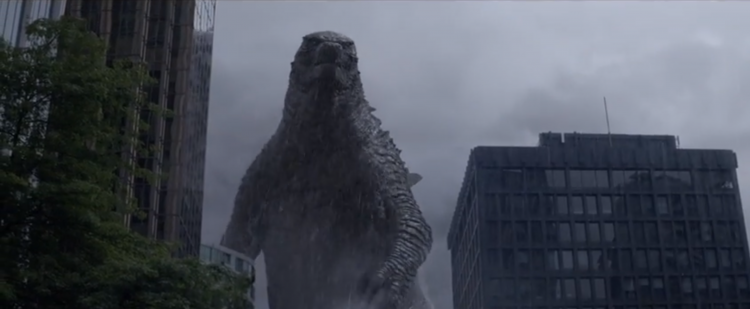
    Gareth Edwards’ 2014 Godzilla is a darker, visually stunning version of the classic movie monster despite its issues

    With Kong: Skull Island out today, we thought it was the perfect opportunity to go back and review the first movie in the Legendary MonsterVerse, Gareth Edwards’ GodzillaNow, hopes weren’t exactly high following the trainwreck that was the 1998 film. However, with Edwards in the director’s chair, a little hope was restored. His first film, Monsters, showed a lot of restraint as the main characters navigated a post-apocalyptic world riddled with giant octopi — it’s much better than it sounds. However, when he does get to those action set pieces, he directs them gracefully and with sweeping camerawork. It was a refreshing break from the chaos we usually see in this genre. I’m looking at you Cloverfield. The world may be in chaos, but that doesn’t mean the filmmaking needs to be. While his work in Godzilla isn’t exactly as inspiring, it still cements itself as a solid summer blockbuster — perhaps one of the better ones — despite its clear flaws.

    The Godzilla universe is rooted in camp. From the iconic rubber suits from the 1954 version to Roland Emmerich’s 1998 film with its  — well, I’m not completely sure how to describe it. However, Edwards infuses this take with a darker tone that surprisingly suits it despite the fact that it’s about a 350-foot reptile. Unlike previous Godzilla movies, the 2014 version is actually concerned with plot and its lore, not just the action sequences. This time, Bryan Cranston plays Joe Brody, the lead engineer of a Japanese nuclear plant until it went into meltdown due to mysterious seismic activity. Years later, he gets arrested trying to return to the site to retrieve files to help him figure out what caused the meltdown. His son Ford (Aaron Taylor-Johnson), an explosive disposal officer for the Navy, goes to Japan to bail him out. Eventually, his father convinces him to help him break back into the quarantine zone. They are soon captured and brought to a secret facility where Project Monarch, led by Dr. Ishiro Serizawa (Ken Watanabe) and Dr. Vivienne Graham (Sally Hawkins), are analyzing a mysterious structure at the site of the nuclear plant. After several power failures, a giant moth-like creature dubbed MUTO — Massive Unidentified Terrestrial Organism — is released and is making its way to San Francisco. As he joins the military task force that is looking to stop the monster, Ford learns that in 1954 several nuclear bomb tests being conducted were actually an attempt to kill Godzilla or at least contain him. However, he has awakened with the release of the MUTO. As Dr. Serizawa says, “let them fight.” And fight they do.


    Gareth Edwards' Godzilla

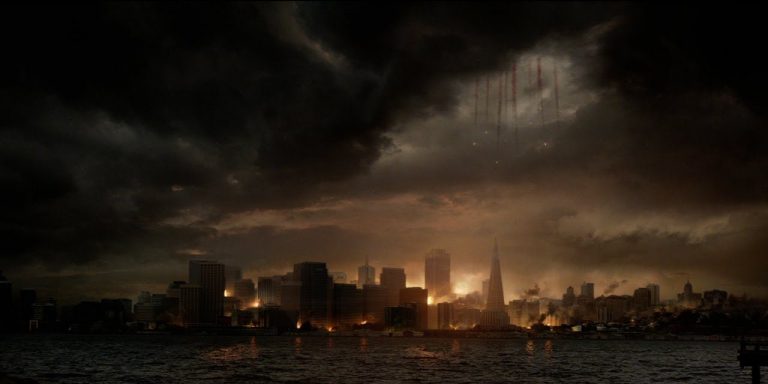
    Unlike earlier Kaiju films, including 2013’s Pacific RimGodzilla revels in the moments between the all-out carnage of the monster-versus-monster battles that defines it. However, that is the reason the bloodthirsty monster movie fanboys detest this movie. They are the people who waged the question, “is there enough Godzilla in Godzilla?” Well, in my opinion, there is just enough. The battle sequences are fantastic and thriller and enough to save the desire for monster awesomeness that some will crave. But then there are moments of pure visual genius that outshine them. Specifically, there’s the highly publicized paratrooper sequence where flares create an incredible effect against the smokey backdrop of a destroyed San Francisco. Then, there’s a moment where we watch on with bated breath as a monster passes beneath a railroad bridge where some of our characters are hiding. There’s some incredible cinema tucked away in there.

    Screenwriter Max Borenstein makes it a point to humanize the movie by using characters that aren’t defined by the usual genre rules. However, as impressive as the cast is, the movie makes little use of them. The wonderful Oscar winner Juliette Binoche gets strong material that amounts to less than three minutes while Cranston barely gets to flesh out his character. Oscar nominees Sally Hawkins and Ken Watanabe are simply there to react to what’s happening while Elizabeth Olsen‘s role as Elle Brody becomes a plot device. Unfortunately, the only actor who gets any material to work with is Aaron Taylor-Johnson whose performance comes off as stiff and emotionless. There are cute attempts to make us care about the characters that simply fall flat and often push the film into cliche territory. Considering the movie is as well-constructed as it is, it’s easy to let that go and allow its visual brilliance to make up for it. In particular, the monster’s first clash in Honolulu and their final, epic showdown in San Francisco are among the best scenes in a monster movie in years.

    It’s clear that Edwards felt the pressure of the studio system in this movie. It often lets tip when a shot or line was put in because the studio thought it would make it more marketable — he certainly figured out how to balance the two with Rogue One. Like that movie, Godzilla is visually dazzling enough to remind you why Legendary chose Edwards to revive the franchise. While it has its problems — the most severe of which is Aaron Taylor-Johnson’s performance — you can forgive it because, well, it’s Godzilla fighting another giant monster. What more can you ask for?

    7.5/10

    Godzilla (2014) is available on DVD, Blu-Ray, and digital rental on Amazon!

  • The Impossible Movie Review — Sentimental to A Fault, but Thrilling and Gorgeously Made

    The Impossible Movie Review — Sentimental to A Fault, but Thrilling and Gorgeously Made

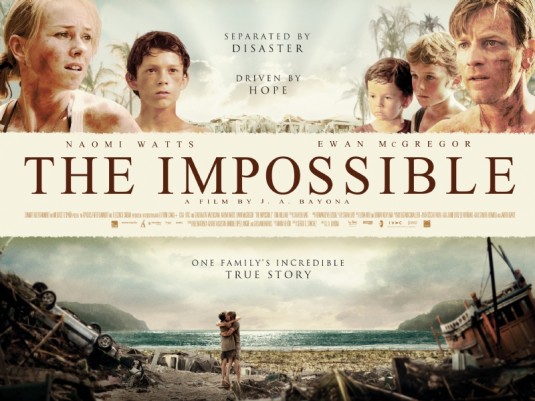
    Emotionally raw and unnerving, The Impossible is a disaster movie that is actually a family drama at its core, which makes for a thrilling a beautiful movie

    This month, director J.A. Bayona returns with a movie adaptation of Patrick Ness’ novel A Monster Calls. So, I thought it would be a perfect time to go back and review his last movie, 2012’s The Impossible.

    In 2005, one of the worst natural disasters in history hit the Indian Ocean in the form of a tsunami. More than 230,000 people lost their lives and nearly 2 million were displaced. So naturally we follow the story of a white family in the disaster. I wanted to get this fact out of the way because it must be said that despite the masses of Thai, Indonesians, Sri Lankans, and other Southeast Asians who were affected by the disaster, this film decided to filter it through the lens of a British tourist family. I’m going to revisit this later.


    The Bennett family arrives in Khao Lak, Thailand for a Christmas holiday. Little do they know that their dream vacation is about to turn in a nightmare of epic proportions. The first thing that you notice about The Impossible is how impressive the cinematography is. Even simple scenes like the family landing in Thailand and their Christmas day celebration releasing lanterns into the sky are shot with a perfectly placed eye. 

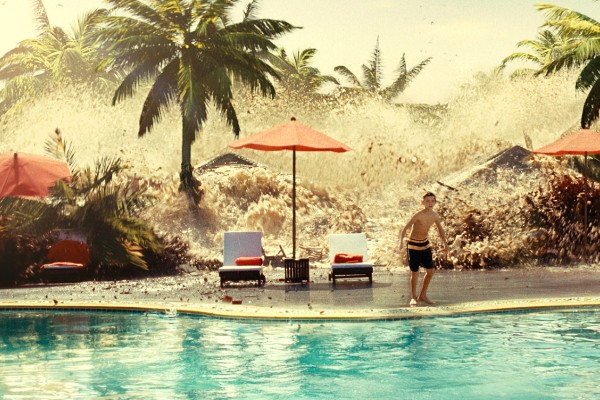
    However, with most disaster movies the centerpiece tsunami scene is the real breakout. Unlike other disaster set pieces, the tsunami doesn’t focus on the epic scale of the disaster, but rather the physical and emotional struggles of our core family. But in reality, what I was really thinking during the sequence was “how the hell did they do that?” Remarkably realistic to the point that you cringe and gasp every time a piece of debris hits a character or when they’re thrashed and impaled as the fury of the water takes its toll on them. If there isn’t a modern argument for practice effects, this sequence is surely it. Bayona used nearly no CGI in the scene.

    the impossible film review

    Naomi Watts as Maria Bennett shows her talents as an actor as she is the lens we view the actual disaster through. Her pain is our pain and her feelings as a mother and a scared human in a seemingly hopeless situation are our feelings.

    And while Watts got the most praise for her performance, the true star here is Tom Holland as the son, Lucas (which bodes well for his turn as Spider-Man). At just 10-years-old at the time of filming, the range of emotions that he was able to convey was incredible for any actor. In the face of incredible odds his character has to deal with conflicting desires to be a strong authoritative figure and reverting to a lost adolescent.

    Nevertheless, Ewan McGregor as the family’s patriarch and the two young performers Samuel Joslin and Oaklee Pendergast are equally fantastic in the film.

    After the disaster, the movie diverts to a story about the aftermath and the new tale of survival the family is thrown into. However, more than that, the movie tells the story of both the chaos in the face of disaster and the power of the human spirit.

    Yes, the movie took a lot of hits for focusing on a white tourist family in this disaster that affected so many Southeast Asian families. However, this decision does make it an easier entry for the Western audiences that are going to be watching this movie. Bayona wanted to filter the story through the eyes of people that we can relate to, and the Spanish family this is based on was the way in.


    However, Bayona did take care to show the range of people affected and the range of people that went to the rescue. The first people to go searching for survivors were the natives and they get their due. 

    While the first two acts are raw, unnerving cinema at its best, the third becomes overly sentimental with a few eye-rolling moments. It feels like it’s a completely different movie from the beginning. There are one too many constructed heartfelt moments. However, it’s not enough to completely take the wind out of the sails of an otherwise engaging and impressive family drama.

    In the end, The Impossible is a surprisingly entertaining and satisfying take on the human spirit in the face of, well, impossible odds. It tracks the unthinkable decisions that this family has to make to survive and the emotional toll it takes on them. Sometimes it’s sentimental to a fault, but the thrilling and innovative filmmaking that’s being done makes it all worth it.

    7/10

    The Impossible is available for digital rental on Amazon!

  • The Wave Movie Review — An American disaster movie in Norway

    The Wave Movie Review — An American disaster movie in Norway

    Despite relying on genre cliches, a new setting and distinctly Norwegian point-of-view make The Wave an enjoyable disaster flick

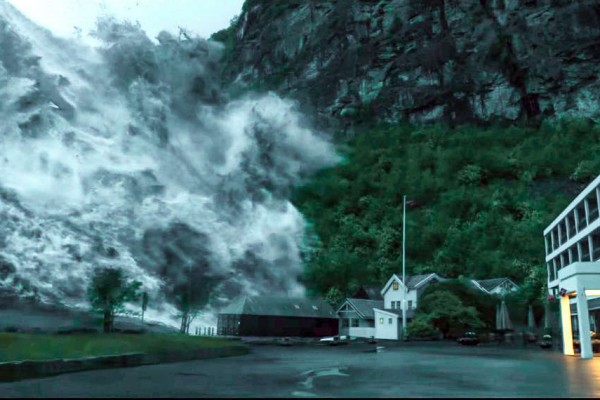
    By the time we get to the eponymous wave in 2015’s The Wave, we are nearly halfway through the movie. Usually when that happens in a disaster movie, that time feels squandered. But not with The Wave. We feel like we earned the right to see the disaster play out. The build, both for character and plot, is a necessary part of the movie.


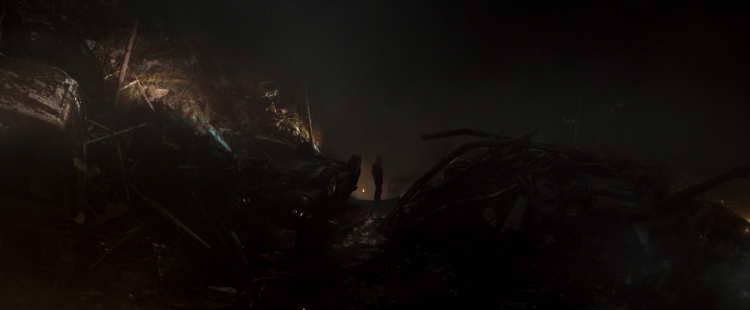
    Director Roar Uthaug (one of the most amazing names ever committed to a human) said, “I've always been a fan of disaster movies — Twister, Armageddon — but we'd never made a movie like this in Norway before.” So, while this is a clear and deliberate emulation of the American genre, it feels unfamiliar in this new setting. Where American disaster movies happen in claustrophobic cities, the Norwegian landscape offers both beauty and mystery. The Wave doesn’t break any genre cliches. What it does do is infuse strong craft into it. A recurring weak point for disaster movies is the screenplay and the movie doesn’t do anything to break that streak. We have a few cookie cutter characters — the angsty son, skeptic scientist — that leave you rolling your eyes. On top of that, the movie is just the formula. the-wave-movie-review Now, I just need to geek out for a moment. The cinematography in this movie is f***ing amazing. The use of light, in particular, is a masterful piece of filmmaking. By strategically placing on-screen lighting like car headlights and flashlights, cinematographer John Christian Rosenlund creates shadows that beautifully outline the actors. However, it has another purpose. The way that the light, water, and fog play off each other creates a startling vision of hell. Reflections in the water and smoke enact a dream-like quality that mirrors the character's own shock. The lighting coupled with interesting framing gives off a claustrophobic feeling. On top of that, he has a commanding use of color. The best cinematographers don’t just “shoot the movie,” they add to the emotion. Rosenlund’s work does just that. For a movie with some much destruction and that is, at some points, literally lifeless, he injects beauty. It’s a truly remarkable achievement. While The Wave is an incredibly well-made movie, perhaps even the most well-made in the genre, it still falls into the cliches. That’s what prevents it from being a great movie. However, I’m glad, proud even, that a wholly American film genre is being attempted in other countries. Familiar movies told from another perspective become something else entirely. While The Wave won’t go down as one of the great disaster movies, I hope it starts a new movement of “American disaster movies” being tackled by foreign directors.

    7/10

    The Wave is available on DVD, Blu-Ray, and digital on Amazon!