Category: Album Reviews

  • Jamie xx Album Review — “In Colour” is a massive achievement

    Jamie xx Album Review — “In Colour” is a massive achievement

    jamie xx in colour album review

    If you’re expecting a traditional electronic album with deep thrashing bass and lyrics talking about “poppin’ molly” from Jamie xx’s debut solo album, then you’re in for a surprise, and a damned good one at that. Producer Jamie Smith, best known as part of The xx (a band that I believe is extremely underappreciated), has been rumored to be working on a solo project for some time now. However, it wasn’t until he released his debut single “Far Nearer” that we understood the necessity of a solo project. Well, now it’s here, and it was well worth the 5-year wait.

    The xx thrived on how close minimalism can bring you to perfection. That’s what their debut album was, a collection of perfect pop songs the showed the restraint that the group can practice when songwriting. Naturally, Jamie xx brings that restraint to his solo project, which matches his work with the xx, if not surpasses it. Despite the similar minimalist styles of In Colour and the xx, that’s where the line connecting the two projects ends. The reason Jamie xx surpasses his work on The xx is not because he replicates it. In fact, it’s because he diverts away from it that it works. He takes risks with the project, similar risks that Twenty One Pilots took with Blurryface.  However, instead of a genre-bending sound, he bends the time period that the album homages to, instead.

    Essentially In Colour is an album that doesn’t adhere to the guidelines of a particular era. In fact, Smith has even said:

    There’s some classic tracks that are classic because they are of an era, but I like trying to make things classic because you can listen to them at any time, and they could be from any time.

    – Interview with Smith from Fader

    That also explains what makes the album all the more impressive. Behind the minimalism of the album, is a blast of color that hits you, grabs you, and doesn’t let you go until the last track plays. Hidden within each song is an impressive build of loops that introduce a new element, then repeat it until it builds into a gorgeously produced track that, essentially, builds on the previous one. Then, the unifying theme of the London club scene takes the build that the track set in place and creates a narrative that emotionally ebbs and flows with the music.

    The album begins with “Gosh, a hands on the table groove that homages old school house without quite ripping it off. Smith’s formula of starting off with a single loop, which then builds as the song progresses is established in this track.

    Despite the incredibly high opening and closing to the album, it’s the run of songs starting with “SeeSaw” and ending with “I Know There’s Gonna Be” that makes this album one of the best albums of the year, and maybe even the decade. That’s where you truly realize what a genius in production that Jamie xx is. There’s so much depth to his music that you can dive into it head first and get lost.

    “Obvs, which is one of the few steel drum tracks in Smith’s repertoire, breathes with a deep bass line that supports the soft hums and repeated melody of the steel drum loop. With “I Know There’s Gonna Be,  another steel drum track, Smith proves that the minimalistic approach to music can defy genres. The album brings together three very different artists from three very different genres. At the base is Smith’s minimalist track, which is further enhanced by Jamaican dancehall vocalist Popcaan’s sample-like hook. Then Young Thug supply’s a sing-songy, pop rap that just exudes the joy when all inhibitions are released and you let music flow over you.

    Where the album soars is Smith collaborations with his bandmates. The tracks supply the framework for the album. They outline the desolation that one feels in the club scene. “SeeSaw” features Romy Croft as a victim to the viciousness of relationships in a club, while “Stranger in the Room” discusses the stripped identity.

    The album’s high point comes in the song “Loud Places,” which was done in collaboration with his xx bandmates. The song is truly the triumph of the album. It’s a soaring anthem of the desperation of our generation to constantly have stimulation. Romy, whose voice stands out beautifully on the track, sings “I go to loud places/to search for someone/to be quiet with/who will take me home.” The song outlines the constant struggle between introversion and extroversion. Society appreciates the latter, while many desire the former. With the slow build of loops eventually ending with an incredible chant that is broken by the heartbreaking final lyric, the track proves itself to be the best of the album.

    What you take from In Colour is up to you. Do you take it at face value of a well-constructed dance record? Or, perhaps, you delved deeper and saw a producer’s paradise? Some people will connect to the narrative of it all, while others will completely ignore it and let the music wash over you. When you appreciate all these elements, you get what I see: the best album of the year and perhaps the decade.

    In Colour is available on CD, vinyl, and digital download on Amazon!
  • FKA Twigs Album Review: M3LL155X is her best EP to date

    FKA Twigs Album Review: M3LL155X is her best EP to date

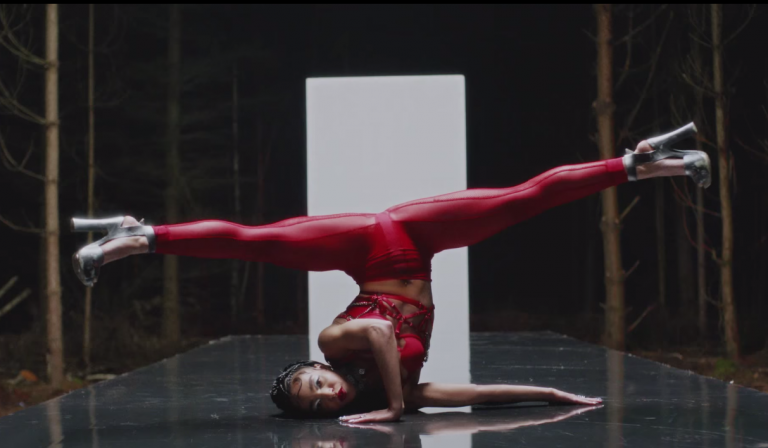
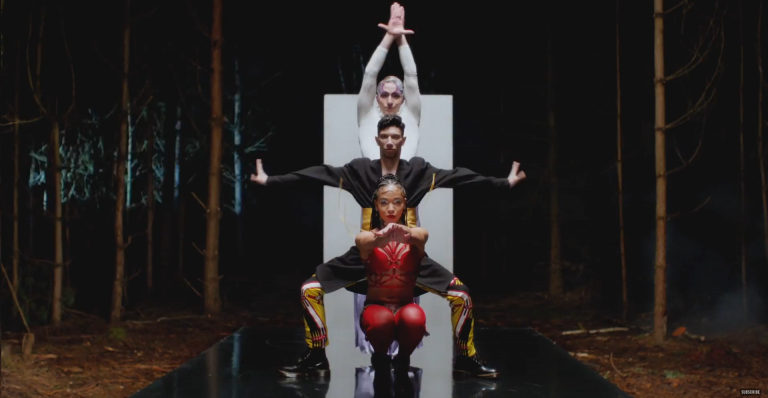
    2This startlingly dark, lustrous EP kicks off with “Figure 8,” and I have to say that I am entranced already. At the start of this stunning video (linked below), you will hear Twigs’ gorgeous, soothing voice layered over the visuals of what I can only describe as an inky, dark, female anglerfish mixed with Ursula and a tinge of an oracular voodoo high-priestess.

    I can assuredly tell you that FKA twigs, at this point, has to be the human equivalent of a siren with her wanton voice. Her seductive and rapture-inducing vocals will surely tempt me wherever she wanders. What I truly enjoyed about this part of the video and track was its reference to Glass & Patron (reviewed here), when Twigs utters so beguilingly “Hold that pose for me.”

    As Twigs, in a deflated state, is born of what I described as a dark priestess who emitted a glowing orb, “I’m Your Doll” begins to play. As She transforms to that of a sex doll, we hear her ethereal voice utter yet another magnificently creepy track. This part of the video is so befitting the lyrics. Yes, it may be dark, and even fear-inducing, but, for me, I find its frighteningly dark nature to be ensnaring. It is like an episode of American Horror Story, and I am incapable of looking away. No, not every part of this video is easy to watch, but I believe art is not always beautiful in a positive way. I find this part of the video to be captivating in the sense of grotesque beauty that makes a point.

    I’m your doll

    Wind me up

    I’m your doll

    Dress me up

    I’m your doll

    Love me rough

    I’m your doll

    I’m your doll

    Next, we move to an impregnated FKA, after her time as a doll. In this next part of the video, “In Time” layers over the video. Cut to what I can only describe as a TLC/Left Eye and 90s inspired outfit, and we see some of twigs’ choreography come into play. Did I mention she is stunningly gorgeous? I have to say, this track is my favorite, with “Glass & Patron” and “Figure 8” following close behind. With its pop roots and dark sounds, “In Time” is blended with emotional lyrics and perfect vocals. I do believe her water just broke in a spew of metallic, rainbow paint. She is still ridiculously gorgeous, though.
    3

    Cue the paint smeared, white van from “Glass & Patron,” and we know what enticing song is up next. With an intro from “Mothercreep,” we transition to the grand finale of the EP with “Glass & Patron.” In this section of the video, we enter the vogue battle of the century, and we are seductively drawn to the lustrously mysteriousness and beautifully perplexing voice of twigs.

    I have never been so intrigued yet intimidated (in the best way) by such an artistic video as this. When I first found Twigs, I did not fully understand her style, her character, her art, but as I perused her LP1 and EP2, I realized how gorgeously enigmatic she is. Now, I find the beauty in her art, I adore her genuine personality, and I love her confident, dedicated nature towards her music career. I loved this unique EP being released with an entire video to tell its story. FKA twigs is incredibly haunting with M3LL155X. I loved every second of it, and it is a rarity to be graced with such a gem of true artistry and music in an era of diluted talent and ghostwriters for shallow pop stars. This is not just a 16 minute video to layer over an EP. This is spectacular, well thought out, strikingly tantalizing, shadowy art.

  • Dan Croll Album Review — Sweet Disarray is a genre-bender that works

    Dan Croll Album Review — Sweet Disarray is a genre-bender that works

    With a seemingly endless list of influences, Dan Croll’s debut album, Sweet Disarray, is a wonderful amalgamation of songs.

    When I first heard Dan Croll’s debut album, Sweet Disarray, I was in a folk stage of my life. It didn’t help that I worked for an alternative radio station at the time either. And while a few songs jumped out at me like the eponymous “Sweet Disarray” and “Home,” I didn’t really appreciate the album as a whole. I mean, it’s also hard when you have to pick what tracks to spin out of hundreds of CDs coming in. However, after he released two new songs, I revisited the album. What I heard is something completely different from the first time around. Whether it’s because my music taste has evolved or I’ve learned more about music and production, I’m not sure. But it’s a really solid effort from a guy that had a big chip on his shoulder.


    Dan Croll Sweet DisarrayCroll attended the Liverpool Institute of Performing Arts and was chosen as one of eight students to have a one-on-one with none other than Sir Paul McCartney. Needless to say, after the single “From Nowhere” dropped, expectations were high. “From Nowhere” is an interesting song and the perfect one to open the album. It begins with an Afro-beat, which is surprising coming from a lanky white guy with Buddy Holly glasses. But quickly he comes in with a guitar riff that gives it a psychedelic rock and indie pop quality that’s hard to nail on first listen.

    However, this is just one example of how the album is unidentifiable. “In/Out” is an upbeat indie pop song with electronic elements. “Can You Hear Me,” which is my favorite song on the album, is this concoction of a hip hop baseline (including a piano beat from M.O.P.), which mix with Croll’s understated vocals and backings to make this bluesy entry.

    Part of the reason I’m writing this review is because Sweet Disarray received decidedly mixed reviews. And one common complaint was that he didn’t go experimental enough. Well, I think that’s a stupid opinion. There’s no such thing as being experimental enough. By no means did he play it safe. In fact, to have an album that covers so many genres is already a risk. It can pan out like Twenty One Pilots’ Vessel or crash and burn like Lady Gaga’s Joanne. Sweet Disarray is a very solid debut by an artist that I think we’re going to see many great things. So, where’s that second album, Dan? 7.5/10

    Get Dan Croll’s Sweet Disarray on vinyl on Amazon!

  • Lorde Album Review — Pure Heroine is a sensational debut album

    Lorde Album Review — Pure Heroine is a sensational debut album

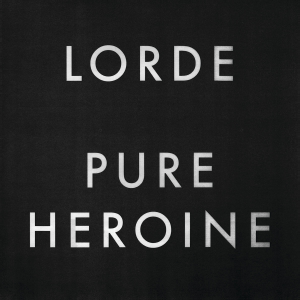
    Pure Heroine is an achievement in production and songwriting. Lorde proves herself to be one of our generations voices with one of the greatest debuts of the decade.

    Based on festival scheduling this year, it looks like we will finally be getting that long-awaited second Lorde album. Ever since her debut Pure Heroine dropped, people have been enraptured in the mystery that is Lorde. The first time I heard her was off her The Love Club EP. The second I got to the end of “Bravado” I knew that she was going to do great things. Still, I didn’t anticipate the level of success she reached. Even more, I didn’t anticipate how incredible of an album she was able to debut with.


    The first thing you notice when you listen through Pure Heroine is the truly phenomenal production. Similar to the xx’s debut album, the minimalist approach to the instrumentation is what makes it shine. However, they infuse the album with strong percussion — most notably in “Royals” and “Team” — that brings the songs up and makes them danceable.

    Lorde's Pure HeroineHowever, what makes Pure Heroine a truly great album is Lorde’s ability to grasp youthful ignorance in her lyrics, then completely question it. There are endless gems of lyrics throughout this album. In “Still Sane” the lyrics “only bad people live to see their likeness set in stone/what does that make me.” It’s the maturity in songwriting that propels the album. Even the beginning of the album, in which she uses simple but effective imagery to portray her point, is complex.

    Very few albums demand to be listened to in order from front to back. Pure Heroine is certainly one of those albums. The album tracks her maturation from ignorant teen to her sudden adulthood in just ten lean songs. “Royals” revels in her youth in a synth pop earworm, while “Still Sane” has her coming to terms with her new status. “400 Lux” is about her aimless life in the suburbs while “Glory and Gore” talks about her motivation and fight as she finds success. She begins with matter-of-fact lyrics and ends with hopeful and powerful ones.

    “A World Alone” brings together all the elements that make the album so powerful and effective. With minimalist instrumentation — the verses simply use a bassline to hold it down — and metaphoric lyrics, the song has an ethereal quality. But when you’re hit with the danceable and catchy melodies of the chorus, the song comes to life. However, when you listen closely, its message and lyrics are an anthem for millennials.


    Pure Heroine is simply an achievement in music. It’s both singular and nostalgic in its sound. Lorde is one of the most innovative and talented songwriters of our time. I can talk about production and songwriting all I want, but there’s one piece of genius that will leave you high at the end of the album. Listen closely to the first and last lyrics. It’s a simple, but genius piece of writing that makes Pure Heroine one of the most satisfying albums and best debuts of all time.

    9.5/10

    Pure Heroine is available on vinyl and digital download on Amazon!

  • Album Review: “Blurryface” – Twenty One Pilots

    Album Review: “Blurryface” – Twenty One Pilots

    blurryface album review

    Get “Blurryface” on vinyl or MP3 download on Amazon!
    If you know me, or don’t know me since I’m so vocal about it, you know that twenty one pilots is one of my favorite bands of all time. From their self-released self-titled to “Regional at Best” to “Vessel,” there is really not much they’ve done wrong. However, there is already something clearly wrong with their newest album in 3 years. What I love most about them is their genre defying sound. There’s influences of hip hop, reggae, dance, rap, and rock that feed into the indie pop sound that they carved out with “Vessel.”

    There in lies the problem with Blurryface. It isn’t influenced by these genres. Tyler Joseph instead wrote songs for each of the genres and forgot to root it in that indie pop sound that made “Vessel” so fun. Some people have complained about the meaning of their songs and that it’s going away from the mental illness and angst charged lyrics of their previous albums, but my argument in that is that Joseph always wrote about his struggles in his life. This time around it’s about his struggle with his new found fame and success as well as his desire to please the people in his life. The titular “Blurryface” represents his insecurities.

    Similarly to “Ode to Sleep” on “Vessel,” “heavydirtysoul” acts as an introduction to the album by simply being the most raw song of the album. It prepares listeners for the quick grabs for the heart and audio assault on their ears. That’s why I found it interesting that they followed it up with the subdued, but standout “Stressed Out,” which brings us the clear theme of the album. It’s about Tyler’s struggle with the fame of the band and the pressure to produce good, but also profitable music.

    They follow it up with one of the few songs that follow the formula that brought them so much success in the past. “Ride” is reminiscent of the ukulele driven “Screen” from “Vessel” that felt like the anthem for the band. “Ride” does the same thing, however this time as a love letter to the clique. It combines rap and reggae with their pop sound in what becomes the best song of the first half of the album.

    [Tweet “My name’s Blurryface and I care what you think. Check out our review of @twentyonepilots Blurryface”]

    The album’s lead single “Fairly Local” (which I reviewed here) quickly dissipates the calming energy of “Ride” as the dark anomaly of the album. I’m pretty sure this is going to be the track that I’m going to skip during listen-throughs. Not because it’s a bad song, but because it simply doesn’t fit in with the album. As much as I talk about the inconsistency of the album, there is still some general arrangement between the first and second half of the album. “Fairly Local” is out of place in that arrangement and feels like a song written as a single, which is ironic considering the song “Lane Boy” has the line, “in the industry it seems to me that singles on the radio are currency / My creativity’s only free when I’m playing shows.” It feels like he’s criticizing the exact thing they just did, which could be brilliant, well-placed irony or a sad inevitable move by their label.

    The album’s halves are divided at the second ukulele driven song “The Judge,” which serves as an incredible and emotional transition into a lacking second half. It’s not necessarily a bad run of songs, but the strength of the first half of the album is not matched by the relatively safe second half. It’s also hard to justify a 14 song album when trimming 3 of the weaker songs would easily bolster the album. Those 3 songs would pretty much be the run of songs following the catchy “Doubt” and “Polarize.”

    “We Don’t Believe What’s On TV” and “Message Man” sound like Twenty One Pilots knock offs, while “Hometown” is an easily forgettable indie pop entry. However, the album redeems itself with the extremely fun “Not Today,” which easily holds its own with album standouts like “Tear in My Heart,” “The Judge,” “Ride,” and emotional album closer “Goner.”

    While the album disappointed in some aspects, the highs help make up for the disappointing lows in the second half. What I love about Twenty One Pilots is that they’re a band that never really does anything right, at least by the music industry standards. They never give in to the pop standards or what the mainstream public is looking for. They put out hard to swallow lyrics matched with erratic music. They wear masks, drum on top of audiences, and are grateful for their fans and understand the reason for their success. They are simply a couple of great guys in an industry that hasn’t been great for a while. Did “Blurryface” live up to the heights of “Vessel”? No. But they stayed true to themselves and that’s all we needed, as much as we needed them. |-/

    Get “Blurryface” on vinyl or MP3 download on Amazon!
  • BADBADNOTGOOD Album Review: “III”

    BADBADNOTGOOD Album Review: “III”

    BadBadNotGood

    out of 10
    out of 10

    For those of you who like Jazz, I commend you. It’s one of the genres that’s a passing fancy nowadays, dominated only by big, dead names like John Coltrane, Miles Davis, Thelonius Monk and others. I grew up listening to jazz, it was my first genre I ever really explored and it still remains my absolute favorite type of music. It gets you in the mood, it helps you study, it can be fun, contemplative, and sometimes raunchy if need be. So, no doubt when I heard about BADBADNOTGOOD, a jazz trio from Toronto, I was psyched to see what they offered, not only in terms of listenability, but with what new concepts they brought to change the game. With “BBNG” and “BBNG2”, freeform hip-hop, post-punk, and even Legend of Zelda covers were found within seconds of putting the record on. But as these guys evolved they put their efforts into making some pretty decent original singles, and with that evolution comes “III”.

    When “III” starts off, you know that there’s something more mature about the trio to begin with. Their production value has gone from GarageBand to full studio. Their skills in no way have decreased and instead, their experimentation with more instruments, synthesizers, and techniques do well to show progress and still keep some of the old stuff fresh in our heads. “Triangle” sounds like a traditional Monk track in the very beginning and it sort of unravels in snare hits and piano flutters that get darker with every note. “Can’t Stay the Night” does the same, with its dark atmosphere that’s brought up even more by the plucked synth bass that seems to circle around your headphones. “Confessions” is where stuff really picks up, and with Leland Whitty (saxophonist and frequent collaborator), it has this hauntingly beautiful sax motif that just goes through higher minor scales and then the choruses just burst with such sensuality that you wish this was in a love scene. Plus, to really bring in the intimacy, on the parts where it’s just Leland you can hear him just as he’s breathing into the sax which just puts me on edge, AH! So good.
    bbngIf the first three tracks didn’t get you going and into their original stuff (because believe me, I didn’t like it at first listen until it got to track four), “Kaleidoscope” is going to do it for you. Combining subtle bass, shining electric piano, what sounds like a bassoon coming out of the corner of the room, and horns that these guys hit on the head the VERY. FIRST. TIME. Sounding like something out of an old 90’s courtroom drama, and then everything picks up when the bass starts belting out this 3 minute solo that keeps impressing you no matter how many times you repeat it. “Hedron” is the lead single off of this album and it brings you back to the old-school feel of BBNG with it just being about the piano, bass, and drums that bring you into this hip-hop groove and doesn’t let up when all three start going complete MAD. It may sound smooth at first, but don’t let this track fool you, this is what BBNG should sound like. These are the sounds that made me fall in love with them in the first place.
    Despite all of these things though, there might be a couple moments where this doesn’t grip me in the way I wanted them to. Like I said, it takes a couple of tracks to get into with “Kaleidoscope” being the main catalyst to the album. It’s like Breaking Bad, you’ve gotta wait a couple episodes to get into it. “Eyes Closed” seems like it wasn’t even written by BBNG, it sounds like a companion piece of Interpol and Grizzly Bear, and I wasn’t feeling it too much. “Since You Asked Kindly” isn’t a mess, per say, but I would’ve let them do another “Definitely, Still” where it was smoother and more jazz-oriented than this persistent electronic odyssey. And “CS60” is just… weird, combining like 3 different genres into something that kind of ends up a jumbled mess. The string arrangements are nice, and in the first moment where it seems like an experimental 70’s contemporary jazz act like Spyro Gyra are all-around decent, but then it hits like a brick with the trap/hip-hop influence and it doesn’t do a closing song justice. This song doesn’t have the flow that some of the other straight jazz tracks do and it’s just unappealing.
    Final Verdict: For their first real collection of original material, BBNG do pull off a decent amount of tricks and enjoyable tracks, but this is no hat trick. I love the first two albums more than this one, but not by much. This shows that the trio is coming into its own and pursuing something wonderful that I don’t want to miss. The World of Jazz is either going to have a legendary band or an underrated gem. Either is fine with me.


  • The Black Keys “Turn Blue” Album Review

    The Black Keys “Turn Blue” Album Review

    blackkeys

    7.5
    out of 10

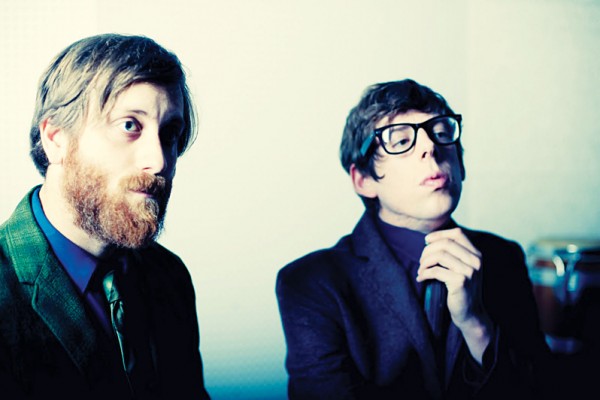
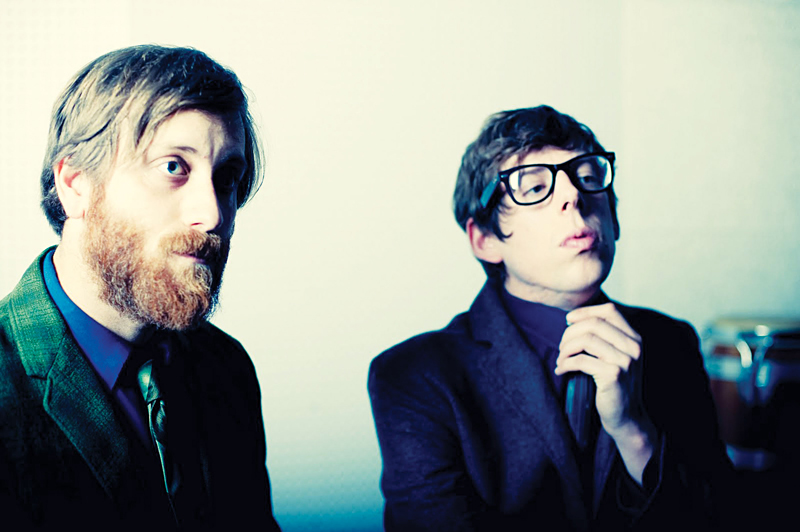
    The fact that the Black Keys are around in the music world and they continue to sell out stadiums and records with an old-school sound is appalling to me. It’s not because they’re bad or anything, but it’s because I don’t think a lot of people in this generation of music really appreciate the roots of where a lot of their favorite radio-played rock comes from. Dan Auerbach and Patrick Carney are two people who love their roots and show it in their blues/garage-rock driven musical odysseys that bring you to a booming Nashville, or a rockin’ Chicago. And even though the rock is still here in it’s cleanest form because of producer Danger Mouse, the blues and the sadness and somberness of these songs are the elements that push it forward.

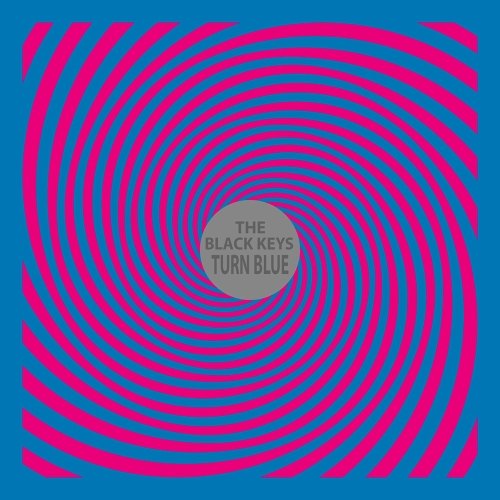
    turnblueWhat drew me to the album besides the lead single, “Fever”, was the story behind the songwriting and Auerbach’s hard times in the past few years. Following the divorce with his wife and losing custody of his child, Carney even said that it was the saddest he’s ever seen his bandmate. But, sadness does fuel tempestuous and visceral songwriting that is heard throughout and that’s one of the strongest suits of the album. Never once do you feel as if the heartbroken songs are contrived or cliched, and instead you end up feeling for Dan more than anything. Especially on the track “10 Lovers” that says “Don’t leave us down and out again/Your little girl can’t comprehend/She had another dream that her mama’s gone/She’s all right, but you’re all wrong”.

    From the start of the album we’re greeted to a heightened production value on “Weight of Love” where you’re brought this country acoustic and electric piano that just strums in like a passing cloud and this burst of electric guitar like a lightning strike in the distance, and then as soon as it gets going, the bass thumps with that familiar Gorillaz-like sound and Auerbach’s voice has a particular drab inflection with a hint of genuine soul and sadness that is accompanied by a higher-pitched Auerbach in the chorus. Actually, in a lot of these songs he decides to take the falsetto road. “Turn Blue”, “Waiting on Words”, “10 Lovers”, “In Time”, all take the high-pitched way to resemble a wail or a cry, which is effective in most of these cases. There are some times where the Black Keys actually sound like the Black Keys of lore with “Fever” and “It’s Up To You Now” which are cool tracks on their own, so for all of you purists out there who want to hear some blues-rock with more rock, there are those tracks and the closer, “Gotta Get Away”.

    For the most part, I enjoyed the album. I loved the somber tone, I like the little hints of female voices in the production, the sound effects to make it like a 70’s psychedelic road trip was fantastic and when it was put in, it really worked in it’s favor. There are some songs that fell a bit under the GREAT spectrum for me, but they’re few. (Only like “In Time” and “It’s Up To You Now”) Other than that, the people who mistake the emotion for blandness and blame it on Brian Burton’s brilliant production, I’ve got no idea what their talking about. But I may be biased considering he produced a couple of my favorite albums… *cough* Demon Days *cough*

    Final Verdict: While it’s not as sad or as punchy as something like Queens of the Stone Age’s “…Like Clockwork”, it’s still a great, dour album with moments that will make you look down with your eyes closed and say “sing it, brother, I feel you”. And that’s what an album is supposed to do, right? It’s supposed to make you feel something whether it be happy, sad, angry, joyful, or anything else. It’s a win for me.

  • Album Review: Matthew Santos – “Into the Further”

    Album Review: Matthew Santos – “Into the Further”

    In a folk scene in threat of becoming stagnant in the face of major label commercialization, even Mumford & Sons are trying to reinvent themselves. Nobody wants to listen to the same Lumineers song over and over again, but if you’re the kind of music listener who just needs an acoustic guitar and some raw, rusty vocals to have a good time, you’re in luck: two time Grammy nominee Matthew Santos has recorded an eclectic, often surprising folk record that is as adventurous as it is soulful and organic.

    Into the Further begins with a vaguely-psychedelic introduction that showcases Santos’ tight rhythm section — who go on to provide the record with some of its most memorable moments — with some jazz-influenced percussion that I wouldn’t have been surprised to hear Kendrick Lamar rapping over on his recent experimental opus To Pimp a Butterfly. “Ojos” on the other hand sounds like Timberland producing an Amnesiac-era Radiohead joint, as some skittery beatboxing propels the song’s dreamy synth textures towards a soulful, beautiful climax.

    Santos doesn’t start singing until the record’s third song, but “Under the Microscope” is as fine a moment to step up to the mic as any; it’s more straightforward but as equally lovely as anything that’s preceded it so far, a sprightly folk pop tune with a plucked double bass that brings to mind the comfortable arrangements of Andrew Bird, or perhaps Sufjan Stevens in one of his better moods. Less comfortable is the moody “Seven Years”, which finds Santos over a track that is all fire and brimstone, its ominous bass line chasing Santos around as if he’s trailing gasoline. The tension breaks as the band transitions into “It All Works Out” without missing a beat, although Santos seems less than relieved as he belts out the song’s titular consolation.

    While many of these songs could have been performed solely by Santos and his acoustic guitar, the singer’s simple folk tunes are elevated to a higher standing thanks to the brass and string arrangements of Matt Ulery, whose utilization of weeping violins and foggy horns help make songs like “White Gloves” and “End of the Pipeline” such compelling and enveloping successes. Santos and his arrangements manage great chemistry, as his liquidy falsetto winds and twists among the string to deliver some truly arresting vocal moments.

    With Into the Further, Santos has crafted a record that showcases his versatile talents as a singer, songwriter and performer. While any folk artist can learn their way around an acoustic guitar, Santos proves capable of commanding a variety of more complex sound palettes to deliver cathartic results the likes of which every artist in his field should strive for. 

  • Album Review: “VEGA INTL. Night School” – Neon Indian

    Album Review: “VEGA INTL. Night School” – Neon Indian

    Neon-Indian_Vega-intl-night-school_coverNeon Indian has basically remained consistent throughout all their albums and Alan Palomo has been able to pump up the quality of each one immensely. Their debut, Psychic Chasms, was a warm, summery dive into the emergence of chillwave. A few years later, he revealed his second album, Era Extrana, and remained steadfast that their 80s synths and adoration of nostalgia would keep them relevant and true while bringing a new swing to the genre. Now with VEGA INTL. Night School, the production value is top notch, the style is slightly different for the better, and by god is it good.

    Palomo and company outdid themselves with this release. The sounds that are created and experimented with throughout the album are odd and fantastic, like the Pan’s Labyrinth of new sounds, different from anything we’ve seen before and extremely memorable. From the distorted saxophone of “Dear Skorpio Magazine” to the Crash Bandicoot-esque electric piano from “Street Level”, it sounds a whole lot funkier than anything that the group has done. Palomo himself does bring an extra ounce of soul to his songs with glitched falsettos and a vocal delivery that sounds like his own take on Jamiroquai.

    The flow of this album works incredibly as well. There is great single material to almost all of these songs, but the ones that were picked, “Annie”, “The Glitzy Hive” and “Slumlord” all stick out the most. “Slumlord” in particular has two songs that follow it up so perfectly, it gets points on its own for progressive song placement. “Slumlord’s Re-Lease” and “Techno Clique” are offshoots of the single with “Re-Lease” being the bridge between the two. The way it all comes together is nothing short of genius.

    The longest track on the album, “Baby’s Eyes” breaks up the album well with this distorted yet sensual slow descent into a hazy glow. Every synthesizer is bouncy and the guitar is reminiscent of the quick “chk” of Prince and other 80s pop stars at the time. “C’est La Vie (say the casualties!)” is the Neon Indian that fans would be used to; a call back to Psychic Chasms with treble-increased guitars and bubbly blips of textures spread across the track like globs of jam on a slice of bread. “61 Cygni Ave.” has that Miami Vice/island reggae sound with quick basslines and guitars lining the backbeat instead of front and center. A new-school old-school party anthem. Even the closer, a live bootleg of “News from the Sun” has single potential, and is a pop hit that was a bit more destined for summer.

    Listening to “VEGA INTL. Night School” reminds me of the endless nostalgia that we’ve all grown accustomed to hearing. We listening to music that all uses samples of older, better songs. This album doesn’t need samples to keep it alive, it’s a homage to that time, not a ripoff that we constantly hear. And that’s coming from someone who just recommended a album made up of nothing BUT samples. Neon Indian could’ve just made something better than Era Extrana in terms of experimentation and consistency and a much better callback to themselves and the era they love.


  • Album Review: “Dodge and Burn” – The Dead Weather

    Album Review: “Dodge and Burn” – The Dead Weather

    homepage_large.d3905a06The Dead Weather has to be Jack White’s 6,798th project if we take into account how active he’s been in recent years, but what makes this different is that it’s not just himself taking the reins and singing and doing all the production; it’s members of The Kills, Queens of the Stone Age and The Greenhornes. Their third album has done the job of distinguishing their sound as a standalone band instead of just these bluesy minds put together.

    Distinguished from their previous efforts, Allison Mosshart really takes the lead as the frontwoman while Jack barely says a word except for on 2 tracks. It also has a lack of classic 60s and 70s instruments that were prominent in their second album, Sea of Cowards. Instead, they’re replaced with a series of grinding effects like echoes, delays, massive fuzz and reverb. Synthesizers also make an appearance but their used in more of a “this generation espionage movie” feel. Songs like “Three Dollar Hat” starts out with this stepping synth that is just so disjointed with the murder ballad that White starts off with and then the effects on the speedy Mosshart part seems like she’s screaming through a mad mod design on a dress from England. While there are some old sounds reused on some of the new tracks, it is obvious that there is a new air to this release. Songs are punchier, but nothing is as sensual as “I Can’t Hear You”, “I’m Mad” or “So Far From Your Weapon” from previous releases.

    Having the fuzziest effects this side of Noise Rock does have its upsides though. Songs like “Mile Markers” are my favorite for their layering and hard rock guitar whines and blasting tight snares. Mosshart is yelping into the echoing void in “Too Bad” and the instruments perfectly compliment her confessions to the listener. “Cop and Go” has this constantly plinking piano in the background while the guitar and bass sound like a femme fatale slowly putting a cigarette into her mouth. Right out of a movie. “Beautiful eyes, danger zone.”

    So while the single strength isn’t the strongest, the potential for an original sound for the garage rock supergroup does make me hopeful that more experiments will come along the way for more memorable tracks. Dodge and Burn is evanescent, but the sounds are distinct and creative. Mosshart shines in what seems like less of a collaboration and more of her band, and those changes make it a pretty decent album.

  • Album Review: Vince Grant – “My Depression is Always Trying to Kill Me”

    Album Review: Vince Grant – “My Depression is Always Trying to Kill Me”

    My Depression is Always Trying to Kill Me vince grant

    Despite the high-stakes title of LA singer/songwriter Vince Grant’s debut EP, it doesn’t seem like his depression is always trying to kill him. Sometimes it appears to him as a lover, one with whom he dances and holds onto like an addiction that he describes as a venom in his veins. But Grant’s depression is a cruel lover, and while she may not always be there when he wakes up in the morning, she is always waiting, ready to appear at a moment’s notice to bruise and batter Grant into submission.

    Such is the scene set by My Depression is Always Trying to Kill Me’s first single and opening track “Melancholia”, an acoustically driven power ballad in which Grant explains his complicated relationship with his own mental health. But while Grant surrounds himself with lovers and enemies of his art’s own creation, there is a certain sense of isolation to his music. At his most intimate, Grant plays alone with an acoustic guitar, but even when he strikes up the band and turns up the volume it still sounds as if he’s playing to an empty amphitheater, abandoned with no one to sing these songs to. Struggling with depression through music is nothing new, and throughout the course of his EP’s five tracks, Grant channels the tenderness and frailty of such classically bummed out alt-rock songwriters as Kevin Devine, Gary Jules and especially some Ryan Adams circa Love is HellThe resulting sound is as comfortable as it is familiar, soft acoustic chords and warm guitar tones like a blanket to crawl under when everything seems impossible.

    The majority of Grant’s music may be tender, but he knows how to rock out, too. “Melancholia” features a muscular chorus that wouldn’t sound out of place on a Third Eye Blind track, while highlight “How Many Times You” channels the kaleidoscopic wonder of U2 at their most starry-eyed into four minutes of driving post-punk, before Grant allows the song’s more ethereal elements to bring things to a satisfyingly pretty conclusion. The album’s extended closer “Sweet Addiction” takes that beauty and runs with it for an impressive ten minutes, featuring some beautiful instrumental work by collaborating guitarist Doug Grean and an exhausted Grant who sounds as if he could collapse beneath the weight of his depression at any moment.

    The ambition of “Sweet Addiction” is matched by the record’s apologetic centerpiece, “Edge of the World”, which effectively captures the feelings of isolation and loneliness that come from having your support system driven away by the erratic behavior and failure to communicate that is often the result of the kind of depression that Grant knows is after his health, happiness and ultimately his life. This sense of feeling alone is something to which anyone with a history of depression can surely relate, but then again, there will always be times when a shoulder to cry on isn’t what you’re looking for. Sometimes you just need a good record that you know will speak to how you’re feeling. For times like that, Vince Grant’s got your back.

  • Album Review: Waxahatchee – “Ivy Tripp”

    Album Review: Waxahatchee – “Ivy Tripp”

    waxahatchee ivy trippI saw Waxahatchee perform in a bowling alley this past fall. Used to the punk shows and crowd-sweat that had been there before, the small-ish turnout made the place look way more cavernous than I remembered. I’d forgotten that the small tour she was on was going to provide more low-key affairs, more solo-act than full band. Sister Allison and friend Sam Cook-Parrot opened the show with graceful sets and ever-endearing songs. They were great, but Katie Crutchfield shined. Her set was a workshop; in how to embrace that type of spotlight with such focus and clarity; in how to wring the very most emotion out of sparse arrangements; in how to keep the audience entranced, holding them in your hand, gripping so fucking tightly until the end of the song, with the release, the applause, and the collective, inaudible “wow.” She played some songs off her then un-released latest effort Ivy Tripp there, and that spellbinding essence is almost as present on record as it is live.

    I say “almost” only because Crutchfield is such an excellent live performer. Ivy Tripp is not an album that seeks to “capture that live feel, man.” It was crafted, lovingly, in her new home on Long Island. Producer Kyle Gilbride has the knack for letting songs embrace the room in which they were recorded, giving a natural quality to records he works on (prime example: “You’re Damaged” from previous Waxahatchee record, Cerulean Salt). This means that her crushing amounts of talent come through with an earnestness that a studio setting couldn’t possibly foster. I’m not rhapsodizing about any of the real or imagined mystique of lo-fi; indeed, this is not a “lo-fi” album. But instead, it has the hallmarks of home and care, of handcrafted, perfect imperfection, and the record is better for it.

    Make no mistake, Crutchfield is lyrically and melodically one of the finest songwriters this generation will ever hear, and her songs would be superb regardless of where they were recorded. Her emotional honesty, attention to detail, and subtle manipulation of structure make her a singular talent. She’s been quoted as saying the record is about people who wander through life, trying to figure out what to do—but let it be about whatever you think it is. That’s part of the wonder of Waxahatchee songs; even when they’re telling a story, when painful details are out in the open, Crutchfield allows you to fill in the blanks or interpret to the extent that maybe you understand what she’s getting at; at the same time, maybe you delude yourself into thinking that she really gets you. That’s a magical thing, and it happens all over this album.

    The arrangements on the previous two Waxahatchee albums—first American Weekend and then especially Cerulean Salt—were stark and spacious, with clearly defined parameters between where one instrument began and the other ended. Ivy Tripp maintains the same musical frugality (never too many instruments or parts, subtle use of effects) that guided those records while also expanding the sonic palette into more ethereal territories. “Breathless” is set on a foundation of basic keyboard figures while atmospheric slide guitar whirrs after Crutchfield’s assured, open voice. “Under A Rock,”“Poison,” and “The Dirt” all have great rhythm guitar tones, helping to propel the song while maintaining openness to the overall sound, thus allowing the drums to land expressively. They sound like close cousins to Cerulean Salt’s “Coast to Coast.” Quieter moments like “Summer of Love” or “Half Moon” work wonderfully in what might be the quintessential Waxahatchee setup: one instrument (ok, two on “Summer of Love”) and one voice. Weirder moments on the album come off entirely naturally because they sound like fully-fleshed ideas and adhere to the aforementioned ethos.  “<” (“less than”) unravels with a woozy guitar riff and collaged drums that sound like fireworks. The fuller-sounding “La Loose” sounds like she stole her twin’s drum machine to be the paperclip that holds a shimmering art project of a pop song together.  Album centerpiece “Air” and closer “Bonfire” are the most ornate, but every part of those songs is necessary. Co-collaborators Keith Spencer and Gilbride deserve credit for helping to build out the sound of Ivy Tripp all while serving its core— Crutchfield’s wonderful songs.

    Waxahatchee’s previous records had a blooming quality to them: with each repeat listen, something new comes to the fore. Maybe it’s a nuance in the melody. Maybe the lyrics hit you differently. Ivy Tripp is going to offer that even more generously. Even after some serious quality time with it, I’m already looking forward to having this in heavy rotation in the coming months.

  • Album Review: “Currents” – Tame Impala

    Album Review: “Currents” – Tame Impala

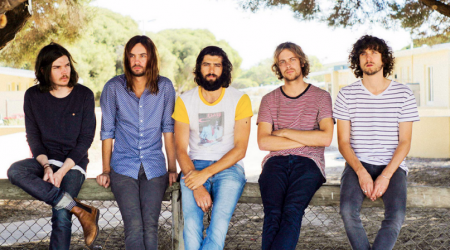
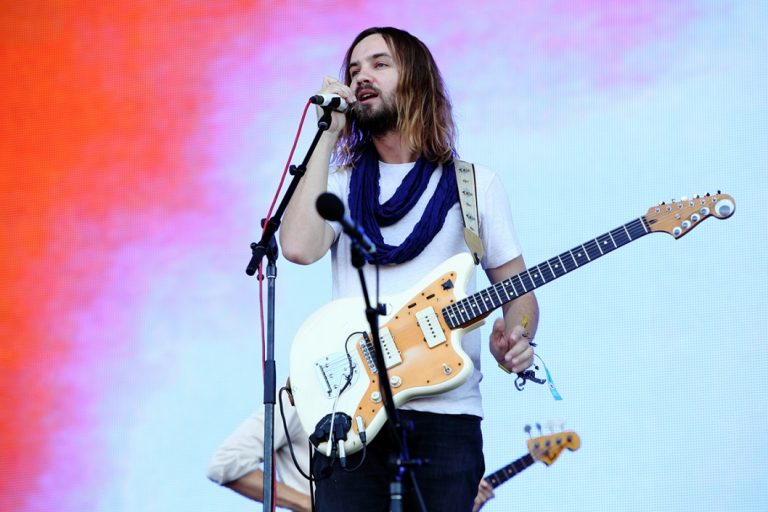
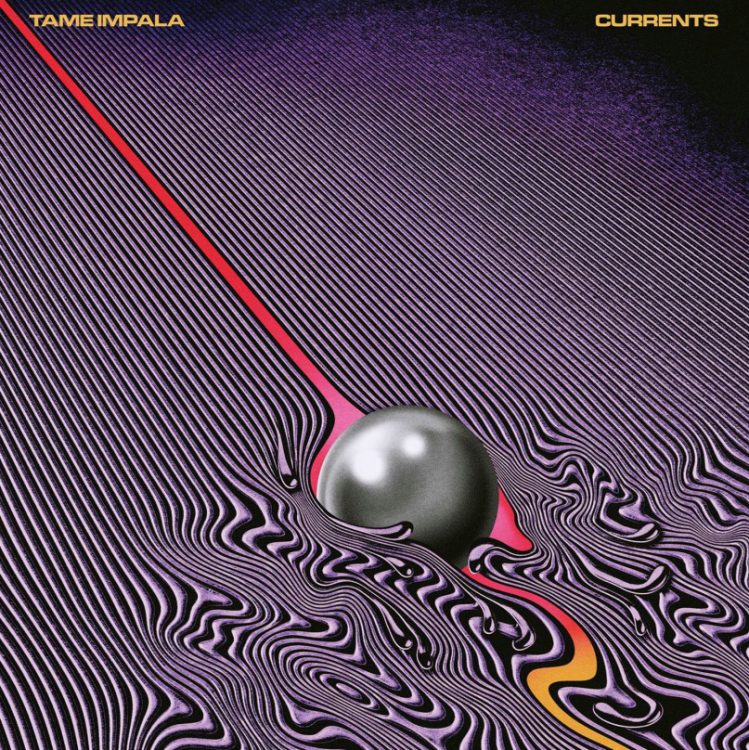
    tame impalaOut of all the albums that were coming out this year, there were really none that I was excited for. The slippery slope of bad music and mediocre comebacks seemed to be riding all the way from 2014 to now, and my ecstasy waned for the most part… Until I heard that Tame Impala was coming out with a new album. From the time Currents was announced, I had the greatest expectations from one of the highest-quality bands that produce the lushest, warmest, and absolutely breathtaking albums since 2010. Kevin Parker and his psychedelic confidants continued to let loose hit after hit after hit, and I wanted to know if there was a direction even farther than up.tame impala feature

    Currents provides the transition from pure psychedelic rock that we all know and love to the realm of disco-rock, R&B, and pop that keeps the elements of production from the previous albums. The journey throughout these three albums has given us the smoothest ride through progressive sound that I have heard maybe since The Horrors. Tame Impala writes poetic love songs, tricky funk that’s less Mark Ronson and more Ariel Pink, and stories about weak men showing their mistakes out in full force. The music itself is as warm as ever, with more synthesizers, bells, and whistles than there has been before on a Tame Impala album. There isn’t a huge lack of actual instruments, but the focus here is the bass, which is what I loved from “Lonerism.” It’s fuzzy, funky, and so fun.

    Tracks on this release don’t expand pass 8 minutes, and the length of every song is just long enough with variety to keep you satisfied with what you’ve just heard. For your prog-rock heads, yes, the longer songs have just enough change to keep you invested. “Eventually” has this thriving beginning and evolving into something of a ballad with the boom engrossing the whole track. “The Less I Know The Better” opens with this bass riff that moves you throughout the song with it’s downright funk dirtiness. Parker’s signature falsetto calms it a bit during the chorus, but it breaks it with his wail as soon as he needs to interrupt the sappiness. “Past Life” is interesting with the narrative being told through this distorted, disembodied voice leading us through and using the band for backup. “Disciples,” even for its length, is an outstanding track that inserts everything it needs to within it’s <2 minute runtime. Sounds like Parker took some hints from Mac DeMarco and added his own 70’s flair to it.

    “Cause I’m A Man” is the pinnacle of this album, and they couldn’t have picked a better single release. The ballad of this man who proves his weaknesses is something that I really haven’t heard; I don’t think anyone else has heard, either. The bass and synth combo that rides the chorus is an experiment with a positive result, like coming up with new chemical compounds of sonic energy in a sound lab. “Reality in Motion,” for some reason, reminds me of the last day of school in A Goofy Movie. Don’t ask why, but it would be Max riding his skateboard above us in slow motion. tame side iThe final track, “New Person, Same Old Mistakes” sounds like “Cause I’m A Man” and its scheming, evil, scientist brother. It’s slow. It is anything but bombastic, with a subtlety to it including acoustic guitars that flutter like a “Think Tank”-era Blur.

    In any case, Kevin Parker and Tame Impala have done it again with a sound just different enough to suck you in and enough of the same to keep fans of the older material. To say that this album got me hyped enough to look for more music to review would be the absolute truth.

  • Album Review: “Grand Romantic” – Nate Ruess

    Album Review: “Grand Romantic” – Nate Ruess

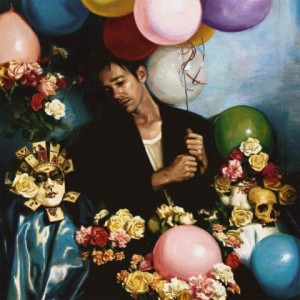
    nate ruess grand romantic

    There was a lot of anticipation leading up to the release of Nate Ruess’s first full-length solo album Grand Romantic. The singer/songwriter has been critically received for his work in both Fun (stylized fun) and The Format since the early 2000s. However, it was the mainstream success of Fun’s 2011 track “We Are Young” that launched Ruess into superstardom. He even accompanied P!nk in her 2012 hit “Just Give Me a Reason.” In fact, this year Ruess made appearances on The Voice (as a guest judge) and Brian Wilson’s Pier Pressure (as a guest vocalist). It is evident that Nate Ruess has rapidly and inconspicuously climbed the ladder of pop music success, and I have been there watching his ascent.

    The announcement of a solo Ruess album was coupled with a brand spanking new track called “Nothing Without Love.” This beast of a song blasted with a prideful roar, and my ears reveled in auditory bliss. It was climactic. It was self-exploratory. It was catchy. But, most importantly, it was fun, and I don’t mean Fun. Ruess aimed and ignited with an aural explosion that felt completely new. This was neither Fun nor Format. “Nothing Without Love” was Nate Ruess—a pure and distinctive sound that managed to bridge the gap between familiarity and novelty. “If a full album of this is what I can expect, then bring it on, baby!” I was hyped beyond belief.

    Ruess continued to drop three more singles leading up to the release of Grand Romantic (“AhHa,” “Great Big Storm,” and “What This World Is Coming To”). These three tracks definitely scored a lot of replays on my Spotify, but they couldn’t quite match the sheer glory of “Nothing Without Love.” I was concerned. Maybe this album won’t be as nuclear as I thought it would be. Sure enough, I was right.

    You know how they say movie previews are misleading because they only showcase the best parts? Previews are designed to make even Grown Ups 2 look like something that’s worth your time. Well, the four singles off Grand Romantic functioned very much like a misleading movie preview. They set the scene for a grandiose epic of an album but failed to address the forgettable tracks smacked in the middle. Coming right at the introduction of the album (the properly titled “Grand Romantic – Intro”), there’s an immediate sense of disappointment. Remember the intro to Some Nights? If you don’t, please give it a listen. It’s an operatic symphony of a track that immerses the listener right away. The Grand Romantic opener is nothing like that. It’s an incoherent 45 seconds of flat choral harmonies matched with strange filtered voices in the background. There is a theme of unfulfilled potential that is established here for the rest of the album.

    Oh, and speaking of themes, let’s have at it, eh? Grand Romantic does not try to hide its core subject matter here. It’s love. Love up and down, and all around. But more specifically, we’re looking into the heart and psyche of a hopeless fairytale lover boy, lost in a postmodern world of superficiality and disconnectedness. It’s written all over the lyrics in these songs. From “Take It Back” (“Well, we’re just two lost ships passing through the night / Two lost lonely people inside”) to “Moment” (“I need a moment / I’m alright here on the floor / Well, I’m fine / I just need a moment to cry”). The same ideas manifest themselves in almost every track.

    nate ruess grand romanticThe problem is that these lines find themselves trapped in a series of overproduced, forgettable ballads that more or less blend into one another. This is a shame because it is possible (and probable) that the lyrics in Grand Romantic are coming from a genuine place. After all, Ruess has never been one to waste words or lose sight of the power of language. But the sappy instrumentation on some of these tracks makes the lyrics lose whatever shine they may have had otherwise.

    I think about Fun’s song “The Gambler,” and how raw and evocative it was. It had minimalistic instrumentation because the song wanted the listener to focus full attention on the lyrics. They tell the story of a couple growing old together, fighting through sickness “’til they decide it’s [their] time.” It’s obvious that there is something profound and meaningful here. It’s poetry–pure and simple. The lyrics on Grand Romantic are more of a far cry from that. Plus, they aren’t even catchy to begin with. The vocals are ripe with strange inflections and sustained notes that make even Ruess’s poised and polished voice sound harsh and disjointed (see “It Only Gets Much Worse” and “You Light My Fire”). It almost sounds like Ruess is doing this to show off his vocal range rather than to communicate sincere emotion. The sound comes across as artificial–as if the words are coming from Ruess’s diaphragm and not his heart.

    That’s not to say we’re looking at a bad album here. We’re not. But there is certainly an expectation that goes into an album like this–a breakthrough solo record brought to you by the same man who gave us Fun and The Format. These two acts have delivered some of my favorite songs and albums of all time, so I was beyond pumped to hear what their frontman had to say solo. But, alas, Grand Romantic didn’t deliver the epic musical voyage I was half hoping (half-expecting) it to be. Grand Romantic is, first and foremost, an album of unfulfilled potential–from the intro moving forward.


    Oh well, at least there’s always “Nothing Without Love.”

  • Album Review: “Big People” – Max Gowan

    Album Review: “Big People” – Max Gowan

    album review max gown big people

    I’m not going to lie, I didn’t have the highest expectations for Max Gowan’”Big People.” He’s an 18-year-old singer-songwriter who recorded and produced the record mostly by himself in his room. However, after my first listen through, one thing is clear. Max Gowan has something going for him. From his gorgeous use of lo-fi to the innocence of youth in his ernest lyrics, it’s a record that sounds so much more mature than his age.

    There’s a charm to lo-fi when it’s used properly. Happyness perfected it with their debut “Weird Little Birthday,” and this is where I’m going to draw a lot of comparisons. Gowan isn’t wordy. He’s not trying to reach something terribly profound with his lyrics. He’s honest. Whether he’s drawing from his life experiences or is simply creating these emotions is lost on me, but what I do know is that his calming vocals compliment the often folk-influenced music and somewhat soft angst that run as a theme through the album.

    That lyrical theme is evident in album opener “Rare Thing,” which is one of the strongest songs on the record, when Gowan sings, “I thought I saw a tragic streak of luck and ingenuity / It flashed across your filtered screen / it’s gone again cause it’s a rare thing.”

    The album takes off in the second half with a slew of strong entries like “Big People,” “Here (Part 1),” and “Open Letter to Heaven.” “Snow,” which feels like a partner to the album closer, is a standout track. It has a light feeling that begets itself to both a song to chill or jam to.

    However, where the album shows Gowan’s true potential is in the album closer “Everything Is Cool.” It’s easily the best song on the record. The faint influence of surf rock with lyrics that really tap into the life of a teenager living in the suburbs feels a lot like early Real Estate, which is one of the greatest compliments a writer from New Jersey (ahem… me) can give. It’s basically the anthem of the album that ties it together. It’s the discontent of a teenager. It’s not overly contemptuous towards life—it’s real. That’s what takes the album out of the realm of “good for what it is” and moves it to just plain good.

    For me, the weakest part of the record is the production. Lo-fi is hard to get right. A few bands have in my opinion. There’s Brooklyn’s violent pop group Sharpless, chillwave band Bellows, and, of course, Happyness. With the fuzziness of the music and muffles of the guitars, I would have liked the vocals to be buried a little bit more to give it all a grittier sound. However, that’s just nitpicking at this point.

    It’s a very confident debut. Those two words aren’t often paired together. For a 12-track LP that didn’t have the support that a lot of albums have, it’s truly a remarkable achievement. Can he improve? Of course he can. Nonetheless, at this age with this talent Max Gowan is going to make a name for himself. You mark my words.

    You can purchase “Big People” for any price over on Bandcamp.