Category: Album Reviews

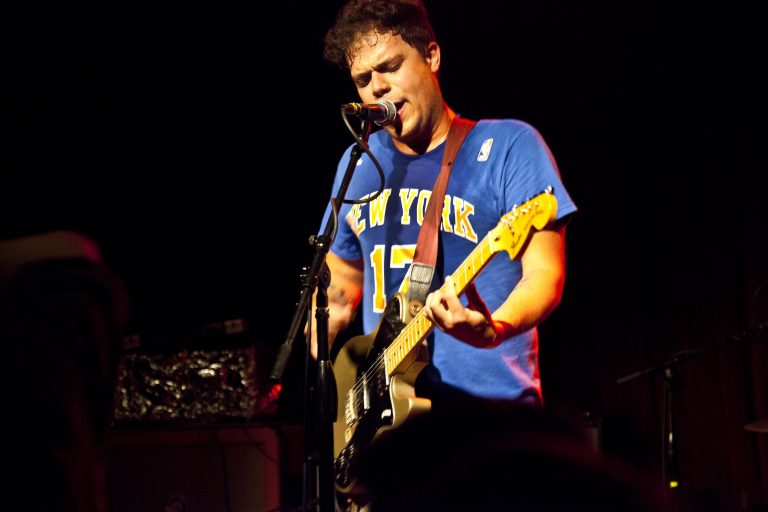
  • Album Review: Jeff Rosenstock – “We Cool?”

    Album Review: Jeff Rosenstock – “We Cool?”

    jeff rosenstock we cool

    Like any subculture, punk rock relies on the spark of youth to propel it forward. Yet there comes a time in every young punk’s life when he or she must face an enemy more terrifying than the threat of conformity could ever be: getting old. Perhaps no one knows this better than Jeff Rosenstock, former leader of the recently disbanded DIY collective Bomb the Music Industry! and author of countless punk rock anthems that tackle the many difficulties of becoming an adult.

    Rosenstock gave his followers little time to mourn the end of his longest-operating project, quickly releasing two short-but-sweet records with Fake Problems frontman Chris Farren as the power pop duo Antarctigo Vespucci, as well as a handful of quality singles and covers over the course of the past two years. Still, it’s been since 2012’s self-depracatingly-titled I Look Like Shit that fans were treated to an LP’s worth of cohesive Rosenstock material. While that record was set almost entirely in a domestic fortress of solitude lined with overflowing trash bags and dirty dishes, his latest solo outing finds our punk messiah resurrected from the dead and ready to breathe new life into his still-fledgling solo career.<

    As its title implies, We Cool? is a record about the importance of maintaining personal relationships — friendships and connections that used to mean the world to you but now threaten to decay and disappear in the face of growing up, heading down separate paths, and maybe even making a few mistakes along the way. While such commonly explored material always runs the risk of cliché, Rosenstock’s presence as one of the most relatable and welcoming figures in the punk community helps turn We Cool? into a stunning success and one of his finest releases yet.

    What remains most satisfying about Rosenstock’s music is the singer’s continuing development as both a songwriter and a performer. These songs burn bright with a level of urgency never before heard in Rosenstock’s already explosive catalogue. “You, in Weird Cities” contains not one but two of the finest choruses in Rosenstock’s career, both of which the singer delivers as if his life depends on it, as if the failure to address the growing distance between his friends could doom him to a lifetime of “always getting high when no one is around.” Meanwhile, the rousing and cathartic “Beers Again Alone” functions as the latest installment in a series of songs that includes such Bomb the Music Industry! classics as “Wednesday Night Drinkball” and “Stand There Until You’re Sober”, as Rosenstock continues to find creative new ways to express alcohol-fueled feelings of isolation, exclusion and depression.

    Similarly high-stakes highlights such as “I’m Serious, I’m Sorry” and “Polar Bear or Africa” help make We Cool? as consistent an album as any of Rosenstock’s previous full-lengths, but the LP’s finest moment arrives in “Nausea”, the record’s jaw dropping centerpiece. While fans may be familiar with a previously-issued acoustic demo, the finished version of the song must be heard to be believed, as sprightly piano and brass arrangements are undercut by ugly, embarrassing lyrics about streaming porn in between bong hits and hiding from the people who care about you even when you know you’re just letting the darkness win. The song climaxes to a backdrop of beautiful Beach Boys harmonies and represents what just might be Rosenstock’s artistic peak: all of the themes and imagery he’s ever explored tightly written into one definitive burst of melodic excellence.

    If there’s one lesson to be learned from We Cool?, it’s that you can’t hide from your problems. When Rosenstock compels another estranged friend to “crush that gloom!” he may as well be singing to you and me. Rosenstock has devoted enough of his career to writing and singing about feeling lonely and depressed to know that the answers to his problems aren’t at the bottom of a bottle or under his bedsheets; what really makes our lives special are the people in them, as well as the future that Rosenstock spends so much of this new record chasing, an adulthood that’s made worth it simply by the prospect of getting old with the people we love. Who knew that growing up could be so punk?

  • Album Review: “What You Find in a Bottle” – Chilina Kennedy

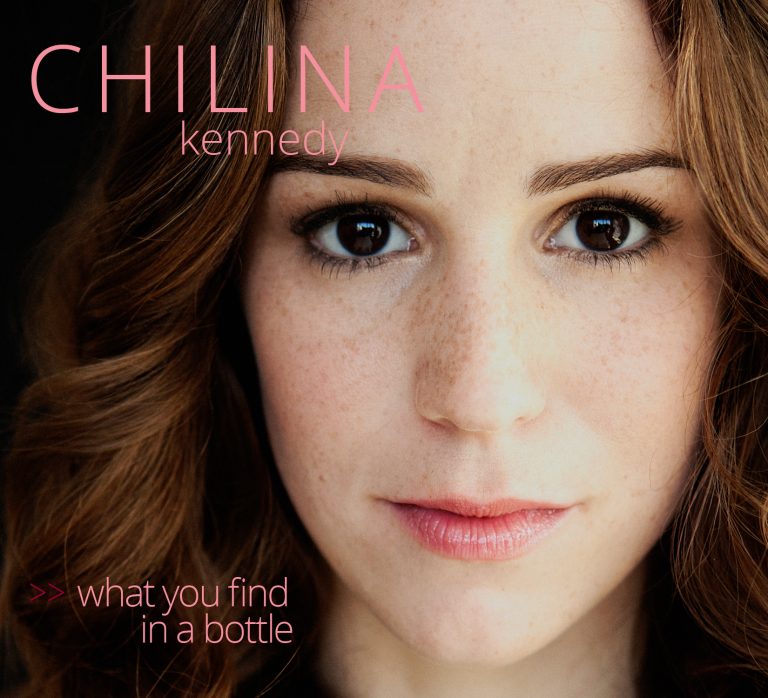
    Album Review: “What You Find in a Bottle” – Chilina Kennedy

    chilina kennedy what you find in a bottleThere’s something ernest in a Broadway actress releasing an album that clearly highlights the influence of the Great White Way on her music. Despite its strong roots in bluegrass, americana, and folk, there’s the overarching image of Chilina Kennedy sitting on stage performing any of her thirteen affecting songs off of her debut album “What You Find in a Bottle.”

    What makes the album so endearing is its pure honesty. It’s the genre of singer-songwriter at its finest. A simple production that highlights Kennedy’s voice cast against a relatively stripped down orchestration gives the album genuine charm.

    The first couple tracks introduce us to the folk infused pop that runs through the album. They’re reminiscent of Colbie Caillat acoustic singer-songwriter style. However, what sets Kennedy apart is her soulful twist and profound lyrics that keep us engaged even when the music doesn’t.

    Where the album really takes off is when the folk pop third track “I Wouldn’t Call it Love.” Not only does it work as a more upbeat ballad, but also as a chill sway to the music jam. From there the album forays into an education of folk, bluegrass, and americana with slight digressions into simple acoustic guitar ballads like the album high point “Gold.”

    Mid album gem “This Year” rocks on as a bluegrass jam that inspires some foot tapping and head bobbing, but what is more of note is the gorgeous instrumentation that makes strong use of the fiddle, which is reminiscent of indie band Run River North.

    “The Gambler” illustrates the album’s ten year origin. Not that it tells the story of the album, but it simply demonstrates the lyrical storytelling that drives the thirteen songs. She questions, “why did listen to the bullshit like I was made for you?” It’s that personal flair that makes the album what it is. Even though the songs may be disjointed, the lyrics carry it through to last you from front to back.

    Despite the strong song writing, the album suffers from a weak production. It works for what the album is supposed to be, but you find yourself yearning for it to take off. If the songs were fleshed out and given a full treatment from a producer that could add depth, the overall sound would take off.

    Chilina Kennedy is currently playing Carole King in Beautiful: The Carole King Musical. “What You Find in a Bottle” is available for download on iTunes.

  • Album Review: Swervedriver – “I Wasn’t Born to Lose You”

    Album Review: Swervedriver – “I Wasn’t Born to Lose You”

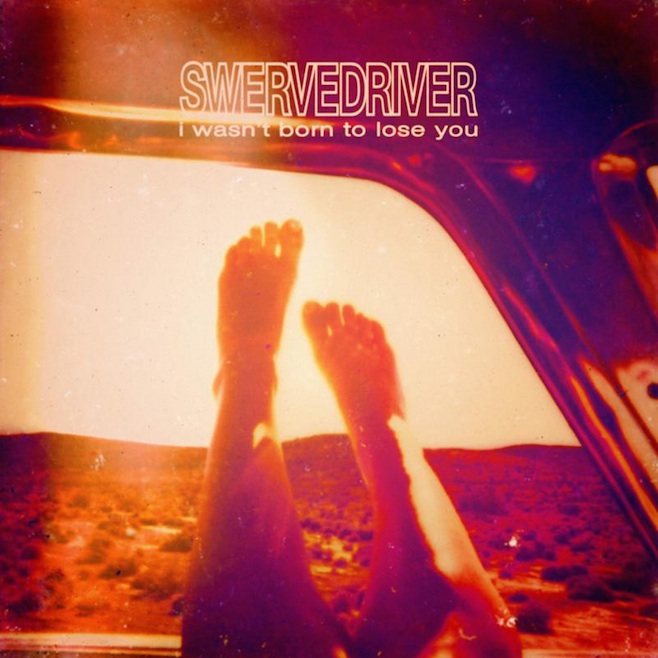
    swervedriver-i-wasnt-born-to-lose-you-2015Swervedriver is one of those bands that emerged during the early 90’s when the shoegaze craze was at its peak. Although almost no one knows about them as they were shadowed by the likes of My Bloody Valentine and Ride, they released some critically-acclaimed stuff in their prime. Mezcal Head was the first album I heard from them and everything in that reeks of the Grindy Nineties, with intricate bass lines, outros that seem to go on forever, songs of love, drugs and government, everything. I Wasn’t Born to Lose You is their first album in 17 years and comes riding the wave of alt-rockers calming down, but letting their songs age like wine.

    While their power on Mezcal Head and Raise was something to be admired, what they did with that vigor was something of a miracle. The combination of vocalist Adam Franklin’s almost apathetic voice and the high energy of the instrumentals thrashing away with feedback and gusto is what makes this different from the stereotypical shoegaze band. However, this album is more of a callback to times that were once grungy and dirty, a callback that only lasts about 6 songs in before falling off into the inevitability of age.

    The cleanliness of the album does bring the 90’s band into the 21st century of production, however it loses it’s charm and edge. What made Mezcal Head so good was the grind of everything and the limitations of production at the time. The instruments seemed heavier and fuller by comparison to many of the comeback albums of today. There is no “Blowin’ Cool” esqe track here, nothing that’s very ambitious in it of itself. The most the album changes is in the tracks “Everso” and “Red Queen Arms Race”, which tries to be as grindy as it can, but it’s a processed fuzz and feels manufactured. None of the songs are really warm in terms of their effects, and the plethora of effects used on previous albums are shorn down to maybe 4.

    The album isn’t all bad as I make it out to be. “Autodidact” is my favorite track off the record and is an instant classic. It was the taste that not everything that is clean from them has to be a sub-par track. “Everso” returns to the grind with a long, somberly track that increases in ferocity everso (ha, get it) slightly to a pounding climax. “For A Day Like Tomorrow” sounds more like a Swervedriver track, it’s got that 90’s tempo to it sounding like a love child between the English bands of the era and Dinosaur Jr.

    There are some gems on this album, but the disappointing outweighs the good in this case and didn’t leave me with my musical fill. This is more so a textbook example of when you should increase production value and when you shouldn’t. If this was the final release for these guys, I wouldn’t put it against them. In fact, it’s just one of those albums I would forget that I had on my iPod.

  • Flying Lotus – “You’re Dead” Album Review

    Flying Lotus – “You’re Dead” Album Review

    flying lotus

    Flying Lotus has always been a favorite of mine when I made the choice to expand my musical horizons. Ever since his second album, Los Angeles, I fell in love with the hip-hop beats and overall experimentation and how far his motifs would go. You’re Dead is one of those surreal gems that shows through the drips of jazz, jazz-fusion, straight-up hip-hop and rap, how talented he is and how years can put on influences you never thought you’d use.

    During the opening tracks, “Theme”, “Tesla”, “Cold Dead”, and “Fkn Dead” you hear the grating electric guitars and the lovely and smooth saxophones that combine in a way that emphasizes the theme of the album: death. Besides the titles that just have the word “dead” sprinkled on it, the sounds throughout the record are dark, eerie, and even sometimes legitimately otherworldly in their execution. Of course the crown jewel in this album is the single with Kendrick Lemar, “Never Catch Me”. This has to be one of the best songs not only on this album, but in the entirety of FlyLo’s discography, and seeing him work with Kendrick on lyrics that push forth the contemplation of death and sometimes the injustice that happens when someone dies, is beyond gorgeous, it’s heavenly (pun completely intended)

    As you get deeper into the album,  you sometimes begin to question if this is actually him producing all of this (in a good way, I promise). “Turkey Dog Coma” is a fast-paced jazz jam complete with guitar that sounds like Yes, drums that come from the very essence of post-bop and avant-garde jazz, and the slightest flutters spread throughout the track that actually kind of remind me of the sea of floating lanterns in Tangled. “Stirring”, although short, is a throwback tribute to Bibio‘s Silver Wilkinson with the arpeggiated acoustic guitar; like a campfire near the River Styx. Speaking of the Styx, our ferryman, “Coronus, the Terminator” is a gospel meander through the sights of the Underworld. You can hear and see in the distance this lanky figure coming to pick you up in a dilapidated rowboat, and as you travel down you can see these strong but pale workers renovating the Underworld under their leader’s orders.

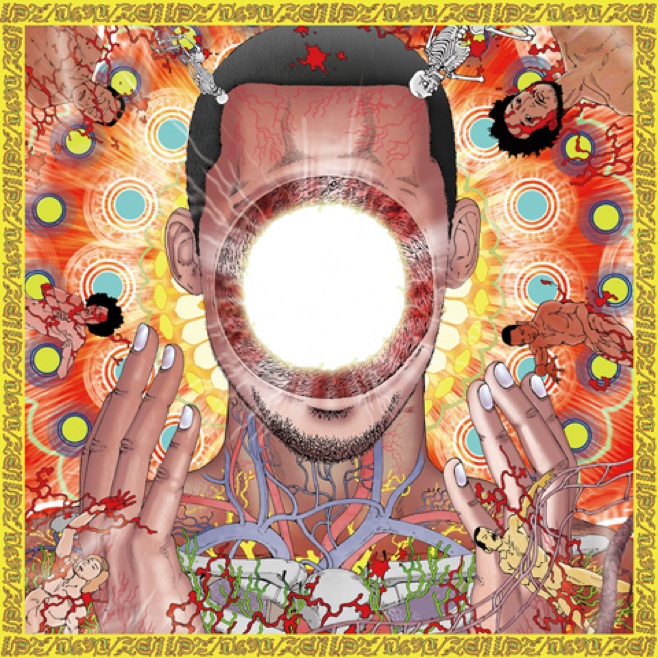
    flying lotus you're deadOne of the most pleasant surprises is Angel Deradoorian, formerly of Dirty Projectors making an appropriate appearance on the woozy and dreamlike “Siren Song” that continues on the fantasy of the River Styx with some wah-wah guitars from an old Barry White song and a slow beat that grows just that much more cacophonous with each passing “ah” from her. “Turtles” has a vintage sound to it with the bass levels raised up a little more, still making this dream-like state a tribal R&B experience. “Ready Err Not” sounds like something out of an underwater level in an updated Super Mario game, and while… interesting to listen to, doesn’t really add that much for me. “Eyes Above” does come back with some beautiful jazz work again and immediately fades into “Moment of Hesitation”, which is subtly chaotic. Yeah, it’s an oxymoron, but with the tempo and style all over the place, but being played so soft, that’s really all you can describe it as.

    The Thundercat vocal tracks have become a staple that I didn’t really feel needed to be included on the last album. “Mmmhmmm” was the exception, but they’re starting to sound the same. Case and point: “Descent into Madness”, good thing it’s mercifully short. And it’s a good thing that “The Boys Who Died In Their Sleep” is short too. The garbled vocals sounds like something I would just play with on GarageBand and is more distracting than interesting. The lyrics on the other hand are very sad and it’s touching, I just wish it didn’t have that intro. “Obligatory Cadence” is a little more funky and forgiving than “Coronus” but it still manages to get you interested in another dreamy walkabout track. Niki Randa‘s appearance is something I’ve been looking forward to since her songs on the last album. Her smooth, soulful, breathy and quiet voice gets a much needed boost by Ellison’s production in the spacey “Your Potential//The Beyond”. Finally, “The Protest” is an encouraging end to an album dealing with death with the chorus chanting “We will live on, forever and ever.” The ending beat actually sounds like the callback to Los Angeles, and I hope that means that album will continue to live on.

  • Album Review: Walk the Moon – “Talking Is Hard”

    Album Review: Walk the Moon – “Talking Is Hard”

    walk the moon

    I dare you to find me someone who didn’t at least like Walk the Moon’s self-titled debut album. It’s just an 11-song marathon of jam after danceable jam infused with glorious rock tropes and infectious pop melodies. Every time I go back to the album I can’t fathom how absolutely catchy it is or how a band was able to hit a home run in their debut. So, when their second album was announced there was the overall feeling of excitement, but an underlying dark feeling of dread that we’d hit a sophomore slump. Walk the Moon took that sentiment and threw it in our faces with the triumphant return that is Talking is Hard.

    The album kicks off with their second single off the album, “Different Colors.” The single adroitly gives you a taste of what’s to come. The rock infused journey down the memory lane of 80s pop music, that’s not as straight forward as Bleachers’ Strange Desire, is clear nonetheless.

    What this album makes even more prevalent about Walk the Moon is they know how to write a fucking chorus. Try not to shout along to any of them, it’ll pain you. Even if the song surrounding the chorus is subpar, you know that all those progressions lead into something great.

    talking is hard walk the monTake for example the clear standout of the record, lead single “Shut Up and Dance.” Its infectious twangy guitar melodies pushed together with an anthemic chorus makes for a song that you have to just… well, shut up and dance. It repeats the success that the band had with their indie hit “Anna Sun,” which had similar qualities. Where “Shut Up and Dance” and the entire album for that matter differs is its journey into other facets of rock like rock n’ roll and even hard rock, which is most prevalent in “Up 2 U.”


    However, despite a few digressions toward other genres, the album always comes back to its dance-rock and glorious indie pop roots with songs like “Avalanche”, “Down in the Dumps”, and “Work this Body”, which anchor down the solid second half of the album. Most of the half enforces their 80s leaning pop sound that they’ve been work towards all along, but finally hit with this album. That’s clear with backend standout “Spend Your $$$.”

    Where the word maturity comes in is with their new found ability to not simply just put out a succession of dance pop surefire hits. Although that worked with their self-titled, it would doom the band for failure if they kept with it throughout their career. Talking is Hard doesn’t exactly reach the heights of their debut, but it hits a different type of height. It’s a new step on the ladder towards the goal they’ve always been working to. And even if it’s just a step, it’s a damn good one. Maybe even an AOTY contender.

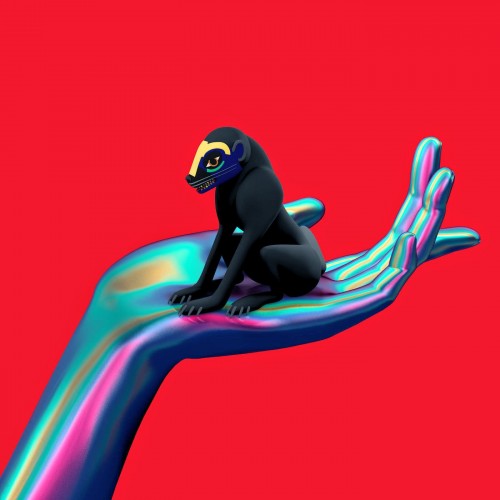
  • Album Review: SBTRKT – “Wonder Where We Land”

    Album Review: SBTRKT – “Wonder Where We Land”

    SBTRKT's Wonder Where We Land

    SBTRKT, the reclusive electronic artist, came into the fray with his self-titled debut album that combined house, some dubstep elements and minimalist soul. With collaborations under his belt with Little Dragon’s Yukimi Nagano, Londoner Jessie Ware and relative newcomer, the soulful Sampha, his debut was a breath of fresh digital air in this era of stagnant EDM and soulless pop. Of course we were all waiting for something else that he could knock our socks off with, and with the announcement of Wonder Where We Land, our prayers seemed to be answered. Unfortunately, it’s not the triumphant return we were hoping for and instead we have a bit of a mish-mash of good ideas executed poorly, and some perfectly fine tracks in terms of the way he goes about making them.

    We start off with some ambient tracks like “Day 1” and “Day 5” which aren’t his best, but the little motifs do bring some cool noises and engrossing atmospheres to the table. “Lantern” is one of the best tracks on here, and one that I’ve been searching for, it’s one that has SBTRKT being SBTRKT: an instrumental with jarring changes and a fast-paced foundation underneath it all. However within the first 5 tracks, “Wonder Where We Land” and “Higher” don’t seem as on-point as these others do. “Higher” features rapper Raury just everyday spitting over an honestly cool beat, but the consistency doesn’t deter the lyrics. “Wonder Where We Land” is a Sampha track at its most meh with no real buildup, but like rain you’re wishing to go away.

    SBTRKT-Wonder-Where-We-Land-Deluxe-Version_01Things start to pick up with the guest vocals and ideas with “Look Away” featuring Chairlift’s Caroline Polachek, who’s autotuned aspects work well with her natural voice. However, the same problem with a lot of these songs is prevalent here: It ends abruptly with no room for fades or growth. “Temporary View” is the track that is most like what I expected from this album. It sounds like a b-side from the debut, only with a lot softer electronics and a gorgeous, deepening piano that sends you through space as depicted by 2001: A Space Odyssey. “NEW DORP, NEW YORK.” is one of the most fun singles that I’ve heard, and that combined with the pure nonsensical lyrics by Vampire Weekend’s Ezra Koenig just makes for a strange trip through The City That Never Sleeps. “Everybody Knows” is what I would loved to see this album be about. It sounds a bit more like Disclosure, but even then, the combination of the sultry sleepy vocals and the strings that come up in the background is a must-have for a electro-funk playlist.


    The tracks from here on out are a bit more experimental and you begin to see a natural progression through this mess, although it’s still a mess. “Problem (Solved)” with the lovely Jessie Ware, is short but mystical with the minimalist piano being the first of the movement into traditional instruments with Wonder Where We Land. It’s an R&B waft through the cherry blossoms. “If It Happens” is more of a John Legend-esque piano interlude with Sampha, and it works within the last five songs, but not in the whole context of the album, beautiful but misguided. “Gon Stay” is the most ambitious of the songs with Sampha though. It jumps from the soulful vocals to the instrumental with a gorgeous, delayed bass that’s akin to a sadder version of Rusted Root’s “Send Me On My Way”. It has very little electronic blips and boops in it, and it’s like SBTRKT’s journey into classic rock and blue-eyed soul. The chopped-and-screwed piano on “The Light” is dark and plays a nice hook, even though the tune seems to lack a lot of punch for the vocals to show their true potential like “Pharaohs” on the debut. Finally, “Voices in My Head” has nothing short of the same problems that “Higher” did, a childish rap with a killer instrumental backing it. The jazz-oriented music from Warpaint doesn’t deserve to have A$AP Ferg rap over it. It mirrors the biggest problem that I have with this album: Killer introduction but a less than stellar ending.

  • Monterey – “Sailors” EP Review

    Monterey – “Sailors” EP Review

    monterey sailors“Remember all the days you were so lonely. When leaving wasn’t the only thing on your mind.”

    Trying to standout among the New Brunswick music scene isn’t an easy task. It’s a community that’s absolutely packed with incredible potential and exciting new sounds, but Monterey is standing out in a very unique way. Just give their EP “The King’s Head” a listen, then take it over to their latest EP “Sailors.” The band’s exploration of new sounds came at the perfect time to complement the complete change over to more emotional and personal records that are swarming our ears. The switch over from Americana to Indie Rock is an odd one, but in this case it really worked for the trio.

    Although there’s a formula and deep emotion to the EP, there is no denying the pulsing energy flowing through all four songs. At times it gets a bit overly sentimental, particularly in its lyrics, the band’s ability to turn out anthemic songs makes up for any downfall from the lyrics. Opening song “Can’t Live Like This” has  a surf rock quality that pulses through to mix with a light punk rock sound that feels like the overarching trend of their new sound.

    However, the clear standout from the release has to be single “Sailors.” It’s the type of song that demands to be heard. With an incredibly melodic verse giving way to an assaulting chorus and working its way to a absolute high point finish complete with gang vocals and all. What’s more impressive is the song is the darkest point lyrically. The song gorgeously complements the EP closer “The Battle” which further explores the albums dark roots with an all out jam.

    The best part about “Sailors” is that it’s such an easy listen. It’s an energetic four song EP that just gives you jam after jam. There’s definitely room to grow as the band discovers their new sound, but if this is any indication, they’re moving in the right direction.

    You can preorder “Sailors” over on iTunes and check out our interview with the band here!

  • Album Review: The Jazz June – “After the Earthquake”

    Album Review: The Jazz June – “After the Earthquake”

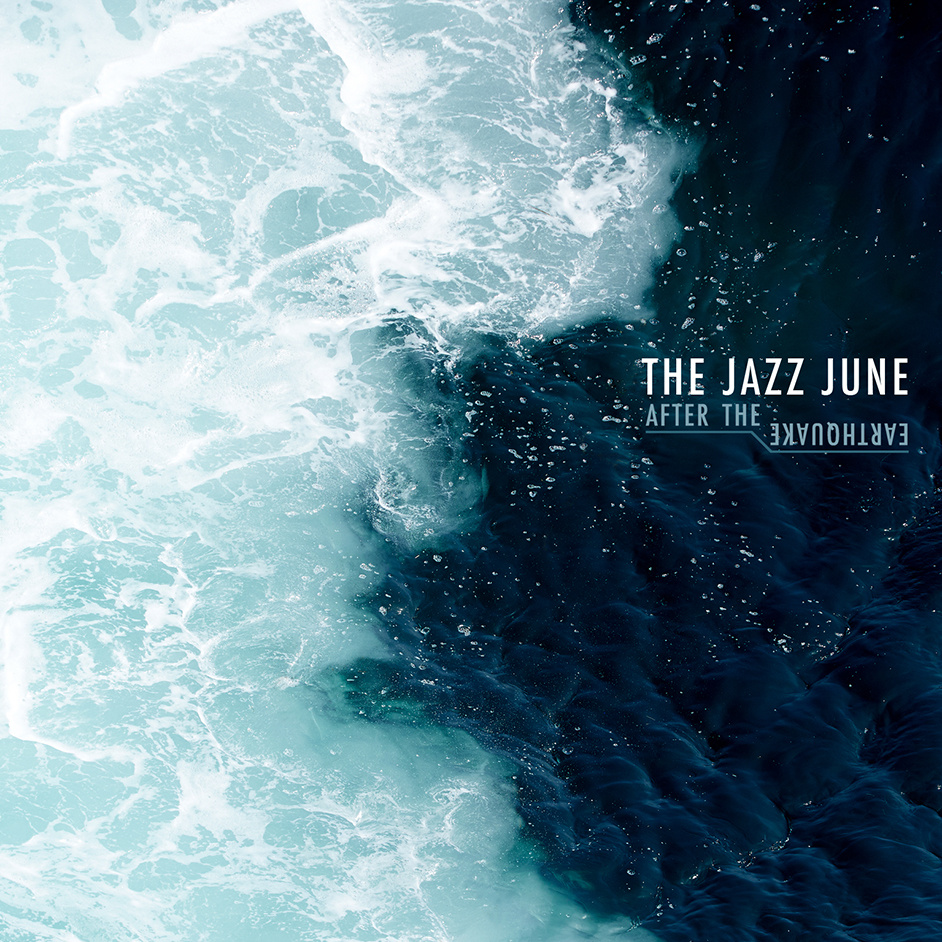
    the jazz june after the earthquake 2Topshelf Records has a place near and dear to my heart.

    It’s the label that signed one of the bands that I sat in awe watching back in the 10th grade days of post-rock yore. Now that I get to review one of their newest releases, I can take a little taste of their full catalog. The Jazz June is my first victi-I mean, review. Hailing from Philadelphia, I thought these guys were gonna be your typical pop-punk quartet of teenagers. (I actually thought they were a jazz band because of the name, but I digress). I was pleasantly surprised with the first two songs that breathed a little bit of somber and blissfully apathetic life into my library.

    “Over Underground” has the intro of something a little dreamier than what pop-punkers now bring to the table, but it evolves into a catchy song with a really aggressive hook that the vocalist really doesn’t use in the next couple of tracks. This is basically the storm before the calm (yes you read that right). “After the Earthquake” has this style akin to The Dismemberment Plan. The humdrum vocals against a medium-speed beat make for a very relaxing tune, like a calming wave on a gloomy day at the beach. “It Came Back” is a brilliantly classic alternative rock instrumental with something that reminds of late 90’s early 2000’s rock songs, and it gets me nostalgic. Also, during the second verse there’s a point where you can’t tell if the instrument in the background is a piano or guitar, and it’s just mysteriously satisfying.

    “Stuck on Repeat” brings me back to the halcyon indie rock days of Smashing Pumpkins clones complete with the sliding guitars that are dissonant, yet groovy. “Ain’t It Strange” reminds me of Los Campesinos! and the entire catalog of bands that talk about how much they want to leave the town. However, these guys do seem to something else away from their younger counterparts, they manage to make the stories of love, boredom, and homesickness an adult thing that many in my age group feel.

    I don’t feel as strongly about the lead single off the album, “Edge of Space” or “With Honors”. They seem more or less like stuff that you’ve heard on Joyce Manor, but without the PUNK angst and apathy. But with everything that’s on this album, it sounds clean. Gorgeously produced, nothing too distorted, as alternative as it can get with the production. The album as a whole has enough rockin’ variety to keep you dancing and to keep you entertained, but never enough to overwhelm or bore you.

  • Iceage Album Review: "Plowing Into the Field of Love"

    Iceage Album Review: "Plowing Into the Field of Love"

    iceage album review

    Punk rock, at its finest, both agitates and puts a smile on your face. Danish band Iceage did that on their previous two albums, New Brigade and You’re Nothing. Both were obliterating affairs dealing with both physical and philosophical anxieties in short, aggressive, and noisy spurts, like a Black Flag for the 21st century. This, their third release, retains that youthful nihilism, while also demonstrating their improved technical ability and desire to go out on a limb musically.

    The most noticeable thing about Plowing Into the Field of Love is how fit for autumn it seems to be. Frontman Elias Bender Rønnenfelt’s Joe Strummer-meets-Tim Armstrong voice sits higher up in the mix than on previous albums, which tended to bury his vocals beneath the cold, gothic-tinged noise of the thrashing guitars. This difference makes Rønnenfelt sound more like the drunken guy at the bonfire, rambling into your ear, with the only difference being that Rønnenfelt actually has some interesting observations. The slight bit of separation between his voice and the rest of the band actually makes the band sound more cohesive; you can tell what each member is doing, but they all interlock now to sound like a band instead of a storm of noise. Obviously the latter has its qualities (and visceral effectiveness) but to hear Iceage’s maturation is relieving; they’re not content to deliver the same product over and over again to diminishing returns. At the same time, it’s not like the band has eschewed all noise, choosing to explore fuzz guitar textures other than the amp-burning ones found so often on You’re Nothing and New Brigade. This exploration also sees the band letting the guitars take on a more nuanced role in the sound. Just as there are quite a few memorable riffs here (“The Lord’s Favorite”, “How Many”, and “Abundant Living” come to mind), there are plenty more times where the electrics sit back in the mix to provide the canvas for perhaps the most startling moments on the record: when the acoustics come in. Viola, mandolin, horns, and guitar all make unplugged appearances, but do so in a decidedly traditional-sounding way. Altogether, these changes make the record sound homey yet aggressive, organic but not folksy, and way more interesting (and harsh) than anything you might hear at a fall festival this year, but still warm.

    plowing into the field of loveThis album feels a little long in comparison to the others. Consider: on New Brigade, only one song reached the three-minute mark. None reached the four-minute mark on You’re Nothing, and now no song is under two-and-a-half minutes with Plowing. Too often, bands confound “maturing their sound” with “bloating,” but that’s mostly untrue here. What we hear instead is a band conserving their energy to make those big, hooky moments actually come off that way. “How Many” achieves an epic chorus unlike any of their previous material. It certainly would still be a solid cut had it been given the same treatment as, say, You’re Nothing’s “Coalition”, but it manages to transcend the rest of their catalogue in emotional weight by not blowing through with breakneck speed. And when they really decide to slow it down, with the drunken-stumble-home of “Against the Moon,” there’s enough going on, what with the horn section and piano motif, to doubly engage the listener while also laying out one of the most emotionally bare (and meta-punk) sentiments: “Whatever I do, I don’t repent.” It reaffirms the idea of “punk” as a concept instead of a sound, and is beautifully exemplified here.

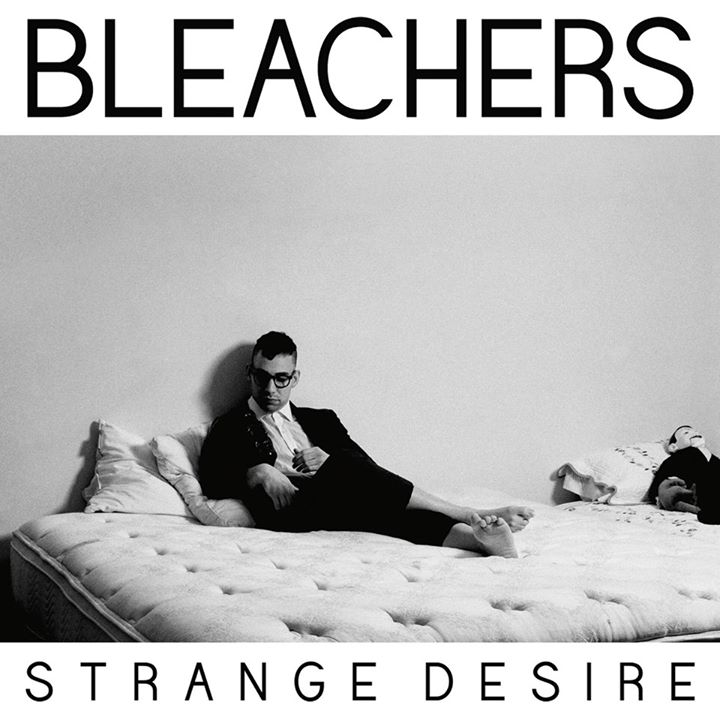
  • Bleachers "Strange Desire" Album Review

    Bleachers "Strange Desire" Album Review

    Bleachers Album Review

    Jack Antonoff is a busy man. In addition to being the guitarist for the pop band fun., he also wrote songs with Carly Rae Jepsen, Tegan and Sara, Sara Bareilles, Christina Perri, and Taylor Swift (the song “Sweeter than Fiction” was nominated for a Golden Globe). However, he takes a slightly different route with Bleachers.

    The best way to describe Antonoff’s newest album is as 11 consecutive quintessential 80’s anthems. I’m not gonna lie, most of the songs feel like they fell off The Breakfast Club soundtrack, or some other John Hughes movie. Which is a good thing considering that was Antonoff’s intention. Every single track followed that thread. So much of it was this great mash-up of teenage angst from the 80’s and today that was similarly mixed up in its music.

    10299100-576709759114405-8967171133444390332-n-1404933223Much like Daft Punk’s “Random Access Memories” and M83’s “Hurry Up, We’re Dreaming” (two album I absolutely adored), “Strange Desire” uses typical 80’s tropes like big drum sounds and jangly guitars, while also infusing some present-day synth-pop appeal. Although, it’s kind of hard not to relate a single track to some corner stone of our musical history. Sometimes I even questioned whether I was listening to an album produced in 2014 (of course I didn’t, but just wanted to add some emphasis). Even the subject matter of waiting for someone to call you or watching someone that you can’t have or “I can’t believe I captured you heart” in the standout track “Wake Me” are pulled from 80’s movie tropes.

    Although so much of this is pulled from different genres, the standout tracks for me were downright catchy pop songs like “I Wanna Get Better” and “Roller Coaster”, and the sing at the top of your lungs anthems like “Like a River Runs.” These songs are only enhanced by the strong production, which reminds me a lot of Imagine Dragons’ (an album I disliked, but a production I could appreciate) ability to create songs that could be performed in an arena or jammed out to in the shower.

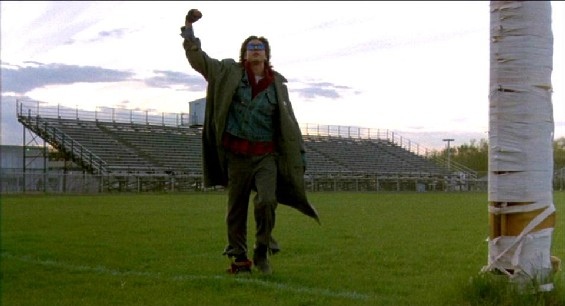
    breakfastclub-benderAntonoff is extremely talented, there’s no question about that. As a trip down nostalgia avenue, “Strange Desire” is a phenomenal triumph. He succeeded in his goal, no doubt. The issue is that he let that goal constrain the rest of the album past the strong first half. I hope he sticks with this project. It has the potential to grow into something great. For what it’s worth, I couldn’t help but throwing up a triumphant fist as I walked under the football post.

  • Album Review: The Gaslight Anthem, \"Get Hurt\"

    Album Review: The Gaslight Anthem, \"Get Hurt\"

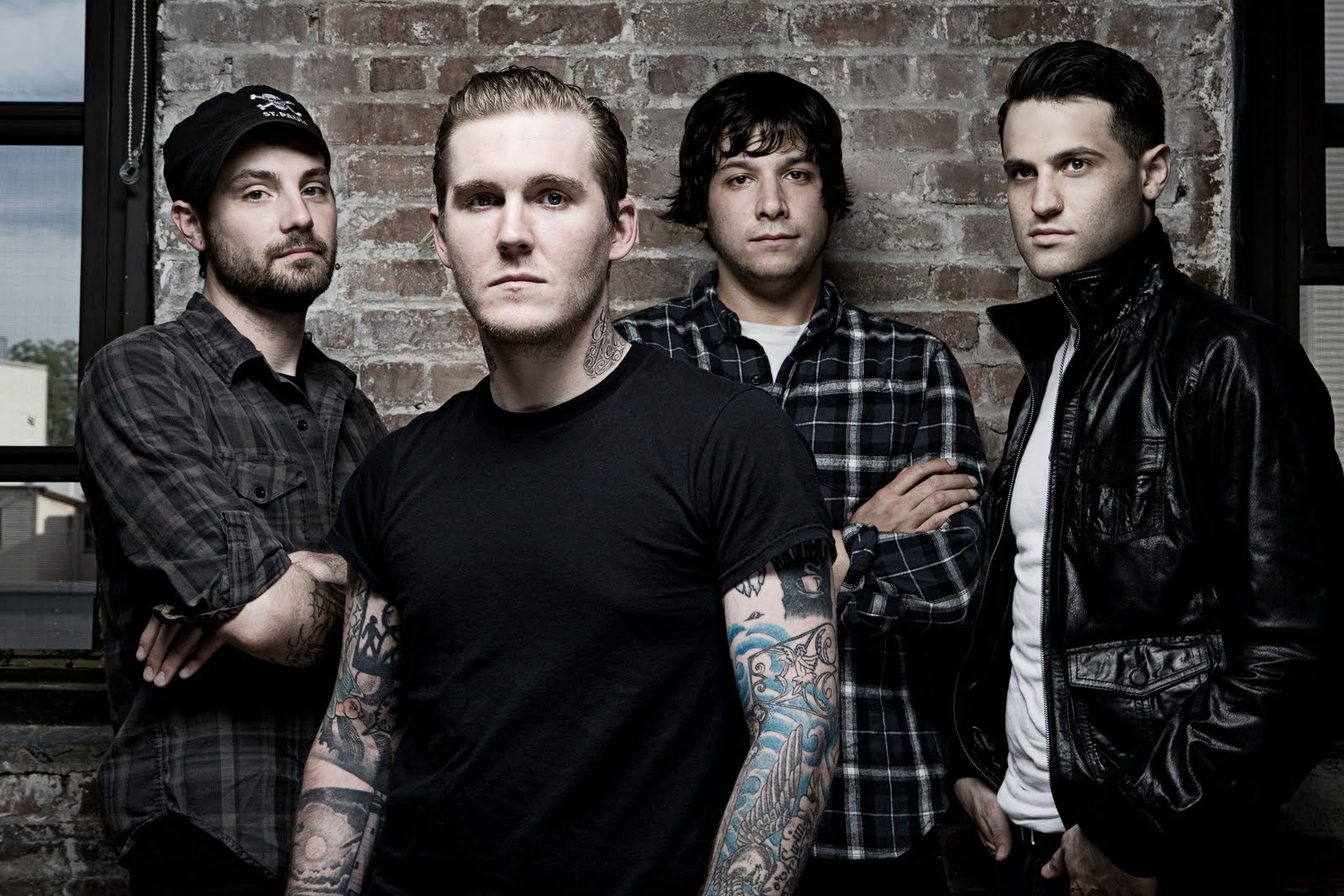
    thegaslightanthem

    “Everything has chains.” That’s hard-learned wisdom from Brian Fallon, The Gaslight Anthem’s frontman, on “Selected Poems”, a latter-half album cut from the Jersey quartet’s latest album Get Hurt. It’s been a particularly hard year for Fallon, as he divorced from his wife of ten years. But he’s also had to deal with the aftermath of failed acts of self-sabotage like this, and ultimately come to grips with his and the band’s increasing popularity, as well as the persistent comparisons to a certain fellow New Jersey-an. Fans of the band are certainly rooting for a triumphant return after such personal turmoil, but they may have to wait. Get Hurt is a bloodletting that rarely feels cathartic, with its sound too often regressing to the mean of alt-rock radio as they try to break free of the sound they had so carefully honed over the previous four albums.

    This is apparent from the get-go. Opener “Stay Vicious” sounds anything but, opting for big, generic sounding distortion that you might otherwise get with Stone Temple Pilots, or worse, Nickleback. It makes for perhaps the weakest song in the band’s entire catalogue. We hear ugly guitar tones like this again on “Stray Paper” and “Ain’t That a Shame”. It’s a bizarre choice for a band more than capable of making original sounding rock n’ roll while still paying respect to its traditions. Even as they made a play to follow in the footsteps of their heartland rock forebears on 2012’s Handwritten, Gaslight’s sound maintained a uniquely uplifting punk spirit even through those melancholic and bluesy numbers. Now when they try to open up to that sound, as with “1,000 Years” and “Red Violins”, it results in something that sounds tired and uninspired. The album as a whole suffers greatly from an overall sterile sound, which is hard to imagine considering Handwritten was recorded in the same studio (Blackbird Studios in Nashville) and sounds much more organic. I’m not about to speculate what producer Mike Crossey did to make things sound they way they do, but I’d encourage him not to do it again. Arrangements, by and large, are strikingly boring, particularly on “Get Hurt”, which is too reliant on an overly synthetic guitar sound, and latter-half cut “Selected Poems”, which, if not for the lyrically strong and apropos chorus might get lost by sounding too much like everything else. And speaking of latter-half cuts, the boredom increases, unfortunately, with “Break Your Heart”, which is not only the weakest ballad in the band’s discography,but also a huge disappointment considering the devastation that was palpable on Handwritten’s “National Anthem”. Much of Get Hurt lacks the aggression and energy Gaslight had on previous releases, and it is sorely missed. Alex Rosamilia’s guitarwork is excellent as always, but this batch of songs could really use his earlier-period style of maximalist leads. All of this results in an album that can be a slog to get through, at times.

    Luckily, there is a three-song section that breezes by as a vision to what this album could have been. “Helter Skeleton” takes a melody that could have been used as an 80’s sitcom theme, beefs it up with some tremolo-effected guitar (and the album’s brief glimpse of Rosamilia’s old guitar style), throws what could have been a Beach Boys line in the chorus, and peppers in some dark matter (“something tells me I will die alone”) for what is arguably the strongest track on the record. Then comes the noir-ish “Underneath the Ground” which makes good use of a Fender Rhodes and Fallon’s rugged whisper to create an ominous feeling. Then comes the single “Rollin’ and Tumblin’”, which pairs Fallon’s Sink or Swim growl with his ‘59 Sound croon and captures his sadness with speed and clarity. These three songs manage to expand Gaslight’s sound in new ways while also not sounding, like, say, Staind. Get Hurt is most interesting when the band can be heard working in new directions with subtlety, and those moments are mostly collected here. The other thoroughly solid song on the album comes right at the end; “Dark Places” is reminiscent of The ’59 Sound’s “The Backseat” sonically while offering the brokenhearted viewpoint in maybe the most cathartic manner out of this batch of songs.

    There are parts throughout the lesser songs on this album that are outright good, and it’s mostly driven by excellently written lyrics. “Selected Poems” has the aforementioned chorus. The pre-chorus in “Ain’t That a Shame” is killer: “learned the rules/ out with the wolves/ I’m vicious now baby, dumb and insatiable.”  The final part of “1,000 Years” practically saves the entire song. The problem lies in that these particular sections are surrounded by lyrics that just don’t capture the emotion in any way that doesn’t feel somewhat clichéd. “Stray Paper’s” metaphoric device is too similar to that of Handwritten’s “Blood on the Page”. “Red Violins” has lyrics that belong on the cutting room floor of last album’s sessions, too. Too much introversion and too little of Fallon’s usually top-notch storytelling leaves large chunks of the album feeling bland. Ultimately, there’s little doubt that there is real pain behind these words, it just makes you wish there was more complexity to them.

    A couple of stray thoughts: the bonus tracks are worth repeated listens. They show the band going in a more folksy direction, and it’s a good look for them, recalling The Band in some instances. Had they been split off from this release into a separate EP, it would make for a really good play; here it comes off disjointed from the regular tracks (obviously). Furthermore, this year has seen another major-label band with a punk background and a songwriter excising personal turmoil release a “different” record: Against Me! But where Laura Jane Grace was afforded the opportunity to cement her place as a punk pioneer just by releasing an album as great and frank and energetic as Transgender Dysphoria Blues, Fallon and The Gaslight Anthem found themselves at a similar place in their careers, but with an identity crisis, and without the chance to really have the same kind of impact.While it really wouldn’t make much sense for such excellent musicians to retread the same path they had on American Slang, The ’59 Sound, or Sink or Swim,  it also doesn’t make much sense to veer off into prefab grunge when they had already shown signs of being great at punk, soul, and folk. Extending their sound further into any of those last three would have surely been more exciting (even in failure) than what Get Hurt actually was, but, “everything has chains.”

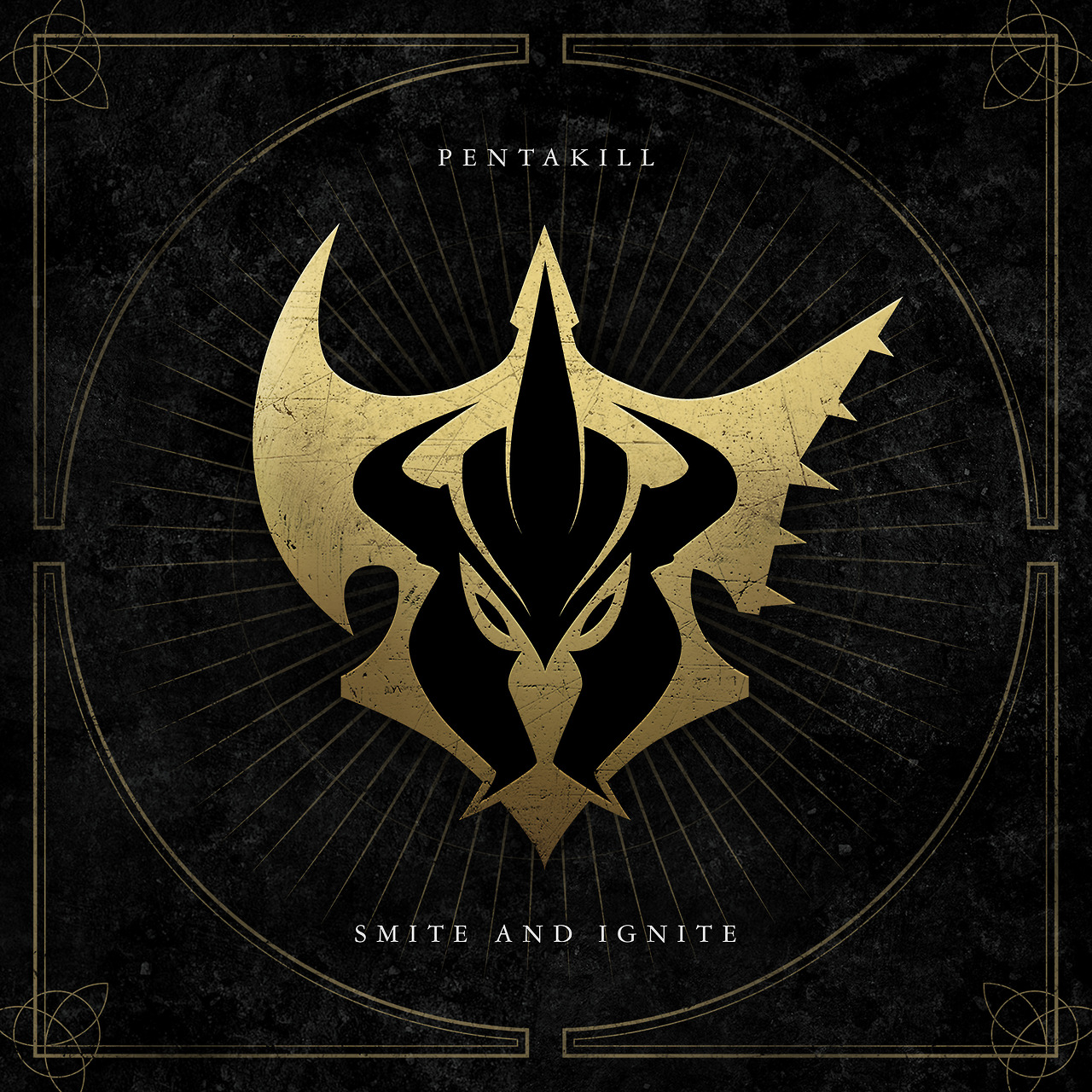
  • Riot Games presents Pentakill\'s \"Smite and Ignite\"

    Riot Games presents Pentakill\'s \"Smite and Ignite\"

    pentakill smite and ignite

    Riot Games is the group behind the online multiplayer battle arena game League of Legends, which has more than 2 million players. Filled with colorful, playable characters that have their own unique personalities within this universe, there are five characters that have formed the virtual band Pentakill. Riot decided to release actual music from these characters and have given us, surprisingly, one of the heaviest metal albums of this year, matching even Mastodon‘s Once More ‘Round the Sun.

    All of the songs make reference to gameplay elements but not in a cheesy way which was something I was worried about. A lot of tribute albums to video games try their to best to pander and make references basically saying, “Hey look guys! We play video games just like you!” Smite and Ignite doesn’t ever do that, and every single song is taken seriously when the instrumentals are this heavy and the lyrics are like a battle song for an upcoming match. “Lightbringer” and “Deathfire Grasp” are booming with otherworldly riffs and drum blasts and basslines that even sound like Tool. YES. TOOL.

    Pentakill's "Smite and Ignite"The later songs still keep up the power and intensity even in its instrumentals. “Ohmwrecker” and “The Hex Core” each have their heavy metal essentials, with added sounds and effects that hint at the game itself (to the League players, who’s ult sound is that in “The Hex Core”? Shocking, right?). In addition, none of the songs ever seem like they’re advertising to you, it’s just a metal album for all to enjoy.

    The album for never falls flat, but it does become a little cheesy at the end with “The Prophecy”. The virtual guitarist speaks about “The Age of Metal” but it really has nothing to do with the characters or the story of League and it seems like a b-side intro that they just threw in. It is kind of cool to hear Mordekaiser’s voice though. “Thornmail” tells the story of an enchanted armor and it has the feel of epic, storytelling metal but the way the vocals are sung is kind of, again, cheesy. “Orb of Winter” is slightly out of place as an orchestral piece that sounds like Danny Elfman doing the score for Tim Burton’s version of Lord of the Rings.

    Final Verdict: This is a very very VERY entertaining surprise. I didn’t expect it to be as heavy or as serious as it was, and with the instrumentations it is even more so. I feel pumped and primed after listening to three tracks and ready to take on the world. The references to the game are everywhere but are never obvious as to what they are and adds to them just being a part of the song, rather than sticking out like a sore thumb when you recognize it. This is a heavy metal album that should be taken seriously on its own because of the production and songwriting, because even for non-players, it’s completely solid and you’d never guess. I’m looking forward to more, but if they don’t make anymore songs this would be enough and honestly, I want to see them tour like Gorillaz or something like it.


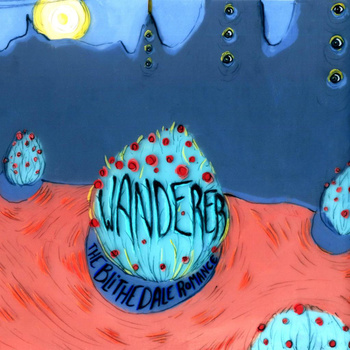
  • Album Review: The Blithedale Romance – Wanderer EP

    Album Review: The Blithedale Romance – Wanderer EP


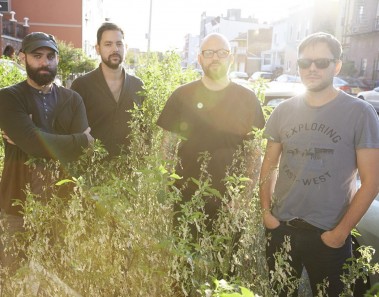
    the blithedale romance

    New Jersey-based quartet The Blithedale Romance, all furious guitars and shredded vocal cords, want you to know they’re trying. The young band took a mysterious, cultish online presence and rebranded their sound “new noise” leading up to the release of this, their second EP. Despite the half-makeover, the band comes out sounding more like themselves than you might expect. But what is a little concerning is that this “new noise” is almost certainly something you’re already familiar with, and that the band seems to have regressed in terms of their songcraft. While their turns to the traditions and tropes of the post-grunge miasma that we can call “modern rock” might evoke a pang of nostalgia in the odd listener, the Wanderer EP represents more of a step backwards than forging a new path.

    The Blithedale Romance’s King EP was a decent rock ‘n’ roll record that certainly wasn’t about to shatter anyone’s perception of reality, but definitely proved themselves to be the type of Jersey band that some listeners could always hold a torch for (the way I do for Status Green). Wanderer, on the whole, sounds like a conscious effort to rock harder, and opener “Now That You Know,” with its big thumping drums and nearly-funk bass, goes for it headlong. Coupled with some bluesy guitar leads, it is fit for alt-rock radio consumption circa 1993. Now don’t get it twisted, the guitars are the star throughout this record, and deservingly so. The math-rock influences come through the most in the spindly lines they interweave throughout each of the five songs, and really are the only reason to stick around through the blandness that is second track and single “State of Fear.” There’s no the blithedale romancelyrical heavy lifting going on here: “The world is so much worse/than we’ve ever let on/there’s so much to fear/there’s so much wrong.” Such a broad statement has no cutting edge to it, however true it may be. And it’s not as though a chorus always needs hyper-clever lyrics to make an impact, but when compounded with a merely average melody, the whole song comes off particularly toothless, even with a nice guitar solo.

    The latter three songs of the EP have more going in their favor than the first two. These songs all use more nuanced instrumentation, and greatly benefit for it. “Struggle” gets mildly psychedelic while “Treason” opts for a more punk approach, and closer “Dryocopus Pileateus” has the band getting full-on mathy to pretty good effect. But the first sees the band extending the song for no reason and the second could end about a minute sooner. It’s little things like these that prevent me from wanting to listen to these songs again; either they don’t get out of their own way fast enough, or they don’t extend themselves musically to make that extra time interesting. It’s fine to do a six-minute song as long as there’s something worthwhile happening, whether its an extended jam introducing new sonic textures, or lyrics that are actually worth a damn. You do get the impression from these last three songs that there is a vision The Blithedale Romance are working towards, but it’s frustratingly clear that they have not realized that vision yet.

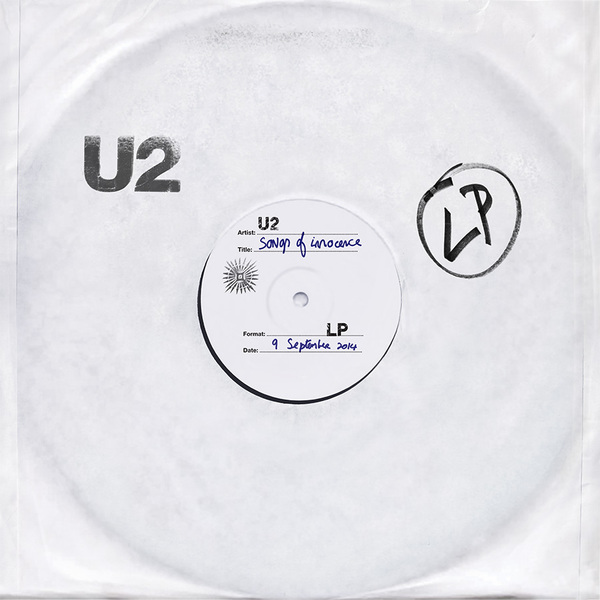
  • U2 Album Review: “Songs of Innocence”

    U2 Album Review: “Songs of Innocence”

    u2

    Let’s be frank: U2 is nothing less than one of the most successful and popular acts to have ever recorded a rock album. They need no introduction. As such, this review really needs no introduction either. By now you’re probably already sick of hearing about the band’s thirteenth studio album, Songs of Innocence, as well as the uniquely invasive delivery strategy surrounding its release. So allow me to start this review on a personal note: I spent the summer listening to a whole lot of fucking U2. Inspired by “U Talkin’ U2 to Me?” — a not-as-ironic-as-it-seems-at-first fan podcast hosted by Scott Aukerman (“Comedy Bang! Bang!”) and Adam Scott (“Parks & Recreation”) — I’ve devoted the last couple months to exploring the band’s back catalogue, from their 1980 debut LP Boy to their last self-consciously experimental outing, 2009’s No Line on the Horizon. Now, September is here and I find myself blessed with the opportunity to end my Summer of U2 with the band’s brand new album. If that wasn’t enough of a pleasant surprise, the thing is actually good, too.

    If the release of Songs of Innocence has reminded me of anything, it’s that a lot of people really, really hate U2. Chalk it up to the band’s often cringeworthingly earnest sound or Bono’s refusal to step down from his soapbox; U2 may be insanely popular, but people fucking despise this band. I don’t. They may not be the greatest rock act in the world, but I think they’ve managed to turn in their fair share of decent material over their almost four decades of being a band, some of which — such as records like their first magnum opus The Joshua Tree and the band’s ironic reinvention Achtung Baby — have rightfully ascended to the position of rock classics.

    That being said, it’s been a while since U2 have released anything outstanding. No Line on the Horizon’s respectable attempt at experimentation was marred by the presence of some of the band’s worst songs ever. 2004’s How to Dismantle an Atomic Bomb was a scattershot collection of hits and misses. All That You Can’t Leave Behind found the band kicking off the new millennium with a solid A-side that gave way to a back half that is almost offensively dismissible. Forgotten 90s records like Pop and Zooropa are okay (if you’re into that sort of thing) but that takes us all the way back to 1991 and Achtung Baby — which means that it’s been 23 years since U2 have managed to record a truly impressive album.

    If U2 have another masterpiece in them, Songs of Innocence isn’t it. Instead, it’s simply a cohesive collection of personal, catchy pop rock songs that is solid from front to back, and I couldn’t be more pleased to have it. This record is respectable to a fault; it seems like Bono and co. have somehow actually managed to learn from everything that has and — perhaps even more importantly — hasn’t worked for them in the past. Take the record’s first single and opening track for example. While the arrival of No Line on the Horizon was heralded by Bono getting on his “sexy boots” to shout about submarines and gasoline, “The Miracle (of Joey Ramone)” finds the band returning with a big sound but a personal message, comprised of just how significantly music can touch us at impressionable times in our lives. Not only does “Miracle” soundtrack the return of a band who have released their fair share of inspiring music themselves, but it introduces us to an album that is surprisingly free of the Bono-isms that have earned the band’s singer his reputation of being one of the most annoying frontman to ever pick up a microphone.

    u2 songs of innocenceWhich is not to say that Songs of Innocence is lyrically a great album; to tell you the truth, I haven’t actually given the record’s lyrics too much attention (from what I can gather, they’re fairly personal and surprisingly unoffensive, though). Fortunately, Songs of Innocence succeeds on various other levels. For instance, while I couldn’t begin to tell you what “Every Breaking Wave” is about lyrically, I can tell you that it finds the band functioning at the top of their game in terms of melody and dynamics. After a subdued intro reminiscent of “With or Without You”, the band reach for the heavens with an irresistibly huge chorus that proves to be one of U2’s most spiritually elevating moments since, well, “Elevation”. The band really go for it on this album; perhaps threatened by irrelevance, they’ve recorded some of the most undeniably catchy songs of their career, all while managing to sound more youthful and energetic than they have in decades.

    That sense of youthful energy can probably be accredited to the record’s production. It’s worth mentioning that Songs of Innocence is the first U2 record since 1997’s Pop not to feature production from the likes of Brian Eno and Daniel Lanois, the duo responsible for many of the band’s finest moments. Instead, we’re either treated to big pop sheens and glimmers from Paul Epworth and One Republic’s Ryan Tedder, or the muted colors of Danger Mouse / Brian Burton. This might be the first U2 record to sound like Coldplay since Coldplay started sounding like U2, but the pop treatment actually serves the band well for the most part (“California” actually manages to sound like every good Coldplay single distilled into one track). Still, it’s Danger Mouse who actually manages to take the record’s b-side as an opportunity to push the band into more exciting and experimental territory. If I’m being honest, I haven’t really enjoyed Burton’s production work since his work with Gorillaz and MF Doom back in 2005, but he actually manages to pull some cool tricks out of his sleeve here; “Raised by Wolves” is a car-bomb ballad with some razor-sharp guitar and a drop from Hell and “This is Where You Can Reach Me Now” will have you tapping your foot before you even realize that U2 have gone disco. They’re two of the record’s most esoteric moments, but they’re also two of its best.

    If you’ve been drinking the U2 haterade since back when Bono decided to replace four with fourteen, I’m sure Songs of Innocence will do little to change your mind on the band. But if you manage to put all pretenses aside and approach the record with an open mind, I think you’ll be as pleasantly surprised as I was that the record’s title is actually sorta fitting. Pretensions, lyrical blunders, political soapboxing… these songs are innocent of every crime U2 has been accused of in the past. Maybe they’ve finally found what they were looking for after all this time?

  • Benjamin Booker Album Review: “Benjamin Booker”

    Benjamin Booker Album Review: “Benjamin Booker”

    Benjamin Booker album review

    Benjamin Booker’s powerful self-titled debut album is less of a kick in the teeth and more of a push off of a massive cliff into a deep, clear ocean. Its sound is raw and menacing at times, but its construction couldn’t be more tightly controlled. The New Orleans-based Booker burst onto the music scene with a bang this year, touring with Jack White and putting on an impressive set at Lollapalooza.

    The barrage of press surrounding his anticipated debut album has often hailed him as the savior of blues-rock. While it is for certain that Booker’s sound is frequently brushed with the remnants of 60s and 70s blues and gospel, to compartmentalize this album to just one type of sound would be doing it a great disservice. In this album you hear the punk rock influences of bands like The Gun Club and glam rock bands like T. Rex. Both of whom Booker cites as bands that have impacted his sound.

    Listening to this album may take you to a time of unpolished and coarse rock and roll, but despite its timeless sound this album is incredibly present. From the very beginning with the lead track “Violent Shiver,” Booker (and his drummer Max Norton) kick-start the album with a song that refuses to let the vocals rise above the rhythm section. The music and the lyrics are so intertwined that their union blurs the lines between which one is used for the melody and which is used for harmony. Is the guitar complimenting his raspy voice or the other way around?

    This is blatant in songs like “Spoon Out My Eyeballs” a seemingly soothing, almost ballad, where Booker’s voice couldn’t be soft if his life depended on it. Eventually the song shifts into a fast-paced guitar at around the two minute mark. In this song, and many others on the album, the eruption of guitar feels as if Booker had just been impatiently waiting for the slow part to be done so he could implement it.

    That is my favorite part of this album and with Booker as an artist. Listening to him, I can’t tell if these songs are a product of improvisation or they are just masterfully crafted songs. Exhibiting a mastery that is well beyond his 25 years.

    My favorite track on the album is “Have You Seen My Son?” I first heard it on the radio a few months ago and it struck me so profoundly I had to pull over to look up the name of it. Booker in this song takes the perspective of a father who is looking for his son in a world consumed by sin and immorality. It starts with a rhythmic drum and doesn’t let up. Booker’s shaky and raspy voice pulls you in and then pushes you out as the guitar grows and grows. At around the 1:45 mark he delves into his first of two rhythmic jam sessions between him and the drummer. It sounds like he’s constantly about to lose control, but his never does. He finds cohesion in the chaos.