HIM, produced by the Oscar winner and directed by Justin Tipping, is a chilling descent into fame, football, and obsession
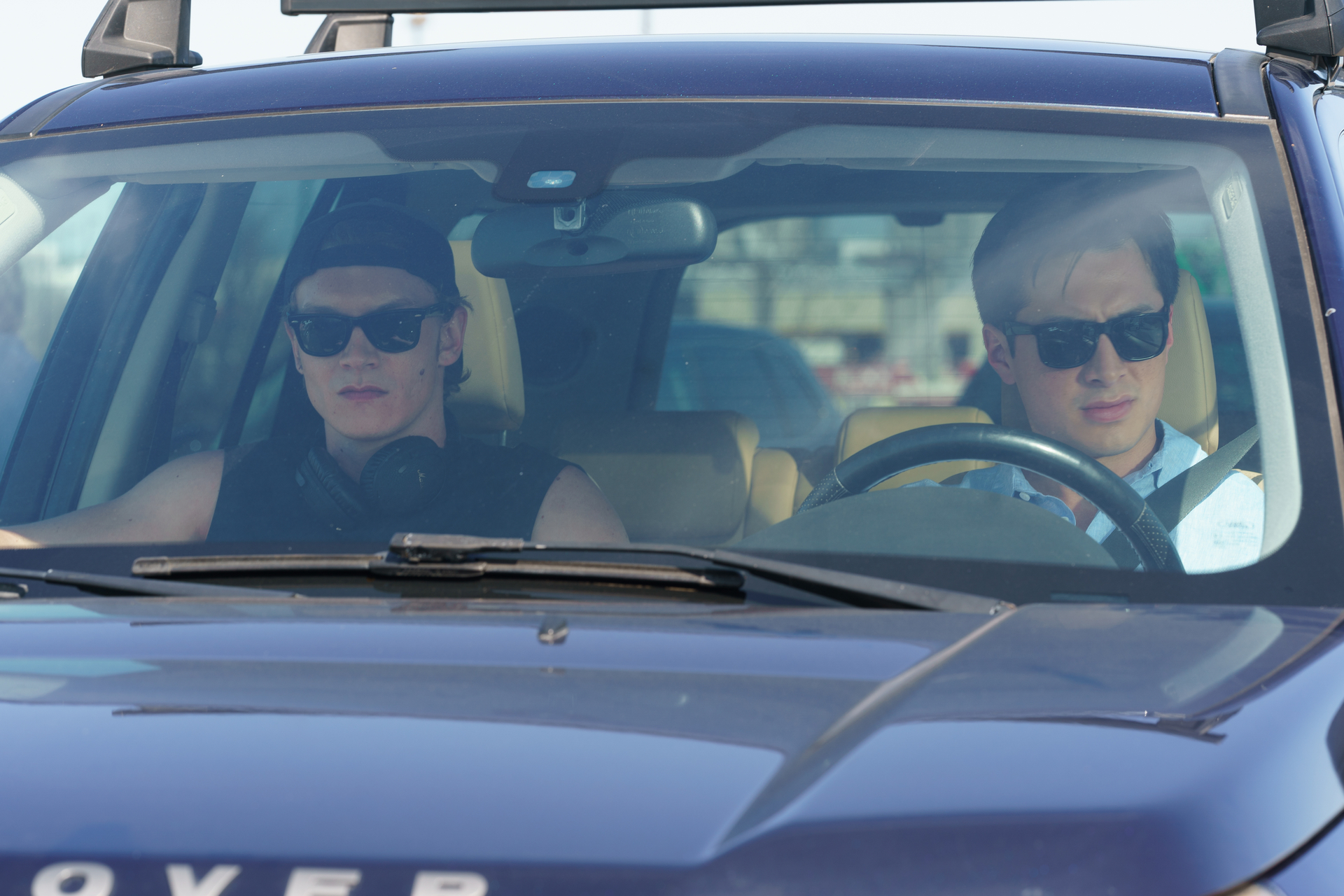
The first trailer has dropped for HIM, the latest psychological horror film from Oscar winner Jordan Peele (Get Out, Us, Nope) and Monkeypaw Productions — and it’s sending shivers down the spine of sports and horror fans alike.
Starring Marlon Wayans in a chilling dramatic turn, HIM follows rising football star Cameron Cade (Tyriq Withers, Atlanta), a gifted quarterback with his sights set on greatness. But when a violent encounter with an obsessed fan leaves him with traumatic brain injury, Cam’s dreams are all but shattered. Enter Isaiah White (Wayans), an eight-time championship legend and Cam’s childhood idol, who offers him a second chance — at a price.
Isolated at Isaiah’s mysterious, high-tech compound alongside his glamorous influencer wife, Elsie (Julia Fox, Uncut Gems), Cam’s rehabilitation quickly spirals into something darker. As the mentorship turns sinister, Cam is forced to question the very identity he’s sacrificed everything to build.
Directed by Justin Tipping (Kicks) from a Black List script by Zack Akers & Skip Bronkie (Limetown), HIM blurs the lines between ambition and manipulation, asking: how far would you go to become the best?
The film boasts a unique supporting cast that includes comedy icons Tim Heidecker and Jim Jefferies, as well as feature film debuts from MMA fighter Maurice Greene and musicians Guapdad 4000 and Grammy-nominated Tierra Whack.
Produced by Ian Cooper, Jordan Peele, Win Rosenfeld, and Jamal M. Watson, HIM promises an intense, genre-bending experience that explores the toxic underbelly of fame and hero worship — all with Peele’s signature psychological dread.
HIM is set to terrify audiences later this year. Watch the trailer now and prepare to question everything you thought you knew about greatness.
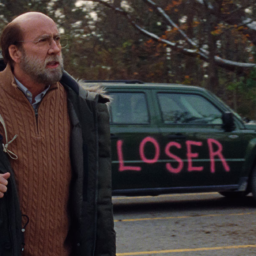
Nicolas Cage plays a boring middle-aged man propelled into fame when he appears in everyone’s dreams in the first trailer of Dream Scenario
Nicolas Cage returns to the big screen (and the world’s dreams) in the first trailer for director Kristoffer Borgli’s Dream Scenario. The dark comedy is the Norwegian director’s second feature (and first in the English language) after his critically acclaimed Cannes-premiering debut Sick of Myself.
In Dream Scenario, Cage plays a woefully average college professor who is propelled into fame (or infamy?) after he inexplicably appears in everyone’s dreams one night. However, he quickly learns that fame, for all its glitz and glam, is not all it’s cracked up to be.
ADVERTISEMENT
In his review, our critic called Dream Scenario “A Nightmare on Elm Street if dream demon Freddie Krueger was a boring average middle-aged man and instead of knives for hands his weapon was doing absolutely nothing.” Adding that it’s “hilarious, relevant and wonderfully weird, it is a reflection of the internet age, cancel culture and quickly our dreams for fame can turn into a nightmare.” Read our full review here.
The movie also stars Julianne Nicholson, Michael Cera, Tim Meadows, Dylan Gelula, Dylan Baker and Kate Berlant and is produced by Hereditary‘s Ari Aster (so you know things are about to get wild).
After a glowing reception at the 2023 Toronto International Film Festival, Dream Scenario will be released by A24 on November 10, 2023.
When will Dream Scenario be released in the United States?
Dream Scenario will be released in theaters on November 10, 2023.
Who stars in Dream Scenario?
Dream Scenario stars Nicolas Cage as Paul Matthews and features an ensemble cast that includes Julianne Nicholson, Michael Cera, Tim Meadows, Dylan Gelula, Dylan Baker and Kate Berlant.
What movies are Dream Scenario similar to?
Dream Scenario is similar to movies like Eternal Sunshine of the Spotless Mind, Punch-Drunk Love, I’m Thinking of Ending Things,and A Nightmare on Elm Street.
Hannah Barlow and Kane Senes chat their new horror-comedy Sissy, which premiered at SXSW, along with star Aisha Dee
Sissy, which opened the Midnighter section at the 2022 South by Southwest Film Festival, stunned audiences (you can read my review here) and was acquired by Shudder for release this year. Directors Hannah Barlow and Kane Senes chatted with me about the movie’s origins, why it needed to be a horror, and balancing the tricky tone between scares and laughs. Star Aisha Dee, best known for her role on The Bold Type, talks about how she empathized with her character, how the pandemic helped her prepare for the role, and what zodiac sign she thinks she’d be.
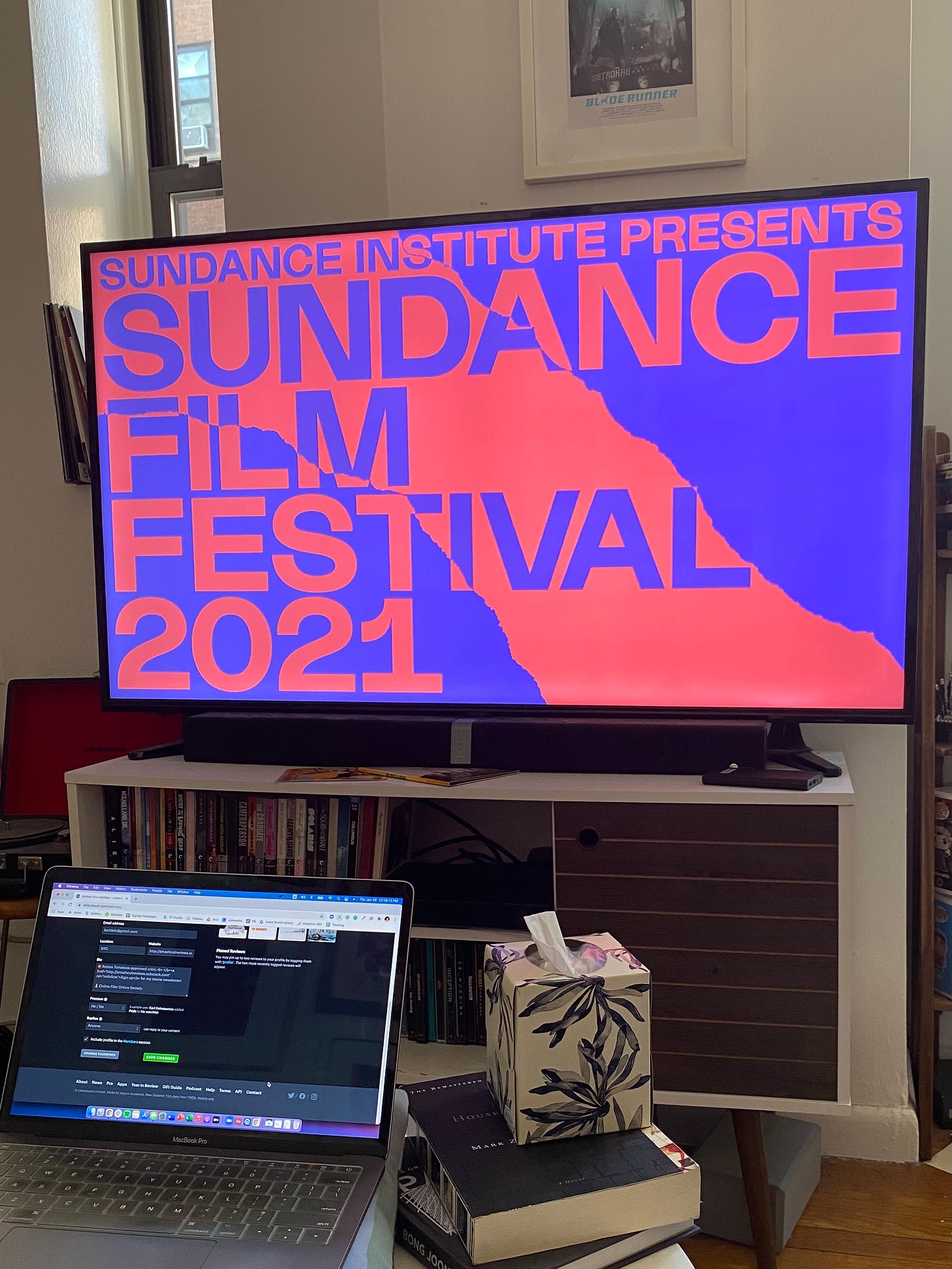
The 2021 Sundance Film Festival went from the mountains of Park City, Utah to my living room. Here’s what the experience was like.
This post about the 2021 Sundance Film Festival first appeared in my newsletter! Sign up here.
I was fortunate enough to be invited back to cover the 2021 Sundance Film Festival, the first major fest of the year. 19 movies. 4 hours of sleep. 1 couch. Here’s how it went:
Virtual Park City, UT (aka my living room)
The experience
Last year, I was on a snowy mountaintop in Park City, Utah lacking sleep, hungry from skipping meals, and battling minor altitude sickness as I trudged through snow and ice-covered sidewalks to watch movies that may never be seen by the public. I loved every minute of it.
And while this year’s Sundance Film Festival was held virtually so that I could enjoy it from the comfort of my own couch, there was still a sense of anticipation largely thanks to clever work from the Sundance Institute to mimic the experience of the festival itself.
Part of the fun — and frustration — of any festival is taking bets on the right film to see. There were still screening blocks that forced you to pick between films and limited “seats” available for premieres. However, this time if you weren’t feeling a movie and wanted to start another you didn’t have to change theaters. It took two clicks.
Each film was still started with a slightly awkward introduction from a programmer and the filmmaker before we were treated to a beautiful homage to the Indigenous people and the land where Sundance usually takes place. But missing were the interactions with the hoards of volunteers that often were the best part of the fest.
However, what I did miss was the in-person aspect. Interacting with other critics and bloggers while waiting to get into the theater or finally finding a moment of peace to write in the corner of a hotel or the anticipation of maybe getting into a premiere if it had open space. My couch is still no Park City, especially when the buzzer from my food delivery can take you out of even the most engrossing film.
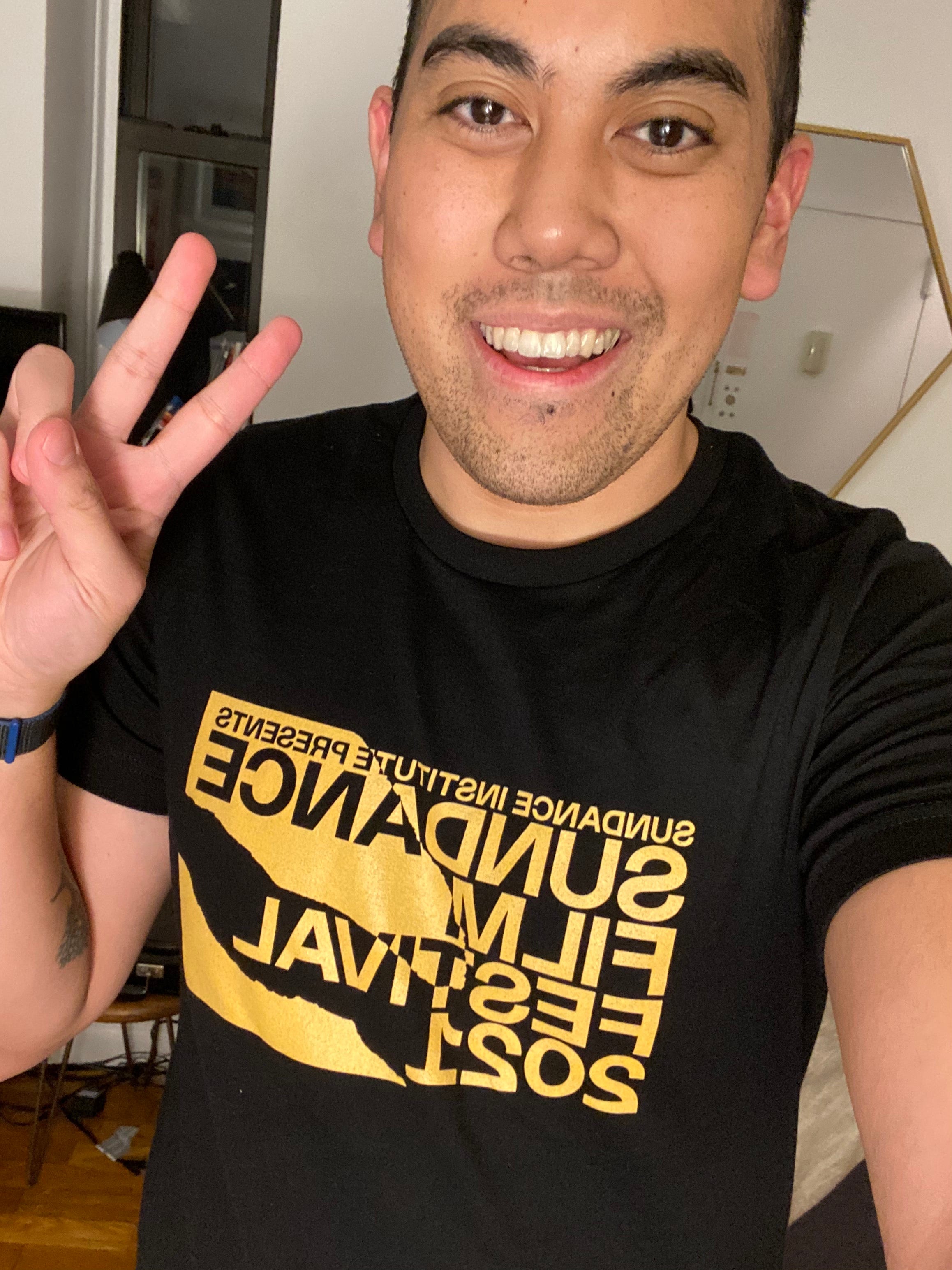
New year, new fest, new shirt
The films + acquisitions
There were certainly less buzzy films at this year’s fest, which was a blessing and a curse. Coming into the festival the only large centerpiece film was Judas and the Black Messiah, which we’ll get to. Fewer films came in with distribution meaning more chances to be surprised — and disappointed.
And even though there were more films available for acquisitions, there were few with one huge exception. Coda was acquired by Apple TV+, after a bidding war with Netflix and Amazon, for a record-breaking $25 million — it bested last year’s Palm Springs which broke the previous record with $22.5 million.
Usual streaming players like Netflix, Amazon, and Hulu were largely absent while indie studio A24, perhaps the most successful studio when it comes to Sundance, didn’t show or acquire anything at the fest. Though Neon, hot on their tails as always, acquired three documentaries and premiered one film.
Compared to last year, which may have just been my first-time glow, this year’s slate felt minor by comparison. I came away last year loving a few films, this year I loved a couple and admired a few. Surely there were fewer submissions and fewer studios willing to premiere a film when they’d be unable to show it in theaters, so the programming team did the best with what they had. Here were my favorites:
Summer of Soul (…Or, When the Revolution Could Not Be Televised)
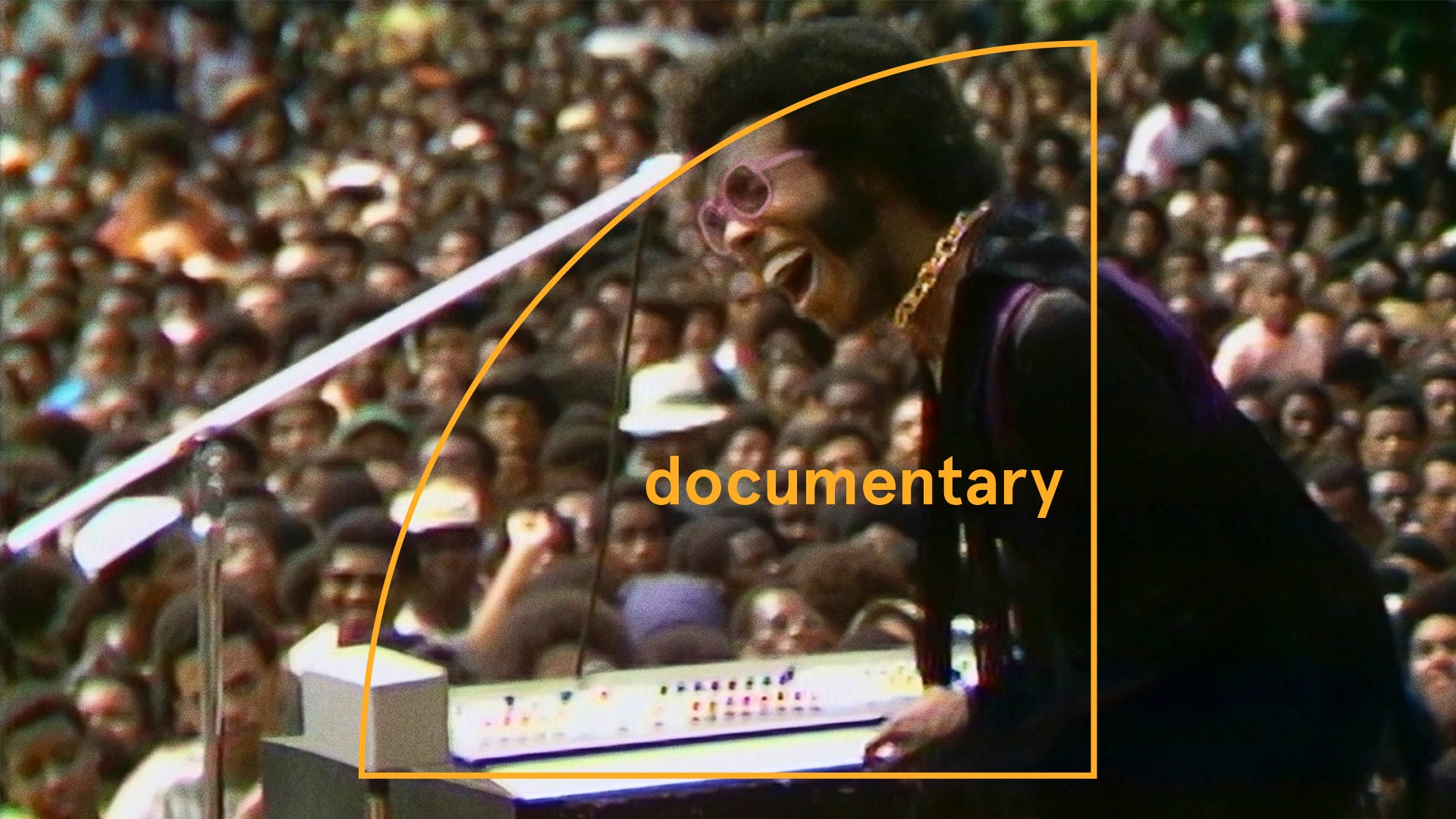
My final film of the fest and the best. Questlove’s Summer of Soul (…Or, When the Revolution Could Not Be Televised)is an archived look at the often forgotten Harlem Cultural Festival, a celebration of Black music and culture in the summer of 1969. Though it was often overshadowed by Woodstock, the festival was a watershed moment for the Black community. The movie is presented as a concert doc, except it uses the rhythm of each performance to underscore segments about the political and social environment happening around it — the various assassinations of the 60s, the Black Panther Party, etc. It’s a stunning, joyful, but enlightening doc of Black joy.
Where to watch it: The doc was acquired by Searchlight and Hulu for a record-breaking $12 million, the most for a documentary ever at a festival.
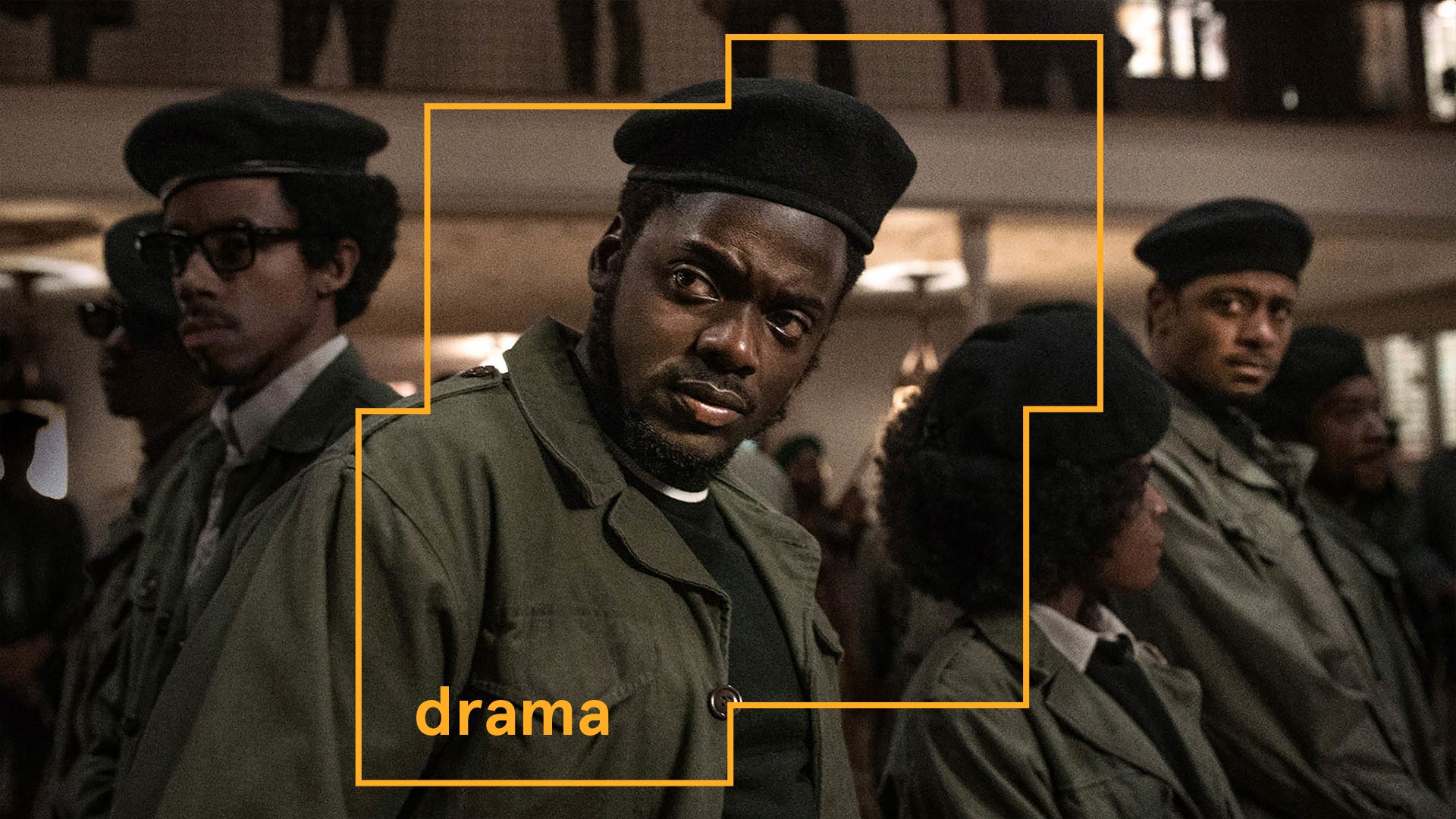
Judas and the Black Messiah
I won’t scoop myself here. More on this film next week…
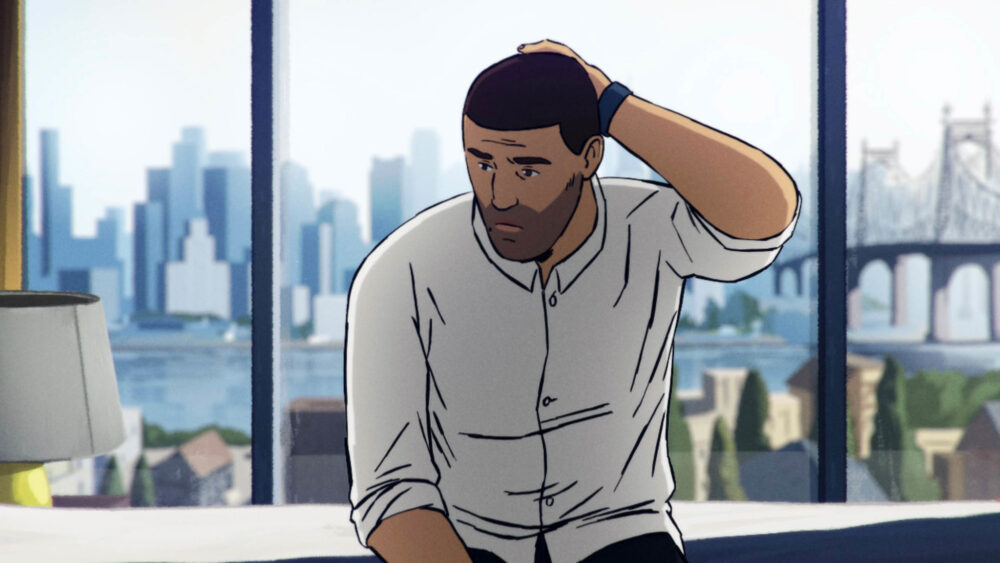
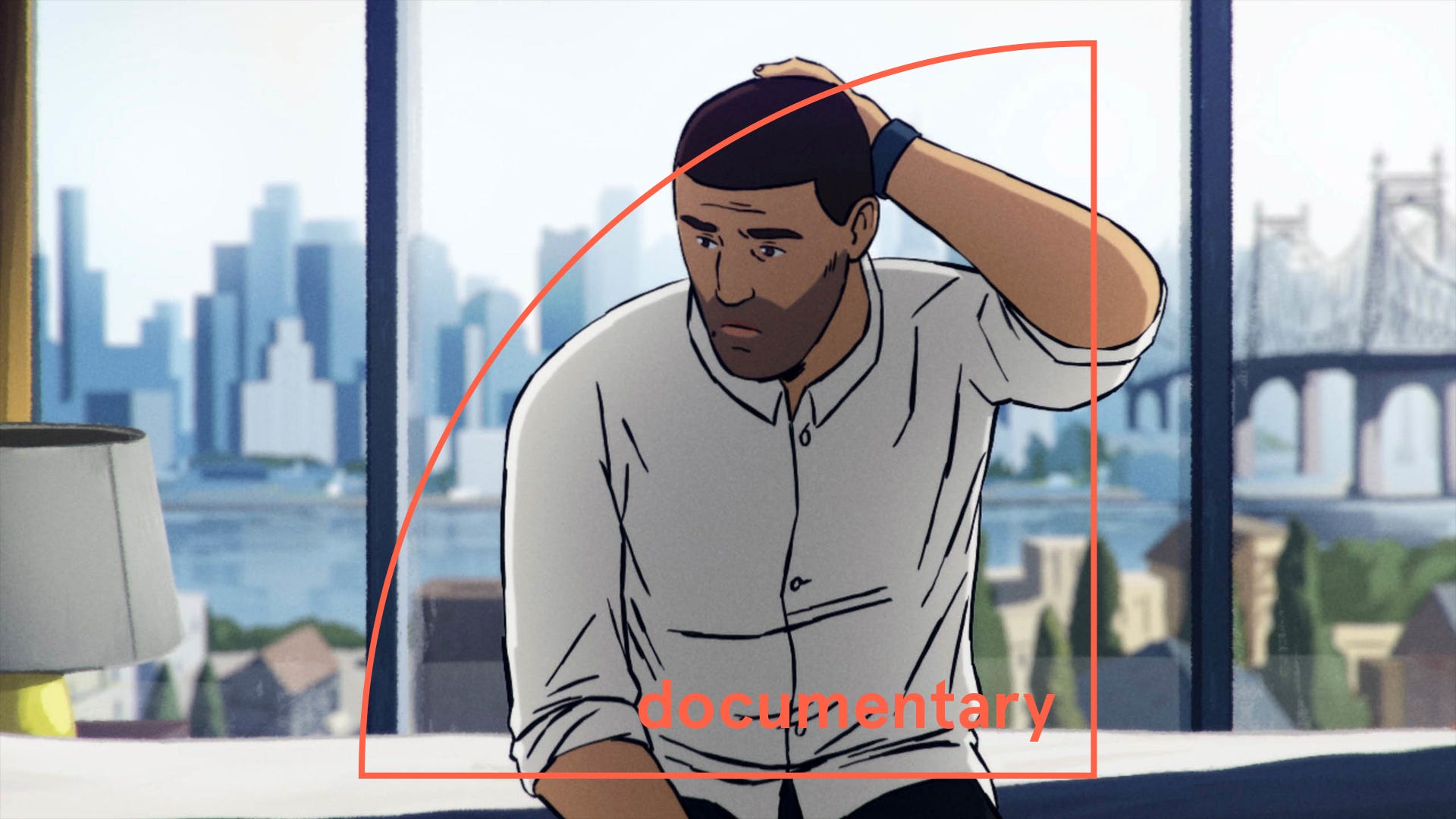
Animation is an underutilized medium in documentary filmmaking, as Jonas Poher Rasmussen’s Flee clearly demonstrates. Rasmussen tells the story of his friend Amir — a pseudonym — about his life in Afghanistan, his escape to Russia as a refugee family during the Taliban’s occupation of Kabul, and how he found himself settled in Europe. To protect Amir’s identity, the film uses beautiful hand-drawn animation with bits of archival footage mixed in to give us an incredibly intimate look at Amir’s journey. However, what makes this documentary truly great is how it demonstrates how past trauma can affect your present life as Amir tries to move in with his boyfriend. [Full review]
Where to watch it: The doc was acquired by Neon. They’re looking to release it this year.
CODA
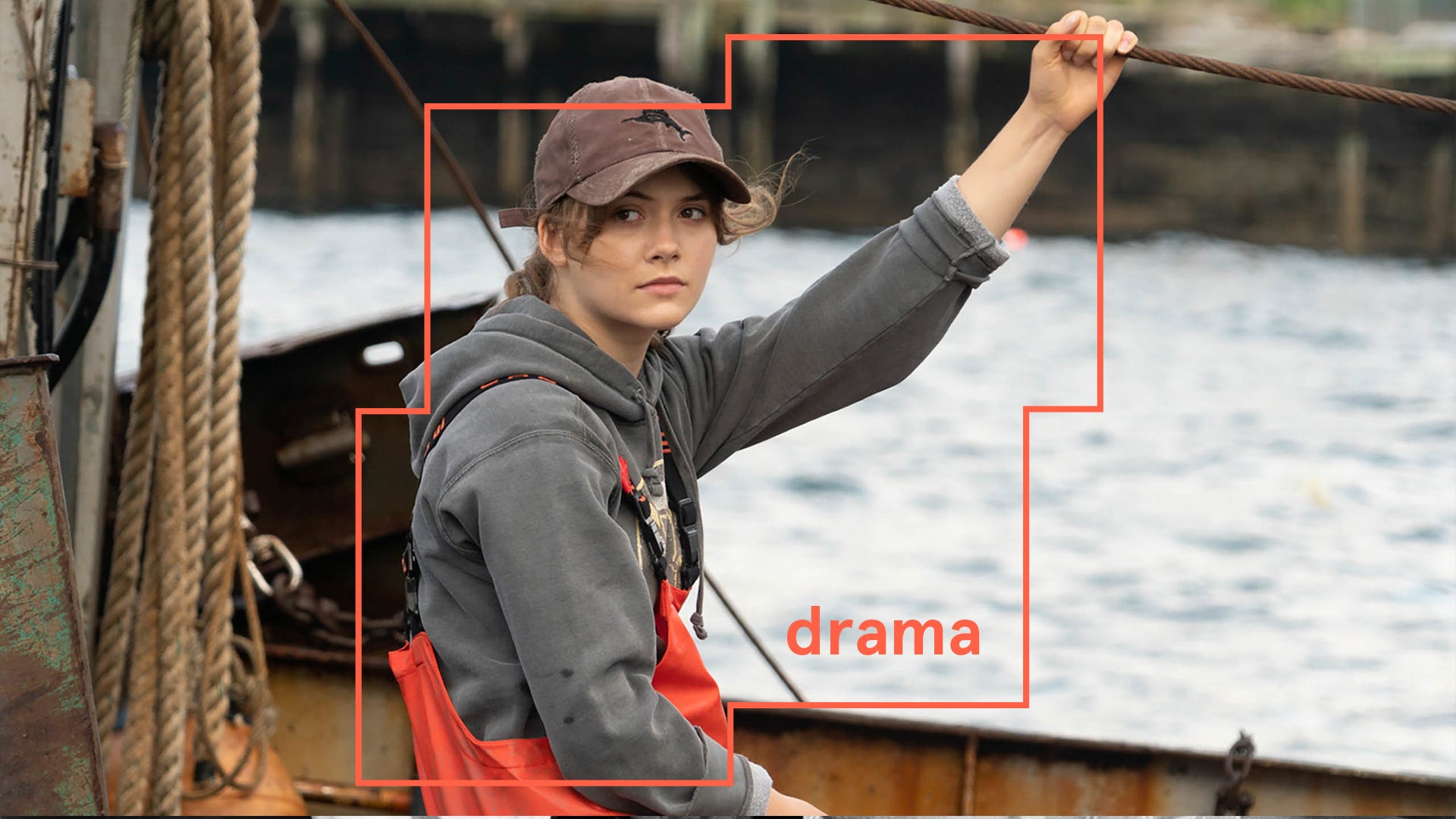
The first film that I enjoyed was the first one I saw: Sian Heder’s CODA. The film focuses on shy high schooler Ruby (breakout Emilia Jones), the only hearing member of a culturally deaf family consisting of Jackie (Oscar-winner Marlee Matlin), Frank (Troy Kotsur), and Leo (Daniel Durant), who joins the school choir to spend more time with her crush. However, after the choir director realizes her raw talent, he encourages her to apply to music school — forcing her to decide between staying with her family or following her dreams. It doesn’t break far out of the coming-of-age drama formula, but there are beautiful moments of direction that help you understand what it’s like to be deaf in a hearing world. [Full review]
Where to watch it: CODA was acquired by Apple TV+ for a record-shattering $25 million. Expect to see it streaming on the platform for next year’s award season.
Every movie I watched ranked
Summer of Soul (…Or, When the Revolution Could Not Be Televised)
💌 Sign up for our weekly email newsletter with movie recommendations available to stream.
ADVERTISEMENT
Chloé Zhao makesNomadland‘s melancholic but hopeful story of nomads traversing the American West a stunningly complex character study of life on the margins of society.
💌 Sign up for our weekly email newsletter with movie recommendations available to stream.
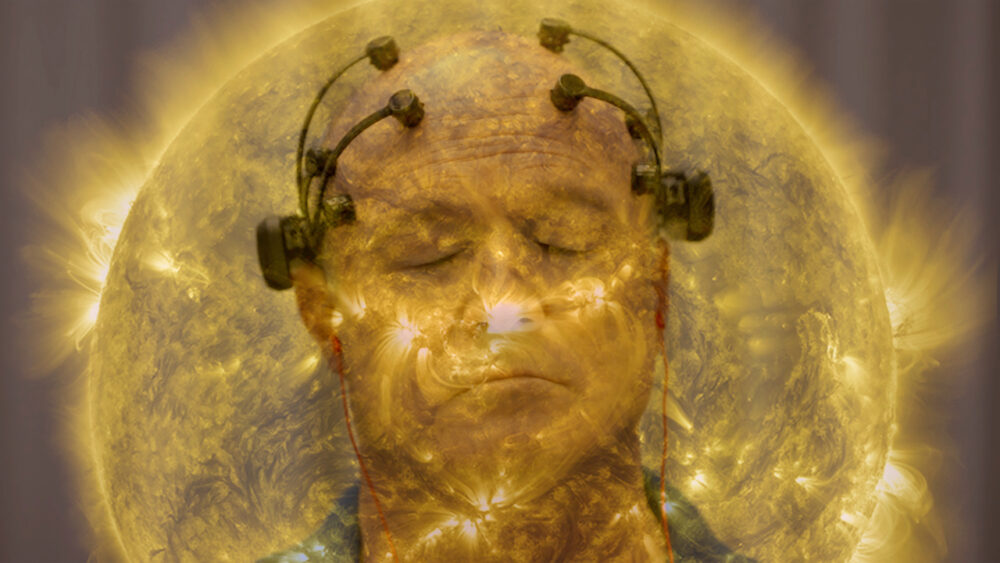
All Light, Everywhere is a provocative and timely documentary that won Sundance Film Festival Special Jury Prize for Non-Fiction Experimentation
NEW YORK, NY | February 17, 2020 – SUPER LTD, the boutique division and incubator from NEON, have acquired North American rights to Theo Anthony’s All Light, Everywhere, which made its World Premiere to critical acclaim in the U.S. Documentary Competition section at the 2021 Sundance Film Festival, where it won a Special Jury Prize for Non-Fiction Experimentation. Written, directed, and edited by Anthony, the film is a MEMORY production in association with Sandbox Films, produced by Riel Roch-Decter and Sebastian Pardo for MEMORY, and Jonna McKone. It is executive produced by Greg Boustead and Jessica Harrop for Sandbox Films. It features an original score by Dan Deacon.
All Light, Everywhere is an exploration of the shared histories of cameras, weapons, policing and justice. As surveillance technologies become a fixture in everyday life, the film interrogates the complexity of an objective point of view, probing the biases inherent in both human perception and the lens. Roger Ebert said All Light, Everywhere is a “vital criticism about American policing”, with the New Yorker describing it as “a film of individual and immediate fascinations”, and the Hollywood Reporter adding it is “a brilliant and chilling study in watching the watchers”.
ADVERTISEMENT
Ayo Kepher-Maat and Jeff Deutchman negotiated the deal for SUPER LTD with CAA Media Finance on behalf of the filmmakers. Autlook is handling international rights.
All Light, Everywhere marks Theo Anthony’s sophomore feature following Rat Film, which received critical acclaim following its premiere at the Locarno and True/ False Film Festivals, and was nominated for a 2017 Gotham Award for Best Documentary Feature film as well as Cinema Eye Honors for Best Debut Feature.
SUPER LTD recently acquired master director Gianfranco Rosi’s Notturno, Italy’s official submission for this year’s Academy Awards® which was shortlisted for Best Documentary Feature. Super LTD’s principals Darcy Heusel and Dan O’Meara were the team behind NEON’s Honeyland, which was the first non-fiction feature to land Academy Award nominations for Best Documentary and Best International Feature Film in the same year, and Victor Kossakovsky’s Gunda which was also shortlisted for Best Documentary Feature.
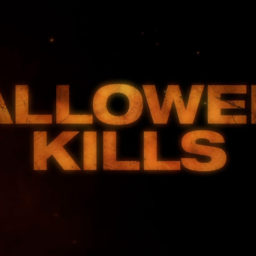
Halloween Kills, the follow up to the 2018 reboot of the long-running franchise, has a new release date due to the coronavirus pandemic
After the return of John Carpenter’s Halloween franchise made a killing at the box office two years ago, a follow-up was inevitable. However, fans of the long-running Michael Myers franchise will have to wait a little longer.
Though it was originally slated for an October 2020 release, Carpenter himself announced that the film would instead be released on October 15, 2021.
My take: I didn’t love the 2018 reboot—you can read my review here—but this franchise will always hold a special place in my heart. Expect to see me in the theater in 2021.
Halloween Kills is written by Scott Teems & Danny McBride & David Gordon Green based on characters created by John Carpenter and Debra Hill. The film is directed by David Gordon Green and produced by Malek Akkad, Jason Blum and Bill Block. The executive producers are John Carpenter, Jamie Lee Curtis, Danny McBride, David Gordon Green and Ryan Freimann.
This video shows how Mad Max: Fury Road, one of the best action movies of all time, went from storyboard to screen frame by frame.
Subscribe to our weekly movie recommendation newsletter!
George Miller’s Mad Max: Fury Road, the fourth movie in his Mad Max franchise, is now regarded as one of the best movies of the decade and one of the greatest action movies of all time.
Premiering in 2015 to rave reviews citing its high-octane action and feminist themes, itwent on to win six Oscars including Best Film Editing and Best Costume Design.
However, it was notable snubbed in Best Adapted Screenplay. It’s unfortunate considering its screenplay is unlike any other as the video above by Script to Screen shows.
💌 Sign up for our weekly email newsletter with movie recommendations available to stream.
ADVERTISEMENT
Instead of just describing the action, the screenplay—written by Miller, Brendan McCarthy, and Nico Lathouris—includes storyboards actually visualizing the action.
The movie was actually created as 3,500 storyboard panels first before the screenplay was even written. And it’s clear from this video that a lot of what was storyboarded was actually realized on screen.
It’s not hard to see why Fury Road is such a highly regarded film. However, watching how the script and storyboard translated onto screen makes it all the more impressive.
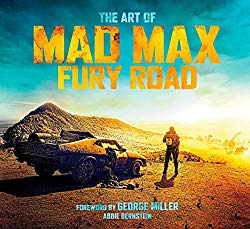
Can’t get enough of the making of Mad Max: Fury Road? Then, we highly suggest the book The Art of Mad Max: Fury Road! It is available on Amazon!
With Doctor Strange director Scott Derrickson out for the sequel, we throw out our suggestions for who should replace him
Doctor Strange was one of the most visually stunning episodes in the decade-long run of the Marvel Cinematic Universe. It’s also one of its most inessential. There’s nothing you learn about the titular character in his solo introduction to the series that can’t be learned in the character’s cameo in Thor: Ragnarok or the first fifteen minutes of Avengers: Infinity War, and unless you’re dying to see Chiwetel Ejiofor’s inevitable ally-turned-nemesis Baron Mordo, there’s not much to take away from the 2015 film aside from the aforementioned visuals.
It was director Scott Derrickson who was able to take those visuals from concept to screen, and many had shown excitement about the director’s return for the sequel, which was announced at Kevin Feige’s mic-drop moment at 2019’s San Diego Comic-Con. Feige outlined the next 4-5 years of films and shows on Disney+, and the newly-minted Doctor Strange in the Multiverse of Madness was one of the most-discussed announcements in the recap videos released throughout the YouTube community in the following days.
With the multiverse teased — and eventually revealed as a red herring — in Spider-Man: Far From Home, fans had already begun their rampant theorizing about what effects a multiverse could have on the MCU. Dr. Strange seemed to be the perfect bridge between the two, and with the announcement that Elizabeth Olsen’s Scarlet Witch (okay, fine, Wanda Maximoff) will be appearing alongside Benedict Cumberbatch’s protagonist, it was clear that Marvel is pushing its chips to the center of the table, hoping Multiverse of Madness will do for Dr. Strange what The Winter Soldier and Ragnarok did for Captain America and Thor, respectively.
Derrickson joined Feige, Olsen, and Cumberbatch on stage in San Diego last summer, where the creators and actors showed their shared enthusiasm for what was dubbed the “first horror film” in the MCU’s history. Given the director’s pedigree and experience in the genre, it seemed like this was going to be another slam-dunk entry in the MCU, with the promise of the multiverse providing limitless potential for where the film could go.
Well, it seems like a few limits have been reached, or at least set forth by the powers that be within Marvel, as Derrickson took to Twitter this past week to announce he’d no longer be directing the film, slated for release in 2021. Citing creative differences, Derrickson will still be involved as an executive producer, though the extent of his influence will remain to be seen. With so much invested in the film, both in star power and in potential, the obvious question needs to be asked: what now? Below, you’ll find a few suggestions for directors who may be able to take this setback as an opportunity to advance the MCU in a new, exciting direction.
Ari Aster
If there’s anyone who’s more interesting in horror right now than Ari Aster, I’d love to see how their last two films match up to Aster’s debut couplet of Hereditaryand Midsommar. Aster has been able to create real terror in both films, the kind that will benefit a skilled acting group like the one Multiverse has assembled.
Aster has also directed Toni Colette and Florence Pugh to Oscar nomination-worthy portrayals of the lead actress in crisis, which would greatly benefit Olsen. Olsen will have completed her character’s Disney+ show WandaVision, which has been heavily implied to lead directly into the second installment of the Dr. Strange series, so if that show ends with something happening to Vision (again), Aster would have a lot of trauma to sort through with Wanda, setting Olsen up for a potential behemoth of a performance.
💌 Sign up for our weekly email newsletter with movie recommendations available to stream.
ADVERTISEMENT
Robert Eggers
Perhaps just a step below Aster in terms of buzz right now, Robert Eggers has established himself as another creative force in horror, thanks to the spectacularly eerie The Witch and absolutely bonkers The Lighthouse. Eggers’s flair for the supernatural would make him an asset for Marvel in Multiverse, and he’s proven that he can take several creative risks in his storytelling and still pull great performances out of his actors in the process. Seeing Chiwetel Ejiofor reprise his role as Mordo and take on the full-blown-psycho role like Willem Dafoe did in The Lighthouse would be a jolt to the MCU, who’ve always struggled in creating interesting villains.
Jordan Peele
While Aster and Eggers are the indie darlings of horror right now, the genre is operating within Jordan Peele’s grasp. I’d give this about a 1% chance of actually happening, seeing as Peele’s passion for telling stories in his way will likely veer from Marvel’s path too much, but Peele’s involvement with CBS All Access’s The Twilight Zone could provide a spark of hope to get him involved in this big-budget playground. If Marvel lets Jordan Peele’s imagination run wild a little, he could tread a new path for the entire franshise moving forward.
Ava DuVernay
There are concerns with bringing in DuVernay on this film, sure, but she’s absolutely worth considering. Yes, A Wrinkle in Time underwhelmed, but the visuals were never the issue, and with Derrickson exiting, it would do Marvel some good to bring in a director who has shown their own talent for creating visually stunning effects. DuVernay is currently tapped to direct New Gods for the DC Universe, but given the lack of knowledge and even deeper lack of interest for the project, I’d expect getting out of that deal wouldn’t be that difficult at this point.
Melina Mantzoukas
You know what’s really scary? Actual stakes of life and death. The argument can be made that no director handled that better than Mantzoukas did in Queen and Slim last year, as she followed two outlaws trying to outrun their own building legend. From the time we start our journey on the run with the couple until the film’s tension-filled ending, Mantzoukas builds the stakes wonderfully, and keeps the focus on the individuals at the film’s center. With so many different visual possibilities likely to be present in Multiverse, adding Mantzoukas to keep the focus on Stephen Strange and Wanda Maximoff will help the film keep some semblance of reality in the madness.
💌 Sign up for our weekly email newsletter with movie recommendations available to stream.
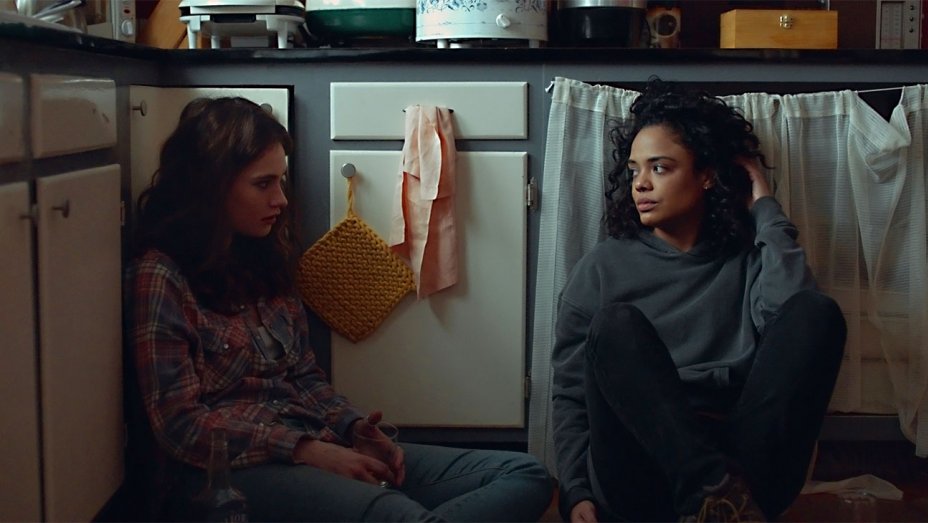
Tessa Thompson and Lily James star in the crime thriller, Nia Dacosta’s film debut Little Woods.
Little Woods writer/director Nia Dacosta has had one hell of a breakout in the last few months — and her debut film hasn’t even been released yet. She made waves when it was announced that she would be directing a reboot — and “spiritual sequel” — of the 1992 horror classic Candyman. Oscar-winner Jordan Peele will be producing.
In April, her debut film Little Woods will be released in theaters by Neon.
Tessa Thompson — who has had a banner couple years with Thor: Ragnarok, Annihilation, Sorry to Bother You, Janelle Monae’s Dirty Computer, and Creed II — stars as Ollie, a woman who is on her last days of parole for running prescription drugs across the Canadian border.
The film also stars Lily James — a highlight in Edgar Wright’s Baby Driver — as Ollie’s estranged sister Deb.
Here’s the official synopsis:
Ollie (Tessa Thompson) is a reformed drug runner in an economically depressed small town in North Dakota, who was caught coming back from Canada with medicine for her terminally ill mother and has been toeing the line ever since. After her mother dies, Ollie’s sister Deb (Lily James) shows up on her doorstep with a hungry child and an unplanned pregnancy. Ollie can only see one viable option: quickly raise money to pay back the bank and hold onto their mother’s home, so Deb can raise her family safely away from her abusive ex. But to do that, she’ll need to return to the dangerous way of life she thought she’d left behind.
from Neon
Thompson has become one of the most consistent stars in Hollywood and is already in store for a packed 2019 — she’ll also appear in Men In Black: International, Avengers: End Game, and voice “Lady” in the live-action remake of Lady and the Tramp — and Little Woods finally gives her the chance to lead.
The film also stars Luke Kirby, James Badge Dale, and Lance Reddick.
Avengers: Infinity War had some of the most impressive visual effects of the year. Here’s a behind-the-scenes video of how it came to life.
Avengers: Infinity War, with a budget of around $316–400 million, is one of the most expensive movies ever produced. It’s obvious that a large portion of that budget went to CGI considering the epic proportions of the movie.
From creating Thanos’ destroyed planet of Titan to the open vistas of Wakanda, the talented visual effects artists from Industrial Light & Magic—founded by George Lucas to work on Star Wars—had their work cut out for them.
In the video above, go behind the scenes of the visual effects behind Infinity War and see how the artists created the battle of Wakanda. The video covers everything from the Hulkbuster suit to War Machine’s missiles and the wide field of play to Thanos’ spaceships crashing to Earth.
It’s an incredible feat of visual effects that is going to push the film medium even further. Infinity War is almost certain to be nominated for the Oscar for Best Visual Effects—check out all our Oscar predictions here—and it definitely deserves it.
Check out the video above to see how these groundbreaking visual effects brought Avengers: Infinity War to life!
Cher pulled off an Oscar win for Best Actress over Glenn Close in 1988 for Moonstruck. This video explains how it happened.
Thirty years before Lady Gaga became an Oscar frontrunner for A Star is Born, Cher took home the Oscar for Best Actress for her performance in 1987 romantic comedy Moonstruck.
But how did a musician turned actress take home Oscar gold for her film debut? Well, this video by Be Kind Rewind answers that question.
Cher was up against a murderer’s row of veteran actresses including Oscar favorite Meryl Streep for Ironweed, Sally Kirkland for Anna, Holly Hunter for Broadcast News, and most famously, Glenn Close for Fatal Attraction.
Close was on her fourth nomination and highly favored to win—she’d go on to be nominated twice more without any wins (though that might change this year). However, a mix of “publicity, name recognition, and an actor’s relationship to the Academy” ended up swaying the race in her favor.
This race is particularly important considering Lady Gaga, another pop star turned actress, is in contention for her performance in A Star is Born. Can she pull it off like Cher did in 1988? Watch the video above and then head over to our predictions for Best Actress!




![How ‘Mad Max: Fury Road’ went from storyboard to screen [VIDEO]](https://smashcutreviews.com/wp-content/uploads/2018/12/storyboards-facebook.jpg)

![‘Avengers: Infinity War’ Visual Effects Behind-the-Scenes [VIDEO]](https://smashcutreviews.com/wp-content/uploads/2018/12/Screen-Shot-2018-12-14-at-9.24.24-PM.png)
![How Cher won an Oscar for ‘Moonstruck’ in 1988 [VIDEO]](https://smashcutreviews.com/wp-content/uploads/2018/12/Screen-Shot-2018-12-14-at-10.57.49-PM.png)