Category: Movies

  • ‘High Flying Bird’ review — The politics of basketball

    ‘High Flying Bird’ review — The politics of basketball

    High Flying Bird is a masterfully constructed drama that tackles the professional sports business with as much intrigue as a heist movie. 

    30-second review: High Flying Bird doesn’t clue you into its real intentions until the very end, that doesn’t make the journey to get there any less compelling. Steven Soderbergh is a master of storytelling and with this film he’s given an incredible story and screenplay to work with from Moonlight‘s Oscar-winning screenwriter Tarrell Alvin McCraney.

    While the movie takes place in the world of basketball, it’s not really about basketball. Instead, it’s a commentary on professional sports, how the players are treated and our political moment. McCraney’s script is a structural marvel as it moves players (pun intended) into place without tipping you off to its endgame.

    Where to watch High Flying BirdNow streaming on Netflix.

    Swish. Full review below ?


    High Flying Bird isn’t about basketball, but rather the business of basketball — in fact, a game of basketball never actually happens in the movie. Director Steven Soderbergh — who has spent his retirement from movies making movies — filmed the film on an iPhone — for the second time in his career after Unsane. There’s something so hyperrealistic about the imperfect crispness of the picture. It’s perfect for this narrative written by Moonlight’s Oscar-winning screenwriter Tarell Alvin McCraney.

    Soderbergh has always been interested in analyzing people in incredibly specific and strained circumstances. That’s why he’s always been attracted to stories involving crimes — Out of Sight, Ocean’s Eleven, The Informant!, Logan Lucky. High Flying Bird is no exception.
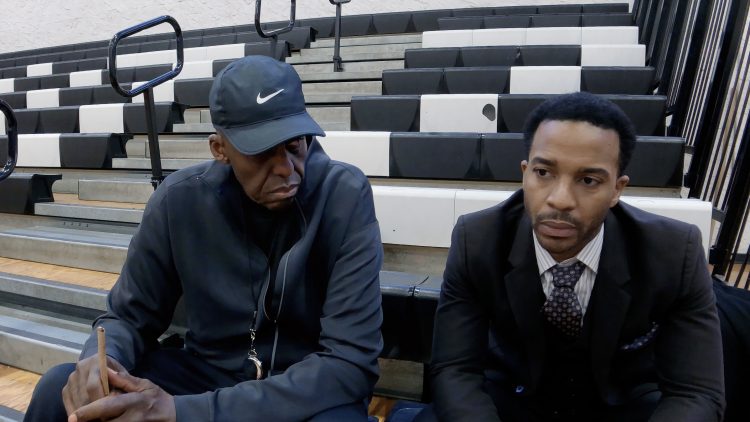
    High Flying Bird
    Bill Duke as Spence and André Holland as Ray Burke in High Flying Bird, directed by Steven Soderbergh. Photo by Peter Andrews

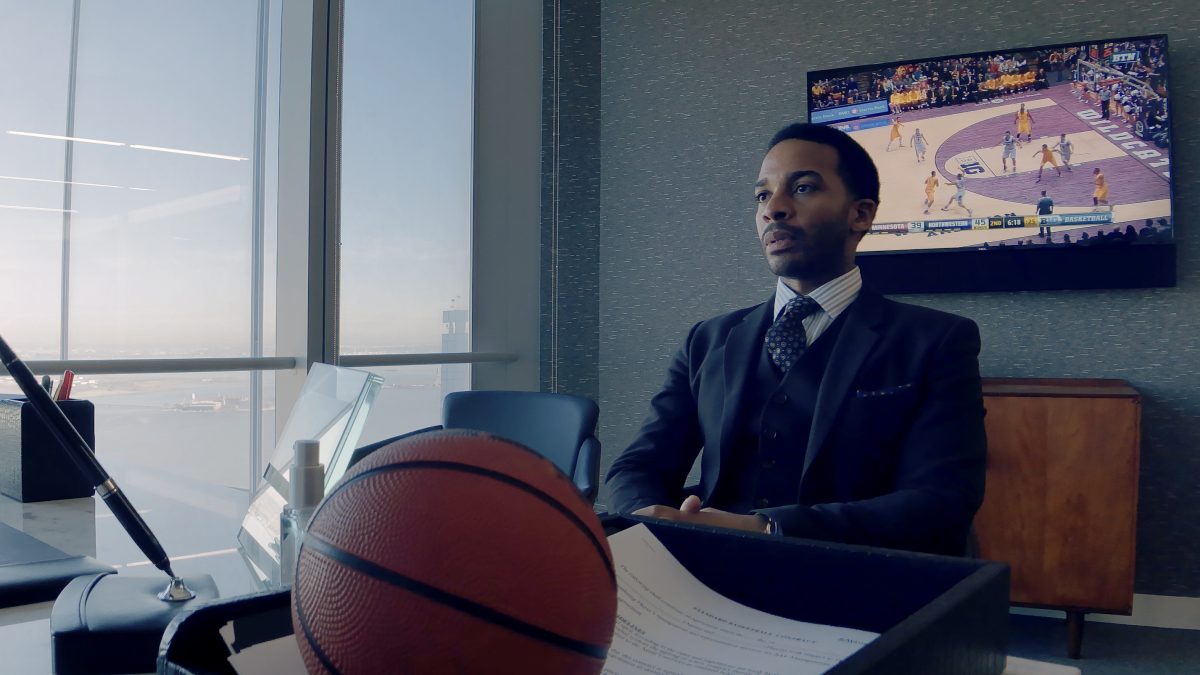
    Taking place 25-weeks into an NBA lockout, High Flying Bird follows agent Ray Burke (Andre Holland) as he navigates the tricky world of negotiations between the team owners, players union repped by Myra (the great Sonja Sohn), and the networks carrying the games. He has his own self-interests in the lockout ending. He represents first-round draft pick Erick Scott (Melvin Gregg) who is struggling as his contract to the New York team — actually team names are never said — is in purgatory during the lockout.

    McCraney’s screenplay gives away that he began as a playwright as most scenes play out as long conversations or speeches that seem meaningless — until they’re not. Truly, this is a masterful screenplay that’s already in the running for one of the best of the year. He weaves multiple ideas and actions and motivations together seamlessly without giving anything indication of where it’s all doing until he wants you to know.

    Ray is always thinking. Holland’s portrayal of the smart and calculating sports agent is as slick as George Clooney’s Danny Ocean. It’s important because Ray is just as sneaky. Even though it doesn’t look like it on the surface, High Flying Bird is a heist movie just like the Ocean’s Trilogy or Logan Lucky. But instead a heist of money, this movie follows the heist of an idea. Or, should I say, a heist and a reverse heist.
    High Flying Bird
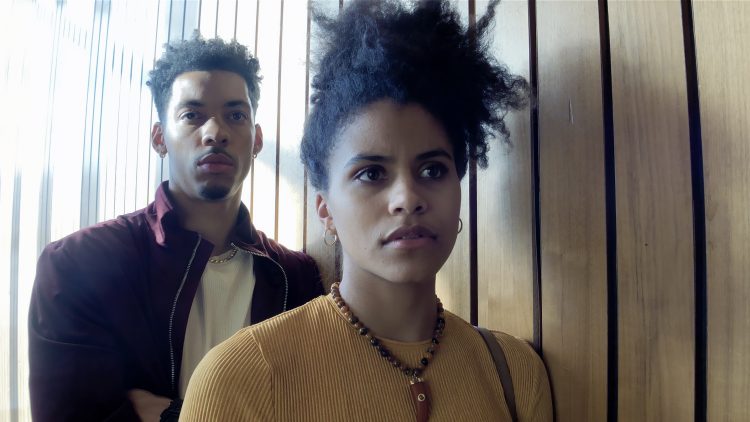
    Melvin Gregg as Erick Scott and Zazie Beetz as Sam in High Flying Bird, directed by Steven Soderbergh. Image by Steven Soderbergh/Netflix

    The thought that the NBA — or any professional sports league — takes advantage of its largely black players isn’t new. “They invented a game on top of a game,” as Ray’s mentor Spencer (Bill Duke) says referring to basketball turning from a game to a business. However, Ray is playing the game on top of the game on top of the game. Another person who is playing the system for their own game is Ray headstrong assistant Sam (Zazie Beetz giving a movie star performance).

    The brilliance of High Flying Bird is that all the pieces on the board and their roles — that also include Erick’s rival Jamero Umber (Justin Hurtt-Dunkley), his mom/manager Emera Umber (Jeryl Prescott), New York team owner David Seton (Kyle MacLachlan), and Ray’s boss (Zachary Quinto) — aren’t revealed until the final act where the mastermind reveals that everything that happened was in his plan all along.

    Thanks to the screenplay — a structural and thematic marvel — High Flying Bird manages to be a timely exploration of our political moment without straying too far from its main plot. Not only that, it’s as entertaining to watch as a stylish heist thriller. Soderbergh does his usual strong work, but if Tarell Alvin McCraney wasn’t already on your radar he should be now. He’s the real star.


    ADVERTISEMENT


    More movies, less problems


    Hey! I’m Karl. You can find me on Twitter and Letterboxd. I’m also a Tomatometer-approved critic.

    💌 Sign up for our weekly email newsletter with movie recommendations available to stream.


    ADVERTISEMENT


  • ‘Unicorn Store’ review — Brie Larson’s directorial debut isn’t weird enough

    ‘Unicorn Store’ review — Brie Larson’s directorial debut isn’t weird enough

    Unicorn Store marks the directorial debut of Oscar-winner Brie Larson, who also stars in the Netflix Original.

    30-second review: Unicorn Store has so much going for it — an original premise, terrific cast, directorial debut of one of the best actors working today — but the magic falls flat. That’s no fault of Brie Larson, whose endearing performance and uneven yet promising direction keep the movie afloat. The screenplay just fails to capitalize on the quirkiness of the premise which leaves much to be sought after. 

    Where to watch Unicorn Store: Available to stream on Netflix.


    I can see what Brie Larson saw in Samantha McIntyre‘s screenplay that made her want it to be her directorial debut. The story is a celebration of creativity and weirdness and self-expression. However, not to the fault of Larson’s direction, the screenplay doesn’t offer enough of any of those things to earn its touching ending. Not in its characters or its story. For a movie called Unicorn Store, it wasn’t quite weird enough.

    Kit (Larson) is a failed artist who is forced to move back in with her parents (Joan Cusack and Bradley Whitford) after flunking out of art school. Her colorful works featuring rainbows and unicorns are lost on her fellow artists and professors. After toiling her days away on the couch being bombarded with ads that seem targeted at her failure, she decides to get a temp job at an ad agency. 

    One day, she receives a mysterious letter from a man called The Salesman (Samuel L. Jackson who reunites with Larson after Captain Marvel) who invites her to The Store where he gives her an offer she can’t refuse. If she proves herself worthy by completing a number of tasks, Kit will be gifted a real-live Unicorn — something she’s wanted since childhood. 

    So, with the help of her newly found friend Virgil (Mamoudou Athie) she sets out on her tasks including building a stable fit for a Unicorn and bringing happiness into her home by repairing her relationship with her parents.

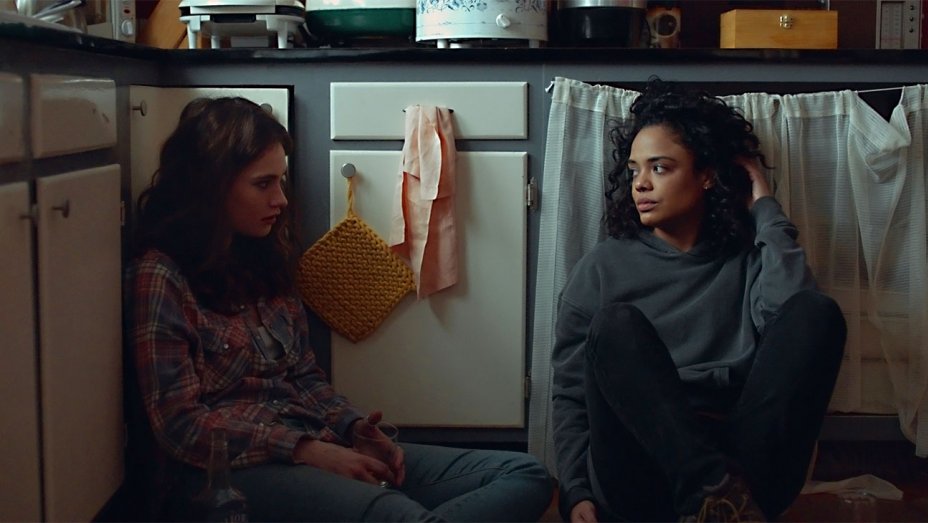
    Samuel L. Jackson and Brie Larson in UNICORN STORE

    Larson is great, as usual. She fills Kit out with a childlike wonder that’s endearing while not ignoring the challenges she faces and how they affect her. However, all the other characters around her don’t have the same depth, which is deeply missed. It’s a shame considering great character actors like Cusack, Whitford, and Jackson are in the cast.

    While the premise of Unicorn Store has plenty to offer, it never goes far enough. For a brief moment, Kit questions whether or not The Store and The Salesman are actually real, which would make a compelling plot thread had it been explored for more than a scene. The same can be said for Kit’s childhood, which was clearly not the smoothest. It’s alluded to, but never dug into. 

    There are moments where you can see how this film could work. Particularly in the scene between Jackson and Larson — their chemistry is palpable — and at Kit’s temp job where she has been tasked by the company’s VP (Hamish Linklater) to come up with a vacuum ad. But the movie needed to be weirder or less fanciful. The middle lane it takes wants us to believe magic is real, yet it all feels commonplace. 


    ADVERTISEMENT


    More movies, less problems


    Hey! I’m Karl. You can find me on Twitter and Letterboxd. I’m also a Tomatometer-approved critic.

    💌 Sign up for our weekly email newsletter with movie recommendations available to stream.


    ADVERTISEMENT


  • 2020 Oscars — Predictions in every category

    2020 Oscars — Predictions in every category

    Who will be nominated at the 2020 Oscars? Here are our predictions for Best Picture and every category.

    The 2020 Oscars are certain to be one of the most unpredictable yet after an off year. In addition to the most diverse voting body ever, the 2020 Oscars will be held on February 9th, which makes it the earliest Academy Awards ceremony in history.

    Below are my predictions in all 24 categories — as I get to them ?. Come back to this page for updates. I’m going to try to update it once a month until December. Then, I’ll start updating weekly.

    More categories coming soon!


    ADVERTISEMENT


    More movies, less problems


    Hey! I’m Karl. You can find me on Twitter and Letterboxd. I’m also a Tomatometer-approved critic.

    💌 Sign up for our weekly email newsletter with movie recommendations available to stream.


    ADVERTISEMENT

  • ‘Little Woods’ review — Tessa Thompson goes against the system

    ‘Little Woods’ review — Tessa Thompson goes against the system

    Little Woods, Nia DaCosta’s directorial debut, finds two sisters going up against a system that doesn’t want them to succeed in

    One sentence review: Little Woods is a quiet, well-directed character-driven drama that features a powerhouse emotional performance by Tessa Thompson.

    One paragraph review: Though it may be on the nose at times, Little Woods is a tense and emotional look at the political issues we’re arguing about today are that affecting people’s lives — from the opioid crisis to access to healthcare. However, much of its success lies in a quiet, but powerful performance by Tessa Thompson.

    Where to watch Little Woods: Available to buy on Amazon.

    Take a trip to Little Woods. Full review after the jump ?


    Little Woods follows in the vein of Hell or High Water as it follows sisters Ollie (Tessa Thompson off of her banner year last year) and Deb (Lily James) as they struggle against the institutions in the US that force them to turn to compromise their morals to survive.

    Ollie is ten days away from the end of her probation for peddling drugs from Canada across the border into Little Woods, North Dakota in an ironic twist on the narrative the president is trying to drive. It’s not like she didn’t have a reason. Her mom was sick and suffering like most people in the cold rural oil town. She convinces herself of her actions because she is doing good for the people of the town.

    However, she’s not only moving prescription medications. She’s also bringing opioids over the border fueling the crisis that is sweeping the country — to her credit, she leaves the actual dealing of the drugs to local Bill (Luke Kirby). But she’s on the track to rehabilitation. Her probation officer Carter (Lance Reddick) even recommended her for a job that would take her out of the oil town.

    On the other hand, Deb is living in a van parked in a store parking lot with her son Johnny (Charlie Ray Reid) who she had with her estranged boyfriend Ian (James Badge Dale). And even though she’s barely making enough money to support her and her son, she discovers she’s pregnant.

    Ollie, the consummate problem solver, makes a deal with a bank to prevent foreclosure. Unfortunately, that plan involves the sisters coming up with $3,000 in just one week. With their backs against a wall, Ollie risks her bright new future to step back into the drug game and sell to injured oil workers in the town who don’t have enough money to have their injuries looked at in a hospital.

    little woods
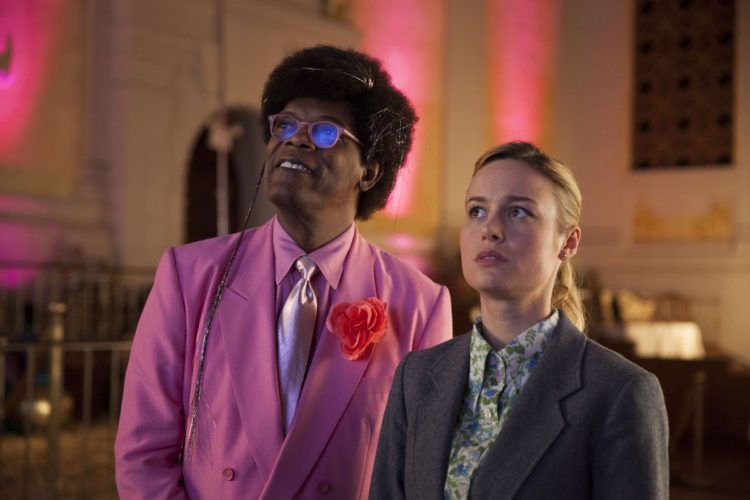
    James Badge Dale and Lily James in LITTLE WOODS.

    Little Woods is colored — perhaps too broadly — with themes around the US government’s failure of working-class citizens. Particularly around healthcare and the economic depression of blue-collar workers. And the movie is effective in delivering an impactful story around those themes. If anything, the biggest criticism is that the script is a bit too polished and on the nose — Deb at one point even says, “being pregnant costs $8,000?”

    The movie is a slow burn character drama until the last 30 minutes where DaCosta proves why she will be directing the Jordan Peele-produced Candyman remake. Her grasp of suspense and tension is impressive as Ollie and Deb’s plan sets into motion. Brian McOmber’s droning score adds to the overwhelming sense of dread — he scored Krisha and It Comes at Night to similar effect — and cinematographer Matt Mitchell captures the vast emptiness of the plains to mirror the bleakness of the story.

    But so much of the movie rides on the back of Tessa Thompson’s rich performance. Ollie is an enigma of a character. She feels both broken down and empowered by her circumstances. Broken down because there are institutions set in place that oppress people like her’s ability to live and empowered because she’s resentful enough to do something about it. Thompson has proved herself in genre fare like Annihilation and Sorry to Bother You, this movie gives her the chance to flex her dramatic chops to great success.

    Little Woods isn’t the best version of the “people on the margins” story that has been told in movies like The Florida Project and last year’s criminally overlooked Leave No Trace. Still, it’s a solid debut by a filmmaker with a great future and another step in the ascendance of Tessa Thompson.


    ADVERTISEMENT


    More movies, less problems


    Hey! I’m Karl. You can find me on Twitter and Letterboxd. I’m also a Tomatometer-approved critic.

    💌 Sign up for our weekly email newsletter with movie recommendations available to stream.


    ADVERTISEMENT


  • ‘The Shallows’ movie review — Blake Lively and a seagull fight a shark

    ‘The Shallows’ movie review — Blake Lively and a seagull fight a shark

    The Shallows follows a young med student as she becomes harpooned on a tiny island in the middle of the ocean surrounded by a Great White Shark

    One sentence review: The Shallows makes the most of its familiar premise to deliver a thrilling and tense tale of survival grounded by a great lead performance by Blake Lively. 

    One paragraph review: Movies with essentially just one character are extremely hard to pull off, but thanks to a physically and emotionally taxing performance by Blake Lively, The Shallows works. It also helps that the movie is lean, character-driven and has moments of action that are so tense you’ll find yourself gripping your seat in terror. It’ll make you afraid of the beach (again).

    Where to watch The Shallows: Available to buy or rent on Amazon.

    Cuddle up to your closest seagull friend. Full review below ?


    When watching The Shallows the first thing you notice is what is clearly one of the best performances of the year. It will make you laugh, cry, and cheer. Never did I think that a bird named Steven Seagull would capture the hearts and minds of the American movie audience. But he did. Oh, and the movie was good too.

    All joking aside (even though I’m not kidding that the seagull is fantastic), The Shallows is probably the best shark movie since Jaws — though the competition is scarce. Shark movies since Jaws have been turned into camp-fests that demand increasingly complex permutations of the words “shark,” “mega” and “tornado.” But what The Shallows does is return to the thriller formula that made Spielberg’s magnum opus so successful.

    Blake Lively — in what is probably her best performance to date — plays Nancy, a med student who’s having an identity crisis in the face of her mother’s passing. In an effort to feel more connected to her she seeks out a secluded Mexican beach that her mother once surfed at. However, after a gratuitous surfing montage that looked more like a music video, her trip to paradise takes a turn for horror.

    Nancy stumbled upon the rotting corpse of a whale that a great white shark has been feasting on. Eventually, it sets its sights on her which begins a harrowing tale of survival that feels a lot like 2013’s Gravity. Over two grueling Mexican summer days, Nancy fights for her life.

    The shallows
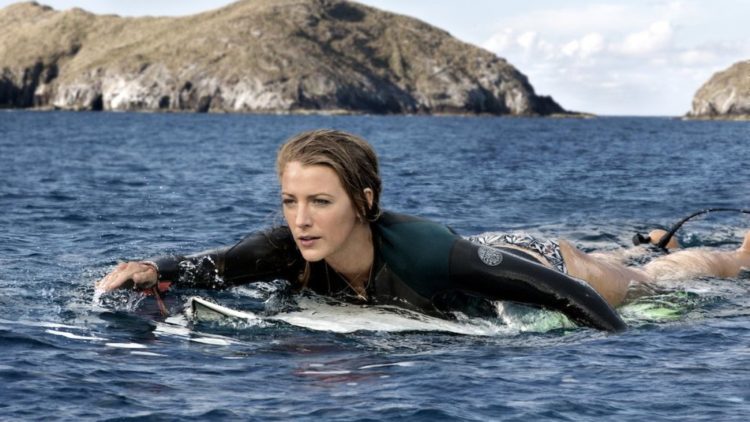
    Blake Lively in The Shallows. Credit: Columbia Pictures.

    With a mix of ingenuity and smarts, she is able to do battle with the predator. Jaume Collet-Serra, who also directed the underrated thriller The Orphan, constructed some strong action sequences. And most importantly, they’re clear and narrative-driven sequences. Collet-Serra’s style — quick cuts, extreme close-ups, slow motion — is in your face as both an asset and hindrance to the end product of the film. He gives you a lens into Nancy’s physical struggle to the point where you cringe at every hit she takes. However, in the film’s less intense moments, that style becomes more camp.

    But at the center of all the chaos is a Blke Lively with an emotionally and physically taxing performance. She makes you feel every bite, scratch and hit that Nancy takes. In a one-person film, it’s sometimes hard to get the audience to like your character without them feeling obligated. Lively makes you want to root for her (and the seagull) by getting you invested in her story and character and making you feel the innate human desire to survive.

    The movie is intimate with her character physically, rarely straying far from her gaze or her face. It’s an important decision to take the wide open space of this beautiful beach and constrict our view of it to the tiny island that Nancy makes as her refuge — though it’s slowly being chipped away at by the tide — to make the film more claustrophobic than it may initially seem.

    My one complaint about The Shallows is in the narrative shift from this tale of survival to its campy action finale. The majority of the movie borders on realistic with a look into the strength of the human spirit. While the screenplay may not be up to the direction or Lively’s performance, it feels urgent. But by the final act, the film all of a sudden turns into a Sharknado ridiculous “final fight” with CGI — the effects were quite strong in the first two acts — that flirts with B-movie status.

    Even then, the in-your-face style and Lively’s committed performance are enough to make you cheer during the final showdown between Nancy and the shark. The Shallows doesn’t reinvent the wheel. It doesn’t even really add any new features. However, it’s an entertaining, well-made thriller that will satisfy you for its short runtime. And, refreshingly, it lacks the word “mega” in the title. Just for that, it deserves praise.


    ADVERTISEMENT


    More movies, less problems


    Hey! I’m Karl. You can find me on Twitter and Letterboxd. I’m also a Tomatometer-approved critic.

    💌 Sign up for our weekly email newsletter with movie recommendations available to stream.


    ADVERTISEMENT

  • ‘Captain Marvel’ movie review — A 90s origin story throwback

    ‘Captain Marvel’ movie review — A 90s origin story throwback

    Captain Marvel features Brie Larson as the first lead female superhero in the Marvel Cinematic Universe as she a young Nick Fury solve the mystery of her identity.

    One sentence review: Captain Marvel is a fun, corny, and empowering origin story that feels like a bridge between the past and the future of the Marvel Cinematic Universe.

    One paragraph review: Captain Marvel harkens back to the MCU origin stories that kicked off this wave of superhero movies — and that’s a good thing. It’s smaller, tighter, and more character driven than the other movies in the franchise, even if it feels non-essential. It also helps that Brie Larson and Samuel L. Jackson have firecracker chemistry and are supported by a stellar cast — Ben Mendelsohn and Lashana Lynch are standouts.

    Where to watch Captain Marvel: Available to buy or rent on Amazon

    Grab your leather jacket and sunglasses. Full review after the jump ?


    Captain Marvel had one of the hardest time slots on the Marvel Cinematic Universe calendar. If the forthcoming Avengers: Endgame is the series finale, then Captain Marvel is the penultimate episode. However, like many penultimate episodes, it feels like any typical entry in the Marvel Cinematic Universe — for both better and worse.

    Like last year’s Bumblebee — the out of sequence 80s dripped entry in the Transformers franchise — Captain Marvel is a prequel to almost all of the MCU — except Captain America: The First Avenger. Taking place in the 90s and following a Kree soldier called Vers (Brie Larson), Captain Marvel is less about forwarding the overall storyline of the MCU — though it certainly connects some dots — and more about giving Captain Marvel a warm welcome to the MCU with her own origin story.

    And while the movie hits a lot of the same beats as a typical superhero origin story, it presents them in an interesting way. That’s because Vers spends most of the running time of the movie trying to make sense of these dreams of a life on Earth that feel like memories.

    Along with her crew of Kree warriors — Vers’ mentor and commander Yon-Rogg (Jude Law), Minn-Erva (a criminally underused Gemma Chan), Korath (Djimon Hounsou reprising his Guardians of the Galaxy role, among others — Vers continues the long-running war with a shape-shifting species called Skrulls. However, after being captured in a battle, Vers escapes only to crash land on Earth.

    There, she catches the attention of S.H.I.E.L.D operative Nick Fury (a de-aged Samuel L. Jackson — the CGI is phenomenal) who helps her on her quest to find out who she is and defeat the Skrulls.

    The movie balances funny fish-out-of-water moments as Vers marvels at the 90s culture and technology — she literally crash-lands into a blockbuster — with a charming buddy comedy between Fury and Vers. And while it’s all fun and entertaining, the movie does get at something deeper.

    So much of what works in Captain Marvel comes from directors Anna Boden and Ryan Fleck (best known for Half Nelson, which scored Ryan Gosling his first Oscar nomination). MCU mastermind Kevin Feige choosing the duo to tackle the introduction of what is most likely going to be their most important hero to date was surprising. They’ve directed quiet character-centric indies for most of their careers. But it’s that indie intimacy that drives the movie’s best moments.

    Vers finally tracks down some answers in the form of her former best friend on Earth Maria (a terrific Lashana Lynch). And instead of it being this huge melodramatic moment where the hero reunites with their best friend or finally learns their identity, the movie slows down and gives a genuinely emotional moment between these two women. Lynch nails the scene. She’s a standout.

    To both its benefit and detriment, Captain Marvel is essentially inconsequential in the MCU timeline. We could have jumped into Endgame without this story. It pulls some of the tension and stakes out of it — even the villain of the piece Talos (Ben Mendohlson — truly great) is mostly benign. However, it also allows the movie to be that corny, fun, and uplifting origin story that we’ve seen, but still eat up.

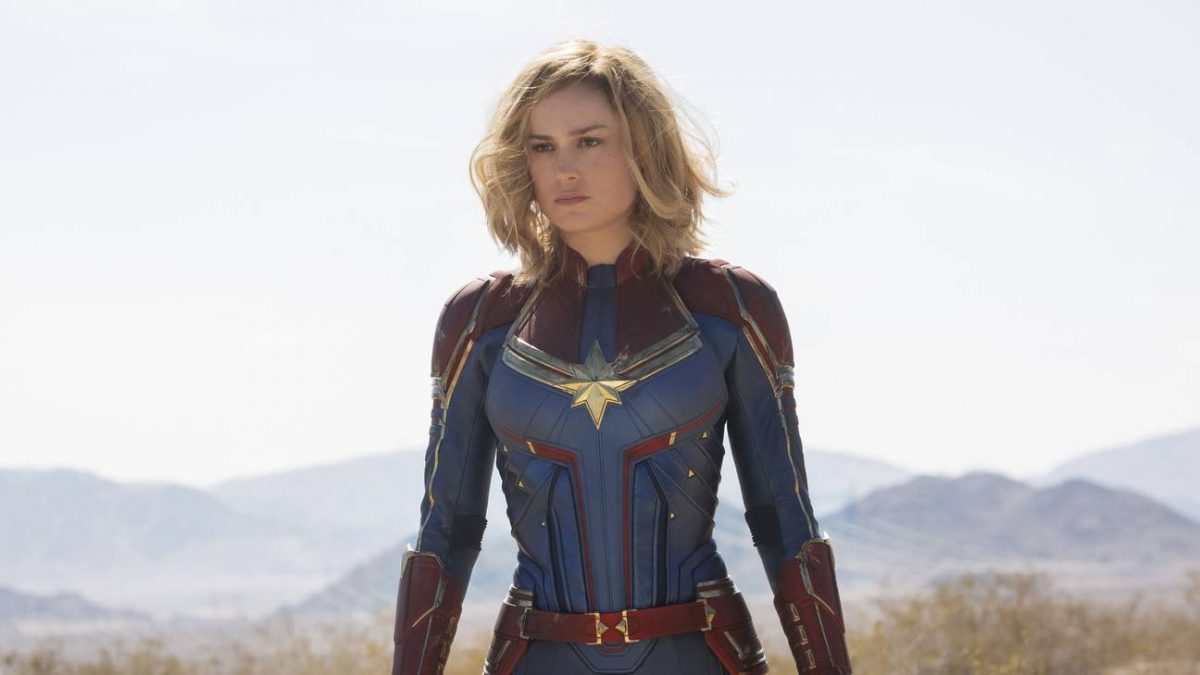
    It helps that Brie Larson is magnetic as Captain Marvel. She’s not your typical superhero. There’s something genuine about her. Even when she truly harnesses the extent of her powers, it feels like a real person experiencing something extraordinary. Speaking of the extent of her powers, Thanos better beware.

    At just two hours, Captain Marvel is really just a blast to watch. It’s a movie that I think will replay a lot better than in this current moment when we can separate it from the conclusion of the franchise. It doesn’t bring much new to the table other than the fact that the hero is a woman. But with that, it inherently has these touching moments of empowerment that make this an important entry in the MCU.

    Also, did I mention there’s an adorable cat named Goose and Annette Bening?


    ADVERTISEMENT


    More movies, less problems


    Hey! I’m Karl. You can find me on Twitter and Letterboxd. I’m also a Tomatometer-approved critic.

    💌 Sign up for our weekly email newsletter with movie recommendations available to stream.


    ADVERTISEMENT


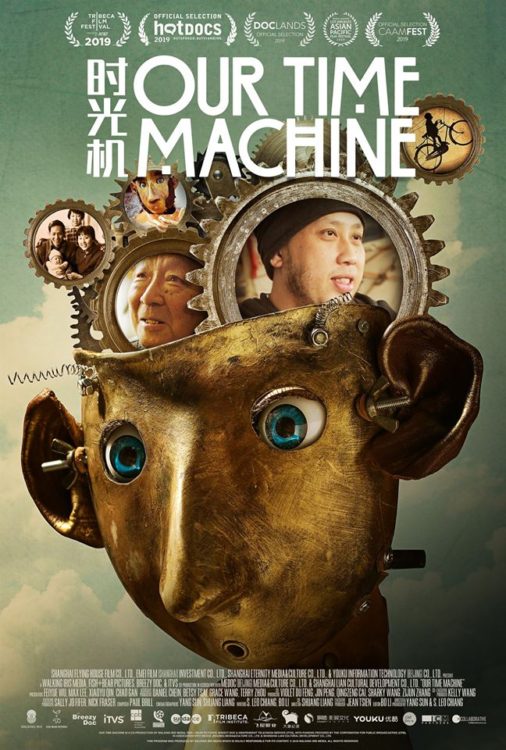
  • ‘Our Time Machine’ Tribeca review — Life, love, and puppets

    ‘Our Time Machine’ Tribeca review — Life, love, and puppets

    Our Time Machine is a funny and moving documentary about an artist’s attempt to cope with his father’s illness by literally and metaphorically creating a time machine. 


    Directed by Yang Sun & S. Leo Chiang

    Written by S. Leo Chiang & Bob Lee

    Synopsis When artist Maleonn realizes that his father suffers from Alzheimer’s disease, he creates “Papa’s Time Machine,” a magical, autobiographical stage performance featuring life-size mechanical puppets. Through the production of this play, the two men confront their mortality before time runs out and memories are lost forever.

    Where to watch Our Time Machine: Premiering at the Tribeca Film Festival

    This post is sponsored by American Gods. Now streaming exclusively on STARZ. Try it for free.


    Our Time Machine — a documentary premiering at the Tribeca Film Festival — begins with a quote by H.G. Wells: “We all have our time machines, don’t we. Those that take us back are memories…And those that carry us forward, are dreams.” For artist turned playwright and director Maleonn, those are one and the same.

    Over budget and behind schedule, Maleonn, attempts to finish his play called “Papa’s Time Machine.” Through lifesize steampunk puppets carefully constructed with springs and gears and scraps of metal — reminiscent of Mad Max: Fury Road — the play tells the story of a son trying to retrieve memories for his father by building a time machine.

    The play is semi-autobiographical and constructed from memories Maleonn had with his father Ma Ke, who was a director for the Shanghai Chinese Opera Theater and directed over 80 operas. It’s that artistry that Maleonn has always been chasing and has dreamt of working with his father on a project — “Papa’s Time Machine” is that chance.

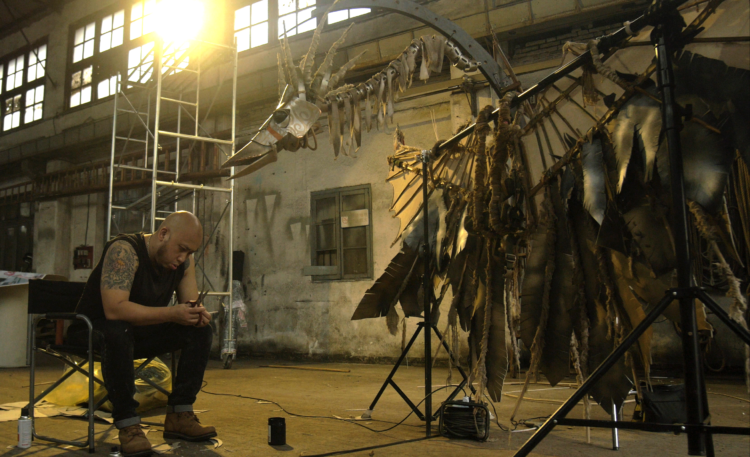
    Maleonn working on a bird sculpture in OUR TIME MACHINE. Credit: Maleonn Studio

    However, his plan is complicated by the fact that his father has Alzheimer’s and his health is deteriorating quickly. The movie is framed by the production struggling both financially and creatively while scenes of the family’s time together are cut in.

    Documentaries are often as good as its subjects, and Our Time Machine has a wealth of delightfully authentic and often hilarious characters. Ma Ke is so full of life and regret. His wife Ma Duo is a one-liner machine and an almost stereotypical sassy old woman — constantly on her phone and with a quip always ready. And then there’s Maleonn, struggling between pursuing his art as a means to grappling with his father’s illness and being a good son and taking care of his parents.

    It’s difficult to communicate the complexity of real human emotion through the documentary form. You need subjects ready and willing to bare it all. And Our Time Machine achieves that transparency without feeling exploitative or overwrought. For the subjects, particularly Maleonn and Ma Duo, talking to the filmmakers is cathartic.

    Maleonn (right) with his father, Ma Ke (left) in OUR TIME MACHINE. Credit: Maleonn Studio

    The documentary is formless and relatively plotless. Not many “events” happen. We watch Maleonn’s struggle to finish his play, Ma Ke’s frustration with his illness as it intensifies, and see tidbits of memories that Maleonn is trying to retrieve. But all these vignettes come together to create a moving experience filled with some sadness, but also so much life.

    Directors Yang Sun and S. Leo Chiang have so much empathy for their subjects and that comes through in the filmmaking. The same could be said for last year’s Oscar winner for Best Documentary Free Solo. But whereas Elizabeth Chai Vasarhelyi and Jimmy Chin portrayed emotions they have both felt from experience and relationship with their subjects, Our Time Machine taps into a universal human experience.


  • Comedic Performances that Deserved Oscar Nominations

    Comedic Performances that Deserved Oscar Nominations

    The Oscars are notorious for ignoring comedies, so we took to Twitter to find the comedic performances that were worthy of nominations.

    Dying is easy, comedy is hard. However, in the eyes of the Oscars, comedy isn’t equal. Comedies are rarely taken seriously and when they are they are rarely broad comedies.

    With Olivia Colman taking home the Oscar for Best Actress for her performance in comedy The Favourite, I took to #FilmTwitter to find other comedic performances that should have been nominated for Oscars. Here are some of those answers.

    (more…)
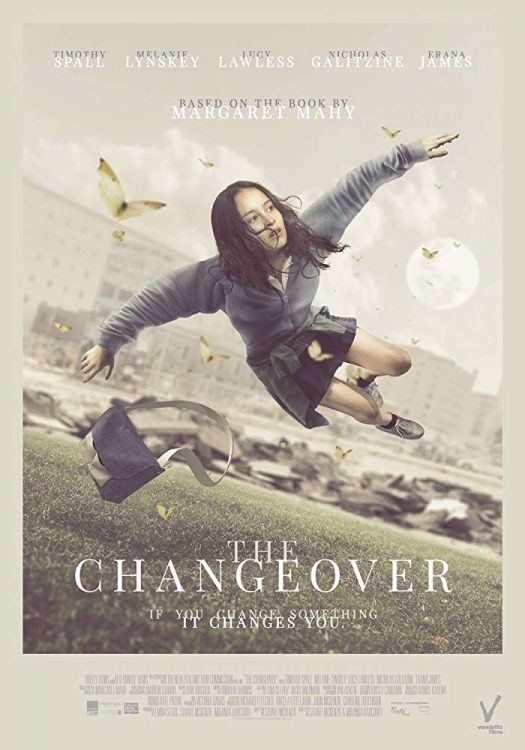
  • ‘The Changeover’ review — A well-made gothic YA fantasy

    ‘The Changeover’ review — A well-made gothic YA fantasy

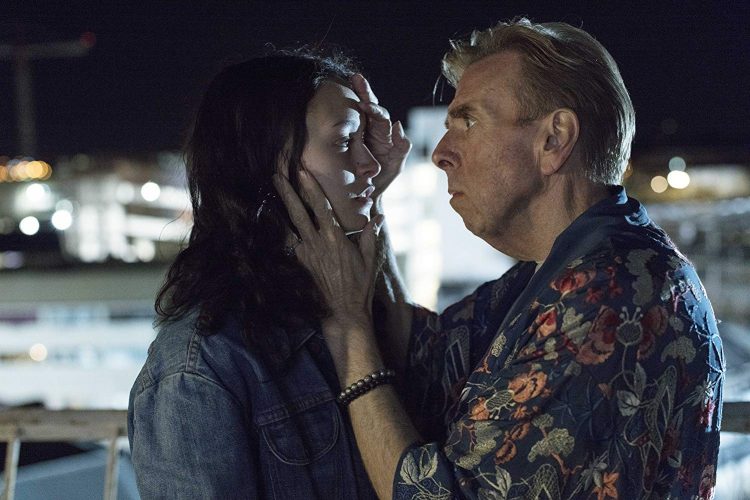
    The Changeover is a well-made fantasy YA movie that features a terrifying villainous turn by Timothy Spall.

    The Changeover — based on Margaret Mahy’s 1984 novel of the same — is refreshingly a young adult adaptation that doesn’t have aspirations for a franchise. In the vein of Twilight, the movie tells the story of Laura (Erana James), a teen who seems to know when something bad is going to happen before it does. She doesn’t realize it, but this is because she’s a witch.

    Portrayed as a low fantasy — meaning that magical events intrude on an otherwise normal world — The Changeover takes place in New Zealand following an earthquake. Laura and her younger brother Jacko (Benji Purchase) are often left to their own devices following the suicide of their father and their mother Kate’s (Melaine Lynskey) rigorous work schedule to support the trio.

    One day, walking home from school, Laura loses Jacko just to find him with a creepy man named Braque (Harry Potter’s Timothy Spall). The chance encounter triggers extrasensory perception for danger, but before she can get Jacko out of the shipping crate that Braque uses as an antique shop he places a stamp on the young boy.

    In the next days, Jacko begins to develop strange behaviors — speaking in a voice that isn’t his, purposefully burning his hand on the stove — before falling ill and ending up in the hospital. Doctors think they pinpoint the illness, which would require a blood transfusion if either Laura or her mother is a suitable donor.

    However, Laura knows something more supernatural is afoot. So, she turns to the mysterious school hunk Sorensen Carlisle (Nicholas Galitzine) — your Edward Cullen-esque lover interest — for help. He reveals that he is part of a coven of witches and that Braque is a magical parasite that is feeding on Jacko’s lifeforce through the stamp to obtain eternal life. He knows how to save Jacko, but it would require Laura to undergo the dangerous process of “The Changeover,” which is a ritual that gives her her full powers as a witch.

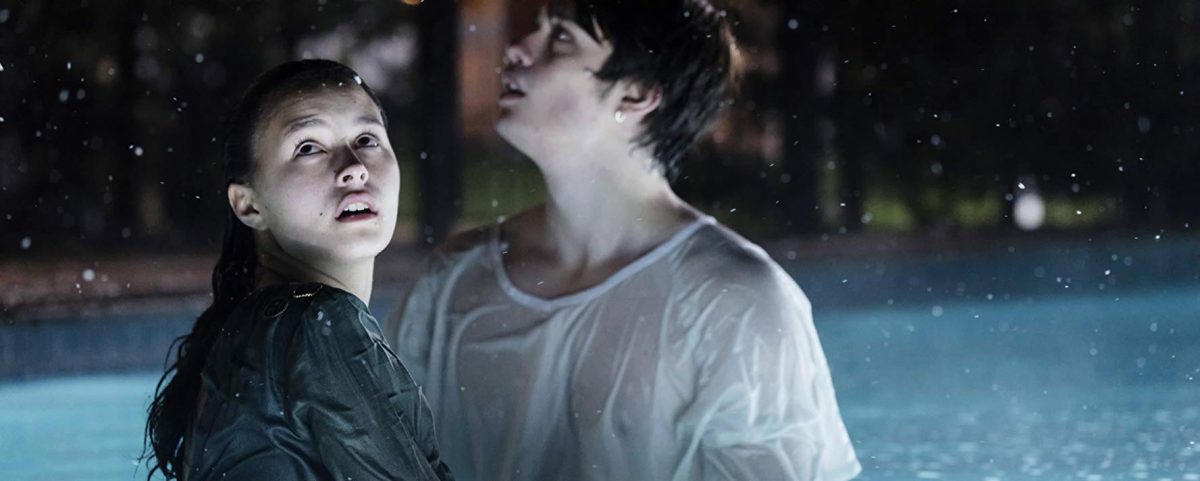
    Erana James and Timothy Spall in THE CHANGEOVER

    The Changeover is coming late in the lifespan of teen fantasy romances that saw commercial successes like Twilight and Warm Bodies and flops like Beastly and Red Riding Hood. However, it still is a refreshing exercise in the genre. Not only is it well-directed by Miranda Harcourt and Stuart McKenzie, but it also features great atmospheric sound design and cinematography.

    However, so much of the success has to be credited to Timothy Spall’s skin-crawling performance as the villain of the piece. There is real horror in the movie. Something that Twilight never achieved — despite being about vampires and werewolves — because it was too involved in the central relationship. Where those movies were 75/25 on romance to story, The Changeover is more like 25/75. The biggest issue is that when the relationship is muscled in it feels out of place and awkward.

    The movie soars when it is a gothic horror fantasy filled with tension and dread. Thankfully it’s that for most of the running time. Sometimes it takes a detour through teen fantasy soap territory — music montages and declarations of love and all — but not enough to derail the movie.

    At a lean 92 minutes, it’s hard not to recommend giving The Changeover a watch. It doesn’t always work, but when it does it’s magical.

    The Changeover will be in theaters and on demand on February 22nd.

  • ‘The Kid Who Would Be King’ review — Brexit via King Arthur

    ‘The Kid Who Would Be King’ review — Brexit via King Arthur

    The Kid Who Would Be King delivers as a family-friendly fantasy-adventure based on the King Arthur legend and an allegory for Brexit. 

    The Kid Who Would Be King tells the classic story of King Arthur and the Knights of the Round Table via Brexit era Britain. As Morgana (Rebecca Ferguson truly chewing the scenery) — the villain of both the myth and the movie — says, “the land is divided — lost and leaderless.” It’s an on-the-nose reference to Brexit, but also the reason the movie works so well.

    Director Joe Cornish — who made waves with his debut Attack the Block — mines the tale for everything it’s got and everything you’d expect out of a kid’s adventure movie. As the story goes, we meet young tween Alex Elliot (Louis Ashbourne Serkis — yes, he’s Andy Serkis’ son) as he defends his best friend Bedders (Dean Chaumoo) from two bullies — Lance (Tom Taylor) and Kaye (Rhianna Doris). Those names should all sound familiar.

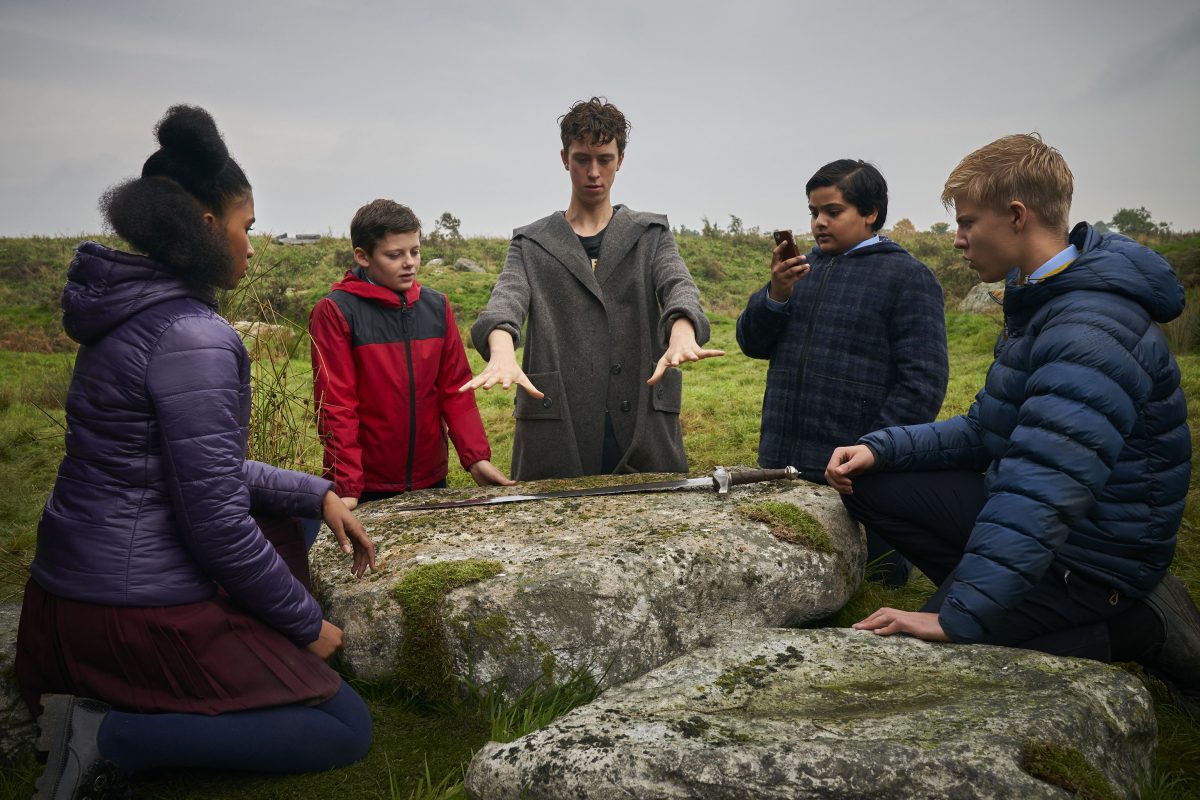
    From there, the movie closely follows the legend of King Arthur — which is also a book that Alex’s father used to read with him before he disappeared. After being chased by Lance and Kaye to a construction site, Alex discovers a sword in a stone — the sword in the stone, also known as Excalibur. He easily pulls it out, which means that he is the chosen one and the rightful king.

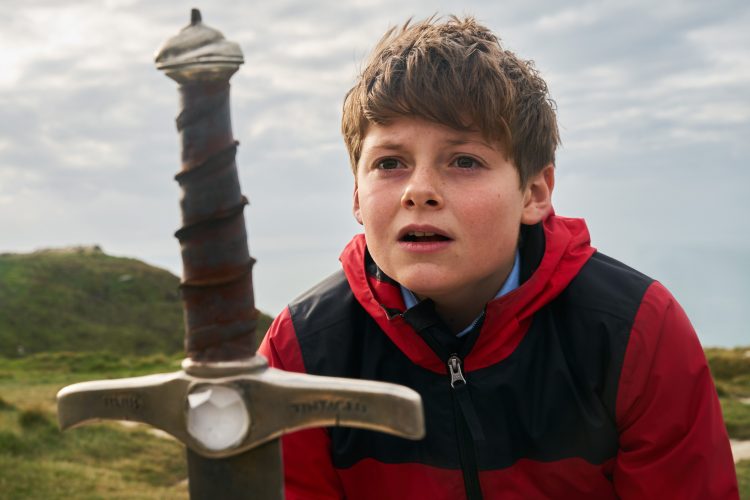
    The Kid Who Would Be King
    Louis Ashbourne Serkis stars in Twentieth Century Fox’s THE KID WHO WOULD BE KING. Photo Credit: Kerry Brown.

    He doesn’t know this yet, but he will soon find out. He brings the sword home and like any good friend call Bedders over to joke about the possibility that it’s really Excalibur. The relationship between the two kids is one of the main reason for the movie’s success. It drives much of the development and emotional storyline.

    The next day at school, an odd new student shows up named “Mertin.” It doesn’t take a lot of critical thinking to learn this is actually Merlin (Angus Imrie), who is sent to help Alex on his quest. Many of the comedic moments — particularly ones that will appeal to kids — come from Merlin’s silly hand gestures when performing spells, his attempt to blend in as a normal student, and his always hilarious tranformations into an owl and an older version of himself played by Patrick Stewart clad in an oversized Led Zepplin shirt.

    After being attacked by a fiery demonic skeleton sent by Morgana, who is gaining strength for her return to Earth to enslave all the inhabitants, Alex and Merlin recruit Bedder, Lance, and Kaye to be his Kights of the Round Table. Their quest is to find the door to the underworld and defeat Morgana before she returns to Earth in four days during a total solar eclipse.

    Along the way, they train to be proper knights, are attacked by more of Morgana’s minions, and fight each other before finally uniting and bonding as a team. Cornish hits all the expected points but hits them a grounding in character and a strong anti-Brexit point-of-view. Don’t get it wrong. This is a fantasy-adventure kids movie. But a kids movie with very real implications in the real world.

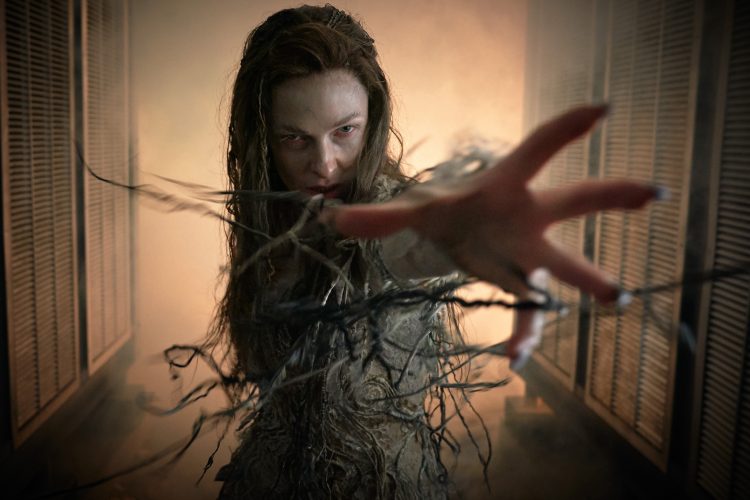
    The Kid Who Would Be King
    Rebecca Ferguson in Twentieth Century Fox’s THE KID WHO WOULD BE KING. Photo Credit: Kerry Brown.

    As with Attack the Block, The Kid Who Would Be King is a good story told in a great way with playful visuals and a strong young cast. It’s a blast to watch this group of seemingly mismatched kids “on a quest to save Britain,” as Alex rights on a note he leaves for his Mom.

    And as a Brexit allegory, it’s heavy-handed but clear on its message: we’ve lost our way by focusing on our differences and it’s only by teaching this new generation about acceptance and unity that we’ll get through this mess. What makes Cornish an exciting director is he can balance that while delivering a light, fun, and funny fantasy-adventure with dragons, sword-fights, and a mega Home Alone style final staff between an army of school kids and an army of demonic skeletons.

    The Kid Who Would Be King is the first of many great Brexit-era movies that I’m sure are to come. And overall, Cornish’s attempt at merging a classic legend with our modern day issues is successful. It’s yet another feather in the cap of the young director. Nothing but respect for our king.

    The Kid Who Would Be King is in theaters now.  

  • ‘Velvet Buzzsaw’ review — The art world, satire, and horror collide

    ‘Velvet Buzzsaw’ review — The art world, satire, and horror collide

    Velvet Buzzsaw has trouble balancing its satirical and horror elements, which results in an interesting, but unsatisfying Netflix original. 

    Velvet Buzzsaw doesn’t become the movie we want it to be until the last 30 minutes. That’s when it starts working effectively as an art-world satire and horror-thriller. The rest, though, has a hard time striking a balance between too. So much so that it strikes exactly the wrong balance.

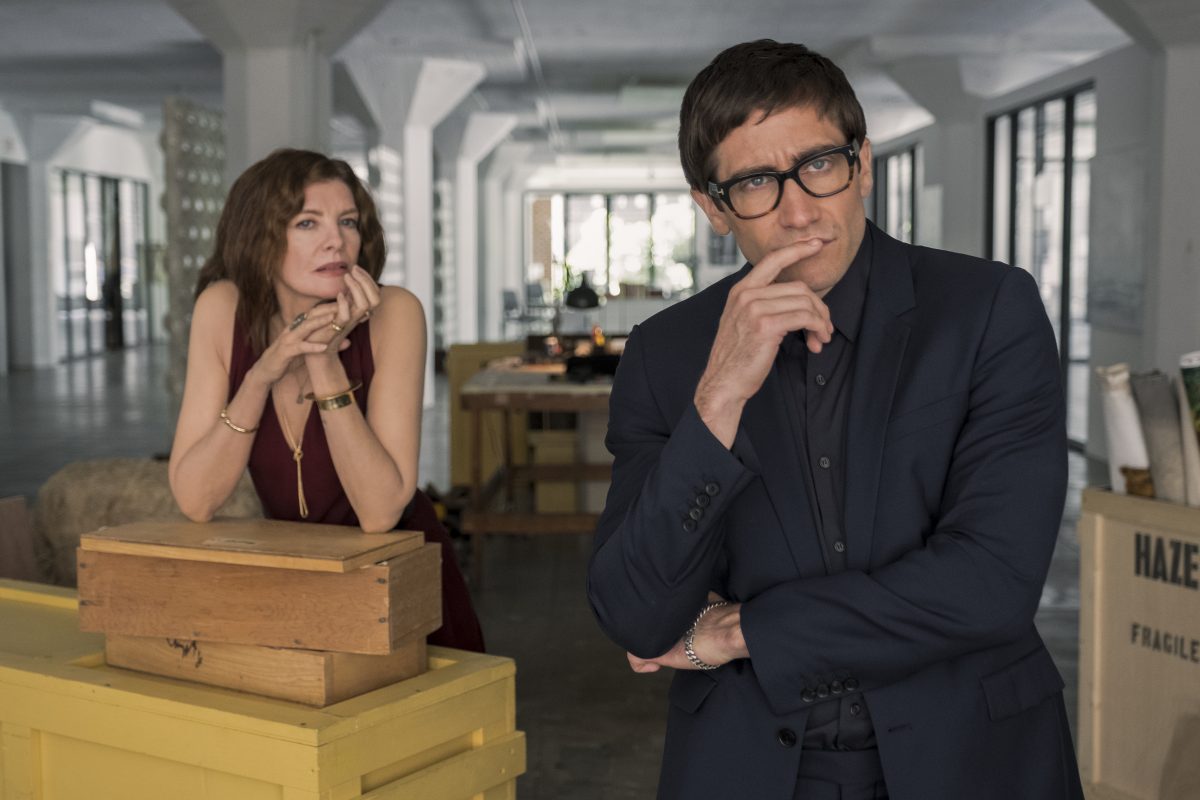
    However, there are interesting elements. The film reunites director and writer Dan Gilroy with Jake Gyllenhaal who plays Morf, a highly respected Los Angeles art critic, and Rene Russo as no-nonsense gallery owner Rhodora, both of whom he worked with in his film debut Nightcrawler.

    With Velvet Buzzsaw, he trades the dark and shadowy crime underbelly of Los Angeles with the colorful and chic world of the art community. Everything is brightly lit, incredibly crisp, and fully saturated. And that’s a problem. Not only does it not create the tense atmosphere the movie sorely lacks, but it’s also a poorly shot movie. The cinematography is reminiscent of a CW primetime soap.

    Velvet Buzzsaw
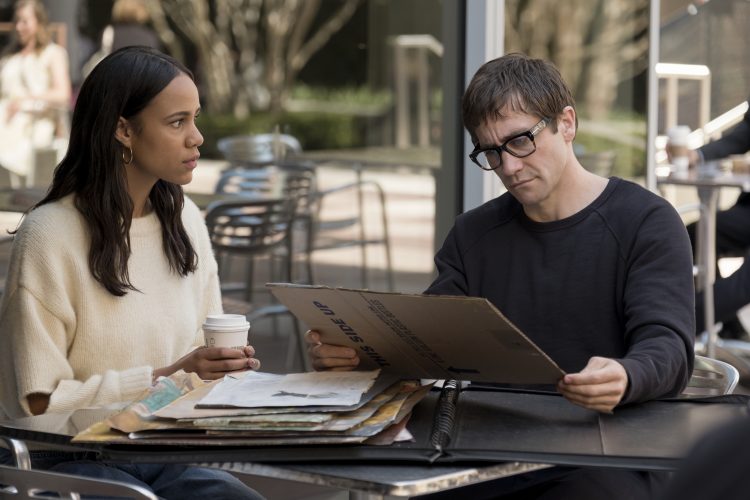
    Zawe Ashton and Jake Gyllenhaal in VELVET BUZZSAW

    What keeps it at least somewhat afloat is the intriguing plot. After discovering her neighbor dead in the hallway of her apartment building, art agent Josephina (Zawe Ashton) ventures into his apartment to find hundreds of pieces of artwork — some haunting and some disturbing. She takes them to Morf who confirms that they are all masterworks and should be worth millions.

    It’s discovered that the artist was a man with a troubled past named Vetril Dease. Catching wind of the incredible portfolio, Rhodora convinces Josephina to let her sell the pieces in her gallery where they quickly become a popular fixture and sweep through the LA art scene.

    However, these aren’t just paintings. They’re cursed. Anyone that profited from them is dying in increasingly horrific ways. No one seems safe. There’s gallery worker Bryson (Billy Magnussen of Game Night fame), another art gallery owner Jon Dondon (Tom Sturridge), Morf’s art curator assistant Gretchen (Toni Collette coming off Hereditary), and Rhodora’s latest client Damrish (Daveed Diggs) who are all at risk.

    All the while, Gilroy attempts a cutting satire of the often pretentious and self-involved community of high-end art. While it gets some good digs in that remind us just how silly art can be — there are incredible one-liners like “a bad review is better than sinking into the great glut of anonymity” and “critique is so limiting and emotionally draining” — it doesn’t really poke at anything we didn’t already know.

    Velvet Buzzsaw
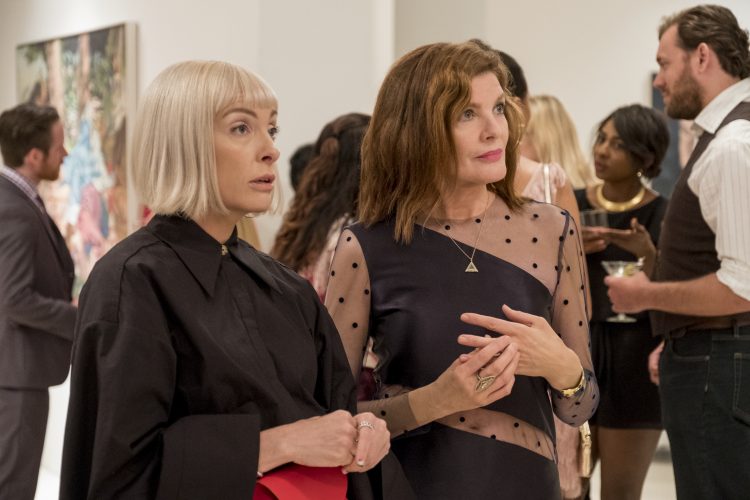
    Toni Collette and Rene Russo in VELVET BUZZSAW

    On the horror side of things, Gilroy fails to create much suspense or scares. The death scenes are interesting and reminiscent of the Final Destination series, but none are surprising or shocking. A large part of that is because the plot never truly gets off the ground. Morf spends some time investigating the mysterious artist Dease to try and unravel the mystery of the paintings, but it’s a subplot when it should truly be the main plot.  Instead, we spend time on the relationship between the bisexual Morf and Josephina and intrigue around the ownership of the paintings.

    That leads to the biggest problem Velvet Buzzsawhas. It’s filled with cold and pretentious LA art people that are hard to care about, including Gyllenhaal’s Morf who comes the closest to being a protagonist. Without an audience surrogate or relatable character at the center, it’s hard to even care about what’s happening the characters. There’s an attempt to make young assistant Coco (Natalia Dyer) that character, but she ends up not being used that way.

    It’s frustrating considering the caliber of the actors in the cast and the intriguing premise. That being said, Gilroy mines enough ridiculous observations and stray one-liners about the LA art world that make it an entertaining enough watch. However, I think it had the potential to be great. With a name like Velvet Buzzsaw, I wasn’t expecting anything less.

    Where to stream Velvet Buzzsaw: Available to stream on Netflix.

  • ‘Alita: Battle Angel’ review — A messy, but fun cyberpunk sci-fi adventure

    ‘Alita: Battle Angel’ review — A messy, but fun cyberpunk sci-fi adventure

    Alita: Battle Angel boasts exhilarating action scenes and a breakout performance by Rosa Salazar, but buckles under the weight of its complex plot.

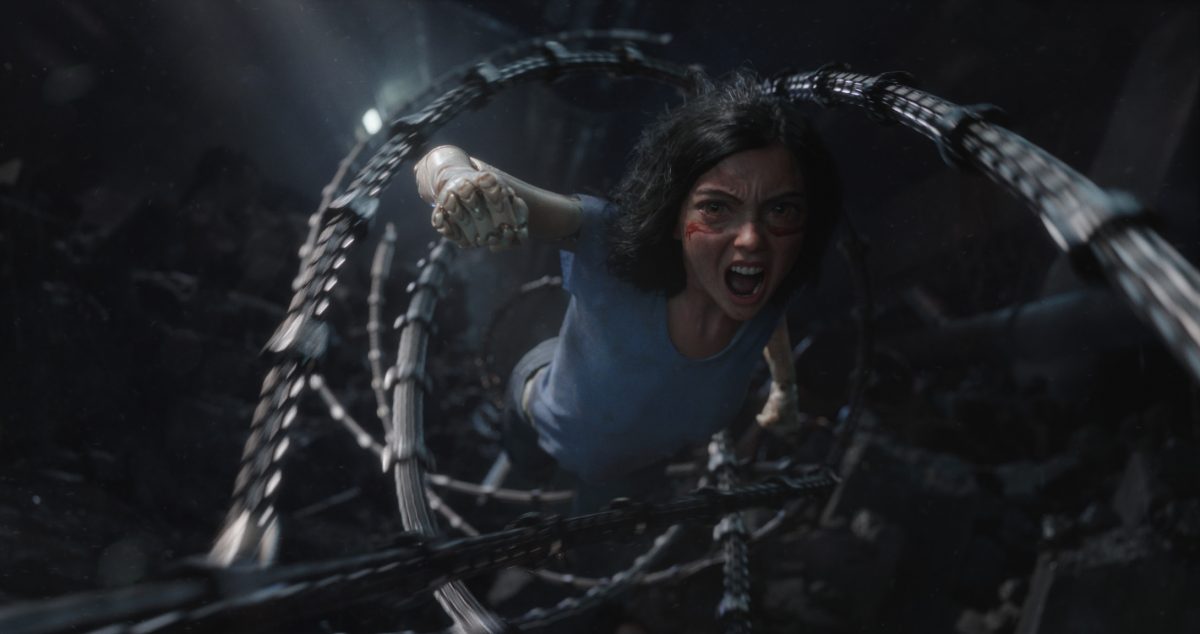
    Alita: Battle Angel gets one very important thing right: robots fighting. Director Robert Rodriguez — best known for the Spy Kids and Sin City franchises — knows how to direct an action scene. Even though they’re hyper-stylized with seemingly endless slow-motion CG shots, all of the setpieces have forward momentum, grounding in character, and are easy to follow — no Bourne Identity shaky camera to be found.

    That’s why he was the perfect fit to tackle the long-gestating adaptation of Yukito Kishiro’s classic manga Battle Angel Alita. Taking place in the 26th Century as the cheeky opening logos set, Alita: Battle Angel follows a disembodied core — think of it as a brain and heart in one — who is found and given a new body by Dr. Ido (Christoph Waltz). With no memory of the post-apocalyptic world she wakes up in or her name, Dr. Ido names her Alita.

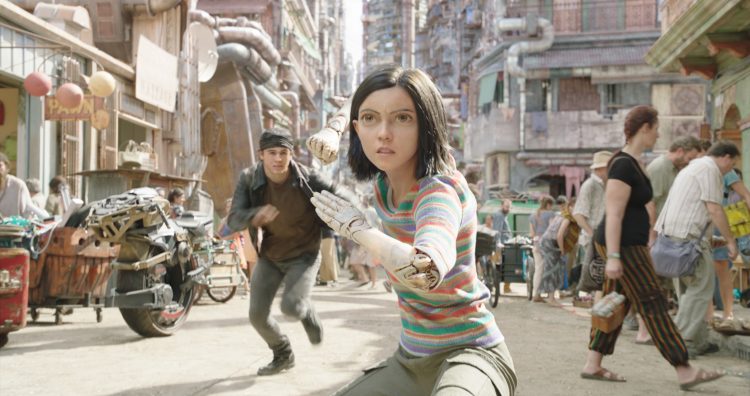
    Rosa Salazar plays the cyborg heroine through a surprisingly strong motion-capture performance that translates her facial expressions and emotions vividly. Much of the first 30 minutes is dedicated to world building. We’re introduced to a cyberpunk version of Earth where many people have been fused with machinery and dream to make it to Zalem — a utopia floating above their crumbling city.

    The world is fantastically realized. From the costumes to the production design to the character design, every detail feels perfectly drawn out.

    However, for all the great directing and visuals on display, Alita has one very obvious flaw — and it’s a flaw one of the movie’s contributor brings to all his movies. That contributor is James Cameron and the flaw is the screenplay. As is evident in every screenplay he’s written — Avatar and Titanic being the most notable — Cameron completely overthinks every aspect of the story. That’s why Alita is inundated with clunky exposition throughout the entire running time.

    ALITA: BATTLE ANGEL
    Keean Johnson (left) and Rosa Salazar (center) in Twentieth Century Fox’s ALITA: BATTLE ANGEL. Photo Credit: Courtesy Twentieth Century Fox.

    It’s a delight to watch Alita play the role of the girl in an alien world discovering new things — she takes a bite of an Orange peel! And she’s never had chocolate! But the attempt to also introduce the main characters and get the plot of the ground end up derailing any of the goodwill being built up from Salazar’s stellar performance.

    Eventually, Alita meets Hugo (Keean Johnson), a fully human boy who teaches her the ropes of Earth. He also helps her piece together the mystery of her past. But it’s not all fun and games.

    Alita learns that Dr. Ido is also a hunter-warrior — a league of dangerous bounty hunters who will do anything to collect their payment. After following him out one night, Alita and Ido are attacked by a group of cyborgs who almost kill Ido. However, out of nowhere, Alita fights (and destroys) them using an incredible fighting technique and astonishing strength.

    It catches the eye of Vector (Mahershala Ali) — a man who rigs Motorball combat matches (think of it as roller derby with robots) — who is being used a vessel for Nova — the man who controls Zalem and keeps a close eye on Earth. He takes notice of Alita and wants her dead, to which he tasks the massive cyborg Grewishka (Jackie Earle Haley) with.

    There are multiple intersecting storylines including one involving another hunter-warrior cyborg called Zapan (If Beale Street Could Talk’s Ed Skrein — quite good here) and Ido’s ex-wife Dr. Chiren (Jennifer Connelly — the best of the supporting cast), but it all ends up being incredibly muddled as the screenplay switches and loses focus constantly.

    ALITA: BATTLE ANGEL
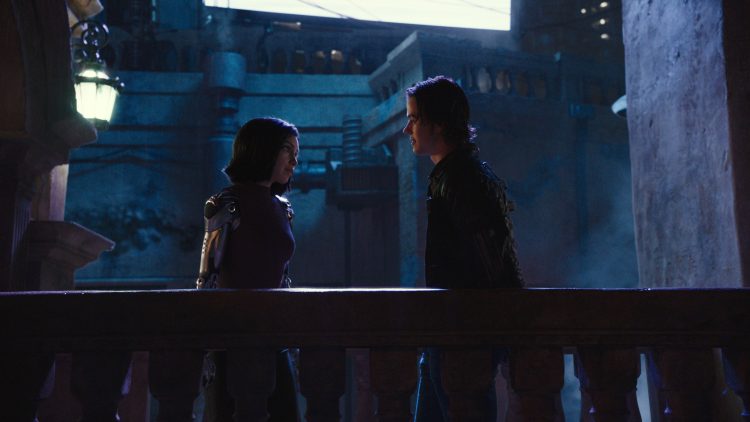
    Rosa Salazar (Alita) and Keean Johnson (Hugo) star in Twentieth Century Fox’s ALITA: BATTLE ANGEL. Photo Credit: Courtesy Twentieth Century Fox.

    When the movie is focused on Alita and her journey of self-discovery in the face of real danger from Nova and Grewishka, it works. Unfortunately, that journey is often cast to the side.

    A lot of the emotional core of the movie falls to the relationship between Hugo and Alita. Salazar does her best with the material — a lot of which feels forced. Johnson, on the other hand, stumbles often and doesn’t make a compelling romantic or heroic lead. Because of that, there’s a lack of chemistry between the pair that sucks the life out of any character development — we’re being told they care for each other instead of being shown.

    If Alita: Battle Angel stopped thinking and just delivered great robot fighting action with a simple, but compelling, plot, it would be a fantastic exercise in sci-fi instead of an over-complicated mess. I appreciate so much of what Rodriguez is doing. He should have been allowed to let his imagination run wild. Instead, it felt like he kept getting dragged back down to Earth by the screenplay.

    Alita: Battle Angel comes out a little bit better than the similarly high-concept sci-fi action-adventure Valerian and the City of a Thousand Planets mostly thanks to Salazar’s performance and Rodriguez’s masterful handling of the action sequences. I think it bodes well for a sequel that won’t be burdened with world building. This is a great story. It’s just not told the way it deserves.

    Alita: Battle Angel will be in theaters on February 14th.

  • ‘The Blair Witch Project Movie’ review — The divisive horror masterpiece

    ‘The Blair Witch Project Movie’ review — The divisive horror masterpiece

    Though it’s nearly two decades old, The Blair Witch Project still holds up as a modern classic

    With the second installment (second because let’s just forget about that horrid Book Of Bleh) of The Blair Witch Project coming out in a few weeks, aptly titled Blair Witch, I thought it would be appropriate to review the original.

    I first watched the movie when I was at the oldest 7 or 8 in my cousins’ basement. At that point, the virality of the movie had just calmed down, but it was still widely known as one of the most horrifying movies of all time. This is proven by the fact that I nearly broke down crying when the main menu came up. The second time I watched it I was in high school and still nearly broke down crying (or did).

    However, now that I’m at a point in my life that I am confident in my abilities a fan and studier of cinema I am seeing The Blair Witch Project as a landmark cinematic experience. While I think a lot of the early acclaim was because of the viral marketing and debate behind its authenticity, looking at it through the lens of a film proves that it is a modern classic.

    Blair_Witch_Project

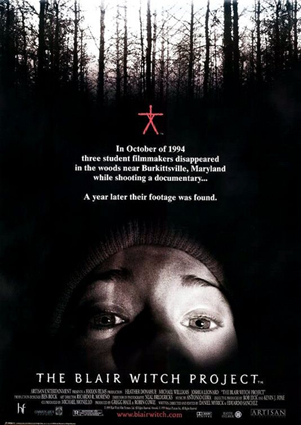
    If you somehow have been lost in the woods in Maryland for two decades, The Blair Witch Project tells the story three amateur filmmakers — Josh, Heather, and Mike — who embark into Burkittsville, Maryland to create a documentary on the legend of the Blair Witch. Much of what we learn about the legend and experiences of the town folk are through interviews with actual citizens of townspeople who recount the terrifying tale of a witch that lurks in the woods.

    The trio venture into the forest searching for the legendary witch only to find that the legend may not be so mythical after all.

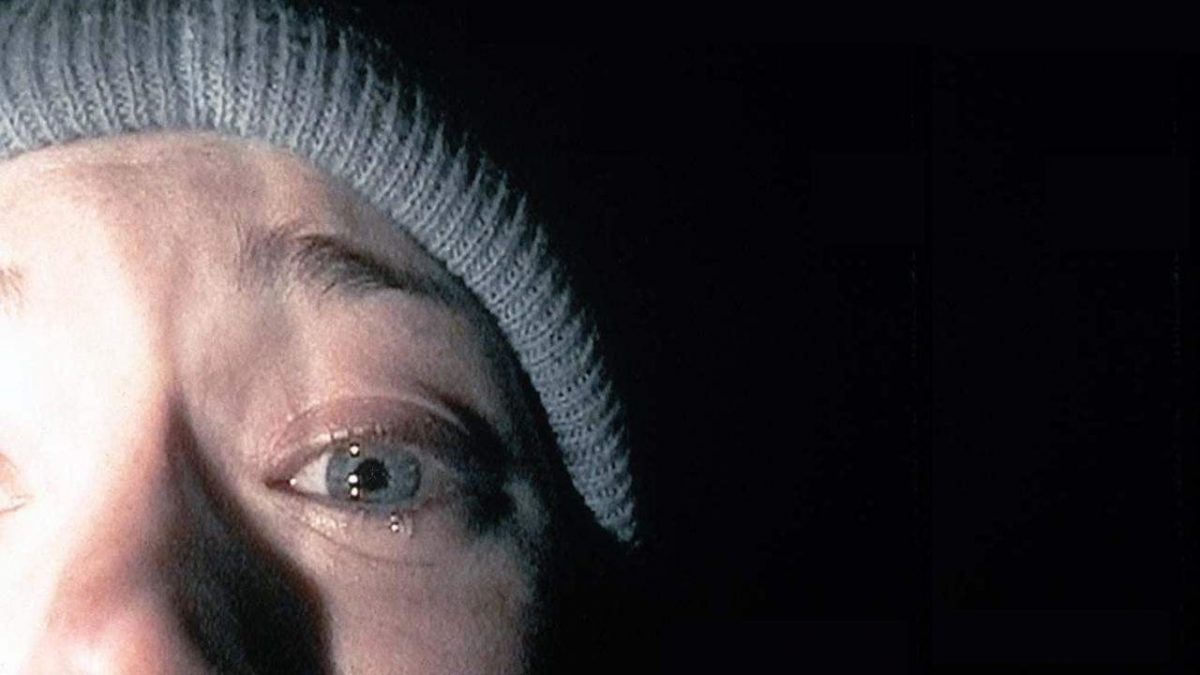
    As the “documentary” unfolds, one thing is strikingly clear. The filmmaking style and performance still feel so real that I found myself at some points still being tricked into thinking this was actual found footage. Of course, this lends itself to the way it was filmed. But you have to appreciate the vision that the directors had to have had before beginning production and incredible talent that these actors possess for improvisation.

    Now, here’s the thing. There are very few movies that I have become emotional during. However, there are parts of this movie that I became physically unnerved for the characters and frankly saddened for them. At some point, the movie because less about the witch and more about the fragility of the human psyche. What are you thinking? Who do you blame? The scenario unfolds with so much real and raw emotion that it feels claustrophobic. You feel trapped in the forest with them.

    While the concept may feel outdated or overdone you have to remember that this is the first time a movie like this ever existed. Yes, mockumentaries predated The Blair Witch Project, but no movie has come close to even committing this type of immersive experience to film. The viral marketing and cultural phenomenon aside, the movie still holds up as a masterclass in tension, atmosphere, and horror.

    While the style has been copied countless times from degrees of success — the first Paranormal Activity, Cloverfield, Chronicle — to questionable — The Chernobyl Diaries, all the other Paranormal Activity movies — it has never been replicated and probably never will be.

    The Blair Witch Project isn’t going to hold up as well for everyone. We’ve come to the point in horror that our senses need to be assaulted for us to feel anything. Turn off all the lights, close the blinds, turn off your phone and tell me that the experience of watching it isn’t terrifying. I dare you.

    Where to stream The Blair Witch Project: Available to stream on Showtime. Also available to rent or buy on Prime Video or

  • ‘The Fog’ review — John Carpenter’s horror classic is a ghost story worth watching

    ‘The Fog’ review — John Carpenter’s horror classic is a ghost story worth watching

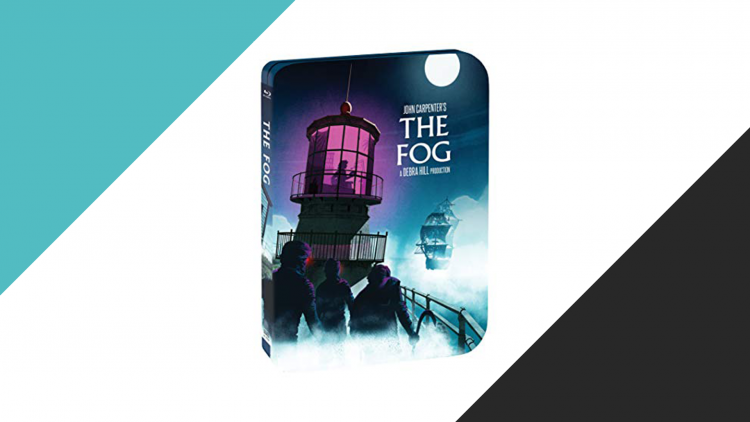
    The Fog is a short and effective ghost story told by horror master John Carpenter. Now, it returns beautifully restored in a collectible steelbook thanks to Shout Factory.

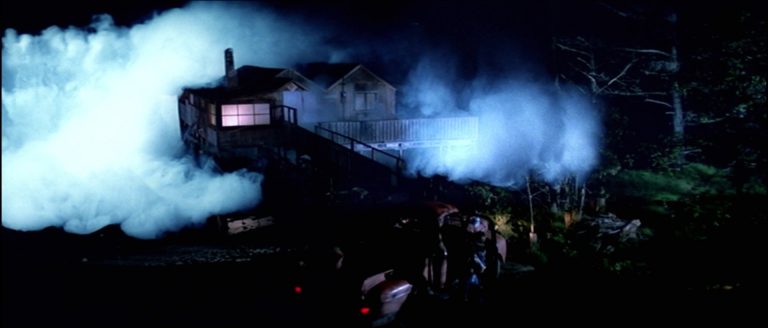
    The Fog opens on a campfire surrounded by a group of engrossed kids and an old maritime storyteller regaling them with the tale of a ship that crashed on the shores of Antonio Bay, right near where the storyteller was telling the tale. The storyteller, an old man dressed like the specter of a lighthouse keeper, speaks in a slow, gravelly voice with a foreboding tone. “11:55, almost midnight. Enough time for one more story,” he says. “One more story before 12:00, just to keep us warm.”

    This cold open was not in the original cut of the film. Legendary director John Carpenter, hot off the success of 1978’s Halloween, decided to include it after being unhappy with the finished product. That decision propels The Fog from a good horror movie to a minor classic within Carpenter’s legendary career. With the cold open, Carpenter sets an eerie, indelible atmosphere for the rest of the film. The Fog feels like a ghost story being told around a fire. The kind where you lean in slightly, put your chin on your hands and find yourself lost in the tale.

    The Fog returns via a stunning HD transfer available on blu-ray steelbook thanks to Shout Factory. And with the first new Halloween movie in more than a decade coming out this year, it’s a welcome reminder of the breadth of work Carpenter has under his belt outside of his most remembered films. And The Fog is a perfect example of how Carpenter could do so much with so little. Though made for just $1.1 million, the tiny seaside town of Antonio Bay, California looks more sweeping than it actually was.

    John Carpenter the fog
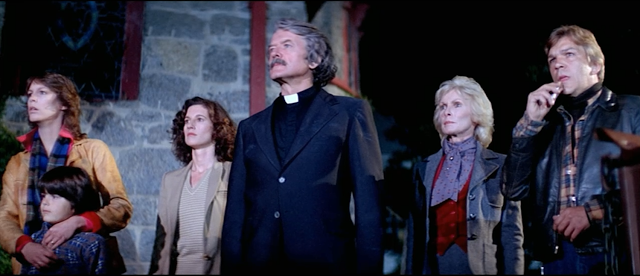
    The Cast of John Carpenter’s THE FOG

    The Fog begins on the 100th anniversary of the founding of Antonio Bay. Right as the clock strikes midnight, mysterious paranormal incidents begin happening around town — car alarms suddenly go off, televisions turn to static. All this while station owner and DJ Stevie Wayne (Adrienne Barbeau gives a standout performance) is finishing her show at the KAB radio station located in the Antonio Bay lighthouse.

    Meanwhile, a group of fisherman just offshore are relaxing and enjoying a drink while listening to Stevie’s show. However, they’re disturbed by a mysterious fog bank that is rolling past their boat. Out of the fog emerges a ship out of the 1800s and shadowy figures that kill the men. Elsewhere in Antonio Bay, Nick Castle (Tom Atkins) picks up Elizabeth Solley (Jamie Lee Curtis) who is hitchhiking down a dark road. All seems normal until suddenly all the windows of the car shatter.

    However, at one in the morning, all the paranormal activity stops. Carpenter harnesses the silent dread that stalked so much of Halloween in a whole new way here. Michael Myers already felt like an apparition, so dealing with actual apparitions in this movie feels like a natural extension. The next morning, Stevie’s son finds a plank of wood with the word “DANE” carved into it.

    Meanwhile, Nick and Elizabeth venture out to find the missing Seagrass, the fishing vessel that went missing in the middle of the night. Elsewhere in town, Kathy Williams (the legendary Janet Leigh, who also happens to be Curtis’ mother in real-life) and her assistant Sandy (Nancy Loomis) prepare for the town’s centennial celebration. 

    Eventually, these stories will come together. Along the way, there are creeps and scares that show again why John Carpenter is a master of horror. In particular, a scene involving the plank of wood in the radio station is pure horror without any loud clangs in the score or sudden jumps. Speaking of the score, it is iconic as any other Carpenter score. He is a master of mood and he perfectly matches his synthesized score to the ghost story quality of the movie.

    The Fog doesn’t go particularly deep into its characters and doesn’t have much in way of themes. However, a lot of that is to its benefit. It’s a breezy 89 minutes of horror with a compelling story and background. There is tension throughout and great scares, it’s an easy movie to watch and one that’s hard not to enjoy. The final act is a bit of a letdown after the effective build up. That’s where the shallowness of the characters and themes betray it. But overall, The Fog is an underrated movie in the Carpenter canon and on that should get its due. Hopefully, it will with this new beautiful steelbook release.

    Where to watch The Fog: Available to buy or rent on Prime Video or

    You can get the limited edition Blu-Ray steelbook here!

  • ‘Glass’ review — Wild, ambitious, and confounding

    ‘Glass’ review — Wild, ambitious, and confounding

    Glass is a wildly ambitious conclusion to M. Night Shyamalan’s Unbreakable trilogy that succeeds and fails in many ways. 

    Glass — the finale of M. Night Shyamalan’s surprise Unbreakable trilogy — is ambitious and wild. It works completely in some aspects and fails in others. But I’m glad that it exists. Shyamalan took the initiative and self-financed the film, but it’s the kind of risky movie that I want to see coming from studios.

    After the critical reevaluation of the original Unbreakable that has pushed it to become the #filmtwitter default pick for M. Night Shyamalan’s best film and Split’s surprise twist of being in the same universe as Unbreakable, it was only natural that Shyamalan finished his comic book film series as a trilogy.

    Though, that begs the question of whether or not a third film was actually necessary. Unbreakable is driven by the mystery of whether or not David Dunn (Bruce Willis reprising his role) is actually a superhero — spoiler: the answer is a resounding yes — and Split works completely in a vacuum as a kidnapping thriller. So, what’s the point of merging the two?

    I’m not sure Shyamalan even knows the answer to that other than that it would be cool to have David Dunn — now known as “The Overseer” — go up against James McAvoy’s “The Beast” introduced in Split. The result is a muddled but interesting story that could have been tightened up as the pacing revs up and slows down throughout.

    Glass picks up 19 years after the events of Unbreakable and three weeks after the events of Split. David Dunn, with the help of his son Joseph (Spencer Treat Clark reprising his role from the original), is continuing his work as a vigilante in Philadelphia. With superhuman strength, near invincibility, and the ability to sense evildoings in people past, he is a proper superhero.

    Elsewhere, Kevin Wendell Crumb (James McAvoy) — the body that houses 24 distinct personalities including a nefarious group called “The Horde” and a human-animal called “The Beast” — has taken four cheerleaders for a sacrifice.

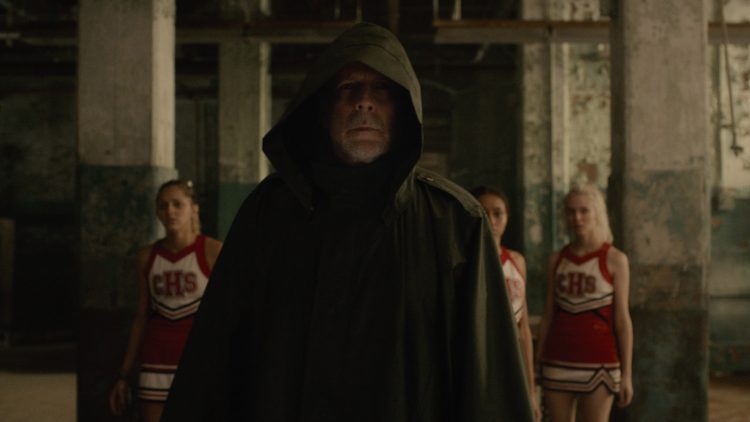
    Dunn tracks “The Horde” to an old factory after weeks of searching. After releasing the cheerleaders he goes head to head with “The Beast” in a near perfect matchup. However, they’re soon incapacitated and taken by Dr. Ellie Staple (Sarah Paulson) and a SWAT team.

    There is so much to admire about the movie. For the first act, Shyamalan essentially gives you want you wanted — an Unbreakable and Split crossover with David Dunn going up against “The Horde.” It’s the kind of white-knuckle suspense that he does so well.

    From the cold open where David incapacitates a pair of neighborhood hooligans who knock out people for fun to Joseph helping him track down “The Horde” to the warehouse brawl, Shyamalan reminds us why he was such a successful director in the first place. It’s kinetic and tense and scary. So when Dr. Staple takes over the movie it’s a jarring switch.

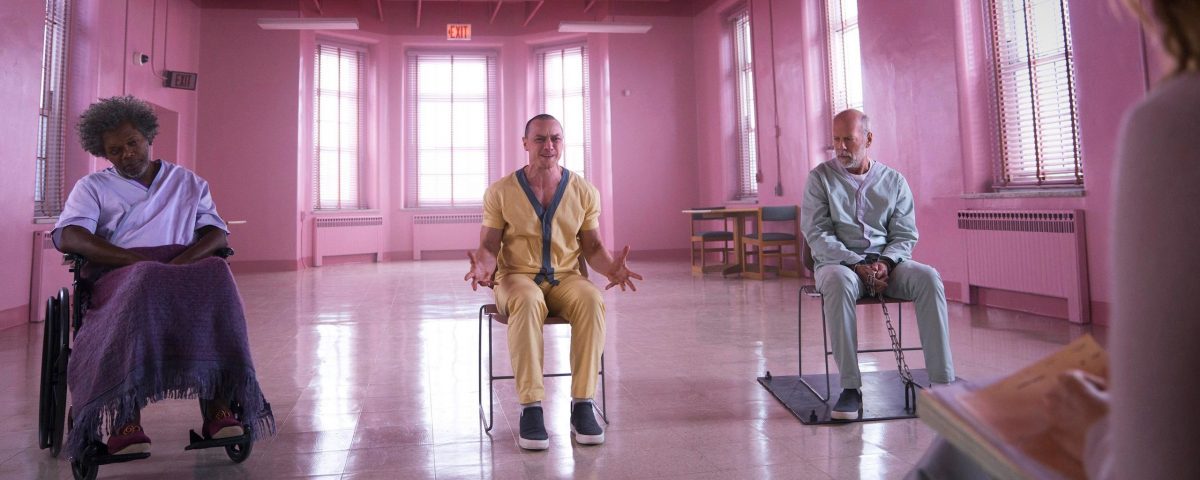
    David and “The Horde” are locked in a high-security mental institution — David in a room that would flood him with water (his one weakness) if he tried to escape and “The Horde” with a flashing light that incapacitates them and switches the personality in control.

    Also in the facility is Elijah Price — aka Mr. Glass — who was David’s arch-nemesis in Unbreakable. However, he has been heavily sedated and unresponsive for years. Though his mother Mrs. Price (Charlayne Woodard — fantastic here) still tries to visit him.

    Glass movie
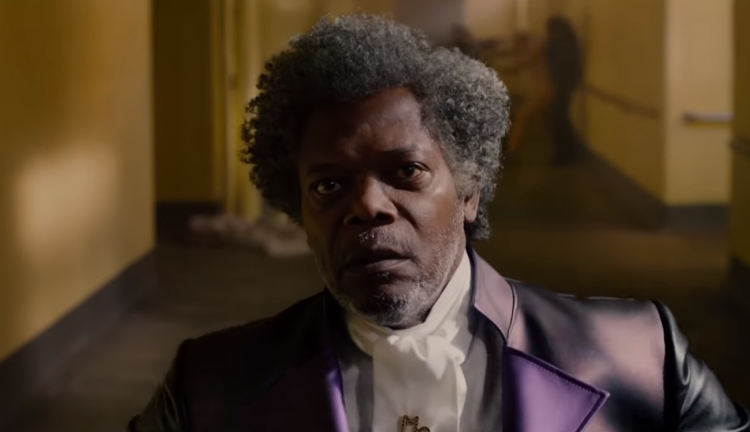
    Samuel L. Jackson in M. Night Shyamalan’s GLASS

    We learn that Dr. Stapler is a specialist in people with the specific delusion of being a superhero and was given three days to convince the trio that they don’t actually have powers. So, much of this section of the movie — the largest section — is monologuing about the very nature of superheroes. Glass continues to explore the mythology started in the first movie about comic books being records of the remarkable things that people can actually do.

    More interestingly, though, it forces David and “The Horde” to actually reconsider their importance in the world. They truly question whether they are just normal people with very specific traumas. The movie becomes a dance between Dr. Staple, “The Horde,” David, and Mr. Glass — who might be more aware than he lets on.

    The plot stalls in a way that will divide audiences. Truthfully, it didn’t entirely work for me. But it completely worked for my boyfriend. And I can see how someone would be completely taken with the movie. The pacing didn’t work for me, but all the punches it was taking landed.

    The final act is something of a marvel. What the movie pulls off is quite a stunner, which is why I end up being more positive on the movie as a whole than negative. Glass is not structured like a movie “should” be, but it somehow still builds towards a satisfying finale involving Joseph, Mrs. Price, and Split’s Casey Cooke (the great Anya Taylor-Joy). Let’s just say that Shyamalan still knows how to pull off a twist — or a couple.

    I owe Glass another viewing. It’s ridiculous and ambitious and unexpected, which are all reasons why I didn’t connect with it this time around. I have a feeling knowing what I’m getting into will make me understand it more. Either way, whatever you think of M. Night Shyamalan, you have to appreciate what he’s done here. He maybe doesn’t have all the skills to pull something off, but he certainly has the guts. And sometimes that’s all it takes.

    Glass is in theaters now.