Category: Movies

  • Life review — Strong on thrills, weak on character

    Life review — Strong on thrills, weak on character

    Life is an interesting and sleek take on the horror movie in space premise, but it’s too weak on character to bring anything new to the genre.

    Between Gravity, The Martian, and now Daniel Espinosa’s Life, there has been enough movie reaffirming my decision not to go into space… ever. Although, Life has more in common — or blatantly rips-off — Ridley Scott’s masterpiece Alien.

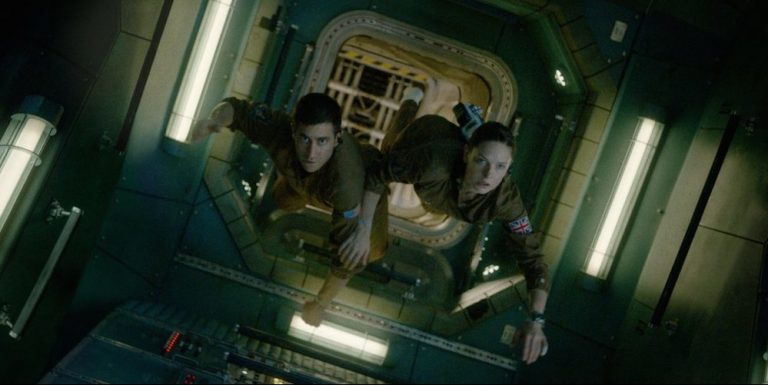
    At the beginning of Life, tension is high as the six-person crew of the International Space Station (ISS) prepare to capture a space probe that is carrying soil samples from Mars. Katerina Golovkina (Olga Dihovichnaya), the captain of the ISS, is coordinating the capture while Rory Adams (Ryan Reynolds) is controlling the arm that will “catch” the probe. They are successful and quickly bring the probe in to let biologist Hugh Derry (Ariyob Bakare) analyze the samples. What they find is quite astonishing — the first proof of life outside of earth. This scene is shot in a long-take that feels reminiscent of Alfonso Cuaron’s Gravity without the stunning special effects. However, it does prime us for the incredibly tense journey that is about to follow.


    The organism, which is named Calvin by school kids watching from Earth, is “all muscle, all brain, and all eyes,” is being studied — and admired by — Hugh, who is more concerned with the scientific advancements it could bring rather than the danger. Looking on is Quarantine Officer Dr. Miranda North (Rebecca Ferguson) and senior medical officer Dr. David Jordan (Jake Gyllenhaal) who are suspicious of having an unknown being onboard. Nevertheless, the discovery is incredible and Calvin holds reverence with Hugh. After a few scenes of “character building” on the ship — I’ll explain why that’s in quotes later — which includes Sho Kendo (Hiroyuki Sanada) helping his wife through labor via Skype, the unthinkable happens. As Hugh is working with Calvin in the lab, the organism — which has grown significantly — latches on to his arm and begins to test its strength by crushing it. It’s a gruesome scene, but it’s also incredibly effective. This set piece — which involves trying to prevent Calvin from escaping — is the movie’s chest-bursting scene. From there, it turns into a game of cat-and-mouse while Calvin tries to stay alive by killing the crew.

    One of the few facets of this movie that I will say it did better than Alien is its handling of the horror elements. While it does fall into the jump scare pit, it does tension in a way that Alien never quite hit with me. The scenes of pure horror in Alien are so short that you never really get a chance to savor them. In Life, Espinosa lets the scenes last and you can never truly let your guard down throughout the movie. In fact, you flinch any time a cabinet is opened or a corner is turned. I’d take the Xenomorph over Calvin any day.

    However, what Life fails where Alien truly succeeded is at the character level. There isn’t a single character in Alien that you feel is underdeveloped or underused. Everyone from Sigourney Weaver’s Ripley to Yaphet Kotto’s Parker is necessary to the plot and make you care about them and their survival. On the other hand, Life doesn’t give you any personality behind the characters. The closest we get is Jake Gyllenhaal’s David and his dread of going back to Earth. Still, you can switch around any actor or any character or any character path and you’ll still get the same result. This is not at the fault of the actors. Gyllenhaal does great work here as usual, as does Dihovichnaya and Ferguson. Bakare is the real discovery here for his nuanced and balanced performance. However, they simply never get the chance to carve out their characters. There simply isn’t time in this lean movie.


    That being said, I thoroughly enjoyed Life. It’s everything you’d want out of a horror movie in space movie. The story is efficient, the creature design is interesting, and the production is well-done. The movie loses its way a bit in the third act — it feels a bit cheaper than the beginning of the movie — but the first two acts are certainly strong enough on their own right. However, the issue that’s holding me back from giving this a higher score is its meaning. Alien was a study of nature, Gravity was about human will, The Martian spoke about collaboration. Life doesn’t offer anything further than what is on its surface. Unfortunately, its ending contributes to that. You almost feel cheated. But I’d still recommend it. It will entertain you for its short running time and leave you gripping the armrest.
    ★★★ out of 5


    Life is available on Blu-Ray and Digital HD on Amazon!

  • It Comes At Night review — A stunning and terrifying post-apocalyptic thriller

    It Comes At Night review — A stunning and terrifying post-apocalyptic thriller

    Atmospheric and menacing, Trey Edward Shults’ sophomore feature It Comes At Night is a family drama disguised as a horror movie that works on both levels.

    The “it” in the title of Trey Edward Shults’ sophomore release It Comes At Night is as much of a mystery as the plague that has driven the characters in the movie into seclusion. Though the set-up of the film feels familiar — a pandemic has plagued the population and pushed resources to their minimum — Shults, the visionary behind the terrifying Thanksgiving dinner in Krishadoes away with the exposition quickly and leaves us with a truly terrifying humanist drama.

    The pandemic in It Comes At Night is never the focus of the film. All we know is that people are becoming sick and dying, resources are scarce, and the living are doing their best to protect from contamination and anything else lurking in the woods. Shults, who also wrote the film, doesn’t go for the cheap scares. If anything, the anxiety of anticipating the scare is more terrifying than anything a studio horror film could muster up. Instead, much like his debut film, he goes for atmosphere and building tension. The camera — Krisha‘s DP Drew Daniels also shot this film — slowly navigates the dark nooks and crannies of the remote forest home that the movie takes place in while Brian McOmber’s screeching score with a heartbeat baseline plays in the background. It Comes At Night features the worst attribute an audience member can go up against in a horror movie — patience.


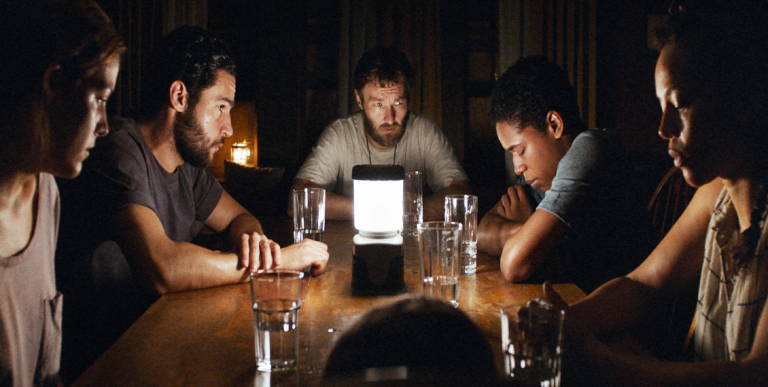
    The film opens with Paul (Joel Edgerton), Sarah (Carmen Ejogo), and their teenage son Travis (Kelvin Harrison Jr.) surrounding Sarah’s sick father as he slowly succumbs to the pandemic. After disposing of his body, we are introduced to their home — and dog, Stanley — which they have boarded up and turned into a stronghold. Paul maintains strict rules that are meant to keep his family safe and maintain a sense of normalcy — they all eat dinner together every night and unless absolutely necessary, they do not go out at night. However, when they have a run-in with another family, they take the opportunity to add some companionship to their day to day lives. This other family consisting of Will (Christopher Abbott), Kim (Riley Keough), and their young son Andrew (Griffin Robert Faulkner), is taken in by Paul and Sarah and shown a hospitality that is often shown in moments of distress. And for a time, life seems a bit easier. However, like anything good, it has to come to an end. Tensions rise as mistrust begins to run rampant in the house. And like any other animal, when back against a corner, humans attack.

    I think A.O Scott put it best in his review saying, “Mr. Shults’s first feature, the remarkable Krisha, was a family drama that often felt like a horror movie. It Comes at Night is the reverse.” The horror elements of It Comes At Night, largely relegated to Travis’ nightmares, are the centerpiece of the movie. However, the bulk of the movie is this question of the lengths people will go to protect themselves and their loved ones when times become desperate. Shults explores it intimately but leaves all the answering to the audience. It’s one of the most interesting things about the movie. There are no clear answers or signs pointing in a particular direction. If anything, any symbolism that Shults includes almost further complicates any dissecting that can be done in the movie. It’s what makes this movie so polarizing. Anyone expecting a straight horror movie will not get that. However, what you do get can only be described as a masterpiece.

    Joel Edgerton gives what is, in my opinion, the best performance of his career, which is only another indication that he is becoming one of our greatest actors — his performance in Loving was originally, for me, his best performance. It’s a realistic performance that shows our innate conflict in difficult situations flawlessly. Carmen Ejogo also does great work as a woman who is desperately trying to hold on to her morals and Kelvin Harrison Jr. tackles the difficult task of being our point-of-view beautifully. However, in addition to Edgerton, the biggest standout for me is Riley Keough. Her role is less plot-focused than the other characters, but she represents, along with her son, innocence in the situation. She’s seeing everything from the perspective of the old world even though nothing is the same.


    It Comes At Night is about anxiety and the toll that it can take on you physically and emotionally. It’s about the lengths to which we will go to survive. It’s about the compassion we can feel in the darkest of situations. It’s about trust, how it’s earned, and how it’s lost. Shults balances all these themes without straying from its psychological thriller roots. He is a visionary filmmaker that understands that film is not only about making the audience feel but also think. And think you will. Sometimes the thinking is the scariest part of the film. Because once you think you understand something, you see it from another perspective or something happens to make you rethink everything. This is a morality play at its finest. There are no heros and no villains. There are simply humans in a house.

    ★★★★ out of 5


    Watch It Comes At Night on Amazon!

  • You’re Next Movie Review — Pitch black comedy and fun thrills

    You’re Next Movie Review — Pitch black comedy and fun thrills

    images-1

    The first time I watched You’re Next was when it finally made it to a wide release after making the rounds at festivals for nearly two years. Although it already had a lot of premise-bias against it, its biggest hurdle was to overcome the success of “The Conjuring,” which premiered earlier that summer. Although “The Conjuring” didn’t make any strides for the genre, it did what a horror movie was meant to do: horrify. You always have to take caution with indie horror films. Sometimes they become more niche than you would have liked them to be. However, You’re Next

    Coming out of my first viewing of “You’re Next” I was a bit unimpressed. I walked in with high expectations considering the story behind its release and the strong buzz surrounding the movie. However, I couldn’t help but feel a bit gipped by the film. I wasn’t incredibly scared, I wasn’t charmed by it like some, I found it to be a moderately successful home invasion film. However, upon my second viewing on Netflix, the film got me, and it got me good.

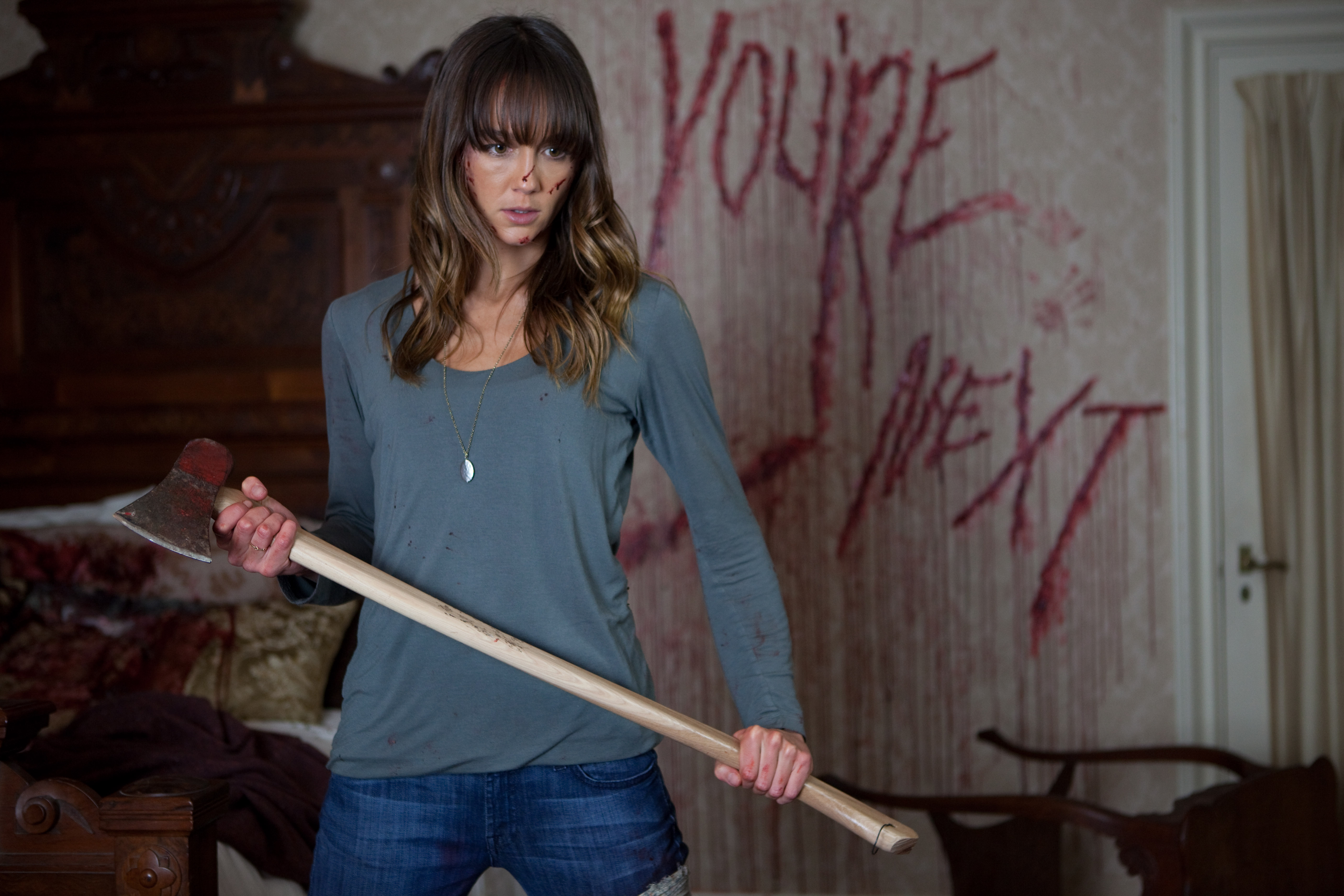
    You’re Next tells the story of the wealthy Davison family, headed by Paul (Rob Moran) and Aubrey (Barbara Crampton). They, along with their adult kids, spend a weekend at their vacation home in a remote location in the woods, but the film quickly takes a turn for the worse as masked assailants begin murdering the family members one by one. As the night of terror unfolds, our heroine, Erin, brilliantly played by Sharni Vinson, somehow makes it out of close calls and terrible violence to solve the mystery of who is attacking the family.

    I’m going to say this in all caps because it needs to be said in all caps: ERIN IS A BAMF! So much of the success from the second half of the film when the jump scares and black humor subside is attributed to the character of Erin and Sharni Vinson’s performance.

    Horror fans will love the clichéd characters and frequent jump scares, while film snobs can take solace in the fact that this is indeed a homage to the genre. For everyone else, this will be a thoroughly entertaining night of thrills and gut-busting humor. Along the way, we do experience unlikable characters and some absurdity that one should expect from this kind of film. But these common missteps never prevent one from enjoying everything else it has to offer.

    “You’re Next” is one of those rare films that knows exactly what it is and aims directly for it. The mix of gore, humor and familiarity takes the film from being a passable “B” movie to a successful and well-executed homage that may change the way we view the genre.

    Do you have a suggestion for a Netflix Flick of the Week? Tell us by tweeting at us with #NetflixFOTW and maybe it’ll be featured on Smash Cut!

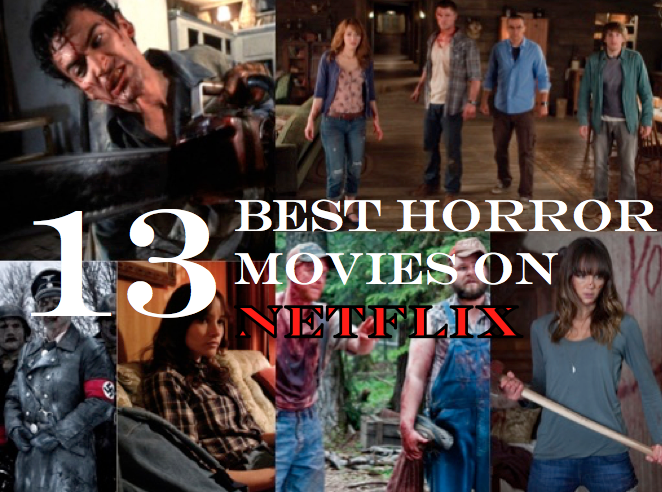
  • 13 Best Horror Movies on Netflix

    13 Best Horror Movies on Netflix

    Best horror movies on netflix

    It’s almost Halloween, which means that you’re looking for one thing: horror. And blood and guts and gore too, I guess. What better way to find those things in a safe and controlled way than watching horror movies at home on Netflix? So, for your ease and pleasure, here is a list of the 13 Best Horror Movies on Netflix.

    Note: This list is based more on entertainment rather than quality, which is really the only way to judge horror flicks. You have been warned.

    13. V/H/S 2
    It’s a clever conceit. V/H/S took the concept of a found-footage horror movie to the next level with 6 directors and 9 writers creating a grouping of short films stitched together by an overarching terrifying narrative. Despite the strong concept, the original V/H/S/ was hit and miss for me. Mostly because of the varying quality of the shorts. However, V/H/S 2 takes that concept and goes batsh!t crazy. Gore, aliens, and zombies is all you need apparently. Although the film still has its lulls and is pretty much as hit and miss as its predecessor, it still makes for a great night of horror.

    12. Grave Encounters
    You know that show Ghost Adventures with Zak Bagans, a man we’re supposed to trust even though he only has a “k” in his name? This movie is like that, but good. I mean we’ll start off with the fact that it so hilariously parodies a fake ghost hunting show, and when I mean fake I don’t mean fictional, and keeps you thoroughly entertained during the entire setup. However, when the shit hits the fan it doesn’t just hit everyone, it breaks the fan. A group of ghost hunters in a mental asylum where they can’t trust what they see or where they are. Sounds like horror to me. Although so much of the success of the film is reliant on dread, there are still enough jump scares to last you that never ending night.

    11. Pontypool
    Zombies and radio. Sounds like my kind of movie. Pontypool is a type of zombie movie that no one has seen before. The concept that words are infecting us is something I never even imagined, so the fact that these filmmakers were able to come up with and flesh out (pun intended) this concept is impressive. Even more impressive is that the film turns at to be dreadful, funny, and heartfelt, so much that by the time the screen cuts black, you sit there not wanting it to end.

    you're next10. Paranormal Activity 3
    The first movie was good because it felt so important. There was nothing out there like it and it was the fans who released it. Remember that whole “like” campaign where you had to like the film to bring it to your city, then when it reached a certain amount it’d get a wide release? Yeah, as a marketing major, that was one of the greatest viral campaigns ever organized. That and Kony 2012, but that’s a completely different story. Although on second inspection the film wasn’t as great as we thought it would be, the 3rd installment finally took the concept to an entirely different level. It balanced the creep and suspense with big scares so well, and it just goes to show you that throwing in a couple kids always makes a movie scarier.

    9. Dead Snow
    Killer zombie nazis. Enough said.

    8. You’re Next
    You’re Next starts and ends as two completely different movies. You begin watching what looks to be a pretentious indie horror flick simply looking to be a smarter, more stylish version of its mainstream counterparts. I’ve never been so wrong in my entire life. Well, maybe I have. Either way, it’s clear about halfway through You’re Next that you’re with it till the end, mostly because of the BAMF lead character Erin who grew up in a survivalist camp in the Australian Outback. Could she be our next Ash Williams? See our full review here.

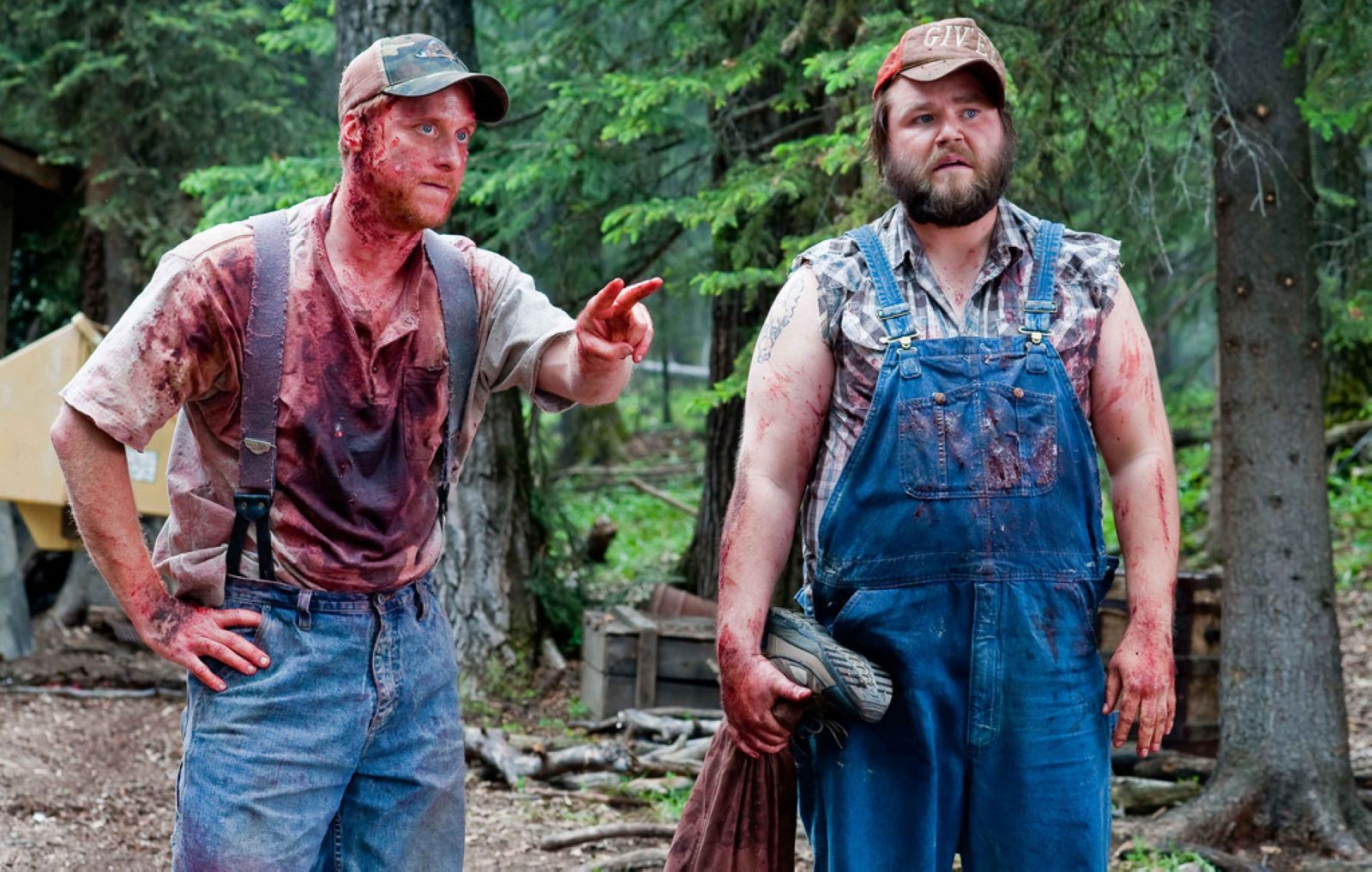
    tucker & dale vs. evil7. Tucker and Dale vs. Evil
    See our review here.

    6. The House of the Devil
    It’s an homage to the horror films of the 60s and 70s, which could be a great relief to someone tired of frequent jump scares and paint by the numbers plots. It’s a masterful movie based on suspense and dread rather than the constant barrage of “jump out of your seat” scares that get old after the 3rd time. There are baby sitters, creepy rituals, and a final reveal that’ll make you ask for more.

    5. The Omen
    This is really the only classic on this list, but it’s definitely one of the few horror movies that would come close to making my Best Films overall list. Although it doesn’t really go for the screams, The Omen knows how to creep people the f*ck out. From hangings to decapitation, it is the true definition of horror. I mean, just throw the word “antichrist” out there and you know you’ve got a movie on your hands.

    4. Scream
    It arguably set the precedent for the modern day horror film. The brilliant mix of horror, gore, and comedy started a chain of horror movies that in reality we could have done without, but like anything that spawns copycats, the original is always the best. What makes Scream even better is its self-awareness of what type of film it is. It knows it’s there for fun and it frequently capitalizes on that fact. Great jump scares coupled with crippling suspense make this teen slasher the perfect Halloween screener. However, if you don’t watch it for that, at least give it a once over to see the who’s who of new celebrities launching their careers.

    3. Let the Right One In
    This is another one of those movies where the less you know the better. Either way, give it a watch. Especially you Twilight fans. See what a proper vampire movie is supposed to be.

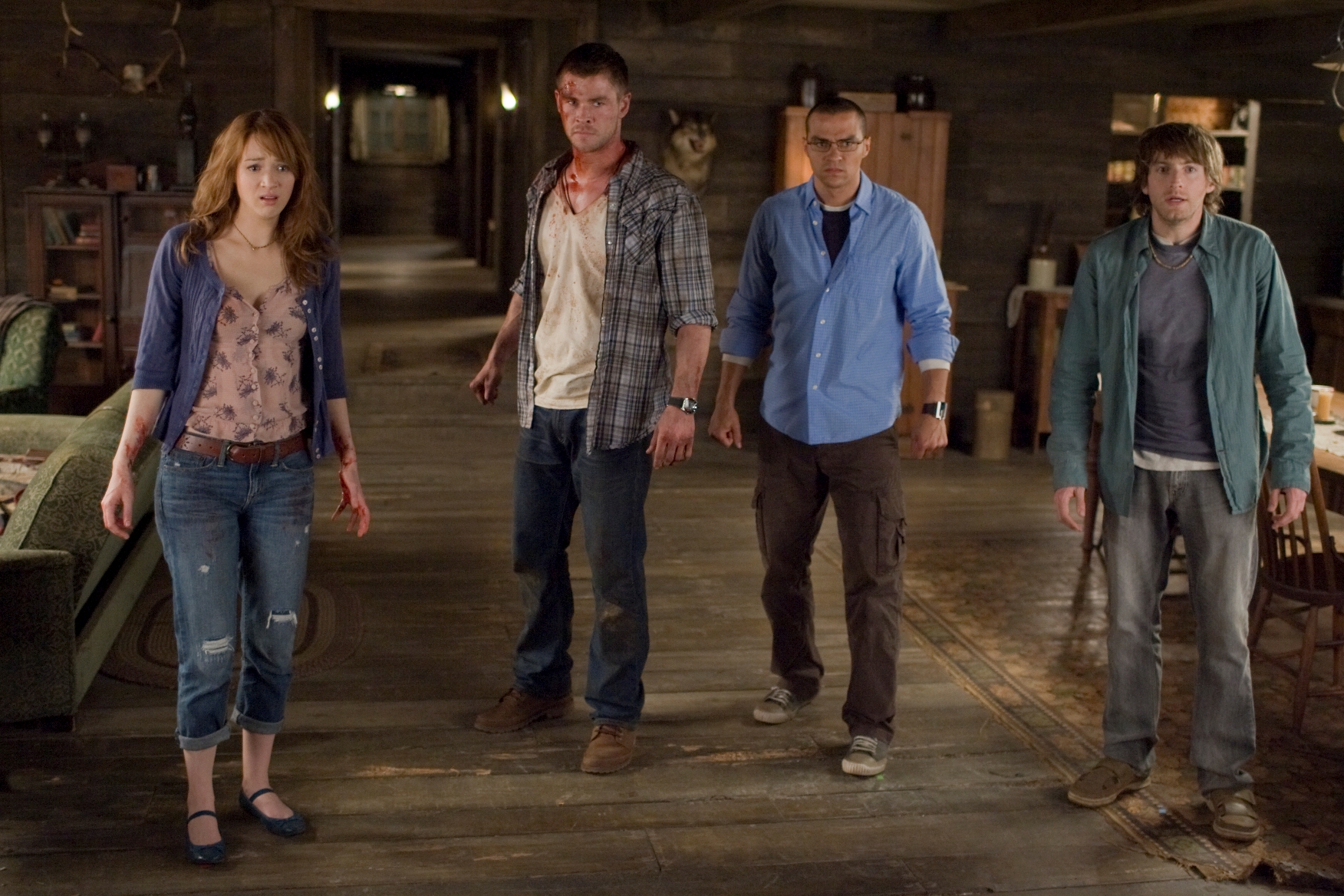
    The Cabin in the Woods2. The Cabin in the Woods
    As of last night, I’ve watched this film 14 times. I. LOVE. IT. The best part about this film is that it’s essentially two movies in one. You have the classic horror movie set up of 5 friends going to a cabin in a remote part of bumf*ck USA (we’ll talk more about this with number 1) and the two mysterious men in short sleeve button downs and ties planning some ritual. I’m not going to go further than that, because watching this for the first time my senior year of high school with my two best friends and no expectations was one of the best experiences I’ve had at the theater. It’s funny, gory, and sometimes legitimately scary, but it’s also one of the best satirical horror movies I’ve ever seen.

    1. Evil Dead 2: Dead by Dawn
    Speaking of the classic horror movies setup, the Evil Dead series basically set the precedent for that. Even to the point that The Cabin in the Woods is a quasi-remake of the film. However, even more impressive, Evil Dead II is basically a parody of the first film. We bring back Bruce Campbell’s Ash, who will always be one of the greatest movie characters, and throw in a bit more gore and tree rape and add some of the best and slightly disturbing slapstick comedy I’ve ever scene on film. I mean, Sam Raimi parodied his own movie! Who does that!? He does apparently. WATCH THIS ISH!

    [Tweet “Zombies, vampires, and ghosts. Here are the 13 Best Horror Movies on Netflix: “]

    What are your favorite horror movies on Netflix?

  • Unfriended Movie Review — A smart premise makes for a great horror movie

    Unfriended Movie Review — A smart premise makes for a great horror movie

    Unfriended turns your laptop into a horror movie with smart atmosphere building tension

    The most successful of horror movies are those that can unsettle you where you feel the most comfortable. And what is more comfortable of a place than at home on your laptop? I mean, chances are you’re reading this on a laptop. Even as I am writing this review I’m toggling between different web pages, iMessage, and even popping into the occasional Skype session (which is probably not the smartest idea after watching this movie). This is what the latest indie horror flick Unfriended thrives on. Fear of the mundane. Though to be fair, the situation portrayed in the film is anything but.

    At its core, Unfriended is a classic slash flick with a bit of I Know What You Did Last Summer thrown in. We are introduced to the five friends who make up the “players” in this convoluted game. Luckily for us, they’re easy to keep track of since they’re confined to their own little boxes on the screen in one impossible long shot. Also, they inhabit the stereotypical horror movie characters. We have the virgin, her boyfriend, the athlete, the fool, and the whore. Which are easily adapted from the simple breakdown in The Cabin in the Woods.


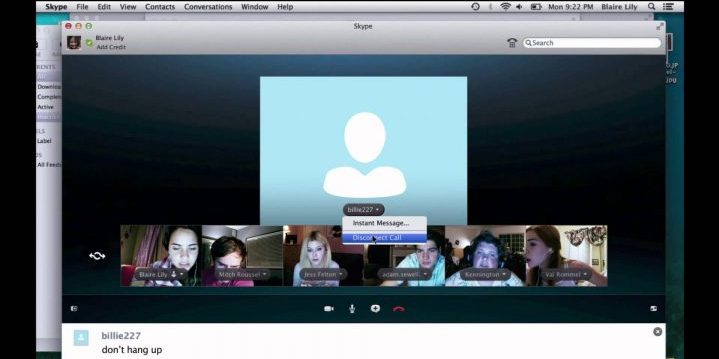
    However, where the film takes a turn for the creative is its setting. The entire film takes place on the laptop of high school student Blaire Lily (Shelley Hennig) as she navigates different windows as her Skype session goes from bad to worse. On the one-year anniversary of the suicide of their classmate Laura Barns (Heather Sossaman), Blaire watches the video of the teenager killing herself on camera. We then see her looking up the video itself, which depicts Laura passed out drunk having defecated herself.

    This is why the film is more successful than other “found footage” horror films that take place on computers like The Den and Open Windows and some slasher flicks in general. Screenwriter Nelson Greeves and director Leo Gabriadze take advantage of the nuances of a personal laptop. From viewing Blaire’s search history and Facebook page to watching videos on YouTube and reading online news articles, the usual clunky expositional dialogue of most horror movies has been replaced by these small looks into the world they’re living in. Even the relationship between Laura and Blaire is explored using the Facebook “see friendship” feature.

    The film begins a Skype chat between the five friends, with an unknown sixth participant. Despite their various attempts to get ride of “billie227,” they can’t. The session takes a turn for creepy when the group begins receiving messages from Laura Barnes’ Facebook. The innocent harassment elevates to threats when she starts dealing out incriminating photos of the group, which leads to fighting amongst themselves, while also fighting for their lives. This leads to different games that the group must participate in at the hands of the ghost of Laura Barnes.

    However, don’t think that the film just goes for cheap jump scares and gore, although there are plenty of those. The film actually shows a surprising amount of restraint. Using their technological landscape to their advantage, the filmmakers build tension with shoddy connections, buffering, and even the dreaded pinwheel of death.

    The second half of the film focuses on a tension-filled lethal game of “never have I ever” that leads the characters to face their past sins, while also feeling what Laura felt after her cyber assault. This is what the movie’s frank lesson is. The dangers of cyberbullying, its consequences, and the cruelty of people and technology. Sure, the lesson is overt, but it is an important one to note.


    This is where I’m going to set the record straight. Unfriended would be an average horror movie at best without its intriguing “found footage” concept. Its general conceit is a slasher revenge film, all the way down to the characters involved. That being said, the concept of the entire film taking place on a laptop screen brings it above and beyond what many horror movies have been doing in recent years. It builds tension opposed to just going for constant cheap jump scares, and it even unsettles you from something in your everyday life. It’s not going to go down as a horror classic, but it should be appreciated for what it is: a stupidly fun movie.

    Unfriended is available on DVD, Blu-Ray, and digital on Amazon!

  • Lights Out Movie Review — Good ol’ fashion scares make for a fun watch

    Lights Out Movie Review — Good ol’ fashion scares make for a fun watch

    Looking for a spooky fun horror movie to watch? Well, Lights Out fits the bill.

    My favorite thing to do when watching horror movies now is not knowing a single thing about them. No trailers, no reviews, no synopsis. While it becomes difficult to decide what to watch when you do that, often the result is a movie experience like no other. Our most recent success story is probably going into The Invitation blind. It ended up taking top spots on me and Brian’s best of the year list so far. There was a surprising buzz behind Lights OutThe buzz felt like the kind that an indie horror would get even though it was distributed by Lights Out. That’s why when Brian and I heard about it, we were instantly intrigued.

    When the movie started and the opening beats began Brian turned to me and said “it’s starting already. I’m not ready for this.” That’s because had an eerie mix of dark and brooding atmosphere and these well-executed jump scares that instantly put you on edge. I had a heard time keeping my hands away from my face, which is a lot more impressive considering we were watching in a dine-in theater and I could have been eating my Philly flatbread.


    The opener does what every good horror opener should do and that makes you ask “what the hell is going on?” It Follows’ opening scene does this perfectly and so does the one in Lights OutI’ll leave you to be freaked out by this one.

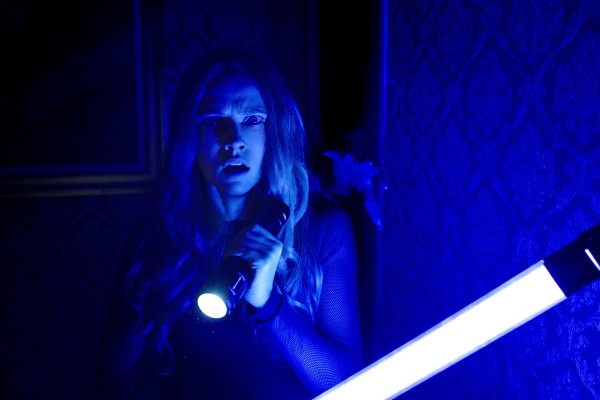
    I think that it’s pretty safe to give a vague synopsis of this movie because unlike The Invitation it isn’t integral to the plot. We are introduced to Rebecca (Teresa Palmer), a seemingly normal angst-filled punk millennial with commitment issues. While this sounds like the making for that horror movie character that you hope dies first, the movie provides enough depth to make her more relatable than anything.

    Her mother suffers from a mental illness that seems like manic depression, which gives Maria Bello some really great material to work with. Rebecca resents her mother for not being there for her during her childhood. In reaction to this, she runs away, which is a theme that is revisited often throughout the film. Her kind-of boyfriend Bret (Alexander DiPersia) even says in one of the film’s stronger character moments: “Are you doing this to help him or hurt her?”

    That story arc is what carries this film past its jump scares and classic horror movie formula to actually make it kind of compelling. That being said, there are some really effective scares in the movie that make it for an incredibly good time at the movies.

    The movie presents some interesting rules. Their mother has an “imaginary friend” who she only talks to in the dark. This causes Martin (Gabriel Bateman), Rebecca’s little brother who still lives with his mother, insomnia. However, this friend ends up not being so imaginary and is willing to do anything to stay “friends” with their mother. The catch? It can’t be seen and has no power in light.


    The movie sets the rules and sticks to them and even presents more rules that raise the stakes. Narratively there is no separation between the character drama and the supernatural elements. They’re one in the same. It makes the movie go by so fast and prevents it from being clunky like other horror flicks that try to alternate between the two.

    I say this a lot about movies but Lights Out doesn’t try to reinvent the horror movie. It uses some good old fashioned jump scares and a tense atmosphere to make a really effective scary movie. One of my favorite moments of the movie comes at the beginning when a character turns off the lights in a room and sees the monster then turns it back on to just have it disappear, then turns the lights back off to see it again, and does it again, and again until… well, you’ll just have to find out. Lights Out is good fun that makes for a perfect late night popcorn flick. 7/10

    Lights Out is available on DVD, Blu-Ray, and digital on Amazon!

  • The Neon Demon Movie Review — Pretentious Garbage with A Little Bit of Style

    The Neon Demon Movie Review — Pretentious Garbage with A Little Bit of Style

    Obsessed with style over substance, Nicholas Winding Refn’s The Neon Demon is a narrative mess that pretends it’s a movie by adding strobe lights and slow motion

    I rarely write reviews for movies that I dislike. They’re just difficult for me to write unless I dislike one passionately. Well, The Neon Demon is one of those movies. I don’t think I’ve ever watched a film so repulsively bad that I felt like I wasted my time and energy watching it.

    The Neon Demon tells the “story” of Jesse (Elle Fanning), a small-town girl who came to LA with big dreams. I know, original. She pursues a job in modeling to pay the bills because her parents died. Even better. Of course, there’s something about her beauty that drives everyone in this movie universe wild. In one laughable scene during a runway audition, the designer who didn’t even give the other models the time of day looks up at her and is instantly enraptured in her beauty. Cue the eye roll.

    As Jesse finds success in the town, she becomes narcissistic and self-absorbed. However, this happens out of nowhere. There’s no development. One second she’s a meek girl who thinks plastic surgery is bad and can barely contain a smile when people call her beautiful, and then in an instant becomes an arrogant and stereotypical supermodel. Refn confuses character development with these strobe light sequences that take the place of actual plot.

    Some of the women in particular who feel this animosity towards Jesse are two other models, Gigi (Bella Heathcote) and Sarah (Abbey Lee), and a make-up artist, Ruby (Jena Malone) who give it their best in the film. Elle Fanning, on the other hand, feels wooden and emotionless and makes you want to see her downfall.


    For a movie that seems so stylistically modern and advanced, the plot is one so simple and contrived. While it could make for an interesting critique of the modeling industry and the pressure to be more beautiful than the next girl. However, in a classic style over substance debacle, instead we see a mess of a plot. Even in moments when we’re supposed to be scared or thrilled, particularly in the tacky third act, you laugh at the absurdity. 

    In so many words, nothing happens for 90 minutes, then everything happens. And well, that everything involves necrophilia, cannibalism, and literal bloodbaths. However, to best summarize the movie, I’m going to let Brian say it:

    “I love a movie with a lot of style. I love a movie that is unconventional. I love a movie that has layers. I do not love a movie that is 99% diluted style with 1% barely existent storyline. This movie has great elements. It was well-shot. It had great actresses and actors. It has a compelling style (in some scenes). But I was completely lost by how bedraggled and messy it all seemed to get. There is really no cohesive story. Sure, I get the metaphors for the vapid way we treat women with blatant misogyny in the fashion industry. I get all of what this movie is supposed to represent. I got it all because it was barely a metaphor. It was more slapped across your face the whole movie without a modicum of subtlety. I wanted to like this movie; I really did, but all it has to offer is dramatic shots that lead nowhere, little well-written dialogue, a ridiculous Keanu Reeves, and crass scenes that just end up repulsive and not intriguing. Polished garbage is still garbage.”

    1/10

  • Alien: Covenant review — A confounding and disappointing entry in the franchise

    Alien: Covenant review — A confounding and disappointing entry in the franchise

    Alien: Covenant attempts to revive the series following a few lackluster entries. However, it’s quickly apparent that fan service has done a disservice to the movie.

    After the mixed response to Prometheus — unjustly, in my opinion — Ridley Scott looked to reboot his beloved Alien franchise with a back to basics horror movie that would give genre enthusiasts and Alien fans, like myself, a jolt to the system. What made Alien such a successful and groundbreaking movie is its simplicity, which is especially notable against the backdrop of larger films like Star Wars and 2001: A Space Oddessy. Scott didn’t push to make the next great sci-fi movie. He made an effective, suspenseful, and terrifying horror movie set against the backdrop of a great sci-fi movie.

    With Alien: Covenant, he returns to the setting of a dark, claustrophobic spacecraft — for a time — and populates the world with a cast of “everyday” people. The colonization ship Covenant is on a years-long mission to Origae-6, which they intend to set up a colony with the more than 2,000 people in cryosleep on board and 1,000 embryos. The only conscious passenger is Walter (Michael Fassbender), an updated android model of David from Prometheus (the movie is set 10 years after the events of that film). When a neutrino burst damages the ship, including the cryosleep pods, and kills the ship’s captain (James Franco), the crew — now led by second-in-command Christopher Oram (Billy Crudup, who is following up his fantastic performance in Jackie) — decides to explore a closer planet from where they have received a mysterious transmission. They discover that the planet is an idyllic place with wheat fields, high mountains, and fresh water. It is a perfect place for a colony, as several characters note. However, it may be too perfect.


    After exploring the surface, two crew members become infected after inhaling a microscopic pore that does the job of a face hugger a lot more slyly. From there on, chests and spines are burst, xenomorphs run amok, and people make stupid decisions. It’s what we love about the Alien franchise wrapped up into one movie. However, Scott has other plans for the movie. Halfway through, there is a considerable shift in mood and tone when Alien: Covenantthe team discovers that David (also played by Michael Fassbender) has been stranded on the planet for some years. He takes them through a graveyard of engineers who have been preserved like the people of Pompeii. This is where the movie loses me. Instead of the straight, efficient narrative of the first three Alien movies, Covenant gets lost in a labyrinth of themes and storylines that it loses a lot of the momentum it builds during its first half. At one point, the entire audience laughed at the film. Not with it. At it.
    The film is at war with itself by trying to be the best of all the films in the franchise at once. The movie opens with a flashback to Peter Weyland (Guy Pearce) and his first interaction with the android David. At one point, David says, “You seek your creator. I am looking at mine. You will die. I will not.” It’s this heavy-handedness of its themes that make the film trying to get to, especially during its uneven second act. However, one facet almost saves it: Michael Fassbender. His dual performance as the androids Walter and David is one of the most compelling of his already impressive career. A scene later in the movie when David teaches Walter how to play the flute is gorgeous, beautifully performed, and made all the more impressive by the fact that it’s a single actor in the scene. Fassbender would be an early contender for Best Supporting Actor if the Oscar weren’t biased against genre films.


    Alien: Covenant was disappointing to me as a fan of the franchise. It was a promising premise with a strong cast and a seemingly enlightened Ridley Scott. However, in the end, it is a middling entry in the series. Other than Fassbender’s two androids, there are no memorable characters and as for the mythology of the series, it simply muddies the waters further. Take the first act and last twenty minutes and you have a strong enough movie to warrant a sequel. However, at this point in the series, I think we need a hard reset. We deserve one.

    ★★ out of 5


    Alien: Covenant is available on Blu-Ray and Digital HD on Amazon!

  • Under the Shadow review — A satisfyingly spooky Iranian ghost story

    Under the Shadow review — A satisfyingly spooky Iranian ghost story

    Under the Shadow gives a unique spin on the ghost story genre by setting it in a time and city where horror movies don’t often take place.

    The horror genre was taken by storm in 2014 when Jennifer Kent’s The Babadook debuted to incredible acclaim. It’s deep dive take on the ghost story not only felt fresh and new but it also just affirmed the fact that we are in a golden age of horror. And though Babak Anvari’s Under The Shadow certainly bears a resemblance to Kent’s film — both concern mother and child under assault by a malevolent force — it infuses it with a unique political allegory that just begs the industry to start giving us more horror movies from diverse directors. If not for the sake of exciting voices, then for the unique perspective that we don’t often see in the suburbs of Anytown, USA where most ghost stories take place.


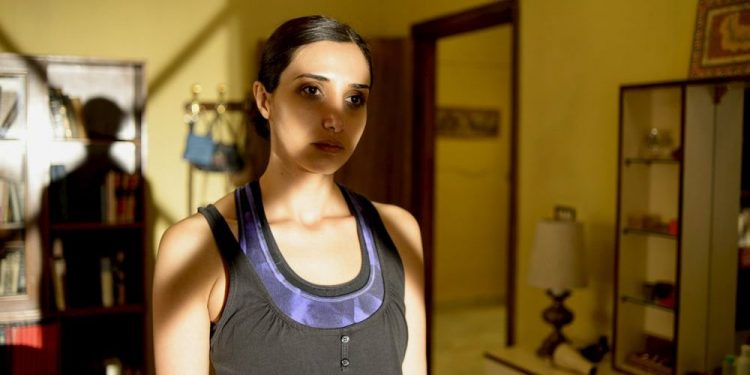
    Under the Shadow already takes a bold step in the genre by taking place against the backdrop of 1988 Tehran during the height of the Iran-Iraq war. Iranian society and the Iraqi bombs that seem to endlessly pummel the capital play as much of a role in the film as the monster at the center. Nights with sirens driving families to underground bunkers are a part of daily life as is the tape on the windows preventing them from shattering. And constantly, progressive women like Shideh (Narges Rashidi — her performance is a revelation) are constantly suppressed by their society. The film opens with Shideh being barred from continuing her studies in medical school because of her involvement in leftist political groups. Moments of female oppression are littered throughout the film. When she returns home, she throws out all of her medical books except for a book of terminologies that her deceased mother gave her. Her husband Iraj (Bobby Naderi), a doctor, does his best to assuage her disappointment over medical school, but it seems that he is just another reminder of her failure — she had to put her studies on hold to raise their daughter Dorsa (Avin Manshadi).

    Soon after, Iraj is called to the battlefront leaving Shideh — she refused to leave their apartment building to escape to her in-laws’ house — alone with Dorsa. While he’s gone, the missile sirens seem to be going off more frequently sending Shideh and her neighbors into the makeshift bomb shelter in the basement of their apartment building. One day, a missile crashes through the roof of the building and lodges itself in the floor of the apartment above the family, but doesn’t detonate. However, other than fear and shattered windows, the missile may have ushered in something more sinister. As mysterious occurrences become more and more frequent — classic “go bump in the night” phenomenon and a case of a stolen Jane Fonda workout tape — Shideh’s neighbor points to the possibility that a djinn may be responsible. In Middle Eastern culture, a djinn is an evil spirit similar to a demon in Western culture. However, for it to possess a victim, it must steal an item of theirs. So when Dorsa’s doll goes missing, a dark mood takes over the house.

    Soon after, families start abandoning the apartment complex to flee to safer cities. However, Shideh stubbornly stays put as one last defiance to her circumstances. But as time goes on and fewer people are adding life to the complex, a sense of dread takes over instead. Anvari uses the building’s dark corridors and home’s dark corners and hallways to create a labyrinth that never truly feels safe. However, Under the Shadow‘s greatest virtue is its atmosphere. Even when nothing is happening, there is tension in the air. In one memorable scene, Shideh does her workout routine — one that she usually does to a Jane Fonda workout tape from the time — in front of the blank television. It’s absent of score or real plot significance. Still, that scene stuck with me because of the feelings it inspires — dread, horror, sadness, desperation. In less than a minute, Anvari gives you an emotional update on the characters without a single line of dialogue. It gives you the sense that he could be a real auteur.


    Similarly to Essie Davis’ troubled protagonist at the center of The Babadook, Shideh is a mother who is afraid of her capabilities (or incapabilities) as a mother. However, Anvari adds an extra layer of political allegory. She’s living in a society where women are oppressed and that weight is palpable throughout the movie and that wears on Rashidi’s exceptional performance. Her character’s slow descent into madness is assured and adds to the terror. It’s hard to separate your feelings from hers. When she runs through the street at night to escape the nightmare in her home, you have a sense of relief because she made the decision that you wanted her to make. Of course, that relief is short-lived and again her society abuses her.

    Though Under the Shadow is steeped in symbolism, it doesn’t drown under the weight of it. There are clear themes of female oppression, motherhood, and the anxiety of war. But refreshingly, it doesn’t feel self-important or like those themes drive the movie. First and foremost, this is a well-directed horror movie that has just the right mix of atmosphere and old-fashioned scares to delight the mainstream audiences. When you look deeper, though, there are treats for cinephiles to unpack. It’s this balancing act that makes Under the Shadow such a successful movie. Anvari makes the most of every minute of the movie — at 84 minutes, it’s a quick watch — and makes you feel satisfied in the process. Under the Shadow is a perfect example of what can come from giving filmmakers from a diverse background the opportunity to exercise their craft. By just changing the perspective, you get a movie that is more complex and interesting than anything a studio can put out with the same plot and scares. Listen up, Hollywood.

    ★★★★ out of 5


    Under the Shadow is now streaming on Netflix and is available on Digital HD on Amazon!

  • Closet Monster Movie Review — An electric journey of self-discovery

    Closet Monster Movie Review — An electric journey of self-discovery

    Closet Monster is a unique take on the LGBT coming-of-age genre with a stellar performance by Connor Jessup

    The exploration of sexuality is a sub-genre that has emerged from under the glut of young adult coming-of-age stories. From Dee Rees’ confident debut Pariah or Barry Jenkins’ masterpiece Moonlight, the movies that encompass these themes are heartbreaking, but important in portraying stories that so often feel identical. While Stephen Dunn’s Closet Monster doesn’t quite touch the artistic heights set by those two films, his singular style and focused storytelling make it a strong entry into the canon of the gay coming-of-age genre.


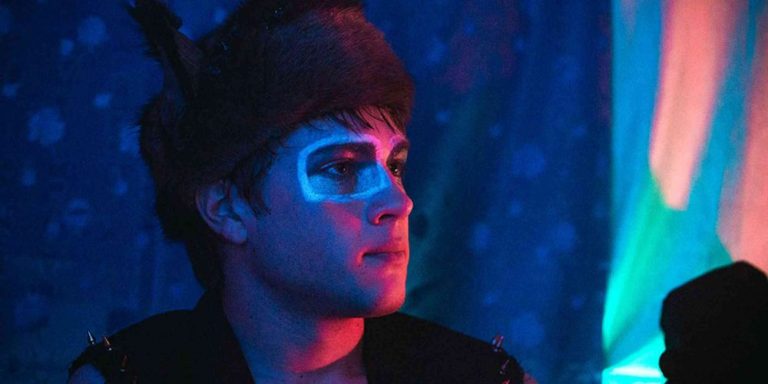
    There are those moments in the youth of LGBT kids when they realize that the feelings they are having are different from others. Before we even meet him as a teenager, Oscar (Connor Jessup) seems to be having those feelings. However, any exploration he might have been going towards is instantly stopped when he witnesses the brutal attack of a gay teen when he is 10. Just before that, his mother, Brin (Joanne Kelly) divorces his father, Peter (Aaron Abrams), and moves out, which leaves him with his hypermasculine father and his pet hamster Buffy (voiced by Isabella Rossellini) — she occasionally speaks to him and acts as his conscious. We skip years later to 17-year-old Oscar who is changed by the events of his childhood. Without a model relationship in front of him and the constant diminishing of any weakness he shows by his father, Oscar simply retreats into himself.

    However, as with many teens, his sexuality comes into question when he forms a crush on Wilder (Aliocha Schneider), his free-wheeling co-worker at a Home Depot type store. As Oscar and Wilder get closer, Oscar’s difficulty of dealing with his feelings, his father, and the stress of trying to get into a special effects makeup school in New York become entangled.

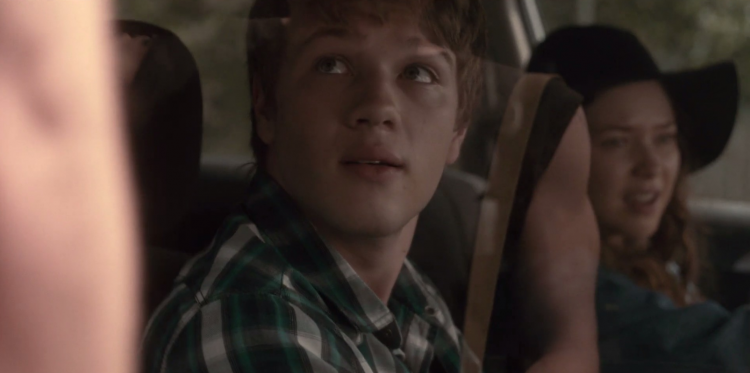
    While it feels like Closet Monster is hitting the usual young adult beats, you quickly realize that it has other plans for its young protagonist. Dunn has even admitted that stories like this have been told before, but because it is so personal, that didn’t matter to him. That intimacy is palpable.While Dunn’s screenplay and direction have to be credited with that, Connor Jessup’s performance is simply electric.

    Connor Jessup in Closet Monster

    With near flawless execution, Jessup builds Oscar with his physicality rather than dialogue. The amount of emotion he’s able to portray with just his face gives us everything we need to know about how he’s feeling in a given moment. The scene in which he meets Wilder is almost devoid of dialogue on Oscar’s part. However, the adolescence-filled sexual confusion is so easily discerned by his physicality and the way he reacts to Wilder. It’s what made Ashton Sanders’ performance in Moonlight so strong.

    Closet Monster is a little obvious with its symbolism. From a metal rod representing his internalized fear of his true identity to Buffy being his connection youth and innocence. However, Dunn stylistically pulls off the movie’s themes beautifully. By cementing our point-of-view with Oscar, he allows us to see what he sees and feel what he feels no matter how surreal they get — a talking hamster, the word unfortunately being scrawled on the walls and furniture after he receives a rejection letter from a college. It’s imperative to the movie’s success since it isn’t plot heavy.


    For a movie so focused on character, we aren’t really given strong portraits of anyone but Oscar. While, of course, this is a movie about him and his struggle with identity, the people around him and how they affect him are integral to his journey. Since we view the movie from Oscar’s point-of-view in two distinct times, we miss a lot of development from his father, mother, and Gemma (Sofia Banzhaf), his best friend. It makes understanding his actions towards them more difficult.

    But this is Oscar’s story. Closet Monster is one of those movies that you watch and understand because it feels so personal. Life doesn’t always work out the way you plan. We don’t get the triumphant happy beats that often bog down movies like this. Instead, we get moments between people, though difficult to watch, that define who we are.

    Closet Monster is available for streaming on Netflix or rental on Amazon!

  • That’s Not Us Movie Review — A refreshing LGBT relationship drama

    That’s Not Us Movie Review — A refreshing LGBT relationship drama

    That’s Not Us is a summery relationship drama that feels relatable, which makes the fact that it’s improvised more impressive

    Relationships live and die in those unspoken moments — when you’re not saying what you mean or you avoid speaking your feelings altogether. That’s what That’s Not Us concerns itself with. It’s an intelligent relationship drama that feels mature. One that understands its characters and the audience it’s speaking to. Even more than that, it portrays LGBT couples in a way that they aren’t often portrayed in movies — as normal couples working through their issues.

    Thats Not UsThat’s Not Us follows three couples vacationing together on a New York island before the summer comes to an end. The vacation, which is supposed to be a boozy escape among friends before returning to the real world takes a turn when the couples learn that not all is good, even in paradise. James (Mark Berger) and Spencer (David Rysdahl) recently moved in together, but are thrown for a loop when Spencer is accepted into grad school in far away Chicago. Liz (Elizabeth Gray) and Alex (Sarah Warton) haven’t had sex in months and Alex’s attempts to remedy the situation seem to only make it worse. Dougie (Tommy Nelms) and Jackie (Nicole Pursell) are in the honeymoon phase of their relationship, but when the simple act of teaching Dougie how to ride a bike comes up, they learn that the fun and games only last so long.


    While the set-up doesn’t seem too far off from other movies, That’s Not Us sets itself apart by being almost entirely improvised. Director William Sullivan devised outlines of the plot and put it on the actors to build dialogue around it. Sometimes it sounds awkward and cliched with lines like “just tell me how you fucking feel” coming up more than once. However, it feels natural still. Conversation isn’t limited to the mundane. In fact, when passion arises, arguments can become poetic.

    That’s Not Us isn’t a perfect movie. The characters at some points fall into cliches and the Dougie storyline doesn’t really add up as well as the other two. However, for anyone who has been in a long-term relationship, there is a degree of familiarity. Scarily so at some points. That’s Not Us touches on that period of transition between honeymoon and understanding in a relationship. For a feature with no clear scripts and micro-budget, it’s an impressive feat and definitely one of Netflix’s hidden gems.

    7/10

    That’s Not Us is available for streaming on Netflix or Digital HD on Amazon!

  • Weekend Movie Review — One of the defining movies of queer cinema

    Weekend Movie Review — One of the defining movies of queer cinema

    In honor of Pride Month, we’re taking a look at one of the best LGBT movies of the decade, Andrew Haigh’s Weekend.

    It’s hard to think of queer cinema of this decade without mentioning the film WeekendUntil Moonlight captured the collective consciousness of cinephiles and mainstream audiences alike, the defining film in the LGBT film canon could be traced back to Andrew Haigh’s masterpiece. But why did this small and intimate film with really only two characters take such a high position in the history of queer cinema? Well, in addition to the lack of high-profile gay movies, Haigh shows us a gay relationship from with an understanding of the dynamics of a gay relationship.

    Unlike the doomed love stories of the past like Brokeback Mountain or, more recently, Carol, Weekend features a story with no risk other than the one of a missed connection. Russell (Tom Cullen) is the character we view the story from. And his background is one that only LGBT people can really understand. There is an odd limbo between being out and fully accepting your identity. Some people fully accept their identity before coming out to those closest to them. Russell can’t fully accept himself, even when he’s around his closest friends who embrace him — Jonathan Race’s Jamie is a general stand-in for this group. For Russell, much like many other gay men, finds safety and comfort in gay clubs, where he goes after spending time with his “straight friends.”


    One night, he runs into Glen (Chris New), an art student. The two men go home together and the next morning after having sex, Glen asks Russell if he can record him talking about their night together for an art project. After, the two trade numbers and go their separate ways. The next day, Russell invites Glen to meet up again. From there, the two strike up a weekend-long conversation that eventually leads to a coming-of-age that both characters sorely needed.

    Weekend is a meditation on moments. There are no grand romantic gestures or ridiculous ultimatums. Though, the central conflict of the movie is an impending departure. Its greatest virtue is its realism. So rarely in relationships nowadays we say what we feel. So two men with a mutual attraction that want it to become more won’t explicitly address that feeling. Instead, Haigh hides that development in the small moments — a touch, a look of familiarity or understanding. As the two men see each other more, each sexual encounter become more explicit — their first hookup isn’t shown on screen. It’s Haigh’s way of showing their growing intimacy and perhaps love.

    Weekend has often been hailed as a gay romance that isn’t necessarily about being gay. And yes, if you strip away those elements the movie would still be able to get by. However, the sexuality of the characters is ingrained in the story as much as it is ingrained in their identity. As I said before, the character of Russell is struggling with his identity. It’s not until he meets Glen that he is forced to confront his identity. Glen, on the other hand, is frustrated at the heteronormativity in our society and vocalizes that dissatisfaction often and loudly. While Russell fades into the background whenever the topic comes up — even when it’s being spoken about around him he shrinks back into himself — Glen takes it on. It’s what helps both characters grow. Russell faces his identity while Glen realizes that he isn’t beholden to the stereotypes.

    In a touching scene later in the film, Glen allows Russell to come out to him — a chance he wasn’t afforded with his parents. It’s a quiet, unassuming scene that is shot without theatrics. However, the emotional impact is palpable. It’s a moment of understanding and unspoken growth. That’s what makes Weekend so effective. Haigh doesn’t need to throw plot or themes in your face. The realistic, conversational dialogue does all the heavy lifting for the movie. Nothing really happens. But, at the same time, everything does.


    There have been grander stories and more flashy movies, but I always find myself going back to Weekend. It’s escapist in its own unique way. You can’t help but immerse yourself in Glen and Russell’s conversation the same way that you did with Jesse and Celine in the Before Trilogy. That’s because, in some way, you can see yourself in them. Whether it’s a moment or a feeling. Or maybe a place or a line. Anyone that has fallen in love can see when other people are falling. Weekend lets you witness two people opening up to each other and discovering each other on a level that can only be described as falling. And I swear, you won’t be able to stop smiling about it.

    ★★★★½ out of 5


    Weekend is available on Digital HD on Amazon!

  • Maleficent Movie Review — Visually Stunning, but the Usual Disney Fare

    Maleficent Movie Review — Visually Stunning, but the Usual Disney Fare

    Maleficent-Movie-Trailer-With-Angelina-Jolie-and-Lana-Del-Rey

    Dir. by Robert Stromberg
    Dir. by Robert Stromberg

    It’s hard to review Disney’s Maleficent without mentioning that the screening I went to ended with a hearty applause. The reason I feel it’s necessary to point this out is because despite its clear flaws, this film is an absolute crowd pleaser. The audience bought into the world that the film was selling.

    The first half of the film was essentially a visual treat. Everything from the effects to the costumes to the makeup was done with such a vivid vision that the film’s world could be inhabited by any story. However, the problems quickly began. The first half of the film played out as a prologue, detailing the story preceding Sleeping Beauty and humanizing the fairy known as Maleficent. Quick fire scenes underscored with soaring and menacing music and connected by a seemingly omniscient narration allowed the film to move at a break neck pace, however the actual dialogue suffered because of it. While we were spared the cringeworthy expositional dialogue, we were instead tortured with cliched forced and insincere conversation.

    However, it is always made up for in visuals. A battle scene played out between humans and beings of another world offered such gorgeous cinematography and effects, but so much of the mood is in thanks to Angelina Jolie’s performance. The film was dark by Disney standards, but there was still a lot of predictability and inevitable lessons that destroyed the true darkness that could have encapsulated the movie. What Jolie was able to do was utilize the Maleficent character as the foundation for the brutal honesty that a usual PG-13 film lacks. The character of Maleficent is a complicated one. Throughout the entire movie she never identified as a hero or villain, she was a true character that changed and was as selfish as she was selfless. Jolie was able to portray the change with an elegance that could have been lost on a lesser actress. Further than that, she was able to emote with such veracity that the pain transcended the screen, but also rule the kingdom with an icy stare that struck fear into our hearts like in the animated version.

    Despite her magnificent performance that will surely rank among her best, the second half of the film, which acted as a retelling of the classic Sleeping Beauty tale was clunky at best. The characters surrounding Maleficent became caricatures as if they were pulled directly from a cartoon. It caused the darkness that was built up in the first half to come crumbling down and what we were left with was just another heartwarming Disney movie.

    All flaws aside, Maleficent was a step in the right direction for Disney. The studio has been looking to step out of their usual mold of fanciful films that taught you a lighthearted lesson about life that you already knew. Saving Mr. Banks was their first attempt to break that mold and although it failed, it signaled a change. Maleficent was not a great movie by any means, but the pure craft involved was enough to keep you entertained for 90 or so minutes. I think that the film is an early contender for Oscars for Visual Effects and maybe Production Design and Costume Design. What kept you thinking was that Disney was able to put out a character with such complexity as Maleficent. While the movie surrounding may have been the usual fare, I am excited to see them adding, however small, a little darkness in their movies.

  • Much Ado About Nothing (2012) Movie Review — Shakespeare like you’ve never seen before

    Much Ado About Nothing (2012) Movie Review — Shakespeare like you’ve never seen before

    Much Ado About Nothing finds Joss Whedon at his sharpest and most creative

    I have something to admit. The 1993 film Much Ado About Nothing is one of the movies that made me fall in love with cinema. Partially because it was the first film adaptation of a Shakespeare play that I watched, and partially because of the performances of Emma Thompson and Kenneth Branagh. I’ve never seen two actors delve so passionately into Shakespeare. As incredible his prose is, it takes more than your high school English teacher to perform it properly. Branagh has such respect for the material. So, when I heard that another filmmaker was going attempt to adapt my favorite Shakespeare play, I was a bit skeptical. Who could possibly do the source material justice, while still making the film their own? Then, I heard Joss Whedon was directing, writing, and producing the film. Let me just say I was overly ecstatic.

    For you uncultured folk, which is probably few of you since you’re on this website (obviously), the story of Much Ado About Nothing is a simple one that is actually more complex than it seems. The play follows two couples who are essentially tricked into thinking certain things about their feelings for their respective partners. Love or Hate. Faithfulness or Betrayal. It is, in my opinion, not only Shakespeare’s best comedy but also his best romance. I adore this play.

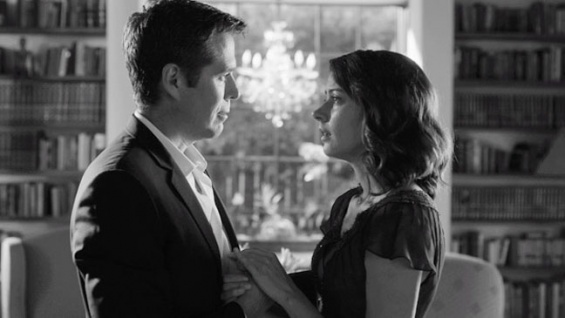
    Alexis Denisof and Amy Acker in Much Ado About Nothing


    Joss Whedon produced the film with what could be seen as a micro-budget, which is basically free considering his other film in 2012 was Marvel’s The Avengers. With Whedon’s home supplying the residence, many of his friends and past collaborators making up the cast, and completing the film in a mere 12 days, the film could be one of the simplest films produced in years. Even the DP didn’t have a lighting budget, he used this crazy thing called the sun. Just reading up on the project made me completely happy.

    Whedon made very small changes to the script and plot. In addition to the modern setting, the one obvious change was a small scene at the beginning of the film that more specifically defined the relationship between Beatrice and Benedick. The scene also did one other thing. It established the film’s offbeat comedic tone that you wouldn’t really expect from a play from Shakespeare. He may be 400 something years old, but the man was a riot. However, Whedon’s direction took the film from being a funny play to a hilarious love story. Small movements from the actors, their facial expressions, their delivery, coupled with Whedon’s slight visual humor made the entire film a joy to watch.

    Speaking of his visual style, you would never guess that this was the man that brought you Buffy the Vampire Slayer, Angel, or The Avengers. The humor could range from simple sight gags to something manic and in your face, but his decision to film in black and white gives the film a magic that keeps you excited throughout. However, that is partially due to the performances from the cast particularly those of Amy Acker, Alexis Denisof (Wesley!), Fran Kranz, and Nathan Fillion.

    I have to say. Much Ado About Nothing could be one of my favorite adaptations of a Shakespeare play. It had everything you need to successfully adapt Shakespeare: (1) a competent director who knows the material and can visually match it; (2) actors that are passionate enough to play the material and talented enough to pull it off (I mean, it’s Alexis Denisof, Amy Acker, Nathan Fillion, and Clark Gregg, not much could go wrong); (3) enough unique style to keep viewers entertained. Whedon was able to make Shakespeare understandable, which is not always an easy feat, especially in this generation. If you’re looking for a great date night flick with a little culture, this one is for you.

    7.5/10

    Much Ado About Nothing is available on DVD, Blu-Ray, and digital on Amazon!

  • Zootopia Movie Review — One of the smartest and timely Disney animated movies

    Zootopia Movie Review — One of the smartest and timely Disney animated movies

    The most recent installment in the Disney renaissance, Zootopia, is also easily their most timely and political. Basically the movie could be described as “let’s talk about racism with animals,” but like the best animated movies it mixes social subtext with genuinely hilarious moments and interesting characters.

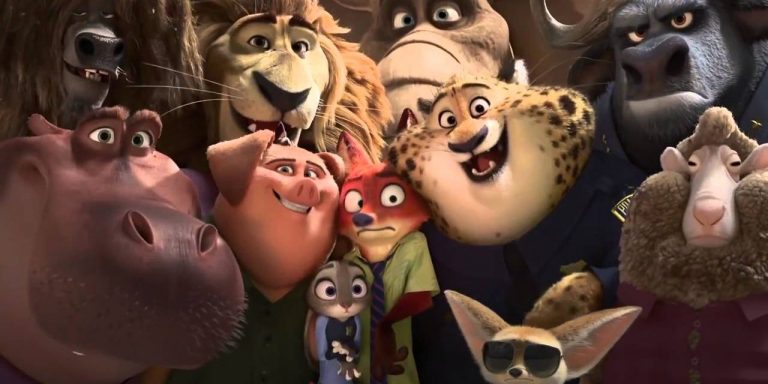
    Zootopia starts on an elementary school play starring rabbit Judy Hopps (Gennifer Goodwin) about how animals became anthropomorphic. She dreams of becoming a police office one day despite her parents’ objections and the fact that a rabbit has never become a cop. Despite this, she graduates at the top of her class and is assigned to district one of Zootopia, a city where animals of all kinds, predator and prey, can live together in peace. However, she is assigned to parking duty since her boss, Captain Bogo (Idris Elba), a water buffalo, doesn’t believe she can make it as a real cop since she’s a rabbit.


    However, she is able to finally pick up a case involving predators who have gone missing. She is tasked with finding an otter who is one of the missing. She coerces the help of a con-man fox named Nick Wilde (Jason Bateman) to help her in the case.

    The narrative itself would be enough to make the movie a good entry in the Disney cannon. It features smart writing, incredible visuals that make the world come to life, and great central characters that spit off banter like the best procedurals on TV — though much credit has to be given to Goodwin and Bateman on their voice work. However, it’s the fact the the movie doesn’t shy away from a political subtext that makes it a great, and maybe even the best, movie in this new age of Disney.

    Throughout the movie, there are eerily familiar parallels to real life, like a lion running for mayor with a sheep on the ticket to shore up the prey vote or a sheep yelling, “go back to the forest, predator” to a cheetah who replies, “I’m from the Savannah!” or a rabbit mother moving her child closer to her when a lion gets on board a train. Maybe for adults the racial subtext is a little bit obvious, but what’s more important is that it trusts that its younger audience will pick up on its message of inclusion and the danger of stereotypes.

    Past the racial commentary, the movie – like Frozen – features a female central character whose main storyline doesn’t involve a romantic interest or dream to find true love. Her dream is to be a police officer despite the adversity she encounters.

    As a comedy, there are moments of just brilliance. At the center of that is a scene involving sloths at the DMV and incredible spoofs of Breaking Bad and The Godfather. It is moments like that that prove that animated movies don’t have to be made either for kids or adults. It could be both.


    Zootopia may be a “kid’s” movie, but its message is one that garners a high-level of thought. It comments on prejudice in a time of fear and calls for peace and tolerance instead of panic. It couldn’t seem more timely with the recent rash xenophobia and racism that has plagued our country. Zootopia may not change the world, but it can at least teach our children that we should not succumb to fear, but instead work together toward peace.

    8.5/10

    Get Zootopia on DVD, BluRay, or digitally over on Amazon!