Category: Music

  • Track Review: “High by the Beach” – Lana Del Rey

    Track Review: “High by the Beach” – Lana Del Rey

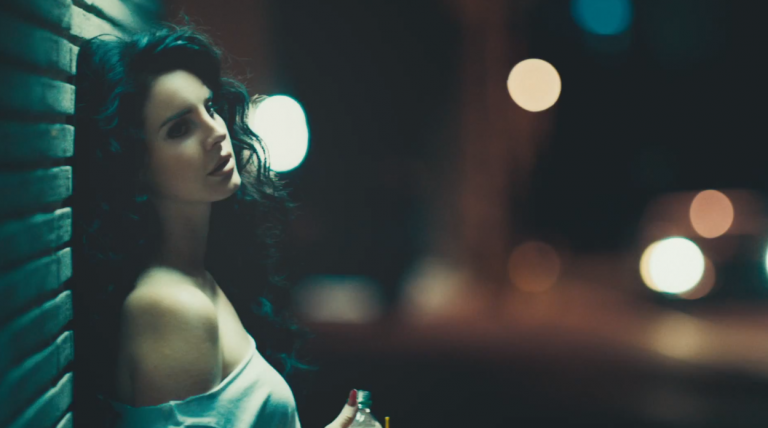
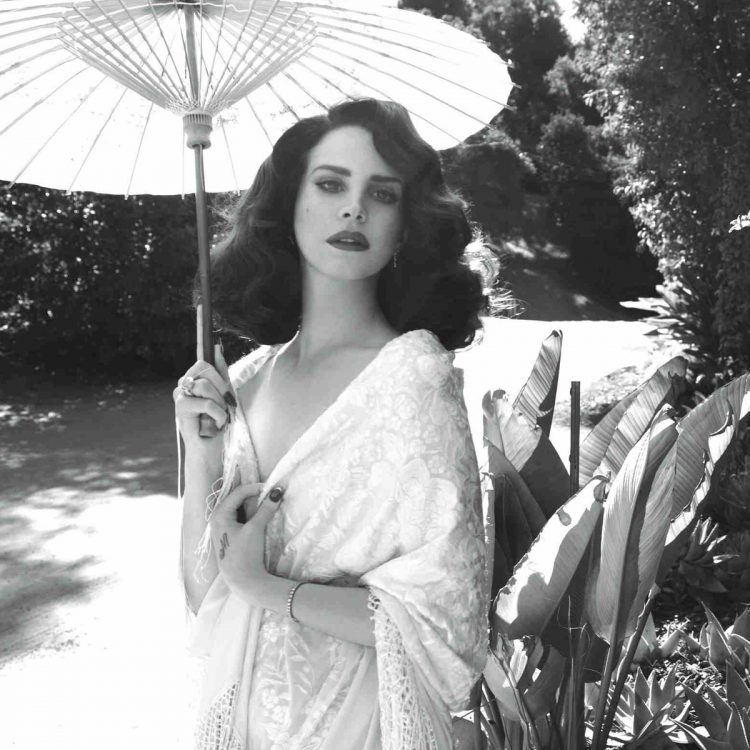
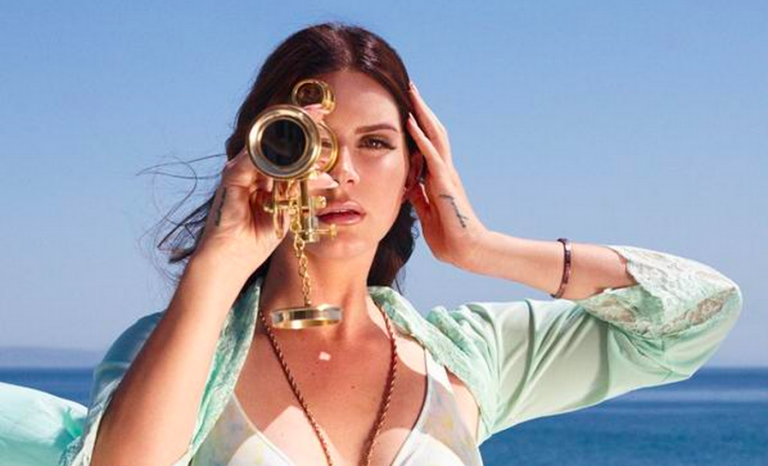
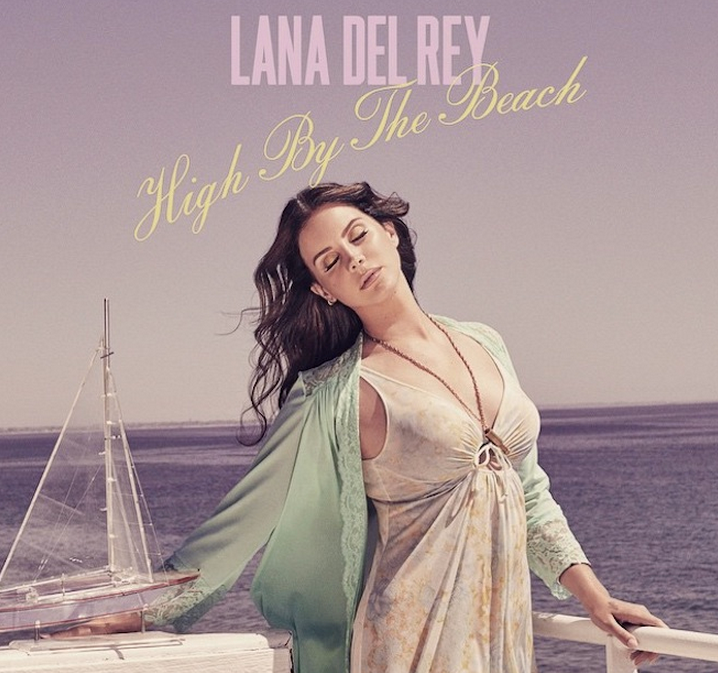
    lana hbtbAs we all eagerly await the blissful fourth album from the sultry perfection that is Lana Del Rey, her second track from the album has been released today. If you did not already assume so, it was amazing. Teasing us with nautical photoshoots for the single, Lana has continued to build my excitement for Honeymoon.

    Lana’s newest album will be dropping this September, but we can all get high by the beach on our honeymoons until then. In typical Lana fashion, she takes to this track with an ethereal voice that transcends perfection. With lyrics of a tainted man who is hard to love, “High by the Beach” has a soothingly rhythmic chorus. What I love about Lana is her ability to craft such an alluringly seductive song on a superficial level, but, often times, these beautiful, delicate songs are comprised of dark, macabre, mysterious, and deadly lyrics, dripping in self-loathing.

    You could be a bad motherfucker

    But that don’t make you a man

    Now you’re just another one of my problems

    Because you got out of hand

    To me, this track is quintessential Lana. The sound, the lyrics, the perfection. It all brings me back to the immense joy I had when I first discovered the wayward soul that is Lana Del Rey. I have not come across one song, even her unreleased body of work, that has not transported me to a state of blissful rapture when listening to it. “High by the Beach” is no exception to this rule. It is a gorgeous song with a lively melody, paired with the esoteric, obscure, and enigmatic vocals that accentuate the fact that Lana Del Rey is such an immensely talented artist and singer-songwriter.perfect

    The sound of “High by the Beach” is a fun and more upbeat melody than that of her album Ultraviolence, and it seems that this track is reminiscent of her Born to Die days, which, I believe, is the closest to perfection an album has come to in a while. Every track was heartfelt, fun, and infectious, and I believe that Honeymoon is on the same track that Born to Die was.

    In my opinion, Lana Del Rey has already solidified her album Honeymoon as one of the best albums that will drop this year with her tracks “Honeymoon” and “High by the Beach.” Am I optimistically jumping the gun? Or am I confident that the talented artist has an entire album the likes of her two singles? Definitely the latter. With  Ultraviolence released in June 2014, I am simply astounded that Lana is capable of creating such excellent music and albums in such close proximity of one another. Why am I surprised, though? Again and again, Lana has proven that she is an amazing artist and one of the baddest bitches in the music business.

     

  • Femme Fatale Friday: Halsey

    Femme Fatale Friday: Halsey

    15886474931_b025898f68_b

    Every Friday we will be honoring the stunning Female musicians who have caught our eyes, ears, and hearts (we know that sounded corny, but roll with it). This week we’re featuring Halsey!


    I first discovered Halsey at WTSR, the radio station I’m the manager of (open your mind and bang your f**king head!). The second I read indie pop, Brooklyn, and feminist, I was sold. I spun what the reviewer said was the best song on the record, and I was hooked.

    Who is she

    Ashley Frangipane was born in New Jersey, though she identifies more with New York. Her stage name is an anagram of her first name and a street that she frequented as a teenager in Brooklyn. Halsey is biracial, which doesn’t effect her music, but it lends to her gorgeous racially ambiguous features. She was raised around music, playing the violin, viola, cello, and eventually, the acoustic guitar. She went to school for songwriting and creative writing. At 18, she turned to music to pay her rent.

    What has she done/What is she going to do

    She started off posting covers on her personal YouTube channel, which has been deleted (although, thanks to the power of the internet some of those were saved). This eventually led to her recording her original songs and posting “Ghost” on SoundCloud, which got her the attention of Astralwerks who released her debut EP Room 93. It included a remastered version of “Ghost” and features the lead single of her up coming album “Hurricane.”

    portrait_halsey-640x427Why you should listen to her

    It seems that dark indie pop has become such a staple in today’s music that we’ve come to the point that the style is being mimicked by lesser pop artists. Halsey just takes the genre and pushes it further. She forgets the upbeat pop beats that seems to be drawing people and goes straight for the moody beats

    Where should you start

    Since we’ve only seen 5 songs, it’s not difficult to say that Halsey is pretty consistent in quality when it comes to her music. However, I think the clear place to start in her repertoire is the chilling and heartbreaking “Ghost,” which comes off as a moody indie pop entry, but cuts in heartbreaking with lyrics like:

    I like the sad eyes, bad guys
    Mouth full of white lies
    Kiss me in the corridor,
    But quick to tell me goodbye.

    and has a catchy hook and chorus that will stick with you like an earworm of a more traditional pop song. If you’re looking for a song that highlights Halsey’s power as a vocalist, then “Trouble (stripped)” will outline her raspy vocals. She holds the power in her words rather than the strength in her voice. “Trouble” outlines the emotion of the song – “Let’s cause a little trouble/Oh, you make me feel so weak/I bet you kiss your knuckles/Right before they touch my cheek” – with a faint, but significant voice that will quickly seep into your skin and stay with you. That’s why she deserves to be this week’s Femme Fatale.

  • Femme Fatale Friday: Lulu James

    Femme Fatale Friday: Lulu James

    lulu 2The stunningly gorgeous Lulu James graced the stage at Gov Ball with Gorgon City earlier in June. Apart from being an absolutely incredible and lively performer, James has a truly beautiful voice that permeated every inch of the venue. Her ability to dance and jump around stage in 6 inch heels and her impressive high kicks were almost as spectacular as her amazing vocals. With her vivacious dancing and ability to get the crowd excited, I can say that, hands down, Gorgon City and Lulu James were in my top three favorite performances from the three day festival.

    With her effervescent single “Sweetest Thing,” Lulu James proves that she is an immensely talented artist to watch for. Infectious pop tracks like “Closer” and “Step By Step” paired with her artistic style and music videos solidify Lulu James as a fierce femme fatale on the rise. “Step By Step” is one of my favorite tracks of hers, and it resonated with me long after the song ended. Plus, she looks pretty amazing with red hair. Check it out below! (Although, lets not jump to Illuminati conclusions by the presence of triangles and the hue of red.)Lulu 3

    On top of her own music, Lulu james has been featured on the track “Loving You” with Lane 8; this track is on Lane 8’s new album Rise. The track has an incredibly fun, lively melody layered with Lulu James’ phenomenal vocals. She has also been featured on tracks like “We Disappear” with Jon Hopkins in 2014 and “Why Didn’t You Call?” with Gang Colours in 2013.

    In addition to being an endearing performer, Lulu James seems to be an artist that sticks to her own music, ideas, and visions. I have great respect for an artist who does not buckle under the pressure of the music industry or influence of others.  The Tanzanian vocalist describes her style as “21st century soul” and remarks that her music has no set genre. Personally, I think her voice is magnificent whether I hear it leisurely singing a slow song or belting out a dance hit alongside with Gorgon City. I find her voice to be befitting for a variety of songs. You can feel the soul that resonates throughout her booming vocals, but, on the other hand, you can move your body to the infectious pop rhythms that her immense voice is capable of producing.

    If you ever have the chance to see Lulu James perform with Gorgon City, take it. James puts on an energetic, stunning, amusing performance, and her voice is simply astounding. With a charmingly genuine personality and powerhouse voice, Lulu James has earned my vote for this weeks’ Femme Fatale!

    https://www.youtube.com/watch?v=cWOYjyFrM_I

  • Track Review: “Honeymoon” – Lana Del Rey

    Track Review: “Honeymoon” – Lana Del Rey

    lana laThe queen of flower crowns and sultry perfection is at it again, enticing fans with her upcoming fourth album Honeymoon. Earlier today, Lana released her track “Honeymoon” from the impending album, and what can I say? She simply has one of the most enchanting voices capable of uttering the most soothingly enigmatic songs I’ve heard in my lifetime. Her album Honeymoon is set to drop this September, but we have this dazzlingly gorgeous track to hold us over until then.lana insert

    With her usual grace and style, Lana takes to this track with her mysterious voice singing of tainted love, a violent man, and their glorious honeymoon. When I first heard the snippet of this song released on Lana’s Facebook and Instagram, I was immediately in a state of blissful rapture. I was hoping her fourth album would continue in the beguilingly enchanting direction that her previous three fantastic albums have gone.

    This track is quintessential of the queen of disaster, and I find that it embodies the very essence of the sensational Lana Del Rey. With the song revolving around a dangerous, flawed man, Lana creates a calming melody with a soft voice that is utterly sublime. If the tracks from her upcoming album are close to the lavish vocals and pacifying melody of “Honeymoon,” then the album is already in the running for the best of the year. It is very seldom that an artist continually makes such superb albums, but Lana, seemingly, has done so.

    Wilana 3th her first three albums ParadiseBorn To Die, and Ultraviolence behind her, Lana continues her legacy of dying young and tainted love. Lana takes to the track with her steamy and ethereal voice that sets the bar high (which I know she will reach) for the rest of her album. I could not help but remark that “Honeymoon” was slightly reminiscent of her earlier work. Each song(s) has its own beauty and originality, but I enjoyed the pleasant and warm chorus and overall feeling of each track quite immensely. The transcendental track from my beloved Lana continues her legacy of glamorous music, and I simply cannot wait to get my hands on her newest album.

    Her third album Ultraviolence went in a different direction than her previous two albums, but I loved what she did with it. Despite the love I have for her third album, I will say that I was a bigger fan of her first two albums. “Honeymoon” seems to harken back to the days of Paradise and Born To Die, which is what excites me most about this track. If this album is anything like the plush perfection of her first two albums, I can say that I am the most excited fan out there.


  • Album Review: Vince Grant – “My Depression is Always Trying to Kill Me”

    Album Review: Vince Grant – “My Depression is Always Trying to Kill Me”

    My Depression is Always Trying to Kill Me vince grant

    Despite the high-stakes title of LA singer/songwriter Vince Grant’s debut EP, it doesn’t seem like his depression is always trying to kill him. Sometimes it appears to him as a lover, one with whom he dances and holds onto like an addiction that he describes as a venom in his veins. But Grant’s depression is a cruel lover, and while she may not always be there when he wakes up in the morning, she is always waiting, ready to appear at a moment’s notice to bruise and batter Grant into submission.

    Such is the scene set by My Depression is Always Trying to Kill Me’s first single and opening track “Melancholia”, an acoustically driven power ballad in which Grant explains his complicated relationship with his own mental health. But while Grant surrounds himself with lovers and enemies of his art’s own creation, there is a certain sense of isolation to his music. At his most intimate, Grant plays alone with an acoustic guitar, but even when he strikes up the band and turns up the volume it still sounds as if he’s playing to an empty amphitheater, abandoned with no one to sing these songs to. Struggling with depression through music is nothing new, and throughout the course of his EP’s five tracks, Grant channels the tenderness and frailty of such classically bummed out alt-rock songwriters as Kevin Devine, Gary Jules and especially some Ryan Adams circa Love is HellThe resulting sound is as comfortable as it is familiar, soft acoustic chords and warm guitar tones like a blanket to crawl under when everything seems impossible.

    The majority of Grant’s music may be tender, but he knows how to rock out, too. “Melancholia” features a muscular chorus that wouldn’t sound out of place on a Third Eye Blind track, while highlight “How Many Times You” channels the kaleidoscopic wonder of U2 at their most starry-eyed into four minutes of driving post-punk, before Grant allows the song’s more ethereal elements to bring things to a satisfyingly pretty conclusion. The album’s extended closer “Sweet Addiction” takes that beauty and runs with it for an impressive ten minutes, featuring some beautiful instrumental work by collaborating guitarist Doug Grean and an exhausted Grant who sounds as if he could collapse beneath the weight of his depression at any moment.

    The ambition of “Sweet Addiction” is matched by the record’s apologetic centerpiece, “Edge of the World”, which effectively captures the feelings of isolation and loneliness that come from having your support system driven away by the erratic behavior and failure to communicate that is often the result of the kind of depression that Grant knows is after his health, happiness and ultimately his life. This sense of feeling alone is something to which anyone with a history of depression can surely relate, but then again, there will always be times when a shoulder to cry on isn’t what you’re looking for. Sometimes you just need a good record that you know will speak to how you’re feeling. For times like that, Vince Grant’s got your back.

  • Album Review: Waxahatchee – “Ivy Tripp”

    Album Review: Waxahatchee – “Ivy Tripp”

    waxahatchee ivy trippI saw Waxahatchee perform in a bowling alley this past fall. Used to the punk shows and crowd-sweat that had been there before, the small-ish turnout made the place look way more cavernous than I remembered. I’d forgotten that the small tour she was on was going to provide more low-key affairs, more solo-act than full band. Sister Allison and friend Sam Cook-Parrot opened the show with graceful sets and ever-endearing songs. They were great, but Katie Crutchfield shined. Her set was a workshop; in how to embrace that type of spotlight with such focus and clarity; in how to wring the very most emotion out of sparse arrangements; in how to keep the audience entranced, holding them in your hand, gripping so fucking tightly until the end of the song, with the release, the applause, and the collective, inaudible “wow.” She played some songs off her then un-released latest effort Ivy Tripp there, and that spellbinding essence is almost as present on record as it is live.

    I say “almost” only because Crutchfield is such an excellent live performer. Ivy Tripp is not an album that seeks to “capture that live feel, man.” It was crafted, lovingly, in her new home on Long Island. Producer Kyle Gilbride has the knack for letting songs embrace the room in which they were recorded, giving a natural quality to records he works on (prime example: “You’re Damaged” from previous Waxahatchee record, Cerulean Salt). This means that her crushing amounts of talent come through with an earnestness that a studio setting couldn’t possibly foster. I’m not rhapsodizing about any of the real or imagined mystique of lo-fi; indeed, this is not a “lo-fi” album. But instead, it has the hallmarks of home and care, of handcrafted, perfect imperfection, and the record is better for it.

    Make no mistake, Crutchfield is lyrically and melodically one of the finest songwriters this generation will ever hear, and her songs would be superb regardless of where they were recorded. Her emotional honesty, attention to detail, and subtle manipulation of structure make her a singular talent. She’s been quoted as saying the record is about people who wander through life, trying to figure out what to do—but let it be about whatever you think it is. That’s part of the wonder of Waxahatchee songs; even when they’re telling a story, when painful details are out in the open, Crutchfield allows you to fill in the blanks or interpret to the extent that maybe you understand what she’s getting at; at the same time, maybe you delude yourself into thinking that she really gets you. That’s a magical thing, and it happens all over this album.

    The arrangements on the previous two Waxahatchee albums—first American Weekend and then especially Cerulean Salt—were stark and spacious, with clearly defined parameters between where one instrument began and the other ended. Ivy Tripp maintains the same musical frugality (never too many instruments or parts, subtle use of effects) that guided those records while also expanding the sonic palette into more ethereal territories. “Breathless” is set on a foundation of basic keyboard figures while atmospheric slide guitar whirrs after Crutchfield’s assured, open voice. “Under A Rock,”“Poison,” and “The Dirt” all have great rhythm guitar tones, helping to propel the song while maintaining openness to the overall sound, thus allowing the drums to land expressively. They sound like close cousins to Cerulean Salt’s “Coast to Coast.” Quieter moments like “Summer of Love” or “Half Moon” work wonderfully in what might be the quintessential Waxahatchee setup: one instrument (ok, two on “Summer of Love”) and one voice. Weirder moments on the album come off entirely naturally because they sound like fully-fleshed ideas and adhere to the aforementioned ethos.  “<” (“less than”) unravels with a woozy guitar riff and collaged drums that sound like fireworks. The fuller-sounding “La Loose” sounds like she stole her twin’s drum machine to be the paperclip that holds a shimmering art project of a pop song together.  Album centerpiece “Air” and closer “Bonfire” are the most ornate, but every part of those songs is necessary. Co-collaborators Keith Spencer and Gilbride deserve credit for helping to build out the sound of Ivy Tripp all while serving its core— Crutchfield’s wonderful songs.

    Waxahatchee’s previous records had a blooming quality to them: with each repeat listen, something new comes to the fore. Maybe it’s a nuance in the melody. Maybe the lyrics hit you differently. Ivy Tripp is going to offer that even more generously. Even after some serious quality time with it, I’m already looking forward to having this in heavy rotation in the coming months.

  • Album Review: “Currents” – Tame Impala

    Album Review: “Currents” – Tame Impala

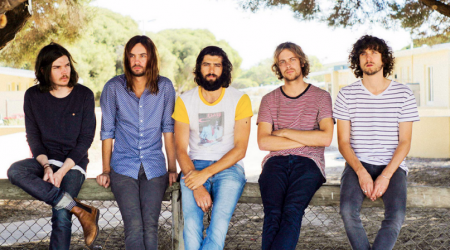
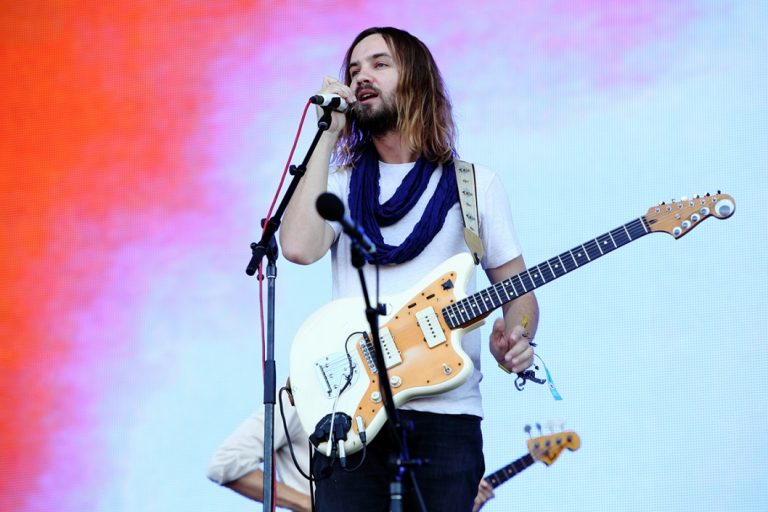
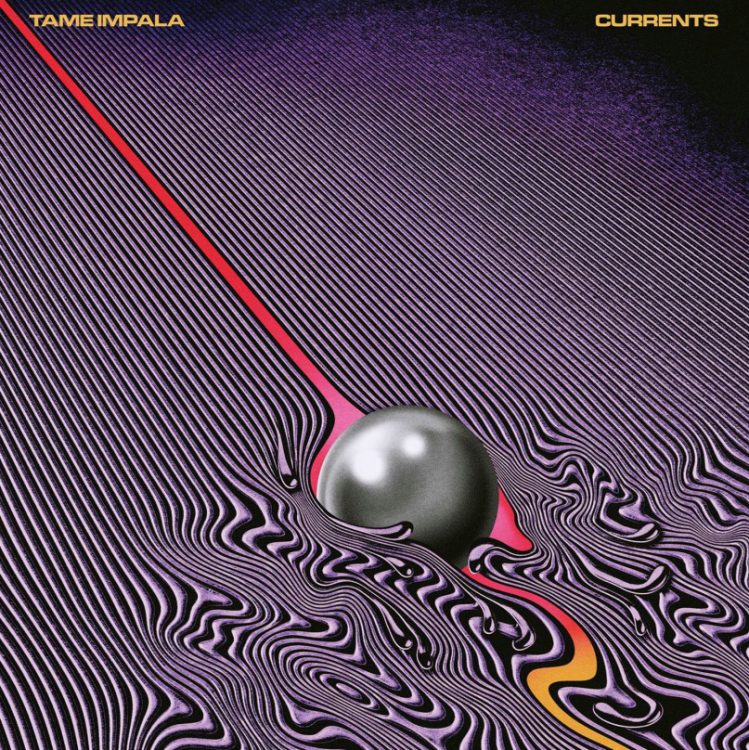
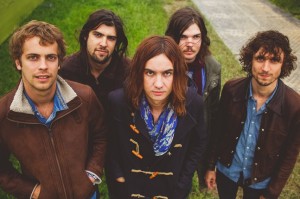
    tame impalaOut of all the albums that were coming out this year, there were really none that I was excited for. The slippery slope of bad music and mediocre comebacks seemed to be riding all the way from 2014 to now, and my ecstasy waned for the most part… Until I heard that Tame Impala was coming out with a new album. From the time Currents was announced, I had the greatest expectations from one of the highest-quality bands that produce the lushest, warmest, and absolutely breathtaking albums since 2010. Kevin Parker and his psychedelic confidants continued to let loose hit after hit after hit, and I wanted to know if there was a direction even farther than up.tame impala feature

    Currents provides the transition from pure psychedelic rock that we all know and love to the realm of disco-rock, R&B, and pop that keeps the elements of production from the previous albums. The journey throughout these three albums has given us the smoothest ride through progressive sound that I have heard maybe since The Horrors. Tame Impala writes poetic love songs, tricky funk that’s less Mark Ronson and more Ariel Pink, and stories about weak men showing their mistakes out in full force. The music itself is as warm as ever, with more synthesizers, bells, and whistles than there has been before on a Tame Impala album. There isn’t a huge lack of actual instruments, but the focus here is the bass, which is what I loved from “Lonerism.” It’s fuzzy, funky, and so fun.

    Tracks on this release don’t expand pass 8 minutes, and the length of every song is just long enough with variety to keep you satisfied with what you’ve just heard. For your prog-rock heads, yes, the longer songs have just enough change to keep you invested. “Eventually” has this thriving beginning and evolving into something of a ballad with the boom engrossing the whole track. “The Less I Know The Better” opens with this bass riff that moves you throughout the song with it’s downright funk dirtiness. Parker’s signature falsetto calms it a bit during the chorus, but it breaks it with his wail as soon as he needs to interrupt the sappiness. “Past Life” is interesting with the narrative being told through this distorted, disembodied voice leading us through and using the band for backup. “Disciples,” even for its length, is an outstanding track that inserts everything it needs to within it’s <2 minute runtime. Sounds like Parker took some hints from Mac DeMarco and added his own 70’s flair to it.

    “Cause I’m A Man” is the pinnacle of this album, and they couldn’t have picked a better single release. The ballad of this man who proves his weaknesses is something that I really haven’t heard; I don’t think anyone else has heard, either. The bass and synth combo that rides the chorus is an experiment with a positive result, like coming up with new chemical compounds of sonic energy in a sound lab. “Reality in Motion,” for some reason, reminds me of the last day of school in A Goofy Movie. Don’t ask why, but it would be Max riding his skateboard above us in slow motion. tame side iThe final track, “New Person, Same Old Mistakes” sounds like “Cause I’m A Man” and its scheming, evil, scientist brother. It’s slow. It is anything but bombastic, with a subtlety to it including acoustic guitars that flutter like a “Think Tank”-era Blur.
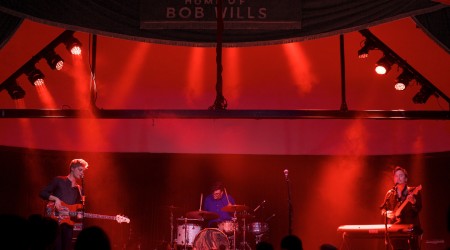
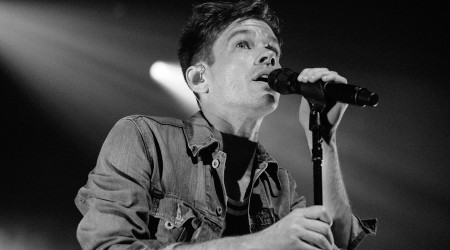
    In any case, Kevin Parker and Tame Impala have done it again with a sound just different enough to suck you in and enough of the same to keep fans of the older material. To say that this album got me hyped enough to look for more music to review would be the absolute truth.

  • Track Review: “Time Piece” – Ripple Green

    Track Review: “Time Piece” – Ripple Green

    Sometimes it’s hard to go anywhere with a review other than the most blunt statement, and in the case of the Oklahoma-based band Ripple Green’s new single “Time Piece,” all I can say is that it’s damn good rock. They’re not necessarily reinventing the genre here, but they’re taking the best of what’s been made and adding a personal flair that makes it an entertaining listen.

    The band believed that “creativity and expression through music could provide an escape from the mundane life they faced in the plains.” That’s what time piece is. It’s escapism music. Much of jam rock is. It’s hard not to draw comparisons to Phish or Portugal the Man—two completely different bands that have both mastered the genre. Ripple Green has taken the formula and infused it with personal lyrics that as they say:
    “turned into an account of how people’s lives revolve around other individuals over time.”

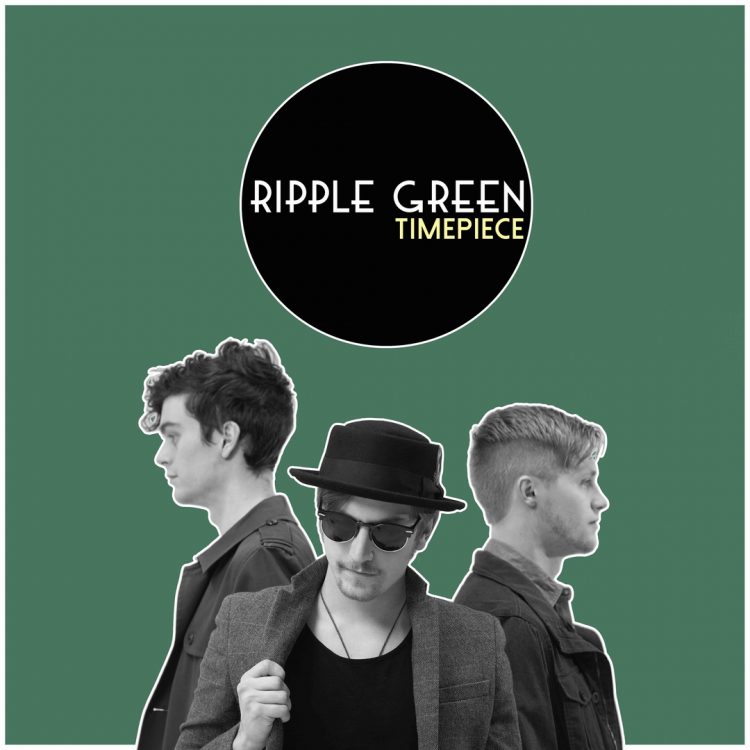
    ripple green timepieceFrom the chorus to the hook, the song is pretty much an earworm in itself. It all stems from such a seemingly unsuspecting chord progression, however it sticks with you to the point that you’ll be humming the tune all week. Plus, Joel Parks’ vocals just enhance the bluegrass infused sound that the band has and makes it all the more catchy.

    The band has described their new EP “Timepiece” as:

    A step out of adolescence for Ripple Green that came from spending half of last year in Europe. It signifies moments filled with adventure and a grateful shift in approach to their songwriting.

    As for the video, it’s just an expression of joy, youth, and creativity that was all filmed during the 2014 summer solstice. It just reinforces the band’s sound and origins: escape. Definitely look out for these guys in the future.

    “The three members of Ripple Green met during Kindergarten in small town Oklahoma. Their formative years were spent being mischievous friends who built slingshots, climbed trees, and made short films. Soon, however, upon leaving Elementary school, the idea to form a band was spawned before any of the members owned or played their instruments. To them, creativity and expression through music could provide an escape from the mundane life they faced in the plains.”

    The Timepiece EP is due out on July 31st and is available for pre-sale on iTunes. 

  • Album Review: “Grand Romantic” – Nate Ruess

    Album Review: “Grand Romantic” – Nate Ruess

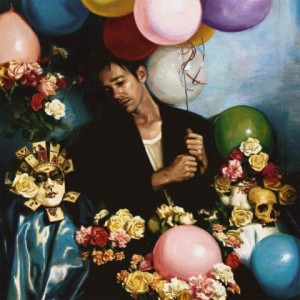
    nate ruess grand romantic

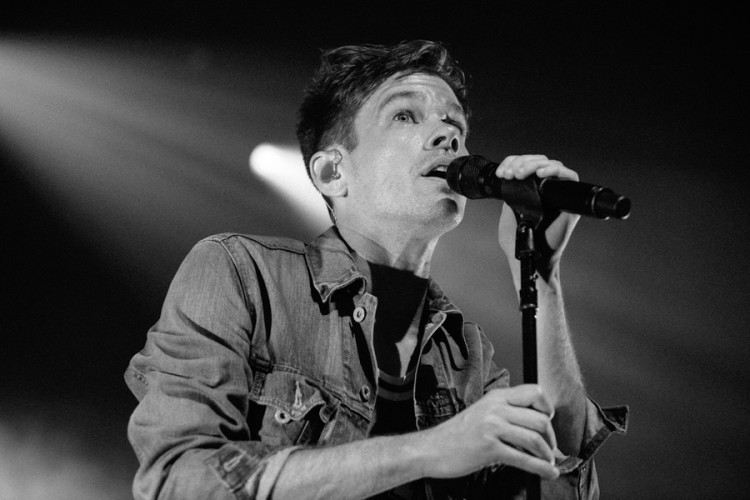
    There was a lot of anticipation leading up to the release of Nate Ruess’s first full-length solo album Grand Romantic. The singer/songwriter has been critically received for his work in both Fun (stylized fun) and The Format since the early 2000s. However, it was the mainstream success of Fun’s 2011 track “We Are Young” that launched Ruess into superstardom. He even accompanied P!nk in her 2012 hit “Just Give Me a Reason.” In fact, this year Ruess made appearances on The Voice (as a guest judge) and Brian Wilson’s Pier Pressure (as a guest vocalist). It is evident that Nate Ruess has rapidly and inconspicuously climbed the ladder of pop music success, and I have been there watching his ascent.

    The announcement of a solo Ruess album was coupled with a brand spanking new track called “Nothing Without Love.” This beast of a song blasted with a prideful roar, and my ears reveled in auditory bliss. It was climactic. It was self-exploratory. It was catchy. But, most importantly, it was fun, and I don’t mean Fun. Ruess aimed and ignited with an aural explosion that felt completely new. This was neither Fun nor Format. “Nothing Without Love” was Nate Ruess—a pure and distinctive sound that managed to bridge the gap between familiarity and novelty. “If a full album of this is what I can expect, then bring it on, baby!” I was hyped beyond belief.

    Ruess continued to drop three more singles leading up to the release of Grand Romantic (“AhHa,” “Great Big Storm,” and “What This World Is Coming To”). These three tracks definitely scored a lot of replays on my Spotify, but they couldn’t quite match the sheer glory of “Nothing Without Love.” I was concerned. Maybe this album won’t be as nuclear as I thought it would be. Sure enough, I was right.

    You know how they say movie previews are misleading because they only showcase the best parts? Previews are designed to make even Grown Ups 2 look like something that’s worth your time. Well, the four singles off Grand Romantic functioned very much like a misleading movie preview. They set the scene for a grandiose epic of an album but failed to address the forgettable tracks smacked in the middle. Coming right at the introduction of the album (the properly titled “Grand Romantic – Intro”), there’s an immediate sense of disappointment. Remember the intro to Some Nights? If you don’t, please give it a listen. It’s an operatic symphony of a track that immerses the listener right away. The Grand Romantic opener is nothing like that. It’s an incoherent 45 seconds of flat choral harmonies matched with strange filtered voices in the background. There is a theme of unfulfilled potential that is established here for the rest of the album.

    Oh, and speaking of themes, let’s have at it, eh? Grand Romantic does not try to hide its core subject matter here. It’s love. Love up and down, and all around. But more specifically, we’re looking into the heart and psyche of a hopeless fairytale lover boy, lost in a postmodern world of superficiality and disconnectedness. It’s written all over the lyrics in these songs. From “Take It Back” (“Well, we’re just two lost ships passing through the night / Two lost lonely people inside”) to “Moment” (“I need a moment / I’m alright here on the floor / Well, I’m fine / I just need a moment to cry”). The same ideas manifest themselves in almost every track.

    nate ruess grand romanticThe problem is that these lines find themselves trapped in a series of overproduced, forgettable ballads that more or less blend into one another. This is a shame because it is possible (and probable) that the lyrics in Grand Romantic are coming from a genuine place. After all, Ruess has never been one to waste words or lose sight of the power of language. But the sappy instrumentation on some of these tracks makes the lyrics lose whatever shine they may have had otherwise.

    I think about Fun’s song “The Gambler,” and how raw and evocative it was. It had minimalistic instrumentation because the song wanted the listener to focus full attention on the lyrics. They tell the story of a couple growing old together, fighting through sickness “’til they decide it’s [their] time.” It’s obvious that there is something profound and meaningful here. It’s poetry–pure and simple. The lyrics on Grand Romantic are more of a far cry from that. Plus, they aren’t even catchy to begin with. The vocals are ripe with strange inflections and sustained notes that make even Ruess’s poised and polished voice sound harsh and disjointed (see “It Only Gets Much Worse” and “You Light My Fire”). It almost sounds like Ruess is doing this to show off his vocal range rather than to communicate sincere emotion. The sound comes across as artificial–as if the words are coming from Ruess’s diaphragm and not his heart.

    That’s not to say we’re looking at a bad album here. We’re not. But there is certainly an expectation that goes into an album like this–a breakthrough solo record brought to you by the same man who gave us Fun and The Format. These two acts have delivered some of my favorite songs and albums of all time, so I was beyond pumped to hear what their frontman had to say solo. But, alas, Grand Romantic didn’t deliver the epic musical voyage I was half hoping (half-expecting) it to be. Grand Romantic is, first and foremost, an album of unfulfilled potential–from the intro moving forward.


    Oh well, at least there’s always “Nothing Without Love.”

  • Album Review: “Big People” – Max Gowan

    Album Review: “Big People” – Max Gowan

    album review max gown big people

    I’m not going to lie, I didn’t have the highest expectations for Max Gowan’”Big People.” He’s an 18-year-old singer-songwriter who recorded and produced the record mostly by himself in his room. However, after my first listen through, one thing is clear. Max Gowan has something going for him. From his gorgeous use of lo-fi to the innocence of youth in his ernest lyrics, it’s a record that sounds so much more mature than his age.

    There’s a charm to lo-fi when it’s used properly. Happyness perfected it with their debut “Weird Little Birthday,” and this is where I’m going to draw a lot of comparisons. Gowan isn’t wordy. He’s not trying to reach something terribly profound with his lyrics. He’s honest. Whether he’s drawing from his life experiences or is simply creating these emotions is lost on me, but what I do know is that his calming vocals compliment the often folk-influenced music and somewhat soft angst that run as a theme through the album.

    That lyrical theme is evident in album opener “Rare Thing,” which is one of the strongest songs on the record, when Gowan sings, “I thought I saw a tragic streak of luck and ingenuity / It flashed across your filtered screen / it’s gone again cause it’s a rare thing.”

    The album takes off in the second half with a slew of strong entries like “Big People,” “Here (Part 1),” and “Open Letter to Heaven.” “Snow,” which feels like a partner to the album closer, is a standout track. It has a light feeling that begets itself to both a song to chill or jam to.

    However, where the album shows Gowan’s true potential is in the album closer “Everything Is Cool.” It’s easily the best song on the record. The faint influence of surf rock with lyrics that really tap into the life of a teenager living in the suburbs feels a lot like early Real Estate, which is one of the greatest compliments a writer from New Jersey (ahem… me) can give. It’s basically the anthem of the album that ties it together. It’s the discontent of a teenager. It’s not overly contemptuous towards life—it’s real. That’s what takes the album out of the realm of “good for what it is” and moves it to just plain good.

    For me, the weakest part of the record is the production. Lo-fi is hard to get right. A few bands have in my opinion. There’s Brooklyn’s violent pop group Sharpless, chillwave band Bellows, and, of course, Happyness. With the fuzziness of the music and muffles of the guitars, I would have liked the vocals to be buried a little bit more to give it all a grittier sound. However, that’s just nitpicking at this point.

    It’s a very confident debut. Those two words aren’t often paired together. For a 12-track LP that didn’t have the support that a lot of albums have, it’s truly a remarkable achievement. Can he improve? Of course he can. Nonetheless, at this age with this talent Max Gowan is going to make a name for himself. You mark my words.

    You can purchase “Big People” for any price over on Bandcamp.

  • Album Review: Jeff Rosenstock – “We Cool?”

    Album Review: Jeff Rosenstock – “We Cool?”

    jeff rosenstock we cool

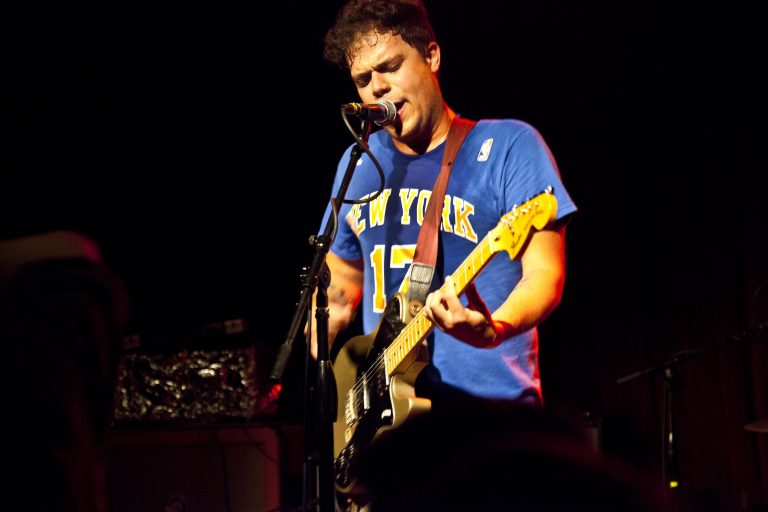
    Like any subculture, punk rock relies on the spark of youth to propel it forward. Yet there comes a time in every young punk’s life when he or she must face an enemy more terrifying than the threat of conformity could ever be: getting old. Perhaps no one knows this better than Jeff Rosenstock, former leader of the recently disbanded DIY collective Bomb the Music Industry! and author of countless punk rock anthems that tackle the many difficulties of becoming an adult.

    Rosenstock gave his followers little time to mourn the end of his longest-operating project, quickly releasing two short-but-sweet records with Fake Problems frontman Chris Farren as the power pop duo Antarctigo Vespucci, as well as a handful of quality singles and covers over the course of the past two years. Still, it’s been since 2012’s self-depracatingly-titled I Look Like Shit that fans were treated to an LP’s worth of cohesive Rosenstock material. While that record was set almost entirely in a domestic fortress of solitude lined with overflowing trash bags and dirty dishes, his latest solo outing finds our punk messiah resurrected from the dead and ready to breathe new life into his still-fledgling solo career.<

    As its title implies, We Cool? is a record about the importance of maintaining personal relationships — friendships and connections that used to mean the world to you but now threaten to decay and disappear in the face of growing up, heading down separate paths, and maybe even making a few mistakes along the way. While such commonly explored material always runs the risk of cliché, Rosenstock’s presence as one of the most relatable and welcoming figures in the punk community helps turn We Cool? into a stunning success and one of his finest releases yet.

    What remains most satisfying about Rosenstock’s music is the singer’s continuing development as both a songwriter and a performer. These songs burn bright with a level of urgency never before heard in Rosenstock’s already explosive catalogue. “You, in Weird Cities” contains not one but two of the finest choruses in Rosenstock’s career, both of which the singer delivers as if his life depends on it, as if the failure to address the growing distance between his friends could doom him to a lifetime of “always getting high when no one is around.” Meanwhile, the rousing and cathartic “Beers Again Alone” functions as the latest installment in a series of songs that includes such Bomb the Music Industry! classics as “Wednesday Night Drinkball” and “Stand There Until You’re Sober”, as Rosenstock continues to find creative new ways to express alcohol-fueled feelings of isolation, exclusion and depression.

    Similarly high-stakes highlights such as “I’m Serious, I’m Sorry” and “Polar Bear or Africa” help make We Cool? as consistent an album as any of Rosenstock’s previous full-lengths, but the LP’s finest moment arrives in “Nausea”, the record’s jaw dropping centerpiece. While fans may be familiar with a previously-issued acoustic demo, the finished version of the song must be heard to be believed, as sprightly piano and brass arrangements are undercut by ugly, embarrassing lyrics about streaming porn in between bong hits and hiding from the people who care about you even when you know you’re just letting the darkness win. The song climaxes to a backdrop of beautiful Beach Boys harmonies and represents what just might be Rosenstock’s artistic peak: all of the themes and imagery he’s ever explored tightly written into one definitive burst of melodic excellence.

    If there’s one lesson to be learned from We Cool?, it’s that you can’t hide from your problems. When Rosenstock compels another estranged friend to “crush that gloom!” he may as well be singing to you and me. Rosenstock has devoted enough of his career to writing and singing about feeling lonely and depressed to know that the answers to his problems aren’t at the bottom of a bottle or under his bedsheets; what really makes our lives special are the people in them, as well as the future that Rosenstock spends so much of this new record chasing, an adulthood that’s made worth it simply by the prospect of getting old with the people we love. Who knew that growing up could be so punk?

  • Album Review: “What You Find in a Bottle” – Chilina Kennedy

    Album Review: “What You Find in a Bottle” – Chilina Kennedy

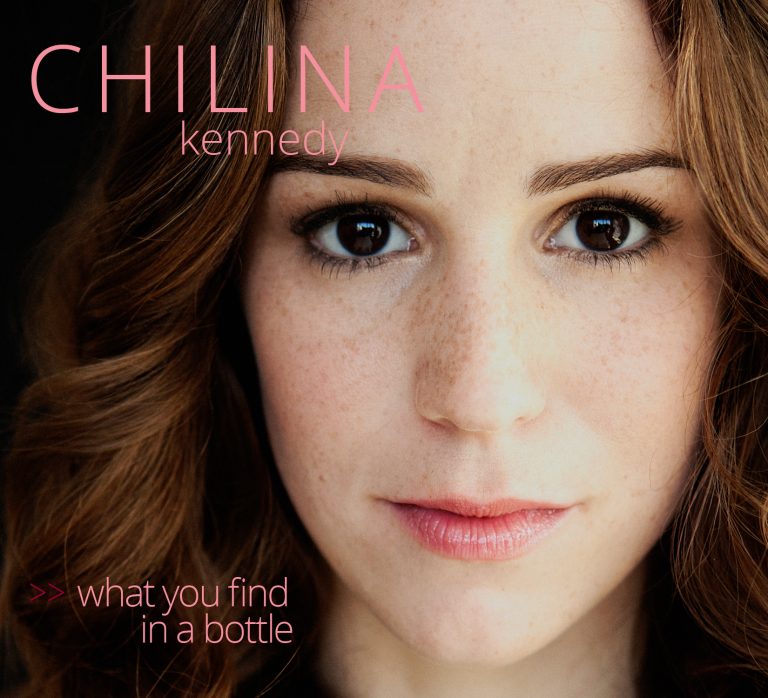
    chilina kennedy what you find in a bottleThere’s something ernest in a Broadway actress releasing an album that clearly highlights the influence of the Great White Way on her music. Despite its strong roots in bluegrass, americana, and folk, there’s the overarching image of Chilina Kennedy sitting on stage performing any of her thirteen affecting songs off of her debut album “What You Find in a Bottle.”

    What makes the album so endearing is its pure honesty. It’s the genre of singer-songwriter at its finest. A simple production that highlights Kennedy’s voice cast against a relatively stripped down orchestration gives the album genuine charm.

    The first couple tracks introduce us to the folk infused pop that runs through the album. They’re reminiscent of Colbie Caillat acoustic singer-songwriter style. However, what sets Kennedy apart is her soulful twist and profound lyrics that keep us engaged even when the music doesn’t.

    Where the album really takes off is when the folk pop third track “I Wouldn’t Call it Love.” Not only does it work as a more upbeat ballad, but also as a chill sway to the music jam. From there the album forays into an education of folk, bluegrass, and americana with slight digressions into simple acoustic guitar ballads like the album high point “Gold.”

    Mid album gem “This Year” rocks on as a bluegrass jam that inspires some foot tapping and head bobbing, but what is more of note is the gorgeous instrumentation that makes strong use of the fiddle, which is reminiscent of indie band Run River North.

    “The Gambler” illustrates the album’s ten year origin. Not that it tells the story of the album, but it simply demonstrates the lyrical storytelling that drives the thirteen songs. She questions, “why did listen to the bullshit like I was made for you?” It’s that personal flair that makes the album what it is. Even though the songs may be disjointed, the lyrics carry it through to last you from front to back.

    Despite the strong song writing, the album suffers from a weak production. It works for what the album is supposed to be, but you find yourself yearning for it to take off. If the songs were fleshed out and given a full treatment from a producer that could add depth, the overall sound would take off.

    Chilina Kennedy is currently playing Carole King in Beautiful: The Carole King Musical. “What You Find in a Bottle” is available for download on iTunes.

  • Track Review: “Fairly Local” – Twenty One Pilots

    Track Review: “Fairly Local” – Twenty One Pilots


    “Fairly Local” and the music video are perfect compliments to what I believe Twenty One Pilots’ new album is going to be. Dark, unsettling, and just what the band needs.

    First of all, let me quickly profess my love for Twenty One Pilots. I’ve been following them since the independent release of their self titled, seen them six times live, and own more merchandise than any one man should. I think that can qualify me as a fan. So naturally, when rumors began to swirl around about a new song being released today I was first ecstatic. I mean, it was the first new music the duo has released in two years. However, with any new release from a beloved band, there’s always some trepidation.

    “Fairly Local” is definitely closer to a traditional rap song than any of their previous entries into the genre. However, it still maintains the dark lyrics that they have been known for, even if it’s on a different subject matter. While their first 3 albums focused solely on Joseph’s struggle with mental illness, among other unknown parts of his life, it looks as if this song, and possibly this album, if going to focus the on the duo’s new found fame and struggle to remain the local ohio band they began as.

    The rapping sections of the song are stronger based on performance by Tyler. There is restraint to it. Similar to that restraint he shows in “Car Radio.” While lyrically it’s not his most impressive work, it definitely gets his point across. The more exciting part of the song is the bridge, which brings the true meaning forward in the catchy rap verse they perfected in Vessel. 

    Now, I’d like to address the people commenting that the song is too different from their sound and that they’re selling out for something more mainstream.

    I think that “Fairly Local” is the next step in the natural progression of the band. Their self titled was extremely stripped down and somber in tone. Regional at Best brought them to the sound most people are familiar with (the people who claim to be real fans but only listened to Vessel). It introduced the electronic element of their new sound and took a more upbeat approach to Tyler’s personally rooted lyrics. Vessel continued that, even taking songs from Regional at Best, however it also introduced more pop into the mix. Most songs had a hopeful conclusion and left the darkness to be buried in the catchy melodies. I think this is bringing them back to the darkness of the first album with the sound of Regional at Best.

    From what I can interpret it’s about their struggle to stay the “local band” that they started out as while controlling ascent to the mainstream. Anyone can interpret it their own way, but saying they’re selling out is a completely uninformed opinion.

    At one point in the song, and in the video, it breaks down to the familiar beep boop bops of more main stream rap with a synthetically lowered voice that raps about how “this song will never be on the radio.” This is Blurryface. This is the man who is torn to becoming that mainstream artist or staying local.

    Tyler calls out to “the few, the proud, and the emotional” to interpret the song.

    If you’re a real fan, then you’re the few, the proud, and the emotional and understand what Tyler is struggling with now. Just keep listening.

    Blurryface will be released on May 19th and “Fairly Local” is available on iTunes

  • Album Review: Swervedriver – “I Wasn’t Born to Lose You”

    Album Review: Swervedriver – “I Wasn’t Born to Lose You”

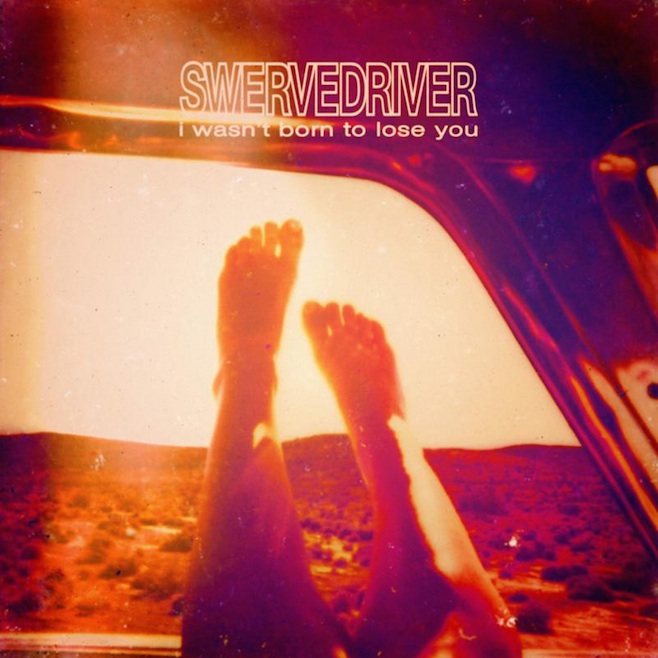
    swervedriver-i-wasnt-born-to-lose-you-2015Swervedriver is one of those bands that emerged during the early 90’s when the shoegaze craze was at its peak. Although almost no one knows about them as they were shadowed by the likes of My Bloody Valentine and Ride, they released some critically-acclaimed stuff in their prime. Mezcal Head was the first album I heard from them and everything in that reeks of the Grindy Nineties, with intricate bass lines, outros that seem to go on forever, songs of love, drugs and government, everything. I Wasn’t Born to Lose You is their first album in 17 years and comes riding the wave of alt-rockers calming down, but letting their songs age like wine.

    While their power on Mezcal Head and Raise was something to be admired, what they did with that vigor was something of a miracle. The combination of vocalist Adam Franklin’s almost apathetic voice and the high energy of the instrumentals thrashing away with feedback and gusto is what makes this different from the stereotypical shoegaze band. However, this album is more of a callback to times that were once grungy and dirty, a callback that only lasts about 6 songs in before falling off into the inevitability of age.

    The cleanliness of the album does bring the 90’s band into the 21st century of production, however it loses it’s charm and edge. What made Mezcal Head so good was the grind of everything and the limitations of production at the time. The instruments seemed heavier and fuller by comparison to many of the comeback albums of today. There is no “Blowin’ Cool” esqe track here, nothing that’s very ambitious in it of itself. The most the album changes is in the tracks “Everso” and “Red Queen Arms Race”, which tries to be as grindy as it can, but it’s a processed fuzz and feels manufactured. None of the songs are really warm in terms of their effects, and the plethora of effects used on previous albums are shorn down to maybe 4.

    The album isn’t all bad as I make it out to be. “Autodidact” is my favorite track off the record and is an instant classic. It was the taste that not everything that is clean from them has to be a sub-par track. “Everso” returns to the grind with a long, somberly track that increases in ferocity everso (ha, get it) slightly to a pounding climax. “For A Day Like Tomorrow” sounds more like a Swervedriver track, it’s got that 90’s tempo to it sounding like a love child between the English bands of the era and Dinosaur Jr.

    There are some gems on this album, but the disappointing outweighs the good in this case and didn’t leave me with my musical fill. This is more so a textbook example of when you should increase production value and when you shouldn’t. If this was the final release for these guys, I wouldn’t put it against them. In fact, it’s just one of those albums I would forget that I had on my iPod.

  • My Top 5 Favorite Song Production Choices

    My Top 5 Favorite Song Production Choices

    If there’s one thing I’m a sucker for, it’s fantastic album production. And since I now possess an ample platform for my opinions to be kinda heard, I’m going to honor some of my favorite production moments.

    It’s one thing to have top-notch, impressive production throughout an entire song; I can name plenty of those. For this list, I’m focusing on songs that have specific jaw dropping moments, sending chills down my spine not only the first time I heard them, but every time afterwards.

    I’ve left out the works of The Beatles, Queen, and all Steven Wilson associated projects, because they each have vast enough catalogues for their own lists. I’ve also left off some song selections from albums in which every song could make it onto the list (Daft Punk’s Random Access Memories, for example).

    Now, this was accidental, but I ordered this list starting with the sexiest tracks, diminishing in sexiness as we go down the list. So, with that in mind, let us proceed….

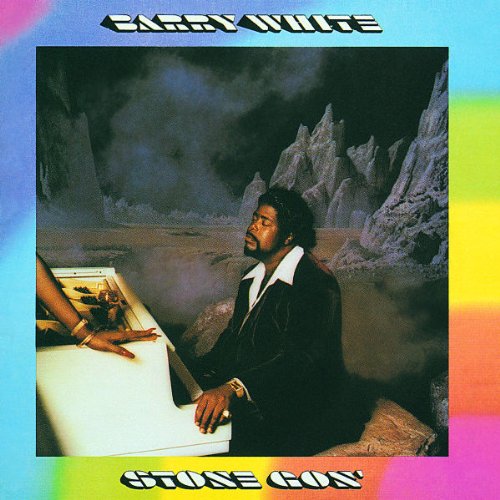
    1. “Never, Never Gonna Give Ya Up” – Barry White, Stone Gon’, 1973

    I’ll be honest, that famously dramatic, almost atonal intro is the reason this song made the list. The way the music builds in intensity is mysterious, You have no idea where it will take you until the band reaches that high climax (pun totally intended), and you’re awash in probably one of the sexiest backing tracks ever. I think there’s a harpsichord in among the strings, and it works amazingly well.

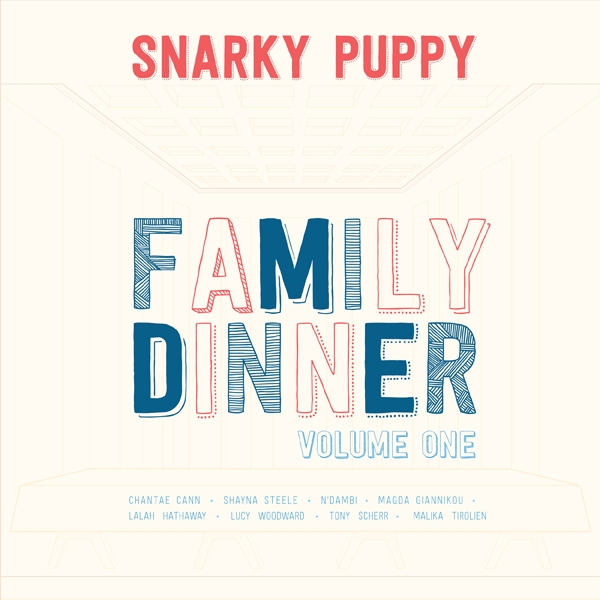
    1. “Something” – Snarky Puppy & Lalah Hathaway, Family Dinner Vol. 1, 2013

    If there was ever a track that truly deserved a Grammy, it was this (thankfully, it won one). Robert “Sput” Searight’s arrangement took this fantastic R&B track into sultry jazz territory, and Lalah Hathaway’s vocals are perfect in every way. She also sang polyphony, four times, like it was no big deal.

    There was just too much to say about Snarky Puppy’s playing, so I just went ahead and listed all the reasons they make this track amazing

    • Bassist Michael League laying down some of the grooviest, funky bass lines that never overpower
    • Guitarists Mark Lettieri’s and Bob Lanzetti’s well-timed melodic flourishes
    • The way drummer Robert “Sput” Searight and percussionist Nate Werth locked in together, forcing us listeners to helplessly dance along
    • Mike “Maz” Maher’s smooth trumpet solo
    • Corey Henry’s unbelievable organ interplay with Lalah’s voice
    • Corey Henry’s organ tone
    • Corey Henry
    • The backing vocals of Chelsea West, Katya Diaz, and Rachella Searight
    • Beautiful horn lines from Maz, Chris Bullock, and Jay Jennings
    • The laid back electric piano lines of Bill Laurance

    Special credit must be given to sound engineer and mixer Eric Hartman. As he as done on every Snarky Puppy live album, he manages to get a clean mix of fourteen musicians, balancing every instrument perfectly. In an age of compressed and distorted tracks, it is rare to find a song where you can pick out each instrument individually. It was well needed here.

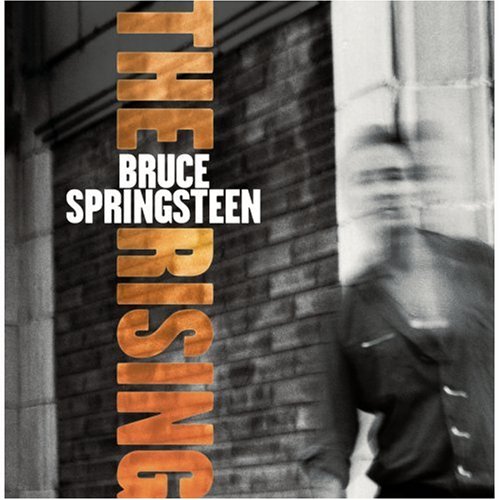
    1. “The Fuse” – Bruce Springsteen, The Rising, 2002

    The Bruce Springsteen catalogue features a rich variety of top-notch production, but this track has always stood out for me. A modern rock song with a slight hip-hop influence (courtesy of producer Brendan O’Brian), it’s an overall great modern rock song.

    There is an absolutely beautiful and haunting moment that comes in about 3:40 into the song. At the end of a reverberated and airy bridge, all the music suddenly cuts out as Springsteen delivers his final line. “Your bittersweet taste on my tongue”. A completely dry vocal track provides a chilling contrast to the preceding lines, and intensifies the power as the band slams into the chorus.

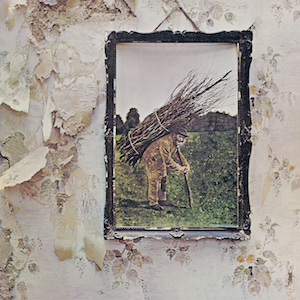
    1. “Stairway to Heaven” – Led Zeppelin,                   , 1971

    Not too much can be said about Stairway that hasn’t been said already, so I’m going to keep this one pretty short. The buildup in this song is perfectly executed. Going from a lonely acoustic guitar, to a dreamy musical drive, into a ferocious all-out rock climax, Stairway is a musical journey that has seldom been surpassed.

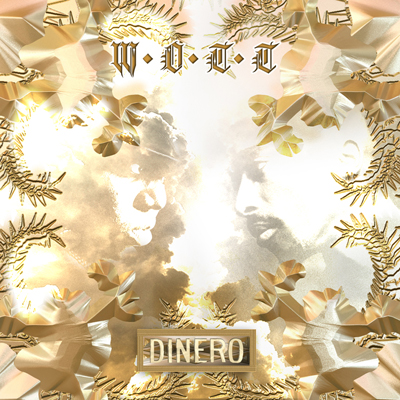
    1. “No Church in the Wild” – Kanye West & Jay-Z (featuring Frank Ocean & The Dream) (with samples of Spooky Tooth, Phil Manzanera, & James Brown), Watch the Throne, 2012

    Combine a progressive rock guitar riff, James Brown screaming, a vocoder, and a philosophy lesson, and you get this classic track. Ok, I’m gonna break my rule since I’m talking about the full song, but I just love it a bit too much. The brooding intensity of the music is perfectly matched by Jay’s flow (and, um, less so by Kanye’s). Frank Ocean and The Dream make awesome cameos as well, and the creative sampling makes a vibe that always seems to get the blood running whenever I hear it.


    <iframe src=”https://embed.spotify.com/?uri=spotify:user:1289280408:playlist:2W9AA4AREZUZJowL891ZY0″ width=”300″ height=”380″ frameborder=”0″ allowtransparency=”true”>


    Do you agree with this list? Or did it make steam come out of your ears, clouding your headphones? Do you have different songs you would have put in this list? I bet you do. Throw ‘em in the comments!!!