Karl Delossantos

  • Okja review — A surreal and quirky movie about a super pig

    Okja review — A surreal and quirky movie about a super pig

    Bright colors, quirky characters, and at the center of it a super pig. Okja is a visual delight but offers something deeper below its surface.

    Okja is a super pig. Yes, that’s what they call her species in the eponymous film. This animal, which is double the size of a hippo, slobbers uncontrollably, and has a propensity to fart — sometimes on command — is also a gentle and loyal giant. That’s clear from Okja’s relationship with Mija, a farm girl in Korea who has grown up with Okja from when she was a toddler. It’s the setup for the classic kid and their animal best friend movie that we’ve seen countless times — Charlotte’s Web, Free Willy, etc. However, this is certainly not one of those movies.

    At the center of Okja is darker themes that can be summed up in the opening scene. Lucy Mirando (Tilda Swinton), the new CEO of the Mirando Corporation, announces in a bright and flashy presentation in 2007 the company’s newest venture: the super pig. Framed as the next step of meat production, the corporation isn’t holding back any expense in promoting the product — flashy graphics, a room full of press. However, the centerpiece is a 10-year contest that involves the company sending twenty-six of the super pigs to locations throughout the globe to see which farmer raises the best pig.


    However, Mija doesn’t seem to understand that the company has darker intentions as its end game. Specifically, that the super pigs are going to slaughtered and eaten. For all the glitz and glamor that the Mirando Corporation has, they are simply covering up that fact that they are the embodiment of corporate greed. Swinton — following up her incredible performance in the director’s last film Snowpiercer — acts as the human stand-in for the company. However, her character’s journey is a lot deeper than that. This campaign is her chance to finally crawl out from under the shadow of her grandfather, father, and menacing twin sister (also played by Swinton), who have all taken the reigns of the company at some point. Her complete lack of empathy for the creatures and Mija stem from money and success blinding her.

    The opening act of the film is a surreal study of a human, their companion, and their relationship. Mija and Okja aren’t human and pet. They’re truly best friends. Okja is as loyal and caring for Mija as she is for her. More importantly, though, Okja’s intelligence and compassion are on full display. It shows that there is a soul behind her eyes. However, that all comes crashing down when a caustic television veterinarian (played by Jake Gyllenhaal) comes to retrieve Okja for the media rounds before ultimately becoming just a product in a grocery store.

    As the setting shifts from Seoul to New York, we are introduced to the members of the Animal Liberation Front (ALF) — led by Paul Dano, who gives a marvelous performance — a PETA like organization that tries help Mija get Okja back. However, they, like Mirando, have ulterior motives as well. After the first act, which plays a lot like the dreamscapes of a Hayao Miyazaki film, the rest of the movie works best when the ALF or Tilda Swinton is on screen. Both sides are at times morally compromised. However, they also have a humanity that makes you understand the dilemma’s they face. That’s not to say that the movie is constantly bleak or overly serious. In the end, Bong Joon-Ho is a director that finds the humor in even the darkest of topics. For example, one of the members of ALF is constantly fainting because he eats as little as possible to leave the smallest carbon footprint. How far do you go to exemplify your ideals?

    However, there are moments when the movie doesn’t work. Specifically, Jake Gyllenhaal’s performance often takes you out of the world. The world that the movie takes place in is surreal, but his performance is on another planet. From his high squeaky voice to his twitchy movements, it’s over-the-top in the exact way a good over-the-top performance shouldn’t be. Compare that to Tilda Swinton’s idiosyncratic antagonist who still makes you feel even in her most overzealous moments. Steven Yuen does great work as well as another ALF member. However, the actor that makes the biggest impact in the film is Ahn Seo-hyun as Mija. So much of the movie relies on your reaction to her character. And she nails every scene.


    Even the smaller roles make a huge impact, though. It’s one of the best things about Bong Joon-Ho movies. Everyone from a disgruntled truck driver to Lucy Mirando’s neurotic assistant get a chance to make an impact on the screen that is memorable, and more importantly, adds to the surrealist world the movie takes place in. And for a movie featuring animal cruelty and corporate greed, it’s incredibly funny. But it doesn’t try hard to be. By just being its quirky self, it accomplishes that.

    To try and classify Okja would be a disservice to the movie. It’s as one of a kind of a film as they come. And that’s its greatest virtue. For this movie to work, it has to march to the beat of its own drum. That beat is a wonderfully unconventional movie that’s sometimes satire, sometimes dark comedy, but all heart.

    ★★★★ out of 5


    Okja is available for streaming on Netflix!

  • ‘Dunkirk’ is Christopher Nolan at his best | review

    ‘Dunkirk’ is Christopher Nolan at his best | review

    Dunkirk is a thrilling and emotional war movie that is singular in its form and a high-point in Christopher Nolan’s already impressive career

    Quick cut: Though it is infused with the cinematic innovation that’s synonymous with Christopher Nolan, Dunkirk also finds him at his most human. The action, visuals, and disorienting story make it a cinematic achievement, but the surprising emotion is what makes it one of Nolan’s best.

    Tick. Tick. Tick. That’s the sound that underscores almost all of Christopher Nolan’s film about the evacuations at Dunkirk during the height of World War II. However, what we’re counting down to exactly is never truly apparent. Is it to the end of the evacuation? Or perhaps to when the German troops — who are never truly seen — finally make their final push into Dunkirk? Nolan plays with time by tracking the story in three vignettes. “The Mole” takes place over one week, “The Sea” over one day, and “The Air” over one hour. The three storylines are interwoven into each other before crashing together. However, no matter if you’re watching the speeding story of The Mole or the slow burn one of The Sea, the tension never truly abates until that clock stops ticking.

    With barely any dialogue or even context for where the movie takes place in World War II, it’s disorienting to orient yourself into the story. Still, from the haunting opening shot of five soldiers scavenging through the empty streets of Dunkirk, you are immersed into the narrative. Eventually, Tommy (Fionn Whitehead) emerges as our general point of view for “The Mole.” However, he is certainly not a typical war movie protagonist. There really isn’t anything typical about Dunkirk. There are no incredible heroics or selfless acts of bravery. Nolan portrays the desperation that soldiers felt unflinching. For the soldiers shown in “The Mole,” the only goal is to get off the beach.

    💌 Sign up for our weekly email newsletter with movie recommendations available to stream.


    ADVERTISEMENT


    “The Sea,” which is anchored down by recent Oscar winner Mark Rylance, — he has a good chance of being back in the Oscar race with this role — is a slower build, but no less tense. However, this is also where we get to know our characters a bit more. Specifically, when a soldier (Nolan regular Cillian Murphy) is brought onto Mr. Dawson’s (Rylance) boat — the Navy commissioned the vessel to help with the evacuation — after the ship he was on was struck by a torpedo, his strong PTSD begins to endanger those on board. PTSD is misunderstood, but Nolan handles the plot line here with grace. For a director that is often criticized for forgetting humanity in a situation, Dunkirk is made up almost exclusively of human moments. Even scenes of action have a feeling of dread or our fragility.

    To call Dunkirk singular would be an understatement. Among war movies, it is an outlier. It’s more poetic than it is brutal. It can even be described as an arthouse version of war. Cinematographer Hoyte van Hoytema finds the beauty in the chaos and helps Nolan look past the carnage of war and instead look at the desolation. This isn’t a battle. The battle is over. This is a race for survival. A lesser filmmaker would intercut the war scenes with scenes in Berlin strategizing the final assault into Dunkirk or London with Churchill. Instead, it keeps its attention on the beach, the sea, and the air. It’s that focus that makes you unable to rest during its lean 90-minute running time.

    There’s been a recent discussion over Netflix and its place in the film industry. Is it okay to watch movies in their unintended setting? In the case of Dunkirk, watching it in any place other than a movie theater — ideally an IMAX — would be a disservice. This movie will immerse you. The wide hellish landscape portrayed on-screen engulfs you to the point that hearing a plane roaring overhead will make you flinch much like the soldiers on the beach. At times, you hear the noise, but don’t see the plane and instead watch the reactions of the soldiers screen. A huddled line of soldiers standing on a pier waiting to board the next evacuation boat suddenly turn their faces to the sky to see the unseen enemy before being bombarded the next moment. In those moments, your breath is taken away. It’s filmmaking at its finest.

    💌 Sign up for our weekly email newsletter with movie recommendations available to stream.


    ADVERTISEMENT


    At one point, Tommy, who has teamed up with Alex (Harry Styles, who does good work here) and another unnamed soldier (Aneurin Barnard) are aboard a ship that is hit by a torpedo. As the water rushes in, we are caught up in the swell and are soon consumed by darkness. The terror of the moment seeps into you. Even though you’re watching it on a two-dimensional screen, the scene surrounds you.

    All the while, in the sky, Farrier (Tom Hardy), a Royal Air Force Pilot, is in a dogfight protecting the beach during the evacuation. Hardy is sublime in the nearly silent performance. However, the storyline is more than an action sequence. Dunkirk is about heroes. The actual evacuation was seen as a military disaster that has been largely ignored until now. Well, Nolan has found that heroes in war movies don’t have to be the brave soldiers going out in a blaze of glory. Instead, it’s the ones that save one person. It’s the ones that show their humanity for a brief moment. It’s the ones that see the mass of soldiers huddled on the beach as individuals, instead of one collective mass. Dunkirk is as much about the evacuation as it is the men and women who experienced it.

    Christopher Nolan is the biggest director to rise to prominence in the 21st Century, without qualification. However, it’s only recently that he has learned how to balance his incredible style with substance — check out our review of Interstellar. Well, if Dunkirk is any indication, he’s found that balance. Dunkirk is nothing short of a masterpiece. No other director would attempt a war movie like this. From the artful cinematography to Hans Zimmer’s disorienting score, and the non-linear narrative to the dialogue-less emotion, Dunkirk is a practice in the bursting through the boundaries of filmmaking. But it’s more than the craft. It has heart. Through the entire movie, every character has an ultimate goal that is right there but is never within reach: home.


    ADVERTISEMENT


    More movies, less problems


    Hey! I’m Karl. You can find me on Twitter and Letterboxd. I’m also a Tomatometer-approved critic.

    💌 Sign up for our weekly email newsletter with movie recommendations available to stream.


    ADVERTISEMENT


    💌 Sign up for our weekly email newsletter with movie recommendations available to stream.


    ADVERTISEMENT


  • Valerian and the City of a Thousand Planets review — A visually stunning mess

    Valerian and the City of a Thousand Planets review — A visually stunning mess

    Valerian and the City of a Thousand Planet boasts some strong visuals, but its muddled plot and lack of character stop it from taking off

    If I showed you an image from the colorful and bizarre world of Valerian and the City of a Thousand Planets, you might guess it’s one from Star Wars or Guardians of the Galaxy. You wouldn’t be far off since both properties pulled inspiration from the original French comic series Valerian and Laureline. Still, this adaptation by director Luc Besson has neither the tight plotting or exciting adventures of Star Wars nor the entertainingly bizarre humor of Guardians. Though visually and conceptually it comes close to the world’s of both franchises, in the end, Valerian and the City of a Thousand Planets results in a middle of the road space western. But it does have its virtues.

    Valerian begins with three enthralling scenes that for different reasons show why Luc Besson is one of the most stylistically interesting directors working today, for better or worse. We begin by seeing the creation of Alpha, which began as the International Space Station but has since expanded to include beings from thousands of planets. Through a montage set to David Bowie’s “Space Oddity”, we see new nations and species join the group over decades, always greeted by an ever-changing trio who welcome the beings with open arms. It’s simple, but effective filmmaking that sets the tone for the piece as a quirky space adventure, but also suggests a theme of cooperation among different groups of people. We’ll get to that.


    We then jump to an unknown planet populated by blueish-purplish aliens who live in beautiful harmony on a never-ending beach. The conceptualization and creation of this world is the type of visionary filmmaking we’ve come to expect from Besson. It’s a detailed and beautiful world that doesn’t need words for us to understand the people that inhabit it. Within moments, you know that this is a world untouched by civilization for the better. Though the design is gorgeous, the vast amount of CGI in the sequence — which almost seems like 100% — takes away from the impact. Even if it is stunningly done. That becomes a theme throughout the film. Soon, mysterious vessels begin falling from the sky and begin destroying the world, though it’s not an invasion. We quickly cut away from this world to meet Valerian (Dane DeHaan). For such a large cut of the movie, we aren’t given much payoff.

    Valerian and his partner Laureline (Cara Delevingne) are the best space agents in the World Space Federation and maybe lovers or dating. It’s not clear like much of the character development in the film. We meet them as they are about to embark on a mission at Big Market. A vast twisting bazaar that exists in a different dimension and can only be seen and touched if you wear a special helmet and gloves. And like the first alien world we’re introduced to, it’s grand and beautifully made and conceptualized. Valerian and Laureline are tasked with retrieving an item that’s being traded on the black market. The action set piece that ensues is truly an accomplishment in cinema. Taking place in multiple dimensions — we see Valerian in Big Market and Laureline in the “real world”, which is pretty much an empty lot — and spanning what seems like miles of this market, it’s a thrilling chase. But the movie never has another moment like it.

    Once the object is retrieved, they learn that a mysterious force has infected the center of Alpha. As the pair’s commander Commander Arün Filitt (Clive Owen) explains, troops have been sent to investigate, but never return. Owen doesn’t get much to do with his character, but he at least brings presence to the film. The aliens from the beginning of the movie return and kidnap Filitt and Valerian and Laureline are tasked with finding him.

    The problem that Valerian and the City of a Thousand Planet has plotwise is that it doesn’t really have a compelling plot pushing it forward. The blueish aliens are the central mystery and they are somehow connected to this mysterious force, but the movie doesn’t make an argument for us to really care about it. In terms of plot, after the three scenes at the beginning of the movie, we spend the time searching for three different characters that go missing. But they all feel like dead end plots that don’t seem to mean much in the end. Though, a side plot with Bubble (Rihanna), a shape-shifting blue blob of an alien, ends up being one of the most entertaining bits of the film. Even the climax feels like an anticlimax. There are no stakes and we really don’t care about the characters enough to be invested in their journey.


    That’s partially because of the casting of DeHaan. I believe he has the potential to be one of the great actors to come out of this generation. But his oddly affected Keanu Reeves-inspired performance just doesn’t work here. The same goes for his chemistry with Delevingne. She does her best with the material she has, but it’s a bit of a thankless role. The visuals are truly stunning. That’s something that I have to emphasize here. And the world is interesting. But unlike Guardians and Star Wars, we don’t get likable characters or compelling stories or even humor to help give the movie personality.

    I really wanted to like Valerian. And in the hands of a director that understands character a bit more, it might have been better. But trying it seems like Besson was too focused on creating interesting set pieces, that he forgot to contextualize them within a story, which ends up making them less affected. Somehow, Valerian is less than the sum of its parts. All the elements for a fun sci-fi romp are there — you can find them to better success in Thor: Ragnarok. But they just don’t add up. At the very least, we get an incredible Rihanna dance sequence that proves that she can really do it all.

    ★★½ out of 5


    Watch Valerian and the City of a Thousand Planets on Amazon!

  • Spider-Man: Homecoming review — A funny and bright teen superhero romp

    Spider-Man: Homecoming review — A funny and bright teen superhero romp

    Funny, bright, and charming, this younger version the web-slinger in Spider-Man: Homecoming breathes new life into the character and superhero genre.

    The bright colors, catchy soundtrack, and witty dialogue make this incarnation of Spider-Man the most light-hearted. However, what makes Spider-Man: Homecoming the best movie in the many versions of the character so far is that it’s hyper-aware of what it is, who the character is, and has something completely different than both the 2002 and 2012 versions: Tom Holland. For all the genius direction and strong screenplay, the memorable supporting performances and top-notch character development, the best part of Spider-Man: Homecoming is the man — or should I say boy — himself.

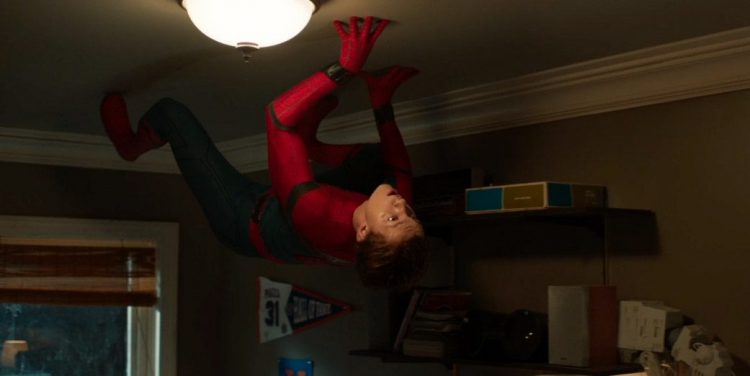
    Holland, at 21, is closer in age to the original Peter Parker than Tobey McGuire or Andrew Garfield, which is already an asset to the film. It makes the character’s plights and personality more understandable. However, Holland brings even more. He gives Spider-Man a playful and endearing energy. He is truly a boy looking to live up to the name and the suit that Tony Stark (Robert Downey Jr.) gifts to him in Captain America: Civil War. But first and foremost, he’s a teenager. In this version of Spider-Man, Peter Parker is a 15-year old teen living in Queens with his Aunt May (a criminally underused Marisa Tomei), attending a science and technology high school, and is constantly drooling over the school’s it-girl Liz (Laura Harrier). It feels more like the set-up for a John Hughes movies or an episode of Freaks and Geeks. Except, this time the geek has superpowers.


    Luckily for us, we’re spared the retread of Peter’s all too familiar origin story. The movie even makes jokes at its expense. Instead, we’re thrown right into Peter’s quest to prove himself worthy of The Avengers, while also balancing school, friends, and the all too familiar teen urges. All the while, Stark acts like big brother, keeping a close eye on Peter with the help of Happy (Jon Favreau). Peter wants to do so much more than just be “your friendly neighborhood Spider-Man” as Tony puts it.

    However, as we see in the opening scene, there are bigger problems than a bike thief or giving a Dominican woman directions as we see in a hilarious sequence of Spider-Man performing good deeds. Immediately following the events of The Avengers, Adrian Toomes (Michael Keaton) wins a contract with the city scrapping the alien artifacts and debris from the damaged New York. But before he can get far in the cleanup, he is stopped by Tony Stark’s U.S. Department of Damage Control who take over. Toomes is enraged. But when he discovers he still has a truck full of alien artifacts leftover, he, along with his crew, start producing advanced weapons that he sells on the black market.

    Peter discovers the plot and wants to pursue it, but Stark won’t let him until he’s proven himself. At one point he says to his friend Ned (a delightful Jacob Batalon), “I’m sick of Mr. Stark treating me like a kid.” To which Ned replies, “But you are a kid.” However, like any teen told that they can’t do something, he does it. But still, he’s a teen in high school and must attend to his responsibilities like homework, the academic decathlon team, and ogle his crush.

    Tom Holland in Spider-Man: Homecoming

    Superhero movies are balancing acts. No good superhero movie is just a single genre. The Dark Knight is also a crime movie. Captain America: The Winter Soldier is also a conspiracy thriller. Spider-Man: Homecoming is also a high school movie. For every scene of high action is a scene in detention or gym class or a party. Peter builds a Lego Death Star in between his crime-fighting activities. He uses his decathlon field trip as a cover for his investigation of the advanced weapons. The two storylines intertwine seamlessly until a reveal that sends them careening towards each other. The screenwriters unearthed the full potential of having a teenaged Spider-Man by letting him act like a teenager. One of the funniest gags throughout the movie is Ned’s inability to get over the fact that Peter is Spider-Man. “Can you summon an army of spiders?” he asks at one point. It’s the reaction you’d expect from a geeky teen finding out his friend is a superhero.

    Batalon isn’t the only supporting player that does great work here. Keaton is a clear highlight in the supporting cast — he’s almost too perfectly made for the part. However, actors like Zendaya, who plays one of Peter’s Academic Decathlon teammate, makes the most of her short screen time. She steals scenes with single lines and even looks.

    “I like drawing people in crisis… it’s you.”

    Hannibal Burress and Martin Starr both have short, but memorable roles as the school’s gym teacher and decathlon coach, respectively. Bokeem Woodbine is deliciously campy as the shocker. Chris Evans has a hilarious cameo as Captain America delivering an “after school special” type lesson via video. And Tony Revolori — best known as Zero in The Grand Budapest Hotel — gives us an updated version of Eugene “Flash” Thompson that feels in and of his time. However, the success of the movie still all comes back to Tom Holland and his sensational performance as the web-slinger.


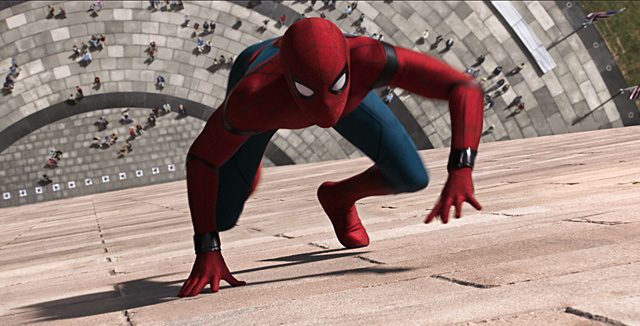
    The success of Spider-Man: Homecoming can be boiled down to one thing: this Spider-Man loves being Spider-Man. Who wouldn’t? If you were a geeky 15-year old finding out that you had superpowers, you would too. As he swings down the Manhattan streets, he cheers. Holland is having the time of his life the same way his character is. One of the movies greatest virtues is that it’s hyper-aware of what it is. It’s a bright, splashy superhero movie that knows how to have fun with itself. However, that doesn’t mean it loses perspective in the grand scheme of the Marvel Cinematic Universe. It’s still about what it means to be a hero and the consequences doing good may have on the world around you. But Jon Watts and the six screenwriters also have an incredible sense of the character and what it means to be a hero specifically to him. With great power comes great responsibility, but great responsibility requires great self-awareness of oneself.

    In the end, Spider-Man: Homecoming stands on its own apart from the rest of the MCU — though there are several fun references to other movies. It doesn’t feel beholden to the franchise or obligated to launch a sequel, like 2014’s The Amazing Spider-Man 2. It’s a scaled-down version of a superhero movie, which is one of its many assets. Even its final battle feels close to the ground compared to the ones in movies past. But still, it leaves you craving for more. Aunt May makes sure of it with her blistering final line that will drive audiences to their feet.

    ★★★★ out of 5


    Watch Spider-Man: Homecoming on Amazon!

  • The Beguiled review — A darkly funny southern gothic tale

    The Beguiled review — A darkly funny southern gothic tale

    The 1971 southern gothic tale The Beguiled has been reimagined with a sharp, witty tone that delivers some darkly funny laughs.

    Some of the greatest facets of a southern gothic tale — equivocal gender roles, a decaying setting, social alienation — all appear in both adaptations of Thomas P. Cullinan’s novel A Painted Devil, renamed The Beguiled. However, unlike the clear male gaze of the original 1971 version, which was directed by Don Siegel and starred Clint Eastwood, Sofia Coppola’s The Beguiled is set firmly from the female point of view. But, it’s not just a single view. Instead, she looks at female desire from four different viewpoints. That change elevates this new version of The Beguiled to surprising new heights while also streamlining the narrative to be more deep and effective than before.

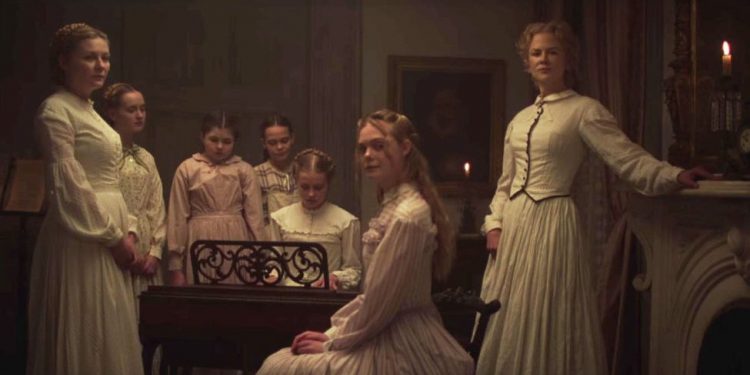
    In 1864 Virginia, a few students and teachers remain in the Farnsworth Seminary run by Martha Farnsworth (Nicole Kidman). From the school, you can see smoke and hear canon fire as a reminder that the Civil War still rages on.


    While searching for mushrooms in the woods in deep Virginia, Amy (a delightful Oona Laurence) stumbles upon a Union soldier Corporal John McBurney (Colin Farrell), who injured his leg. Amy helps him back to the school where he passes out. Martha decides to take him in and nurse him back to health before handing him over to Confederate troops. However, there’s a noticeable shift in the air when Corporal John McBurney arrives. Teacher Edwina Morrow (Kirsten Dunst), teenage student Alicia (Elle Fanning), Martha, and the other students begin fighting for McBurney’s attention often slipping into his room, which he is locked in, to even just steal a glance of him. However, they all have different motives.

    Coppola smartly strips the movie of any obvious subtext and instead allows us to derive meaning from each characters’ actions. It’s less about the possible threat of McBurney and more about each woman’s reaction to his presence. And all of their reactions can be summed up in desire. Martha sees John as a companion. Unlike her complicated backstory in the original adaptation, it’s simply hinted at that Martha lost her husband at some point during the war. She sees John as a way to fill that void. Edwina, on the other hand, wants John as an escape. It’s clear that she’s unhappy with the way her life has gone, but she never had the means to leave it. To her, John is her chance to be free. Alicia, the eldest of the girls at the school, lusts after John. Her repressed sexuality suddenly has an outlet when John appears. And lastly, Amy, who doesn’t quite fit in with the other girls, want John to be a friend or even brother.

    What is most surprising about The Beguiled, though, is that it is a delight to watch. Not that I didn’t think it was going to be enjoyable. But it’s surprisingly funny in its own dark way. In one scene, the girls, particularly dressed up for their first dinner with McBurney, slyly fight over the apple pie that McBurney just complimented. The polite, but pointed, banter is a hilarious reminder that none of these women have felt the attention of a man in quite some time.

    However, there is a noticeable hole in terms of race. There has been a lengthy discussion about a black female slave character being cut from film — she appeared in both the book and the 1971 version. For a movie so closely tied to the Civil War, it was disappointing to not have that commentary. Especially considering this is a movie about desires. A woman in that position would have a very interesting perspective on the situation. It is addressed with a throwaway line early in the movie. Still, for such a lean narrative, one would wonder why they couldn’t fit in such an important conversation.


    The Beguiled is a practice minimalistic storytelling. We rarely leave the overgrown grounds of the school — the growing weeds are a small reminder of the absence of slaves — the characters don’t say more than is needed, and the plot doesn’t stray far from the main thread. However, it is still a charming and engrossing, albeit quiet, movie. Though she certainly has Farrell, who delivers a constantly shifting performance that keeps you guessing, and Kidman, who is powerful in her otherwise reserved role, to thank for that. The Beguiled isn’t your typical summer thriller. However, one of the best things on a hot summer day is a dose of melodrama. And that, like revenge, is served up ice cold.

    ★★★½ out of 5


    Watch The Beguiled on Amazon!

  • Baby Driver review — An action movie that will make you sing

    Baby Driver review — An action movie that will make you sing

    Funny, thrilling, and musical, Baby Driver is an action movie like no other with a protagonist that will make you sing.

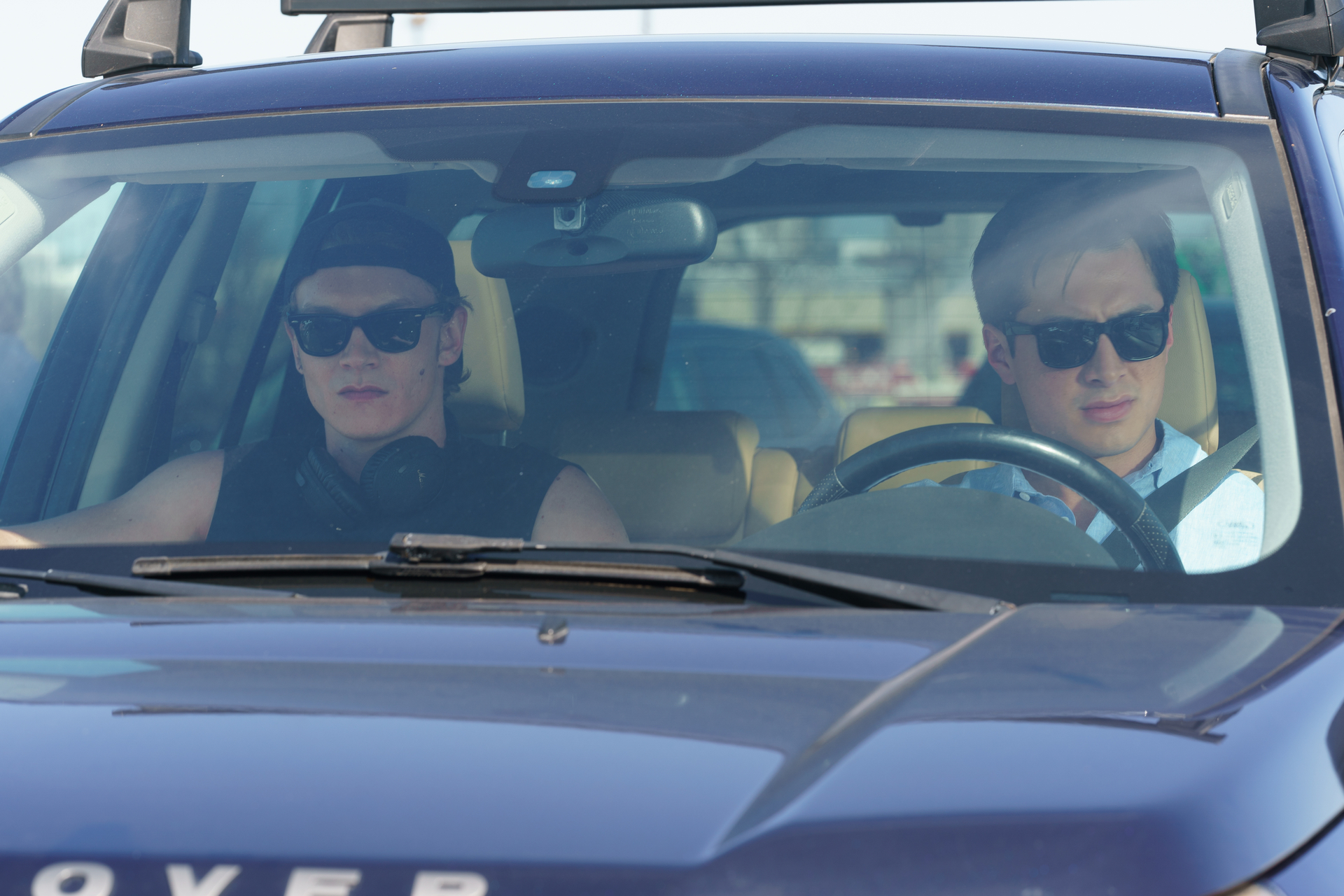
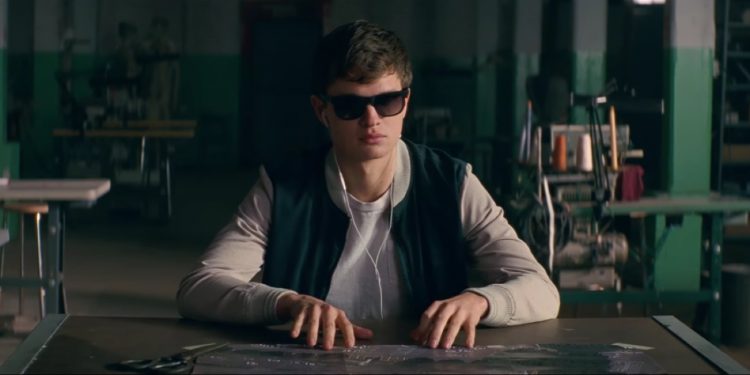
    Any successful action scene and movie has to have a rhythm. Pace is everything. Well, Edgar Wright — best known for Hot Fuzz and Shaun of the Dead — takes that requirement and sets it to a tune. Every one of the action scenes and even the mundane ones are set to a carefully selected tune by our protagonist, Baby (Ansel Elgort). To him, music is life. And since the movie is solidly set in his point of view, every scene, every move, and every heist are music.


    But it’s certainly for good reason. At a young age, he was in a car accident that claimed the life of his parents and gave him tinnitus, which means he constantly hears a high-pitched ringing unless he drowns it out with music. However, one good thing came out of it. By using the music as his metronome, he is able to time his moves and reflexes almost perfectly while driving. Doc (Kevin Spacey), a crime boss in Atlanta, took notice of Baby’s skills when Baby stole one of his cars at a young age. Now, Baby works as a getaway driver to pay off his debts to Doc. Doc is fond of Baby. He even points out the even though he never has the same team for a job twice, Baby is always the driver.

    However, when we meet Baby, he has almost paid off his debts and owes Doc just one more job. Between his job with Buddy (A delightful Jon Hamm), his wife Darling (Eiza González), and Griff (Jon Bernthal, in a small but meaty role) and last job, he meets Debora (Lily James), a waitress at a diner he frequents. Debora captures his attention when he sees her singing “B-A-B-Y” by Carla Thomas as she walks into the diner. In her, he sees a future outside of crime.

    What makes Baby Driver work so well is not only the musicality of the action scenes, though that is certainly vital to its success, it’s the way Baby as a character is presented. Action movies often expect you to like the protagonist because they are the protagonist. They don’t put in the work to make you like the character. With Baby Driver, Wright makes Baby an atypical action movie protagonist. He doesn’t want to be the hero of his story. He wants his story to have the quietest ending possible. However, his line of work doesn’t lend itself to that. Elgort is a huge part of the character’s success. He’s a charmer when he’s silent, but when he gets the chance, he makes a grab for our hearts — he memorably lips syncs to Jon Spencer Blues Explosion’s “Bellbottoms” in the opening heist.

    That opening scene, in general, is a masterwork of directing and one of the best scenes of the year so far. The bank robbery and ensuing getaway, which is set to the same song, is an action scene like no other. The chase flows with the music. Every swerve, hit, and even yell from the passengers is timed with the music. It allows the scene to have momentum, unlike the smash cut riddled action sequences of the Bourne or Taken franchises. Almost every scene has the same momentum.


    Eventually, Baby gets pulled back into Doc’s circle, and he must find a way to protect himself and the people he loves — Debora and his foster dad, (CJ Jones) — before his crimes catch up with him. Interestingly enough, the movie doesn’t end with a car chase, but it certainly subverts any expectations you may have. It’s not the typical crime movie ending. Wright knows that he owes the character of Baby more than that. Throughout the movie, he subtly shows that Baby is more than his life of crime. He is a good person that got pulled into doing bad things. Wright knows that Baby has to atone for that. And the way he does that is almost as thrilling as any action scene in the movie.

    Baby Driver feels like the future of action movies. Even though Mad Max: Fury Road still feels like the height of the genre, it was an evocation. Baby Driver is an innovation. Not just because of its musicality, which makes it feel like an old Hollywood musical on wheels, but because of its unique structure, its out of this world characters, and because Baby is a protagonist like no other. That’s not to take away from the rest of the cast. Spacey is chewing the scenery, but in a way that no other actor can pull off. James is a charming romantic lead, Hamm and González are a suave Bonnie and Clyde-esque couple, and Jones helps give Elgort more dimension. However, the real star is Wright’s screenplay and direction. He balances romance, comedy, and action without taking away from any element. You’d better hope Baby Driver is a hit. We need more movies like it.

    ★★★½ out of 5


    Watch Baby Driver on Amazon!

  • Best Sci-Fi Movies of the Decade (and where to stream them)

    Best Sci-Fi Movies of the Decade (and where to stream them)

    From the post-apocalyptic to the not-so-distant future, here are the ten best sci-fi movies of the decade (so far)!

    Sci-fi is one of the most interesting and innovative genres because it poses a specific challenge. How do you show tomorrow while commenting on today? At least, that’s what good sci-fi tries to do. Look at Alien and its sexual politics or Children of Men and its now eerily commentary on xenophobia. Though they’re both formally wildly different, they both challenge certain pitfalls of our society by adding or subtracting an element — adding the Alien and subtracting children.

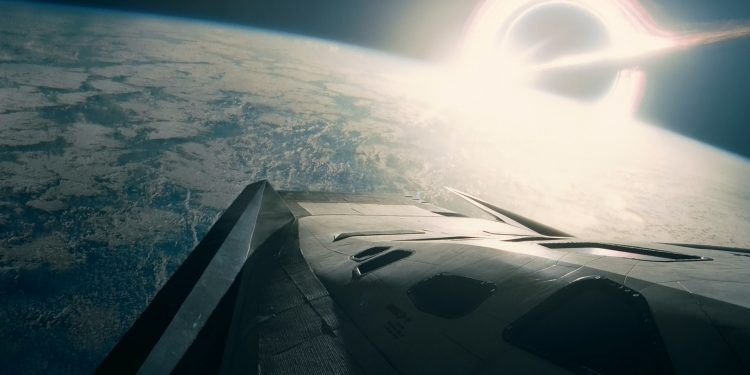
    However, in my opinion, we’ve tapped into a new potential for the genre. We have the ability to go places where we never thought we could go before — the tesseract in Interstellar or the wasteland in Mad Max: Fury Road. That’s why I thought it’d be the perfect time to countdown the best sci-fi movies of the decade.

    For this list, I decided to mainly look at the sci-fi elements of the movie and how they affect into the narrative as a whole. So, just because it’s a great action movie, doesn’t mean it’s one of the best sci-fi movies. The other parameter I looked at was how its vision of tomorrow supported its commentary of today. Whether that’s thematically or technically. Here are the best sci-fi movies of the decade (so far)!

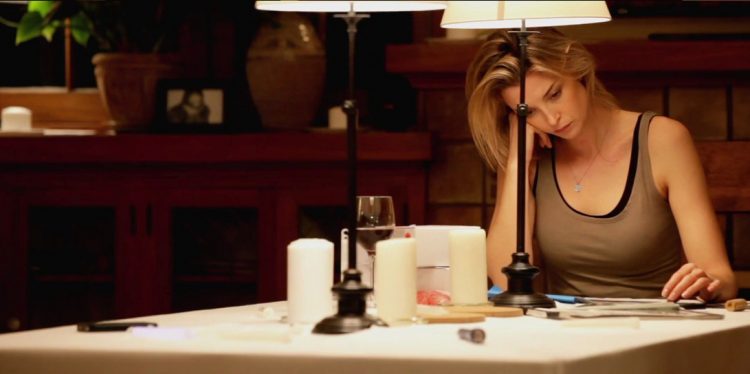
    Coherence (2013)

    Emily Baldoni in Coherence

    What it’s about: Coherence follows a group of friends at a dinner party on the night a mysterious comet passes overhead. As the night goes on, increasingly unsettling and mind-bending events occur.

    Why it’s great: Though the twists and turns in Coherence may pale in comparison to the big budgets of some of the other movies on this list, its virtue is its minimalism. It’s a small movie with big concepts. And it keeps itself grounded despite that.

    Playing on the classic Twilight Zone episode “The Monsters Are Due on Maple Street,” Coherence is as much about the mistrust and paranoia as it is about the mysterious cosmic event at its center. Boiled down, it’s a social experiment that is entertaining to watch, but you’d never want to be a part of.

    Where to stream Coherence: Coherence is available to stream on Prime Video, Hulu, or Shudder.

    Gravity (2013)

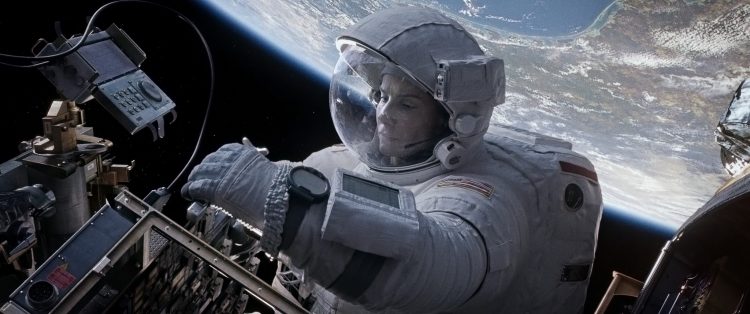
    Sandra Bullock in Gravity

    What it’s about: While circling above Earth doing a spacewalk, Dr. Ryan Stone (Sandra Bullock) and veteran astronaut Matt Kowalski (George Clooney) become untethered after the debris from a destroyed satellite strikes destroys their shuttle. Now freely floating through space, the pair must do whatever they can to survive and somehow get home.

    Why it’s great: By the time the nearly 17-minute one-shot opening sequence of Gravity concludes, you barely have time to breathe again before the next thrill begins.

    However, that’s not what makes it one of the best sci-fi movies of the decade. It’s almost impossible to describe the movie without using the word groundbreaking. That’s because Alfonso Cuarón gave us one of the most immersive trips into space to date.

    Even though it is narratively simple, the pure craft involved is enough to elevate the movie. We’ve seen man survive at sea and on a desert island. It’s about time we saw a woman have a chance to show her strength.

    Where to stream Gravity: Gravity is available to stream on IndieFlix. It is also available to rent or buy on Prime Video.

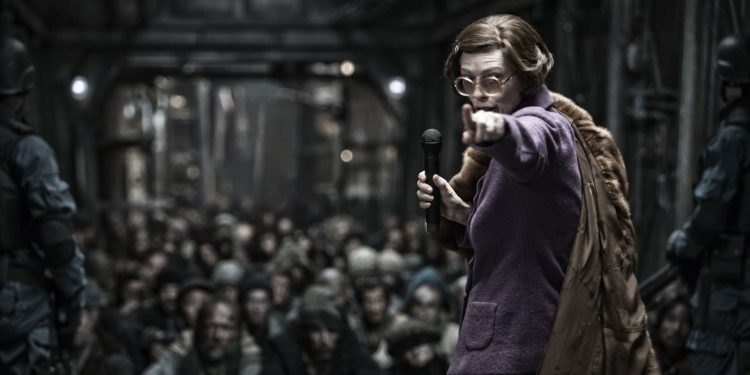
    Snowpiercer (2013)

    Tilda Swinton in Snowpiercer

    What it’s about: After a failed global-warming experiment kills off most life on the planet, an ever running train called “Snowpiercer” houses a mini-society that still has rich and poor — overseen by the second-in-command Mason (Tilda Swinton). However, an uprising is coming led by Chris EvansJamie BellOctavia Spencer, and John Hurt.

    Why it’s great: Sure. Maybe a constantly moving bullet train around the world isn’t the most efficient form of preservation during a post-apocalyptic ice age. But that element of Bong Joon Ho’s Snowpiercer is simply the catalyst for the class struggle at the center of the film.

    The mythic title train provides the perfect setting for the assault on the class system that suppresses those at the back of the train. However, the real standout is the whimsical and nearly surreal world that the movie takes place in. It’s the type of place where you’d want to adventure again.

    Where to stream Snowpiercer: Snowpiercer is available to rent or buy on Prime Video.

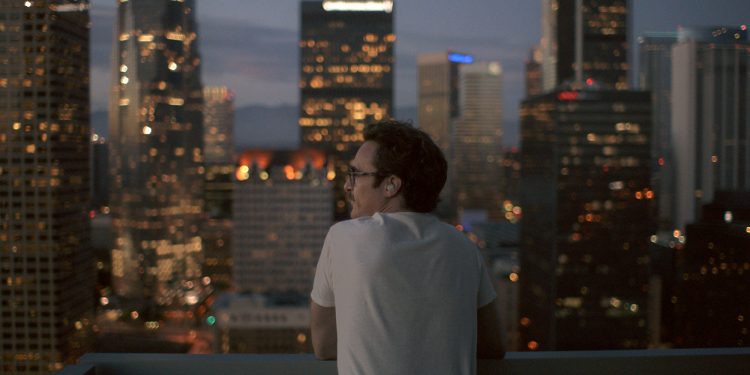
    Jaoquin Phoenix in Her

    6. Her (2013)

    The relationship between man and artificial intelligence has always been a point of interest in sci-fi. And while 2001: A Space Odyssey pretty much reached the pinnacle of the discussion of the subject, Spike Jones revived it with his humanist take on AI. What if AI existed? And what if we fell in love with it? Jones’ vision of the future almost feels too close for comfort. Her is as much a tender love story as it is a meditation on the not so distant future. It’s the delicate balance act of those two genres that make it one of the best sci-fi movies of the decade.

    Watch Her: Amazon | iTunes

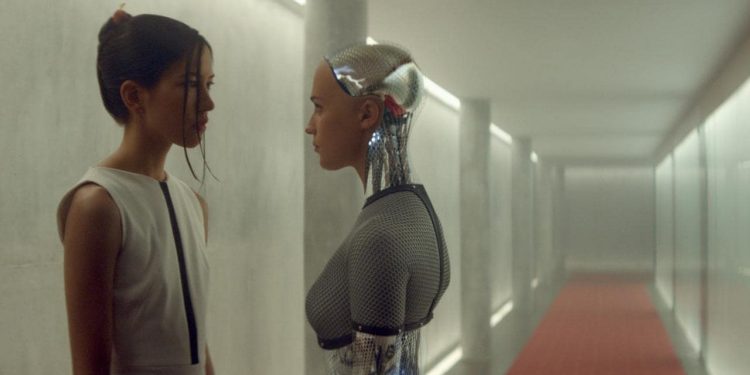
    5. Ex Machina (2015)

    Alicia Vikander in Ex Machina

    While Her studies artificial intelligence from the perspective of the heart, Ex Machina tackles it from the brain. If man plays god, what does its creation think of itself? Of its creator? Those are the questions at the center of Ex Machina. At a high-level perspective, it’s a modern take on Shelley’s Frankenstein However, this time, the monster is more machine. The movie keeps its card close to its chest unfolding like a three-person play. However, digging deeper proves fruitful because the themes don’t just stop at man versus machine. It’s subtle in almost every way. That’s what makes it so brilliant.

    Watch Ex Machina: Amazon | iTunes

    Blade Runner 2049 (2017)

    Ryan Gosling in Blade Runner 2049

    Creating a follow-up to a film as technically dazzling and thematically rich as Ridley Scott’s 1982 classic Blade Runner seemed like a fool’s errand. That is until Denis Villeneuve (Arrival) stepped into the director’s chair. What makes the film one of the best sci-fi movies of the decade is it continued to explore the themes of humanity, while also delving into new directions, most interestingly involving Ryan Gosling‘s K. Though it has a nearly 3-hour running time, it’s endlessly engrossing as its mysterious plot reveals itself. What differentiates it from the original, though, is it has a strong emotional center that catches you off guard and brings warmth to an otherwise cold world.

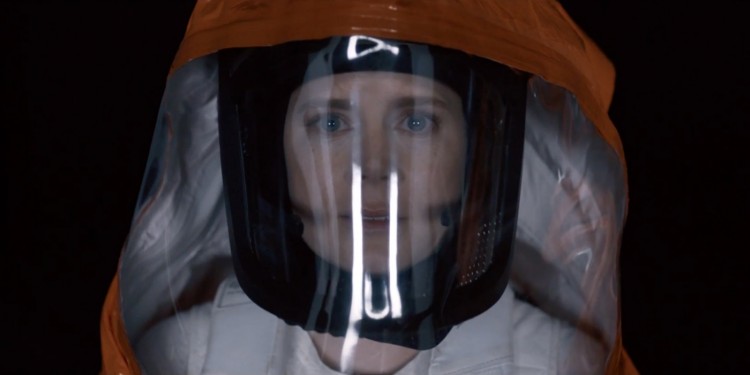
    Arrival (2016)

    Amy Adams in Arrival

    Jodie Foster’s character in Contact is a woman who knew she were good enough to do the job, but gender politics said she wasn’t. On the other side of the spectrum, Amy Adams’ linguist character in Arrival is a woman who feels in over her head, but is given the power she needs to succeed. It’s a subtle contrast for two movies that have a lot in common. But what pushes Arrival into the pantheon of great sci-fi movies is its scale juxtaposed against its own sentimentality. It’s an alien invasion drama that we’ve never seen before. Still, one of its most groundbreaking elements are the humanist ones. When faced with a common enemy, will we corporate with each other or close off? Is language what bonds us together or tear us apart? At the surface, those are the questions. But then, when you go deeper, they become even more existential. I won’t spoil those for you. Arrival is a movie that begs to be discovered — emotionally, scientifically, cinematically. And still, it never fully reveals itself all at once. Its mystery is its greatest asset. And Denis Villeneuve guards it with everything he’s got. 

    Where to stream Arrival: Now streaming on Prime Video or Hulu. It is also available to rent or buy on Prime Video.

    Mad Max: Fury Road (2015)

    Mad Max: Fury Road

    Why it’s great: When thinking about the top spot on this list, I really had to consider my guidelines. While I think the insane post-apocalyptic steampunk future that is Mad Max: Fury Road is one of the best movies of all time, I think its sci-fi elements are overshadowed by George Miller’s incredible action scenes and unforgettable filmmaking. That’s not to take away from the world that Miller created. It’s one of the greatest practices of world-building since Star Wars first blasted onto our screens.

    His incredible attention to detail in all departments brought the world to life and immersed us from the first epic beats of Junkie XL’s iconic score. And though the world included souped up oil tankers and radiation infected war boys, it still felt like a future familiar to us.

    Whether it’s the fact that the cars all used scraps you might find in a post-apocalyptic future or because thematically it’s actually more relevant than ever, Mad Max: Fury Road is just one of those movies you give yourself into.

    Where to stream Mad Max: Fury Road: Now streaming on TNT or TBS with cable login. It is available to rent or buy on Prime Video.

    Interstellar (2013)

    Interstellar

    What it’s about: In the not-so-distant future, Earth is on its final legs as widespread famine and drought threaten the human race. After a mysterious wormhole appears in the far reaches of the solar system, a group of explorers (Matthew McConaugheyAnne HathawayWes BentleyDavid Gyasi) must evaluate potential new homes for the planet.

    Why it’s great: Just when you thought Inception was going to be Christopher Nolan’s sci-fi magnum opus, along comes Interstellar. Upon first viewing, it may seem like it buckles under the weight of its ambition. However, when you take a close look, the brilliance of its plot reveals itself. 

    The world is falling apart. So, as always, we look to the stars. It’s a simple enough premise. However, the concepts that Nolan explores are not only complex — they’re astrophysics, after all — but accurate. It’s an epic in every sense of the word. It’s a space adventure with a keen sense of its characters, their motivations, and an idea of what it would be like to be put into their position.

    “It’s as grand as it is introspective and as grounded as it is existential,” as I said in my review. Nolan doesn’t water down the science as Gravity does. Instead, he embraces it. It’s something shockingly rare in the genre today.

    Interstellar is something we’ve never seen before and presented in a way that fully takes advantage of everything filmmaking has to offer. However, it doesn’t forget that we exist. That at the center of great sci-fi is humans. That’s what makes it the best sci-fi movie of the decade.

    Where to stream Interstellar: Now streaming on FX Plus. It is available to buy or rent on Prime Video.

  • 2017 Emmy Predictions: Comedy Series — Can Atlanta take down Veep?

    2017 Emmy Predictions: Comedy Series — Can Atlanta take down Veep?

    Freshman series Atlanta and returning nominee black-ish will give Veep a run for its money in the race for Outstanding Comedy Series

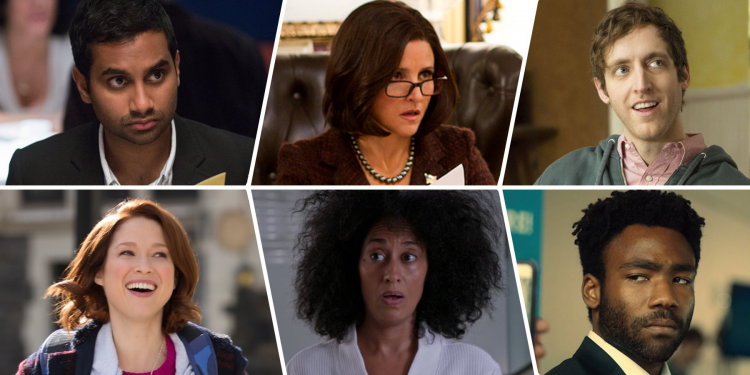
    Unlike its Drama counterpart, Outstanding Comedy Series is a relatively weak category this year that won’t have much change from last year. Two-time winner Veep will get back in and is the frontrunner to win. However, there are a couple contenders that are looking to challenge it. One newcomer and one previous nominee that is hoping to find its footing this year.

    However, I want to start off with two dark horse candidates that I don’t think people are talking about enough. The first is NBC’s The Good Place. It premiered to great reviews and solid ratings despite its odd premise of a recently deceased woman who was sent to a type of heaven called “the good place” despite her less than good behavior in life. Emmy favorite Ted Danson stars alongside Kristen Bell, which gives it a higher profile. With three surprise TCA nominations under its belt — Achievement in Comedy, New Program, and Individual Achievement in Comedy for Bell — and NBC without a clear comedy contender, The Good Place could be a major contender none of us were paying attention to. The other dark horse — to a lesser extent — is Amazon’s Catastrophe. Stars Sharon Horgan and Rob Delaney were nominated for writing last year, which means the show is on the Emmys radar. But what makes this a more intriguing contender is its network. Amazon Prime has had great success with Transparent the last couple years and is looking for another series to breakthrough. Catastrophe already has a foot in the door. With the right campaign, it can step all the way in.

    Joining Veep in the lineup, and giving it some stiff competition, is black-ish. In terms of awards, the show had its best year yet with three Golden Globe nominations — series, actor, and a win in actress for Tracee Ellis Ross — and two SAG nominations — ensemble and actor. Last year at the Emmys, the show nabbed three nominations but missed out on a writing and directing nominations despite being favored to. Smartly, the show only submitted one episode in each category, so it’ll have a better chance this year. If you see the show nab a nomination in either of those categories, then watch out for it for the win.

    A new contender, and another show giving Veep some chase is Donald Glover’s Atlanta. After winning the Globe for Comedy Series and nabbing four TCA nominations, the FX series has certainly had a good run of the season so far. I think the question now shifts from “can it be nominated?” to “can it win?” If it overperforms in nominations — writing, directing, and supporting acting — then there is a good chance that it can do it.

    After those three, the category essentially breaks down into the nominees from last year. I think that Master of None is set to have a good year following its writing win last year. Look for it to tick up in nominations. Silicon Valley seems to only grow in nominations — last year it hit a series high with 11. This year is looking to be no different. Amazon’s Transparent has also been a solid Emmys player thus far winning three awards last year. The last spot is going to be tricky. Five-time winner Modern Family has slowly been declining in acclaim, ratings, and Emmy nominations. Last year, they received just two nominations. I find it hard to believe that it can hold on to a nomination in this category another year, which is why I’m predicting Unbreakable Kimmy Schmidt to take the last spot.

    There is a chance that sentiment takes Girls to a farewell nod. However, I think HBO is also going to be putting a lot of weight behind the acclaimed Insecure. Though I think it’s going to have a better chance in lead actress in a comedy series, it can also surprise in this category.

    Check out all our 2017 Emmy Predictions!

    Predictions

    Atlanta
    black-ish
    Master of None
    Silicon Valley
    Transparent
    Unbreakable Kimmy Schmidt
    Veep

    Spoilers
    Modern Family
    Girls
    Insecure

    Dark Horses
    The Good Place
    Catastrophe

  • Under the Shadow review — A satisfyingly spooky Iranian ghost story

    Under the Shadow review — A satisfyingly spooky Iranian ghost story

    Under the Shadow gives a unique spin on the ghost story genre by setting it in a time and city where horror movies don’t often take place.

    The horror genre was taken by storm in 2014 when Jennifer Kent’s The Babadook debuted to incredible acclaim. It’s deep dive take on the ghost story not only felt fresh and new but it also just affirmed the fact that we are in a golden age of horror. And though Babak Anvari’s Under The Shadow certainly bears a resemblance to Kent’s film — both concern mother and child under assault by a malevolent force — it infuses it with a unique political allegory that just begs the industry to start giving us more horror movies from diverse directors. If not for the sake of exciting voices, then for the unique perspective that we don’t often see in the suburbs of Anytown, USA where most ghost stories take place.


    Under the Shadow already takes a bold step in the genre by taking place against the backdrop of 1988 Tehran during the height of the Iran-Iraq war. Iranian society and the Iraqi bombs that seem to endlessly pummel the capital play as much of a role in the film as the monster at the center. Nights with sirens driving families to underground bunkers are a part of daily life as is the tape on the windows preventing them from shattering. And constantly, progressive women like Shideh (Narges Rashidi — her performance is a revelation) are constantly suppressed by their society. The film opens with Shideh being barred from continuing her studies in medical school because of her involvement in leftist political groups. Moments of female oppression are littered throughout the film. When she returns home, she throws out all of her medical books except for a book of terminologies that her deceased mother gave her. Her husband Iraj (Bobby Naderi), a doctor, does his best to assuage her disappointment over medical school, but it seems that he is just another reminder of her failure — she had to put her studies on hold to raise their daughter Dorsa (Avin Manshadi).

    Soon after, Iraj is called to the battlefront leaving Shideh — she refused to leave their apartment building to escape to her in-laws’ house — alone with Dorsa. While he’s gone, the missile sirens seem to be going off more frequently sending Shideh and her neighbors into the makeshift bomb shelter in the basement of their apartment building. One day, a missile crashes through the roof of the building and lodges itself in the floor of the apartment above the family, but doesn’t detonate. However, other than fear and shattered windows, the missile may have ushered in something more sinister. As mysterious occurrences become more and more frequent — classic “go bump in the night” phenomenon and a case of a stolen Jane Fonda workout tape — Shideh’s neighbor points to the possibility that a djinn may be responsible. In Middle Eastern culture, a djinn is an evil spirit similar to a demon in Western culture. However, for it to possess a victim, it must steal an item of theirs. So when Dorsa’s doll goes missing, a dark mood takes over the house.

    Soon after, families start abandoning the apartment complex to flee to safer cities. However, Shideh stubbornly stays put as one last defiance to her circumstances. But as time goes on and fewer people are adding life to the complex, a sense of dread takes over instead. Anvari uses the building’s dark corridors and home’s dark corners and hallways to create a labyrinth that never truly feels safe. However, Under the Shadow‘s greatest virtue is its atmosphere. Even when nothing is happening, there is tension in the air. In one memorable scene, Shideh does her workout routine — one that she usually does to a Jane Fonda workout tape from the time — in front of the blank television. It’s absent of score or real plot significance. Still, that scene stuck with me because of the feelings it inspires — dread, horror, sadness, desperation. In less than a minute, Anvari gives you an emotional update on the characters without a single line of dialogue. It gives you the sense that he could be a real auteur.


    Similarly to Essie Davis’ troubled protagonist at the center of The Babadook, Shideh is a mother who is afraid of her capabilities (or incapabilities) as a mother. However, Anvari adds an extra layer of political allegory. She’s living in a society where women are oppressed and that weight is palpable throughout the movie and that wears on Rashidi’s exceptional performance. Her character’s slow descent into madness is assured and adds to the terror. It’s hard to separate your feelings from hers. When she runs through the street at night to escape the nightmare in her home, you have a sense of relief because she made the decision that you wanted her to make. Of course, that relief is short-lived and again her society abuses her.

    Though Under the Shadow is steeped in symbolism, it doesn’t drown under the weight of it. There are clear themes of female oppression, motherhood, and the anxiety of war. But refreshingly, it doesn’t feel self-important or like those themes drive the movie. First and foremost, this is a well-directed horror movie that has just the right mix of atmosphere and old-fashioned scares to delight the mainstream audiences. When you look deeper, though, there are treats for cinephiles to unpack. It’s this balancing act that makes Under the Shadow such a successful movie. Anvari makes the most of every minute of the movie — at 84 minutes, it’s a quick watch — and makes you feel satisfied in the process. Under the Shadow is a perfect example of what can come from giving filmmakers from a diverse background the opportunity to exercise their craft. By just changing the perspective, you get a movie that is more complex and interesting than anything a studio can put out with the same plot and scares. Listen up, Hollywood.

    ★★★★ out of 5


    Under the Shadow is now streaming on Netflix and is available on Digital HD on Amazon!

  • 2017 Emmy Predictions: Lead Actress in a Drama Series — Claire Foy leads this packed category

    2017 Emmy Predictions: Lead Actress in a Drama Series — Claire Foy leads this packed category

    Claire Foy is ahead to win Lead Actress in a Drama Series, but Elizabeth Moss could sneak into finally win an Emmy

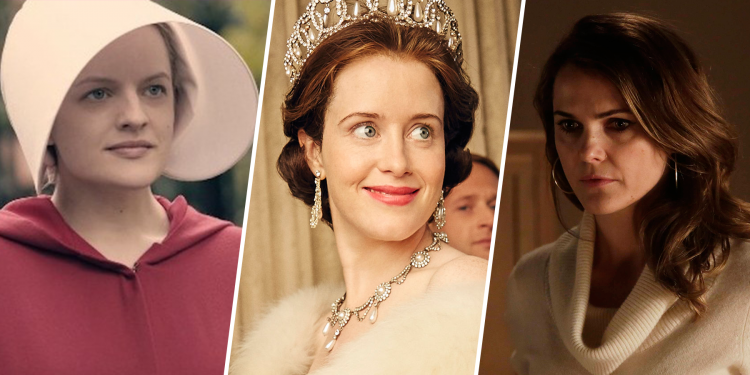
    The race for Outstanding Lead Actress in a Drama Series this year is a packed year with new contenders and old favorites crowding the field. The question for this category is which nominees from last year can hold on. The only nominee from last year who is not eligible is winner Tatiana Maslany (Orphan Black) — the final season of the show didn’t premiere in time for her to be eligible. That leaves five actresses in contention from last year. The biggest lock of the category has to be Claire Foy (The Crownwho will fill that slot easily as she steamrolls through the season with a Golden Globe and SAG Award in tow. She has a great chance of taking… well, the crown.

    However, her biggest competition has a lot of baggage behind her. Elisabeth Moss (The Handmaid’s Talehas been nominated for seven Emmys — six times for Mad Men and once for Top of the Lake — which certainly puts her in the overdue category. Jon Hamm eventually won an Emmy after being nominated ten times, yet Moss remained empty handed for the show. With The Handmaid’s Tale bound to have a good year at the Emmys, it could finally be Moss’ time to win Lead Actress in a Drama Series.

    While those two contenders are definitely the frontrunners, there is a clear dark horse. The Americans finally broke through last year with three nominations — Drama Series, Lead Actor, and Actress in a Drama Series. This year should see it increase, which gives Keri Russell (The Americansan edge. With more eyes than ever on her show, voters might see her as a great place to finally reward it.

    Viola Davis in How to Get Away with Murder
    Viola Davis won this category for the first season of How to Get Away with Murder

    The last nominee that I’m confident in predicting is Viola Davis (How to Get Away with Murder). Had it not been for her incredible Oscar season run with Fences, I’d consider dropping her from the lineup. After losing out last year, I don’t think she’s going to be too competitive for the win. Though, leftover sentiment from Oscar season could push her over the edge.

    That leaves two more spots with six contenders vying for it. Claire Danes (Homelandhas been nominated every year that her show has been on the air despite the show losing favor at the Emmys. I have a feeling that she will be one of those actors that are nominated for every season that their show is in contention. I think she has at least one more nomination in her.

    The last spot is tricky. There’s Evan Rachel Wood (Westworldwho will make it in if her show makes a big splash at the Emmys this year. Taraji P. Henson (Empirehas made it in for the past couple years despite her show faltering. However, with decreased buzz, increased competition, and lesser acclaim, she could fall out. Christine Baranski (The Good Fightis a perennial favorite with the Emmys and was the only cast member to be nominated every year of The Good Wife. Even Julianna Margulies was dropped out eventually. She could definitely break through despite CBS All Access being untested in the awards race. Carrie Coon (The Leftoverscan sneak in if her show is widely accepted at the Emmys. However, I’m going to go with Robin Wright (House of Cards). I’m still unsure of how the Emmys are going to react to this lackluster season. She’s teetering on the edge. If she doesn’t make it in. Baranski is waiting in the wings.

    Check out all our 2017 Emmy Predictions!

    Predictions:

    Claire Danes, Homeland
    Viola Davis, How to Get Away With Murder
    Claire Foy, The Crown
    Elizabeth Moss, The Handmaid’s Tale
    Keri Russell, The Americans
    Robin Wright, House of Cards

    Spoilers:

    Christine Baranski, The Good Fight
    Evan Rachel Wood, Westworld
    Taraji P. Henson, Empire
    Carrie Coon, The Leftovers

    Dark Horses:

    Ruth Wilson, The Affair
    Mandy Moore, This Is Us

  • Raw review — A reminder to never go to French veterinary school

    Raw review — A reminder to never go to French veterinary school

    Raw is a body horror movie like no other with its dark tone that allows for moments of levity and profound themes

    Note to self: never attend French veterinary school. If it’s anything like Julia Ducournau depicts in Rawthen I’m not sure how France has any veterinarians at all. That’s because the often bloody hazing and jaw-dropping foray into cannibalism — literally, my jaw dropped at points — are filmed unflinchingly and almost too convincingly to get past. 

    However, the brutality of the visuals in the film is offset by the surprisingly profound subtext of the film’s coming-of-age narrative. Raw will shock and surprise you in the way you expect, but also there is truly no preparation for the experience that follows when you begin the movie.

    Shot with a certain sense of surrealism in its world, Raw follows first-year veterinary student Justine (Garance Marillier — she’s quite a revelation) as she navigates the truly mad world of hazing that the prestigious school (the one her parents attended) holds so dear — even the teachers turn a cheek. Some of the hazing rituals include kidnapping students in the middle of the night, dumping blood on them like it’s the prom in Carrie, and making them eat raw rabbit liver.

    raw horror movie
    Garance Marillier in RAW.

    That last one is particularly a problem for Justine considering she and her family — Mother (Joana Preiss), Father (Laurent Lucas), and older sister Alexia (Ella Rumpf), who is also a student at the school and part of the later years who are carrying out the hazing — are vegetarians. However, Alexia forces her to eat it.

    This opens her up to the craving of raw meat — she’s later seen devouring raw chicken — and eventually cannibalism. One horrifying Brazilian wax gone wrong later and Justine is quickly spiraling out of control as she attempts to fill her appetite.

    What makes Raw so unique from other body horror movies is its symbolic root in a coming-of-age story. It portrays a woman coming into her sexuality in a way we’ve certainly never seen before — we rarely see sexual awakening from the female perspective and because of the… well, cannibalism. In one scene we see Justine dancing in front of the mirror uncomfortable to a song that has the line, “I like to bang the dead.” We all go through our awkward phases.

    Raw Horror movie
    Garance Marillier in RAW.

    Throughout the lean running time of Raw, we watch Justine blossom into her feminity as her taste for flesh also blossoms. However, if you strip away the horror elements of the movie, you still have a compelling character study of a girl learning about herself set against the backdrop of the insanity of French veterinary schools.

    Ducournau finds humor in even the most horrifying scenes in the movie and beauty in the overall bleak location. It’s a virtue in her directing. She makes the most of every beat of this movie. That is also thanks to Marillier’s strong performance. And thankfully for us, though I think there’s a pretty clear interpretation that works for me, it doesn’t mean that there aren’t other ways to view Raw. 

    Even taken at face value, it’s an incredibly compelling horror movie that feels fresh in a way that many horror movies in this Golden Age have felt. It’ll surprise you, make you laugh, and make you cringe in all the best ways. And in the final moments, it’ll make a grab for your mind and stay with you long after it cuts to black.

    Where to stream Raw: Now streaming on Netflix. It is also available to rent or buy on Prime Video.

  • 2017 Emmy Predictions: Drama Series — The Crown vs. Stranger Things

    2017 Emmy Predictions: Drama Series — The Crown vs. Stranger Things

    Outstanding Drama Series has turned into one of the most crowded categories at the Emmys with at least 10 series vying for a nomination.

    Outstanding Drama Series reigning champ Game of Thrones is ineligible this year since their seventh season will be premiering outside the eligibility window. On top of that, Downton Abbey ended its run last year, which means they are also out of contention. That means two slots are going to be open based on last year’s lineup. However, with a plethora high profile series this season, expect a major shakeup in the category. I even think it’s possible that only one or two nominees return from last year.

    Let’s start off with the locks. Or lock, I should say. That’s how volatile this category is going to be. Netflix’s The Crown received the kind of buzz and acclaim that points to a potential first season winner — like Homeland and Mad Men before it. More importantly, it has maintained that buzz until now. Which is impressive since it premiered in November of last year. Pundits have been looking for the series that is going to replace Game of Thrones as the juggernaut. Well, you found it.


    After that, I can make an argument and counterargument for nearly every other potential nominee. I think the next most likely candidate is The Americans it’s a critically acclaimed show that has taken a lot of time to get into the Emmys spotlight. Last year it broke through with five major nominations including Drama Series, Actor (for Matthew Rhys), Actress (for Keri Russell), Writing, and Guest Actress (Margo Martindale has won the category twice in a row for the show and competes in Supporting Actress this year). I see no indication that it will miss out other than the fact that it is a crowded year with a lot of new contenders. And compared to last year’s crop, this year’s new contenders are coming out swinging.

    Though Better Call Saul has been consistent in its nominations — it was nominated for six for each of its first two seasons — it surprisingly missed out on directing last year. Whether that’s because there was no clear contender like their first season — AMC has the bad habit of submitting multiple episodes in the category — or it’s an indication of waning support, I don’t know. But I think that this year the show either can continue to fade or increase its nomination load similarly to Breaking Bad. I think it’s going to be that latter, but it has a chance of missing out.

    Now we get into dicey territory. There are a few new shows that have made a splash critically, culturally, and in early award shows. The most likely of those shows to break through is Stranger Things. Yes, it’s a genre show and one that is even odder than Game of Thrones, but there seems to be some real support for the show in the industry. After all, it shockingly upset The Crown for Best Ensemble at the SAG Awards. It’s also expected to nab at least two acting nominations as well as directing and writing nods — they only submitted the Pilot for writing and two episodes for directing. Plus, the winner of Best Ensemble went on to be nominated for the Emmy every year since the awards started except for one time — CSI won the SAG and was snubbed at the Emmys.

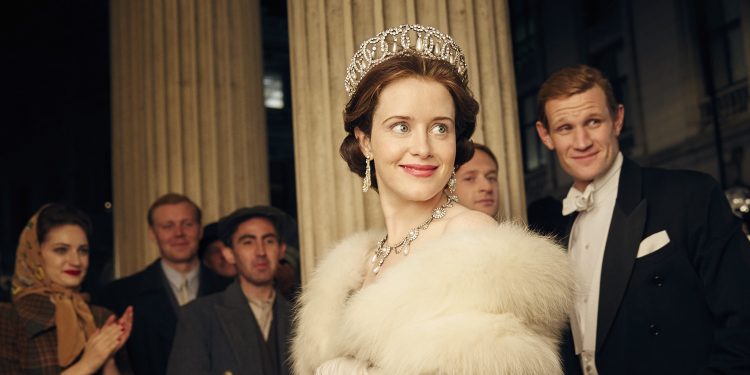
    The Crown Best Drama Series
    The Crown is the frontrunner for Outstanding Drama Series at the Emmys

    This Is Us seemed like it was going to be a juggernaut earlier in the season, but critical favor waned in the later episodes. I still think that industry buzz is good — it’s a network show that actually has good ratings — and it should expect to pick up a few nominations. My pause comes from the fact that Empire was in a similar position. It premiered to huge ratings, but eventually slipped in critical favor later in the season. It eventually only received one nomination for Taraji P. Henson. I think that that acclaim for This Is Us is a little higher than Empire, but it could still take a similar route. For now, I think it’s in.

    That leaves two spots and three nominees from last year to fit in. Mr. Robot made a splash at the Emmys last year with eight nominations and a win for Rami Malek. However, it seems like all the buzz has faded away. It’s rare for a Drama Series to have a one off nomination. That last time it happened was 2011 when Friday Night Lights made it in for its final season — so, it seems more like an exception than anything. But I just don’t feel like there’s anything pointing to it getting in again.

    The most likely contender to take one of the two last spots is Homeland. It’s coming off a pretty buzzed about season — it takes place, for the first time, in New York — and after missing out for a couple years, it came back. It’s almost impossible for a show to return to a series race after being dropped off unless it’s in its final season. At this point, I think Homeland stays in the category until it ends. Plus, though there are many other new shows that are more buzzed about, it’s always smart to go with the stalwarts when it comes to the Emmys.

    For this final spot, I think it comes down between two new shows — The Handmaid’s Tale and Westworld — and two veteran shows — The Leftovers and House of Cards. I’ve been waiting for the time when House of Cards would fall out of the race. It never seemed like it was going to win, which is never a good sign for its nomination chances the following year. Plus, with the political environment, we’re currently in, the show just doesn’t seem that dramatic. Kevin Spacey’s disastrous performance at the Tony Awards might have sealed the deal as well.


    It might as well be a tossup between the final three contenders. The Handmaid’s Tale is especially relevant and is peak prestige television. The Leftovers is a critical darling that has wrapped up its run in the perfect way. Westworld has the weight of HBO behind it and has been a constant force in the awards season thus far. I’m tossing a coin and landing on The Handmaid’s Tale. I think it’s little too late for The Leftovers and Westworld just seems to have dropped out from the conversation, though I have no doubt it’s going to be a technical juggernaut.

    My predictions are going to change as the season moves along, so be sure to follow me on Twitter as I update my predictions!

    Predictions:

    The Americans
    Better Call Saul
    The Crown
    The Handmaid’s Tale
    Homeland

    Stranger Things
    This Is Us

    Spoilers:

    Westworld
    The Leftovers
    House of Cards

    Dark Horses:

    American Gods
    13 Reasons Why

    Check out all of our 2017 Emmy Predictions!

  • Weekend Movie Review — One of the defining movies of queer cinema

    Weekend Movie Review — One of the defining movies of queer cinema

    In honor of Pride Month, we’re taking a look at one of the best LGBT movies of the decade, Andrew Haigh’s Weekend.

    It’s hard to think of queer cinema of this decade without mentioning the film WeekendUntil Moonlight captured the collective consciousness of cinephiles and mainstream audiences alike, the defining film in the LGBT film canon could be traced back to Andrew Haigh’s masterpiece. But why did this small and intimate film with really only two characters take such a high position in the history of queer cinema? Well, in addition to the lack of high-profile gay movies, Haigh shows us a gay relationship from with an understanding of the dynamics of a gay relationship.

    Unlike the doomed love stories of the past like Brokeback Mountain or, more recently, Carol, Weekend features a story with no risk other than the one of a missed connection. Russell (Tom Cullen) is the character we view the story from. And his background is one that only LGBT people can really understand. There is an odd limbo between being out and fully accepting your identity. Some people fully accept their identity before coming out to those closest to them. Russell can’t fully accept himself, even when he’s around his closest friends who embrace him — Jonathan Race’s Jamie is a general stand-in for this group. For Russell, much like many other gay men, finds safety and comfort in gay clubs, where he goes after spending time with his “straight friends.”


    One night, he runs into Glen (Chris New), an art student. The two men go home together and the next morning after having sex, Glen asks Russell if he can record him talking about their night together for an art project. After, the two trade numbers and go their separate ways. The next day, Russell invites Glen to meet up again. From there, the two strike up a weekend-long conversation that eventually leads to a coming-of-age that both characters sorely needed.

    Weekend is a meditation on moments. There are no grand romantic gestures or ridiculous ultimatums. Though, the central conflict of the movie is an impending departure. Its greatest virtue is its realism. So rarely in relationships nowadays we say what we feel. So two men with a mutual attraction that want it to become more won’t explicitly address that feeling. Instead, Haigh hides that development in the small moments — a touch, a look of familiarity or understanding. As the two men see each other more, each sexual encounter become more explicit — their first hookup isn’t shown on screen. It’s Haigh’s way of showing their growing intimacy and perhaps love.

    Weekend has often been hailed as a gay romance that isn’t necessarily about being gay. And yes, if you strip away those elements the movie would still be able to get by. However, the sexuality of the characters is ingrained in the story as much as it is ingrained in their identity. As I said before, the character of Russell is struggling with his identity. It’s not until he meets Glen that he is forced to confront his identity. Glen, on the other hand, is frustrated at the heteronormativity in our society and vocalizes that dissatisfaction often and loudly. While Russell fades into the background whenever the topic comes up — even when it’s being spoken about around him he shrinks back into himself — Glen takes it on. It’s what helps both characters grow. Russell faces his identity while Glen realizes that he isn’t beholden to the stereotypes.

    In a touching scene later in the film, Glen allows Russell to come out to him — a chance he wasn’t afforded with his parents. It’s a quiet, unassuming scene that is shot without theatrics. However, the emotional impact is palpable. It’s a moment of understanding and unspoken growth. That’s what makes Weekend so effective. Haigh doesn’t need to throw plot or themes in your face. The realistic, conversational dialogue does all the heavy lifting for the movie. Nothing really happens. But, at the same time, everything does.


    There have been grander stories and more flashy movies, but I always find myself going back to Weekend. It’s escapist in its own unique way. You can’t help but immerse yourself in Glen and Russell’s conversation the same way that you did with Jesse and Celine in the Before Trilogy. That’s because, in some way, you can see yourself in them. Whether it’s a moment or a feeling. Or maybe a place or a line. Anyone that has fallen in love can see when other people are falling. Weekend lets you witness two people opening up to each other and discovering each other on a level that can only be described as falling. And I swear, you won’t be able to stop smiling about it.

    ★★★★½ out of 5


    Weekend is available on Digital HD on Amazon!

  • It Comes At Night review — A stunning and terrifying post-apocalyptic thriller

    It Comes At Night review — A stunning and terrifying post-apocalyptic thriller

    Atmospheric and menacing, Trey Edward Shults’ sophomore feature It Comes At Night is a family drama disguised as a horror movie that works on both levels.

    The “it” in the title of Trey Edward Shults’ sophomore release It Comes At Night is as much of a mystery as the plague that has driven the characters in the movie into seclusion. Though the set-up of the film feels familiar — a pandemic has plagued the population and pushed resources to their minimum — Shults, the visionary behind the terrifying Thanksgiving dinner in Krishadoes away with the exposition quickly and leaves us with a truly terrifying humanist drama.

    The pandemic in It Comes At Night is never the focus of the film. All we know is that people are becoming sick and dying, resources are scarce, and the living are doing their best to protect from contamination and anything else lurking in the woods. Shults, who also wrote the film, doesn’t go for the cheap scares. If anything, the anxiety of anticipating the scare is more terrifying than anything a studio horror film could muster up. Instead, much like his debut film, he goes for atmosphere and building tension. The camera — Krisha‘s DP Drew Daniels also shot this film — slowly navigates the dark nooks and crannies of the remote forest home that the movie takes place in while Brian McOmber’s screeching score with a heartbeat baseline plays in the background. It Comes At Night features the worst attribute an audience member can go up against in a horror movie — patience.


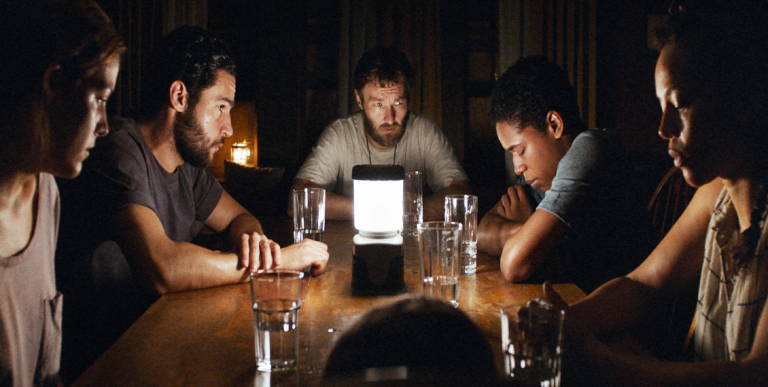
    The film opens with Paul (Joel Edgerton), Sarah (Carmen Ejogo), and their teenage son Travis (Kelvin Harrison Jr.) surrounding Sarah’s sick father as he slowly succumbs to the pandemic. After disposing of his body, we are introduced to their home — and dog, Stanley — which they have boarded up and turned into a stronghold. Paul maintains strict rules that are meant to keep his family safe and maintain a sense of normalcy — they all eat dinner together every night and unless absolutely necessary, they do not go out at night. However, when they have a run-in with another family, they take the opportunity to add some companionship to their day to day lives. This other family consisting of Will (Christopher Abbott), Kim (Riley Keough), and their young son Andrew (Griffin Robert Faulkner), is taken in by Paul and Sarah and shown a hospitality that is often shown in moments of distress. And for a time, life seems a bit easier. However, like anything good, it has to come to an end. Tensions rise as mistrust begins to run rampant in the house. And like any other animal, when back against a corner, humans attack.

    I think A.O Scott put it best in his review saying, “Mr. Shults’s first feature, the remarkable Krisha, was a family drama that often felt like a horror movie. It Comes at Night is the reverse.” The horror elements of It Comes At Night, largely relegated to Travis’ nightmares, are the centerpiece of the movie. However, the bulk of the movie is this question of the lengths people will go to protect themselves and their loved ones when times become desperate. Shults explores it intimately but leaves all the answering to the audience. It’s one of the most interesting things about the movie. There are no clear answers or signs pointing in a particular direction. If anything, any symbolism that Shults includes almost further complicates any dissecting that can be done in the movie. It’s what makes this movie so polarizing. Anyone expecting a straight horror movie will not get that. However, what you do get can only be described as a masterpiece.

    Joel Edgerton gives what is, in my opinion, the best performance of his career, which is only another indication that he is becoming one of our greatest actors — his performance in Loving was originally, for me, his best performance. It’s a realistic performance that shows our innate conflict in difficult situations flawlessly. Carmen Ejogo also does great work as a woman who is desperately trying to hold on to her morals and Kelvin Harrison Jr. tackles the difficult task of being our point-of-view beautifully. However, in addition to Edgerton, the biggest standout for me is Riley Keough. Her role is less plot-focused than the other characters, but she represents, along with her son, innocence in the situation. She’s seeing everything from the perspective of the old world even though nothing is the same.


    It Comes At Night is about anxiety and the toll that it can take on you physically and emotionally. It’s about the lengths to which we will go to survive. It’s about the compassion we can feel in the darkest of situations. It’s about trust, how it’s earned, and how it’s lost. Shults balances all these themes without straying from its psychological thriller roots. He is a visionary filmmaker that understands that film is not only about making the audience feel but also think. And think you will. Sometimes the thinking is the scariest part of the film. Because once you think you understand something, you see it from another perspective or something happens to make you rethink everything. This is a morality play at its finest. There are no heros and no villains. There are simply humans in a house.

    ★★★★ out of 5


    Watch It Comes At Night on Amazon!

  • Wonder Woman review — Fun, entertaining, a solid summer blockbuster

    Wonder Woman review — Fun, entertaining, a solid summer blockbuster

    DC finally gets it right with Patty Jenkin’s Wonder Woman thanks to its tight direction, lighter tone, and star affirming performance by Gal Gadot.

    Finally, after nearly ten years of the Marvel Cinematic Universe and four years of the DC Extended Universe has a female superhero been featured as the lead. Not only that, they’ve paired her up with a female director! Gender equality in Hollywood is here! Right? Well, that’s a discussion for another time. But the fact that this is the first major studio superhero film directed by a woman has to be celebrated when talking about Wonder Woman, the fourth installment in the DC Extended Universe. And it’s good! It’s actually good! After three failed attempts to get the franchise off the ground, Patty Jenkins has finally been able to harness an iconic character in the DC pantheon and apply her to the superhero origin formula successfully. While she definitely adheres to the formula, especially since this is an origin story, Jenkins uses all the potential it has, which helps you forgive the movie for its flaws.


    However, many of those flaws carry over from the dour style established in the first two movies in the DCEU. Jenkins takes the parameters she has to work in and builds the film around an inspired performance by Gal Gadot. Although this is yet another origin story, it isn’t one that audiences are as familiar with as the ones for Batman or Superman. This gives Jenkins the freedom to shape the story as she sees fit. Though, she doesn’t stray too far from the source material. Young Diana is the princess of the island Themyskira, a hidden paradise populated by a society of all-female Amazons. The women were created by Zeus to protect men against the corruption of his son Ares, the god of war. Ares eventually fights with the gods before ultimately falling to Zeus. Unsure whether or not he’ll return, Zeus gives the woman a weapon that is capable of killing Ares — the god killer. Young Diana is desperate to train with the warrior Amazons including her aunt, General Antiope (Robin Wright, a standout in this section). However, her mother, Queen Hippoltya (Connie Nielsen) forbids her. Eventually, as Diana’s desire becomes too much, Hippoltya allows her to train. However, the one caveat is that Antiope must trainer her harder than any other warrior before her. The first act of this movie is extremely expositional, which makes it lag compared to later sections. However, Jenkins had the fortune of taking a less-known origin story and really bringing it to live. The vividness of Themyskira comes through in the costume and production design. And every woman from Gadot to the background actors bring the island to life.

    Later, an older Diana, after training extensively for years, watches a plane go down after crashing through the barrier that makes the island invisible to outsiders. Inside is Steve Trevor (Chris Pine), a U.S. Army captain who has been working as a spy against the Germans during World War I. Diana saves him, but not before German troops break through the barrier as well and begin to invade the island. This first battle sequence between the Amazons and the Germans gives us just a taste of Jenkins’ ability to direct action. And while she contends with Snyder’s speed-up/slow down style, she also gives the fight a clear narrative, not dissimilar to the way George Miller directed the action in Mad Max: Fury Road. After learning about the war and becoming convinced that Ares is behind it, Diana compels Trevor to take her to the battlefront to find Ares and kill him before more innocent people are. From the first scene they have together, Gadot and Pine display an incredible chemistry that really drives the emotional beats of the movie. Even with the comic tone of their first scenes, the connection is palpable.

    Gal Gadot in Wonder Woman

    The first third of the movie is shaky but impressive. However, the movie takes flight when the duo arrives in Jolly Ol’ London. Steve leaves Diana with his secretary Etta Candy (a truly delightful Lucy Davis) to get her into more appropriate clothing for the time. The comedy of manners trope has been used in superhero movies before, but it still works here and is fresh. Especially due to the fact that many of Diana’s comments to society are biting and true — her takedown of marriage is specifically memorable. Trevor approaches the Imperial War Cabinet with a journal that contains the notes of Isabel Maru aka Dr. Poison (Elena Anaya), who, along with Erich Ludendorff (Danny Huston), has developed a poisonous gas that they plan on using at the front of the war just as the armistice is about to be called. Most of the cabinet shrug off the threat saying that it is not going to happen because of the impending armistice. However, with the help of Sir Patrick Morgan (David Thewlis), Diana, Trevor, and his team — grifter Sameer (Saïd Taghmaoui), marksman Charlie (Ewen Bremner), and smuggler Chief (Eugene Brave Rock) — make their way to the western front to confront Maru and Ludendorff. I think the three men that make up Trevor’s team are a perfect example of why this movie works and the other DCEU movies don’t. Though their screen time is small, each makes an impact. Each matter. Each has a character that has emotional resonance in the story.

    Wonder Woman doesn’t reinvent the superhero genre. What it does is it shakes off the chains binding it to its franchise and the burden of creating the first installment in a series and instead becomes an actual movie with actual characters and actual conflict. This is something that has unfortunately eluded the DCEU until now. Not only that, the film actually has fun with its characters. The brooding and dark tone of Batman vs. Superman and Man of Steel is left behind for the light and colorful look that the Marvel movies have so successfully harnessed. While Jenkins’ direction is a huge reason for that, Gadot and Pine give performances that elevate the already solid material. Gadot exudes the hero that she is playing. She gives Diana an air of importance, but not self-importance. More importantly, her internal conflict is one of a hero and she sells it even when the script doesn’t. Pine, on the other hand, inhabits the sidekick/love interest role that has been filled by a woman in superhero movie perfectly. He lets Gadot drive the movie, but he gets his moments to make the audience laugh and swoon.


    I think the final twenty minutes of the movie loses the pace and smartness of the second act — the final act, in general, is rough around the edges plotwise. It turns into a less scattered version of the final battle in Man of Steel. The difference, though, which is a testament to Patty Jenkins, is that it takes time to give us character moments throughout the battle. After all, we spent an entire movie with them, getting to know about them, and caring about them. Jenkins doesn’t let the need for a final battle take away from that fact. It just shows that with good direction, even a formulaic superhero movie can be good. A prime example is the first major action sequence with Diana in full Wonder Woman garb. The fluidity of the action matched with the emotional swell of the moment makes it one of the most memorable superhero reveals in an MCU or DCEU movie. Gadot sells every move with a confidence that few actors would be able to exude while Jenkins captures her grace with bravado. That scene stays with you throughout the movie.

    Patty Jenkins has already made history with Wonder WomanHowever, it was an earned victory. She singlehandedly made a case for the DC extended universe to go on. She proved that you can make a successful movie with these properties that is also good. It’s a legitimately good movie. It doesn’t necessarily add anything new to the genre. You have to go back to The Dark Knight to find any original elements in a superhero movie. However, she adds a new flair to the familiar beats that make Wonder Woman one of the most exciting superhero movies in recent memory. It has its flaws. It is not infallible. But you can’t help but root for Diana and the characters on screen. The same way you can’t help but root for Jenkins. Still, she makes it easy to be on her side. Wonder Woman is a pure delight.

    ★★★½ out of 5


    Watch Wonder Woman on Amazon!