Alien: Covenant attempts to revive the series following a few lackluster entries. However, it’s quickly apparent that fan service has done a disservice to the movie.
After the mixed response to Prometheus — unjustly, in my opinion — Ridley Scott looked to reboot his beloved Alien franchise with a back to basics horror movie that would give genre enthusiasts and Alien fans, like myself, a jolt to the system. What made Alien such a successful and groundbreaking movie is its simplicity, which is especially notable against the backdrop of larger films like Star Wars and 2001: A Space Oddessy. Scott didn’t push to make the next great sci-fi movie. He made an effective, suspenseful, and terrifying horror movie set against the backdrop of a great sci-fi movie.
With Alien: Covenant, he returns to the setting of a dark, claustrophobic spacecraft — for a time — and populates the world with a cast of “everyday” people. The colonization ship Covenant is on a years-long mission to Origae-6, which they intend to set up a colony with the more than 2,000 people in cryosleep on board and 1,000 embryos. The only conscious passenger is Walter (Michael Fassbender), an updated android model of David from Prometheus (the movie is set 10 years after the events of that film). When a neutrino burst damages the ship, including the cryosleep pods, and kills the ship’s captain (James Franco), the crew — now led by second-in-command Christopher Oram (Billy Crudup, who is following up his fantastic performance in Jackie) — decides to explore a closer planet from where they have received a mysterious transmission. They discover that the planet is an idyllic place with wheat fields, high mountains, and fresh water. It is a perfect place for a colony, as several characters note. However, it may be too perfect.
After exploring the surface, two crew members become infected after inhaling a microscopic pore that does the job of a face hugger a lot more slyly. From there on, chests and spines are burst, xenomorphs run amok, and people make stupid decisions. It’s what we love about the Alien franchise wrapped up into one movie. However, Scott has other plans for the movie. Halfway through, there is a considerable shift in mood and tone when the team discovers that David (also played by Michael Fassbender) has been stranded on the planet for some years. He takes them through a graveyard of engineers who have been preserved like the people of Pompeii. This is where the movie loses me. Instead of the straight, efficient narrative of the first three Alien movies, Covenant gets lost in a labyrinth of themes and storylines that it loses a lot of the momentum it builds during its first half. At one point, the entire audience laughed at the film. Not with it. At it.
The film is at war with itself by trying to be the best of all the films in the franchise at once. The movie opens with a flashback to Peter Weyland (Guy Pearce) and his first interaction with the android David. At one point, David says, “You seek your creator. I am looking at mine. You will die. I will not.” It’s this heavy-handedness of its themes that make the film trying to get to, especially during its uneven second act. However, one facet almost saves it: Michael Fassbender. His dual performance as the androids Walter and David is one of the most compelling of his already impressive career. A scene later in the movie when David teaches Walter how to play the flute is gorgeous, beautifully performed, and made all the more impressive by the fact that it’s a single actor in the scene. Fassbender would be an early contender for Best Supporting Actor if the Oscar weren’t biased against genre films.
Alien: Covenant was disappointing to me as a fan of the franchise. It was a promising premise with a strong cast and a seemingly enlightened Ridley Scott. However, in the end, it is a middling entry in the series. Other than Fassbender’s two androids, there are no memorable characters and as for the mythology of the series, it simply muddies the waters further. Take the first act and last twenty minutes and you have a strong enough movie to warrant a sequel. However, at this point in the series, I think we need a hard reset. We deserve one.
Sweat tells a timely story that is made all the more effective from its strong perspective and sensational performances.
Though Sweat, Lynn Nottage’s Pulitzer-Prize winning play that opened this Spring, takes place in the dawn and wake of the Bush presidency (2000 and 2008), its relevance to our current political climate is palpable. The play is set mostly in a bar in Reading, Pennsylvania where workers at the local steel mill gather to talk trash and let off steam from their long hours at work. And while this local haunt starts off as a place of refuge, it quickly becomes a battleground for the war to come.
It was a brave choice to bring a very Middle America story to the liberal mecca of New York. However, more than anything, this play taps into the anger that has been sweeping the districts that put Donald Trump in the White House. At one point, a character proclaims that he has decided not to vote in the 2000 Presidential election because he’s choosing between the lesser of two evils — that line received an audible reaction from the audience. It’s at moments like those where Sweat justifies its existence.
Nottage, who also won the Pulitzer in 2009 for her play Ruined, builds the relationship between the characters beautifully. At the center are long time friends Tracey (Johanna Day, who give a steely and passionate performance) and Cynthia (Michelle Wilson, who quickly wins over the audience with her sincerity) — both of whom were nominated for the Tony for Best Featured Actress in a Play — who work at the town’s steel factory alongside their friend Jessie (Allison Wright). The trio has been bonded by their experience at the factory where they have worked since high school. Each woman gets her moment to tell the audience their background with their “how I got here” monologue. While they’re heavy-handed, it is certainly a worthy way of getting the audience to understand what happens to inhabitants of these towns. They aspire for more, but in the end, they work for the factory like their parents and their grandparents.
Tracey and Cynthia’s sons, Jason (Will Pullen, a real standout) and Chris (Khris Davis), respectively, also work at the factory, though Chris has aspirations outside of the town. The story is framed by their story 8 years later when the two are paroled for a crime that becomes the central mystery of the show. Before flashing back to 2000 where the main action of the story takes place, Chris describes seeing Jason — covered in tattoos including a swastika — for the first time on the street after all these years. He describes his body’s reaction as a violent one — teeth clenched, hands balled into fists — before saying that before he realizes what’s happening, they’re hugging. Sweat tells the story of a tight-knit community that becomes unraveled when empathy goes out the door. Over several months in 2000, Cynthia gets a promotion at the factory, which strains her relationship with Tracey — she eventually starts gossiping that Cynthia only received the promotion because she is black —, the factory begins layoffs, and the community is thrown into a racially charged turmoil.
Nottage lets the show thrive in the emotionally charged arguments between the characters that eerily echo our current political climate. Everything from the outsourcing of manufacturing work, unions, the sweeping drug epidemic in our lowest-income communities are covered. Although the focus is on these characters, to both the advantage and detriment, that message is what hits home. Sweat shows us what can happen, especially in a community like Reading, when we refuse to see a situation from another’s perspective. And in the end, it’s a brilliant mix of conservative feelings told in a socially progressive way. Nottage has a clear message. In order to thrive, we have to acknowledge each other. If we don’t participate in that social contract our nation is going to fail.
The Shallows follows a young med student as she becomes harpooned on a tiny island in the middle of the ocean surrounded by a Great White Shark
One sentence review:The Shallows makes the most of its familiar premise to deliver a thrilling and tense tale of survival grounded by a great lead performance by Blake Lively.
One paragraph review: Movies with essentially just one character are extremely hard to pull off, but thanks to a physically and emotionally taxing performance by Blake Lively, The Shallows works. It also helps that the movie is lean, character-driven and has moments of action that are so tense you’ll find yourself gripping your seat in terror. It’ll make you afraid of the beach (again).
Cuddle up to your closest seagull friend. Full review below ?
When watching The Shallows the first thing you notice is what is clearly one of the best performances of the year. It will make you laugh, cry, and cheer. Never did I think that a bird named Steven Seagull would capture the hearts and minds of the American movie audience. But he did. Oh, and the movie was good too.
All joking aside (even though I’m not kidding that the seagull is fantastic), The Shallows is probably the best shark movie since Jaws — though the competition is scarce. Shark movies since Jaws have been turned into camp-fests that demand increasingly complex permutations of the words “shark,” “mega” and “tornado.” But what The Shallows does is return to the thriller formula that made Spielberg’s magnum opus so successful.
Blake Lively — in what is probably her best performance to date — plays Nancy, a med student who’s having an identity crisis in the face of her mother’s passing. In an effort to feel more connected to her she seeks out a secluded Mexican beach that her mother once surfed at. However, after a gratuitous surfing montage that looked more like a music video, her trip to paradise takes a turn for horror.
Nancy stumbled upon the rotting corpse of a whale that a great white shark has been feasting on. Eventually, it sets its sights on her which begins a harrowing tale of survival that feels a lot like 2013’s Gravity. Over two grueling Mexican summer days, Nancy fights for her life.
Blake Lively in The Shallows. Credit: Columbia Pictures.
With a mix of ingenuity and smarts, she is able to do battle with the predator. Jaume Collet-Serra, who also directed the underrated thriller The Orphan, constructed some strong action sequences. And most importantly, they’re clear and narrative-driven sequences. Collet-Serra’s style — quick cuts, extreme close-ups, slow motion — is in your face as both an asset and hindrance to the end product of the film. He gives you a lens into Nancy’s physical struggle to the point where you cringe at every hit she takes. However, in the film’s less intense moments, that style becomes more camp.
But at the center of all the chaos is a Blke Lively with an emotionally and physically taxing performance. She makes you feel every bite, scratch and hit that Nancy takes. In a one-person film, it’s sometimes hard to get the audience to like your character without them feeling obligated. Lively makes you want to root for her (and the seagull) by getting you invested in her story and character and making you feel the innate human desire to survive.
The movie is intimate with her character physically, rarely straying far from her gaze or her face. It’s an important decision to take the wide open space of this beautiful beach and constrict our view of it to the tiny island that Nancy makes as her refuge — though it’s slowly being chipped away at by the tide — to make the film more claustrophobic than it may initially seem.
My one complaint about The Shallows is in the narrative shift from this tale of survival to its campy action finale. The majority of the movie borders on realistic with a look into the strength of the human spirit. While the screenplay may not be up to the direction or Lively’s performance, it feels urgent. But by the final act, the film all of a sudden turns into a Sharknado ridiculous “final fight” with CGI — the effects were quite strong in the first two acts — that flirts with B-movie status.
Even then, the in-your-face style and Lively’s committed performance are enough to make you cheer during the final showdown between Nancy and the shark. The Shallows doesn’t reinvent the wheel. It doesn’t even really add any new features. However, it’s an entertaining, well-made thriller that will satisfy you for its short runtime. And, refreshingly, it lacks the word “mega” in the title. Just for that, it deserves praise.
Part screwball comedy, part violent crime movie, I Don’t Feel At Home In This World Anymore is an often hilarious strong debut by Macon Blair
I Don’t Feel At Home In This World Anymore can pretty much be summed up in its whimsical title. It leans on the worst of our society – an ozone killing car, another shooting on the news — while observing it from a sarcastic, cynical viewpoint in our lead character, Ruth (Malanie Lynskey). The movie can really be boiled down to two things: a buddy comedy with elements of Jeremy Saulnier’s Green Room. That’s not surprising considering the film’s writer/director Macon Blair has starred in all three of Saulnier’s movies — Murder Party and Blue Ruin being the other two. Because of his close collaboration with Saulnier, I Don’t Feel At Home In This World Anymore is assured for a debut film.
We meet Ruth on what seems like the epitome of bad days. A giant pickup truck with pitch black exhaust smoke constantly shows up on Ruth’s commute to work. Someone cuts in front of her in line at the grocery store. One of her patients — Ruth is a nursing assistant — tells her to “keep your gigantic monkey dick out of my good pussy” before dying immediately. All of this is made worse when Ruth returns home to find that her house was robbed — her laptop, Grandma’s silver, and antidepressants are among the stolen. However, just like any bad day just seems to get worse, the cop that is assigned the case hints at Ruth committing insurance fraud before letting her know “he’ll get back to her.”
When Ruth is able to track her laptop using her phone, she enlists the help of her obnoxious neighbor Tony (Elijah Wood) — he has a rattail, studies karate, and lets his dog defecate on Ruth’s lawn constantly — to track down the culprits and take the law into her own hands. However, she quickly realizes that the plot is a lot more complicated than she initially thought.
Blair sets a tone that other movies find hard to tamp down. The movie is extremely dark, a lot of the comedy is dark as well, but it has a surprising amount of heart, mostly thanks to Melanie Lynskey’s portrayal of Ruth. On top of that, the stinging commentary on our societal norms is told from a cynical point of view that also has a touch of hope. The first movie that comes to mind when thinking about the shifting tone of this movie is the Coen Brother’s masterpiece, Fargo. Similarly to the plights of Marge Gunderson and Jerry Lundegaard, Ruth and Tony face the darknesses of our world while grasping to find where the good went.
However, narratively the film never takes off the way that Fargo does. It’s a crime thriller and screwball comedy, but the plot never quite excels in either aspect. That’s partially due to the film’s villains played by Jane Levy, David Yow, and Devon Graye. While the actors’ performances are quite good and make the most of what they’re given, their storylines and motivations don’t quite live up to the deeper introspection into our protagonists. Lynskey and Wood make the perfect comic and emotional duo. Lynskey plays up the emotions of everyday frustrations without going over the edge into camp — even when she projectile vomits at the sight of blood for nearly a minute. However, her descent into badassery is completely believable as her experiences throughout the movie shape and harden her until the film’s final climactic minutes. Wood, on the other hand, complements her with his no holds-performance of pure loserdom. At one point, he prays to God before breaking into a house, nearly snapping a man’s arm, and throwing a ninja star at the wall, without so much as a glimpse of insincerity. The combination of the two is what makes the film work.
At a lean 90 minutes, I Don’t Feel At Home In This World Anymore is a quick watch that feels even faster because of Macon Blair’s streamlined script. While at some points it feels like you want more and at others like it could be taken to the editing room, Macon Blair has proven himself to be a storyteller almost up to snuff with his friend Jeremy Saulnier. The final act of the movie, which doesn’t hold back on the violence or laughs, simply affirms the movie’s themes and tone in one of the most satisfying climaxes to a film I have seen this year, but it feels justified. That’s what makes this movie so successful. It’s determined to earn our adoration. Even then, I Don’t Feel At Home In This World Anymore is a profound reminder that as much as the world — line cutters, gas guzzlers, and all — seems to let us down, it’s still ours for the taking.
★★★ out of 5
I Don’t Feel At Home In This World Anymore is available on Netflix!
That’s Not Us is a summery relationship drama that feels relatable, which makes the fact that it’s improvised more impressive
Relationships live and die in those unspoken moments — when you’re not saying what you mean or you avoid speaking your feelings altogether. That’s what That’s Not Us concerns itself with. It’s an intelligent relationship drama that feels mature. One that understands its characters and the audience it’s speaking to. Even more than that, it portrays LGBT couples in a way that they aren’t often portrayed in movies — as normal couples working through their issues.
That’s Not Us follows three couples vacationing together on a New York island before the summer comes to an end. The vacation, which is supposed to be a boozy escape among friends before returning to the real world takes a turn when the couples learn that not all is good, even in paradise. James (Mark Berger) and Spencer (David Rysdahl) recently moved in together, but are thrown for a loop when Spencer is accepted into grad school in far away Chicago. Liz (Elizabeth Gray) and Alex (Sarah Warton) haven’t had sex in months and Alex’s attempts to remedy the situation seem to only make it worse. Dougie (Tommy Nelms) and Jackie (Nicole Pursell) are in the honeymoon phase of their relationship, but when the simple act of teaching Dougie how to ride a bike comes up, they learn that the fun and games only last so long.
While the set-up doesn’t seem too far off from other movies, That’s Not Ussets itself apart by being almost entirely improvised. Director William Sullivan devised outlines of the plot and put it on the actors to build dialogue around it. Sometimes it sounds awkward and cliched with lines like “just tell me how you fucking feel” coming up more than once. However, it feels natural still. Conversation isn’t limited to the mundane. In fact, when passion arises, arguments can become poetic.
That’s Not Us isn’t a perfect movie. The characters at some points fall into cliches and the Dougie storyline doesn’t really add up as well as the other two. However, for anyone who has been in a long-term relationship, there is a degree of familiarity. Scarily so at some points. That’s Not Us touches on that period of transition between honeymoon and understanding in a relationship. For a feature with no clear scripts and micro-budget, it’s an impressive feat and definitely one of Netflix’s hidden gems.
Neil Gaiman’s novel American Gods is adapted with care, but “The Bone Orchard” takes digressions that just make the series more timely and exciting than imagined.
The first third of the book American Gods is an incredible exercise in world-building. It’s the kind of world-building that lends itself to a television show. It’s what made Game of Thrones such prime source material for HBO. So, as a fan of the book — though I certainly have my issues, I was really looking for the show to breathe life into some of its most iconic characters. And, thanks to its incredible cast, “The Bone Orchard” did that and then some.
“The Bone Orchard” opens on a later chapter in the book where a group of Vikings arrives on the shores of America expecting to find prosperity. Instead, all they find is desolation and pain. It’s a violent and potentially polarizing way to start an already weird series, but I think it was an important decision to the success of this episode and, ultimately, of the series. American Gods is a book that lives in a subtext about why we worship and why we abandon who and what we worship. The Vikings’ plight on American soil tells us thematically what this series is going to be about. This first scene also sets the tone for the series — violent, dark, but also darkly funny. The majority of “The Bone Orchard” feels like a graphic novel. There are shots you can pull out and put onto a comic panel and this scene more than any enhances that.
When we first see the series’ main protagonist Shadow Moon (Ricky Whittle) — a prisoner just days from release who discovers his wife has died, all I could think is that they nailed the casting. Shadow is one of the weaker elements of the book for me. He feels too defined by the recent events in his life. In this adaptation, Whittle brings some much-needed personality to the character. However, the star of these short prison scenes is Shadow’s fellow inmate Low Key Lyesmith (Jonathan Tucker). Tucker has a single monologue that tells you everything you need to know about the character while giving off a creepy vibe that carries on through the rest of the episode. If the opening scene set the series up thematically, then this scene sets the series up tonally.
Shadow’s interactions with Mr. Wednesday (the perfectly cast Ian McShane) and Mad Sweeney (Pablo Schreiber), though iconic in their own right, end up fading into the background of the more exciting elements of the episode. Though, it must be said that The Crocodile Bar scene was meticulously and beautiful realized all the way down to the jukebox. However, what stands out to me in these earlier scenes is Shadow’s interaction with his friend Robbie’s widow Audrey (Betty Gilpin). Although she is a minor character in the book and especially in the funeral scenes, she is larger than life in the series — possibly due to a Klonopin-induced stupor. Gilpin is a standout in an episode full of great performances. Her manic emotional swings are an essential juxtaposition to Shadow’s steely reaction to his wife’s death and revealed infidelity. The extended cemetery scene between Shadow and Audrey bring out the emotional turmoil that Shadow is going through more distinctly than the book. This emotional beat — in addition Gilpin’s performance — help us understand Shadow’s state of mind. He’s a man that is untethered to the world he knew.
Brian Fuller and Michael Green, who created the series and co-wrote “The Bone Orchard”, made the essential decision to tackle two iconic scenes in this episode — the introductions of Bilquis and Technical Boy. So, let’s break it down starting with the Bilquis scene. In the book, this scene is the first interlude from the main story. It’s an incredible exercise in the genre elements of the book and Gaiman tackles it with so much poetic detail that it stands out as one of the more memorable scenes of the novel. Well, director David Slade brings the scene to life with the same finesse. The intimacy and pure sexual energy that were essential to the scene are both present here thanks to the performances by Yetide Badaki as Bilquis and Joel Murray as her suitor. However, David Slade’s lens frames this explicitly sexual scene with reverence for its purpose. It’s our first glimpse into the world of the gods and the idea of worship and it’s done intimately with bold choices that make the scene intense, but still a tender moment.
Technical Boy’s introduction, on the other hand, is an intense and kinetic scene that finds Shadow attacked by a virtual reality helmet (similar to the way the face hugger in Alien attaches itself to its host). This digression from the book — in addition to the small detail of Bilquis finding her suitor on a dating app — updates the series in an essential way. While David Slade is the driving force behind the Bilquis scene, Bruce Langley brings Technical Boy to life in a way that deviates from the book by updating him to become the modern internet troll. Granted the production design has to be lauded. The conceptualization of his limo is somewhere I wouldn’t think to take it, but appropriate for the story and character. The scene ends up being more brutal than the book — Technical Boy’s henchmen The Children beat Shadow and string him up before he finally escapes. However, every change feels necessary, which is often difficult to defend to fans of the source material — just ask The Walking Dead.
Those People follows a twentysomething Upper East Sider who’s torn between pursuing his socialite best friend and a new romance with an older pianist
Quick review: Despite some first-time feature issues, Joey Kuhn’s Those People gives enough material to its talented lead Jonathan Gordan to introduce him as an exciting new talent.
When Those Peopleis good, it soars. It lives in those moments of humanity — a kiss on the street, a mother/son heart to heart — and revels in the relationship between its characters. Though it flirts with melodrama, Joey Kuhn’s debut feature tries to ground its character even if they live in the sky of Manhattan known as the Upper East Side.
Toeing the line between the melodrama of Gossip Girl and the LGBT coming-of-age stories that have become a genre in itself, Those Peoplefollows Charlie (Jonathan Gordon), a 23-year-old painter who is the heart of his group of attractive friends living in New York. And while he’s the one that glues the group together, Sebastian (Jason Ralph) is the one gravitational pull. As the son of a Bernie Madoff type, he is dealing with a crisis of identity that drives much of the forward plot. Because of this, he unwittingly craves the attention of his friends with cries for help — excessive drinking, veiled suicidal thoughts. In particular, he needs support from Charlie, who has had a crush on him since they were younger.
However, when Charlie begins dating older concert pianist (Haaz Sleiman), the group of friends begin to be tested as Sebastian moves closer to the brink and Charlie struggles with his own feelings for the two men. In a way, it feels like a Gatsby for the modern age. Unfortunately, it never quite reaches those heights. I was pleasantly surprised that the movie was able to move past its premise — which is unjustly boiled down to a love triangle — and into something more profound. Still, it never takes enough diversions from the predictable direction.
What it does have, though, is heart and charm. In those moments, the movie soars — an early scene when the group of friends comes together to celebrate Charlie’s birthday is a prime example. That’s partially thanks to the cast — supporting players Britt Lower, Meghann Fahy, and Chris Conroy do great work. But the only way Those Peopleworks is with Jonathan Gordon in the central role. He sells the character’s struggles not only in words but with mannerisms. He turns a character who did not have much depth written into the script into a fully-fledged and realized person.
Those Peoplenever quite becomes the movie that I wanted it to become after I realized that it wasn’t just about a love triangle. In the final moments, we find the group of friends at the center of the film standing together in the apartment that we were first introduced to them. It felt like the series finale of a TV show. However, it doesn’t feel like Kuhn earned that final scene or the climax for that matter. Sebastian says at one point, “you don’t just face our good sides. You stare right at our one eye and you find the beauty in it anyway.” That’s the movie I wanted. One about friendship and relationships and the confusion of love. We get that most of the time, but at others, it loses its way distracted by extraneous plot lines. However, what is on the screen is good enough to introduce us to an exciting new talent in Jonothan Gordan.
David Fincher’s 2008 film Zodiac has grown to be one of his best, if not one of the best cinematic offerings of the century.
Zodiac strikes the perfect balance between engrossing police procedural, atmospheric horror, and compelling character study to be one of the best movies of the century.
To fully appreciate Zodiac, you have to watch it more than once. On the first viewing, you should focus on the story, the plot, and the red herrings. The twisting tale of the Zodiac killer — a serial killer who tortured Northern California with his sick games for more than a decade — is one that is not easily unraveled. It’s a disorienting story. And director David Fincher understands that. He puts you into the headspace of the characters by playing with space and time.
They’re who you should focus on next. How do they grow throughout the story? Why do they make the decisions they make? It’s not always an easy question to answer. Lastly, look at how the film was put together. An entire semester of cinematography can be taught from this one movie. DP Harris Savides uses a neutral color palette that feels appropriate for the Bay Area setting, but somehow he finds empathy in the characters. Coupled with Angus Wall’s emotive editing, it immerses you in the world. However, it all goes back to the way Fincher mixes these elements. So, watch it a fourth time. Then you’ll understand why this is not only Fincher’s best film but one of the best movies of our generation.
The tale of the Zodiac killer was never one that would easily transfer to film. Despite the violence of the attacks, the publicity of them, and the rigor in which the investigation was handled, in reality, the breaks came slowly and there was never a clear progression when it came to the case. If anything, the most cinematic facet of the story was the multiple red herrings during the investigation. So, how did David Fincher and screenwriter James Vanderbilt fill out the nearly three-hour running time? While the story of the Zodiac was a huge part of the movie, as was the investigation — a large chunk feels like All the President’s Men or Heat — the main focus is how the investigation fundamentally changes the characters.
💌 Sign up for our weekly email newsletter with movie recommendations available to stream.
ADVERTISEMENT
Robert Graysmith (Jake Gyllenhaal) frames the story as a San Francisco Chronicle cartoonist who is on the periphery of the Zodiac case when the newspaper receives a letter from the killer demanding that a puzzle is published in the paper. Eccentric journalist Paul Avery (Robert Downey Jr.) takes lead on the case for the Chronicle while SFPD Inspector David Toschy (Mark Ruffalo) takes hold of the police investigation.
The first half of the movie plays like a police procedural — take Heat or The French Connection — and newspaper drama — like All the President’s Men or the more recent Spotlight. It’s a thrilling whirlwind of facts and dead ends and terrifying attacks that increasingly adds to the sense of helplessness with the case. However, the second half becomes one man’s obsession — Robert Graysmith, specifically — with finding the truth. Not for any higher purpose. Simply because he craves the answer and eventually needs it.
Zodiacis a story that isn’t inherently cinematic. There isn’t a linear storyline. Essentially we follow information as it’s traded and moved from place to place, which is why Fincher makes the decision to bring it down to the character-level. A huge part of that is due to Savides’ near iconic cinematography. It’s kinetic at some points — the first Zodiac letter arriving at the Chronicle office for example. Other times, it’s emotive — Graysmith speaking with a potential suspect in his home is a masterclass in using camera movements to build tension. It’s the combination of the two that paces the movie in a way that makes it feel like there’s more action happening than there actually is.
Chloé Zhao makesNomadland‘s melancholic but hopeful story of nomads traversing the American West a stunningly complex character study of life on the margins of society.
Robert Downey Jr. and Jake Gyllenhaal in Zodiac. Courtesy of 20th Century.
That doesn’t mean that its set pieces aren’t thrilling. Those scenes demonstrate Fincher’s patience — it contributes to the nearly 3-hour running time without feeling unnecessary. Take the scene where the Zodiac attacks an unsuspecting couple lounging by a lake. The way it unfolds is slow and deliberate. Calculating, like the Zodiac himself. And unlike Seven, his other crime procedural, the scene is almost devoid of cinematic flair. The scene is scoreless and the cinematography is extremely objective. It’s unsettlingly emotionless — like the killer.
Robert Downey Jr. mixes his carefree attitude perfectly with genuine journalistic curiosity. As the character evolved during the film, Downey is able to maintain a ghost of the character’s previous life to heartbreaking effect. The same goes for Mark Ruffalo. In particular, his chemistry with Anthony Edwards is what makes his character and performance work. Chloe Sevigny also does great work in her limited screentime, which still has an impact.
However, the two performances really stand out. John Carroll Lynch — who does similar creepy work in The Invitation— sends chills down your spine with his enigmatic portrayal that becomes more sickening each moment he’s on the screen. Jake Gyllenhaal, on the other hand, is endearing, which is essential to the role and to the last half of the movie. As Graysmith falls further into his obsession with the Zodiac, it becomes easier to feel alienated by his character. Instead, you feel sympathetic for him. His hunger for the truth is infectious.
I think the acclaim for Zodiaconly increases from here. Ten years ago, the film was received rapturously. However, the weight of its cinematic importance has only begun to be appreciated. Even with more popular movies like Fight Club and Gone Girl, and more uniformly acclaimed movies like The Social Network and The Curious Case of Benjamin Button, I believe Zodiac is going to be the Fincher movie to be studied, remembered, and revered most highly. It proves that digital can be as cinematic as film and that long running times, lack of action, and information overload are just minutia when compared to the real goals of the film. Those goals are emotion, the visual language, and the power of cinema that we don’t often stop to appreciate.
Five years later, The Cabin in the Woods is looking more and more like a horror classic that is singular in its mission to revitalize the genre that we know and love.
Five years ago, the trajectory of the horror genre was forever changed with the release of the Joss Whedon and Drew Goddard film The Cabin in the Woods. Well, maybe not forever changed, but it sent a statement to the horror community that has certainly been heard.
Cabin is a loving hate letter to the horror genre. It simultaneously emulates — specifically the genre post-Evil Dead — and criticizes its new tropes by “explaining” its most outlandish aspects. The last movie to attempt this to success is Scream, which set off yet another wave of copycat movies. However, The Cabin in the Woods is one that won’t be easily copied, which is why it is and will stand as a new horror classic.
Drew Goddard and Joss Whedon wrote The Cabin in the Woodsin essentially a weekend as a response to a couple of failed projects and a glut of “torture porn” horror movies — popularized by the Saw series. In the Blu-ray commentary, they called the movie “something for us.” However, that “us” can also describe fans of the genre. This movie could only be born out of horror movie fanatics that are so well-versed in its history and tropes that it would take another horror movie fanatic to truly catch all the references. In that sense, The Cabin in the Woods is a gift to horror fans.
💌 Sign up for our weekly email newsletter with movie recommendations available to stream.
ADVERTISEMENT
The Cabin in the Woodsdoesn’t just subvert the genre tropes, it challenges the very fabric of the horror movie industry. The movie opens on Sitterson (Richard Jenkins) and Hadley (Bradley Whitford) speaking to Wendy Lin (Amy Acker) about several failed rituals around the globe. Goddard and Whedon’s decision to open with this scene was surprising but completely necessary to the success of the movie. Without it, we’d open to the next scene which shows the girl next door type Dana (Kristen Connolly) packing for a weekend at the eponymous cabin in the woods with her newly blonde friend Jules (Anna Hutchison) and her jock boyfriend Curt (Chris Hemsworth). Goddard creates the opening of almost every 2000s horror slasher so perfectly — right down to the score — that the audience would immediately be turned off by it. However, the opening scene in the facility coupled with the fact that the characters don’t exactly meet their stereotypical horror counterparts — Dana had an affair with a professor, Jules is pre-med, and Curt is at school on full academic scholarship — makes you realize that this is a horror movie like no other.
Goddard was careful to actually recreate the horror movie setup that he is looking to tear down — the other two friends joining them on the trip fill the roles of the comedic stoner Marty (Fran Kranz, who gives one of the best performances of 2012 in the film) and love interest Holden (Jesse Williams). The group even encounters a creepy old man at a seemingly abandoned gas station warning them of their impending doom. However, Goddard and Whedon use the scenes at the facility to explain those occurrences. It’s a subtle jab as to why every horror movie plays out the same.
By the time the film comes together — which is refreshingly gradual compared to the sudden “twist ending” that has also plagued the genre — you’ve already pieced together the clues and have come to an understanding about it. Simply put, The Cabin in the Woodsis one of the sharpest satires of our generation. It’s a meta-horror movie that simply laughs at the very movies it’s trying to perpetuate. More than that, there’s a clear sense of recognition. Any horror fan watching the movie can pick out the cliches and stereotypes. However, the movie quickly subverts those and replaces them with reference after reference to classic horror movies — some direct and some you have to dig through your brain to unlock. There are so many that you have to pause the movie several times to catch them all. But that’s why Cabin is so good. As much of a sharp criticism it is, it’s also a playground for horror fans to play in. After watching this movie a dozen or so times I am still discovering new references.
💌 Sign up for our weekly email newsletter with movie recommendations available to stream.
ADVERTISEMENT
But what does it mean? Satires often have a message to whatever they’re satirizing. So, what is the message to the horror genre? Well, the last few minutes of the movie quite efficiently lay that out there. The genre and its fans need a hard reset. We need to stop asking for more blood, more gore, and more sex when it comes to the genre. Instead, the movie begs for smarter characters, more interesting rules, and new stories to be told. Instead of the 33rd Halloween movie, Goddard and Whedon send out a plea for the next Scream or 28 Days Later. The genre needed a reinvention and, in my opinion, The Cabin in the Woodsstarted one.
Following Cabin we’ve seen an influx of original horror. Some can’t be attributed to the movie. The Conjuring is another movie that was on the forefront of the horror renaissance and part could be attributed to the fact that people that grew up with 80s horror now have the chance to make movies that they want to see. However, I also think that Cabin gave filmmakers the confidence to tackle more interesting stories. Between The Witch, It Follows, The Babadook, and Get Out, this decade has had its lion’s share of great horror. However, I’m always going to look fondly on The Cabin in the Woods for encapsulating the mood of the times and acting as a transition into the golden age of horror.
From serial killers to ghosts to zombies, these are the best horror movies of the 21st century that keep us up at night!
From the slashers of the early 2000s to the renaissance of ghost stories and monster movies of the 2010s, the 21st century has been a rollercoaster for the beloved horror genre. However, for all the deep lows that the genre had to incur during the time, there have been some highs that have ended up being some of the best entries in the genre. In fact, to some, the 21st century has proven to be a second golden age for horror. Why? Because horror filmmakers have been able to honor the genre’s roots while infusing them with modern sensibilities. So, here are some of the best horror movies of the 21st century in reverse chronological order!
Note: We’ll be updating this list whenever another great horror movie comes up!
Another Note: What’re your favorite horror movies of the 21st century? Let us know in the comments!
Hereditary (2018)
What it’s about: After the death of her mother, Annie (Toni Collette), her husband Steve (Gabriel Byrne), and their kids (Alex Wolff and Milly Shapiro) begin to uncover sinister secrets about their family.
Why it’s great: Hereditary is without qualification the scariest movie I saw in theaters. It’s also a horror fan’s dream. It’s a puzzle that you have to solve and unlike a lot of slow burn horror movies, it gives you the clues, you just have to find them.
Hereditary is also patient in its scares—in addition to its story. The horror set pieces are long drawn out and some you don’t even notice until a second look. That’s what makes this a masterpiece. It replaces jump scares with truly frightening imagery and an unsettling atmosphere.
Everything from the score to the production design to the sound design drip with evil. And it also has a smoldering family drama underneath it all. Not to mention one of the great horror performances from Toni Collette. It’s also one of our favorite movies of 2018.
What it’s about: After an anomalous area that becomes known as “The Shimmer” appears on the southern coast, the government sets up a facility to explore it. However, no team that has gone into “The Shimmer” has returned — until Kane (Oscar Isaac) emerges weak and near-death. His wife, biologist Lena (Natalie Portman), signs up for the latest expedition led by Dr. Ventress (Jennifer Jason Leigh) to find answers. What she discovers is far more confounding than she’d ever imagined.
Why it’s great: In “The Shimmer,” the laws of nature don’t apply, leading to some stunning and terrifying sequences involving the living things enveloped by the area — you’ll never look at a bear the same way again. Director Alex Garland has a unique ability to get under your skin with the movie’s imagery, but the real beauty of Annihilation is what’s under the surface.
It’s a movie about humanity and our propensity for self-destruction. The movie has monsters, but the biggest monster is ourselves. With a chilling, impressionistic third act and a killer score by Ben Salisbury and Geoff Barrow, Annihilation ranks among my favorite movies of the decade.
Chloé Zhao makesNomadland‘s melancholic but hopeful story of nomads traversing the American West a stunningly complex character study of life on the margins of society.
💌 Sign up for our weekly email newsletter with movie recommendations available to stream.
ADVERTISEMENT
Get Out (2017)
What it’s about: Chris (Daniel Kaluuya) goes to Upstate New York with his girlfriend Rose (Allison Williams) to meet her parents (Bradley Whitford and Catherine Keener). However, though they are hospitable at first, their intentions are darker.
Why it’s great: Get Out is perhaps one of the best horror satires ever made. Perfectly balancing its intricate plot and social themes with well-mined tension and blistering dark comedy, Jordan Peele creates a heightened world not different from our own. And with his story, he makes a devilishly entertaining point about progressiveness.
What it’s about: Don’t Breathe follows three would-be teen home invaders (Jane Levy, Dylan Minnette, and Daniel Zavatto) who break into a house of a blind man (Stephen Lang) thinking it would be an easy score. They were wrong.
Why it’s great: Don’t Breathe is a breathtaking exercise in narrative efficiency. Director Fede Alvarez shows instead of tells. He sets up the house where the would-be robbers meet their grizzly ends in a beautiful one-take that shows us the field of play. From there on, he practices some incredible patience, which is something not seen in horror movies today.
He holds shots and moments as long as he can to truly make you uncomfortable and there are some moments that are truly unbearable to keep watching. That’s what makes this one of the best horror movies in recent memory. Read my full review forhere.
Train to Busan (2016)
The zombie genre has had its highs — we’ll be talking about the highest high a little later — and its countless lows. But surprisingly the 21st century has been kind to the genre with great entries like the remake Dawn of the Dead (2004) and Pontypool (2008). But a recent Korean movie has all the makings of a great zombie movie and then some.
Train to Busan doesn’t do much to add to the genre as a whole. It has all the characters that you’d expect in a zombie movie — precocious daughter, bad Dad, kickass supporting player — however, it throws them into a situation that we haven’t seen a zombie film take place in. Described as Snowpiercer with zombies is an oversimplification, but good enough description for the movie. Subtle class warfare and human nature are at the center of the movie’s themes and the zombie apocalypse is there to serve those themes. However, that doesn’t mean that there aren’t some interesting action set-pieces and genuine scares. Train to Busan is a good ol’ suspensful zombie movie with updated themes that give it a modern flair.
Chloé Zhao makesNomadland‘s melancholic but hopeful story of nomads traversing the American West a stunningly complex character study of life on the margins of society.
It Follows (2015)
No movie in recent memory — or on this list — has come as close to classic 70s horror as It Follows. Director David Robert Mitchell took the horror cliche that character who have sex are killed and expanded into an impressive set of rules and an intriguing central villain. Instead of going for jump scares, he uses tension to put his audience into a state of constant anxiety. The opening scene — which doesn’t show the eponymous “it” — simply uses the intriguing camera work and innovative score to set the movie’s eerie atmosphere that never truly relents. However, what really lands this movie on this list is its timelessness. Mitchell created a piece that doesn’t exist in a specific time or place. The very best horror movies do that same, which is why it’s one of the best horror movies of the century.
The Babadook is not only one of the best horror movies of the century, it’s also one of the most haunting and profound movies of about grief in recent memory. On the surface, The Babadook is a great ghost story with an adeptly built creepy atmosphere and a fantastic central performance by Essie Davis. However, when you start peeling back the layers, you find a story about guilt, motherhood, paranoia, and most importantly, grief. Writer/director Jennifer Kent keeps the story lean and moving, but doesn’t skimp on character development and uses small moments — a coworker asking Amelia on a date, Sam caressing his Mother’s face — to give the audience enough to know the state of the characters without feeling heavy-handed. However, more importantly, this movie will scare you and give you nightmares for nights after you watch it
Found footage struggled to find its footing after the turn of the decade. Few were able to recreate the magic of the first few entries. However, I think the unjustly overlooked Unfriended uses the genre for all it’s worth. Unfriended would be an average horror movie at best without its intriguing “found footage” concept. Its general conceit is a slasher revenge film, all the way down to the characters involved. That being said, the concept of the entire film taking place on a laptop screen brings it above and beyond what many horror movies have been doing in recent years. It builds tension opposed to just going for constant cheap jump scares, and it even unsettles you from something in your everyday life.
Horror is hard to pull off. Comedy is hard to pull off. Horror comedy is almost impossible to pull off. However, when it works, it really works. This century has seen some of the best horror comedies from Edgar Wright’s Shaun of the Dead (2004) to the best use of Bill Murray in a film Zombieland (2009). However, no horror comedy quite reaches the heights of Taika Waititi’s What We Do in the Shadows.
What Waititi was able to do with What We Do in the Shadows is build a world that is as quirky as the characters it follows. It’s easy to see a comedy about four centuries old vampire roommates going off the rails. But by playing into and then making fun of genre conceits — hypnotizing victims, a vendetta against werewolves — he creates a hilarious and nostalgic tribute to the monster movie genre. More importantly, it’s simply one of the funniest horror comedies you’ll see.
The Cabin in the Woods (2012)
Five friends go to an isolated cabin in the woods and are tormented by [insert movie monster here]. Basically, I’ve just described every horror movie from the 80s to the 2000s. That’s what Joss Whedon was both emulating and satirizing with his brilliant The Cabin in the Woods. While the set-up of the movie is one we’ve seen before, this is not your typical horror movie. Whedon simultaneously pays homage to the genre and criticizes its direction by playing into the tropes — the old man warning the characters of their impending doom, the creepy cellar, the stereotypical roles — then completely destroying its effectiveness. The final result is hilarious, terrifying, and downright entertaining.
The reason The Conjuring was as lauded and revered as it is is because it came at almost the perfect time in the history of horror movies. The 2000s saw the genre take a turn for the worst with copy after copy of slasher films. So, when an original movie about paranormal investigators Ed and Lorraine Warren was announced, there was a huge excitement around it. However, no one expected the terrifying movie experience that followed. James Wan used good old fashioned horror movie directing — as evidenced by the terrific hide and clap sequence, which I broke down here — to create incredible set pieces that built up to its chilling finale. However, what makes it one of the best horror movies is that it kicked off a new golden age for horror.
You’re Next (2011)
You’ll notice that almost all the movies on this list have little to no gore in them. That’s because I don’t think gore makes effective horror. Plus, most gory horror movie are uninspired and just copies of the rest. While there are a few that make the most of the “torture porn” like Saw (2004), one rises above the rest.
However, the grisly and gory You’re Next makes this list because it’s aware of what kind of movie it is and uses that to its advantage. Simply put, You’re Next is a B-movie that knows it’s a B-movie. The dark comedy brought on by the perennially morbid characters mixed up with the bumbling antagonists make the movie more ridiculous than the premise sounds — it’s pretty much a gorier version of And Then There Were None. And that’s one of the virtues of the movie. It takes the home invasion premise and turns it on its head making it part soap opera, part parody, and a genre enthusiasts dream.
Trick r’ Treat (2007)
For some reason, crafting a horror movie around Halloween is a task that few filmmakers have been able to do. John Carpenter’s original Halloween is perhaps the only exception — unless you count Hocus Pocus as a horror movie. Then comes along the little film Trick r’ Treat directed by Dougherty. This anthology film is split into six distinct stories that take place in the same town on Halloween. However, the reason it’s one of the best horror movies of the century is its ability to make you feel nostalgic for the holiday. With good old fashioned scares and a storytelling style that makes it feel like you’re sitting around a campfire listening to ghost stories, Trick r’ Treat was able to turn itself into necessary Halloween viewing.
The Mist (2007)
My one condition for The Mist being on this list is that it must be watched in black and white (it’s available here). When you watch the monochromatic version — the preferred one of director Frank Darabont — The Mist unfolds as an extended Twilight Zone episode before turning into an homage to the creature features of the 50s. However, what makes this one of the best horror movies of the century is its focus on the characters and their reactions to the apocalyptic event. If anything, the scariest part of the movie isn’t the monsters outside, but the human inside. Human nature can be a terrifying thing when it’s done right and The Mist certainly gets it right.
[REC] (2007)
Found footage is a hard filmmaking style to apply to the horror genre, which means that it rarely works. However, a few gems were able to rise above the rest like Paranormal Activity (2007) and Unfriended (2015). Still, there is one clear high for the genre from this century.
I’m coupling 2007 Spanish film [REC] and the 2008 English-language remake Quarantine together since the latter is essentially a shot-for-shot remake of the former. Found footage is hard to pull off. In terms of horror, only one movie was able to effectively use the genre to its full potential — The Blair Witch Project. However, [REC] finally took the concept of found footage and unlocked it for everything it is worth. By setting the film in the claustrophobic setting of an apartment complex, Jaume Balagueró and Paco Plaza were able to create a slow-building but completely terrifying dip into a Hell on Earth like none committed to film. What makes the movie so effective is its sense of space. It uses the spiraling staircase, dark corners, and winding passages to set you on edge and disorient you while the characters on screen fight for their lives. Then, we’re treated to one of the most chilling and horrifying endings to a horror movie.
What it’s about: Six adventurous women go spelunking in an uncharted cave where they fight the elements, each other, and for survival.
Why you should watch it: With its claustrophobic setting, dark cinematography, and tension-filled set pieces, Alien is indisputably one of the best monster movies ever made. Almost no movie has been able to fill the massive gap left by it, even sequels to the series. That’s why Neil Marshall’s 2005 The Descent is one of the best horror movies of the 21st century. Instead of a spaceship, The Descent takes place in a winding cave that never seems to end and has never seen light.
Instead of an alien, there are subterranean humanoids tormenting the group of spelunkers. The amount of screentime the monsters are given, like Alien, is minimal, which only adds to the dread when they show up. However, in true horror fashion, the scariest moments are the ones when they aren’t on screen. Lurking around the next bend, perhaps.
While Danny Boyle might be more widely known for 2008’s Slumdog Millionaire, most cinephiles will know him as the man who brought us one of the best zombie movies of all time with 28 Days Later. What makes the movie so effective (other than the fact that this is the first time that zombies could run faster than a pathetic gallop) is its sense of desolation and desperation. The first ten minutes after the cold open are perhaps some of the best filmmaking of the early 2000s. The composition of the shots aren’t just beautiful, but they remind us just how alone Jim (Cillian Murphy) is in his hospital scrubs and his lonely plastic bag. However, when he finally encounters Selena (Naomi Harris) it turns into a movie about humanity and inhumanity in the face of destruction.
The Ring (2002)
“7 days.”
This is a phrase that haunted my early adolescent years when I watched The Ring — probably way earlier than I should have. However, that fear wasn’t just my young self scared of the killer videotape at the center of the movie. The Ring is one of the most effective horror movies of the early 2000s, which was right when gore was being mistaken for horror. Instead, The Ring — with almost no gore at all — uses disturbing imagery and smart, well-executed horror set pieces to give viewers a sense of dread. Interestingly, the movie has little score, which has quickly become one of the essential horror movie staples. Instead, the movie sets up its shots in a way that make you fear what’s lurking behind the camera or around the corner or in your television.
With a stellar performance by Natalie Portman, magnificent direction by Pablo Larraín, and groundbreaking screenplay, Jackie uncovers the woman behind the most iconic First Lady in history
Many movies try to give you an inside look at a famous figure. They try to show you the real person behind the mystery of their façade. However, very few understand their subject on an intimate level. The portrait that Chilean director Pablo Larraín painted with Jackie has so much color and life and emotion that it may be one of the greatest biopics ever committed to film. Taking place over the few days following the assassination of President John F. Kennedy, Jackie focuses on the precarious juggling act that Jackie Kennedy had to pull off in the wake of the darkest moments of her life. And while Larraín must be lauded for his accomplishments with the film, Natalie Portman’s tour-de-force performance as Jackie Kennedy, which will go down amongst the great performances of generation, drives the film to its satisfying and haunting end.
In lesser hands, this movie could have been shrouded in melodrama and meaningless dialogue. Larraín doesn’t try to sanctify Jackie. He appreciates her for her flaws — her often self-contradictory decisions, changing performance for the public, press, and staff — and studies how they affected her decision-making. By framing the story from two different angles — Jackie speaking to an unnamed reporter (Billy Crudup) only a week after the events of November 22, 1963 and speaking to a priest (the late-great John Hurt) looking for guidance — we can see her from two completely different emotional states — anger and confusion — as she navigates the political and personal waters that come when a President and husband are killed.
Even though the movie only shows events from the day of the assassination on — save for a few moments before and a recreation of her famous White House tour — Jackie taps into the mind of the third youngest First Lady from the moment she became a Kennedy. As she says in confidence to the priest, “I never wanted fame. I just became a Kennedy.” Her life as a First Lady is perfectly encapsulated in the week following her husband’s assassination. The movie is concerned with the juxtaposition between the performance she puts on for the public, the perception the public has of her, and the private life that she desperately wanted to keep shut. The Kennedys are one of the most enigmatic political dynasties our country has ever seen and Jackie may be the most mysterious member.
Screenwriter Noah Oppenheim — who has only penned The Maze Runner and Allegiant before — pulled together the shattered pieces of Jackie Kennedy’s psyche and assembled them in a poetic non-linear narrative where each scene builds on the last. He doesn’t become distracted by the extraneous details of her marriage to JFK — though there are references — or life preceding her time in the White House. Instead, he concerns himself with how the incredible weight of being First Lady both prepared and disadvantaged her in this unimaginable situation. He brilliantly uses the 1962 TV special A Tour of the White House with Mrs. John F. Kennedy — which Larraín beautifully and meticulously reconstructs — to give viewers a taste of how Jackie was perceived by the public which, as she says, is as “some silly little debutante.” Using her discussion with the journalist, he lets her air out her unfiltered feelings about the assassination — which she vividly describes in tears before saying, “don’t think for one second I’m going to let you publish that” — and funeral. In these scenes, Jackie toes the line between another performance and pure emotional turmoil.
However, her reaction is understandable. Not only did she lose her husband in an incredibly violent way that she had to bear witness to, she has to explain to her kids why their father isn’t coming home, leave her home with no complete sense of what she’ll do next, and plan a funeral that will be watched by millions and attended by some of the highest-ranking people in the world. On top of that, she is asked questions and is pushed to fulfill certain agendas depending on the official without a single person asking how she is feeling. Oppenheim and Larraín often sneak in her anxiety of her future and legacy in the White House by including her fixation on Mary Todd Lincoln, who became destitute after her husband’s assassination.
Between the non-linear structure constructed by editor Sebastián Sepúlveda, the unnerving score by the magnificent Mica Levy, and the singular yet classic cinematography of Stéphane Fontaine — he also shot the magnificent Elle and Captain Fantastic — Jackie is an assemblage of eclectic artists that thrive under the vision of Larraín. However, what they all have in common is the way they’re meant to make you feel — distraught.
No scene pulls together each of those elements and shows the pure brilliance of Jackie — for all its calculated storytelling and piercing dialogue — than a scene with no dialogue, no historical basis, and seemingly no point in the narrative structure. Late at night, Jackie dons her various and iconic dresses and twirls around her private wing in the White House listening to the Broadway cast recording of “Camelot” while drinking vodka and popping pills. It’s an astounding and courageous decision to portray a woman so revered by the country in a raw and emotional state. But it all goes back to the decision not to sanctify Jackie and instead show her as a woman with more weight on her shoulders than anyone should bear at one time.
Almost no one could empathize and few could sympathize — Jackie’s confidant and secretary Nancy Tuckerman (a truly excellent Greta Gerwig) is the only one who comes close — with the situation that Jackie is in. Even JFK’s brother Bobby (Peter Sarsgaard, a standout among the supporting actors) has his own agenda to fulfill. Larraín and Oppenheim finally let Jackie be the star of her own life instead of a supporting role in someone else’s. If anything, the film is groundbreaking for that. However, Jackie is groundbreaking because, for the first time, a filmmaker could empathize with their subject on a level that has yet to be explored in their history. Jackie always hid behind the person she was in front of the camera or behind the role of the First Lady. Still, she wanted to leave her mark. She wanted to have a legacy. Well, for the first time I think that the extraordinary woman that she was had finally been exposed. At one point in the movie, she says, “I believe the characters we read on the page become more real than the men who stand beside us.” Well, whether the story is true or not, I believe that Jackie has shown us the woman who stood beside us.
Life is an interesting and sleek take on the horror movie in space premise, but it’s too weak on character to bring anything new to the genre.
Between Gravity, The Martian, and now Daniel Espinosa’s Life, there has been enough movie reaffirming my decision not to go into space… ever. Although, Life has more in common — or blatantly rips-off — Ridley Scott’s masterpiece Alien.
At the beginning of Life, tension is high as the six-person crew of the International Space Station (ISS) prepare to capture a space probe that is carrying soil samples from Mars. Katerina Golovkina (Olga Dihovichnaya), the captain of the ISS, is coordinating the capture while Rory Adams (Ryan Reynolds) is controlling the arm that will “catch” the probe. They are successful and quickly bring the probe in to let biologist Hugh Derry (Ariyob Bakare) analyze the samples. What they find is quite astonishing — the first proof of life outside of earth. This scene is shot in a long-take that feels reminiscent of Alfonso Cuaron’s Gravity without the stunning special effects. However, it does prime us for the incredibly tense journey that is about to follow.
The organism, which is named Calvin by school kids watching from Earth, is “all muscle, all brain, and all eyes,” is being studied — and admired by — Hugh, who is more concerned with the scientific advancements it could bring rather than the danger. Looking on is Quarantine Officer Dr. Miranda North (Rebecca Ferguson) and senior medical officer Dr. David Jordan (Jake Gyllenhaal) who are suspicious of having an unknown being onboard. Nevertheless, the discovery is incredible and Calvin holds reverence with Hugh. After a few scenes of “character building” on the ship — I’ll explain why that’s in quotes later — which includes Sho Kendo (Hiroyuki Sanada) helping his wife through labor via Skype, the unthinkable happens. As Hugh is working with Calvin in the lab, the organism — which has grown significantly — latches on to his arm and begins to test its strength by crushing it. It’s a gruesome scene, but it’s also incredibly effective. This set piece — which involves trying to prevent Calvin from escaping — is the movie’s chest-bursting scene. From there, it turns into a game of cat-and-mouse while Calvin tries to stay alive by killing the crew.
One of the few facets of this movie that I will say it did better than Alien is its handling of the horror elements. While it does fall into the jump scare pit, it does tension in a way that Alien never quite hit with me. The scenes of pure horror in Alien are so short that you never really get a chance to savor them. In Life, Espinosa lets the scenes last and you can never truly let your guard down throughout the movie. In fact, you flinch any time a cabinet is opened or a corner is turned. I’d take the Xenomorph over Calvin any day.
However, what Life fails where Alien truly succeeded is at the character level. There isn’t a single character in Alien that you feel is underdeveloped or underused. Everyone from Sigourney Weaver’s Ripley to Yaphet Kotto’s Parker is necessary to the plot and make you care about them and their survival. On the other hand, Life doesn’t give you any personality behind the characters. The closest we get is Jake Gyllenhaal’s David and his dread of going back to Earth. Still, you can switch around any actor or any character or any character path and you’ll still get the same result. This is not at the fault of the actors. Gyllenhaal does great work here as usual, as does Dihovichnaya and Ferguson. Bakare is the real discovery here for his nuanced and balanced performance. However, they simply never get the chance to carve out their characters. There simply isn’t time in this lean movie.
That being said, I thoroughly enjoyed Life. It’s everything you’d want out of a horror movie in space movie. The story is efficient, the creature design is interesting, and the production is well-done. The movie loses its way a bit in the third act — it feels a bit cheaper than the beginning of the movie — but the first two acts are certainly strong enough on their own right. However, the issue that’s holding me back from giving this a higher score is its meaning. Alien was a study of nature, Gravity was about human will, The Martian spoke about collaboration. Life doesn’t offer anything further than what is on its surface. Unfortunately, its ending contributes to that. You almost feel cheated. But I’d still recommend it. It will entertain you for its short running time and leave you gripping the armrest.
The live-action remake of Beauty and the Beast doesn’t do much to add to the 1992 classic, but it has enough magic and charm to make you fall in love all over again.
The latest entry in Disney’s saga to do a live-action remake of every one of their classic movies is Beauty and the Beast. The 1992 version has the distinction of being the first animated movie to be nominated for Best Picture at the Oscars — a get only repeated twice. It simply is a masterpiece in animation. So, the remake not only had to justify its existence but also live up to its predecessor. While it first the former and miss the latter, it’s simply a magical piece that really feels like a tale as old as time.
Director Bill Condon surprisingly doesn’t have the most impressive directorial credits. His most noted and lauded work has probably been Gods and Monsters and Dreamgirls. The latter is the only musical he has directed to date and the reason it is so successful is because of his grasp of what makes stage musicals so fun to watch — their glitz, camp, and the heightened sense of reality. He recreates his success with Beauty and the Beast by embracing those very things in a different way. He gives the film a rhythm. It moves in a fluid motion from scene to scene and location to location. It makes the seemingly hefty 2-hour running time go by in a flash — save for the new Beast soliloquy added to the third act, which stunts some of the momentum.
Condon simply justifies the film’s existence by adding things that weren’t possible the first time. The more obvious is the sometimes dazzling visual effects. The furniture characters, in particular, is designed and realized beautifully — Lumiere (Ewan McGregor) and Cogsworth (Ian McKellan), in particular. However, I was both impressed and disappointed with the CGI of the Beast. Dan Stevens’ motion capture performance is quite good and transfers well in close-up. But anytime was see a full-body shot of the Beast or are further away, the effect is less convincing. It’s surprising following the groundbreaking work in Disney’s last live-action film, The Jungle Book. He also makes the film a lot more progressive with Le Fou’s (Josh Gad) “gay moment” as it has been called and various interracial couples. In our current environment, it’s refreshing to see such a huge movie give us small moments that normalize things that should have been considered normal in film years ago.
As for the live-action facets of the film, the costume design by Jacqueline Durran pulls beautifully from the animated film while adding depth and texture. The iconic yellow dress is instantly recognizable, as is Belle’s blue dress from the opening. Although the production design by Sarah Greenwood doesn’t build too much on the design from the animated film, she still impressively creates the sets of the village and the castle with a whimsical flair.
However, it’s the performances from the cast that really make the world come to life. Within his first few minutes on screen, Luke Evans established himself as the standout of the cast by stepping into the role of Gaston with utter perfection. His physicality, his voice, and line delivery flawlessly portrayed what anyone would expect from a live-action Gaston. Plus, his singing voice is easily the strongest among the cast except for Audra McDonald in a small, but fun role as Madame de Garderobe. The voice performances from McGregor, Stewart, and Emma Thompson were also highlights. However, something that was quickly apparent was that Emma Watson was a bit over her head. While she steps into Belle quite beautifully physically, her performance didn’t impress me the way that it should have. After all, she’s playing one of the most iconic Disney princesses. I also had a hard time ignoring the autotune used on her singing voice. It’s especially apparent when you judge it against Evans and McGregor, who both come from theater backgrounds. It would have been a better choice to cast a Broadway veteran like Samantha Barks in the role.
Overall, Beauty and the Beast doesn’t do too much to build off the original — except perhaps closing some of the plot holes that many people have faulted the film with. However, it justifies its existence by telling the story with resources that weren’t available in 1992. Condon imbues so much charm and wonderment into the film that you forget about the politics or whether it should have been remade and just enjoy the film. The film makes you feel pure joy. Go in without any preconceptions about the movie. Don’t think about it as a remake. Just laugh, cry, and cheer as you remember why the original Beauty and the Beast was a pure masterpiece.
25 years later, My Cousin Vinny remains one of the funniest and sharpest comedies from the 90s with one of the best comedic ensembles of all-time.
Twenty-five years later, My Cousin Vinny remains one of the funniest and sharpest comedies from the 90s with one of the best comedic ensembles of all-time. However, it’s the engrossing story and Oscar-winning performance from Marisa Tomei that really sets it apart.
If there is one thing comedy filmmakers in the 80s and 90s loved, it was “fish out of water” movies — that wonderfully simple plot device where you put a character in a scenario, time, or place that’s completely alien to them. Just take a look at some of the biggest movies from the time period — Back to the Future, Beverly Hills Cop, City Slickers. But for me, one always rose above the rest. Whether it’s because I was exposed to it way too early in life — thanks, Mom and Dad — or because it’s such an easy scenario to pull comedy out of, My Cousin Vinny remains one of my favorite comedies of all time.
Billy Gambini (Ralph Macchio) and Stan Rothenstein (Mitchel Whitfield) are on a road trip visiting colleges in their green 1964 Buick Skylark convertible. As they are driving through Alabama, they stop at a convenience store to get snacks. Soon after they leave, someone robs the store and shoots the clerk. Billy and Stan are pulled over and arrested by the police who suspect they committed the crime. After a confusing — and hilarious — interrogation scene where Billy accidentally confesses to the murder — he thought the police were referring to a can of tuna he forgot to pay for — the duo is arrested for murder. And since it’s the deep south, they have the death penalty.
Chloé Zhao makesNomadland‘s melancholic but hopeful story of nomads traversing the American West a stunningly complex character study of life on the margins of society.
ADVERTISEMENT
Fear not, though, Billy happens to have a lawyer in the family — his cousin Vinny (Joe Pesci). The one problem is that Vinny has never been to trial and thinks that this murder trial will be “a good learning experience.” Unfortunately for him, he has to deal with the by-the-books judge (Fred Gwynne), his saucy girlfriend Mona Lisa Vito (Marisa Tomei), and hogs, factory whistles, and trains that wake him up a 5:30 every morning.
Screenwriter Dale Launer had the difficult task of balancing an actually compelling courtroom comedy with the New Yorker in the deep south premise that underlines the story. He succeeds because he doesn’t place the comedy in the scenario. Instead, he places it in the characters. The movie has actually been praised by lawyers for its accuracy in legal strategy and courtroom procedure with Max Kennerly saying, “the movie is close to reality even in its details. Part of why the film has such staying power among lawyers is because, unlike, say, A Few Good Men, everything that happens in the movie could happen—and often does happen—at trial.” The scenario and story aren’t ridiculous, but Vinny Gambino and Mona Lisa Vito certainly are.
ADVERTISEMENT
Joe Pesci is integral to the success of the movie as the easily riled-up Brooklynite Vinny. Perpetually cranky and completely out of his depth, Pesci’s Vinny is churlish, but you can’t help but love and root for him. That’s because Pesci makes Vinny endearing, in a way. Past his black-on-black outfit, gold chains, and thick New York accent is a man with insecurities and a good heart. But a key element to making Vinny a successful character is his supportive, but equally bombastic girlfriend Mona Lisa. Marisa Tomei, who shockingly won the Oscar for Best Supporting Actress for the role, deserved every bit of the award. Case in point, the “biological clock” monologue. It’s a ridiculous scene and Tomei plays it to its full worth — yelling, stomping, and all. But where most comedic actors would leave it there and call it a day, Tomei ends the rant with a face of desperation that adds real weight to what she just said. Their banter and relationship are the lifeblood of the film.
Of course, though, Launer also gives them comedy gold to work with. It’s not even the one-liners that are the funniest parts.He’s incredibly patient. One of my favorite jokes involves Stan being sexually assaulted in the prison. He spends an entire scene outlining that fear. Then, in the next scene, Vinny arrives while Bill is sleeping. Stan mistakingly thinks he’s there to sleep with them. Then, comedy ensues. It seems like every joke Launer sets up for the characters is followed by a payoff performed with incredible timing by the actors and is well worth the wait.
Chloé Zhao makesNomadland‘s melancholic but hopeful story of nomads traversing the American West a stunningly complex character study of life on the margins of society.
ADVERTISEMENT
Nowadays, it’s expecting to have a scene-stealer — Melissa McCarthy in Bridesmaids, Zack Galifinakis in The Hangover — but it seems that every supporting performer steals their scene. It’s nearly impossible not to break down laughing when Austin Pendleton, as a public defender Stan has hired, stammers through his opening statement or when Bruce McGill as the town sheriff tries to coerce a confession out of Bill and Stan. But I’m adamant in saying that Fred Gwynne gives one of the best Supporting performances in a comedy ever. From his facial expressions to his line delivery — “what’s a yout?”— it’s a masterclass in making the most of the material you’re given.
Comedy movies have a hard time standing the test of time — tastes change, attitudes change, society changes. Still, 25 years later, My Cousin Vinny remains a deliciously hilarious courtroom romp. You could probably shave 20 minutes off the running time and the second half is definitely stronger than the first, but comedies aren’t made like this anymore. Screenwriters have become so obsessed with one-liners that the set-up/punchline joke has been all but irradiated. Well, My Cousin Vinny proves that well-written and superbly delivered jokes belong in comedies. Do yourself a favor, watch this movie and be delighted for a couple hours. I mean, you “youts” need some quality comedies in your lives.
Hunt for the Wilderpeople marches to the beat of its own drum and offers up laughs, tears, and cheers. Sam Neill offers one of his best performances in memory while the world is introduced to a great new talent, Julian Dennison.
There is no other movie like Hunt for the Wilderpeople. That’s because it balances so many elements that should be cliches and infuses them with sharp dialogue, charismatic characters, and a keen sense of wonderment — aided by the magical New Zealand countryside. Itbegins and ends in familiar places and is populated with character types we have come to love — the witty precocious kid, the cantankerous old man. But writer/director Taika Waititi infuses them with so much personality and charm that they feel completely original. The same goes for this offbeat world they inhabit — anyone who has watched his 2014 film What We Do In The Shadows knows his knack world-building — which falls somewhere in between Wes Anderson and the Coen Brothers. Still, the film is completely fresh and nearly impossible not to fall in love with.
The first time we see Ricky Baker (Julian Dennison), we feel as if we know the character. He’s a troubled orphan from the city in the foster care system with a history of misbehavior — stealing stuff, throwing stuff, kicking stuff, graffitiing as his Child Welfare worker Paula (Rachel House) says. The movie is split into chapters, which makes it feel like a folk tale or legend being told, and the first is called “A Real Bad Egg.” Paula brings him to the countryside in hopes of reeling in his bad behavior — for Paula “no child left behind” means that kids are issues that need to be squashed instead of loved. However, his foster mother Bella (Rima Te Wiata) — a woman that wears cat sweaters, but can also kill a pig with her bare hands — makes quick work of Ricky by showing him something he hasn’t been shown before — compassion. That’s just the first 10 minutes of the film. Waititi’s screenplay and direction are storytelling efficiency at its best. Instead of long stretches showing Ricky coming to love his “Auntie” Bella, he does it in quick visuals — at one point Ricky untucks his bed to find a hot water bottle in bed for him and finds warmth, both literally and figuratively from it.
However, Ricky goes on the run, for reasons I won’t spoil, with the intention of living off the land. The problem is that Ricky isn’t suited for the wilderness and is soon found by Bella’s husband Hector (Sam Neill) — he’s a grizzled, old, cantankerous outdoorsman. After Hector hurts his ankle on the way out of the bush, he and Ricky must camp out for a couple weeks while he heals. In that time, however, a national manhunt — swat teams, helicopters, dogs, and all — ensues after it’s assumed that Hector kidnapped Ricky. The duo goes on the run, which leads to hilarity along the way. It’s the classic mismatched pair setup. Ricky is ill-equipped to live in the wilderness — he eats through his rations within the first hour. Hector, on the other hand, is an experienced outdoorsman. Ricky passes time by writing haikus, while Hector hunts for eels. As the chase goes on longer, the story gets national attention and the two become famous. But more importantly, this road movie set up lets the two discover that once you strip away the constraints of society, you can become something more than you’re destined to be.
Between Hunt for the Wilderpeopleand What We Do In The Shadows, Taika Waititi has proven himself as one of the finest writer/directors working today. Not only are the world and characters he created wonderfully offbeat, but the lens he films them in is as well. He builds characters in a way by making you underestimate them, then letting the actors do the work to blow your expectations away. Sam Neill, who is the best-known actor in the cast, does great work to make Hector a complex father figure to Ricky. But it’s Julian Dennison who truly steals the show with his hilarious take on Ricky Baker. He could have easily let the role become the stereotypical obnoxious kid but throughout the movie, he shows hints of the hard life that his character had to endure. The movie has a strong beating heart and Dennison is at the center of it.
The movie is a bit of Up, a bit of Moonlight Kingdom, but Waititi’s DNA is all over it. Though his writing takes center stage with sharp jokes that land every time to references to The Lord of the Rings, Rambo, and Terminator, he also proves that he’s a filmmaker more than able to translate a story beautifully to screen. My favorite example of this is a scene where he plants the camera and rotates it 720 degrees to portray the manhunt over a period of time. While he could have stitched the scene together in post, he instead did the effect in-camera and had the actors run in and out of the frame and utilized body double to create a whimsical, memorable, and efficient piece of storytelling. It’s that kind of quality that makes Hunt for the Wilderpeople a cinematic achievement on every level.
I think you’d be hard pressed to find someone who won’t at least like Hunt for the Wilderpeople. It has everything you want in a film — memorable characters, an interesting story, and, most importantly, heart. Though it’s the film’s ability to make you roar laughing and quietly stifle tears that make it unique and one of the best comedies to come out in years. Taika Waititi has had a successful career in New Zealand on smaller movies. However, his next project is the massive Thor: Ragnarok. It sounds like a weird choice, but if Hunt for the Wilderpeople is any indication, he is a perfect filmmaker to tackled the franchise. As for the Julian Dennison and his career ahead, I have four words — sh!t just got real.
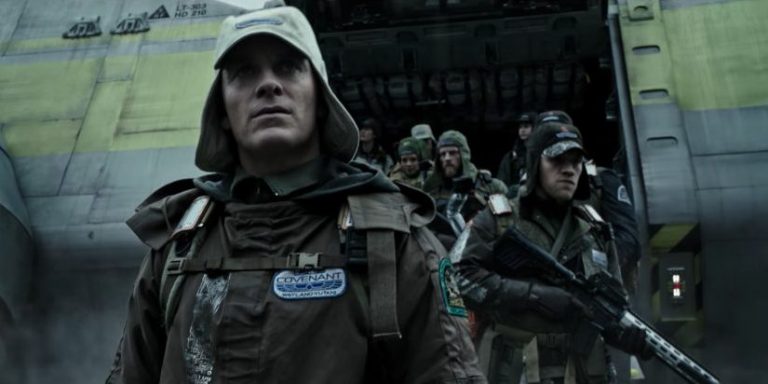
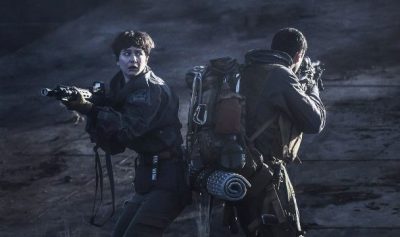 the team discovers that David (also played by Michael Fassbender) has been stranded on the planet for some years. He takes them through a graveyard of engineers who have been preserved like the people of Pompeii. This is where the movie loses me. Instead of the straight, efficient narrative of the first three Alien movies, Covenant gets lost in a labyrinth of themes and storylines that it loses a lot of the momentum it builds during its first half. At one point, the entire audience laughed at the film. Not with it. At it.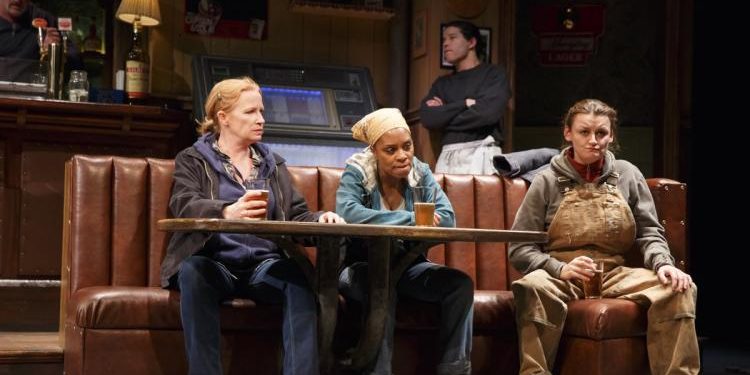


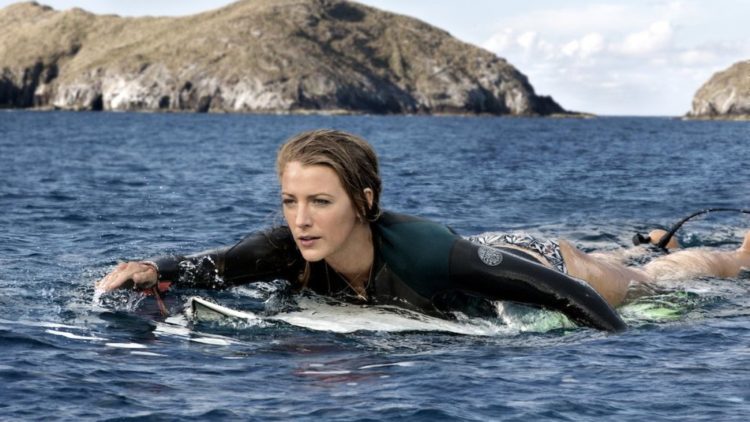

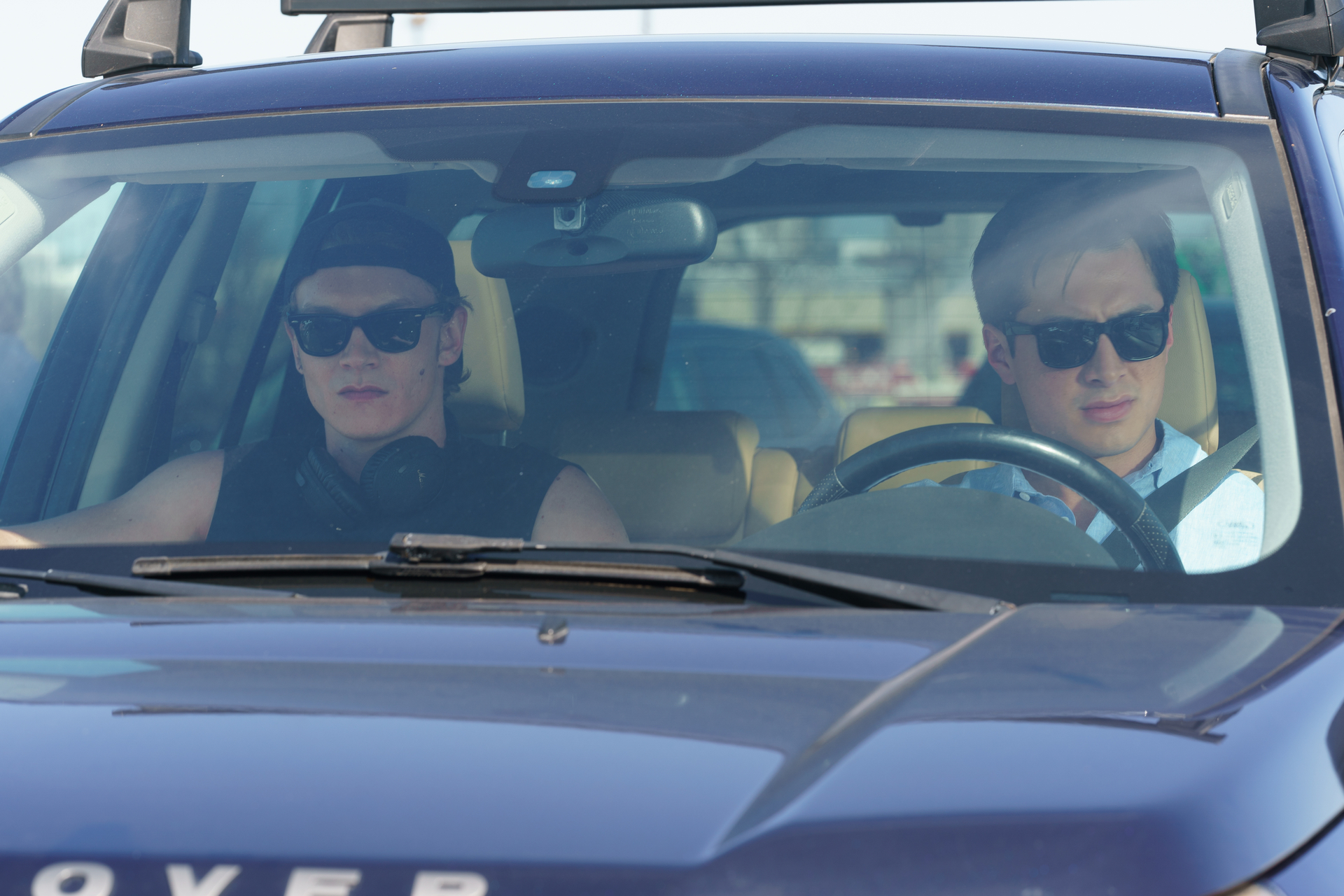
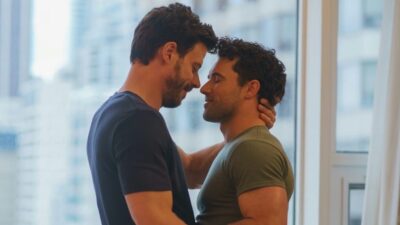
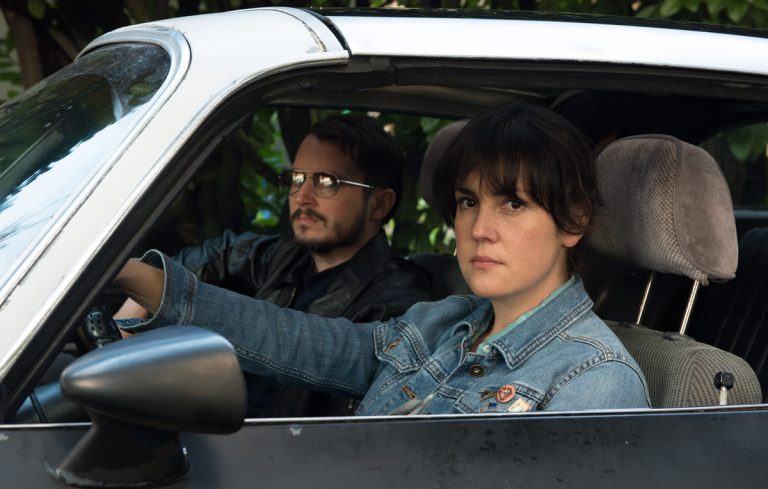
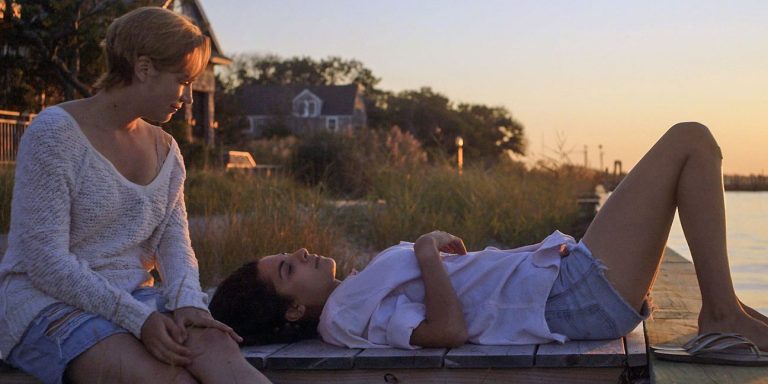
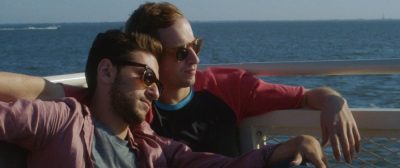 That’s Not Us

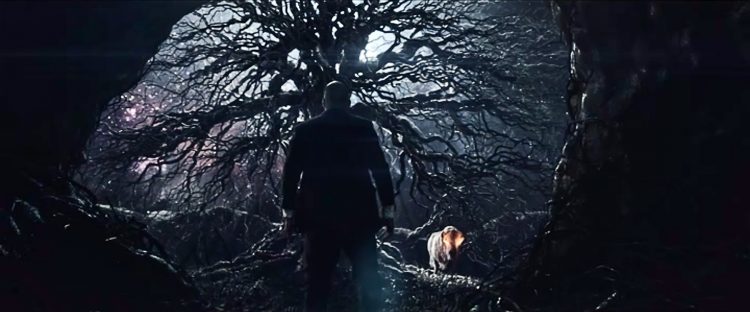
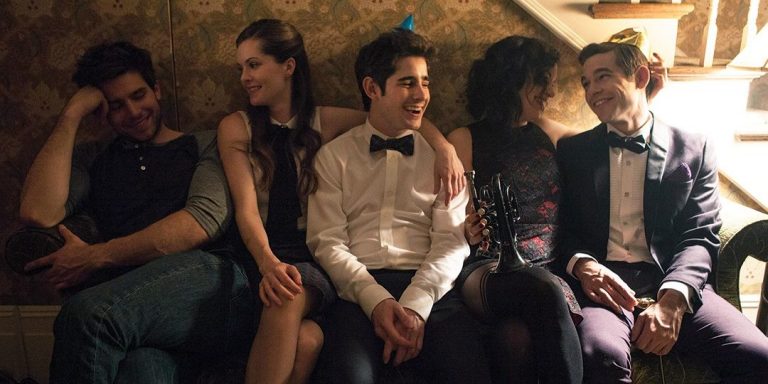

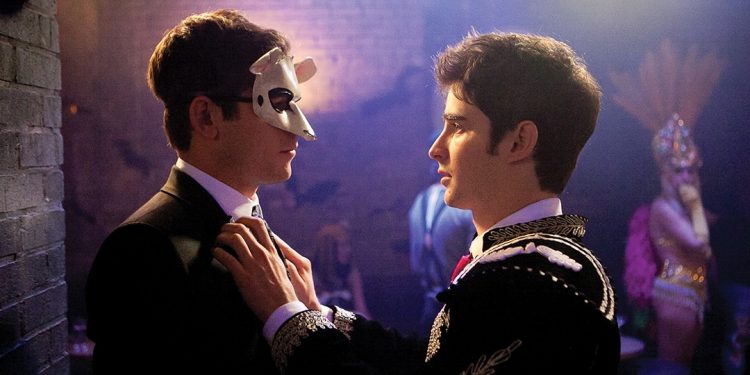




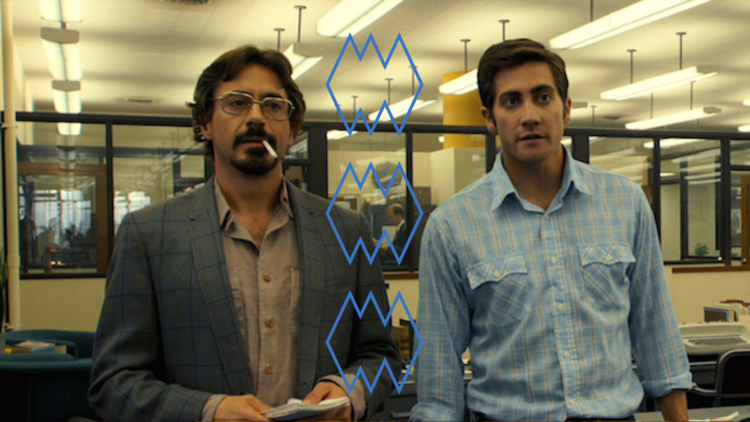
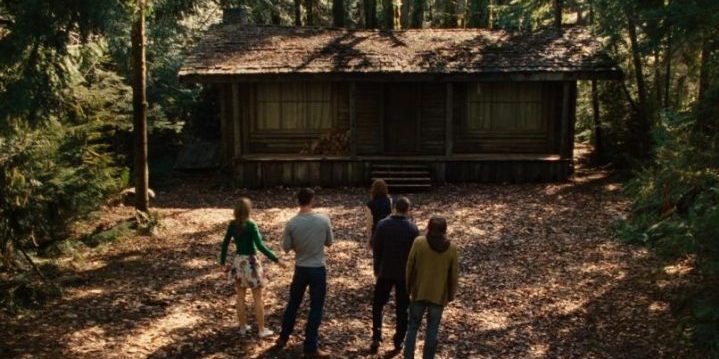
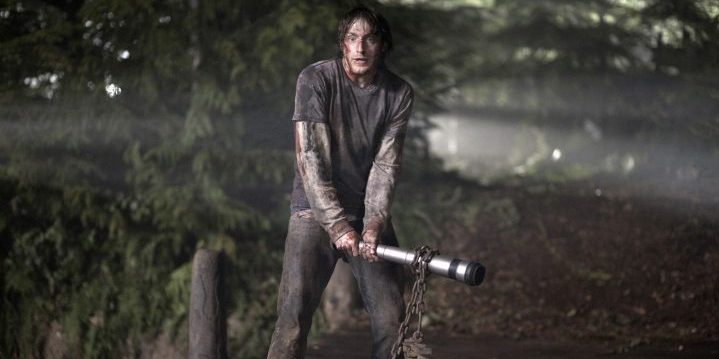
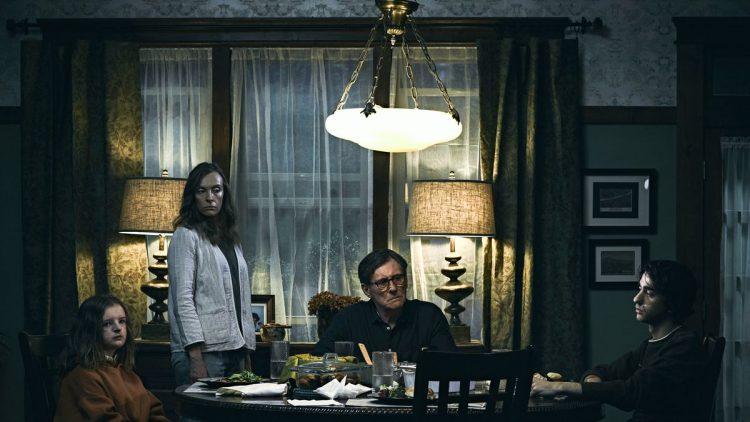
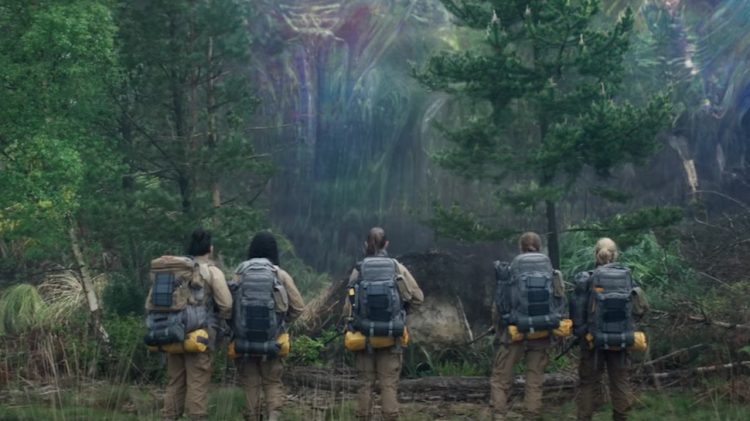
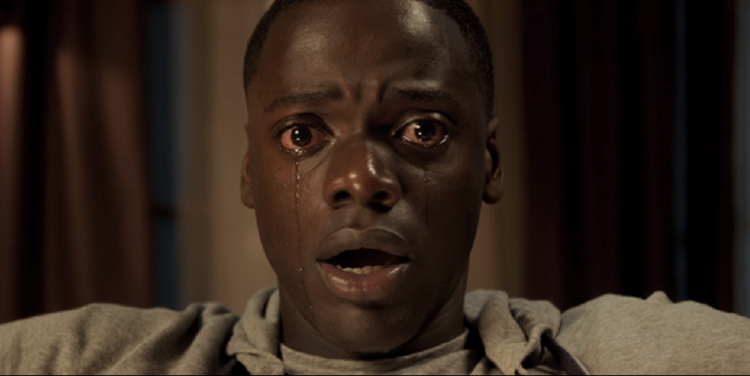
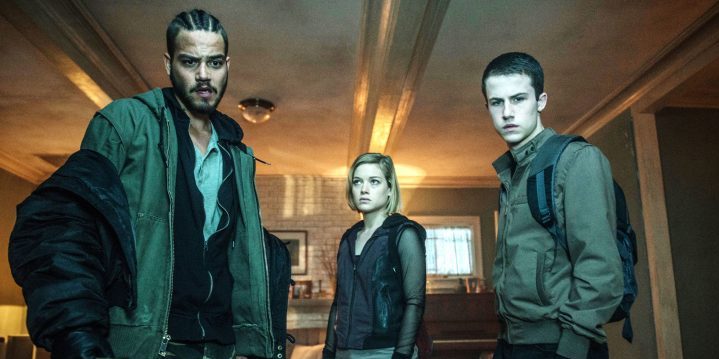
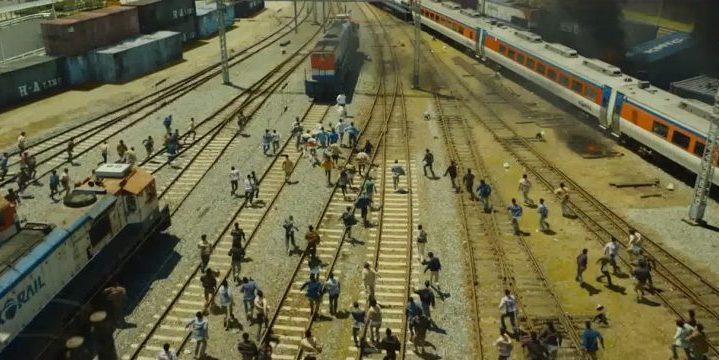
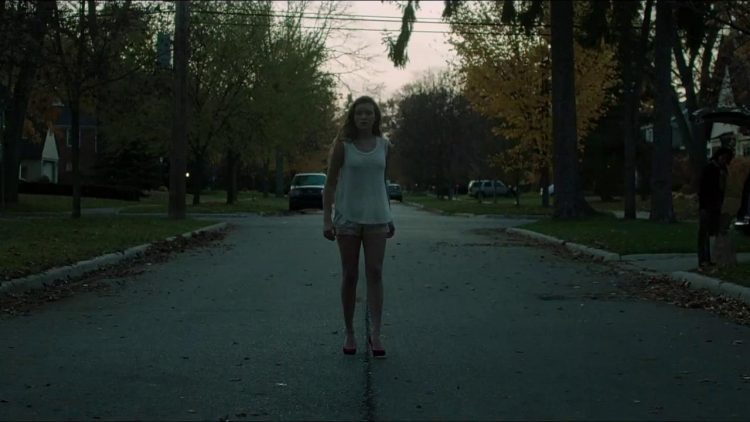
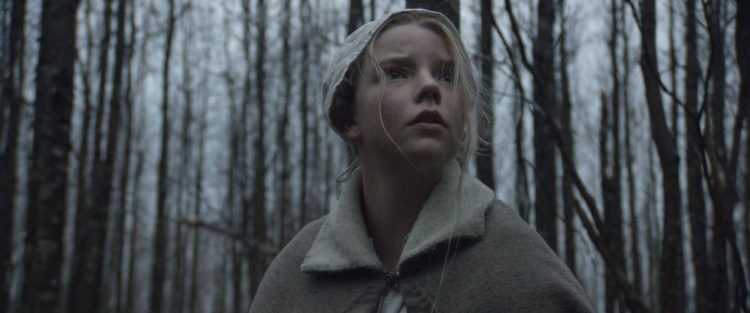
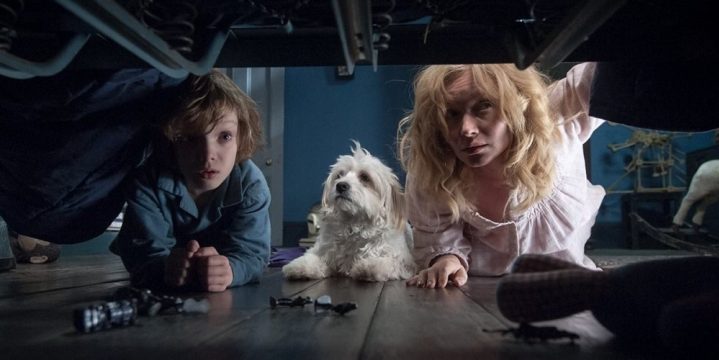
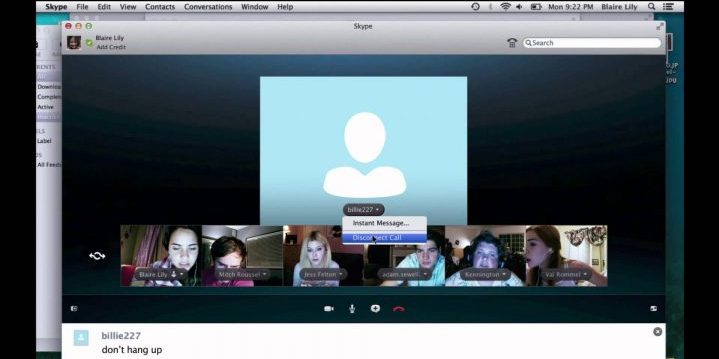
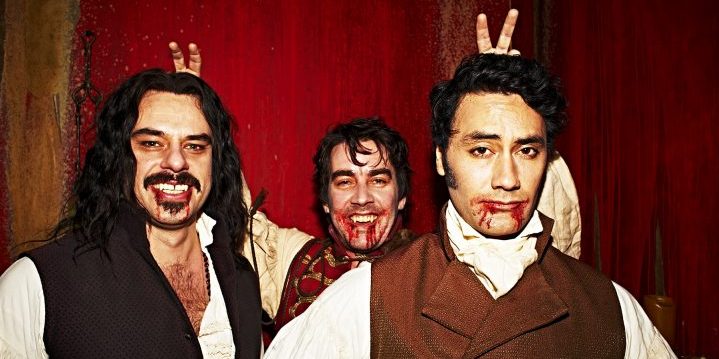
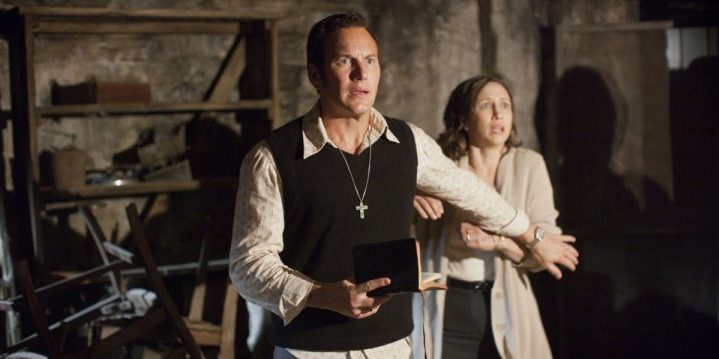
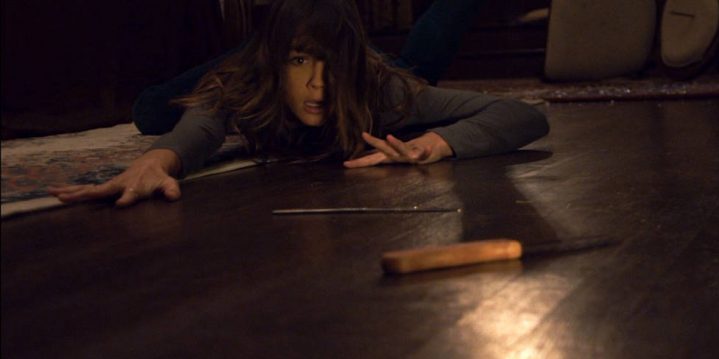
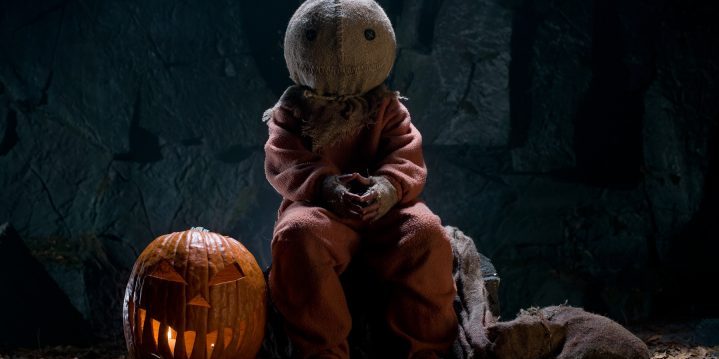
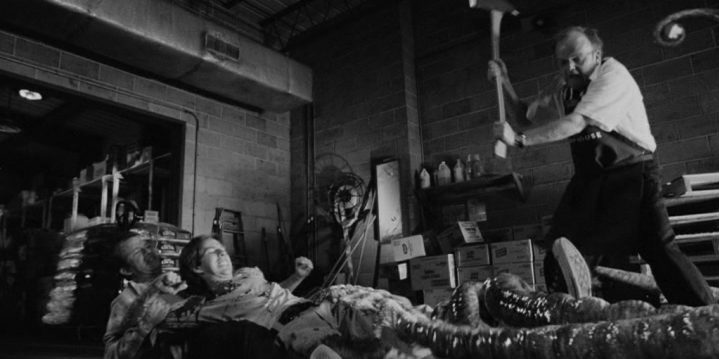
![[REC]](https://smashcutreviews.com/wp-content/uploads/2017/05/rec-e1491247140149.jpg)
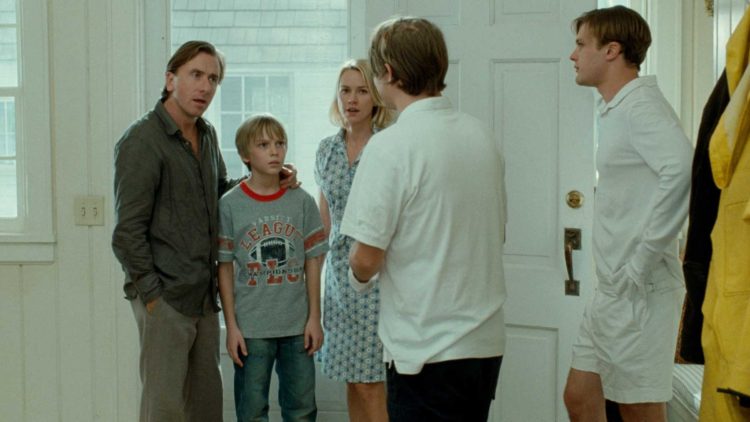
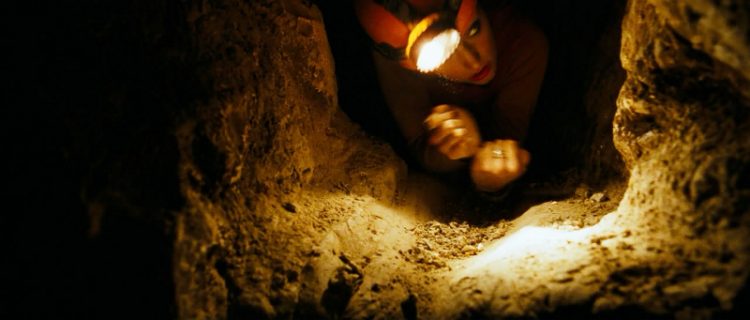
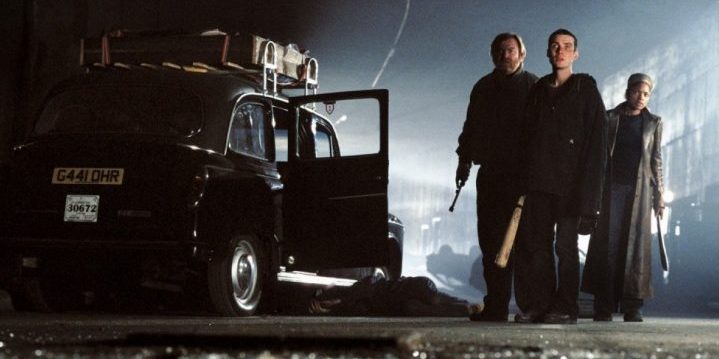
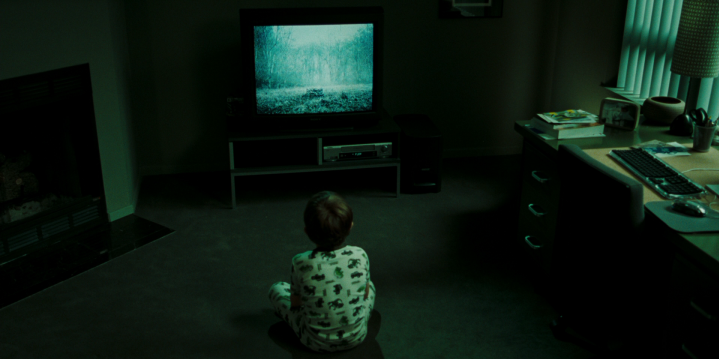
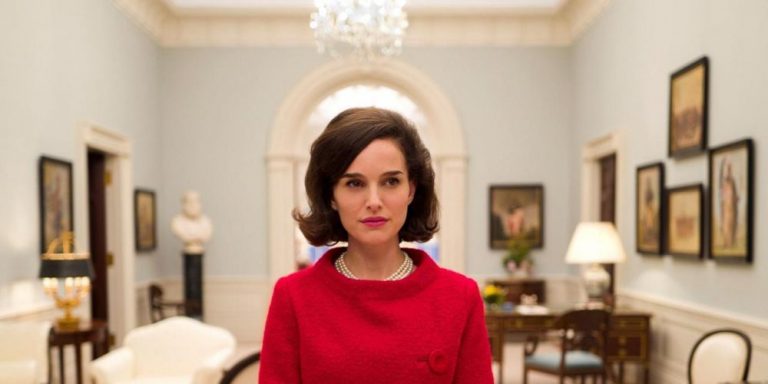
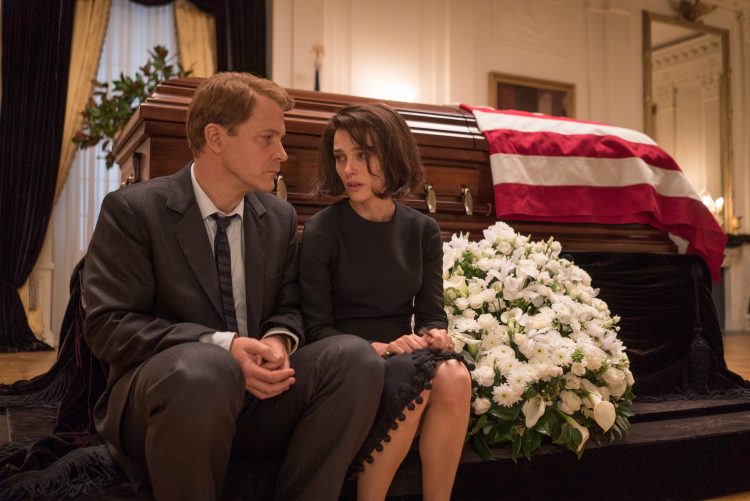
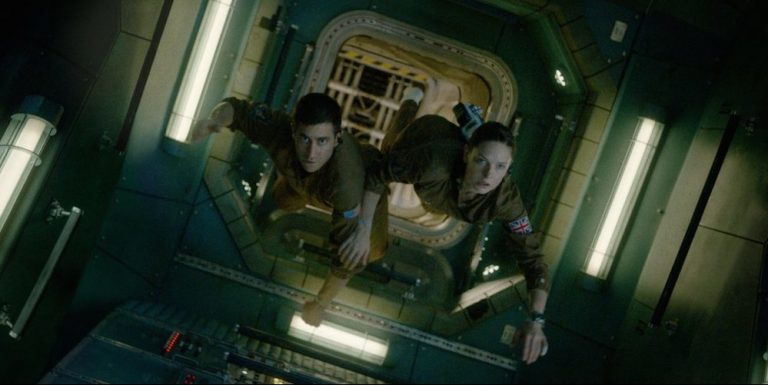
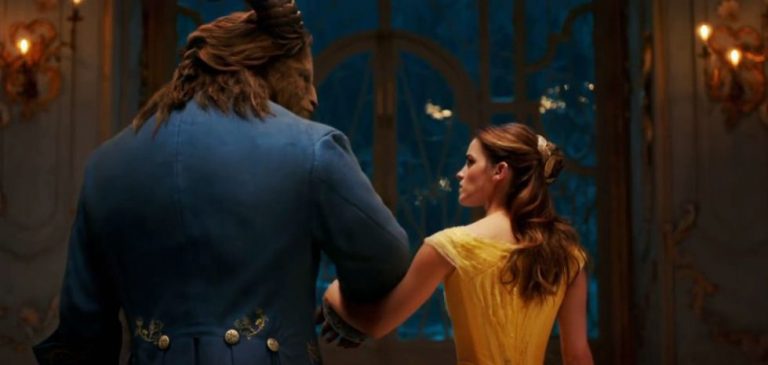
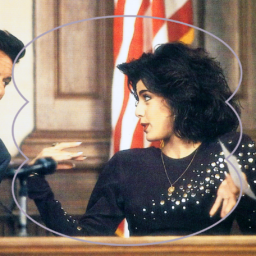

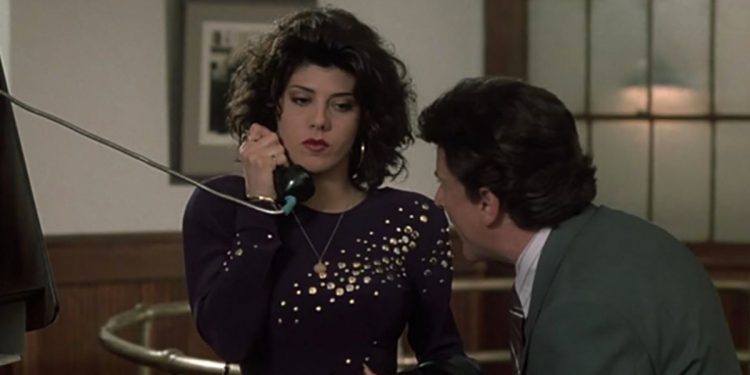
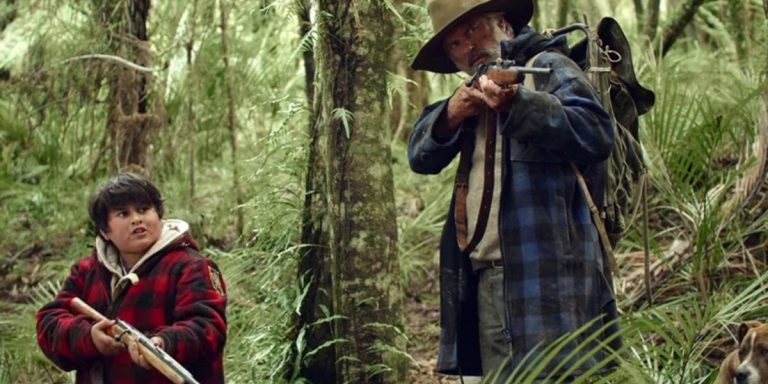
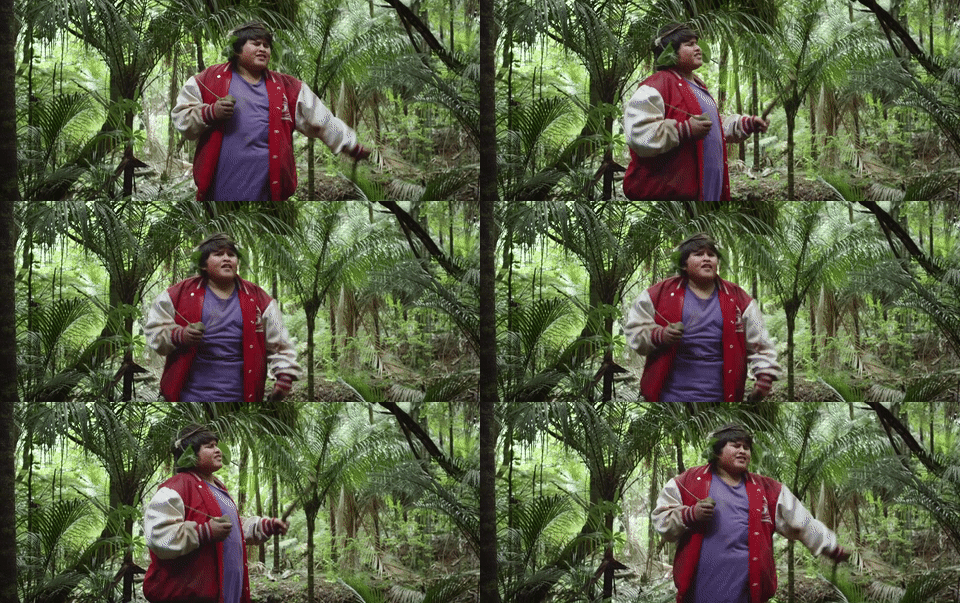 However, Ricky goes on the run, for reasons I won’t spoil, with the intention of living off the land. The problem is that Ricky isn’t suited for the wilderness and is soon found by Bella’s husband Hector (Sam Neill) — he’s a grizzled, old, cantankerous outdoorsman. After Hector hurts his ankle on the way out of the bush, he and Ricky must camp out for a couple weeks while he heals. In that time, however, a national manhunt — swat teams, helicopters, dogs, and all — ensues after it’s assumed that Hector kidnapped Ricky. The duo goes on the run, which leads to hilarity along the way. It’s the classic mismatched pair setup. Ricky is ill-equipped to live in the wilderness — he eats through his rations within the first hour. Hector, on the other hand, is an experienced outdoorsman. Ricky passes time by writing haikus, while Hector hunts for eels. As the chase goes on longer, the story gets national attention and the two become famous. But more importantly, this road movie set up lets the two discover that once you strip away the constraints of society, you can become something more than you’re destined to be.