Tag: Jake Gyllenhaal

  • Best Thrillers of the Decade (a running list)

    Best Thrillers of the Decade (a running list)

    From psychological to political, here are some of our favorite thrillers since 2020

    What is a thriller?

    The thriller genre is difficult to nail down because the genre itself is so broad. Where does the thriller genre end and horror begin? Are all action movies thrillers, but not all thrillers action movies? While the definition isn’t exact, there are a few constants: red herrings, plot twists, cliffhangers, and, of course, suspense.

    After a shift towards

    And without further ado, here are my favorite thrillers since 2010!

    Browse by year: 2010 – 2013 | 2014 – 2016 | 2017 – 2019 | 2020 – present

    How to Blow Up a Pipeline (2023)
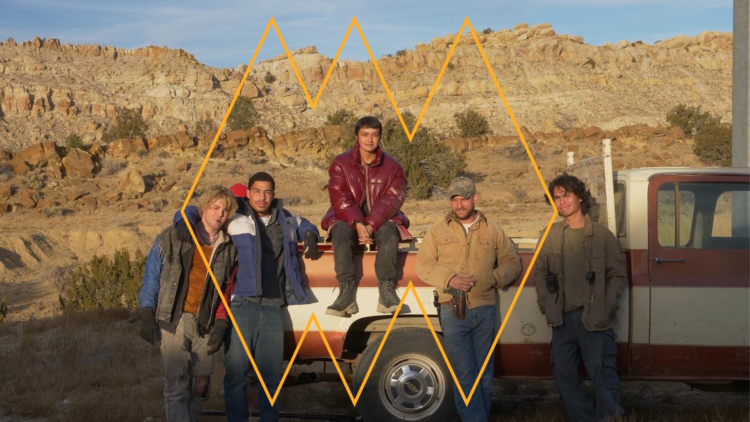
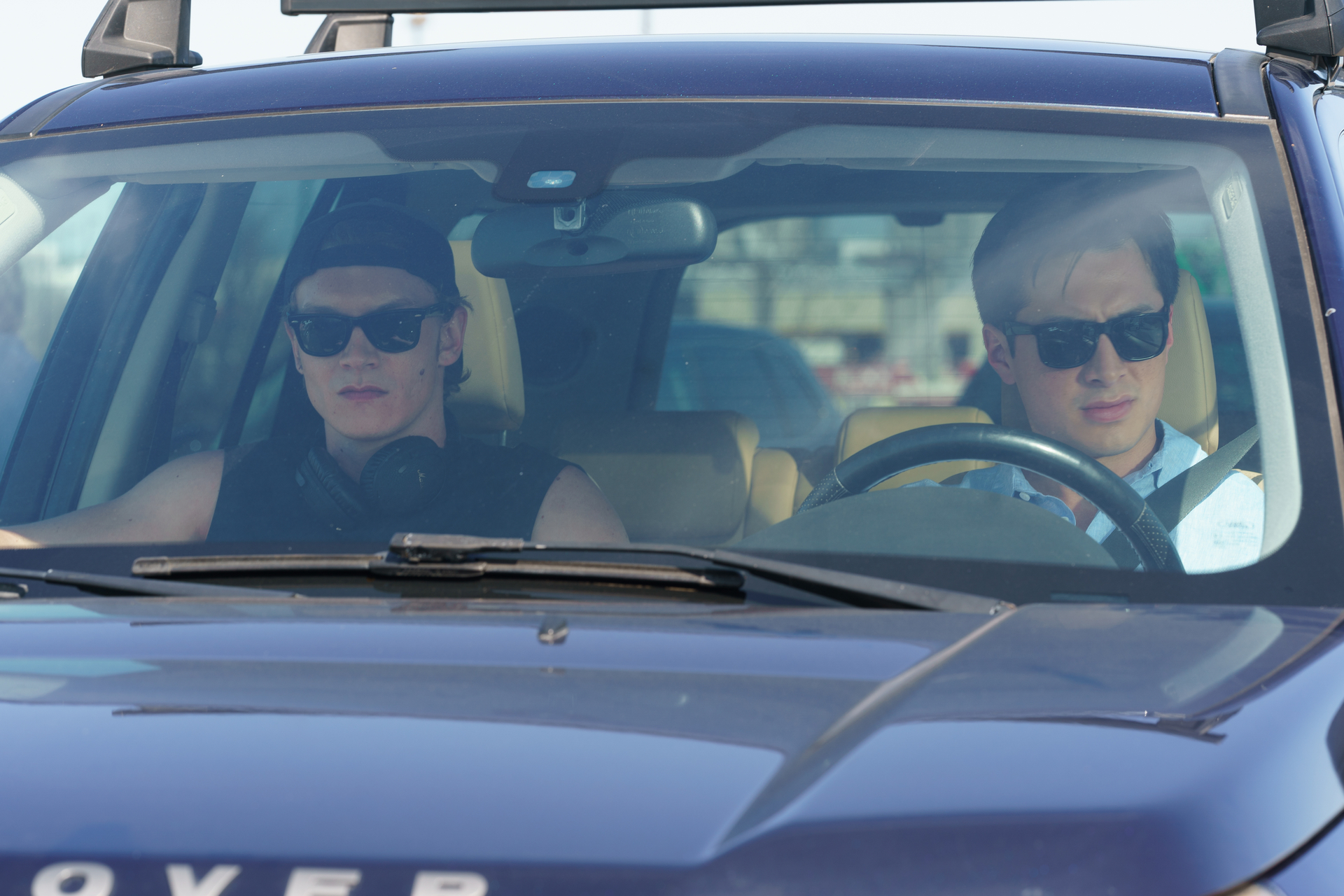
    The cast of environmental thriller How to Blow Up a Pipeline. Courtesy of Neon.
    The cast of environmental thriller How to Blow Up a Pipeline. Courtesy of Neon.

    What it’s about: A ragtag group of environmental activists race against the clock to sabotage an oil pipeline.

    Why it’s great: In many ways, How to Blow Up a Pipeline is a classic heist thriller in the vein of Ocean’s 11 as we watch a group of prior strangers come together to pull off a seemingly impossible feat. Director Daniel Goldhaber uses every second of runtime to slowly ratchet up the tension as the crew sets their plan to blow up the eponymous pipeline in motion.

    Using a clever non-linear narrative structure the movie feeds you new information about each of the characters and their dynamics to add color to their personal journeys and complications to the mission at hand. The result is a near real-time stunning and anxiety-inducing but deliciously entertaining eco thriller. Read my full review.


    ADVERTISEMENT


    Fair Play (2023)
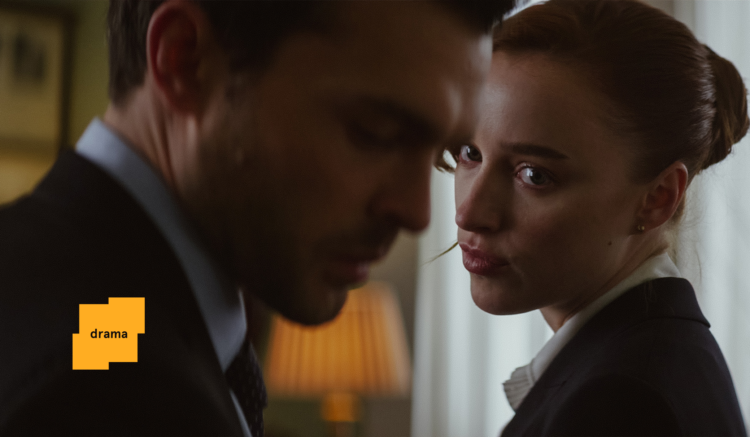
    Phoebe Dynevor and Alden Ehrenreich appear in Fair Play by Chloe Domont, an official selection of the U.S. Dramatic Competition at the 2023 Sundance Film Festival. Courtesy of Sundance Institute.
    Phoebe Dynevor and Alden Ehrenreich appear in Fair Play by Chloe Domont, an official selection of the U.S. Dramatic Competition at the 2023 Sundance Film Festival. Courtesy of Sundance Institute.

    What it’s about: Emily (Bridgerton’s Phoebe Dynevor) and Luke (Alden Ehrenreich) are a crazy, sexy, cool couple drunk (and horny) on their recent engagement that they have to keep secret since they work together at a highly competitive hedge fund firm. But when Emily is promoted over Luke, insecurity, competition and jealousy threaten to destroy their relationship.


    ADVERTISEMENT


    Why it’s great: Fair Play plays like a ticking time bomb as the couple’s relationship is put under the strain of Luke’s arrogance and Emily’s ambition. 

    It’s the balancing of those two threads that make the movie — particularly writer director Chloe Domont’s sharp screenplay — so impressive. At times, the movie is a corporate barnburner about Emily navigating her newfound success as a woman in an industry that is decidedly a boy’s club. In others, it’s a darkly funny psychosexual relationship drama about how deviations from the traditional gender dynamics can send men into a tailspin — let’s just say Luke probably loved Joker. And at its most satisfying, both worlds come careening together as the pair navigate the minefield of their relationship in the workplace.

    Phoebe Dynevor and Alden Ehrenreich give powerhouse performances that give the melodrama some much needed gravitas. Cutthroat, sharp and entertaining as hell, Chloe Domont didn’t come to play. Read my full review.


    ADVERTISEMENT


    Kimi (2021)
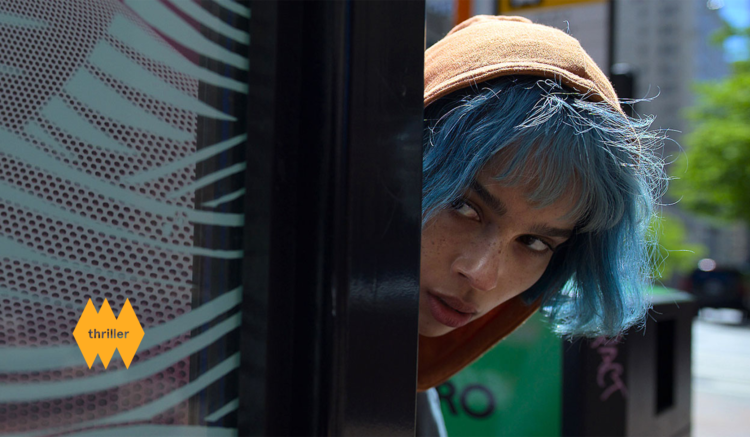
    Zoë Kravitz in Kimi. Courtesy of HBO Max.
    Zoë Kravitz in Kimi. Courtesy of HBO Max.

    What it’s about: Angela (Zoë Kravitz), whose agoraphobia due to a prior trauma — and now exacerbated by the coronavirus pandemic — confines her to her apartment, works for a tech company monitoring the data from their smart speaker product Kimi (like an Alexa) for quality assurance. However, when one of the files she’s listening to sounds like a crime she’s faced with corporate red tape, conspiracy, and, her worst fear, going outside.

    Why you should watch it: Kimi tells a story we’ve seen before — Rear Window and The Girl on the Train immediately come to mind. But Soderbergh throws in these tiny details that make it feel so relevant to our place and time. 


    ADVERTISEMENT


    Like many people watching movies stuck at home, I had headphones on. In one scene, Angela puts on her AirPods to drown out the sound around her. When she puts her right earbud in, our right earbud goes silent. When she puts the left in, our left goes silent. It’s something that you might miss, but that small choice immerses you in this world that is so familiar. 

    When Angela goes outside for the first time, masked up with packets of hand sanitizer in her pockets, the camera switches from steady and deliberate to frenetic and chaotic as she’s faced with the anxiety of being around people. It elevates Kimi far past its thriller roots. 

    And sure, you can probably call many of the plot twists. But what Soderbergh constructed is a lean, mean, perfectly-paced thriller that recognizes the time that we’re in. Too many movies being made today ignore the pandemic and the past two years we’ve experienced. Instead, Soderbergh embraces it and uses it to his advantage to not reinvent the wheel but spin it at a different speed. Read my full review.

    I’m Thinking of Ending Things (2020)
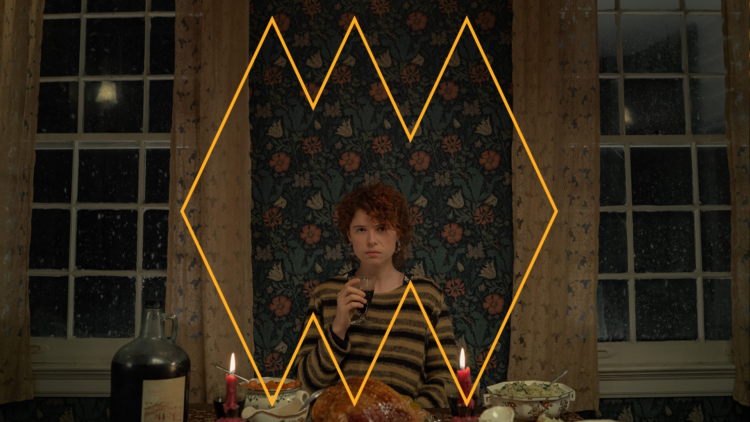
    Best Thrillers of the Decade - I'm Thinking of Ending Things Netflix
    Jessie Buckley in I’m Thinking of Ending Things. Courtesy of Netflix.

    What it’s about: A young woman (Jessie Buckley) is driving with her boyfriend (Jesse Plemmons) to meet his parents for the first time. There’s one problem, she’s thinking of ending things. When she meets his mother (Toni Collette) and father (David Thewlis) things go from odd to flat out weird as the world around her changes.

    Why it’s great: Loneliness is a prison. The memories, regrets, and what-ifs of life become trapped on repeat in your head forming a blend of reality and fantasy in your psyche in an effort to fill the void of silence that it creates. In the time of the coronavirus pandemic that feeling may hit closer to home, which is why Charlie Kaufman’s I’m Thinking of Ending Things feels so effective as a psychological thriller.

    The movie is a slow-burn of conversations that begin as a little off and then become full-tilt bizarre as the world around the couple goes from real to surreal. At the core, psychological thrillers should make you question exactly what is real. In I’m Thinking of Ending Things, the question isn’t what is real, it’s what is reality at all.


    ADVERTISEMENT


    The Invisible Man (2020)
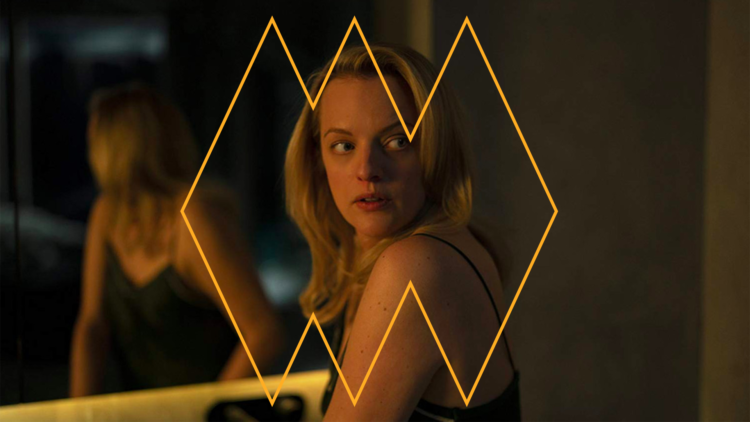
    Best Thrillers of the Decade - The Invisible Man
    Elizabeth Moss in The Invisible Man. Courtesy of Universal Pictures.

    What it’s about: After escaping her abusive tech tycoon boyfriend (Oliver Jackson-Cohen), Cecilia (Elizabeth Moss) thinks she’s finally free from his grasp. However, a vague threat from the past and a series of odd occurrences make her think that he’s watching her every move.

    Why it’s great: There is so much to love about director Leigh Whannell’s reinvention of the 1933 original film The Invisible Man, but the best place to start is perhaps the reinvention itself. Instead of treading similar territory, Whannell tackled the very 21st century story of toxic relationships, gaslighting, and emotional abuse.

    However, the way he brings about those themes is by combining innovate modern cinematic techniques with the old-fashioned staples of building the suspense. Without compromising its rich themes or depriving the audience of moments of terror to hang onto, Whannell is able to make an artfully made and emotional movie that feels auteur-driven but still made for the mainstream. Read my full review.

    Browse by year: 2010 – 2013 | 2014 – 2016 | 2017 – 2019 | 2020 – present
    Pages: 1 2 3 4

  • ‘The Guilty’ puts Jake Gyllenhaal in the Oscar race | TIFF movie review

    ‘The Guilty’ puts Jake Gyllenhaal in the Oscar race | TIFF movie review

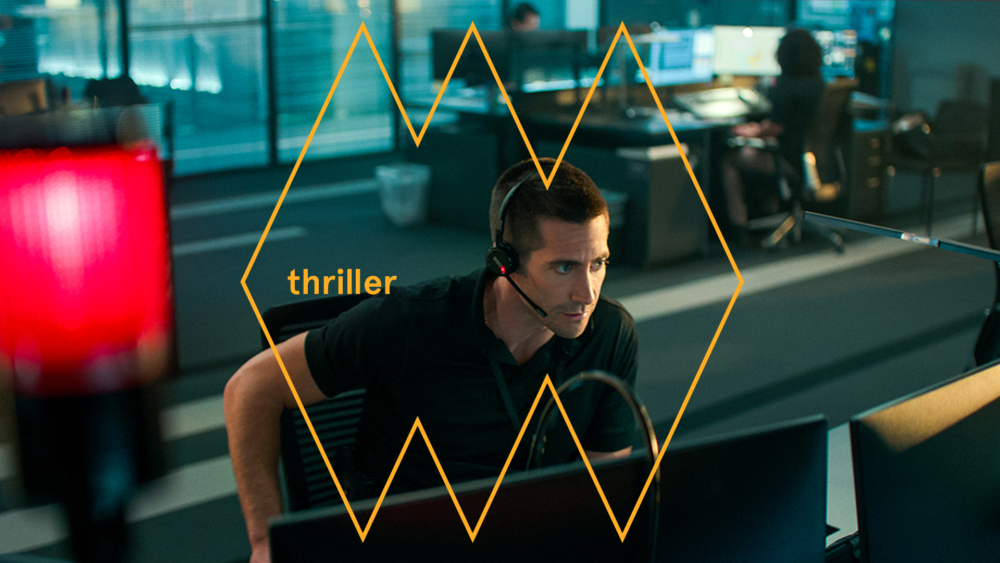
    The Guilty follows a suspended police officer working 911 dispatch who falls upon an abduction case that he becomes determined to solve

    The Guilty is a tense, innovative, and constantly twisting police procedural that unfolds in real-time and solely through phone calls to incredible effect. However, it elevates itself by also acting as a character study and indictment on policing and toxic masculinity. Jake Gyllenhaal has officially entered the Oscar race.

    The Guilty, a remake of the 2018 Danish film of the same name, is a masterclass in adapting a non-English language film for American audiences. The trend of making English-language versions of acclaimed and successful foreign films has been picking up steam to mostly negative results — I’m looking at you Downhill. And more often than not, it’s because the studios commissioning these films don’t understand what makes them successful in the first place. That’s not the case with Antione Fuqua’s adaptation, which premiered at the 2021 Toronto International Film Festival. 

    Fuqua, best known for his thrillers and directing Denzel Washington to an Oscar for Training Day, doesn’t set out to recreate the Danish film. He’s too singular of a filmmaker for that. Rather, he filters the original’s plot through a distinctly American — and Fuqua — lens. 


    ADVERTISEMENT


    Jake Gyllenhaal plays Joe, a former police officer relegated to 911 dispatch duty pending his trial. The reason for his suspension is kept close to the vest, however, Joe’s discontentment with the situation is not. He regularly snaps at co-workers, has coughing bouts that are caused by the wildfire smoke in the air (and maybe something more mental), and regularly pushes the boundaries of his job often talking back at 911 callers. 

    And that’s why when a woman named Emily (Riley Keough) calls feigning talking to her child Joe takes it upon himself to solve the case. Unfolding in real-time and the most intense episode of Law & Order: SVU, Joe realizes that Emily was taken against her will by her estranged husband Henry (Paul Dano) leaving her six-year-old daughter and infant son alone at home. 

    Coordinating with the California Highway Patrol, his partner Jim (Eli Goree), and various others and armed only with the information in the police database, Joe attempts to find Emily before it’s too late. That part of the plot is similar to the Danish version. However, in the background of all this — and throughout the screenplay written by True Detective’s Nic Pizzolatto — the wildfires and general distrust in the police loom large. That change alone validates the American version’s existence. 


    ADVERTISEMENT


    There are many twists and turns that we only hear through calls that come through with the brilliant immersive sound design that puts us firmly in Joe’s point of view. Being in his point of view and watching the film unfold in real-time adds a sense of urgency, desperation, and helplessness. And while Fuqua’s smart directorial choices are one reason for this, Gyllenhaal’s terrific performance is captivating. It’s especially impressive considering he never leaves the screen for a single second of the film. 

    As thrilling as it is to unpack The Guilty as a police procedural what makes it great — and an Oscar contender for Netflix — is its grounding as a character study into toxic masculinity and the psychological effects of giving power to a person. Joe, our “hero,” brings his own outside circumstances to the situation — his own separation from his wife and daughter, his impending case — and uses that to motivate his decision-making for better or worse. He changes throughout the film. We watch as this case tears away at his psyche before the dam breaks — and with it, Jake Gyllenhaal’s performance soars. 


    ADVERTISEMENT


    ADVERTISEMENT


    More movies, less problems


    Hey! I’m Karl. You can find me on Twitter and Letterboxd. I’m also a Tomatometer-approved critic.

    💌 Sign up for our weekly email newsletter with movie recommendations available to stream.


    ADVERTISEMENT


    💌 Sign up for our weekly email newsletter with movie recommendations available to stream.


    ADVERTISEMENT


  • The Best Jake Gyllenhaal Movies (and where to stream them)

    The Best Jake Gyllenhaal Movies (and where to stream them)

    Jake Gyllenhaal, the Oscar-less powerhouse actor, has turned it iconic performance after performance in some of the greatest movies of the century. Here’s where to watch them.

    Jake Gyllenhaal is arguably one of the greatest actors of his generation making his Oscar-less status a bit confounding. Nonetheless, he’s turned in some of the best performances of the 21st century in some beloved films. Even better, he rarely repeats a performance, so every movie is different. Here are some of our favorite Jake Gyllenhaal movies and where to stream them.

    Zodiac ♌️

    ▶ Streaming on Prime Video

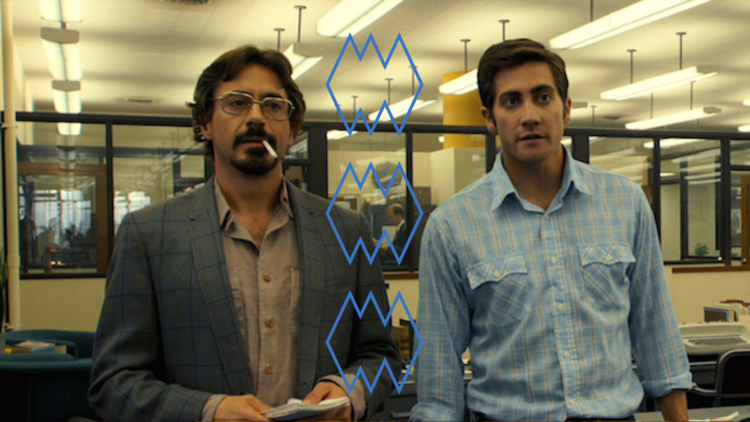
    Zodiac tells the very true and very terrifying story of the infamous “Zodiac Killer,” who terrorized the San Francisco bay area in the late 1960s and early 70s. The movie follows three men obsessed with figuring out who the killer is: political cartoonist Robert Graysmith (Jake Gyllenhaal), journalist Paul Avery (Robert Downey Jr.), and detective Dave Toschi (Mark Ruffalo). Here’s the trailer.

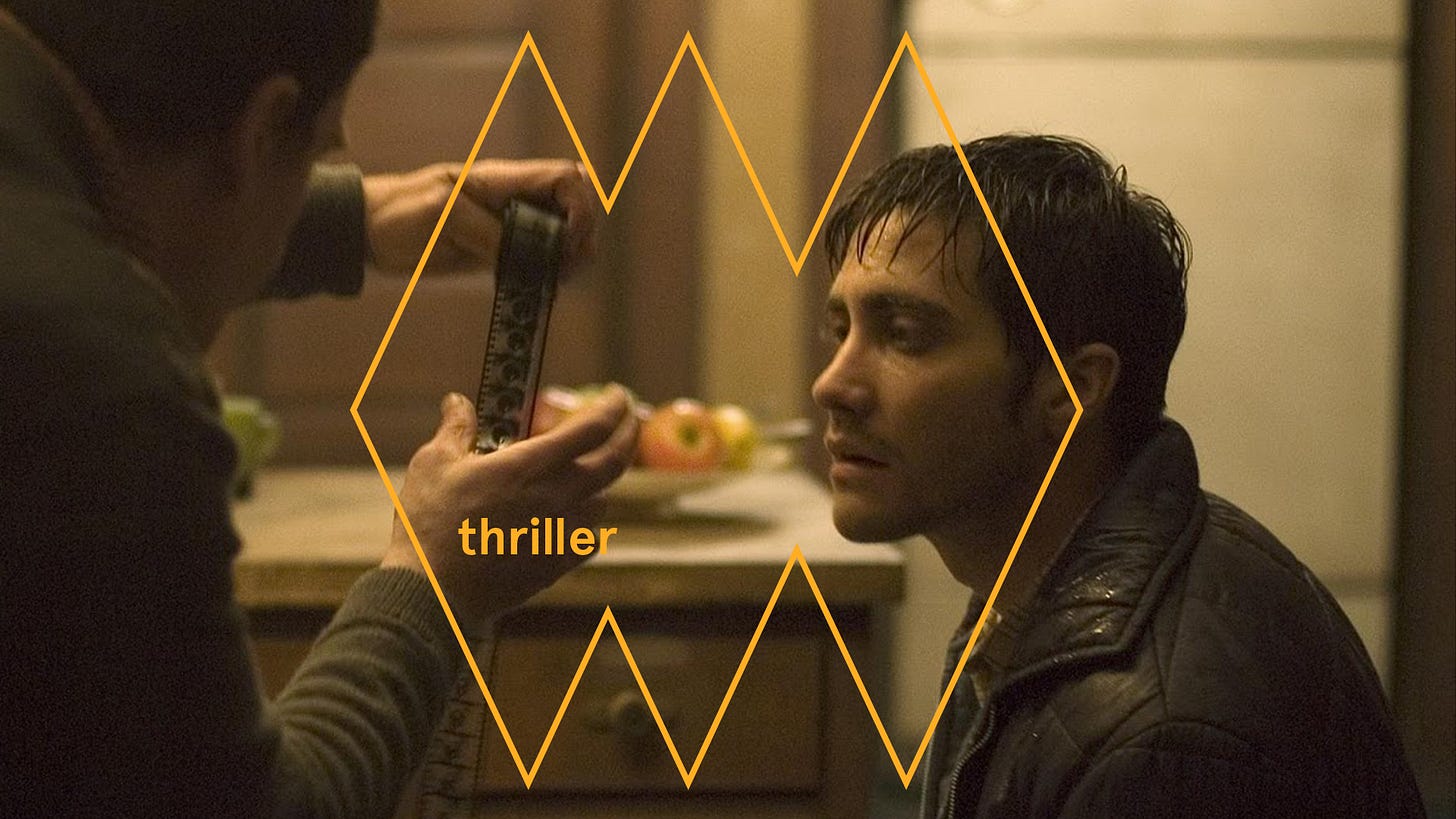
    Jake Gyllenhaal in Zodiac. Courtesy of Paramount Pictures.

    Why it’s great: I often cite Zodiac as my favorite David Fincher movie — although if you ask me any other day that might change. It’s a dark and menacing crime thriller on its surface like Se7en, mixed in with an investigative drama. But Fincher is doing a lot more when you dig deeper. It’s a disorienting story. He plays with time and place to confuse you and put you in the headspace of the characters. Those characters are complex and motivated to a fault — Gyllenhaal’s Graysmith is borderline obsessive. You realize then that this isn’t a police procedural. You’re not watching to solve the mystery — you’re watching to solve the characters. 162 mins.


    ADVERTISEMENT


    Enemy ?

    ▶︎ Streaming on Hulu

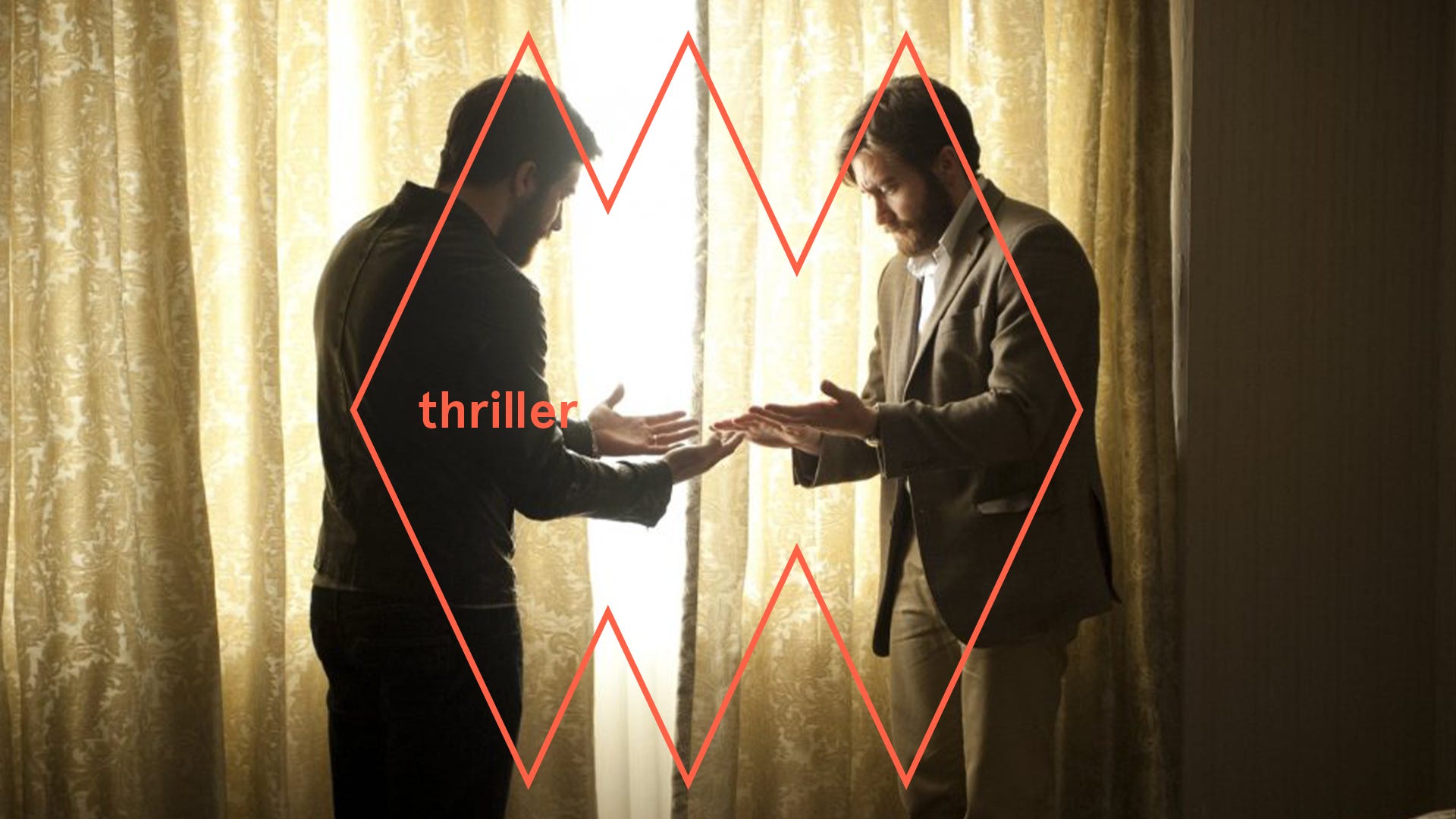
    Enemy follows Adam Bell (Gyllenhaal) is a college professor living an unremarkable life. That is until he watches a movie and discovers one of the actors (also Gyllenhaal) looks exactly like him. He becomes obsessed with learning the identity of his doppelgänger, but what he finds is even crazier than he — and us — could imagine. Here’s the trailer.

    Jake Gyllenhaal and Jake Gyllenhaal in Enemy. Courtesy of Hulu.

    Why it’s great: Enemy is a puzzle that needs — and wants — to be solved. However, director Denis Villeneuve and screenwriter Javier Gullón don’t make it easy for you, which makes the movie so fun to watch over and over again. They’re careful to give you clues and hints — some obvious and some you have to work for — that will guide you to some conclusion. But the real joy of the movie is that everyone’s conclusion will be different. Gyllenhaal gives two of his best performances as very distinct characters that share some bond. Look out for the small inflections he uses to differentiate the two. It’s masterful. 90 mins.

    Nightcrawler ?

    ▶ Streaming on Netflix

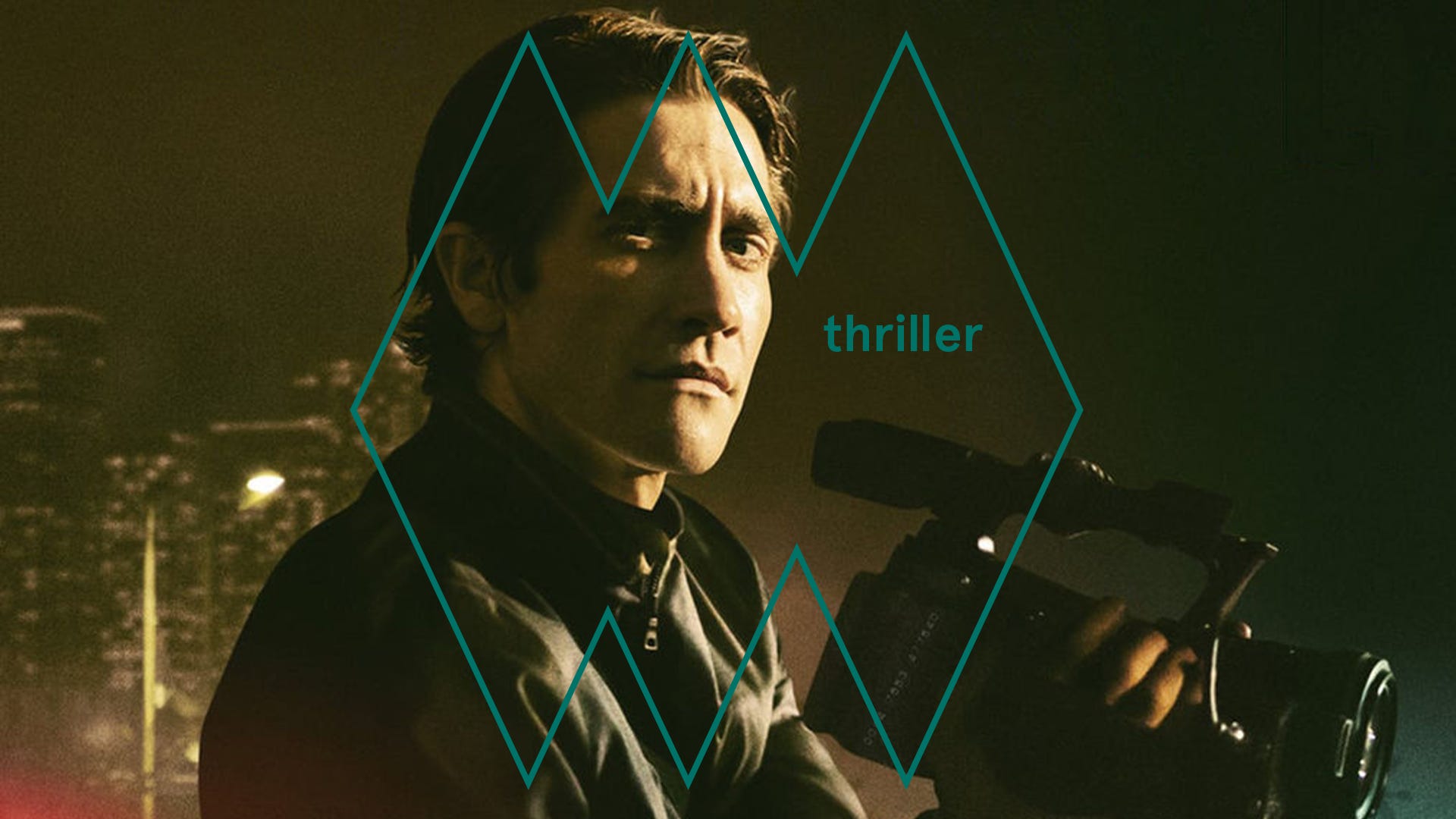
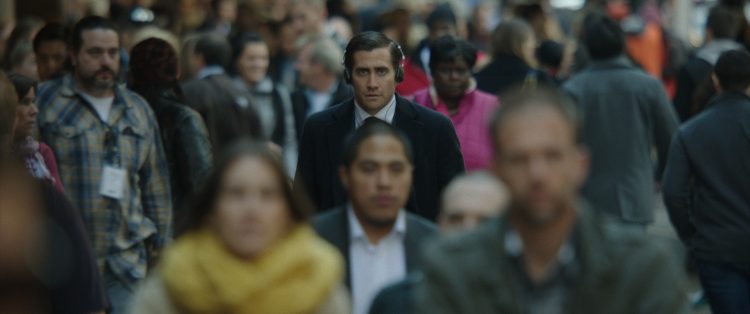
    Nightcrawler is about perpetual hustler Lou Bloom (Gyllenhaal) and his endless pursuit for success. One night, after witnessing stringers—freelance video journalists—recording footage from a car accident he finds his new line of work. As he dives deeper into the L.A. underbelly of crime, he maybe becomes too involved in getting the story. Here’s the trailer.

    Jake Gyllenhaal in Nightcrawler. Courtesy of Netflix.

    Why it’s great: Nightcrawler takes clear inspiration from two of my favorite Martin Scorcese movies — The King of Comedy and Taxi Driver — but it’s careful to emulate and not imitate. Instead, Lou Bloom is a wholly original and terrifyingly compelling anti-hero. His extreme obsession with his new career is offset by the fact that he’s actually good at it—for all the wrong reasons. As he defies any moral standard to get his story, we watch almost helplessly as people around him become pawns in his game rather than actual humans. And while a lesser movie would mine that for pure horror, Nightcrawler asks whether or not that’s already happening anyway in our society.


    ADVERTISEMENT


    Okja ♌️

    ▶ Streaming on Netflix

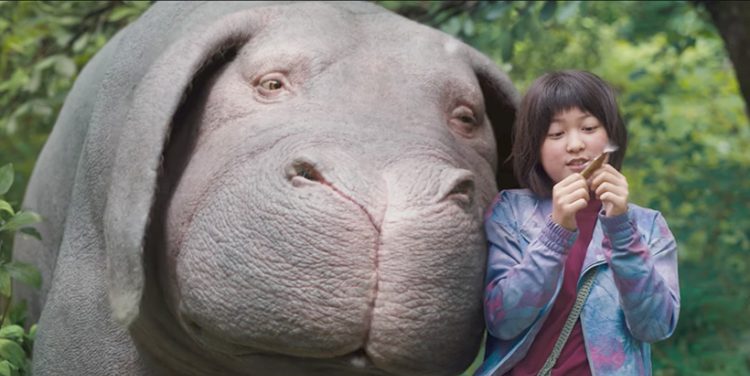
    In Okja, set in the not too distant future, The Mirando Corporation led by CEO Lucy Mirando (Tilda Swinton) announces that they’ve bred a new species that they’re dubbing a “super pig.” They send the pigs out to 26 different farmers to find the best way to raise them. One of those farmers is Mija’s (Ahn Seo-hyun) grandfather. The young girl forges a bond with their super pig who they name Okja. So, when the Mirando Corporation and their hired animal “expert” Johnny Wilcox (Jake Gyllenhaal) take Okja away, Mija goes on a globe-trotting adventure to save her friend. Here’s the trailer.

    Why it’s great: To try and classify Okja would be a disservice to the movie. It’s as one of a kind of a film as they come — and that’s its greatest virtue. For this movie to work, it has to march to the beat of its own drum. That beat is a wonderfully unconventional movie that’s sometimes satire, sometimes dark comedy, but all heart. And like any great Bong Joon-ho movie — and there are a lot of them — the biggest success is its characters. From Tilda Swinton’s wonderfully camp Lucy Mirando to Paul Dano’s cool and calm animal right activist Jay to Ahn Seo-hyun’s quiet but tough Mija to Okja herself, just like the movie’s style they’re wonderfully off-kilter and colorful, making them a delight to watch. 120 mins.


    ADVERTISEMENT


    More movies, less problems


    Hey! I’m Karl. You can find me on Twitter and Letterboxd. I’m also a Tomatometer-approved critic.

    💌 Sign up for our weekly email newsletter with movie recommendations available to stream.


    ADVERTISEMENT


    💌 Sign up for our weekly email newsletter with movie recommendations available to stream.


    ADVERTISEMENT


  • Zodiac holds up better than ever 10 years later | movie review

    Zodiac holds up better than ever 10 years later | movie review

    David Fincher’s 2008 film Zodiac has grown to be one of his best, if not one of the best cinematic offerings of the century.

    Zodiac strikes the perfect balance between engrossing police procedural, atmospheric horror, and compelling character study to be one of the best movies of the century.

    To fully appreciate Zodiacyou have to watch it more than once. On the first viewing, you should focus on the story, the plot, and the red herrings. The twisting tale of the Zodiac killer — a serial killer who tortured Northern California with his sick games for more than a decade — is one that is not easily unraveled. It’s a disorienting story. And director David Fincher understands that. He puts you into the headspace of the characters by playing with space and time.

    They’re who you should focus on next. How do they grow throughout the story? Why do they make the decisions they make? It’s not always an easy question to answer. Lastly, look at how the film was put together. An entire semester of cinematography can be taught from this one movie. DP Harris Savides uses a neutral color palette that feels appropriate for the Bay Area setting, but somehow he finds empathy in the characters. Coupled with Angus Wall’s emotive editing, it immerses you in the world. However, it all goes back to the way Fincher mixes these elements. So, watch it a fourth time. Then you’ll understand why this is not only Fincher’s best film but one of the best movies of our generation.

    The tale of the Zodiac killer was never one that would easily transfer to film. Despite the violence of the attacks, the publicity of them, and the rigor in which the investigation was handled, in reality, the breaks came slowly and there was never a clear progression when it came to the case. If anything, the most cinematic facet of the story was the multiple red herrings during the investigation. So, how did David Fincher and screenwriter James Vanderbilt fill out the nearly three-hour running time? While the story of the Zodiac was a huge part of the movie, as was the investigation — a large chunk feels like All the President’s Men or Heat — the main focus is how the investigation fundamentally changes the characters. 

    💌 Sign up for our weekly email newsletter with movie recommendations available to stream.


    ADVERTISEMENT


    Robert Graysmith (Jake Gyllenhaal) frames the story as a San Francisco Chronicle cartoonist who is on the periphery of the Zodiac case when the newspaper receives a letter from the killer demanding that a puzzle is published in the paper. Eccentric journalist Paul Avery (Robert Downey Jr.) takes lead on the case for the Chronicle while SFPD Inspector David Toschy (Mark Ruffalo) takes hold of the police investigation.

    The first half of the movie plays like a police procedural — take Heat or The French Connection — and newspaper drama — like All the President’s Men or the more recent SpotlightIt’s a thrilling whirlwind of facts and dead ends and terrifying attacks that increasingly adds to the sense of helplessness with the case. However, the second half becomes one man’s obsession — Robert Graysmith, specifically — with finding the truth. Not for any higher purpose. Simply because he craves the answer and eventually needs it.

    Zodiac is a story that isn’t inherently cinematic. There isn’t a linear storyline. Essentially we follow information as it’s traded and moved from place to place, which is why Fincher makes the decision to bring it down to the character-level. A huge part of that is due to Savides’ near iconic cinematography. It’s kinetic at some points — the first Zodiac letter arriving at the Chronicle office for example. Other times, it’s emotive — Graysmith speaking with a potential suspect in his home is a masterclass in using camera movements to build tension. It’s the combination of the two that paces the movie in a way that makes it feel like there’s more action happening than there actually is.

    Chloé Zhao makes Nomadland‘s melancholic but hopeful story of nomads traversing the American West a stunningly complex character study of life on the margins of society.


    Zodiac movie
    Robert Downey Jr. and Jake Gyllenhaal in Zodiac. Courtesy of 20th Century.

    That doesn’t mean that its set pieces aren’t thrilling. Those scenes demonstrate Fincher’s patience — it contributes to the nearly 3-hour running time without feeling unnecessary. Take the scene where the Zodiac attacks an unsuspecting couple lounging by a lake. The way it unfolds is slow and deliberate. Calculating, like the Zodiac himself. And unlike Seven, his other crime procedural, the scene is almost devoid of cinematic flair. The scene is scoreless and the cinematography is extremely objective. It’s unsettlingly emotionless — like the killer.

    Robert Downey Jr. mixes his carefree attitude perfectly with genuine journalistic curiosity. As the character evolved during the film, Downey is able to maintain a ghost of the character’s previous life to heartbreaking effect. The same goes for Mark Ruffalo. In particular, his chemistry with Anthony Edwards is what makes his character and performance work. Chloe Sevigny also does great work in her limited screentime, which still has an impact.

    However, the two performances really stand out. John Carroll Lynch — who does similar creepy work in The Invitation — sends chills down your spine with his enigmatic portrayal that becomes more sickening each moment he’s on the screen. Jake Gyllenhaal, on the other hand, is endearing, which is essential to the role and to the last half of the movie. As Graysmith falls further into his obsession with the Zodiac, it becomes easier to feel alienated by his character. Instead, you feel sympathetic for him. His hunger for the truth is infectious.

    I think the acclaim for Zodiac only increases from here. Ten years ago, the film was received rapturously. However, the weight of its cinematic importance has only begun to be appreciated. Even with more popular movies like Fight Club and Gone Girl, and more uniformly acclaimed movies like The Social Network and The Curious Case of Benjamin Button, I believe Zodiac is going to be the Fincher movie to be studied, remembered, and revered most highly. It proves that digital can be as cinematic as film and that long running times, lack of action, and information overload are just minutia when compared to the real goals of the film. Those goals are emotion, the visual language, and the power of cinema that we don’t often stop to appreciate.


    ADVERTISEMENT


    More movies, less problems


    Hey! I’m Karl. You can find me on Twitter and Letterboxd. I’m also a Tomatometer-approved critic.

    💌 Sign up for our weekly email newsletter with movie recommendations available to stream.


    ADVERTISEMENT


    💌 Sign up for our weekly email newsletter with movie recommendations available to stream.


    ADVERTISEMENT


  • ‘Velvet Buzzsaw’ review — The art world, satire, and horror collide

    ‘Velvet Buzzsaw’ review — The art world, satire, and horror collide

    Velvet Buzzsaw has trouble balancing its satirical and horror elements, which results in an interesting, but unsatisfying Netflix original. 

    Velvet Buzzsaw doesn’t become the movie we want it to be until the last 30 minutes. That’s when it starts working effectively as an art-world satire and horror-thriller. The rest, though, has a hard time striking a balance between too. So much so that it strikes exactly the wrong balance.

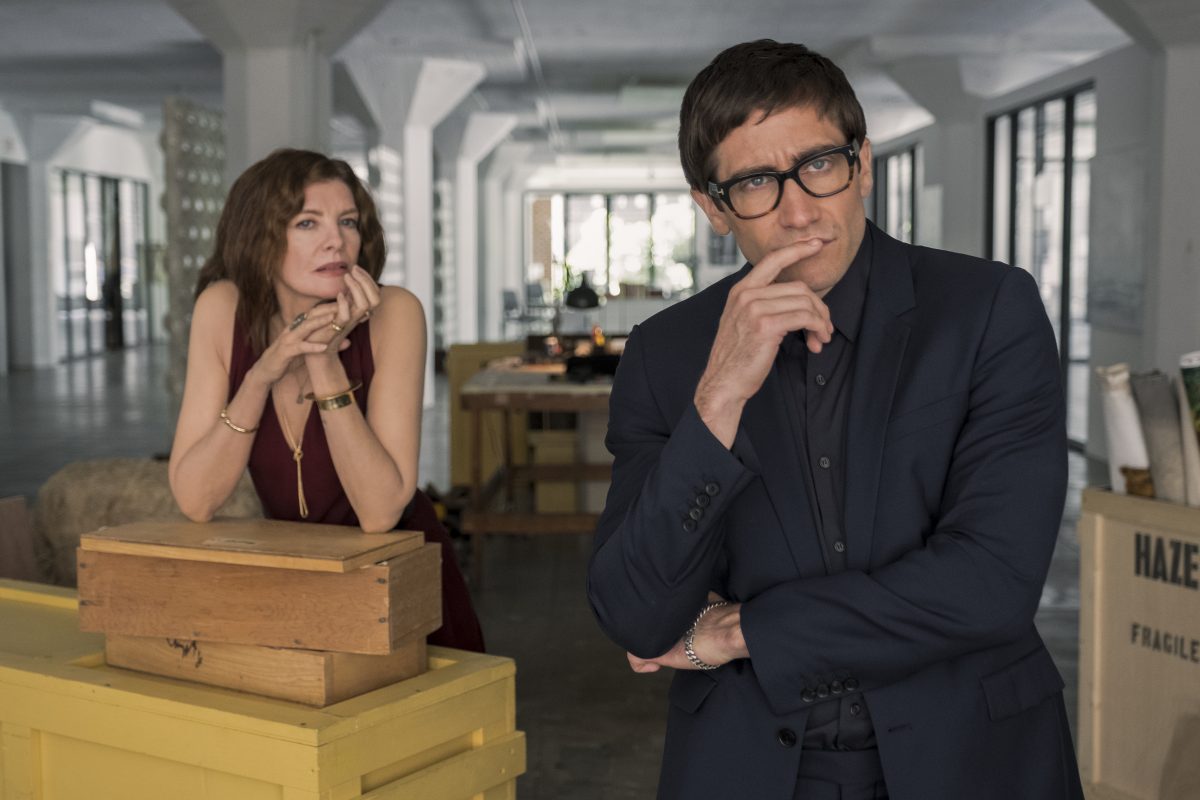
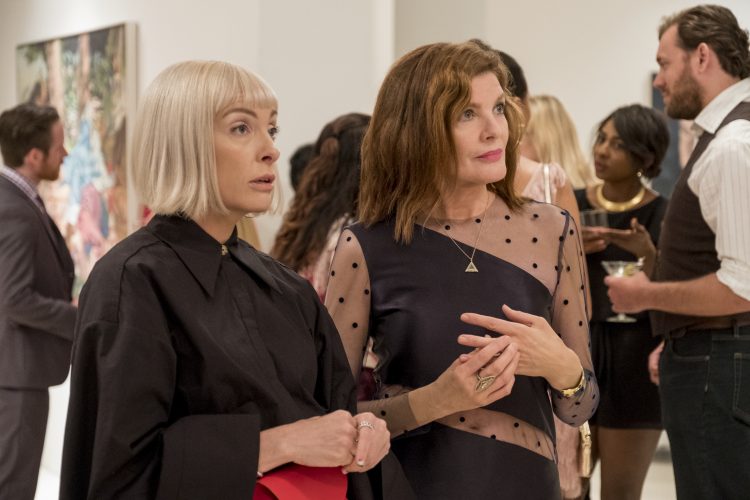
    However, there are interesting elements. The film reunites director and writer Dan Gilroy with Jake Gyllenhaal who plays Morf, a highly respected Los Angeles art critic, and Rene Russo as no-nonsense gallery owner Rhodora, both of whom he worked with in his film debut Nightcrawler.

    With Velvet Buzzsaw, he trades the dark and shadowy crime underbelly of Los Angeles with the colorful and chic world of the art community. Everything is brightly lit, incredibly crisp, and fully saturated. And that’s a problem. Not only does it not create the tense atmosphere the movie sorely lacks, but it’s also a poorly shot movie. The cinematography is reminiscent of a CW primetime soap.

    Velvet Buzzsaw
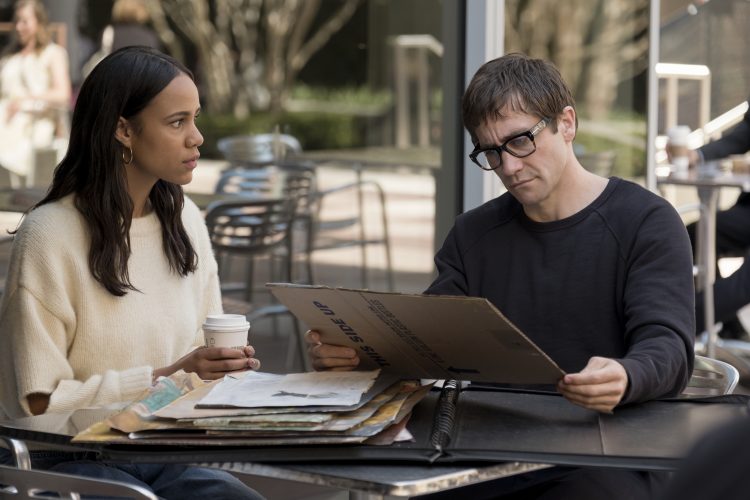
    Zawe Ashton and Jake Gyllenhaal in VELVET BUZZSAW

    What keeps it at least somewhat afloat is the intriguing plot. After discovering her neighbor dead in the hallway of her apartment building, art agent Josephina (Zawe Ashton) ventures into his apartment to find hundreds of pieces of artwork — some haunting and some disturbing. She takes them to Morf who confirms that they are all masterworks and should be worth millions.

    It’s discovered that the artist was a man with a troubled past named Vetril Dease. Catching wind of the incredible portfolio, Rhodora convinces Josephina to let her sell the pieces in her gallery where they quickly become a popular fixture and sweep through the LA art scene.

    However, these aren’t just paintings. They’re cursed. Anyone that profited from them is dying in increasingly horrific ways. No one seems safe. There’s gallery worker Bryson (Billy Magnussen of Game Night fame), another art gallery owner Jon Dondon (Tom Sturridge), Morf’s art curator assistant Gretchen (Toni Collette coming off Hereditary), and Rhodora’s latest client Damrish (Daveed Diggs) who are all at risk.

    All the while, Gilroy attempts a cutting satire of the often pretentious and self-involved community of high-end art. While it gets some good digs in that remind us just how silly art can be — there are incredible one-liners like “a bad review is better than sinking into the great glut of anonymity” and “critique is so limiting and emotionally draining” — it doesn’t really poke at anything we didn’t already know.

    Velvet Buzzsaw
    Toni Collette and Rene Russo in VELVET BUZZSAW

    On the horror side of things, Gilroy fails to create much suspense or scares. The death scenes are interesting and reminiscent of the Final Destination series, but none are surprising or shocking. A large part of that is because the plot never truly gets off the ground. Morf spends some time investigating the mysterious artist Dease to try and unravel the mystery of the paintings, but it’s a subplot when it should truly be the main plot.  Instead, we spend time on the relationship between the bisexual Morf and Josephina and intrigue around the ownership of the paintings.

    That leads to the biggest problem Velvet Buzzsawhas. It’s filled with cold and pretentious LA art people that are hard to care about, including Gyllenhaal’s Morf who comes the closest to being a protagonist. Without an audience surrogate or relatable character at the center, it’s hard to even care about what’s happening the characters. There’s an attempt to make young assistant Coco (Natalia Dyer) that character, but she ends up not being used that way.

    It’s frustrating considering the caliber of the actors in the cast and the intriguing premise. That being said, Gilroy mines enough ridiculous observations and stray one-liners about the LA art world that make it an entertaining enough watch. However, I think it had the potential to be great. With a name like Velvet Buzzsaw, I wasn’t expecting anything less.

    Where to stream Velvet Buzzsaw: Available to stream on Netflix.

  • ‘Velvet Buzzsaw’ trailer — Jake Gyllenhaal is an art critic going mad

    ‘Velvet Buzzsaw’ trailer — Jake Gyllenhaal is an art critic going mad

    Jake Gyllenhaal plays an art critic that is haunted by an artist’s work (literally) in the trailer for Dan Gilroy’s Velvet Buzzsaw.

    Velvet Buzzsaw reunites Jake Gyllenhaal with his Nightcrawler director Dan Gilroy and co-star Rene Russo. Here’s the plot description:

    Velvet Buzzsaw is a thriller set in the contemporary art world scene of Los Angeles, where big money artists and mega-collectors pay a high price when art collides with commerce.

    Netflix

    I was a huge fan of Nightcrawler. It was one of my favorite movies of 2015 and features Gyllenhaal’s best performance — he was egregiously snubbed at the Oscars (still mad).

    While that movie was essentially a neo-noir crime thriller, Velvet Buzzsaw looks like it’s delving a bit into horror. It makes sense considering there were a lot of horror elements in Nightcrawler — Lou Bloom, Gyllenhaal’s character, was truly terrifying at points. 

    Gyllenhaal thrives when he’s playing characters falling into madness/obsession — Nightcrawler, ZodiacPrisoners — which bodes well for the movie

    It also helps that he’s joined by a stacked supporting cast including Daveed DiggsStranger Things’ Natalia DyerBird Box‘s John Malkovich, and the current reigning queen of horror Toni Collette — following up her stunning performance in last year’s Hereditary

    Velvet Buzzsaw has a lot going for it.

    It will be released on Netflix on February 1st. It will have its world premiere at the Sundance Film Festival.

  • 2018 Oscar Predictions: Best Actor

    2018 Oscar Predictions: Best Actor

    Best Actor has quickly become one of the hardest categories to predict at the Oscars with several contenders and no clear frontrunner. Though, it looks like Timothée Chalamet or Gary Oldman could rise to the top.

    If there’s a category without a frontrunner, it’s Best Actor. Early in the season, Gary Oldman (Darkest Hour) seemed to be a lock to win the category. However, as critics prizes started rolling out, it became clear that he wasn’t going to be a critics darling like some past winners. But that’s not always a requirement. Leonardo DiCaprio and Eddie Redmayne basically didn’t win anything until the major awards. It’s hard to picture Oldman winning without at least some critical support. Although, part of the reason he became a frontrunner was because the role is classic Oscar bait — grandstanding speeches, a revered historical figure. That might give room for a less conventional Oscar performance by Timothée Chalamet (Call Me By Your Name) to sneak in. Unlike Oldman, Chalamet has been the consensus critical pick.

    Chalamet is arguably the breakout star of 2017, but the Oscars aren’t kind to younger actors in Best Actor. At just the age of 21, he’d be the youngest nominee in the category since 1939. The most recent nominee to be in his 20s was Heath Ledger who was 25 when he was nominated for Brokeback Mountain. Before that, Adrian Brody was 29 when he won for The Pianist, the youngest winner in this category. His age is going to be his biggest hurdle to a win.


    There are a few veterans in contention as well. Any of combination of them could be nominated. As of right now, I think the safest bet would be Daniel Day-Lewis (Phantom Thread). The movie, which was arguably the last major contender to premiere, was even higher profile than most of his films because it is supposedly his final film performance. I think it’ll be hard for the Academy to pass up nominating him for that fact alone. It only makes it easier that he gives yet another winning performance. However, he missed out on a Screen Actors Guild nomination to Denzel Washington (Roman Israel, Esq.) depending on how you look at it, but it’s not uncommon for one nominee from that ceremony to drop out of the Oscar shortlist.

    Washington still has a chance of being nominated, but he’ll have to contend with Tom Hanks (The Post). Hanks was shockingly snubbed by SAG as well, but The Post also screened for voters later, which could account for that fact. Still, much of the praise for the film lands with Meryl Streep, who is a top contender for Best Actress. However, Hanks has been snubbed for his past three performances — two of them were shocking snubs. I don’t know whether that fact will help or hurt his campaign, but with two strong candidates also on the bubble, I could see him being snubbed once more.

    Those final two candidates will appeal to the hipper set of Academy voters — most likely the newest members. Daniel Kaluuya (Get Out) is perhaps the more surprising of the two. Get Out was always a strong contender in a lot of categories, but Best Actor wasn’t one of them. Still, he surprised with a SAG nomination and could stand as a representative for the ensemble. Plus, one of the most iconic images from this past year in movies has to be him petrified in a leather chair. That will stick with voters. But what has also been having a lot of cultural resonance is James Franco (The Disaster Artist) playing one of the most infamous filmmakers of all time.

    Though Best Actor started as one of the less competitive categories this year, it’s quickly evolved to being the most unpredictable. In addition to the 7 contenders I’ve mentioned so far, there are still a few other that have a feasible shot at being nominated. The most likely of which is Jake Gyllenhaal (Stronger), who could get a late-breaking push. Right now, it’s a coin flip.

    Check out all our 2018 Oscar Predictions!

    Current Rankings (1/2/18):

    Timothée Chalamet, Call Me By Your Name
    Daniel Day-Lewis, Phantom Thread
    James Franco, The Disaster Artist
    Daniel Kaluuya, Get Out
    Gary Oldman, Darkest Hour

    Other Contenders:
    Jake Gyllenhaal, Stronger
    Kumail Nanjiani, The Big Sick
    Robert Pattinson, Good Time
    Denzel Washington, Roman Israel, Esq.

  • ‘Wildlife’ review — Paul Dano’s directoral debut is a career high for Carey Mulligan

    ‘Wildlife’ review — Paul Dano’s directoral debut is a career high for Carey Mulligan

    Paul Dano’s directorial debut Wildlife is a quiet but powerful tale of self-destruction with a masterful performance by Carey Mulligan.

    Wildlife has all the workings of a classic kitchen sink drama. However, instead of the poor industrial towns of England, actor Paul Dano’s directorial debut moves the setting to 1960s Montana and follows a working-class family as they struggle through economic hardships.

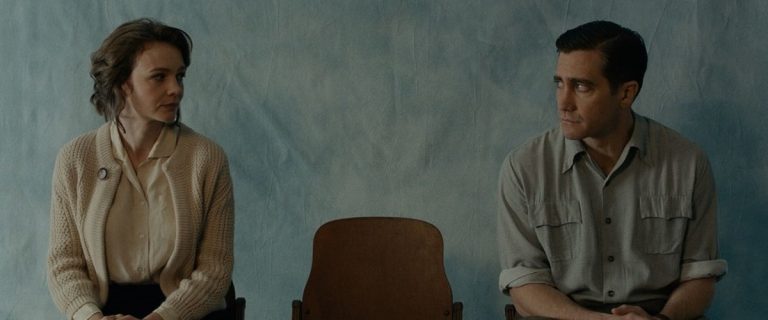
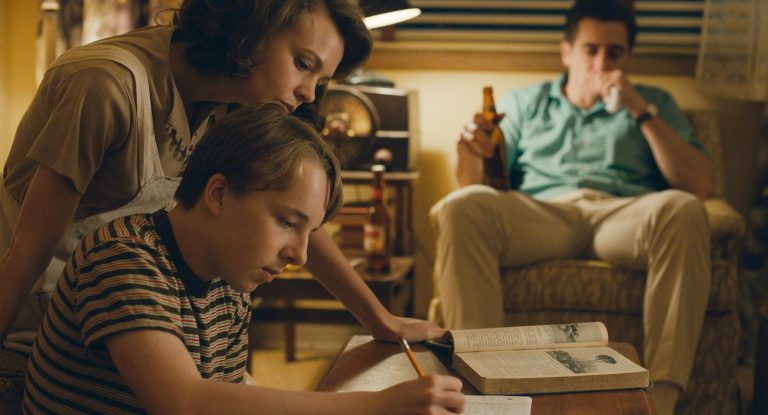
    However, Wildlife subverts the expectation of having a disenfranchised “angry young man” at the center of it. There is a man that fits that description in the story. Jake Gyllenhaal plays the patriarch of the family Jerry Brinson, a greenkeeper at a local country club who is fired because, according to him, he is “just too well liked.”

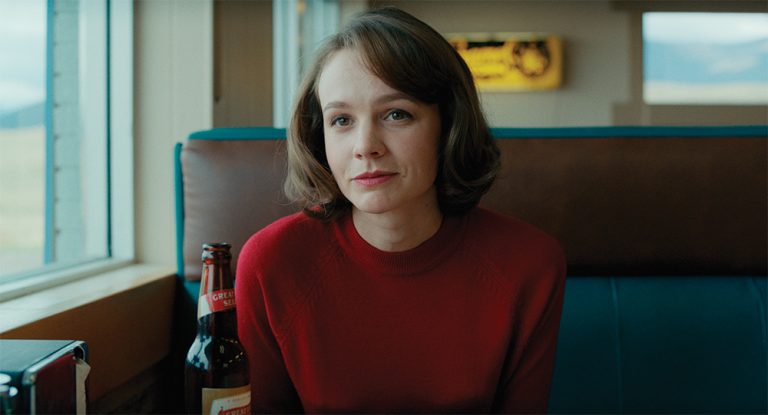
    But he isn’t the center of the story. That would be his wife Jeanette (Carey Mulligan), a classic 60s housewife who is denied her full potential because that’s not what is in society’s expectations of her, and their 14-year-old son Joe (Ed Oxenbould), who serves as our point-of-view for the film.

    After losing his job, Jerry’s pride is clearly wounded. He came to Montana looking for quick success, but his dreams are quickly dashed away. That’s mostly because he thinks he is entitled to his dreams. “I thought it was that easy,” he says. 

    Instead of demeaning himself by taking his old job back after they offer it to him, or any job in the town for that matter, he takes a job battling wildfires that are threatening the Canadian border. It’s dangerous and low-paying work, much to Jeanette’s dismay, but he’d rather face that than his failure. 

    wildlife
    Carey Mulligan appears in Wildlife by Paul Dano, an official selection of the U.S. Dramatic Competition at the 2018 Sundance Film Festival. Courtesy of Sundance Institute.

    From there, we watch as Jeanette struggles through life horrified that her husband chose to nurse his pride rather than support his family. But this isn’t a story about a woman sulking and yearning after her brave husband away protecting them from the fires.

    No, the screenplay, written by Dano and actress-writer Zoe Kazan (from last year’s The Big Sick), paint Jeanette as a real and complex woman who is abandoned by her husband without discussion or conversation. All the while, Joe is in the periphery absorbing what is happening—he’s not always understanding it, but always seeing it. 

    The screenplay is quite a marvel and Dano, adept in his direction, knows how to extract the meaning out of every beat and line. Even the most unassuming lines have an impact. One of my favorites come after Jeanette goes to the local YMCA looking for a job, but being turned away after the secretary job she was applying for was no longer available. She briefly walks out of frame away from the woman working at the front desk, then comes back and says, “do you have any work for a man?” 

    As one of my favorite movies of the year Annihilation puts forward, one destroys themselves so that they can become something new. Jeanette wears new clothes, drinks more heavily, and begins cozying herself up to a wealthy man named Warren (Bill Camp) all in front of her son. 

    wildlife
    Carey Mulligan, Ed Oxenbould, and Jake Gyllenhaal in Paul Dano’s directorial debut Wildlife.

    In the eyes of another director or writing pair, Jeanette might have been the villain. But in Wildlife, she isn’t necessarily the hero. She’s just a human dealing with life. That’s a lesson that Joe quickly has to learn as both of his parents deal with their troubles in drastic ways. 

    Oxenbould has to tackle the challenging job of being an observer to the action without reacting to it in any over-the-top way and succeeds. Gyllenhaal does great work with what he has, as well—he’s not in the film as much as you’d expect.

    However, this is Mulligan’s film. She tackles the web of emotions that Jeanette has to navigate with empathy and makes you understand her even when what she does doesn’t make sense. It’s an impressive triumph of a performance.

    There are a few films that are made by their final shot and Wildlife is one of them. It’s no wonder that it is splashed on every poster for the film. And it emphasizes what makes the movie great. Dano relishes in the silences as much as he does in the dialogue. They both hold equal power.

    In the final seconds after the last line of dialogue and we’re just looking at the characters, you can trace how that self-destruction has changed each of them, for better or worse.

    Wildlife is playing in theaters in limited release.

    Karl’s rating:

  • Stronger review — Jake Gyllenhaal shines in this bold and uplifting drama

    Stronger review — Jake Gyllenhaal shines in this bold and uplifting drama

    Subverting genre tropes, Stronger is a humanist story about triumph over adversity with stellar performances by Jake Gyllenhaal and Tatiana Maslany.

    Jeff Bauman’s story feels like one that Hollywood would consume into its “based on a true story” formula and spit out an emotionally manipulative story of triumph over adversity. Stronger is not one of those movies. That’s because it doesn’t focus on the physical obstacles that so many of these kinds of movies zero in on — though it certainly has its share of scenes covering Jeff’s rehabilitation. Instead, Stronger focuses on the emotional and psychological trauma that comes with the physical pain.

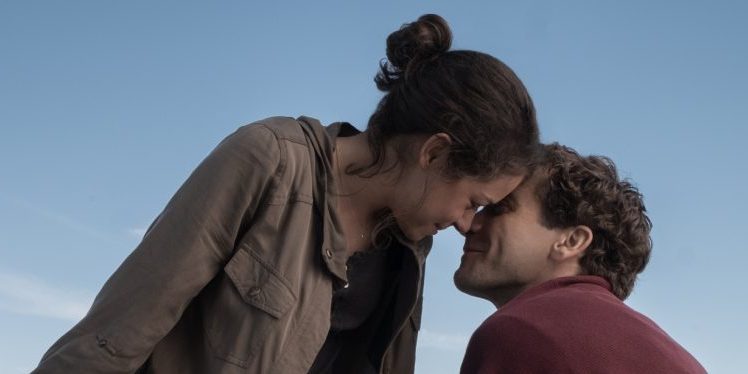
    Jeff (Jake Gyllenhaal) is your typical blue-collar Bostonian — beer is his water, the bar is his church, and the Red Sox are his savior. He’s the kind of persistent and goofy guys that you date for a while then cut off much like Erin Hurley (Tatiana Maslany) does to Jeff. Director David Gordon Green doesn’t sanctify Jeff. He shows him as the true man he is flaws and all. The first 10 minutes or so of the film give us some breezy exposition about Jeff, his history with Erin, and his brash, but loving, family. In an effort to win Erin back — she’s tried to break up with him three times at this point — Jeff plants himself at the finish line of the 2013 Boston Marathon with a homemade sign to cheer Erin on. You know what happens next.


    Green shows us the bombing from Erin’s perspective, one of many genius directorial moves that maximize the emotional impact of the story. We learn later that Jeff lost both of his legs just above the knee. We see the historical events of the bombing — the hunt for the bombers and their eventual deaths — from a distance even though Jeff was instrumental in the search. That’s not what Stronger is concerned with. This is Jeff’s story.

    For such an intimate movie, Green, and cinematographer Sean Bobbitt make the movie so much more cinematic than it could have been. In an early scene, doctors are replacing Jeff’s leg bandages for the first time. Instead of inciting a physical response from the audience by closing in on the actual changing, the camera focuses on Gyllenhaal in the foreground as the pain overcomes him — the procedure occurs out of focus in the background. The medical team coaches him through while Erin stands by unsure of her place in the procedure. The single take is effective in portraying the physical pain but also sets up Erin and Jeff’s story as well.

    Gyllenhaal is such a physical actor that it’s a wonder it has taken him this long to do this type of story. However, it’s one that he’s born to play. He knows how to emote huge emotions without feeling overwrought. It’s one of the best performances of his career and one that I think will earn him his long overdue Oscar. However, Maslany keeps up with him beat for beat. Erin is a strong character, which Maslany is sure to show at the beginning, however, that just makes her times of vulnerability more jarring. The pair is breathtaking. Oscars, pay attention.

    After some expected scenes of the physical anguish experienced by amputees, the movie shifts to a wholly unique perspective of a man thrust into heroism, even though he’s reluctant. “Boston Strong” became a phrase often used following the attack and Jeff became a symbol of that phrase. However, the weight of it takes a toll on him, especially when PTSD begins to settle in. That’s not helped when his hard drinking and smoking mother (Miranda Richardson, a delight here) starts to push Jeff further into the spotlight, which just draws him into himself. All the while, Maslany plays the role of the long-suffering sidekick, who is given time to flesh out her own character’s journey.


    Stronger touches on a lot of points that make Jeff’s emotional recovering all the more daunting — countless appearances, 9/11 truther types. However, it never forgets its focus — Jeff and Erin. Both characters are going through an intense psychological journey that eventually comes to a head one night in a scene that I’m sure will be played at the Oscars if both actors are rightfully nominated. We watch them grow, grow apart before both of them learn how to live for themselves and for each other. It’s the kind of intelligent adult drama that we need to see more of.

    Stronger surprised me in the best way possible. It’s filmmaking at its finest. Green takes a seemingly uncinematic story and turns it into a poetic film that begs to be watched. It’s about struggle and the love that we have to finally accept to overcome that struggle. It doesn’t take the easy route to portray that. Instead, what we get is a cinematically bold and emotionally rich story that’s inspirational without feeling self-important. Stronger is about the human spirit. And that no matter how much you bend or warp it, it’s almost impossible to break. It’s the kind of humanist drama we need right now. One that is doused in hope and love.

    ★★★★ out of 5


    Watch Stronger on Amazon!

  • Life review — Strong on thrills, weak on character

    Life review — Strong on thrills, weak on character

    Life is an interesting and sleek take on the horror movie in space premise, but it’s too weak on character to bring anything new to the genre.

    Between Gravity, The Martian, and now Daniel Espinosa’s Life, there has been enough movie reaffirming my decision not to go into space… ever. Although, Life has more in common — or blatantly rips-off — Ridley Scott’s masterpiece Alien.

    At the beginning of Life, tension is high as the six-person crew of the International Space Station (ISS) prepare to capture a space probe that is carrying soil samples from Mars. Katerina Golovkina (Olga Dihovichnaya), the captain of the ISS, is coordinating the capture while Rory Adams (Ryan Reynolds) is controlling the arm that will “catch” the probe. They are successful and quickly bring the probe in to let biologist Hugh Derry (Ariyob Bakare) analyze the samples. What they find is quite astonishing — the first proof of life outside of earth. This scene is shot in a long-take that feels reminiscent of Alfonso Cuaron’s Gravity without the stunning special effects. However, it does prime us for the incredibly tense journey that is about to follow.


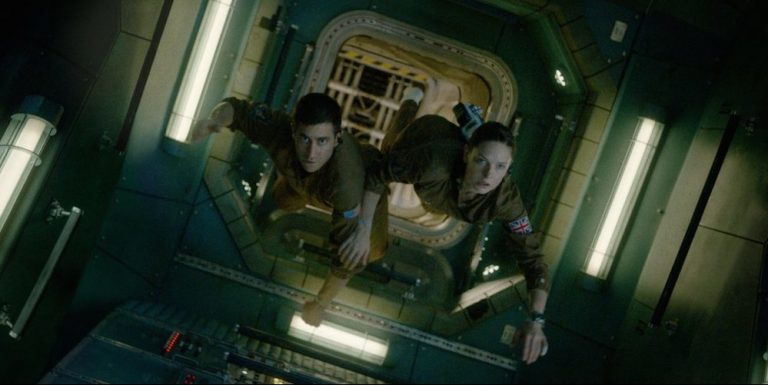
    The organism, which is named Calvin by school kids watching from Earth, is “all muscle, all brain, and all eyes,” is being studied — and admired by — Hugh, who is more concerned with the scientific advancements it could bring rather than the danger. Looking on is Quarantine Officer Dr. Miranda North (Rebecca Ferguson) and senior medical officer Dr. David Jordan (Jake Gyllenhaal) who are suspicious of having an unknown being onboard. Nevertheless, the discovery is incredible and Calvin holds reverence with Hugh. After a few scenes of “character building” on the ship — I’ll explain why that’s in quotes later — which includes Sho Kendo (Hiroyuki Sanada) helping his wife through labor via Skype, the unthinkable happens. As Hugh is working with Calvin in the lab, the organism — which has grown significantly — latches on to his arm and begins to test its strength by crushing it. It’s a gruesome scene, but it’s also incredibly effective. This set piece — which involves trying to prevent Calvin from escaping — is the movie’s chest-bursting scene. From there, it turns into a game of cat-and-mouse while Calvin tries to stay alive by killing the crew.

    One of the few facets of this movie that I will say it did better than Alien is its handling of the horror elements. While it does fall into the jump scare pit, it does tension in a way that Alien never quite hit with me. The scenes of pure horror in Alien are so short that you never really get a chance to savor them. In Life, Espinosa lets the scenes last and you can never truly let your guard down throughout the movie. In fact, you flinch any time a cabinet is opened or a corner is turned. I’d take the Xenomorph over Calvin any day.

    However, what Life fails where Alien truly succeeded is at the character level. There isn’t a single character in Alien that you feel is underdeveloped or underused. Everyone from Sigourney Weaver’s Ripley to Yaphet Kotto’s Parker is necessary to the plot and make you care about them and their survival. On the other hand, Life doesn’t give you any personality behind the characters. The closest we get is Jake Gyllenhaal’s David and his dread of going back to Earth. Still, you can switch around any actor or any character or any character path and you’ll still get the same result. This is not at the fault of the actors. Gyllenhaal does great work here as usual, as does Dihovichnaya and Ferguson. Bakare is the real discovery here for his nuanced and balanced performance. However, they simply never get the chance to carve out their characters. There simply isn’t time in this lean movie.


    That being said, I thoroughly enjoyed Life. It’s everything you’d want out of a horror movie in space movie. The story is efficient, the creature design is interesting, and the production is well-done. The movie loses its way a bit in the third act — it feels a bit cheaper than the beginning of the movie — but the first two acts are certainly strong enough on their own right. However, the issue that’s holding me back from giving this a higher score is its meaning. Alien was a study of nature, Gravity was about human will, The Martian spoke about collaboration. Life doesn’t offer anything further than what is on its surface. Unfortunately, its ending contributes to that. You almost feel cheated. But I’d still recommend it. It will entertain you for its short running time and leave you gripping the armrest.

    ★★★ out of 5


    Life is available on Blu-Ray and Digital HD on Amazon!

  • Okja review — A surreal and quirky movie about a super pig

    Okja review — A surreal and quirky movie about a super pig

    Bright colors, quirky characters, and at the center of it a super pig. Okja is a visual delight but offers something deeper below its surface.

    Okja is a super pig. Yes, that’s what they call her species in the eponymous film. This animal, which is double the size of a hippo, slobbers uncontrollably, and has a propensity to fart — sometimes on command — is also a gentle and loyal giant. That’s clear from Okja’s relationship with Mija, a farm girl in Korea who has grown up with Okja from when she was a toddler. It’s the setup for the classic kid and their animal best friend movie that we’ve seen countless times — Charlotte’s Web, Free Willy, etc. However, this is certainly not one of those movies.

    At the center of Okja is darker themes that can be summed up in the opening scene. Lucy Mirando (Tilda Swinton), the new CEO of the Mirando Corporation, announces in a bright and flashy presentation in 2007 the company’s newest venture: the super pig. Framed as the next step of meat production, the corporation isn’t holding back any expense in promoting the product — flashy graphics, a room full of press. However, the centerpiece is a 10-year contest that involves the company sending twenty-six of the super pigs to locations throughout the globe to see which farmer raises the best pig.


    However, Mija doesn’t seem to understand that the company has darker intentions as its end game. Specifically, that the super pigs are going to slaughtered and eaten. For all the glitz and glamor that the Mirando Corporation has, they are simply covering up that fact that they are the embodiment of corporate greed. Swinton — following up her incredible performance in the director’s last film Snowpiercer — acts as the human stand-in for the company. However, her character’s journey is a lot deeper than that. This campaign is her chance to finally crawl out from under the shadow of her grandfather, father, and menacing twin sister (also played by Swinton), who have all taken the reigns of the company at some point. Her complete lack of empathy for the creatures and Mija stem from money and success blinding her.

    The opening act of the film is a surreal study of a human, their companion, and their relationship. Mija and Okja aren’t human and pet. They’re truly best friends. Okja is as loyal and caring for Mija as she is for her. More importantly, though, Okja’s intelligence and compassion are on full display. It shows that there is a soul behind her eyes. However, that all comes crashing down when a caustic television veterinarian (played by Jake Gyllenhaal) comes to retrieve Okja for the media rounds before ultimately becoming just a product in a grocery store.

    As the setting shifts from Seoul to New York, we are introduced to the members of the Animal Liberation Front (ALF) — led by Paul Dano, who gives a marvelous performance — a PETA like organization that tries help Mija get Okja back. However, they, like Mirando, have ulterior motives as well. After the first act, which plays a lot like the dreamscapes of a Hayao Miyazaki film, the rest of the movie works best when the ALF or Tilda Swinton is on screen. Both sides are at times morally compromised. However, they also have a humanity that makes you understand the dilemma’s they face. That’s not to say that the movie is constantly bleak or overly serious. In the end, Bong Joon-Ho is a director that finds the humor in even the darkest of topics. For example, one of the members of ALF is constantly fainting because he eats as little as possible to leave the smallest carbon footprint. How far do you go to exemplify your ideals?

    However, there are moments when the movie doesn’t work. Specifically, Jake Gyllenhaal’s performance often takes you out of the world. The world that the movie takes place in is surreal, but his performance is on another planet. From his high squeaky voice to his twitchy movements, it’s over-the-top in the exact way a good over-the-top performance shouldn’t be. Compare that to Tilda Swinton’s idiosyncratic antagonist who still makes you feel even in her most overzealous moments. Steven Yuen does great work as well as another ALF member. However, the actor that makes the biggest impact in the film is Ahn Seo-hyun as Mija. So much of the movie relies on your reaction to her character. And she nails every scene.


    Even the smaller roles make a huge impact, though. It’s one of the best things about Bong Joon-Ho movies. Everyone from a disgruntled truck driver to Lucy Mirando’s neurotic assistant get a chance to make an impact on the screen that is memorable, and more importantly, adds to the surrealist world the movie takes place in. And for a movie featuring animal cruelty and corporate greed, it’s incredibly funny. But it doesn’t try hard to be. By just being its quirky self, it accomplishes that.

    To try and classify Okja would be a disservice to the movie. It’s as one of a kind of a film as they come. And that’s its greatest virtue. For this movie to work, it has to march to the beat of its own drum. That beat is a wonderfully unconventional movie that’s sometimes satire, sometimes dark comedy, but all heart.

    ★★★★ out of 5


    Okja is available for streaming on Netflix!

  • Demolition Movie Review — Jake Gyllenhaal shines in a dull movie

    Demolition Movie Review — Jake Gyllenhaal shines in a dull movie

    Demolition is an uneven, at best, arthouse film on grief that is all but saved by a strong Jake Gyllenhaal performance.

    I think it’s safe to call this the “emotionally disturbed” era of Jake Gyllenhaal’s career. Following career best performances in Enemy, Nightcrawler, and Prisoners, Gyllenhaal returns with yet another fantastic performance in Jean-Marc Vallee’s Demolition. This time, he plays Davis, an investment banker who deals with the fallout of his wife Heather’s (Heather Lind) death. In retrospect, this is actually a step back from his last few roles, which have been in genre films. However, the intensity and complexity of his performance stand. He proves yet again that he is one of the best actors working today. I wish I could be as positive about the film.

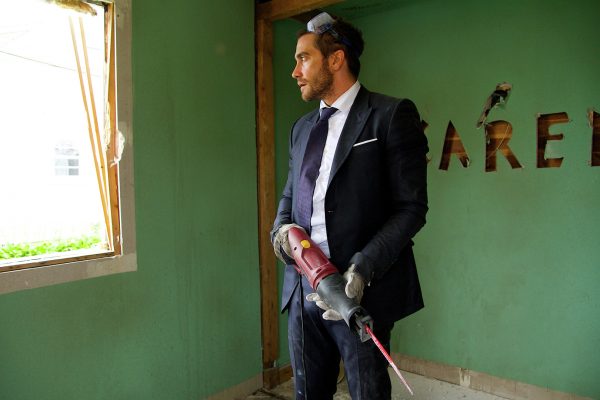
    Immediately following the death of his wife, Davis goes to a vending machine in the hospital to get a snack. However, his peanut M&Ms get stuck. This causes him to write a letter to the company that makes the vending machines to complain. This strikes up an interesting relationship with the customer service representative of the company, Karen (Naomi Watts). As the story progresses, Davis deals with his grief in an untraditional way. He begins to dismantle things – everything. Nothing, from his computer to the bathroom stalls in his office to his house, is safe. Eventually, his life becomes intertwined with Karen’s. He begins to form a close bond with her son Chris (Judah Lewis). All the while, he must deal with his Father-in-law and boss Phil Eastwood (Chris Cooper) as he attempts to understand Davis’ behavior.


    Jake Gyllenhaal in Demolition
    Jake Gyllenhaal as “Davis” in DEMOLITION. Photo Courtesy of Fox Searchlight. © 2016 Twentieth Century Fox Film Corporation All Rights Reserved

    The first act of Demolition is actually really strong. The dialogue, in particular, reminds me a lot of Aaron Sorkin. It’s fast, sharp, and riddled with brilliantly carried exposition. The first 20 minutes play like a montage of his adult life and marriage. It’s told with a witty cynicism that carries through the film. It also sets up an incredibly enigmatic character in Davis. At one point, he stands in front of the bathroom mirror and attempts to cry during the funeral. He – and we – are confused by his lack of grief. That’s really what we see for this part of the movie. His reaction to her death. It’s beautifully shot and edited. Jake Gyllenhaal even sells you on the character and his reactions.

    But here’s the issue with DemolitionThe first third and last twenty minutes together would make a really interesting arthouse film on grief. Though relying on cliches, the sharp Sorkin-esque dialogue and brilliant editing make for a darkly funny character study. However, the middle third and climax feel disconnected from the story. While I really appreciated the sentiment behind Naomi Watts’ character, the lack of real value of the character bogged down the flow. In addition, the character of the son felt unnecessary. That story arc felt like a distraction from the real purpose of the story. Had they connected that story more obviously – like have the son be the catalyst for his eventual acceptance of his wife’s death – then it would have been a stronger movie overall.


    However, as I alluded to before, the final 20 minutes of the movie nearly save it. Based on the first half, it’s the ending that we wanted all along. It’s just that the journey to that ending is misdirected. You don’t feel the emotional journey. You see a stitching of interesting shots and dialogue. It’s often the trap that many arthouse films fall into. It injects style without meaning. An arthouse film, in lieu of a goal, focuses on the thoughts and motivations of the characters. That doesn’t quite happen here. Compare that to Moonlightanother 2016 arthouse film, which is very intentional with its narrative and journey.

    I can’t tell you whether or not you’ll enjoy Demolition or not. It seems the response for it is sharply divided. But it really depends on your taste in films. You may pull more out of it than I did. However, I can say that if you’re looking for a really strong Jake Gyllenhaal performance and a few good laughs here and there, then give it a go.

    6/10

    Demolition is available on DVD, Blu-Ray, and Digital Download on Amazon!