Tag: Michael Fassbender

  • ‘Dark Phoenix’ movie review — The X-Men civil war

    ‘Dark Phoenix’ movie review — The X-Men civil war

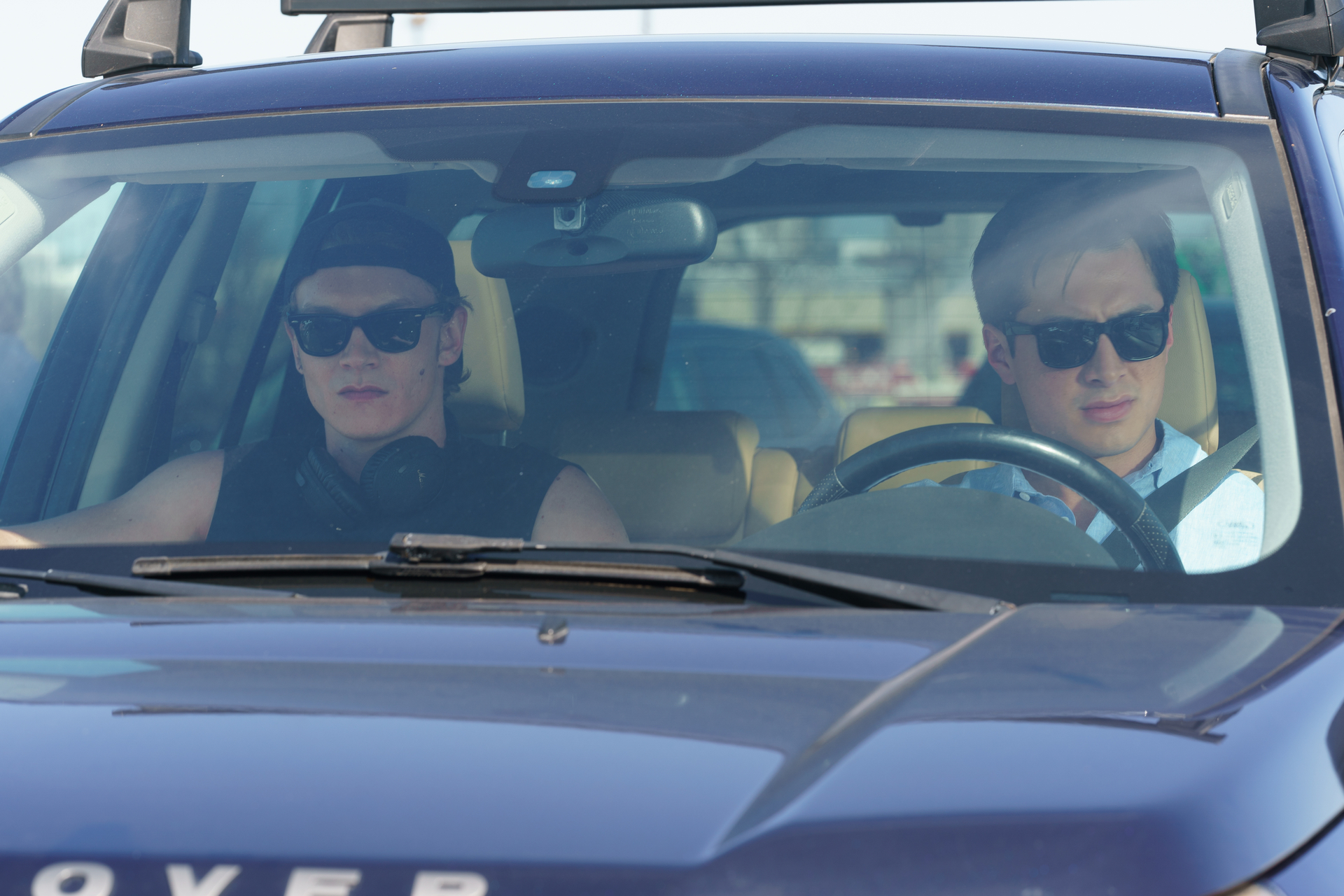
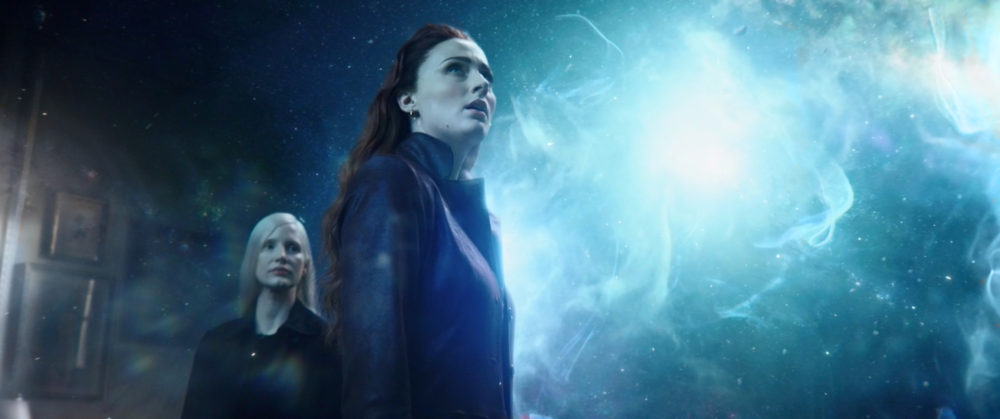
    Dark Phoenix finds the X-Men fighting each other as they try to save Jean Grey — and the world — from herself

    30-second review: There’s something off about nearly every element of Dark Phoenix. The dialogue is overly-written to the point that you can predict a line before it’s said, the performances are unmotivated, the story is too familiar, and the action scenes lack stakes. However, they’re also not off enough to be interesting. The biggest problem with the film is that it’s bland.

    It’s unfortunate considering the “Dark Phoenix” storyline is a staple of the X-Men canon. Sophie Turner and James McAvoy try to do something interesting with the material, but they’re hindered by the movie’s inability to bring anything new to the table. We’ve seen it all before. For the superhero genre to stay alive it needs innovative. Dark Phoenix is stuck in the past.

    Where to watch Dark Phoenix: Available to buy or rent on Amazon.

    Full review below ?


    Full disclosure: I haven’t read and am not familiar with the X-Men comics. What I do know is that the Dark Phoenix saga — also explored in X-Men: The Last Stand — is one of the series’ biggest storylines. The main crux of it finds Jean Grey (Sophie Turner) turned into a conduit for a powerful alien energy force that corrupts her and turns her into an unstoppable and uncontrollable force.

    In Dark Phoenix, written and directed by Simon Kinberg — who wrote three previous X-Men movies — Jean and the other X-Men are tasked with rescuing a shuttle full of astronauts after their spacecraft is disabled by a mysterious floating solar flare. They’re successful in their mission, but Jean is nearly killed when the energy reaches the shuttle with her still in it. However, instead of killing her, she absorbs the energy and returns back to Earth with the other X-Men.

    The film, which takes place ten years after the events of X-Men: Apocolypse, sees the X-Men living in a world where mutants and humans now live in harmony — mostly thanks to the work Dr. Charles Xavier (James McAvoy) has done to bridge the divide by using the X-Men to protect humanity. At one point, he even references the term “superhero.”

    The movie tries to create a Civil War-esque divide between Xavier and Mystique/Raven (Jennifer Lawrence), who thinks that the work they’re doing to be heroes in the eyes of the humans is demeaning as they risk their lives to save theirs. And it’s an interesting theme, but the movie explores it with no passion — and the performances, in turn, have no passion either.

    The main storyline, though, follows Jean as she struggles to control her newfound powers that push her to destructive ends, especially as she learns the truth about her past. Early on — and spoiled in the trailers — one of her destructive spells leads to the death of Mystique, which creates a fissure between the X-Men. On one side, there’s Charles, Scott/Cyclops (Tye Sheridan), Ororo/Storm (Alexandra Shipp), and Kurt/Nightcrawler (Kodi Smit-McPhee). On the other, there’s Erik/Magneto (Michael Fassbender) and Hank/Beast (Nicholas Hoult) — they both seek revenge on Jean for the death of Raven — along with Erik’s minions.

    However, like everything else in the movie, the team turning on each other is half-hearted and doesn’t feel rooted in anything tangible. The movies up to this point haven’t laid the groundwork for us to care about Jean’s fate — or the fate of anyone on the team.

    A more interesting storyline involves a shape-shifting alien race that has come to earth to harness the energy in Jean and, in turn, claiming the Earth as their own. Jessica Chastain, who plays the human form of the lead alien, does her best to make her character a compelling villain. But the storyline feels secondary and means to the final battle that, while entertaining, lacks stakes.

    Dark Phoenix is likely the last X-Men movie in this form as the property is absorbed by Disney and the Marvel Cinematic Universe. Maybe that’s why it lacks passion. It certainly doesn’t help that it comes on the heels of Avengers: EndgameTruly, the movie isn’t a disaster. But even that would be more interesting than what we got.


    ADVERTISEMENT


    More movies, less problems


    Hey! I’m Karl. You can find me on Twitter and Letterboxd. I’m also a Tomatometer-approved critic.

    💌 Sign up for our weekly email newsletter with movie recommendations available to stream.


    ADVERTISEMENT

  • Frank review — A celebration of weirdness and papier-mâché heads

    Frank review — A celebration of weirdness and papier-mâché heads

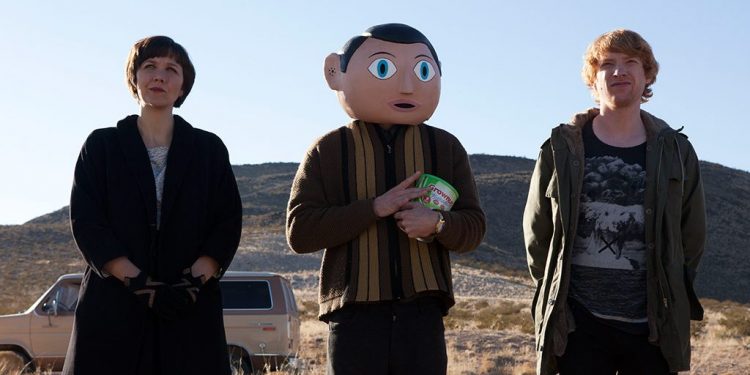
    Michael Fassbender is fascinating as the papier-mâché headed lead singer in Frank, which celebrates weirdness and understands mental illness

    Frank is just about as quirky and surreal as you’d imagine a movie about an experimental indie band with a lead singer who constantly wears a giant papier-mâché head would be. However, surprisingly, the character of Frank (Michael Fassbender) — who dons that giant head for the entire 90-minute running time — isn’t the weirdest character in this movie. And that is one of the many reasons that this movie triumphs. Although this is a pretty sharp satire of the creative process, particularly that of the new wave of pretentious indie artists that seem to think that building an audience is a threat to their artistic integrity, it also has an appreciation for the same people and has a firm step in reality. It begs interesting questions, even if the way it ponders them can only be described as eccentric.


    Jon (Domhnall Gleeson, in yet another strong, but under appreciated performance) is a down-on-his-luck wannabe musician who is tolling his days in his cubicle or walking down the street piecing together lyrics based on his observations. One day, as he’s walking down the beach, he witnesses a man being pulled out of the ocean by paramedics. As the man is being attended to, he encounters Don (Scoot McNairy), who reveals that the man was drowning himself and was the keyboardist in the band Soronprfbs — no one actually knows how to pronounce it. When Jon mentions that he is a keyboardist, Don, the manager of the band, invites him to fill in at their gig that night. When Jon shows up, the rest of the band is reluctant except for Frank.

    This first performance with the band, with all the disparate electronic sounds, nonsensical lyrics being talk-sung by Frank, and lack of melody, is surprisingly charming. That’s mostly due to the fact that Frank, thanks to Fassbender, is as whimsical as the enormous papier-mâché head he wears — the head is oblong and smooth with enormous eyes that constantly feel like they’re judging you. After the performance, which goes well until it doesn’t, Frank invites Jon to become a full-time member of the band and to join them in Ireland and record the band’s first album. The band, particularly Clara (Maggie Gyllenhaal), has a strong disdain for Jon whose mainstream tastes rub them the wrong way.

    Eventually, after explicit hot tub sex, a Viking funeral, and a lesson on YouTube, Jon reveals that he has been sharing videos of the band rehearsing online and that they’ve been invited to the South by Southwest festival. It takes a while for the movie to get to its main points, but it ponders them vigorously until the very end. Who is art for? The artist or the audience? In the case of Frank, there is the added storyline of mental illness. The way you react to the tonal switch in the third act will determine how you react to this movie as a whole.

    On the two sides of the aisle are Jon and Clara. Jon, who is more concerned with his social media followers, is encouraging Frank as an artist to share their music with the world. Clara, on the other hand, recognizes the fragility of Frank’s psyche. She understands that for Frank the music is art and medicine. In director Lenny Abrahamson’s able hands, the shift from quirky comedy to character study is jarring, but a welcome relief. Though watching the band set in the woods painstakingly use various household objects to make disparate noises to use on their album is hilarious, there isn’t necessarily a way that you can see the movie wrapping up successfully on that tone.


    Gleeson’s character is set up to be the “straight man” of the group, though his social awkwardness certainly gives him comedy points. Seeing the movie through his eyes give us a chance to view Frank mythically, then as misunderstood. Fassbender, on the other hand, gives us a surprisingly grounded view of a character as weird as Frank before giving us a view into his world. Mind you, Fassbender is doing this all without ever showing his face — he even wears it in the shower with a plastic bag protecting it — though his character does announce his expression periodically throughout the movie. Just through his physicality, you can witness the journey Frank goes through. It’s remarkable how much he emotes just through his body. More than that, though, he makes Frank more than just his papier-mâché head.

    Banksy — another enigmatic artist whose identity has yet to be revealed — once said, “Art should comfort the disturbed and disturb the comfortable.” It’s hard to grasp that quote unless you’re an artist. What screenwriters Jon Ronson and Peter Straughan were able to do was give us a look into the mind of an auteur — the screenplay is based on several musicians including Frank Sidebottom and Daniel Johnston — for better or worse. The first part of the movie, which is as entertaining as they come, lets us in on the better. The final act, the worse. However, you leave the movie with a different understanding of art, mental illness, and what it means to be different. For the disturbed, you will be comforted. For the comfortable, get ready to get disturbed.

    ★★★★ out of 5


    Frank is available to stream on Netflix and for rental on Amazon and iTunes

  • Alien: Covenant review — A confounding and disappointing entry in the franchise

    Alien: Covenant review — A confounding and disappointing entry in the franchise

    Alien: Covenant attempts to revive the series following a few lackluster entries. However, it’s quickly apparent that fan service has done a disservice to the movie.

    After the mixed response to Prometheus — unjustly, in my opinion — Ridley Scott looked to reboot his beloved Alien franchise with a back to basics horror movie that would give genre enthusiasts and Alien fans, like myself, a jolt to the system. What made Alien such a successful and groundbreaking movie is its simplicity, which is especially notable against the backdrop of larger films like Star Wars and 2001: A Space Oddessy. Scott didn’t push to make the next great sci-fi movie. He made an effective, suspenseful, and terrifying horror movie set against the backdrop of a great sci-fi movie.

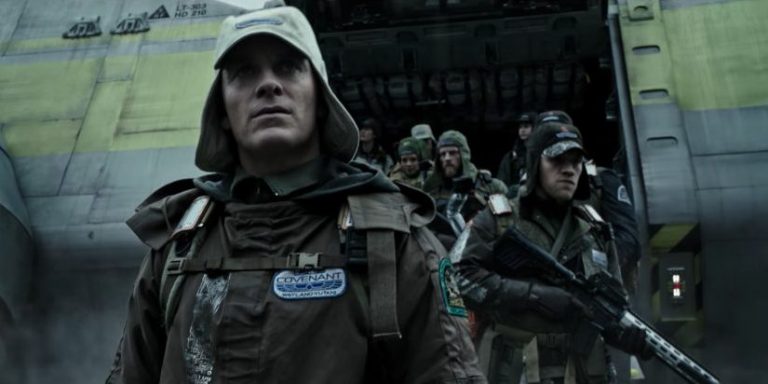
    With Alien: Covenant, he returns to the setting of a dark, claustrophobic spacecraft — for a time — and populates the world with a cast of “everyday” people. The colonization ship Covenant is on a years-long mission to Origae-6, which they intend to set up a colony with the more than 2,000 people in cryosleep on board and 1,000 embryos. The only conscious passenger is Walter (Michael Fassbender), an updated android model of David from Prometheus (the movie is set 10 years after the events of that film). When a neutrino burst damages the ship, including the cryosleep pods, and kills the ship’s captain (James Franco), the crew — now led by second-in-command Christopher Oram (Billy Crudup, who is following up his fantastic performance in Jackie) — decides to explore a closer planet from where they have received a mysterious transmission. They discover that the planet is an idyllic place with wheat fields, high mountains, and fresh water. It is a perfect place for a colony, as several characters note. However, it may be too perfect.


    After exploring the surface, two crew members become infected after inhaling a microscopic pore that does the job of a face hugger a lot more slyly. From there on, chests and spines are burst, xenomorphs run amok, and people make stupid decisions. It’s what we love about the Alien franchise wrapped up into one movie. However, Scott has other plans for the movie. Halfway through, there is a considerable shift in mood and tone when Alien: Covenantthe team discovers that David (also played by Michael Fassbender) has been stranded on the planet for some years. He takes them through a graveyard of engineers who have been preserved like the people of Pompeii. This is where the movie loses me. Instead of the straight, efficient narrative of the first three Alien movies, Covenant gets lost in a labyrinth of themes and storylines that it loses a lot of the momentum it builds during its first half. At one point, the entire audience laughed at the film. Not with it. At it.
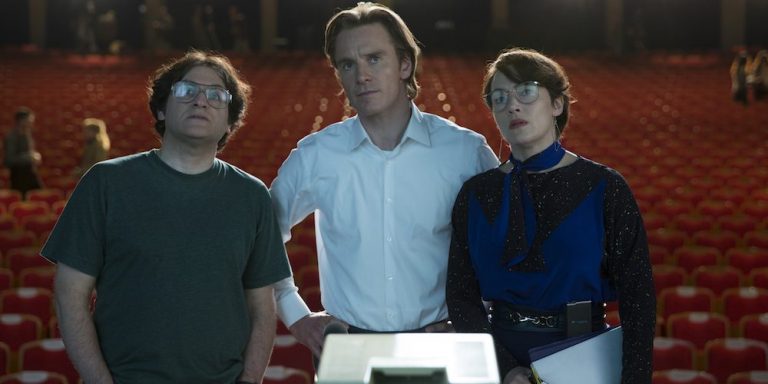
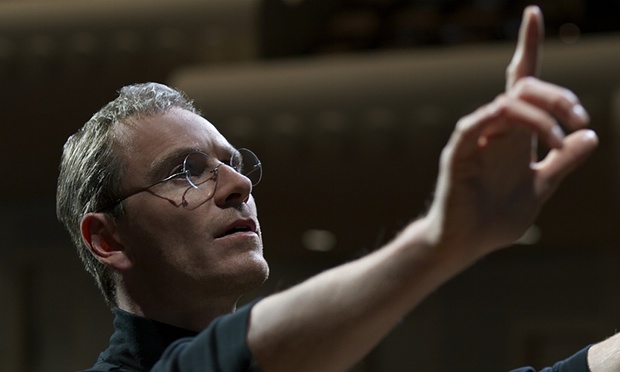
    The film is at war with itself by trying to be the best of all the films in the franchise at once. The movie opens with a flashback to Peter Weyland (Guy Pearce) and his first interaction with the android David. At one point, David says, “You seek your creator. I am looking at mine. You will die. I will not.” It’s this heavy-handedness of its themes that make the film trying to get to, especially during its uneven second act. However, one facet almost saves it: Michael Fassbender. His dual performance as the androids Walter and David is one of the most compelling of his already impressive career. A scene later in the movie when David teaches Walter how to play the flute is gorgeous, beautifully performed, and made all the more impressive by the fact that it’s a single actor in the scene. Fassbender would be an early contender for Best Supporting Actor if the Oscar weren’t biased against genre films.


    Alien: Covenant was disappointing to me as a fan of the franchise. It was a promising premise with a strong cast and a seemingly enlightened Ridley Scott. However, in the end, it is a middling entry in the series. Other than Fassbender’s two androids, there are no memorable characters and as for the mythology of the series, it simply muddies the waters further. Take the first act and last twenty minutes and you have a strong enough movie to warrant a sequel. However, at this point in the series, I think we need a hard reset. We deserve one.

    ★★ out of 5


    Alien: Covenant is available on Blu-Ray and Digital HD on Amazon!

  • Steve Jobs Movie Review — A sleek and well-acted character study

    Steve Jobs Movie Review — A sleek and well-acted character study

    Danny Boyle’s Steve Jobs is the biopic about the late Apple founder we wanted. Michael Fassbender and Kate Winslet gives a career-best performances.

    The biopic is a very hard genre to do well. So often do films fall into the familiar formula of hard childhood, humble beginnings, major setback, and success. That’s what exactly went wrong with the Ashton Kutcher-led Jobs. There was no innovation behind the film, which is disappointing considering Jobs is arguably one of the most innovative entrepreneurs to have ever lived. He was also an incredibly complex man who was oversimplified in Kutcher’s portrayal and in the film itself. It became over-sentimental. However, a writer like Aaron Sorkin knows how to remove the self-importance of a story and just allow the characters to affect the storylines as much as the people involved.

    What’s so refreshing about the movie is that it is so kinetic. Exposition and character building so often bog down biopics, but Steve Jobs thrives off of it. Under the direction of Danny Boyle, the film moves at lightning speed. It helps that Aaron Sorkin loves the walk and talk because it really keeps the film moving. No matter what the characters are talking about there is some movement. Whether they are walking or throwing papers or fiddling with computers, we are always moving.

    beecb65f-8128-4a9c-b878-97a7ef8245c0-2060x1236


    Cinematographer Alwin H. Küchler and Boyle used this to their advantage by focusing your attention to what is more important. When the film is dynamic you are getting exposition or the plot is moving forward, but when we stop you pay attention more because what is being delivered is important to either the character or story.

    However, one of the most important choices that really made this film come alive was the decision to present the story in a three-act structure, each of which took place at three product launches in Jobs’ career: the Apple Macintosh, NeXT computer, and iMac. We know Jobs from these events. Up until the year he died we associated him with the black long-sleeve shirt, jeans, holding a clicker presenting the next Apple innovation. However, instead of focusing on the launch itself, the movie turned its attention to the time before the event. That’s where the story takes place. The movie took what was familiar about Jobs and gave us a behind-the-scenes look while also giving us an idea of him as a person.

    Steve Jobs becomes even more impressive when you dig into the details of the production. Because of the three-act structure that really felt like a play, it was filmed in chronological order, which is already a feat in itself. It was also filmed in the actual theaters where the launches were held with people that attended them. It added to the energy of the already frenetic production.

    The three-act structure was bolstered with the decision to film each act in the aspect ratio of the time, giving it an authentic vintage feel. The 1986 intro was particularly fun with its blast of colors that remind us of the ever hopeless style of the 80s and approaching 90s. Despite the time period, it never feels like a period film. The topic is very much alive. Whether it’s because Jobs’ death was so recent or because Danny Boyle took note to make the film feel important doesn’t matter. What matters is that you feel a part of what is happening in the film. You feel Jobs’ urgency and that what he’s doing is important. Maybe you don’t realize it on a technical level, but on an emotional one you know that he cares. His genius is confusing, even to those people in the film, but you understand it because Sorkin wants you to understand it.

    Sorkin’s screenplay, as I’ve mentioned, is the lifeblood of Steve Jobs.It is truly electric to hear the actors spitting our dialogue a mile a minute without wavering. It’s elevated by the fact that the script doesn’t worry itself with characters’ motivations or emotional attachments. The dialogue tells the story, but the characters’ actions tell the heart. Instead of Jobs explaining why it is so important to break fire code and turn off the exit signs in the theater, his cantor and tone is what tells how important it is.

    01_09223333_c32bd1_2518799a


    What bogs down biopics so often is the fact that they include the information that doesn’t matter. Despite the huge amount of dialogue in the film, Sorkin only leaves the most important information. A major plot line of the movie is Jobs’ illegitimate daughter, who at the start he denies is his. Where most biopics would give all the backstory on when he met the mother and how he found out about his daughter, the movie skips all that and throws you straight into the action seamlessly.

    That’s also why Michael Fassbender’s portrayal of Jobs is so incredible. He has proven time and time again his commitment to a role, however his career best comes in Steve Jobs. He’s so graceful in his portrayal of Jobs, but never for a moment feels as if he’s acting.

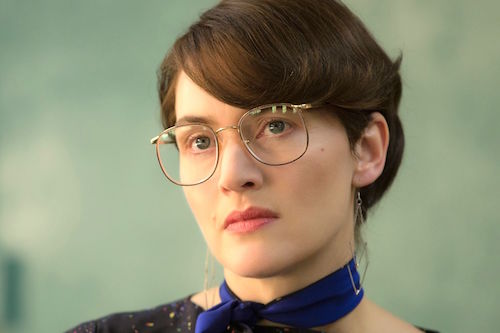
    While Fassbender really contributes as much to the success to the film as Boyle and Sorkin, the true heart lies in Kate Winslet who gives what I consider the best performance of her career. She transforms into her role both physically, vocally, and emotionally. Joanna Hoffman, Apple and NeXT’s marketing director, is arguably the only person Jobs will give in to. She grounds him with reason and reminds him that other people have feelings. When he sees people, who have IQs at genius levels, as idiots, she reminds them that they don’t have the confidence he does. She reminds him that not everything is based in numbers. If Jobs is the head of Apple, then Hoffman is the heart.

    [Tweet “#SteveJobs proves that style and substance aren’t mutually exclusive in a film.”]

    Steve Jobs is a film that I could watch over and over and still catch things I never saw the first time. From camera angles to staging, it’s a film that speaks on so many levels. It proves that style and substance aren’t mutually exclusive, they can live together in a film successfully. If you’re looking to get a “this happened, then this happened” telling of Steve Jobs’ life, then this isn’t the film you’ve been looking for. But if you want to watch a story about a complicated man who wanted to change the world, then Steve Jobs will meet and exceed your expectations.

    9/10

    Steve Jobs is available on DVD, Blu-Ray, and digital on Amazon!

  • 12 Years A Slave Movie Review — A Beautiful, Unflinching Film

    12 Years A Slave Movie Review — A Beautiful, Unflinching Film

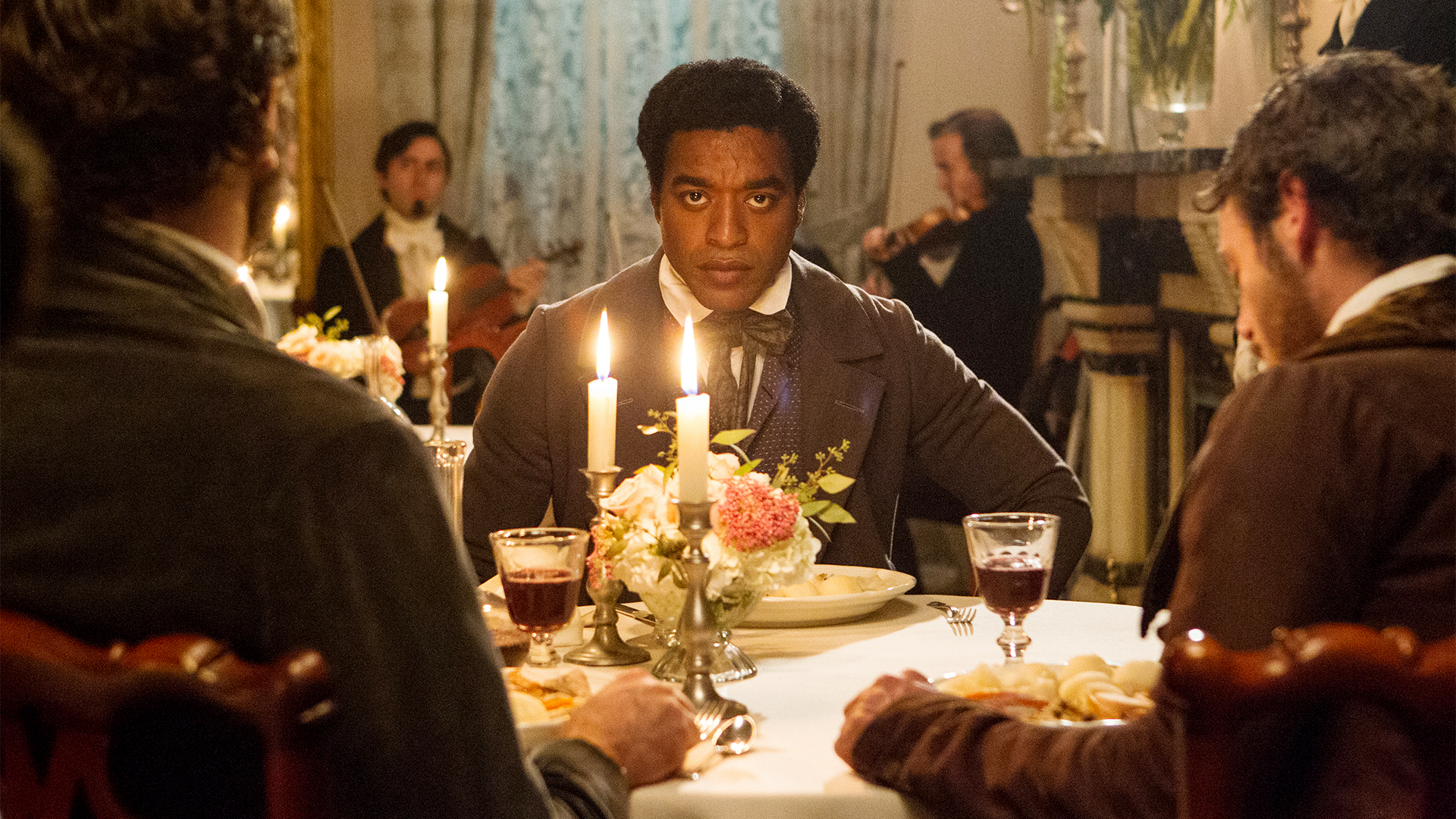
    Chiwetel Ejiofor guides "12 Years a Slave" with a strong, adroit performance.
    Chiwetel Ejiofor guides “12 Years a Slave” with a strong, adroit performance.

    The first time I went to watch 12 Years a Slave it was at the height of its acclaim, buzz, and frontrunner status for the Oscars. There were so many expectations for the film and that may have clouded my original judgement, however this time the buzz has died down and I am now able to unbiasedly review the film.

    Steve McQueen is a director that I have been keeping an eye on. After he released Shame, his second feature length film, in 2011 I realized that he was different than many of the other directors of this time. He is a brutal storyteller. There is an unflinching nature to his films. He makes moves to make you feel uncomfortable, but at the same time maintains the beauty of cinema.

    The same can be said for his film debut Hunger and 12 Years a Slave. He is unflinching. The film tells the story of Solomon Northup, a free African-American man and accomplished violinist who is kidnapped and taken into slavery.

    Throughout his nightmare he encounters allies and enemies who create an amazing ensemble cast. Michael Fassbender plays Edwin Epps, who is one of the men who becomes an owner of Northup. His performance is the most complex of the cast. His character development runs so deep that you would think he was the main character. He is cruel, and even sadistic in some instances, but there is humanity left in him and Fassbender portrays that with a masterfully crafted performance.

    Lupita Nyong’o has been receiving incredible buzz for her performance as a slave named Patsey, who often confides in Solomon. Her performance is heartbreaking and raw and whenever she is on screen your eyes are on her. She has been receiving several well-deserved accolades for her performance, but two other actresses in the film compete with her for the spotlight.

    The first is Sarah Paulson as the wife Fassbender’s Epps. She is as cruel as her husband, however unlike her husband she has lost her humanity. Paulson is unflinching in her portrayal. She performs with an icy expression on her face and never breaks.

    The other is Alfre Woodard. She has a short, but impactful, scene as a former slave who eventually married her master. She has fallen into a lifestyle of royalty and has begun to forgot who she was. She looks back on her life at what she did and how she got to her current position and regrets nothing, which is heartbreaking in itself.

    Despite the strong supporting cast it is still Chiwetel Ejiofor, who plays our hero Solomon Northup, who steals the show. He does something that not many actors are able to do without it being explicitly said in the script. And that is giving the audience hope. He plays the character with a strength and will, which transcends the words that are spoken on the film. He makes you want to continue watching.

    Speaking of the script, it is one of the greatest adaptations to screen that I have ever had the honor to experience. Now I have not read the book that the film is based off, however I do know that it never provides as much emotional depth that this film does. It is poetic. There is no other way to describe it except pure poetry.

    The film itself is beautiful. Each shot is pure artwork. Each note of music is pure emotion. Every cut is perfectly pieced together. Steve McQueen has assembled something that is great. It is an epic in scope, but a character study at its heart. It explores loss, grief, strength, and of course hope. The film is hard to stomach for its pure physical brutality, but the emotional toll is much worse. However, once you get past that you realize that this is a film that deserves to be watched, appreciated, and remembered.

  • 2014 Oscar Predictions: Best Supporting Actor (Is Jared Leto a Lock to Win?)

    2014 Oscar Predictions: Best Supporting Actor (Is Jared Leto a Lock to Win?)

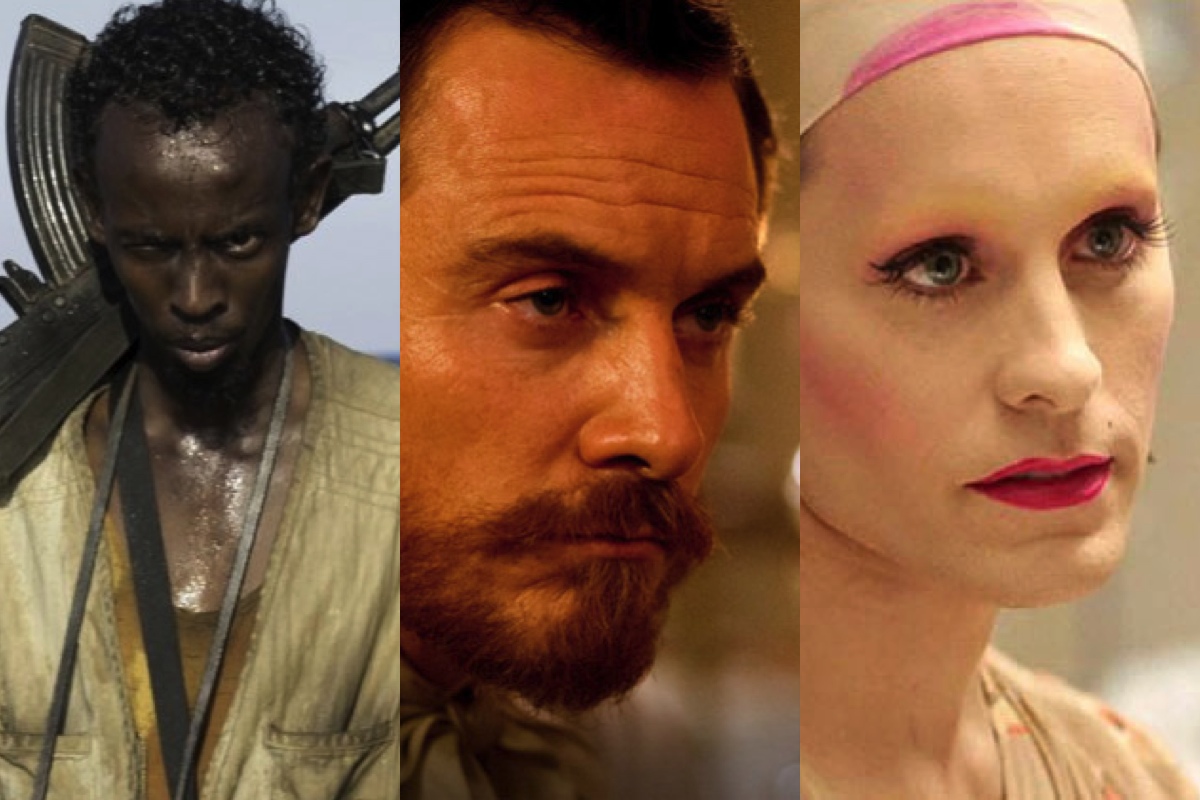
    While Barkhad Abdi and Michael Fassbender are potential spoilers, Jared Leto is pretty far ahead in the race.
    While Barkhad Abdi and Michael Fassbender are potential spoilers, Jared Leto is pretty far ahead in the race.

    Best Supporting Actor is one of the major categories that I would consider a lock. Jared Leto‘s transformative role in Dallas Buyers Club is emotional, funny, flashy, and heartbreaking. It’s almost a tailor made Oscar performance. It also doesn’t hurt that he’s nearly swept all the precursor awards.

    If there was a spoiler in this race it would be Michael Fassbender. His role as one of the ruthless slave owners in 12 Years a Slave is one of the best of the year. If 12 Years a Slave sweeps the night, he could be taken along for the ride.

    The only other actor I could see possibly winning here is Barkhad Abdi. With Tom Hanks out of the way, he is the only acting nomination for Captain Phillips, if the Academy feels a need to award the film it could be here. He also has the benefit of having a good story to go along with his role. He worked as a limo driver in Minneapolis when he went into audition with a myriad of other actors. When he won the role it was his first acting role ever. The industry likes him, and that’s half the battle.

    Check out our rankings below and all of our Oscar predictions here!

    Will Win: Jared Leto, “Dallas Buyers Club”
    Could Win: Barkhad Abdi, “Captain Phillips”
    Should Win: Michael Fassbender, “12 Years a Slave”
    Should have been nominated: Daniel Brühl, “Rush”