Category: Books

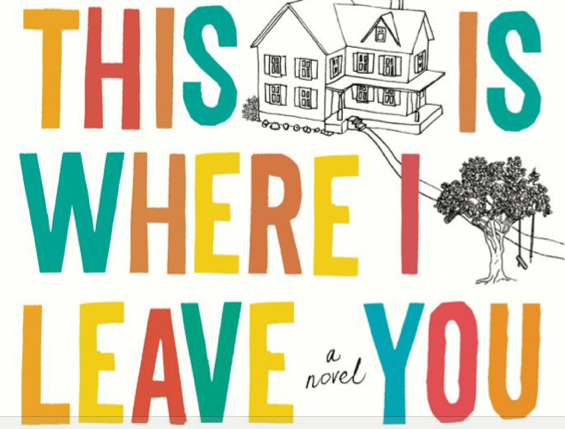
  • This is Where I Leave You Book Review — Darkly Funny, Emotionally Heavy, A Must Read

    This is Where I Leave You Book Review — Darkly Funny, Emotionally Heavy, A Must Read

    this-is-where-i-leave-you

    Judd Foxman has had a tough life recently. His baby was strangled by its umbilical cord in the womb, his wife is having an affair with his boss, and his father has just died. This is pretty heavy for the first few chapters of a comedic book, but this sets up for the premise of the story.

    Judd has not only been battered by life, but also kicked in the balls. His marriage has fallen apart and his father has died. To make this worse, his father’s dying wish is to have his kids sit shiva after his funeral. This involves Judd, his brother Paul and his wife Alice, his brother Phillip and his cougar girlfriend Tracy, his sister Wendy and her husband Barry, and his mother to sit together in what is essentially a 7-day wake, where they are the subjects of mourning in the suburban house where they were raised.

    Of course, the situation is made light of. When one of the siblings asks about their mother, one responds: “She’s Mom, you know? She wanted to know how much to tip the coroner.”

    This holds for some interesting and often hilarious exchanges between these darkly entertaining family members. Wendy, the mother of three boys, struggles with her husband who is always there, but always absent at the same time. Paul, who still holds a grudge against Judd from when they were teens, must also deal with his sex-crazed wife who is intent on having a baby. Phillip is the free-spirited, impulsive nomad player of the bunch. He can have any woman he wants and has had many of them. However, he comes home with a significantly older woman who he sees as a fresh start. Judd’s mother is a celebrity therapist who specializes in children, which already means that she is crazy and has most likely made her children the same way.

    Then there is Judd. He is heartbroken, grieving, and dead inside.  This is where Jonathan Tropper gets his laughs. The dry humor is enough to carry the book, but the relationships between the characters are something else. There were times that I actually laughed out loud while reading, but there is more to the book than that. It tells the story of starting over, about being an adult, about being a man, and facing the future. It targets an underlying fear we all have as our lives progress. The idea of starting over is a terrifying one, but Tropper disguises it in this family crisis to make for an entertaining read.

    The book is being adapted into a film that will star Jason Bateman, Tina Fey, Jane Fonda, Adam Driver, Connie Britton, Corey Stoll, among other A-listers. This is a film I’m cautiously excited for. I have pictured the characters in this book so vividly that I don’t want to risk ruining it, but after reading the cast list, I can see every one of those actors in their respective roles.

    It’s as sweet, as it is funny, and as terrifying, as it is deep. The characters are so familiar. They are people you’ve met, people you’re close to, maybe they represent you. It doesn’t matter. This is a book for people battered by life about people battered by life. It allows for a catharsis. For us to face our problems, and for people my age, to accept that they’re coming. Tropper had written something so funny and entertaining that we forget how profound it can be too. This is not one for the kids, one of my favorite lines is: “you need a GPS to follow the sex lives of this family” and that is the best way to describe most of the story lines of this book, but give it go. There is not much more I can say than READ THIS BOOK!

    Bottom Line: Think of this book as the literary version of Arrested Development (interestingly Arrested star Jason Bateman will star in the film adaptation). With its dry humor, outlandish characters, and hilarious situations, it will make for some entertaining reading. However, in the end it’s a book about family and how we make each other better and worse. Tropper has tapped into the psyche of someone who is still growing up, even in their thirties. Like I said, all I can say is READ THIS BOOK!
  • Forgive Me, Leonard Peacock Book Review — A Strong Concept is Let Down by Weak Writing

    Forgive Me, Leonard Peacock Book Review — A Strong Concept is Let Down by Weak Writing

    Forgive Me, Leonard Peacock tells the story of Leonard Peacock (imagine that) as he is about to embark on a life-changing mission. He has decided that today, his 18th birthday, to kill his former best friend Asher Beal and then kill himself. It’s a very interesting concept. To hear about teen on teen violence from the perspective of the shooter. However, this is where Matthew Quick quickly falters. Leonard admits he is crazy. He knows it, however, the writing and language of the book don’t alway reflect that. Whether it was intentional or just a lack of cohesion is left with Quick, however, in my opinion, it veers too randomly.


    Most of the book revolves around Leonard giving out presents to four people he sees as his friends, or at least talk to him. Through this, we feel empathic for him. He has led a tough life. Mostly because he is a self-proclaimed “weirdo”, but it goes deeper than that. He is clearly intelligent, possibly too intelligent for his own good. It gets him into trouble and in turn, has thrust him into nothingness.

    As the book unfolds we see Leonard and his true self becomes revealed. The book is a quick read. First of all, it’s short, but second of all it is engaging. The entire story takes place during one day and the subject of each part is different. The best way to describe the book is in the title. It can be seen as the ending to a letter or as a profession to Leonard.

    Quick has created quite a story and character. The plot is incredibly well done and the frame of the story is as sturdy as the one that holds the Mona Lisa, but where he faults is the writing and execution. In addition to fluctuating between deranged teenager and a storyteller is random at best, I suppose neurotic would be the better tern. However, and most heartbreakingly, he never takes the writing to its full potential. The book is credited as unflinching, however, that doesn’t make any sense to me. An unflinching novel makes me afraid to turn to the next page, but Quick simply writes the book. There’s no pain in the writing, it is all from the story.


    Bottom Line: If this is a story that interests you, then go ahead. It has an engaging plot that will keep you invested. Don’t expect an incredible work of fiction, honestly, in the hands of a different writer, it could have been one. In the end the moral of the story is a good one, the twist, in the end, is also pretty gratifying. Leonard Peacock wanted to be remembered and this book will definitely help his legacy. 6.5/10

    Get Forgive Me, Leonard Peacock in paperback, hardcover, or e-book on Amazon!

  • I Am Not A Serial Killer Book Review — A creepy, but entertaining look into sociopathy

    I Am Not A Serial Killer Book Review — A creepy, but entertaining look into sociopathy

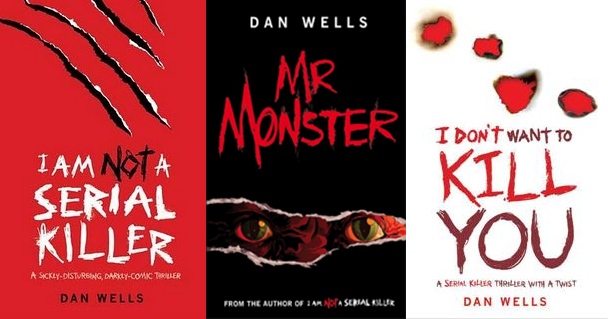
    The author of I Am Not A Serial Killer, Dan Wells, constructs a novel that I describe as a blend of the show Dexter, Mary Shelly’s Frankenstein, and basically any show on the Syfy Network. In Wells’ premiere novel I Am Not A Serial Killer—the first novel in his John Cleaver series—we are presented with a 15 year old boy named John Wayne Cleaver, who is convinced that his destiny is to follow in the footsteps of the infamous serial killers that were before him. Burgeoning with malicious intent, John goes through his life silently imagining what it would be like if he were to let his true self out. He refers to his actual self that he keeps inaccessible from the world as “Mr. Monster,” which is the name for the second novel within this series.

    As John wanders through his contrived normality and everyday life, we see how extensively ostracized from society he truly is. He attempts to satiate his sociopathic tendencies by working in the mortuary run by his mother. Conflicted by his equal desires to live a morally just life and his desires to inflict pain and fear within others, John ravenously yet passively studies serial killers in hopes it will deter his own deep, sinister desires from actively taking over.


    I Am Not A Serial Killer by Dan WellsThe Dexter-esque elements of I Am Not A Serial Killer arise when a mysterious murder takes place right in his quaint, secluded town in Clayton County. As John works in the mortuary, which is usually sparsely populated by the occasional death of an elderly neighbor by natural causes, he is granted up close and personal access to the murder victims suffering grueling, egregious, and fatal wounds. As the death toll rises, John becomes increasingly enthusiastic as the bodies pile in to be embalmed, but this aptly named Clayton Killer is stirring the dark sediments of brutality and rage that lay dormant within young John. He is given an unfair ultimatum when he witnesses the Clayton Killer murder a man on the outskirts of town. Should John idly let the victim count ascend to high numbers as long as he doesn’t fall off the precipice of psychopathy? Or should John utilize his own self-destructive, sociopathic mind to fight fire with fire and stop this serial killer at the risk of losing all control of his actions at the first whiff of blood?

    I enjoyed I Am Not A Serial Killer for its intriguing character because, unbeknownst to us, we casually meander down sidewalks throughout our lives never truly knowing the strangers we pass. Statistically speaking, it is likely we have encountered, even briefly so, an individual with sociopathic tendencies within our daily lives, which I find equal parts enthralling and terrifying. We never stop and wonder what is truly veiled behind the fictitious facades of smiles we all wear on our daily routines; John is no different in the sense that he puts all of his energy into maintaining an artifice of normalcy that deceives his neighbors. The author grants us access into the mind of a 15-year-old boy with antisocial personality disorder and a sociopathic mindset that lacks empathy. As the novel progresses, we notice him struggle against the normal constraints imposed upon him by society and the constraints he imposes upon himself to keep from acting upon his blood-thirsty will. Also, Wells allows us a personal look behind the contrived demeanor that the protagonist dons every day in hopes that he can control the raging beast that lays dormant in his breast, and we are also presented with the maudlin yet intriguing story of a mother who only wants to love a son that only wants to inflict pain on her.


    I will confess I was not a huge proponent of the Frankenstein-esque and sci-fi elements that were embedded within this story, but I admit that Wells does a pretty decent job at not making the book sound like a ridiculous story that you would only see on the Syfy Network. I can certainly say that this novel is not for everyone, especially those who are adverse to a novel delving into anything science fiction or fantasy (for obvious reasons). I find the novel to move in a somewhat slow manner at some points, and, at times, I was less than thrilled with some of the sci-fi elements that gave it a bit of a juvenile tang to it. In the end, I found I Am Not A Serial Killer to be admirable for tackling a somewhat taboo subject with a certain kind of deftness and finesse that only a talented writer can manage.

    I Am Not A Serial Killer is available in paperback, hardcover, and e-book on Amazon!

  • The Kings of Cool Book Review — A Sharp and Witty Crime Novel

    The Kings of Cool Book Review — A Sharp and Witty Crime Novel

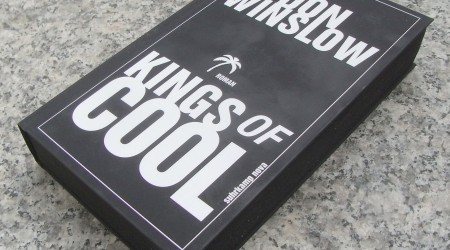
    Don Winslow’s The Kings of Cool is a bold, enthralling story of love, lust, greed, drugs, and the fallacies of them all.

    Don Winslow crafts a masterpiece of a story that weaves together the past and present lives of 8 characters in his novel The Kings of Cool, which is the prequel to his novel Savages. The Kings of Cool focuses on the lives of Ben, Chon, and the lustfully witty O. Ben and Chon engineer a unique strain of weed that prompts them to open their first grow house and mass produce their product for a profit. Intelligent, savvy, and dangerous, Ben and Chon quickly monopolize on the drug trade and reap the rewards of their multitudes of grow houses. Meanwhile, O is engaged within her own journey that occasionally crosses path with the aforementioned characters. Earning an exceptionally tantalizing profit on their product, the duo continue to expand their business; that is until they are given an ultimatum. Pay the hierarchies of the drug trade and continue to make a slightly lessened profit, or they can forgo the forewarning and continue to capitalize on their lucrative strain of weed. Fearlessly confident and brushing off the threat, Ben and Chon ignore this warning from the Mexican drug barons. Wrong move.


    Rather than kowtow to the higher-ups of the drug cartels, Ben and Chon pretend to play ball after receiving quite a strong, violent message from those who truly run the marijuana business. As the plot unfolds, we are presented with another story that takes place in the drug-filled, idealistic era of revolution that was the 1960s. Winslow introduces us to Kim, Stan, Diane, Doc, and John, and Winslow chronicles their lives from the freedom land of the 60s to the present day as hope for the idealistic revolution fades. As the two stories progress, they blend together seamlessly to produce an engaging, humorous, and intriguing overarching story.

    What I most enjoyed about the novel was its wit and intelligence. Throughout the entire book, Winslow tackles such serious topics as the drug trade, political scandals, murder, poverty, and governmental and political ideologies that are still so prevalent in today’s social climate. Although I do not usually read many novels about crime, I was extremely and pleasantly surprised about this book. The Kings of Cool is a bold, enthralling story of love, lust, greed, drugs, and the fallacies of them all. Also, I was impressed with all of the details of the story Winslow gives you—from the details of the growing process to the in-depth knowledge of the judicial and political system (or lack thereof).

    I can say that I was less than a fan of the overall pessimism of the story. I am perfectly fine with a book that is on tough material and that has a macabre or dark ending, but I felt the overall pessimism was, if anything, a minor con. Most characters were hollow, vindictive, blood-thirsty, and unfaithful, but this was necessary to the heavy subject matter of the story. Winslow obviously could not be creating hitmen with hearts of gold or coke-addicted harlots with much compassion. The story and characters just painted a rather austere picture of the world, and I would just like to believe that the world isn’t as bleak, cynical, and corrupt as this novel makes it out to be. Maybe that is just wishful thinking, though.

    Regardless, Winslow does a spectacular job at creating an engaging story with a cast of characters, which are not easily compartmentalized as good or bad. The line between corruption and justice are so skewed and blurred within this story that it is hard to know if anyone is making the morally correct choice. Ben and Chon, considered as good of characters as this novel has, have to often struggle with morality. Seeking justice for any crimes committed against their friends or dealers, Ben and Chon have to get their hands dirty in order to remedy the injustices committed in the first place.


    I enjoyed this novel immensely, and I find Winslow to be an extremely intelligent author with a sharp, witty cynicism in his characters that I found enticing and humorous. This novel is, obviously, a violent one, and I urge any readers who do not enjoy lewd, lascivious, or crass characters to maybe consider another read. Despite his overtly sarcastic characters equipped with profanity-ridden mouths, we see a story of three young characters who form a bond that transcends familial relationships. This trio relies on one another as if they were blood, and, in fact, refer to one another as their own family.

    Winslow does an astounding job at conjuring up the dark atrocities of our world and painting a dreary photo for society, but, when you least expect it, Winslow adds a modicum of hope, friendship, and, last but not least, love that instills within the reader an optimistic feeling that this perilous terrain we call life can be maneuvered with the support of your real, true family.

    8/10

    The Kings of Cool is available in paperback, hardcover, and e-book on Amazon!

  • Red Rising Book Review — Familiar, but entertaining dystopian novel

    Red Rising Book Review — Familiar, but entertaining dystopian novel

    Red Rising is a familiar, but entertaining trip into the young adult dystopian genre

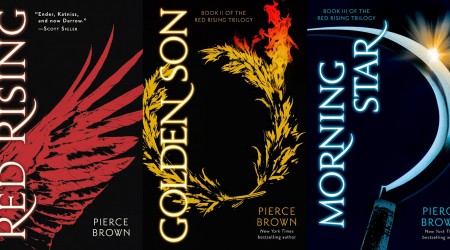
    Pierce Brown’s novel Red Rising is the first novel of his Red Rising Trilogy, which is comprised of Golden Son and Morning Star, chronologically. We are presented with the protagonist Darrow, a lowly red tasked with fellow reds to mine the depths of Mars in order to make the surface habitable for all of society. Believing he is living an unpleasant but fair life, Darrow toils long days in dangerous conditions in hopes that he is creating a future for the children he wants to one day have with his beloved wife Eo. As Eo shows Darrow that the surface of Mars has long been inhabitable, Darrow realizes that they are, more or less, slaves for the hierarchies of the planets. Eo prods Darrow in hopes that he will realize that their people can rise above their oppressors, but Darrow just wants to live a quiet and honest life. That is until Eo takes the matter of oppression into her own hands when the illegal song of her people escapes from her lips in front of the ArchGovernor Augustus, sealing her fate as a defenseless martyr only armed with a melody.

    Reeling from the sudden loss of his wife, Darrow is presented with a game of risk. He is enabled to infiltrate the life of the golds, becoming one himself. Darrow must enter the academy, which is where the highest of the gold’s society go to earn their place in the world, in order reach the regal and renowned station of a peerless scarred and initiate a rebellion of the oppressed colors of Mars. Universal is set to produce the film adaption of this novel with filmmaker Marc Forster.


    Honestly, Brown brings very little creativity to the table with this novel. It is basically The Hunger Games vaguely distorted to fend off litigation. Instead of districts like those in The Hunger GamesRed Rising has colors. We are presented with the poor, oppressed underdogs who are tasked with initiating a rebellion. Instead of the capital, we have the golds who luxuriate in the lap of self-entitlement. Instead of Rue, we have Eo. Instead of the hunger games themselves, we have the academy, where students go to compete against one another in hopes to conquer one another. It is basically a fight to the death or enslavement. I could not help but be reminded of Collins’ novel when reading Browns’ novel. It was like reading  The Hunger Games, but this time it was on Mars.

    Lack of originality aside, I will say I enjoyed the book to a degree. I think the novel started out quite slow, with no real action happening for about 1/3 of the book. Also, the characters seem far too juvenile to be society’s cream of the crop warriors. The novel was interesting, though. It did have its moments of originality, to some degree. If you are not looking for literary prowess, this book very well may be perfect for you. I would recommend this book for anyone who is interested in a Young Adult, Dystopian novel. If you are adverse to reading about any degree of violence, rape, murder, or you are simply opposed to the word “slagging” being repeated every page, then this is not the right novel for you.


    If you are a casual reader looking for a book more for entertainment than substance, this book may be right for you. I can see why this book is doing well with readers, as well. It is a decently well-written book that has the right juxtaposition of action with a modicum of romance to keep the book from being all macabre.

    In the end, will I be reading the second novel in this series Golden Son? Yes. I will read this novel when I feel as though I would enjoy a book more for pure entertainment, not for profound literature. Brown does a decent job at creating an engaging story with a few twists and turns that were not woven in to the cookie cutter mold that Collins’ had stamped out with The Hunger Games, but it is pretty damn close. I am intrigued enough of what becomes of Darrow and his mission to warrant spending eight dollars on the next paperback. I am hoping that Brown can steer his trilogy in a more endearing direction because few have succeeded in doing so. Collins’ Hunger Game series fell flat after the first book, with a strong start, a tepid second installment, and a boring finale. (Although I do admit the trilogy makes a phenomenal movie adaption, which I cannot say about the following.) Veronica Roth reached the same crossroads when her Divergent Trilogy became less enthralling with each installment. It seems trilogies are the hot new thing to do, but why bother if you do not have a story with enough juice? I do not believe Browns’ trilogy will be a revelation, but I do hope he puts his decent writing skills to good use and cranks out a trilogy that does not fall flat. 6/10

    Get Red Rising in paperback, hardcover, or e-book on Amazon!

  • Annihilation Book Review — A tense, fast-paced sci-fi thriller

    Annihilation Book Review — A tense, fast-paced sci-fi thriller

    By the time we were ready to cross the border, we knew everything…and we knew nothing.

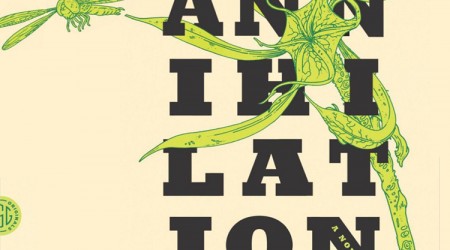
    That’s the best way to describe reading Jeff VanderMeer’s psychological thriller and first book of the Southern Reach Trilogy. Everything and nothing is as it seems as a 4-person expedition makes their way into the mysterious Area X, an abandoned stretch of US Coastline that has been reclaimed by nature (or something quite the opposite). The group, which consists of four women — all unnamed, is the twelfth expedition into the fabled area, which is as mysterious as the organization that sent them there.

    The Biologist, our narrator, is a stoic, unsuspecting heroine of the journey who is following in the footsteps of her husband, who was in the previous expedition that had returned as shells of their former selves before all suddenly dying of cancer. The book is said to be her journal that all expedition members are expected to maintain. This gives us one of the first points of brilliance from VanderMeer. Her incredulous experience is enhanced by “her” honest writing. However, whether or not it’s honest is up for debate. I mean, it is her account of the entire ordeal. She even contradicts herself in some parts of her journal. The book uses the unreliable narrator trope to perfection.


    Our unreliable narrator also makes it seem that she’s the most sane of the group. There’s the group leader, the psychologist, who she paints to be a suspicious observer of the other three. The anthropologist is merely seen as a useless tool, and the surveyor as brute. She makes herself out to be the heroine, but whether or not she is is unknown.

    The novel has been marketed as a psychological thriller, or, perhaps, horror would be better suited. But I believe the novel is Loftcraftian in nature. It doesn’t rely on terrible gore, although it’s certainly graphic enough. Instead, VanderMeer uses the fear of the unknown to his advantage. He uses it to build suspense — deafening, aching suspense — that makes you fear what’s around the corner (or the next page).

    As the expedition goes from bad to worse, mysteries are uncovered, sometimes solved, but overall, VanderMeer maintains a veil over everything going on in Area X. I will warn you, if you’re a book reader that needs to get answers before the last page, then this isn’t the read for you. Those mysteries are what drive the book. They’re what induce horror into you. However, the book has enough twists and thrills to keep you entertained through out.

    One the other hand, if there is a downfall to the novel, it is its leading character. It’s not that the biologist is underdeveloped. Quite the opposite, actually. The action of the story is often halted to give her development through her experiences. Frankly, that development proves that she’s just a boring character and borderline unlikeable. The skilled and spontaneous surveyor ends up being the most intriguing, or simply most human character of the team. VanderMeer’s characterization of the biologist as the typical introvert geek who’d rather be with a tidal pool than with people just feels inherently unrelatable.


    The weak main character aside, Annihilation is a quick and entertaining read that keeps you guessing till the very last page. VanderMeer’s writing may be long and, at times, tedious, but it will hook you and never let you go. It’s that dragged out nature that gives you a sense of dread, even when you feel safe. Truly, there’s no refuge in the pages of the novel.

    Annihilation is just the first novel of the Southern Reach Trilogy; however, even 200 pages into the entire series as a whole, I have no idea where it could go. As I said, Annihilation created as many mysteries as it solved, but just how many there are in total is yet to be answered.

    Get Annihilation in paperback, hardcover, or e-book on Amazon!

  • The Art of Fielding Book Review — A Baseball Novel For Anyone to Enjoy

    The Art of Fielding Book Review — A Baseball Novel For Anyone to Enjoy

    The Art of Fielding is one of the most entertaining and enthralling character studies in recent years

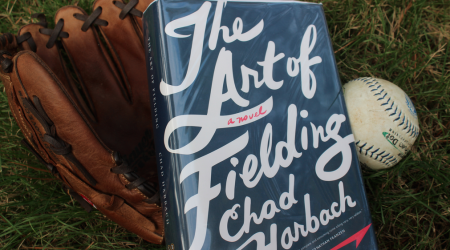
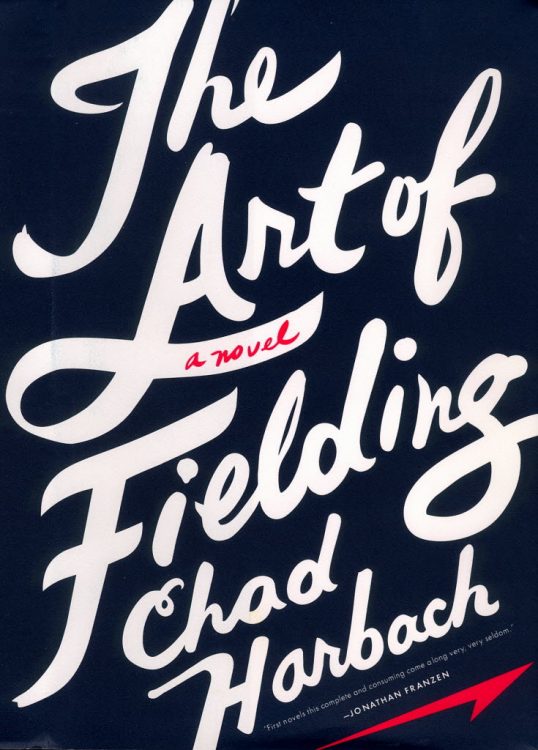
    I know next to nothing about baseball. Home runs, fouls, and bases loaded are pretty much the extent of my baseball knowledge. And, to be blunt, I pretty much think watching it is as entertaining as watching paint dry (please don’t hate me baseball fans). However, The Art of Fielding is probably one of the most entertaining and enthralling character studies released within the last couple years, especially since it’s a “book about baseball.” But it isn’t really. Yes, baseball is pretty much the main vein down the center of the novel’s various plot points, but it’s merely treated as a plot device to set the intense character study into motion.


    The novel surrounds the Wettish Harpooners, a Division III baseball team in Wisconsin. A small, but passionate, school just off of Lake Michigan. Although the book focuses on five characters, the main character (in terms of plot) is Henry Skrimshander. (SIDE NOTE: Harbach has a knack for naming characters.) He is the first introduced and probably the one that has to change the most. That’s apparent from the first page. When we meet him, he’s a scrawny, somewhat dull, and naive shortstop, who is, in all intensive purposes, a savant at the position. He has potential, and Mike Schwartz sees that potential. So is born the complicated love/hate relationship between the players. He is the saving grace of the Harpooners. He makes them work harder, play better, and most importantly, win. By his junior year, he becomes the foundation of the team and even begins to perk the interest of scouts looking to bring him into the majors. However, like all great novels, the good times never last. Soon, the player that was once the key to success becomes the straw that may break the team’s back. All of which unfolds in a gorgeous, sharp prose that makes the action of the game more entertaining than in reality.

    Both times he double-clutched and made a soft, hesitant throw. Instead of rifle shots fired at a target, they felt like doves released from a box.

    fieldingjpg-0111d8fb4f866bbcThe rest of the character seemingly fill in around Henry. There’s Owen Dunne, also known as Buddha, his gay roommate, and teammate, who casually wisps through life as casually as he hits a ball. The president of the school, Guert Affenlight, a grown man who is as confused as a college freshman, and his daughter Pella, a girl whose confusion mirrors both her father and Henry’s as she navigates the world after the demise of her marriage, complete the cast of characters. The ensemble is gracefully woven through storylines that concern each other, themselves, and of course, the team. Though the daunting 500-pages almost seem excessive, Harbach doesn’t waste single sentence. Every page helps move the characters forward.


    However, the novel never goes out of Harbach’s control. It’s shockingly well thought out for a debut. Harbach knows where he wants the characters go and guides them there with ease, whether it’s 60-year-old Affenlight, whose obsession with Owen begins to affect his effectiveness as president or Pella’s journey to be both independent from her husband and her father. Even though the book covers several threads and decisions that characters make and how they affect their lives, it’s always the relationship between Schwartz and Skrimashander that the book seems to come back to. They affect each other directly and indirectly, and these effects affect the people around them. These effects are carefully noted and defined by Harbach, but he doesn’t give too much away. If you’re a reader that thrives on learning how a character is changing rather than being told, then the dynamism of The Art of Fielding ensemble will be a buffet. It seems that everyone has something to prove an obstacle to tackle. It’s almost as if Harbach is obsessed with time lost and dreams deferred.

    The Art of Fielding isn’t going to be a book that everyone loves or, in some cases, even likes. However, I think that’s attributed to that fact that not everyone is built to read a book that doesn’t have a tangible destination. If you had to choose one, it would probably be the maturity of the characters, although choosing one would be unnecessary. We’re not supposed to know the destination, just as the characters don’t know what the future holds.

    8.5/10

    The Art of Fielding is available on paperback, hardcover, and e-book on Amazon!

  • Illuminae Book Review — Despite YA pitfalls, a unique format makes for a page-turner

    Illuminae Book Review — Despite YA pitfalls, a unique format makes for a page-turner

    ill 2

    This was reviewed from an advanced copy from BookCon 2015.

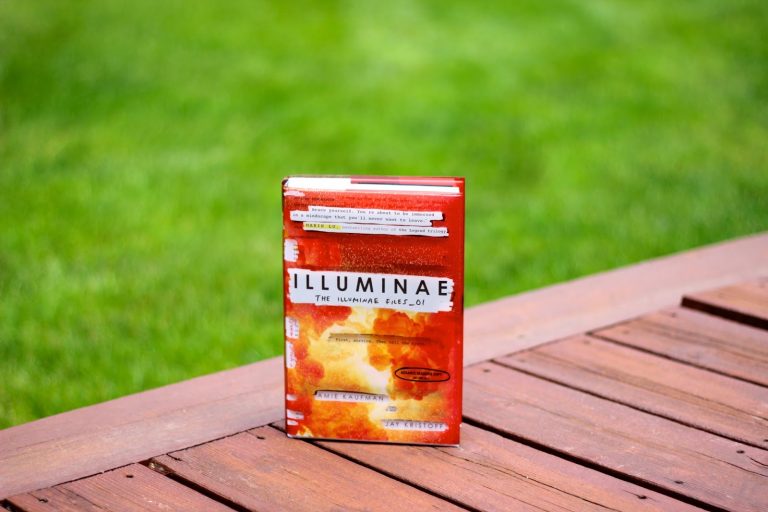
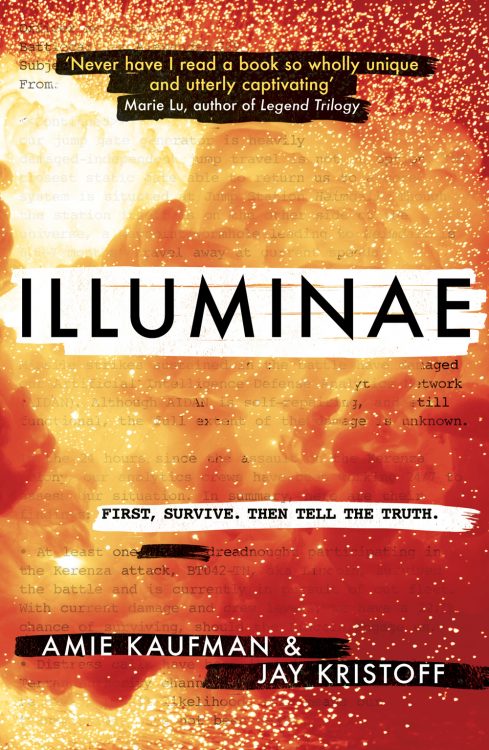
    If you would have asked me a few months back if I would be reading a Young Adult, graphic novel about intergalactic warfare and budding teenage romance, I would have probably scathingly laughed at you. I guess you would be laughing now because I sure did read it, and I have to say that “Illuminae” was a quick-paced, intriguing story of a small but illegal mining colony Kerenza who comes under attack by BeiTech. After their home is destroyed, the survivors flee towards the dark abyss of space in three ships, The Alexander, The Hypatia, and The Copernicus. Months away from any form of salvation, their pursuers aboard The Lincoln tail them in order to wipe our the last surviving witnesses and victims.

    To add to this precarious scenario, our heroin Kady is separated from her mother and the cliche “it’s complicated” ex boyfriend Ezra, who are all aboard one of the aforementioned survivor ships. To boot, The artificial intelligence on Alexander, called Artificial Intelligence Defense or AIDEN for short, is as certifiably crazy at Britney Spears circa 2007. But wait! There’s more! For just one payment of $9.49 on Amazon, you can expect to read about an additional bio weapon that was unleashed upon a section of Kereza before those survivors boarded The Copernicus. So cue bio-virus, and we have a ship that is infested with ravenously murderous individuals dubbed “The Afflicted,” all of who become quite angered if they catch your gaze rest upon their raging, uncouth form. What becomes the survivors’ biggest hurdle is the AI that is entrusted with the task of saving their lives, but this emotionally devoid AI that has a personality cleaved by the strain of his inability to feel and his yearning to do so becomes enemy number one for some time in the book.

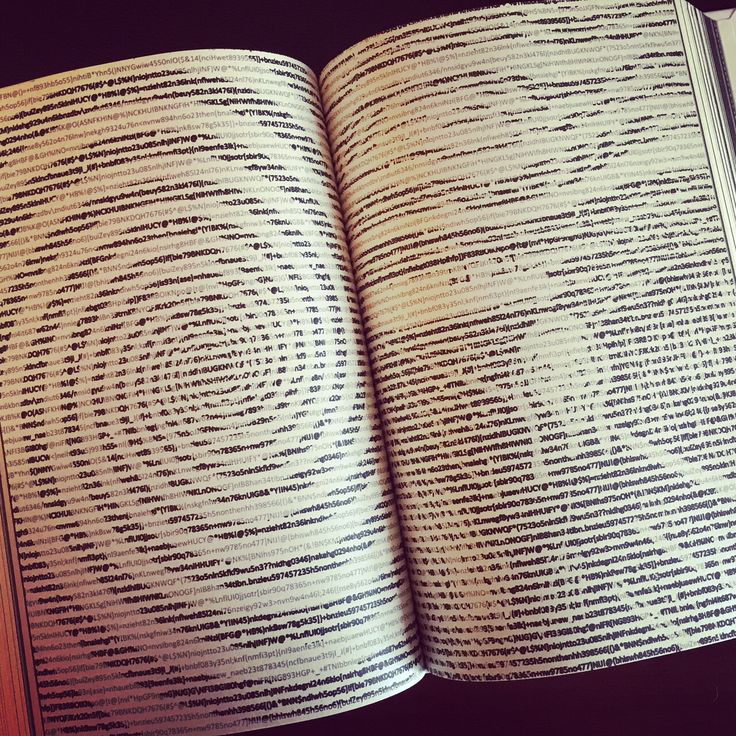
    What you will first notice about this novel is that it is constructed after the events have taken place. A company by the name of Illuminae is hired to find any lasting evidence of the previous scenario for its boss, who desires to squelch any murmurings of what truly happened. The novel is comprised of documents, emails, chat logs, audio transcriptions, and security camera summaries that were compiled by the company Illuminae. I have to admit there are some intriguing renditions of  artwork among the pages (pictured above).


    I did enjoy this story, but I do believe that certain changes would have made the novel a much more enjoyable read. First of all, the Young Adult theme does nothing to this story but dilute it with frivolous texting acronyms (which is V annoying) that would be obsolete by the time this story actually takes place so far into the future. Secondly, the juvenile and immature dialogue just seemed to negate any suspense in the story, and if I had to read the word “chum” one more time, I may have thrown myself directly at the mercy of the sinister, villainous Lincoln itself.ill

    Thirdly, the “romance” in this book was completely unnecessary and actually infuriating, at times. I mean, does every Young Adult trilogy really have to desperately cling to the idea of true love at the age of 16 or 17 amidst cataclysmic events killing your entire family? Seriously, have we learned nothing from Frozen? Kady needs to listen to “Let It Go” and let Ezra go. Did Elsa’s lesson that not every heroin needs a knight in shining armor to save her go unnoticed?  Well, it certainly appears that way because the romance in this novel, in my opinion, actually hinders the plot. This novel seems to afraid to veer off the cookie-cutter path of most YA trilogies, and it fails in leaving a lasting impression in my mind with its predictable and slightly disappointing end. Such an intriguing story with a unique way of telling, and it is really going to be squandered on “lol,” “chum,” and the cliche points of every other YA novel?

    Will I read the second book within this series? Yes, I enjoyed it enough to warrant buying the second book of the trilogy upon release. Will I be expecting any serious, hard-hitting literature that will brake away from the YA norms? No, I do not think so. If you are looking for a fun, light read (though the novel is almost 600 pages, it contains a lot of sparse pages), then this novel may be for you. If you are not disturbed by the horrid texting acronyms and conventionality of the romance, then I would recommend “Illuminae” as an intriguing, page-turning book.

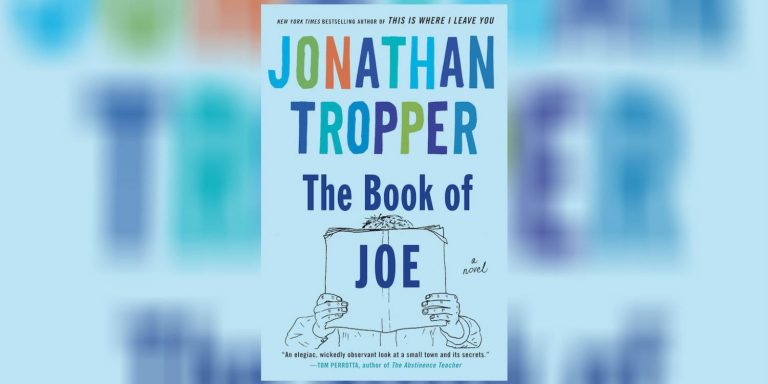
  • The Book of Joe Book Review — Jonathan Tropper proves coming-of-age isn’t just for teens

    The Book of Joe Book Review — Jonathan Tropper proves coming-of-age isn’t just for teens

    The Book of Joe is an often hilarious and sometimes sweet take on the life of a man of a certain age.

    I think nailing comedy in a book is a lot harder than a lot of people think. It is difficult to get a joke to land properly when you can’t control its pacing or timing. However, Jonathan Tropper has a way with words that it doesn’t need to be a set-up and punchline set-up to be funny. He’s just a damn funny writer. That’s why the clear plot issues in his debut Plan B are easy to look over when you’re laughing at the fact that three grown adults are arguing over how to knock someone out properly.

    The Book of Joe, his second novel, takes that biting humor and puts into that “return to hometown” plot. However, although those types of books and movies get tedious and cloying, Tropper’s overall wittiness and brutal humor make it a refreshing read. The novel tells the story of Joe Goffman, a bestselling offer who did what any great writer does — write from experience. In his case, he writes about his hometown Bush Falls, the people, and his experiences. His book becomes a hit and is turned into a popular movie. He never thought he would have to return to Bush Falls again. That is until his father falls into a coma.


    His return to the Falls is obviously not received. It seems that everybody in the town hates him. Well, almost everybody. His old best friend Wayne still accepts him, who ends up being the source for much of his growth in the book, and his nephew, who seems to always be in the wrong place at the right time. However, the hatred in the town is palpable. As evidenced by the milkshake thrown in his face shortly after he arrives and an assault by the town’s book club with copies of Bush Falls. Needless to say, the town isn’t happy with Joe’s “exposé,” which he even admits is fair considering he was brutal in his literary assault on the citizens of Bush Falls.

    The Book of JoeSome of the plot devices aren’t too inspired — sick father who was never loving, a dead mother, a popular older brother, an awkward return to a hometown. However, Tropper tames them by adequately giving a reason behind their existence. What plot lines do work are the ones involving his high school best friends Wayne and Sammy, and his high school girlfriend Carly.

    The first half of the novel alternates between present day and the fictional Bush Falls novel that Joe wrote. Giving backstory while the action takes place is a huge reason why the first half is so successful. Sometimes, the passages from Bush Falls even surpass the present because of its pure quality in writing. Though characters get mopped up into stereotypes like the best friend’s hot mom or the closeted star athlete, Tropper makes up for it with depth in others.

    Tropper tends to write about 30-somethings going through radical changes in life. However, you don’t have to be a 30-something to enjoy this book. A vein of regret, loneliness, and redemption run through the novel. There are surprising moments of genius in his writing:

    “Loneliness doesn’t exist on any single plane of consciousness. It’s generally a low throb, barely audible, like the hum of a Mercedes engine in park, but every so often the demands of the highway call for a burst of acceleration, and the hum becomes a thunderous, elemental roar, and once again you’re reminded of what this baby’s carrying under the hood.”

    [Tweet ““Loneliness doesn’t exist on any single plane of consciousness.” – The Book of Joe”]

    It’s what Tropper does best, he caters to the everyday person — the person that may not be looking for the next Crime and Punishment, but for an easy and entertaining read that has enough depth to keep it engaging. The language he uses will appeal to the highly visual reader who plays a movie in their head while they read. He has surprising passages of genius that still use his witty and hilarious style.


    “To err, as they say, is human. To forgive is divine. To err by withholding your forgiveness until it’s too late is to become divinely fucked up.”

    He made some missteps in the second half. Mainly, the lack of flashbacks bogs down the story a bit (which it usually does the opposite), and the main character’s growth becomes a bit stunted. However, the character of Wayne is able to drive and protect the second half from

    The Book of Joe doesn’t come close to reaching the heights of This Is Where I Leave You, though I’m afraid he may never, but it does make for unexpected read. With surprising themes of regret, forgiveness, loneliness, and redemption, The Book of Joe will thoroughly entertain you, tug at your heart, and, eventually give you hope that life can be put back onto track. 7.5/10

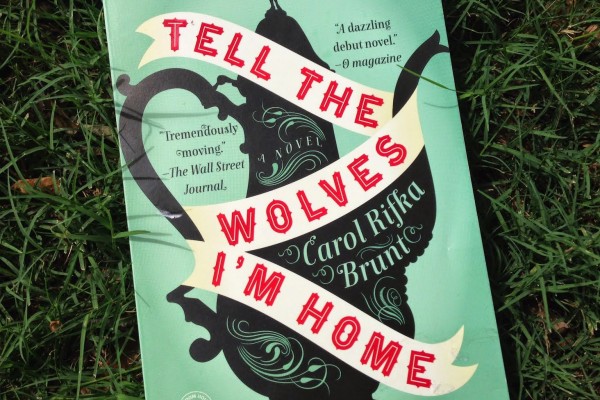
  • Tell the Wolves I’m Home Book Review — Unflinching and Raw Coming-of-Age Story

    Tell the Wolves I’m Home Book Review — Unflinching and Raw Coming-of-Age Story

    One of the best debuts from a writer, Tell the Wolves I’m Home is an emotional tour du force

    Once in a while a book comes around that reminds me why I love books. It reminds me why I love books about real people. It reminds me why I don’t need an epic to feel like I’ve lived an entire life through a book. Tell the Wolves I’m Home is one of those books, which is even more impressive considering it is a debut.

    Tell the Wolves I’m Home tells the story of June Elbus an appropriately weird 14-year-old girl from New York. Her love for the middle ages, which includes her going into the woods and pretending she’s from that time wearing medieval boots, is really only understood by her Uncle Finn, a retired artist from New York City. Her relationship with Finn is one that she believes no one else can understand. She loves her uncle in a way that most people love their spouse. That’s why his slow decay due to AIDS is affecting her in a way that no one else seems to understand.


    However, her uncle still communicates with her through notes that he left her that are being delivered by a man that her family seems to despise. One of the notes tells her to “take care of him,” which June does out of respect for Finn, but eventually begins a relationship with the man that makes her understand what it is to love.

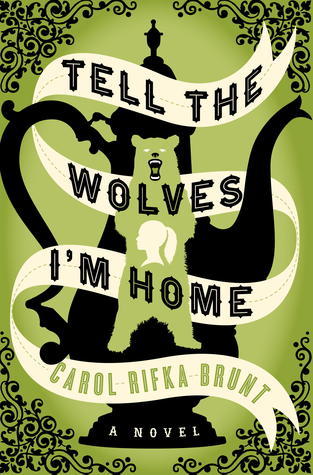
    tell the wolves I'm homeComing-of-Age is a hard genre to master without falling into a formula, however where any other novel would zig, Brunt seems to zag. Her portrait of June is one of the deepest character studies I have ever read. June’s insecurities and growth are so beautifully captured in prose instead of using big set pieces. One of my favorite instances was a passage where she describes what going to a party is like for her:
    “That’s what being shy feels like. Like my skin is too thin, the light too bright. Like the best place I could possibly be is in a tunnel far under the cool, dark earth. Someone asks me a question and I stare at them, empty-faced, my brain jammed up with how hard I’m trying to find something interesting to say. And in the end, all I can do is nod or shrug, because the light of their eyes looking at me, waiting for me, is just too much to take.”


    Brilliant passages like that are given throughout the book and encompass so many themes. June’s relationship with everyone in her world was drawn out with so much detail. From her relationship with her mother whose own grief doesn’t seem understood to June, her relationship with Finn that represents true love, to her complicated relationship with her sister, Brunt has an understanding of the way humans interact with each other.

    In the end, Tell the Wolves I’m Home is an epic meditation on love, grief, change, and the necessity of growing up that disguises itself as a young adult coming-of-age. Though the tropes of our odd heroine, major life event, and life-changing relationship are there, Brunt uses them in a way that I don’t think has been committed to the page before. 9/10

    Tell the Wolves I’m Home is available in paperback, hardcover, and e-book on Amazon!

  • Get In Trouble Book Review — A quirky and fun short story collection

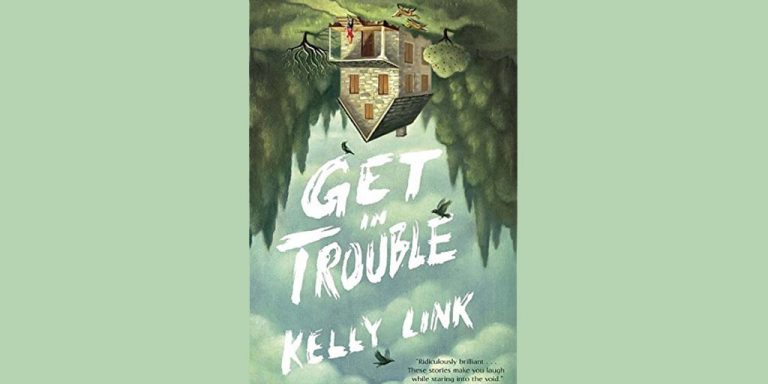
    Get In Trouble Book Review — A quirky and fun short story collection

    There are a few gems among Kelly Link’s short story collection Get In Trouble that are certainly worth the trouble of reading

    I wasn’t sure what to expect going into Kelly Link’s short story collection Get In Trouble. I never read a short story collection before it and I had my apprehensions. However, after just hearing praise after praise about the book and watching the anthology movie “Wild Tales,” I was convinced.


    Diving into the book, I didn’t know what to expect. All I knew was that each story has a supernatural element to it. Reading the first story “The Summer People” was a great representation of the rest of the stories in the book. It tells the story of Fran, a teenager in rural North Carolina who takes care of the homes of the people who come to vacation in the town in the summer. However, after her mother mysteriously disappears, she is in charge of taking care of the “summer people,” a group of fairy-like creatures who enjoy playing tricks, but also help provide you with the magical remedies you may need.

    The story sets up Link’s distinctly “en media res” style that gives you more background on the characters and stories that take some novels 50 pages to do. Despite the high-concept of a lot of the stories, Link anchors each in the characters.


    For example, “Origin Story” opens on a 15-year-old from Iowa, as she arrives at a hotel to meet up with an older man she met online. At the hotel, two vastly different conventions are occurring: a dentist convention and a superhero convention (like actual superheroes with superpowers). However, the girl thinks nothing of the superheroes. That’s the thing with Link’s worlds. What would be abnormal or supernatural in ours are mundane in hers. The superheroes fade into the background and in the forefront is this “who am I?” exploration of this 16-year-old girl.

    However, there is one thing that I couldn’t get past that hurt the book as a whole for me. While each story is such incredible deep dives into the characters, and the worlds are realized with such soft strokes but are still easily visualized, the plots of each story don’t seem to hold up. I understand each story is its own short character study, but each story doesn’t feel like it has a payoff. They almost feel incomplete save for a couple that felt full circle.

    Maybe I’m just not built to read short stories or maybe I tried too hard to find some satirical meaning behind each narrative, but if you enjoy them then, by all means, you might love Get in Trouble.

    Despite my issues with some of the stories, I will say that Link’s prose is some of the most beautiful I’ve read in recent memory. Passages like,

    “The boy is loved. The loved one suffers. All loved ones suffer. Love is not enough to prevent this. Love is not enough. Love is enough. The thing that you wished for. Was this it?”


    After this wave of YA, easy-to-digest prose, it’s refreshing to read such mature writing that doesn’t patronize the reader. Kelly Link is such an incredibly talented writer. Her world-building is unlike any other author I’ve read recently. She does it with such ease and without the bulkiness of exposition. If you’re looking for an impeccably written set of quirky fairy tales, then Get in Trouble will do the trick. But if you’re looking for twists and payoffs, then I’d stay away.

    7/10

    Get Get in Trouble on Amazon!

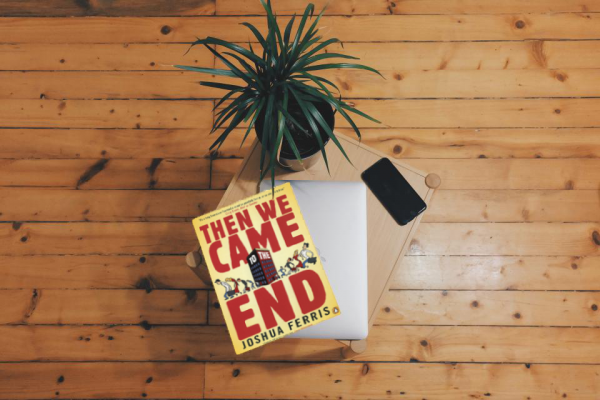
  • Then We Came to The End Book Review — Poignant, funny, and tragically real

    Then We Came to The End Book Review — Poignant, funny, and tragically real

    Joshua Ferris’ Then We Came to the End is equal parts stinging satire of working and moving character study about the meaning of life

    For me, the best way to tell how I felt about a book is looking at my reaction to the ending. I’m not talking about my reaction to what happens, but more how I feel towards finishing the book and putting it down.Then We Came To The End made me feel something that I rarely feel in finishing a book: the desire for it to go on. Most books end in a satisfying way and I think that’s great. It’s great to come to the end of a book and think that the payoff was worth the journey. But the hilarious, somewhat tragic, and in the end an all-too-real look at the lives of everyone in the workforce had enough to go on.


    When I first read this book I was in high school and probably still working at my first job ever as a sales associate at Toys R Us (but that’s a story for another day). I loved it. I thought it was a hilarious take on adulthood and this “real world” that everyone worries about. But reading it a second time when I am now a college graduate working in the so-called real world it turned into this shockingly accurate and tragically real look at what it is to work in an office.

    Ferris’ writing is a work of genius. He includes passages of stinging humor like:

    “It was madness to leave without your useless shit. You came in with it, you left with it–that was how it worked. What would you use to clutter a new office with if not your useless shit?”

    But he also interjects surprisingly vivid and resonant sections.

    “One topic — that was all we knew and it tyrannized every conversation. We fell into it helplessly, the way jilted lovers only know one subject, the way true bores never transcended the sorry limitations of their own lives. It was a shrill, carping, frenzied time, and as poisonous an atmosphere as anyone had ever known — and we wanted nothing more than to stay in it forever.”

    But the real genius comes from his decision to write the book from the perspective narrator that refers to everyone in the office as a collective “we.” Not only is it fitting because often in a corporate setting you are made to work on a team, it also includes the reader in on the group. You hear the inside jokes. You hear the rumors sweep the office. You are as much of a participant in the book as the characters are. The entire book is structured as if you are hearing a story being relayed from person to person through the office.


    The payoff is the final chapter, which I hope is why the title of the book refers to an end. After spending nearly 400 pages with these characters we are forced to say goodbye. Some we have to let go of because of tragedy. Some we have to let go of because contact was lost. However, what remained the same in these goodbyes was the fact that as each character departed, I felt a pang of sadness. I feel like I knew the character like he or she was a real person and I was never going to see them again.

    Not everyone is going to love Then We Came to the End (just look at its Goodreads rating) because it’s not a book that’s written for everyone. It’s a book written for the subset of society that has alarms set for 7:30am and has to be at work at 9am. It’s for the people that can’t wait to hear a piece of office gossip. It’s for the people look forward to noon when they get one hour of freedom. For those people, this book will be a hilarious and poignant look at 8 hours of their day. But more than that it begs the question: “is this really the meaning of life?” For others, the humor will be hit or miss and the characters could be annoying or not relatable. For us, these characters are you and me.

    10/10

    Then We Came to the End is available in paperback, hardcover, and e-book on Amazon!

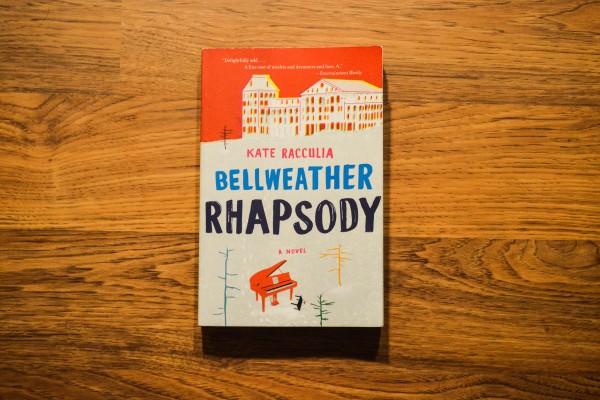
  • Bellweather Rhapsody Book Review — A Compulsively Readable Dark Comedy Mystery

    Bellweather Rhapsody Book Review — A Compulsively Readable Dark Comedy Mystery

    Bellweather Rhapsody is a coming-of-age drama and whodunit mystery wrapped into a quirky dark comedy

    Agatha Christie, The Shining, and Stephen King are all directly referenced in Kate Racculia’s sophomore effort. However, they are more than just reference because they shape the book itself. Bellweather Rhapsody is simultaneously a “whodunit” mystery, teenage coming-of-age dramedy, shifting character study, and even more. But Racculia balances the genres so deftly with her off-kilter characters that in the end, this odd comedic tragedy becomes something profound in the end.

    Though Bellweather Rhapsody follows six main characters with countless minor characters, the main focus is a set of twins: the Hatmakers. Alice Hatmaker is a star on the rise. At least she thinks so. She even keeps a journal that she wants to eventually become her biography when her star has finally faded. For her, the world, the sun, and universe revolve around her. She doesn’t hope she will be a star, she knows she’s going to be. Her brother on the hand is a much more down-to-Earth teen who simply wants to get through life without embarrassing himself.


    However, let me bring it back to the beginning. 1982 in the Bellweather hotel in upstate New York to be exact where a gruesome murder-suicide rocks the world of Minnie Graves. Not only does it leave a permanent scar on her delicate young psyche, it also shoves her head deep into the world of horror movies, which Racculia pulls heavily from. Fast forward to 1997 when the Hatmaker twins, stars of the school’s chorus and orchestra, are selected to join the Statewide music festival, the pinnacle of high school music in the state, at the Bellweather.

    Alice, the more rambunctious and ambitious of the two, is looking forward to cementing her place as a star on the rise. Rabbit (Bertram), on the other hand, just wants to figure out a way to come out to his sister. Neither of them, along with their chaperone Natalie Wilson, quite know what the old beast of a hotel has in store for them.

    The twins’ dynamic drives so much of the emotional heft of the book. Despite the world seemingly crashing down around them (or the hotel for that matter at least), what’s more devastating is the prospect of the Hatmaker twins not being together as the shadow of college approaches them. This triggers two entirely different responses from them, which leads to two distinct coming-of-age stories.

    While the complex whodunit mystery is the main plot that connects the characters, it’s the study of them that makes the book so compelling. There’s Natalie who has to come to terms with her guilt. Rabbit who is trying to find the right time to come out to his sister and come out of her shadow. Alice comes to terms with her imminent stardom possibly not being so imminent. The hotel is simply an incubator for these people to grow up and grow past their hardships in life.

    What I love most about the book is that it doesn’t play slave to its genre’s boundaries. Yes, it’s a mystery. Yes, it’s a dark comedy. Yes, it’s a coming-of-age drama. But the mystery isn’t filled with red herrings and it doesn’t try to throw you off its trail. The dark comedy doesn’t tread on desperation. The coming-of-age doesn’t feel melodramatic. Plus, it’s all tied together by Racculia’s ability to emote so beautifully through her words:

    “This is why. This is why. This is why he plays, why he loves, why he listens. It isn’t even a high — a high is too low — it is synchronicity, with the universe. Physical proof of the three-part harmony between body and soul and song, all three living, dying, resonating.”


    Sometimes her writing meanders through self-introspection instead of forwarding the plot, which sometimes slips out from under you, but the story and trajectory itself are so unpredictable that in the end, you feel satisfied. And it you are someone who loves twists, they are carried out so beautifully here. While she drifts when it comes to characters, she trusts her reader enough not to over explain the story and that’s something that is so sadly rare these days.

    Bellweather Rhapsody is a crowd-pleaser like no other. It balances its genres in a way that it becomes something entirely different in itself. It’s compulsively entertaining, thrilling, and sometimes even downright hilarious. There are books that you can read in one sitting, then there the ones that you need to read in one sitting. Bellweather Rhapsody is the latter. You won’t be able to put it down.

    8.5/10

    Get Bellweather Rhapsody on paperback, hardcover, or e-book on Amazon!

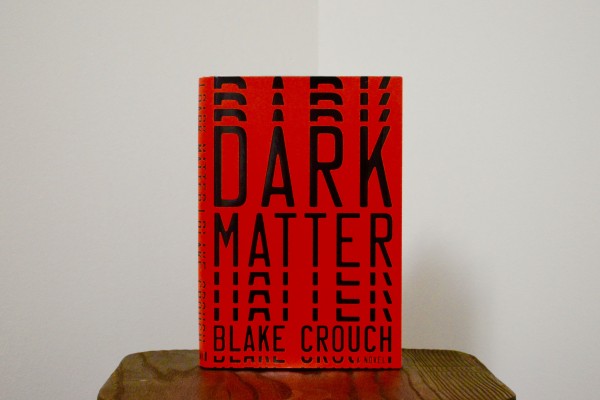
  • Dark Matter Book Review — A tense, well-plotted thriller

    Dark Matter Book Review — A tense, well-plotted thriller

    A quick and efficient page turner, Dark Matter doesn’t bring anything too new to the genre, but it is certainly entertaining enough to keep you reading

    If you read the premise of Dark Matter, you don’t immediately see anything terribly original or grout-breaking. A man doesn’t know it but the entire world he knows is about to be ripped away from him. It sounds like the premise for nearly any crime thriller made and the book starts that way. Jason Dessen has the perfect wife, the perfect son, and the perfect life. At least in his eyes. We meet Jason as he and his family are in the middle of family night. Who legitimately has a family night? However, when he mentions to his wife that he was invited out to a bar by a friend, she doesn’t hesitate to tell him to go. What significant other would say that without resistance? It’s too perfect and too polished.


    As the book goes on, more and more of these typical scenarios play out. He meets up with an old college roommate who has become a prize-winning scientist in the field of astrophysics that Jason is no just an undergrad professor in. Naturally, Jason feels jealousy and regret since he made the decision 15 years ago to have his son Charlie with his wife Daniela, effectively killing his career in science.

    You can pretty much call everything that happens in the first third of the book. You can even call what happens when a mysterious masked figure kidnaps Jason at gunpoint and leads him to an abandoned factory in a run-down part of Chicago. When Jason wakes up after being stuck with a needle he is surrounded by people in hazmat suits who seem to know him.

    However, that’s where the predictability stops. From there, I had no idea where the book would go and when I thought I did it would quickly veer away. His keeps the plot tight and lean, which makes it a page-turner from start to end. However, there are places that I wish he would expand and made me want to pull my hair out wondering what will happen next. At a certain point I could be confident that in the next couple pages my questions will be answered.

    And because of the leanness of the book, you’re left with shallow characters that you only care about because you’re told to. The only intriguing characters are ones that you get limited time with, which again makes you want to know more about them and their motivations. This book could easily have been twice as long and still be as entertaining and thrilling.


    That being said, I thoroughly enjoyed my time reading this book. It’s smart, sometimes too much for its own good, and masterfully laid out. As Jason falls more deeply entangled in this deranged plot, he begins to have questions about his own sanity and meaning. I can’t talk more about it without spoiling the plot, but Dark Matter brings up some interesting questions about the decisions that we make and how they affect our lives and the world around us.

    I don’t think Dark Matter brings anything terribly new to the table, but Blake Crouch knows how to tell an engrossing story. Despite a rocky start, he pulls the book together into a genuinely interesting and human thriller. Even if his characters feel contrived and the plot to some extent feel familiar, Crouch has written a page turner from beginning to end.

    7/10

    Get Dark Matter in paperback, hardcover, or e-book on Amazon!

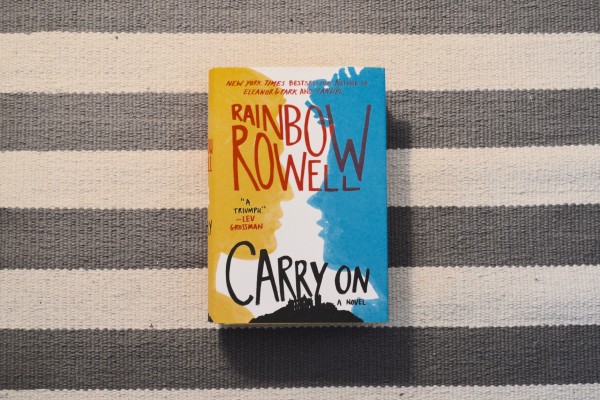
  • Carry On Book Review — A Harry Potter satire that is just as magical

    Carry On Book Review — A Harry Potter satire that is just as magical

    Carry On by Rainbow Rowell is a sharp and hilarious satire of Harry Potter featuring the worst chosen one ever

    Simon Snow is the worst “chosen one” that has ever existed. That’s pretty much the line that drew me to Carry On. Rainbow Rowell is known more for her books like Eleanor & Park and Fangirl — pretty standard YA “outcast” fiction. But her first journey into fantasy was done so well that I wouldn’t be surprised if her next few novels are in the genre.

    Carry On takes place in a magical world where magicians attend a school called Watford to hone their skills. Watford is run by a headmaster known as “The Mage” who takes an orphan boy under his wing because he believes that he is “the chosen one.” If you’re not catching a clear comparison here, then this should clear it up:

    • Non-magical beings are completely unaware of the magical world and are called “Normals”
    • Students are paired with their roommates through a crucibleMagicians use wands — along with rings, staffs, and other objects — to direct their spells
    • Spells are phrases like “up, up, and away” and “some like it hot”
    • There is a coven that is a board that handles all things political in the magical world
    • There is a powerful being threatening the very fabric of the world called “The Insidious Humdrum”


    Did you get it yet? Carry On is for all intensive purposes a satire (rip-off?) of the Harry Potter series. I didn’t learn until after I read the book that it was actually based on fan fiction written in Rowell’s previous novel, Fangirl. Which is why the book feels so familiar. In Fangirl, the series is meant to be a parody of Harry Potter. But as it’s own novel, it becomes a really well-made and unique satire that has strong enough roots to stand on its own as a unique novel.

    Starting en media res, we are first introduced to Simon Snow in his last year at Watford. After surviving a goblin attack — the goblins decided that whoever kills him becomes their King — he returns to Watford. Throughout the beginning of his book he is obsessed with the whereabouts of his roommate, Tyrannus Basilton Grimm-Pitch or Baz, as he’s known. Baz is Simon’s sworn enemy and Simon is sure that he is up to now good. Throughout the book the two take swipes at each other and keep track of the other’s movements. However as the book switches perspectives, which it does every couple pages or so, we learn that there could be more than meets the eye.

    But what made Carry On so fun and charming was that Rowell didn’t take the story and the world too seriously. There are silly YA romance moments that would make you roll your eyes in any other book. But Rowell embraces the silliness. She was not out to create high-art. She created a hilariously fun world filled with magicians and vampire and merewolves (mermaid-werewolves for you uncultured swine).

    Not only that, she embraces the book’s roots in Harry Potter and turns them on their head. Rowell is able to create a plot and characters that are so distinct that any comparisons fade away by the end of the book. It is truly one-of-a-kind.


    In the end, the most refreshing thing about Carry On is that it didn’t concern itself with making a series. I feel as if every single YA author thinks they need to churn out a trilogy no matter what. So, they write their first novel with a trilogy planned and that chip on their shoulder is always noticeable. Carry On doesn’t have that chip. Instead, Rowell starts and ends the story in the perfect places. If the book came as a series it would be the last one, and I’m happy about that. I’d like to think that Rowell did it on purpose to poke fun at the seemingly never ending series that has plagued the genre recently. 

    7.5/10

    Get Carry On on paperback, hardcover, or e-book on Amazon!