Category: Movies

  • A movie like ‘Everything Everywhere All At Once’ has never existed before | SXSW review

    A movie like ‘Everything Everywhere All At Once’ has never existed before | SXSW review

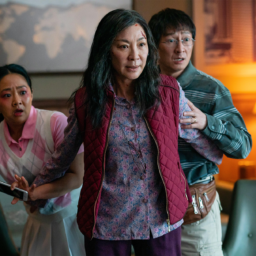
    In Everything Everywhere All At Once, an unremarkable Chinese-American woman finds out that the fate of the multiverse lies in her (and her other versions) hands.


    When I say a movie like Everything Everywhere All At Once has never existed, I mean that a movie like it has truly never existed. Though it spans countless genres, experiments with several mediums, and references dozens of films from 2001: A Space Odyssey to Ratatouille to Kill Bill to In the Mood For Love it feels so singular and assured. Director duo Daniels crafted a romp through the multiverse that is an assault on the mind as much as it is an assault on the senses. Absurd, hilarious, heartfelt, thrilling. It is one of the best movies of the year.

    Everything Everywhere All At Once is playing at the 2022 South by Southwest Film Festival.

    Everything Everywhere All At Once may be one of the most accurate movie titles in history. Filmmaking duo Daniels (Dan Kwan, Daniel Scheinert) throw everything, kitchen sink and all, into their action-thriller-comedy romp through their version of the multiverse — like the silly fever dream ideas of every person in existence brought to life in insanely colorful detail. The movie is so jam-packed that its cinematic references range from Stanley Kubrick’s sci-fi epic 2001: A Space Odyssey to Pixar’s animated Ratatouille to Wong Kar-wai’s arthouse romance In the Mood For Love. And these aren’t just throwaway references. Each movie is woven inseparably into the plot.

    That’s not to say it’s unfocused either. The movie’s story, for as complex as the lore gets, is relatively straightforward and it earns nearly every one of its digressions — yes, even the thread about humans with hot dogs for fingers and the universe where humans never evolved and are simply insentient rocks that communicate in subtitles. I’m telling you, this movie is one of a kind. But, as we know, bizarreness doesn’t necessarily make a good movie — though it certainly makes for an entertaining one. It’s how Daniels use the bizarreness to tell their story that makes it great.


    ADVERTISEMENT


    Evelyn is a Chinese-American immigrant who, along with her husband Waymond (Ke Huy Quan), owns a laundromat that she works hard to run, albeit robotically. After years on the grind she’s simply going through the motions, something that has distanced her from her husband and daughter Joy (Stephanie Hsu). It’s not even that she’s unhappy with her life — she’s simply not living it. She has one problem though: she hasn’t paid her taxes. That leads Evelyn, Waymond and her father Gong Gong (James Hong) to the IRS where inspector Deirdre Beaubeirdra (Jamie Lee Curtis) performs an audit of their business.

    But like anyone trying to pay their taxes, things quickly go awry.

    In a bit of a exposition dump that blessedly make the concept of the multiverse easy-to-follow, Waymond, or at least another version of Waymond from a different universe called the Alpha-verse, inhabits the body of… this universe’s Waymond (okay, maybe it’s not that easy to follow, but the Daniels find ways to guide you through it) and explains to Evelyn that every decision you make splits off a new universe and different version of you and your life. That means there are millions of versions of Evelyns and Waymonds. Alpha-verse Waymond explains that in his universe Evelyn created a technology that gives them the ability to jump across the multiverse into different versions of themselves.

    He seeked out this universe’s Evelyn to recruit her to help defeat the evil inter-dimensional Jobu Tupaki, another version of Joy who wants to destroy the multiverse, by teaching her how to shift between different versions of herself to access their abilities. In perhaps the most impressive fight scene of the many impressive fight scenes in the movie, Evelyn shifts into a version of herself who broke up with Waymond before they could get married and instead became a martial arts master and subsequently a successful actress — yes, it’s as meta as it sounds — and fights a version of Deidre who is a pro-wrestler. Yes, Jamie Lee Curtis gets in on the action too.


    ADVERTISEMENT


    Like The Matrix where Evelyn is Neo and Waymond is Morpheus, she must try to master the ability to jump between versions and prevent Jobu Tupaki from taking over her universe. In the process we see movie star Evelyn (an homage to In the Mood for Love), sign spinner Evelyn, and hibachi chef Evelyn which features the movie’s funniest references to Ratatouille and Guardians of the Galaxy.

    Underneath all the absurdity, though, is a well-realized exploration of the Asian and Asian-American experiences. Coming into the movie, I didn’t expect to be taken so emotionally by the movie’s deeper themes as the son of Asian immigrants. The experience of generational trauma takes form in Evelyn and Joy’s relationship — one strained by her mother’s desire to hold onto her vision of what Joy’s life should be, which is fueled by Evelyn’s father’s vision of what her life should be. The parent-child relationship has become a focus of movies lately. Perhaps because the millennial generation is now watching their boomer parents reach the later years of their lives. Daniels explore the tension of how one generation’s regrets, trauma, dreams bleed into the next but are often rejected because each generation is born into a different world.

    To try to write about Everything Everywhere All At Once is like trying to explain the dream you had last night. The details are outlandish, maybe a little fuzzy, sometimes terrifying, but often connected to something in your subconscious. Some thought or insecurity or desire deep down that is suppressed deep in your psyche for one reason or another. On its face, Everything Everywhere is a wickedly entertaining, high-octane action romp that is destined for instant cult classic status. But it has more on its mind than hot dog hands, butt plugs and world-ending everything bagels — not just more. Everything.


    ADVERTISEMENT


    More movies, less problems


    Hey! I’m Karl. You can find me on Twitter and Letterboxd. I’m also a Tomatometer-approved critic.

    💌 Sign up for our weekly email newsletter with movie recommendations available to stream.


    ADVERTISEMENT


  • ‘Jethica’ is a charming little ghost story | SXSW review

    ‘Jethica’ is a charming little ghost story | SXSW review

    When Jessica’s stalker follows her to New Mexico, she and her friend Elena look for an otherworldy solution to get rid of him

    Jethica feels like a ghost story told on a cool night next to a crackling campfire… or in the backseat of a car in an abandoned parking lot post-car sex, which is actually where Elena (Callie Hernandez) is recounting the story of how she killed someone to her hookup. As she speaks we start to see the story unfold before us with all the detail and witty tongue-in-cheek humor that any person telling a story would include. Because of that conceit, the movie is a lean 63 minutes of an interesting story well-told — and that’s what makes it great

    Jethica is playing at the 2022 South by Southwest Film Festival

    Full review coming soon.


    ADVERTISEMENT


    More movies, less problems


    Hey! I’m Karl. You can find me on Twitter and Letterboxd. I’m also a Tomatometer-approved critic.

    💌 Sign up for our weekly email newsletter with movie recommendations available to stream.


    ADVERTISEMENT

  • Patton Oswalt is Oscar-worthy in ‘I Love My Dad’ | SXSW review

    Patton Oswalt is Oscar-worthy in ‘I Love My Dad’ | SXSW review

    An estranged father tries to reconnect with his son by catfishing him on Facebook in I Love My Dad

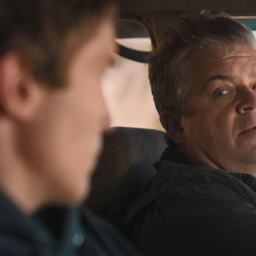
    I Love My Dad takes the Mrs. Doubtfire conceit and updates it for the modern age as a father, desperate to reconnect with his son, catfishes him with a fake Facebook profile. Director-writer James Morosini creates a funny and entertaining self-portrait of his own life while also finding ingenious ways to present our digital life in the real world. Though the movie misses the opportunity to go deeper into the character’s psyches, it never losses your attention thanks to its witty screenplay and Patton Oswalt’s terrific performance.

    I Love My Dad premiered at the 2022 South by Southwest Film Festival.

    Like Mrs. Doubtfire with a modern twist, a hopelessly estranged father catfishes his son in an attempt to reconnect in I Love My Dad. If the premise of the movie sounds like a trove of cringy moments you would be correct. Writer-director James Morosini, who also stars in the movie, knows that and lets the movie thrive even when it gets “hide your face in your hands” awkward — and trust me, it gets awkward. But what could have easily been a raunchy gross-out comedy is instead empathetic towards both of its leads. It’s unsurprising then to learn that Morosini based the movie on his own life. The opening intertitle even quips, “the following actually happened, my dad told me to tell you it didn’t.”


    ADVERTISEMENT


    The eponymous dad Chuck (Patton Oswald) is not exactly the picture-perfect father. In the opening scene, he and his young son Franklin (played by Morosini as an adult) find a lost dog. While most parents would do the responsible thing and try to find the dog’s owner, Chuck gleefully tells Franklin they should take him in before quickly disposing of a missing poster with the dog’s picture that they come across. Years later, Chuck lives hours away and is estranged from his ex-wife (Amy Landecker) and Franklin.

    Chuck tells his co-worker Jimmy (Get Out’s always terrific Lil Rel Howery) that Franklin has now cut him out completely, blocking him everywhere including Facebook, which was Chuck’s only connection with his son. Despite Jimmy’s protests — though it was vaguely his idea — Chuck creates a fake Facebook account under the name Becca (Claudia Sulewski), a waitress at a local diner, and friends Franklin — like an internet-age Mrs. Doubtfire. However, things quickly go array when Franklin messages “Becca” asking why she friended him when they don’t know each other.

    Morosini ingeniously weaves the digital and physical together by having “Becca” appear next to Franklin like they’re actually having a face-to-face conversation as they’re talking over messenger. Instead of reading text on a screen, we actually get to see the character interact and convey emotion. But the movie takes it one step further.


    ADVERTISEMENT


    Just like in real-life texting conversations, sometimes messages get lost in translation, lose their context, or are conveyed differently. Like in some moments when a character uses sarcasm, it comes out as deadpan before they clarify with a “LOL,” which the actors act out. It makes I Love My Dad an immersive experience. In another scene, “Becca” speaks in near gibberish as Chuck, texting while driving (shaking my head) types with typos. It makes the movie feel so relevant and relatable — like Kimi earlier this year — even if it takes place in the past.

    After some initial awkwardness, “Becca” quickly earns Franklin’s trust by connecting with his loneliness. Something that they discuss as they message more and more frequently. However, things take a turn when Franklin starts to form some very real feelings for the fake Becca. Although he initially tries to end contact, Chuck is quickly pulled back in as it’s the only way he’s been able to really connect with his son. Soon, though, they hit a point of no return when Franklin suggests he and Becca should meet up — with the help of Chuck. If you thought things were awkward before, they just got worst.

    It took me a moment to understand Chuck as a character. The ending, without revealing spoilers, gives him a sort of redemption — whether it’s earned will be up to you. The movie is perhaps a little too sympathetic to him without giving us a deeper explanation for his behavior or real consequence. Perhaps that’s a function of Morosini’s closeness to the story, which in a way is a sweet homage to his imperfect father. Perhaps, an imperfect but charming movie is exactly what this story deserves.


    ADVERTISEMENT


    More movies, less problems


    Hey! I’m Karl. You can find me on Twitter and Letterboxd. I’m also a Tomatometer-approved critic.

    💌 Sign up for our weekly email newsletter with movie recommendations available to stream.


    ADVERTISEMENT

  • ‘The Cow’ is empty calories | SXSW review

    ‘The Cow’ is empty calories | SXSW review


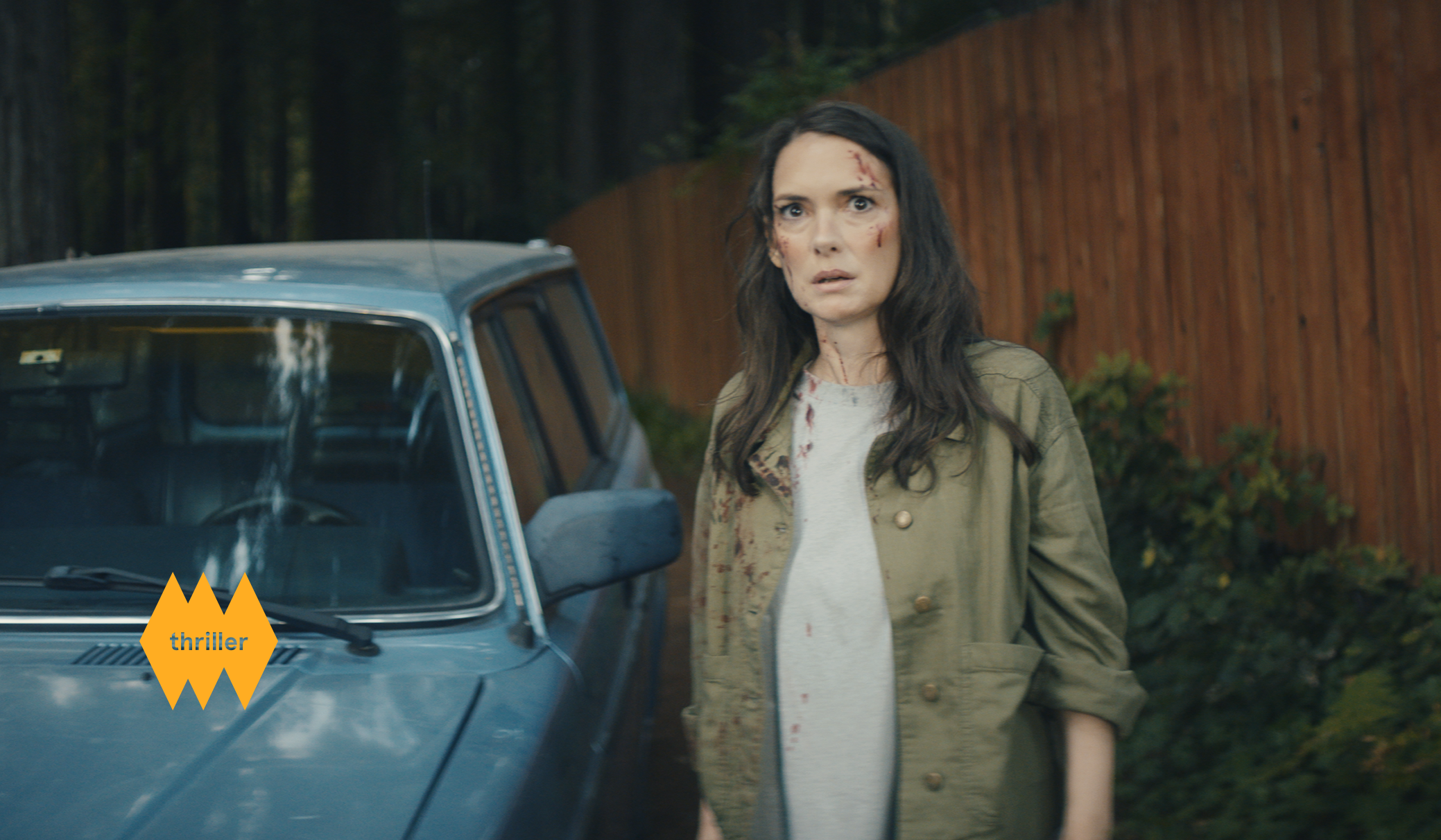
    A couple heads out to a remote cabin for a romantic getaway, but only one of them returns. The Cow follows Winona Ryder’s Kath as she unravels the mystery.

    The Cow starts and ends showing promise for Eli Horowitz as a director. However, the movie’s undercooked non-linear narrative and rough screenplay undercut any dramatic tension or character development needed for us to be engrossed by it. It’s especially unfortunate considering the movie’s intriguing premise and Winona Ryder’s starring role.

    The Cow premiered at the 2022 South by Southwest Film Festival.

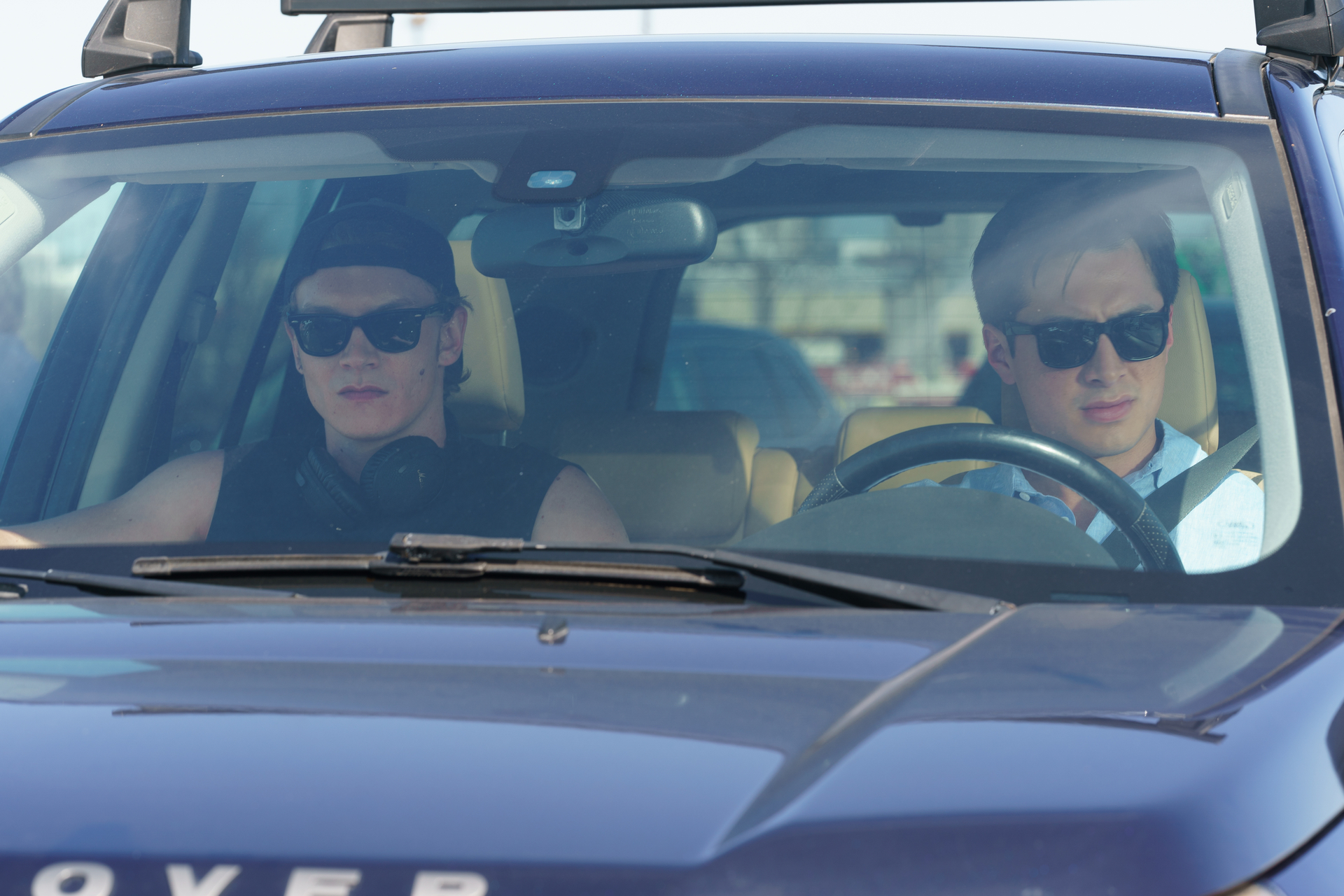
    Things are not as they seem at the start of Eli Horowitz’s feature debut The Cow, which premiered at the 2022 South by Southwest Film Festival in Austin. It’s clear, from the eerie score to the intermittent cuts to a mysterious shipping container tucked away in an overgrown field in the forest, that couple Kath (Winona Ryder) and Max’s (10 Cloverfield Lane’s John Gallagher Jr.) weekend getaway isn’t as straightforward as we’d imagine. That becomes abundantly clear when they arrive at the isolated cabin Max has booked and find another couple, Greta (Brianne Tju) and Al (It’s Owen Teague), there already. Realizing that the cabin has been double-booked, Greta invites Kath and Max to share the space for the night, to which Kath reluctantly agrees.

    After a mostly innocent night of games and conversation, Kath turns in for the night. She doesn’t feel quite right in the group. It makes sense considering there’s an age difference between her and Max, who is in his 20s like Greta and Al. When she wakes the next morning, Greta and Max are gone. When she finds Al he reveals that he found the pair hooking up and that they ran off together. A confused and distraught Kath leaves the cabin behind — and the mystery of where Max went off to. Sometime later, though, she decides that she owes it to herself to find out what happened for him to run off so suddenly. With the help of the cabin’s owner (Dermot Mulroney), she slowly finds herself unraveling exactly what happened which is more sinister, as promised.


    ADVERTISEMENT


    The Cow has a lot of ideas it’s trying to grapple with while also maintaining its mystery. Greta and Al are admonished as typical young ultra-progressives who describe that they’re together, but “not in that capitalist consumerist cis-normative bullshit way.” At another point in a flashback, one of Kath’s friends chides to Max, “who knew it was so expensive to look like you don’t give a shit.” It’s that kind of ham-fisted commentary on “wokeness” that bogs down screenplay. If you removed those scenes and only included the mystery elements The Cow would make for a compelling-enough short film.

    The final act of the movie shows the most promise for Eli Horowitz as a filmmaker as the pieces of the movie’s non-linear narrative finally form a clearer picture and moves it to a full-tilt genre movie, which I’m almost hesitant to say because the largely flat second act never gives you hints towards its conclusion. Perhaps that’s the movie’s problem. It doesn’t earn its admittedly interesting twist, and what is in place of a proper build is difficult to stomach.

    I wish I had more positive things to say about The Cow if only because Winona Ryder deserves more starring roles. And while she does the best she can with the material she’s given, it all feels like empty calories.


    ADVERTISEMENT


    More movies, less problems


    Hey! I’m Karl. You can find me on Twitter and Letterboxd. I’m also a Tomatometer-approved critic.

    💌 Sign up for our weekly email newsletter with movie recommendations available to stream.


    ADVERTISEMENT


  • Andrea Riseborough gets her moment with ‘To Leslie’ | SXSW review

    Andrea Riseborough gets her moment with ‘To Leslie’ | SXSW review

    The titular Leslie in To Leslie finds herself deep in the throes of alcoholism after winning the lottery six years earlier.

    To Leslie gets incredibly far on Andrea Riseborough’s watershed performance in the titular role. The movie’s depiction of alcoholism is raw and unflinching — until it isn’t. What begins as a deep exploration of regret, addiction, and reckoning with the past lightens to a familiar feel-good story of redemption that doesn’t feel completely earned. Still, To Leslie finds the winning numbers to get you to feel something.

    To Leslie is playing at the 2022 South by Southwest Film Festival.

    At last call on one of the many nights that Leslie (Andrea Riseborough) spends on a bender in the local bar the jukebox starts to play “Are You Sure” by Willie Nelson. He croons out the question, “are you sure that this is where you want to be?” We don’t get to know Leslie before she wins $160k in the lottery. We don’t even get to know her immediately after. We catch up with her six years later — broke, homeless, and fully in the throes of alcoholism. Screenwriter Ryan Binaco takes a risk to forego the opportunity for the audience to build empathy for the movie’s protagonist — but that might be the point. He challenges us to find something in Leslie. Something to care about.


    ADVERTISEMENT


    That’s a difficult task considering where we find her. Kicked out of the motel she’s been staying out for not paying rent, she seeks out her son James (Owen Teague, who appears in The Cow, which is also premiering at SXSW) who lives in a nearby city. When we meet James the juxtaposition with his mother is stark. He has it together. He has a job, an apartment, friends. Everything that Leslie doesn’t have. And while he’s happy to house his mother while she gets off her feet, he has one rule: no drinking.

    To Leslie’s portrait of addiction feels so grounded. Early in the movie, James confronts Leslie after his roommate’s money goes missing. In one breath, she goes from denying the accusation to playing the guilt card (“I am sick”) to digging for sympathy (“I wanna be a good mama”) to anger when she realizes she’s not going to get her way. Riseborough, a chameleon in every role she’s in, is so good that she makes you almost believe each lie — it’s second nature to her at this point. However, what is even more heartbreaking is James’ retort: “I’m not even 20. I can’t even drink yet and I have to take care of my mother.” Teague, with his limited screen time, haunts the rest of the film with that line.

    Eventually, she finds her way back to her hometown where she finds refuge behind a small motel run by Sweeney (Marc Maron) and Royal (Andre Royo). Though she’s initially run off the property, Sweeney sees something in her and offers her job cleaning rooms in exchange for a small salary and room and board. Well, if anything, he tricks her into taking a job by acting as if she applied for one. It’s like he knows that it has to be her idea for her to commit to it. As the story unfolds, we’ll learn exactly why Sweeney has taken such an interest in Leslie, and why he’s so adept at dealing with such a severe alcoholic. And as their relationship unfurls, Leslie gets her redemption.


    ADVERTISEMENT


    The differences between the first and second halves of To Leslie are stark. Where the first half feels like an intimate and sometimes brutal vision of addiction, the second takes on a feel-good underdog narrative. At times, it feels like the plot is too easy and devoid of conflict. As the first half is unflinching, the second flinches. Thanks to Riseborough and Maron’s charming performances and terrific chemistry it doesn’t completely lose your attention, but it never reaches the heights of its opening scenes.

    Director Michael Morris’ talents are on clear display here, particularly in the well-calibrated performances. But the story left me yearning for more. There are so many threads that we could have followed. A deeper exploration of Leslie’s psyche and how winning the lottery drove her so deep into a hole, more background on Sweeney’s past, and Leslie’s relationship with relative Nancy (Oscar winner Allison Janney), who at some point took James under her wing and came to resent Leslie in the process. Despite its shortcomings, there’s something in To Leslie that got to me. Maybe it’s earnestness. It made me feel something. It made me feel something for Leslie, and that’s all it wants for its audience: empathy.


    ADVERTISEMENT


    More movies, less problems


    Hey! I’m Karl. You can find me on Twitter and Letterboxd. I’m also a Tomatometer-approved critic.

    💌 Sign up for our weekly email newsletter with movie recommendations available to stream.


    ADVERTISEMENT

  • ‘Sissy’ skewers millennial culture | SXSW review

    ‘Sissy’ skewers millennial culture | SXSW review

    Sissy follows a young influencer who has to face her childhood bully during a bachelorette weekend in the Australian bush. It doesn’t go well.

    In the vein of last year’s Promising Young Woman, Sissy takes a bubblegum pink-colored satirical approach to tackle its bleak subject matter to devilishly entertaining and constantly surprising results. Paired with a star-making performance from Aisha Dee, Sissy is a multi-hyphenate genre must-see.

    Sissy is playing at the 2022 South by Southwest Film Festival.

    Go watch Sissy. I’m telling you this now because the fun of the movie is to watch the precarious balancing act between tones and genres that writer-directors Hannah Barlow and Kane Senes perform — and the less you know about their plan the better. Your ignorance is their weapon. But don’t worry, they’ll reward you when the movie shifts into high gear.

    Still not convinced? Read on, but you’ve been warned.


    ADVERTISEMENT


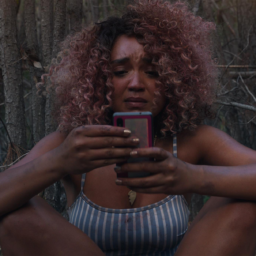
    The movie begins with Cecilia (Aisha Dee) staring straight into the camera with a warm sincere smile as she tells us, “I am loved. I am special. I am doing enough.” As the camera pulls out, we realize that we’re watching an Instagram Live and that Cecilia is a wellness influencer — or “mental health advocate” as she puts it. It’s easy to figure out because as soon as she’s finished with her mantra she begins to sell us on a face mask cheekily called “Elon Mask.”

    It’s the perfect way to introduce us to Sissy’s hyper-stylized tongue-in-cheek world. As the live ends, the facade cracks and we see that Cecilia’s life is in a lot more disarray than the perfectly curated pastel backdrop that her live took place on. Her apartment is a mess as she obsessively watches as the likes and comments on her video pour in.

    The juxtaposition between Cecilia’s online persona and her real-life one is exacerbated when she runs into her childhood BFF Emma (Barlow) — who still calls her by her childhood nickname “Sissy” — who she hasn’t seen in more than a decade. Cecilia is taken aback by the encounter but fortified when Emma is impressed by her online success and is invited to her engagement party where she is subsequently invited to Emma and her fiancé Fran’s (Lucy Barrett) bachelorette weekend at a house in the Australian bush. Unexpectedly for Cecilia, the house belongs to Alex (Emily De Margheriti), her childhood bully who also happens to be Emma’s maid of honor. Yes, it’s as awkward as you think it is. It seems that old habits die hard.

    Then, things take a turn.


    ADVERTISEMENT


    What begins as a satirical comedy about millennial culture quickly turns into a full-out horror-comedy slasher send-up as tensions rise to a boiling point. And when I say a slasher, I mean a slasher with bloody brutal kills that would make Wes Craven proud. It’s an unexpected turn for a movie that teases that it has more up its sleeve, but nothing as absurd as a bloody bathtub scalping by way of rejuvenating spa.

    I’m going to keep details sparse about how the movie gets there. That’s part of the fun, but its themes are clear. In the same vein as Promising Young Woman, Sissy directly juxtaposes its dark subject matter with a hyper-stylized bubblegum pink-colored lens. In particular, it focuses on the millennial impulses of success, clout chasing, and the desire to be better without getting better.

    Sissy is a hard movie to pin down in the same way that it’s hard to pin down any of its characters — Daniel Monks‘ Jamie and Yerin Ha‘s Tracey complete the cast. This is a movie without any real heroes. That is, except for Cecilia. Aisha Dee’s star-is-born performance keeps you completely captivated in her, even when your sympathies start to wane. By the end, Sissy will have you cheering for more carnage — and carnage it will deliver.


    ADVERTISEMENT


    More movies, less problems


    Hey! I’m Karl. You can find me on Twitter and Letterboxd. I’m also a Tomatometer-approved critic.

    💌 Sign up for our weekly email newsletter with movie recommendations available to stream.


    ADVERTISEMENT
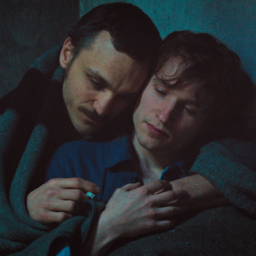

  • Queer prison drama ‘Great Freedom’ finds hope | movie review

    Queer prison drama ‘Great Freedom’ finds hope | movie review

    Great Freedom is an intimate prison drama that follows a gay man over decades as he is repeatedly imprisoned as a part of Germany’s outdated anti-gay laws.

    While Great Freedom takes place during a dark time in Germany’s history, its hopeful story filled with empathy doesn’t feel anything less than authentic and, against all odds, enjoyable. Taking notes from Shawshank Redemption, director Sebastian Meise’s telling of gay men persecuted under Germany’s strict anti-homosexuality laws is epic-in-scope but intimate in its execution. Without becoming overwrought, it feels genuine to the queer experience.

    Great Freedom will open at the Film Forum in NYC on March 4 and Laemmle Royal in Los Angeles on March 11.

    Great Freedom begins in 1968 with a series of hidden camera videos from a public restroom where various gay men cruise for sex. One of the men in those videos is Hans Hoffman (Franz Rogowski) who seems all too comfortable with the prospect of going to prison for two years for “homosexual acts” which are outlawed in West Germany. That’s because this isn’t Hans’ first time. In fact, he’s been in and out of the same prison since 1945. In the prison, Hans, and the other men imprisoned for the same crime, are called “175ers” after paragraph 175 of the West German criminal code which outlaws homosexuality.

    For Hans, the prospect of being locked up in prison versus spending his life metaphorically locked up in the outside world is an easy choice. Plus, he seems to have prison life down pat. As he starts his most recent stint he doesn’t need the guard to tell him the booking procedure, he performs it as if it’s second nature. When he passes the threshold he thrives. He knows how to work the system to get what he wants much like his friend Viktor (Georg Friedrich) who has been inside for decades.


    ADVERTISEMENT


    It’s a jarring place to start a prison drama. Things just seem so peaceful. It’s like Hans is back home and Viktor has his friend back. We’re so accustomed to seeing struggle in prison. Instead, we see the opposite. However, when Hans gets locked up in solitary confinement — a hellish pit where he has to remain with no light, no clothes, and nothing but a bucket to relieve himself in — the darkness makes way to the past. To 1945, specifically, when Hans is first imprisoned and meets Viktor.

    We’ll flashback a few times throughout Great Freedom to moments both big and small. Like Hans and Viktor’s first meeting where Viktor repeatedly kicked Hans out of his room for being a “175er” or a tender moment later when Viktor offers to cover Hans’ number tattoo that he was given when he was in a Nazi concentration camp. The movie jumps around in time to not give us a full picture of either character, but just enough to understand them.

    We’ll also see Hans with other men. Lovers, specifically. In 1957, Hans is back in the prison, but this time with his live-in partner Oskar (Thomas Prenn) who, unlike Hans, hasn’t gotten a chance to adjust to their prison setting or accept the prison they live in outside. “I want to be fearless too,” Oskar says in a note to Hans that is read in voiceover as film images of the couple’s trip to a lake play on the screen — it’s one of the few cinematic flourishes director Sebastian Meise adds in. Hans is almost too much of a hopeful romantic with Oskar, a vision that is quickly shattered.


    ADVERTISEMENT


    Later on in 1968 Hans is once again imprisoned with a lover. This time it’s Leo (Anton von Lucke), a teacher who has an encounter with Hans in a public bathroom. This time, however, a tender Hans understands that sometimes love isn’t all the hopeful. It’s a remarkable portrait of what oppression can do to a person. That’s part of the wonder of the screenplay by Meise and Thomas Reider. The movie is less of a story than it is an exploration. If anything, it’s when the movie tries to push a plot that it loses some of its authenticity.

    Shawshank Redemption is maybe the easiest comparison to make to Great Freedom. Obviously, both movies share DNA as prison dramas and focus on a specific friendship at its center, but the connection goes even deeper. Both stories struggle with what freedom really is. What is it to be in this world when this world isn’t made for people like you? Great Freedom’s final sequence, easily the best of the movie, answers that question. To be accepted is to be with people you love, no matter where they are.


    ADVERTISEMENT


    More movies, less problems


    Hey! I’m Karl. You can find me on Twitter and Letterboxd. I’m also a Tomatometer-approved critic.

    💌 Sign up for our weekly email newsletter with movie recommendations available to stream.


    ADVERTISEMENT


  • Hellbender is a coming-of-witch family affair | review

    Hellbender is a coming-of-witch family affair | review

    Hellbender follows a young teen’s coming-of-witch journey as her mother slowly reveals her and her family’s true nature

    Hellbender is a lo-fi punk rock horror assault on the senses that marks yet another fascinating entry in the coming-of-witch subgenre that has slowly crept its way into the canon — The Witch, The Craft, and Thelma first come to mind. Upstate New York filmmaking family The Adams make up for the movie’s rough edges with its pure audaciousness and genuine creeps that get under your skin. If you don’t know their name now, learn it.

    ▶︎ Streaming on Shudder

    The opening scene of Hellbender is a heavy metal assault on the senses as a group of women try (and fail) to kill another by hanging her. When that doesn’t do the trick, a revolver’s worth of bullets go into her head which the woman — or creature? — shrugs off. When the group tries to end it with a knife, she takes off into the sky screaming and aflame giving way to the movie’s title card accompanied by one of the few songs on the movie’s punk rock soundtrack.

    The scene gets under your skin and makes you feel dirty, which is a compliment considering what The Adams’ intentions are.


    ADVERTISEMENT


    However, before the creeps continue we’re treated to a mini-concert in a makeshift studio in a basement. The band members are 16-year-old Lizzie and her mother (played by real mother-daughter duo Zelda Adams and Toby Poser). The band’s name: H6LLB6ND6R (the family wrote and produced all the music featured in the movie). Their off-the-grid mountaintop existence is explained by a rare autoimmune disorder Lizzie has had since birth. But, blessedly, the movie makes clear that that is not the case.

    Unlike other supernatural coming-of-age movies, one of the virtues of Hellbender is its complete transparency about the kind of movie it is, as evidenced by its opening scene. That isn’t the mystery of the movie. Instead, the movie focuses on Lizzie’s own discovery of her powers after her first encounter with another teen (Lulu Adams) and her relationship with her mother, whose sole mission is to protect Lizzie from herself. Well, maybe also protect others from her too.

    Eventually, Lizzie’s mother reveals that she is a Hellbender, “a cross between a witch, a demon and an apex predator.” The way that the mythology unfolds is trippy and mesmerizing as we learn that consuming life — until now Lizzie was kept on a strict diet of foraged food from the forest — unlocks their powers. The imaginative sequences of magic are awe-inspiring but also devilishly creepy in a surrealistic way.


    ADVERTISEMENT


    Of course, things take a turn and we eventually learn the curses of being a Hellbender. Still, the movie never loses focus of its mother-daughter narrative, even when going full-tilt horror. Hellbender doesn’t waste a second of its lean 86 minute runtime and it’s all the better for it.

    You have to admire The Adams and their pure ambition as a self-taught filmmaking family. Sure, Hellbender isn’t perfectly crafted. But what it lacks in precision it makes up for in pure charm. You can feel the family’s love of their craft wafting through the screen. They aren’t trying to emulate anything that has come before them. It’s a completely singular project that reminds us that anyone can be a filmmaker. You just have to have the audacity to do it. The Adams have the audacity — and then some.


    ADVERTISEMENT


    More movies, less problems


    Hey! I’m Karl. You can find me on Twitter and Letterboxd. I’m also a Tomatometer-approved critic.

    💌 Sign up for our weekly email newsletter with movie recommendations available to stream.


    ADVERTISEMENT


  • 10 Great LGBTQ Films with Happy Endings (and where to stream them)

    10 Great LGBTQ Films with Happy Endings (and where to stream them)

    LGBTQ films have finally started to break into the mainstream and spread the message of love, acceptance, and understanding

    As a closeted gay kid growing up in the suburbs of New Jersey, one of the greatest things I could turn to for comfort and understanding is LGBTQ films. There I could see people experiencing what I was experiencing and, in some, I would find hope that one day I would be able to be who I was unabashadly.

    So many movies about marginalized groups, whether BIPOC or queer, focus on the struggle. Few, however, show the beauty and joy that could happen outside of that struggle. Here are a few LGBTQ films with happy endings to give you comfort, hope, and joy.

    The Birdcage (1996)

    The Birdcage LGBTQ Films with Happy Endings
    Nathan Lane and Robin Williams in The Birdcage. Courtesy of United Artists.

    Here’s what it’s about: Armand Goldman (Robin Williams) owns the drag cabaret The Birdcage with his life partner Albert (Nathan Lane), who’s also the star performer. When their son Val (Dan Futterman) announces he’s getting married, they’re forced to put up a false straight front to host his fiance’s ultraconservative parents (Gene Hackman and Dianne Wiest).

    Why you should watch it: Since Nichols and May started their careers as an improv comedy duo, The Birdcage was almost the perfect story for them to adapt. The premise itself is like an improv prompt. However, like their best work, they guide the story and the actors to the edge of ridiculousness, but never let it go over — even Nathan Lane whose performance is as bombastic as ever leans on the side of high camp rather than slapstick.

    And while the story is ripe for stereotypes and cliches, they never let it get there. Instead, they take their time and pace themselves allowing for us to explore, get to know and, most importantly, fall in love with every single character. It’s perhaps one of the best comedic ensembles of all time with every actor getting their moment to steal a scene whether it’s Hank Azaria’s high-camp Guatemalan housekeeper repeatedly falling over because he’s not used to wearing shoes or Christine Baranski playing Val’s biological mother prancing around her office or Williams directing Albert’s cabaret performance.

    ▶︎ Buy or rent on Amazon


    ADVERTISEMENT


    The Half of It (2020)

    The Half of It LGBTQ Films with Happy Endings
    Leah Lewis, Daniel Diemer, and Collin Chou in The Half of It. Courtesy of Netflix.

    Here’s what it’s about: Ellie Chu (Leah Lewis) is a straight-A student who helps her father with the bills by writing papers for other students, which is why she’s approached by sweet, but hopeless jock Paul (Daniel Diemer) for help writing love letters to the school’s misunderstood it-girl Aster (Alexxis Leimer). While Alice and Paul’s friendship develops, so do Alice’s feelings for Aster.

    Why you should watch it: On the surface, The Half of It is a serviceable high school dramedy. However, at its core, it’s a sensitive character study of identity and how the town we grew up in shapes it, for better and worse. And though it only skims the surface of sexuality, it’s distinctly queer. The gaze is queer. The themes are queer. This is a movie that only a person that has experienced it could accomplish. And although it has all this complexity, it still has the moments of joy and levity we crave in a coming-of-age. However, those moments happen where — and between characters — we least expect them. This is a love story. But not between who you think. 

    There’s a chance The Half of It fades into the background of the multitudes of Netflix romantic comedies that are shuffled away in the mysterious algorithm. But I hope that the right audience sees it. It feels like a cliche now, but if I had seen this movie when I was a kid, I feel like the world would have been different for me. I’d see it differently. I’d understand myself and how to love differently. I’d understand that confusion is just a part of understanding. And that running after a train may look ridiculous, but that’s love. Read my full review here.

    ▶︎ Streaming on Netflix


    ADVERTISEMENT


    The Handmaiden (2016)

    LGBTQ Films with Happy Endings - The Handmaiden
    Kim Tae-ri and Kim Min-hee in The Handmaiden. Courtesy of Amazon Studios.

    What it’s about: A grifter (Kim Tae-ri) teams up with a con-man (Ha Jung-woo) to swindle an heiress (Kim Min-hee) out of her fortune. However, when real feeling begin to develop, the con gets out of hand.

    ▶︎ Streaming on Prime Video


    ADVERTISEMENT


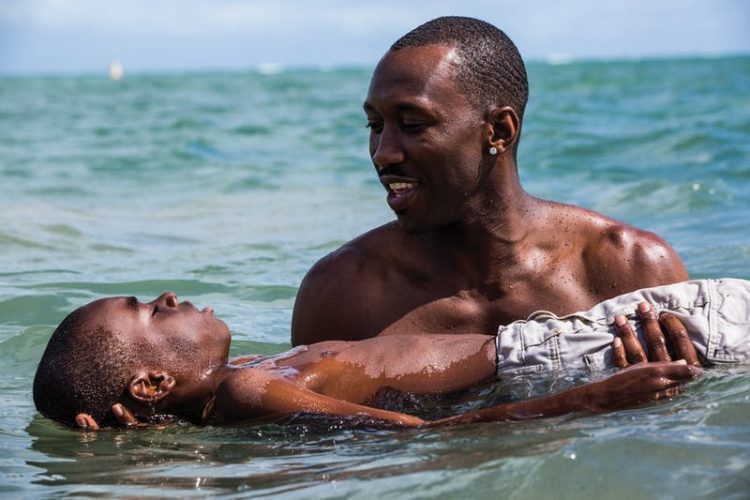
    Moonlight (2016)

    Moonlight LGBTQ Films with Happy Endings

    What it’s about: Barry Jenkins’ Best Picture winning masterpiece ? tells the story of a young black boy named Chiron as he grows up and struggles with his identity. The movie is split into three distinct acts following him as a child (Alex Hibbert), teen (Ashton Sanders), and adult (Trevante Rhodes).

    Why you should watch it: Moonlight is arguably the most important Best Picture winner of the decade — and perhaps of all time. And not just because of the infamous mix up. It’s almost unfathomable that the Academy, which overlooked Brokeback Mountain to award Crash, would give its top prize to an independent film about a poor queer black boy dealing with his sexuality. However, I think it won, in part, because it’s a perfect film.

    Without many words or huge plot moments, Director Barry Jenkins able to tell us a complex story about a kid going through the process of discovering, struggling, and ultimately accepting who you are. He explores it with a singular style that plays with the cinematic form in a way that we haven’t seen in decades. Everything from the cinematography, sound design, and score are there to serve the story — there’s not a single scene that doesn’t serve a purpose. And as painful as the journey is, it all feels satisfying at the end. Like an exhale that we didn’t know we needed. Moonlight is streaming on Netflix.

    ? Buy or rent: Prime Video | iTunes | YouTube

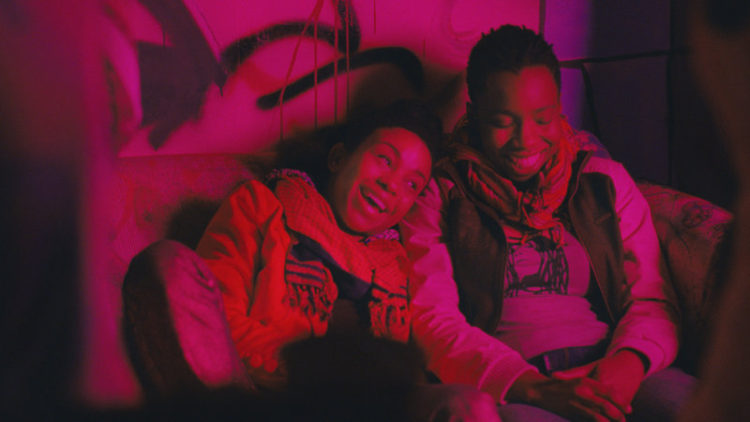
    Pariah (2011)

    Buy or Rent: Prime Video | Apple TV | YouTube

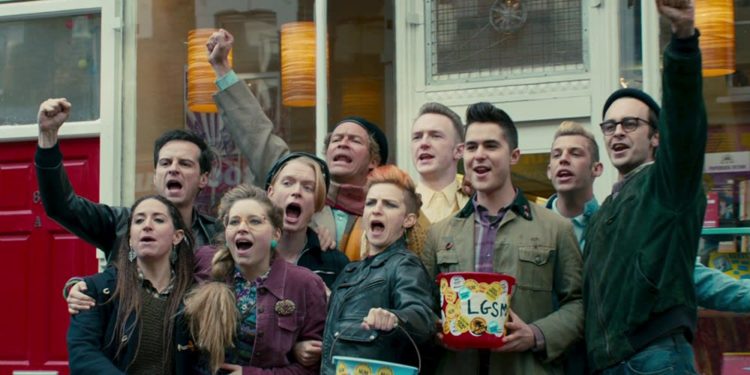
    Pride (2014)

    Pride LGBTQ Films with Happy Endings

    What it’s about: It’s 1984. In England, Thatcher is in power and the National Union of Mineworkers is on strike. Meanwhile, a group of queer activists decides to raise money to support the families of the striking miners—in an act of solidarity. However, the Union is too embarrassed to receive their support, setting off a journey of acceptance, love, and protest. 

    Why you should watch it: “It’s a show of solidarity. Who hates the miners? Thatcher. Who else? The police, the public, and the tabloid press. That sound familiar?” But also, sound familiar? You can replace a couple of words in that quote and talk about exactly what’s happening today. And while Pride’s message that our similarities are greater than our differences is profound and well delivered, it’s also entertaining.

    Pride is careful not to tread into the territory of a contrived or corny feel-good historical dramedy and instead use its well-drawn characters to tell its endearing story—with all the heartbreaking moments intact. Its cast of British screen legends—Imelda Staunton, Bill Nighy, Andrew Scott—and newcomers (at the time)—George Mackay, Ben Schnetzer, Joe Gilgun, Faye Marsay—give Pride its heart and spirit while also delivering genuine laughs. Pride is streaming on Prime Video.

    Buy or Rent: Prime Video | iTunes | YouTube

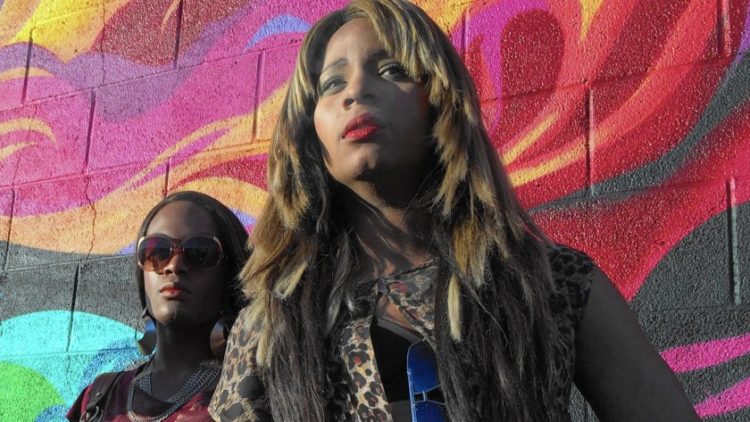
    Tangerine (2015)

    Here’s what it’s about: It’s Christmas Eve in Tinseltown and Sin-Dee is back on the block. Upon hearing that her pimp boyfriend hasn’t been faithful during the 28 days she was locked up, the working girl and her best friend, Alexandra, embark on a mission to get to the bottom of the scandalous rumor.

    Why you should watch it: Tangerine, with its frenetic editing, vivid iPhone cinematography, and rich sound design, throws you into the dreamy L.A. underbelly unlike any other film. However, within that dreamscape are characters so daringly planted in reality. Kitana Kiki Rodriguez and Mya Taylor imbue their characters with both bite and heart, which makes them incredible subjects for this story looking to inspire empathy for an entire community.

    Pride Month began as a protest against the police brutality of largely black and brown transwomen in 1969, which is why it’s more important than ever to explore both the joys and struggles of that community. Tangerine does so in an entertaining and heartwarming way that leaves you pining for more. Tangerine is streaming on Hulu.

    Buy or Rent: Prime Video | Apple TV | YouTube

    Weekend (2011)

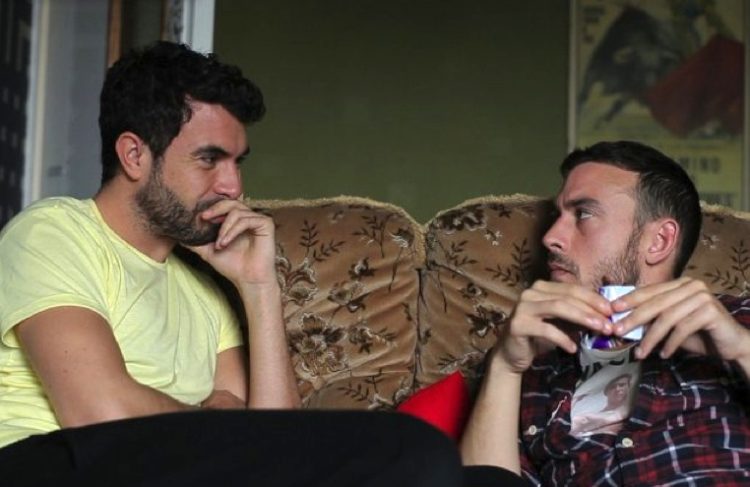
    What it’s about: After meeting at a club, Russell (Tom Cullen) and Glen (Chris New) have what they think is a one-night stand. However, it turns into a weekend-long conversation about identity, love, and acceptance.

    Why you should watch it: Weekend is a meditation on moments. There are no grand romantic gestures or ridiculous ultimatums. Though, the central conflict of the movie is an impending departure. Its greatest virtue is its realism. So rarely in relationships nowadays we say what we feel. So two men with a mutual attraction that want it to become more won’t explicitly address that feeling.

    Instead, Haigh hides that development in the small moments — a touch, a look of familiarity or understanding. As the two men see each other more, each sexual encounter become more explicit — their first hookup isn’t shown on screen. It’s Haigh’s way of showing their growing intimacy and perhaps love. Weekend is streaming on the Criterion Channel.

    ▶︎ Streaming on the Criterion Channel. Buy or rent on Amazon.

    God’s Own Country (2017)

    Alec Secăreanu and Josh O'Connor in God's Own Country, LGBTQ+ Films with Happy Endings
    Alec Secăreanu and Josh O’Connor in God’s Own Country. Courtesy of Orion Pictures.

    What it’s about: Johnny (Josh O’Connor) bides his time working on his family’s farm and binge drinking—which often leads to casual sex with random men. However, he begins to think about his future when handsome Romanian migrant worker Gheorghe (Alec Secăreanu) begins to work on the farm.

    Why you should watch it: God’s Own Country in a lot of ways feels akin to Brokeback Mountain—two men spending time doing manual labor involving sheep in a remote picturesque landscape. However, where the two differ is Brokeback is coded as a tragedy from the start—as it’s as much about the external factors keeping the men apart as it is the internal factors.

    God’s Own Country is about the internal factors. It’s not just about the emotional repression that plagues queer people, but also the obligation we often feel towards our families. In the end, it’s a journey of self-discovery—and unlike Brokeback one that ends before it’s too late.

    ▶︎ Streaming on Hulu


    ADVERTISEMENT


    💌 Sign up for our weekly email newsletter with movie recommendations available to stream.


    ADVERTISEMENT


  • ‘The Feast’ will leave you satisfied | SXSW review

    ‘The Feast’ will leave you satisfied | SXSW review

    The Feast is a Welsh folk horror tale that follows a family that reaps the consequences of their greed during a dinner party

    The Feast is slow and somewhat simple, but it’s also a deliciously satisfying folk horror that quite literally says “eat the rich.”


    The opening scenes of The Feast, a new Welsh folk horror that premiered in the Midnighters section at the 2021 Online SXSW Film Festival, give you everything you need to know about the wealthy family at the center of the film. 

    There’s matriarch Glenda (Nia Roberts), the picture-perfect politician’s wife, her Parliament member husband Gwyn (Julian Lewis Jones), a no-nonsense caricature of a politician, and their two sons. There’s recovering drug addict Guto (Steffan Cennydd), who is confined to his family home until he kicks the habit and can return to London and Gweirydd (Siôn Alun Davies), a narcissistic former doctor obsessed with training for a triathlon. 

    And while The Feast is the slowest of burns, it immediately sets up its dark and dread-filled atmosphere with its setting at the family’s remote home on the Welsh countryside — Glenda takes pride in everyone inch of the impeccably designed modern estate — and a highly effective score by Samuel Sim. 


    ADVERTISEMENT


    We’re soon introduced to Cadi (Annes Elwy), a local waitress who has been hired by Glenda to help with a dinner party she’s throwing for a local land developer and the neighbor they hope to convince into selling their land. However, there’s something about Cadi. Perhaps it’s the blank stares off into space or the creepy folk tune she hums while walking down the dark corridors or the soil that seems to appear on every surface she touches. 

    The majority of the film consists of atmospheric horror that primes you for the diabolical third act that some could see as gratuitous, but is exactly what The Feast needs to build up to to work. The nightmarish imagery throughout and the hypnotic cadence of the Welsh dialogue is enough to keep you engaged — although some moments of levity in the bleak story would have been a welcome respite from the gloom — it’s when the mystery comes fully into view that the movie truly satisfies your craving for folk horror.


    ADVERTISEMENT


    More movies, less problems


    Hey! I’m Karl. You can find me on Twitter and Letterboxd. I’m also a Tomatometer-approved critic.

    💌 Sign up for our weekly email newsletter with movie recommendations available to stream.


    ADVERTISEMENT

    💌 Sign up for our weekly email newsletter with movie recommendations available to stream.


    ADVERTISEMENT

  • ‘Children of Men’ is as relevant today as ever | movie review

    ‘Children of Men’ is as relevant today as ever | movie review

    Children of Men is a prescient look at a dystopia where no new children have been born in 18 years, leading to chaos in society

    Children of Men is perhaps the definitive movie of the first two decades of the 21st century as a prescient look at our potential future.

    What’s stunning about Alfonso Cuarón’s 2006 film Children of Men is that it has somehow become more relevant as time has gone on. In a world where the Syrian refugee crisis, Brexit, and Donald Trump’s war on immigrants all occurred within years of each other — and are all probably connected — Children of Men is hauntingly feasible in its portrayal of the world in 2027.

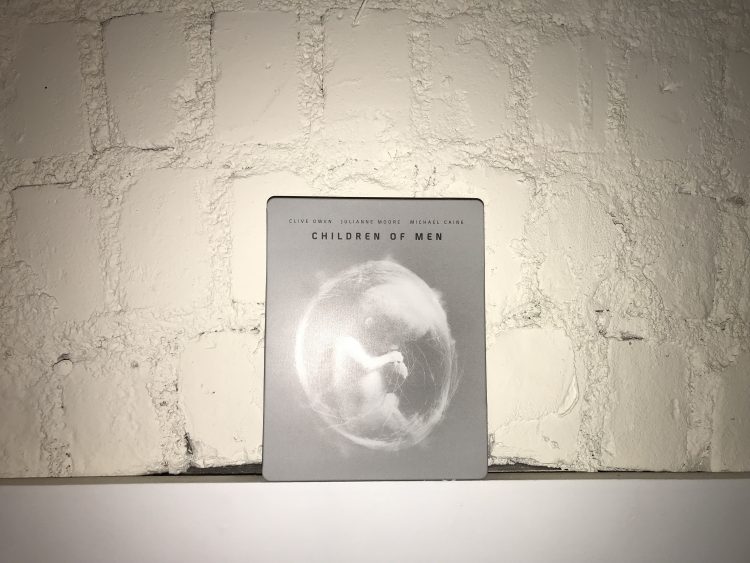
    Though the film was commercially a failure, its enjoyed a critical admiration that resulted in it becoming one of the most-praised films of the 2000s. Now, Best Buy has released it as an exclusive limited-edition Blu-ray steelbook with updated artwork, which is why I’m taking a look back and parse out why it’s one of the best films of the 2000s.

    Children of Men builds its world like many dystopian films have in the past. If anything, its exposition-heavy first 25 minutes are a little heavy-handed in its setup. However, that allows the rest of the film to be nothing but a forward and propulsive narrative that takes few minutes to slow down. And contrary to most films, it starts with a bang.

    💌 Sign up for our weekly email newsletter with movie recommendations available to stream.


    ADVERTISEMENT

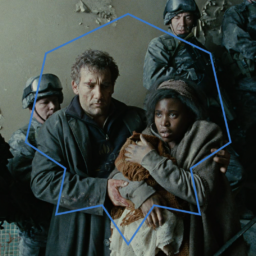
    In a crowded deli, people stare on in disbelief at a news broadcast announcing that the youngest person in the world known as Baby Diego has died. That moment is a watershed moment for the entire planet since it’s been 18 years since a baby was born. This global infertility has driven civilization to the brink of collapse.

    Few countries have a functioning government. The UK is one of the countries to maintain some type of stability. Although, with the influx of refugees, called fugees, has caused the country to close its borders and consider any immigrant a criminal.

    The parallels to today are astonishing. Of course, the tangible cause of the rampant xenophobia we’re seeing in the US and the UK today isn’t a catastrophic world event like in “Children of Men”. However, the root of the issue in both the film and real life is fear. In the film, it’s the fear of extinction.


    ADVERTISEMENT


    Without the ability to reproduce, the human race will eventually go extinct. In our current climate, xenophobia isn’t just fear of immigrants, it’s the fear of a certain population’s way of life being threatened. Director Alfonso Cuarón was tapping into the 2000s wave of anti-immigrant sentiment in the shadow of 9/11. Little did he know he was foretelling actual action on the sentiment in the form of Brexit and Donald Trump.

    Of course, there is resistance to Britain’s handling of the world crisis. That comes in the form of the fishes, an immigrant rights group that is led by Julian (Julianne Moore). The group is highly organized and has renounced violence as a tactic in their fight against the police state that Britain has turned into.

    Although, the government has begun staging terrorist attacks and blaming it on the fishes to turn public opinion against them. Theo (Clive Owen), Julian’s ex-husband, although once involved in the cause, has lapsed into complacency and begun working for the Ministry of Energy.

    As Theo travels to meet his elderly friend Jasper (Michael Caine), we see a PSA touting Britain’s place as one of the few countries that survived the collapse of the world, a group of people attacking the train he’s on, and the military detaining groups of immigrants. It truly feels like the end times.


    ADVERTISEMENT


    Children of Men Best Buy Steelbook

    Though Theo has done his best to distance himself from the fishes’ cause, he is pulled back in when Julian asks for his help in transporting Kee (Clare-Hope Ashitey), an illegal immigrant, through the country to a mysterious group known as the Human Project. The group is rumored to consist of scientists dedicated to creating a cure for the world’s infertility that Kee could be the actual Key to. That’s because Kee is revealed to be pregnant. The first pregnant woman in 18 years.

    Theo is taken aback by this reveal, which sends him into a whirlwind of a mission to protect Kee and deliver her to the Human Project along with midwife Miriam (Pam Ferris). This journey eventually leads him to a hellish landscape that is captured by cinematographer Emmanuel Lubezki similarly to how a war reporter would capture war zone.

    The final 25 minutes is truly filmmaking at its absolute best. Cuarón stages perhaps the most impressive set pieces in history as Theo and Kee make their final push for the meeting point with the Human Project.

    Lubezki, who will famously go on to win the Academy Award for Best Cinematography three consecutive years in a row, does his best work to date in this film. Every shot feels so intentional and full of emotional weight. He doesn’t waste a single moment of film. Movies tend to have one or two shots that become iconic. Children of Men has countless of those shots.

    💌 Sign up for our weekly email newsletter with movie recommendations available to stream.


    ADVERTISEMENT


    Cuarón stages action in a way that is intense and chaotic, yet fluid and kinetic. There are three sequences in particular that display this well — the final 25 minutes being one of them. The most famous, though, is probably the car sequence shortly following Theo’s introduction to Kee.

    The camera smoothly swivels around to track the narrative happening in the car while a different action set piece is happening outside of it. Both are occurring simultaneously, yet it’s easy to track what is happening from both perspectives. It’s magnificent filmmaking. It’s that kind of kinetic direction that propels Children of Men forward to its magnificent conclusion.

    I’ve watched Children of Men a few times, however, this is the first time watching it that I got emotional towards the end. We’ve gone through the wringer the past couple years. As political rhetoric has become more severe and empathy has seemingly gone missing from society, the situation we find ourselves in becomes increasingly hopeless.

    Children of Men could be taken as an indictment of war, a denouncement of xenophobia and anti-immigrant policies, a take on the Holocaust, a religious allegory. In reality, it’s probably all those things. And despite its bleakness, it ends with the sound of children playing over the credits. It’s the sound of hope. It’s all the more effective now when hope feels like something we left with the Obama administration.

    There’s a period of silence during the intense and graphic final act that feels, more than any other moment, like the coda of the film. Though there are countless messages that can be derived from Children of Men, one sticks out. When we take time to bond over what we have in common, rather than what makes us different, we can find peace, if even for a moment.


    ADVERTISEMENT


    More movies, less problems


    Hey! I’m Karl. You can find me on Twitter and Letterboxd. I’m also a Tomatometer-approved critic.

    💌 Sign up for our weekly email newsletter with movie recommendations available to stream.


    ADVERTISEMENT

    💌 Sign up for our weekly email newsletter with movie recommendations available to stream.


    ADVERTISEMENT

  • ‘Welcome Home’ review — This erotic thriller is unsatisfying

    ‘Welcome Home’ review — This erotic thriller is unsatisfying

    Welcome Home is nothing more than a kitschy thriller that makes for a perfect popcorn-fueled late-night hate-watch.

    Welcome Home is fun enough to watch, but for all the wrong reasons. The level of the melodrama in this erotic thriller makes it objectively bad, but it edges on so bad it’s good mostly thanks to the odd directing choices — the constant use of violins screeching when something dramatic happens. Sudden hazy flashbacks are stitched into moments of contemplation. Sweeping shots of the Italian countryside with no discernable reason, not even as an establishing shot. There are a lot of showers and a lot of arguments and a lot of crying. Yes, it’s as bad as you imagine.

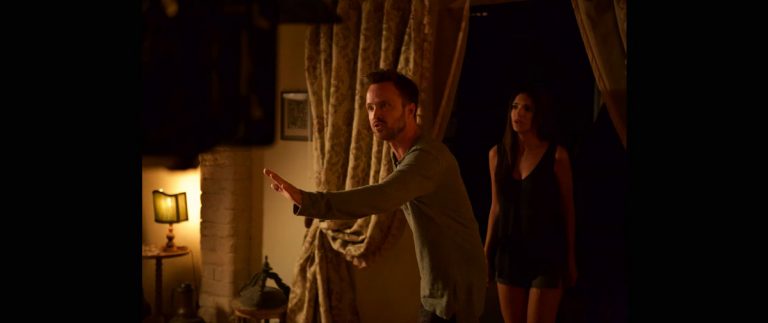
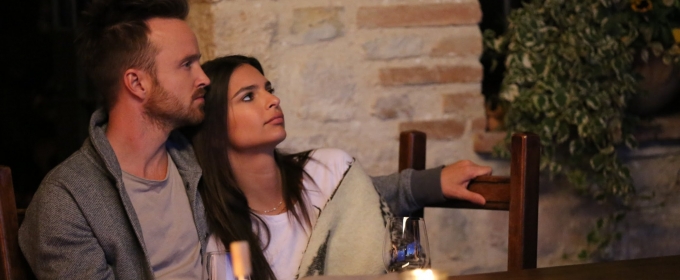
    Welcome Home follows an American couple, Bryan (Aaron Paul) and Cassie (Emily Ratajowski), as they escape to the Italian countryside in an attempt to repair their ailing relationship:

    “This is broken.”

    “No, this broke when you let another guy’s dick inside of you.”

    That is an actual exchange in this movie. Of course, not everything in this retreat goes right. While on a run, Cassie is haunted by very sudden and dramatically lit images of her infidelity, which causes her to dramatically trip on a log. Injured and far from the beautiful Italian home they rented off the website “Welcome Home,” Cassie is helped by a mysterious stranger named Frederico (Riccardo Scamarcio of John Wick: Chapter Two fame) who drives her back home.

    Welcome Home
    Aaron Paul and Emily Ratajkowski in Welcome Home.

    Bryan is instantly suspicious of him, especially considering the reason that the couple is in Italy in the first place. However, Cassie is welcoming to the warmness of the stranger. Of course, Frederico’s intentions aren’t exactly neighborly. It’s quickly revealed that he has cameras set up all throughout the house and has been watching the couple’s every move. Slowly, he manipulates them through various malicious (and sexy) tactics that make the movie feel like a slightly elevated Lifetime movie.

    It all comes to a head when Frederico’s intentions become clear, which culminates in a predictable but somewhat entertaining and hilarious ending that involves sex tapes, dramatic moaning, and a fire stoker. I’ll leave it to you to guess where each comes into play.

    The movie is surprisingly well-stitched together. The plot moves well across its breezy 97-minute running time. The real problem is the content. It feels like a thriller pulled straight out of the 2000s when the genre devolved from its golden age with entries like Basic Instinct, Fatal Attraction, and Double Jeopardy. Unlike any of those movies, it’s hard to find any real tension in Welcome Home. It’s a plot we’ve seen before told in an overly self-important way.  

    Welcome Home benefits from having some star power in its lead roles, but its thin script, overzealous direction, and empty plot leave it as nothing more than a kitschy thriller that makes for a perfect popcorn-fueled late-night hate-watch.

    Welcome Home is in theaters and on demand on November 16th.

  • Every Performance Nominated at the Oscars this Year Ranked

    Every Performance Nominated at the Oscars this Year Ranked

    Twenty actors have been nominated for Oscars across four categories for their performances in last year’s movies. Here is my ranking.

    After a particularly unpredictable Oscar season, we now have twenty actors nominated across four categories including seven previous winners and eight first-time nominees. I took on the monumental task of ranking all twenty performances from best to worst. Agree or disagree? Let me know!

    20. Javier Bardem as Desi Arnaz in Being the Ricardos

    Best Actor | Javier Bardem, who won an Oscar for Best Supporting Actor for No Country for Old Men, isn’t bad in Being the Ricardos as he is woefully miscast.

    19. J.K. Simmons as William Frawley in Being the Ricardos

    Best Supporting Actor | J.K. Simmons, who won an Oscar for Best Supporting Actor for Whiplash, has a couple of strong scenes with Nicole Kidman as Lucille Ball that are about as emotional as the movie gets. However, his impact and screentime are limited. His co-star Nina Arianda deserved a nom.

    18. Ciarán Hinds as Pop in Belfast

    Best Supporting Actor | “Too long a sacrifice can make a stone of the heart.” Hinds does fine work as the “older man who delivers sage and witty advice,” but the role never elevates further than that.


    ADVERTISEMENT


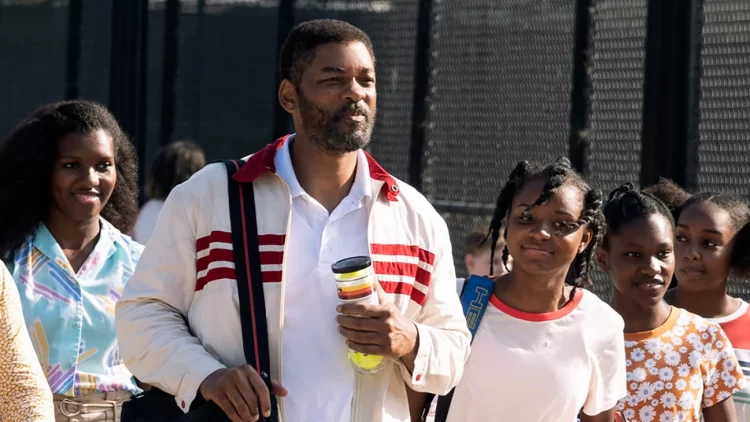
    17. Will Smith as Richard Williams in King Richard

    Best Actor | Will Smith, on his third Best Actor nomination, delivers the role of Serena and Venus Williams’ father with as much movie star gravitas as you would expect from him. However, his performance is safe and expected unlike his co-star further down on this list.

    Will Smith is nominated for Best Actor for his role as Richard Williams in King Richard.
    Will Smith is nominated for Best Actor for his role as Richard Williams in King Richard.

    16. Dame Judi Dench as Granny in Belfast

    Best Supporting Actress | After winning an Oscar for her 8-minute performance in Shakespeare in Love, Dame Judi Dench is up again for a similarly sharp-tongued role. Her emotional grandstanding speech to close at the movie got her the nomination, but the subtler work from co-star Catriona Balfe deserved her spot.

    15. Nicole Kidman as Lucille Ball in Being the Ricardos

    Best Actress | Nicole Kidman, already an Oscar winner in Best Actress for The Hours, fails to disappear into the role of Lucille Ball even if the work she does is admirable — particularly when showing Ball’s creative genius.

    14. Benedict Cumberbatch as Phil Burbank in The Power of the Dog

    Best Actor | One of the more controversial placements on this list — though from this point on every performance is good at the very least — Benedict Cumberbatch, on his second nomination, feels too practiced in a role as explosive as Phil Burbank. I was meant to fear him for some part of the movie, but his presence never loomed as large as his co-stars’.

    13. Jesse Plemons as George Burbank in The Power of the Dog

    Best Supporting Actor | “I just wanted to say how nice it is not to be alone.” Plemons has been doing consistently terrific work in film and television for years. And his slight but sensitive portrayal against some of the movie’s bigger performances is a gorgeous foil to what’s happening around him. Plus, his co-star, fellow nominee and wife Kirsten Dunst, had the sweetest reaction to his nomination.


    ADVERTISEMENT


    12. Aunjanue Ellis as Oracene “Brandy” Price in King Richard

    Best Supporting Actress | Aunjanue Ellis has decades of incredible work spanning TV, film, and the stage, so to see her receive her first Oscar nomination is a delight. Her performance pours out with empathy. Not a moment feels less than genuine.

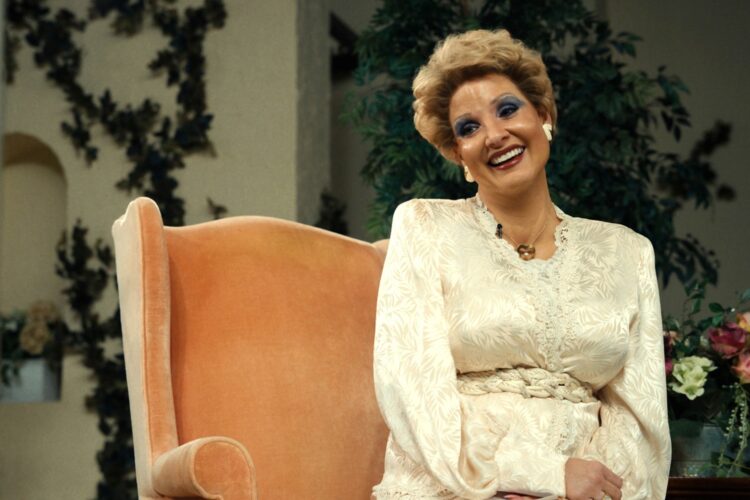
    11. Jessica Chastain as Tammy Faye in The Eyes of Tammy Faye

    Best Actress | It’s a wonder that Jessica Chastain is only on her third nomination considering her body of work. And while The Eyes of Tammy Faye isn’t her best performance, her pure commitment to the role both physically and emotionally make it one to admire.

    Jessica Chastain received her third Oscar nomination for her performance as Tammy Faye in The Eyes of Tammy Faye.
    Jessica Chastain received her third Oscar nomination for her performance as Tammy Faye in The Eyes of Tammy Faye.

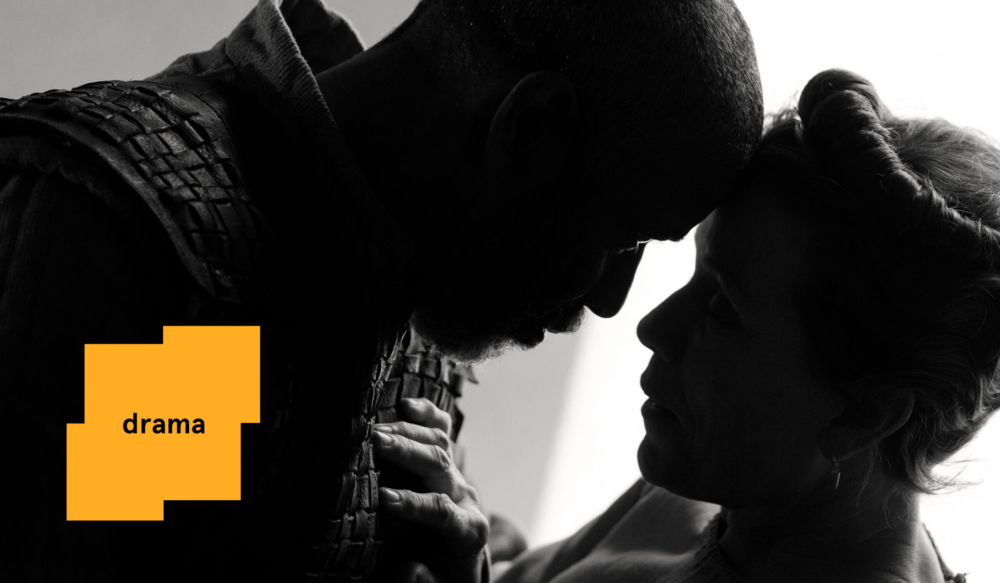
    10. Denzel Washington as Macbeth in The Tragedy of Macbeth

    Best Actor | With this 10th nomination, Denzel Washington has extended his record as the most-nominated black actor in Oscar history. I mean, it’s Denzel doing Shakespeare. Need I say more?

    9. Kirsten Dunst as Rose Gordon in The Power of the Dog

    Best Supporting Actress | The fact that this is Kirsten Dunst’s first nomination is maddening, but well-deserved for this role. She has to take her character on a full arc from beginning to end unlike the other character’s in this film and does so with sensitivity.


    ADVERTISEMENT


    8. Olivia Colman as Leda Caruso in The Lost Daughter

    Best Actress | Olivia Colman can do no wrong. Even with a character as difficult to like, by design, as Leda, she is able to make her feel lived-in. That depth is what keeps you hooked into the narrative even when you can’t find someone to root for.

    7. Jesse Buckley as Leda Caruso in The Lost Daughter

    Best Supporting Actress | Speaking of a complex lived-in character, Jesse Buckley, who somehow feels overdue for an Oscar nomination despite being relatively new, also finds those depths in the younger version of Leda Caruso. With just fits and starts of scenes to play with, she gives us a complex vision and hard truth of motherhood.

    6. Kodi Smit-McPhee as Peter Gordon in The Power of the Dog

    Best Supporting Actor | Just like his character in The Power of the Dog, Kodi Smit-McPhee must play the long game with his performance dropping clues along the way. In the end, every action, movement, and line delivery makes sense with the character’s ultimate motives. His performance alone is reason enough to give Jane Campion the Oscar for Best Director. I’d also say Smit-McPhee deserves the Oscar if not for one of his competitors. More on that later.

    5. Andrew Garfield as Jonathan Larson in tick, tick… BOOM!

    Best Actor | Andrew Garfield performs the role of Jonathan Larson like he’s on a stage. Well, he’s literally on a stage for some parts of the movie, but it’s that type of big, play-to-the-back-row performance that we don’t see much anymore. However, the heightened over-stylization of his performance is grounded in a deep understanding of a character that he, even more than writer-director Lin Manuel-Miranda, understands the weaknesses of.


    ADVERTISEMENT


    4. Penélope Cruz as Janis Martínez Moreno in Parallel Mothers

    Best Actress | The tone that Pedro Almodóvar strikes with his film Parallel Mothers is so distinct that it could only take an actress like Penélope Cruz to meet him exactly where he is. It’s no wonder she does her best work with him — her first Oscar nomination was for his film Volver. While the movie’s plot goes pure telenovela, both Almodóvar and Cruz have to find something authentic in Janis to deliver the film’s message. Not only does she succeed, she does so while being effortlessly entertaining and holding the screen like the star she is.

    Ariana DeBose is nominated for Best Supporting Actress for her performance as Anita in West Side Story.
    Ariana DeBose is nominated for Best Supporting Actress for her performance as Anita in West Side Story.

    3. Troy Kotsur as Frank Rossi in CODA

    Best Supporting Actor | Acting is reacting, and first-time nominee Troy Kotsur’s “Oscar scene” in CODA is a masterclass. With no words (signed or otherwise) he goes on a full emotional journey with his daughter (portrayed by the equally great Emilia Jones) that has the hefty job of moving every one of our characters further along on their journey of growth. However, what has been underrated is the pure joy he brings to the role of Frank, a man in a world not made for him, but that he found love in every corner of.

    2. Ariana DeBose as Anita in West Side Story

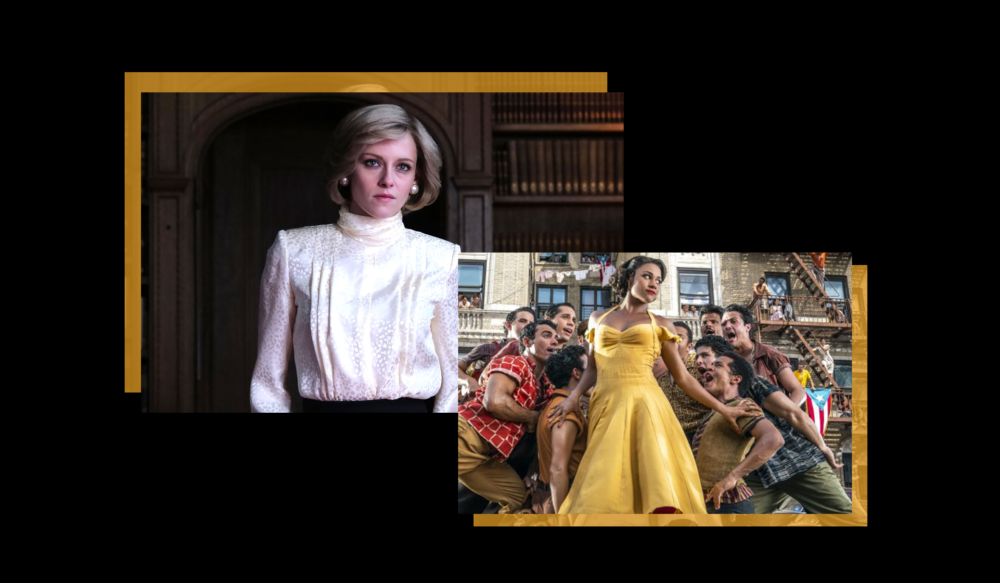
    Best Supporting Actress | To play a character as iconic (and Oscar-winning) as Anita in West Side Story takes nerve — and Ariana DeBose has the nerve. Rita Moreno, the original anita, plays the role with a fiesty energy that acts as a foil to the subdued energy of the central love story. DeBose’s version is just as bombastic, but with an even darker tinge to match the energy of the movie. While her signature number “America” is as impressive as ever, it’s the scenes of pure dramatic tension that set her apart.

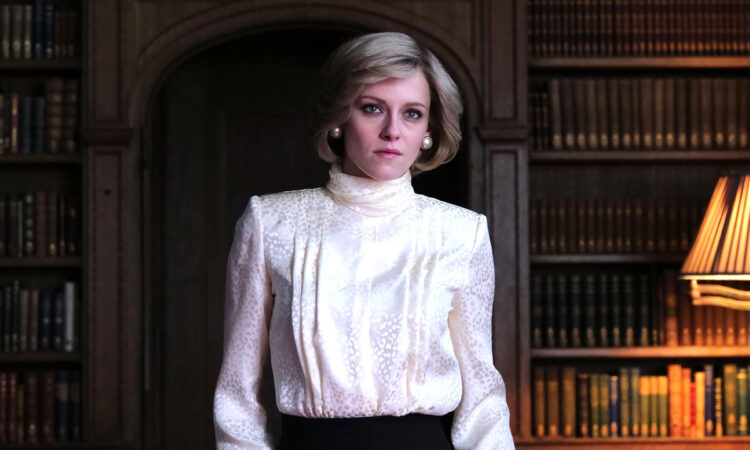
    Kristen Stewart received her first Oscar nomination for her portrayal of Diana, Princess of Wales in Spencer.
    Kristen Stewart received her first Oscar nomination for her portrayal of Diana, Princess of Wales in Spencer.

    1. Kristen Stewart as Diana, Princess of Wales in Spencer

    Best Actress | There’s a fine line between performing as a real-life person and impersonating them (see further down the list), and Kristen Stewart finds the exact avenue to evoke the spirit of Diana, Princess of Wales while making her completely singular — like a servant to the story director Pablo Larraín is trying to tell. Every movement, line reading, and facial expression is studied to the point that Stewart completely disappears into the role. Spencer is a difficult movie that treads a narrow path between genres, and Stewart is right there with it every step of the way.

  • ‘The Tragedy of Macbeth’ transports you to the Twilight Zone | movie review

    ‘The Tragedy of Macbeth’ transports you to the Twilight Zone | movie review

    Joel Coen adapts his version of The Tragedy of Macbeth as a minimalist psychological thriller with Denzel Washington and Frances McDormand taking on the borrowed robes of Macbeth and Lady Macbeth

    Where to watch The Tragedy of Macbeth:

    The Tragedy of Macbeth immediately justifies its existence by removing all markers of time and place. Director Joel Coen, tackling his first solo film after working with his brother Ethan as the Coen brothers, sets the play on minimalist sets of massive concrete walls, dresses the characters in abstract costumes, and captures the action in crisp black and white that makes it feel like the movie is taking place somewhere else entirely. Everything is impressionistic. We get just enough to give us the general time period but not enough to latch on to specifics. The effect is offputting but needed. This isn’t your grandma’s Shakespeare adaptation. 

    As much as we rolled our eyes at our English teachers as we analyzed nearly every Shakespeare play line by line, one has to admit that there’s a reason his work has endured and is still adapted today. There’s something so modern about his writing. His sardonic wit and peculiar surrealism fit in perfectly with A24’s singular brand of quirky but melancholic dramedies about the human condition — and that’s what Coen created here. 


    ADVERTISEMENT


    Macbeth, whose borrowed robes are taken up by Denzel Washington, and Lady Macbeth (Frances McDormand) fit in nicely in the indie studio’s pantheon of complicated anti-heroes — Spring Breakers’ Alien, Ex Machina’s Ava, or most aptly Uncut Gems’ Howard. And stylistically the film fits in too. There’s a sort of rhythm to it all where one scene bleeds into the next, sometimes literally. It has the fluid motion of a play but takes advantage of the full scope that film provides. It at equal times feels epic and intimate, sometimes too intimate. Even claustrophobic. 

    The foggy landscapes and cavernous spaces add to the eerie dread-filled atmosphere while the haunting soundscape, aided by Carter Burwell’s menacing score, pushes The Tragedy of Macbeth closer to the psychological horror that it is meant to be. You could not understand a single thing that leaves the actors’ mouths, and sometimes I didn’t, and still be swept up in the emotion of it all. Some of which could be attributed to the performances. 

    While Washington and McDormand do fine work with some of the most iconic monologues ever written — the dagger and damn spot monologues are chilling — it’s the supporting characters that make the greatest impact and make the movie eminently rewatchable. Kathryn Hunter, who plays all three witches using some clever cinematic flourishes, is a dominating presence. Her shapeshifting role, sometimes literally, finds her contorting her body, face, and even her voice in unnatural ways. Her performance, like much of the film, toes the line between a real human monster and a devilish creature. 


    ADVERTISEMENT


    Alex Hassell’s Ross, a side character with little impact in the text, finds a way to act as the chaotic neutral to Macbeth and Lady Macbeth’s chaotic evil. His sleek silhouette cinched at the waist, which is the peak of the movie’s costume design by Mary Zophres, slips in and out of corners and shadows like he’s a harbinger, and catalyst, for the dread that is to come. 

    There’s mysticism in all of Shakespeare’s works, even the ones based in history. Whereas other adaptations place magic in the real world, Coen lets magic set the tone for The Tragedy of Macbeth. The way it moves, the way it looks, and the way it feels is otherworldly. Like you’re dropped into the Twilight Zone in the 17th Century.


    ADVERTISEMENT


    More movies, less problems


    Hey! I’m Karl. You can find me on Twitter and Letterboxd. I’m also a Tomatometer-approved critic.

    💌 Sign up for our weekly email newsletter with movie recommendations available to stream.


    ADVERTISEMENT

    💌 Sign up for our weekly email newsletter with movie recommendations available to stream.


    ADVERTISEMENT

  • ‘After Yang’ and sci-fi as therapy | review and analysis

    ‘After Yang’ and sci-fi as therapy | review and analysis

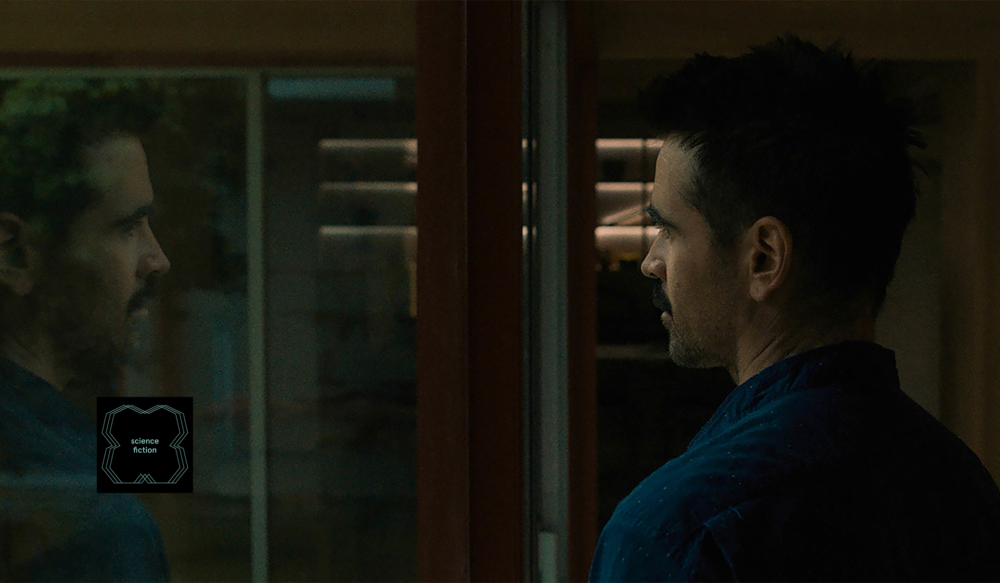
    After Yang follows a father’s attempts to save his daughter’s robot brother as the family deals with identity, parenthood, and love

    After Yang premiered at the 2022 Sundance Film Festival. A24 will release it in theaters in March.

    At its best, science fiction acts as a meditation on something we know through the lens of the unfamiliar. In After Yang, the second film by writer-director Kogonada, the unfamiliar in this case is artificial intelligence, in the form of possibly the closest we’ll ever get to creating a human from computers — a “techno-sapien” as the film puts it. As for what we know, it’s those many things we’re already intimate with: memories, identity, love; the very fabric of our existence. If those sound like lofty themes, they are. It’s an ambitious movie. But those subjects are tackled with the same quiet sensitivity that Kogonada used to direct his egregiously underseen debut feature Columbus.

    The opening shot of the movie is of a quintessential family photo; posing are Jake (Colin Farrell), Kyra (Jodie Turner-Smith), and their young adopted daughter Mika (Malea Emma Tjandrawidjaja). Behind the camera is Mika’s brother Yang (Justin H. Min). But he doesn’t join the family immediately — he holds the view of the family photo for a beat longer than most comfortably would. We’ll return to this scene later, and see it play out multiple times, a recurring motif that extends to other moments in the movie as well.


    ADVERTISEMENT

    In one scene Yang says to Kyra, “there’s no something without nothing.” Then we rewind and we hear him say it again. “There’s no something without nothing.” This time, however, he says it with a slight inflection in his voice and the smallest smile at the end. Each scene we see is shown with this staccato editing and sudden cuts. We’ll hear one line two or three times but derive a slightly different meaning each time. Almost like a memory desperately trying to be remembered.

    After an incredible opening credits sequence, in which each family featured in the film competes in a massive online Dance Dance Revolution-esque competition, Yang malfunctions. Here would be a good time to mention that Yang is a robot that Jake and Kyra bought to help Mika explore her identity as an adopted Chinese child. Though you wouldn’t be able to tell from looking at him: he’s strikingly emotional and singular as a real human. His breakdown is sudden and has a massive impact on Mika who saw Yang as one of the few people she could confide in. In the process of desperately finding a way to fix him before he decomposes, Jake gains access to Yang’s memories.

    After Yang is told through conversations in Yang’s memories and asks a series of questions: How do we perceive our memories and what do we focus on? Why do we like certain things? Why are they important? What details are important? Why are we who we are? If those seem like concepts that are too large to be answered by a single movie, you’d be correct. But Kogonada isn’t interested in answering them — he wants the audience to do so. The movie merely serves as a companion and guide, much like Yang himself is to the family.


    ADVERTISEMENT

    Through his memories, we gather bits and pieces of who he was in relation to these people. In one memory Mika says, “the kids at recess were asking about my real parents. I told them about mom and dad and they said, ‘no, your real parents.’” Instead of giving her platitudes, Yang asks her, “do you believe them?” Eventually, Mika finds her way to her own conclusion.

    The beauty of sci-fi is that you can mold it to whatever you need it to be for your story whether it’s a high-reaching epic like 2001: A Space Odyssey or something that feels closer to home, like Her, Arrival, and now, After Yang. Kogonada takes a human problem that will be with us for as long as we’re alive — one of identity, family, parenthood — and wraps it into a futurist story that allows him to explore it with subtlety. More than a film, it’s a meditation on life, and in that way, I’d go as far to say that After Yang is akin to therapy. It takes a problem, so constant and looming in the undercurrent of our lives that it feels impossible to solve, and breaks it down into questions that we can answer. One of those questions is what comes after? After life and death? After each chapter of life ends? What comes next?

    There’s no simple or clear answer to these questions, just as there isn’t a satisfying finality to the film. Like the family, we’re left with as many questions as we came in with, but After Yang, we’re better equipped to try and find these answers for ourselves.


    ADVERTISEMENT

    More movies, less problems


    Hey! I’m Karl. You can find me on Twitter and Letterboxd. I’m also a Tomatometer-approved critic.

    💌 Sign up for our weekly email newsletter with movie recommendations available to stream.


    ADVERTISEMENT