Karl Delossantos

  • ‘Set it Up’ review — Netflix rekindles the flame of romantic comedy

    ‘Set it Up’ review — Netflix rekindles the flame of romantic comedy

    Set it Up follows two overworked and underpaid assistants as they “parent trap” their horrible bosses.

    30-second review: I think anyone that grew up in the 2000s has a soft spot for that perfect romantic comedy. The kind that has perfect one-liners that you can work into everyday life and characters who live lives that you could only aspire to in unrealistically large apartments and scenes that make your heart flutter at the thought of them happening in real life.

    Set it Up mines those tropes and makes me feel nostalgic for those breezy romantic comedies. And while it hits a lot of those familiar plot beats, the movie surpasses other contemporary rom-coms because director Claire Scanlon and the charming leads have a great sense of comedic timing and the propensity for subtle, but effective physical comedy. It’s one of those movies that you’ll want to come back to over and over again.

    Where to watch Set it Up: Now streaming on Netflix.

    The romantic comedy was nearly destroyed by the 2000s the same way the slasher genre was destroyed by the 80s. The oversaturation of generic rom-coms with the same gorgeous (mostly white) leads and the formulaic plot eventually led to its downfall.

    Year after year, we watched the same movie time after time. Guy meets girl, they hit it off, they’re happy for a time, something happens to make them not happy, but then they’re happy in the end. Last year, The Big Sick made huge strides to bring the genre back. However, it wasn’t exactly the light and easy broad comedy that makes you want to watch it over and over again until you can quote every line.

    I think anyone that grew up in the 2000s has a soft spot for that perfect romantic comedy. The kind that has perfect one-liners that you can work into everyday life and characters who live lives that you could only aspire to live in unrealistically large apartments and scenes that make your heart flutter at the thought of them happening in real life. 

    💌 Sign up for our weekly email newsletter with movie recommendations available to stream.


    ADVERTISEMENT


    Set it Up mines those tropes and makes me feel nostalgic for those breezy romantic comedies. And while it hits a lot of those familiar plot beats, the movie surpasses other contemporary rom-coms like How to Be Single and What’s Your Number? because of two women: director Claire Scanlon and screenwriter Katie Silberman.

    Set it Up is essentially a retelling of The Parent Trap — it even references it at one point. Assistants Harper (Zoey Deutch) and Charlie (Glen Powell) are both living the nightmare scenario when it comes to a job in the city. While other assistants finally leave work at a late but decent hour, Harper and Charlie are stuck tending to their bosses Kirsten (Lucy Liu) and Rick (Taye Diggs), respectively. Imagine the relationship between Andy and Miranda Priestly in The Devil Wears Prada.

    Both assistants are toughing it out in their jobs to hopefully progress to something more. However, one frantic late night trying to get dinner from a closed restaurant that their bosses won’t end up eating will make anyone desperate. So, when Harper and Charlie meet on one of those frantic nights, it becomes clear that they can help each other out.

    Taye Diggs and Lucy Liu in Set it Up

    Harper comes up with a plan to Cyrano their bosses. Charlie prefers the more simple parent trapping. Together they hatch a plot to get their two overworked bosses to fall in love with each other and give Harper and Charlie a chance to have time for themselves. This plot involves a hacked elevator — featuring Tituss Burgess in one of the funniest scenes of the movie — the kiss cam at a Yankees game, and manipulating nearly every aspect of their lives to force them together.

    Of course, though, this isn’t really Kirsten and Rick’s love story. It’s Harper and Charlie’s. Through all the shenanigans of getting their bosses together, the pair also learns more deeply about each other. Harper is working for Kirsten, one of the nation’s most notable sports reporters, in the hopes of eventually writing for her website.

    Of course, that doesn’t leave her much time to actually write or date — she’s never had a boyfriend. Charlie, on the other hand, is dating model Suze (Joan Smalls who is quite good in this small role), but doesn’t have time to dedicate to the relationship as he hopes for a promotion under venture capitalist Rick.

    Romantic comedies are only as good as their leads and Set it Up is no exception. It’s already hard to imagine the movie with Deutch and Powell. Their chemistry is perfect and permeating even without contrived moments of romantic tension, though one scene involving a pizza had me swooning.

    Scanlon also benefited from the actors’ pitch-perfect comedic timing and propensity for subtle, but effective physical comedy. Watching Harper frantically walking into Kirsten’s office after being called in is a delight every time. What’s also delightful is Silberman’s quirky script. It’s filled with all the wackiness you’d expect in a movie like this, but with filled out characters and backstories.

    What’s so refreshing about Set it Up is that every character has a moment. Liu is a consummate pro and plays steely better than anyone else in the business. Diggs is playing to the cheap seats with his over-the-top finance-bro character. However, even small one-scene characters like Burgess or Noah Robbins, who plays an intern who is quickly fired, or a delivery man trapped in an elevator or a jewelry salesperson caught in the middle of an argument all have their moments to shine.

    Still, Deutch and Powell are the stars here and drive Set it Up with incredible charm. It’s one of those movies that you’ll want to come back to over and over again. It’s one of those movies that you’ll be nostalgic for a decade from now. You can’t manufacture charm in a movie like this. It takes talent. And there’s a lot of talent behind this movie, Scanlon, Silberman, Deutch, Powell, Liu, Diggs. 

    Set it Up is the perfect example of a broad romantic comedy done right. It adheres to the formula for the most part but isn’t afraid to break it. It has its own style and moves to beat of its own drum. It could be trimmed by 10 minutes and Pete Davidson‘s gay roommate character is questionable, but that’s all part of the nostalgia too, honestly. Set it Up is a good old-fashioned rom-com that is worth your time, even if you’re just overdicking around.


    ADVERTISEMENT


    More movies, less problems


    Hey! I’m Karl. You can find me on Twitter and Letterboxd. I’m also a Tomatometer-approved critic.

    💌 Sign up for our weekly email newsletter with movie recommendations available to stream.


    ADVERTISEMENT


  • ‘Alex Strangelove’ review — A coming out dramedy with an identity crisis

    ‘Alex Strangelove’ review — A coming out dramedy with an identity crisis

    Alex Strangelove, now streaming on Netflix, is a coming out dramedy with an identity crisis despite a charming lead performance by Daniel Doheny.

    Netflix’s Alex Strangelove follows on the heels of Love, Simon, the first LGBT teen movie from a major studio. Love, Simon succeeds mostly in part to its lack of self-importance. It treats protagonist Simon as any other protagonist in a teen rom-com. Its unremarkableness is what makes it so unremarkable. However, what elevated Love, Simon past typical rom-com is that it has a specific perspective — albeit a narrow one — and knows that perspective inside and out. Director Greg Berlanti has empathy for his characters and allows them to be real, despite the over-saturated teen movie-ness of it all.

    It’s not always fair to compare movies to each other. However, when such similarly-themed movies come out in such close proximity to each other it’s hard not to. Alex Strangelove follows Alex Truelove (Daniel Doheny), an average high-school senior who has everything going for him. He’s the class president, runs a successful YouTube channel about animals, and is on the verge of being accepted to Columbia University alongside his girlfriend Claire (Madeline Weinstein in a great performance). The one thing Alex hasn’t done yet before the end of his high school career is lost his virginity, something that he is insecure about, which Claire notices. It doesn’t help either that his group of friends seem to be the stereotypical sex-obsessed outsider teens.

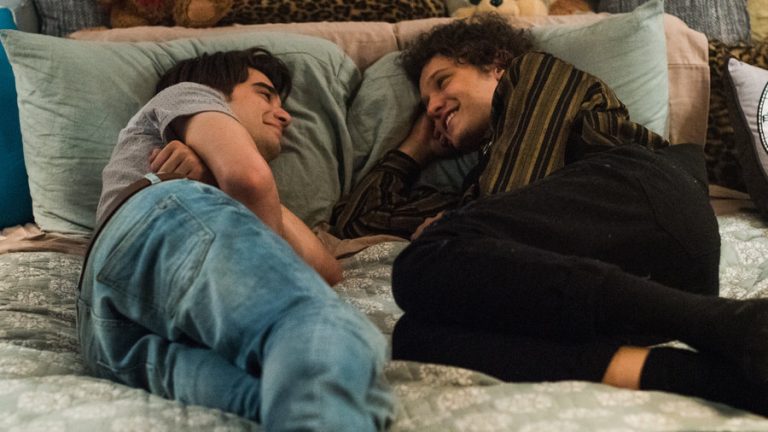
    For much of its first act, Alex Strangelove touts a quirky style, not unlike Mean Girls. That’s not just because the movie begins with a montage of various high school stereotypes being compared to animals. Though, if anything, it feels more forced than what Mean Girls achieves with its version of the scene. And while it’s not the most original, it works. That’s mostly thanks to Doheny’s charming performance as Alex. He overacts enough to match the style, while still maintaining some grounding in reality. His best scene — and the movie’s best scene — is his meet-cute with Elliott (Antonio Marziale).

    This scene balances the two movies that Alex Strangelove is trying to be: a quirky teen sex comedy and an emotional melodrama. Alex and Elliott’s meeting is filled with awkwardness and jokes, but also has underlying sentiment as Elliott tells Alex how his coming out, which he made a video of and posted online, didn’t sit well with his father and was eventually kicked out. This slow down in the narrative works because it’s a genuine moment set within the context of the movie. Director Craig Johnson tries to recapture that feeling along the way — Claire speaking to her cancer-stricken mother, Alex’s friend Dell (Daniel Zolghadri) talking about rejection — but never quite gets there again. It feels like the studio asked for a raunchy sex comedy while Johnson set out to make a teen melodrama.

    Love, Simon is the perfect example of a movie that strikes a balance between the two. That’s because Simon earns its emotional moments without slowing down the narrative or taking a pause from the inherent comedy of it all. Alex Strangelove tries to be what Love, Simon ended up being, but gets distracted along the way. Of course, both movies were filmed at the same time, so any similarities are purely coincidental. But they serve as counterpoints to each other. Simon does the teen coming out movie right, while Alex misses the mark.

    I had similar issues with The Skeleton Twins, Johnson’s last project starring Kristen Wiig and Bill Hader. In that movie, he mines the tropes of a family drama and infuses it with a darkly comedic tone that shifts awkwardly throughout. He handles the two movies that he’s trying to create better in Alex Strangelove but still doesn’t mend the two seamlessly together.

    That being said, the fact that Alex Strangelove is on the homepage of Netflix and Love, Simon coming to VOD in the same month is heartening. And the movie has its moments. Alex and Elliott’s meet-cute, their trip to Brooklyn, and much of the first act work even if the connecting pieces don’t. I pined for more scenes of Alex and Elliott’s chemistry, which to the credit of Doheny and Marziale, is palpable. I wish we got more of that movie.

    ★★ out of five

  • ‘Hereditary’ review — An unsettling and unforgettable horror debut

    ‘Hereditary’ review — An unsettling and unforgettable horror debut

    Hereditary may be slow-burn, but it burns bright and intense. With some of the most unsettling horror images and setpieces, it is one of the best horror movies in recent memory.

    When horror is done right, terrifying, heart-stopping horror, it grabs every one of your senses and makes you hyper-aware of all of them. It lays in wait, biding its time and revealing just enough throughout until the story comes crashing together at the end. It has a grounding in something real and human so that the horror feels even more imminent. Considering that definition, it’s not an exaggeration to say that Hereditary is horror done perfectly.

    Director Ari Aster joins the ranks of Robert Eggers (The Witch), Jordan Peele (Get Out), and Jennifer Kent (The Babadook) who all made their feature film debut with stunning horror movies. However, what they all also have in common is that they challenge the constraints of the genre. The Witch is a period piece, Get Out is a social satire, and The Babadook is a psychological drama. With Hereditary, Aster again blurs the line of horror to create a twisted, horribly remarkable film.

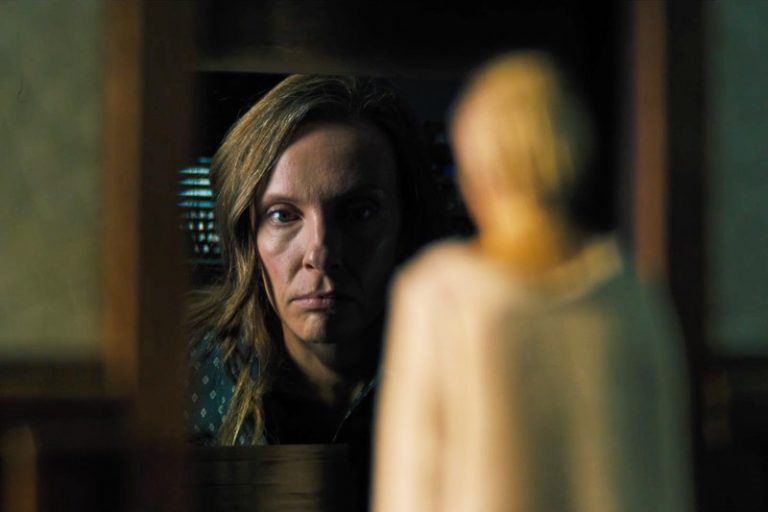
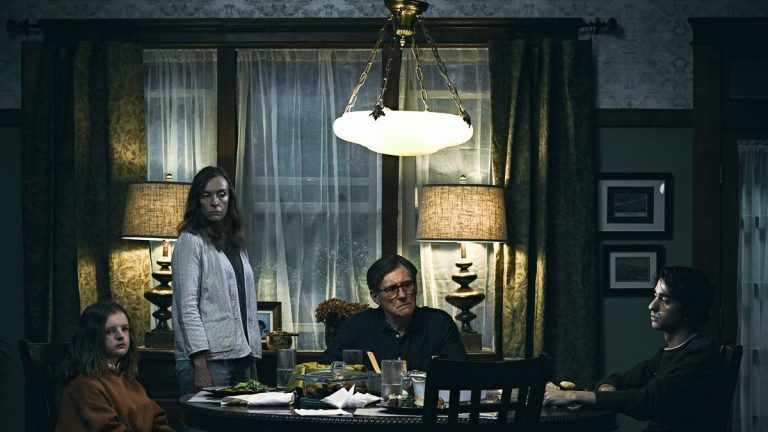
    Hereditary does a great job of not letting its audience on to what kind of movie it is for much of its running time. It’s not even until it’s final moments that you truly know what kind of movie it was. At the center of the movie is the Graham family. Annie (Toni Collette) is an artist who focuses on creating miniatures, particularly inspired by her life. Her husband Steve (the fantastic Gabriel Byrne) is a stoic professional-type. Together they have two kids, Peter (strongly performed by Alex Wolff), a typical teenager, and 13-year-old daughter Charlie (played by Milly Shapiro in a remarkable film debut).

    Annie is dealing with the recent loss of her mother—the movie begins on the day of her funeral. She explains during her eulogy that her mother was a secretive woman and someone she had a complicated relationship with. However, who did have a strong relationship with Annie’s mother was Charlie. It’s well-established that Charlie is not your typical 13-year-old. She doesn’t seem to understand basic social norms. She spends much of her time with her nose in a sketchbook drawing the people around her. At one point, she does something so bizarre that the entire audience recoiled at it.

    All of these things point to Hereditary being one type of movie. A creepy child, an emotionally vulnerable mother, and an isolated house in the woods sounds like something familiar. However, something happens. Something truly shocking and remarkable happens. It’s a moment that will be engrained in the rest of the movie and in your mind long after the credits roll. Hereditary is made up of moments like that. However, it starts at this point. The movie is recontextualized and where it ends up is almost impossible to parse out.

    Michelle Yeoh, Henry Golding, and Constance Wu in Crazy Rich Asians

    And although the movie is wholly original, it feels like a culmination of this new golden age of horror that we’re in. The aptest comparison is probably to The Babadook. The main success of that movie is that the horror is wrapped around something familiar in all of us—grief and loss. A lot of the slow-burning first hour of Hereditary is spent exploring grief and loss, particularly in Annie’s character. Collette is remarkable as she navigates her emotions following this event. She plays Annie like someone who bears the weight of all the events that led to this point in her life on her shoulders. You empathize with her. So as she falls further down the rabbit hole of possible insanity, you can’t help but be heartbroken.

    However, the emotional elements of the movie aren’t the most impressive thing about it. I can say, without qualification, that Hereditary is the most horrifying and upsetting movies I’ve seen in theaters. There’s an impressive sense of dread that sits on top of the movie similarly to The Conjuring. You’re constantly trying to parse out what is going to wrong, but Aster makes it nearly impossible to do that. The movie takes a few sharp turns that always make sense, but are also completely unexpected. And those turns are stitched together with horrifying images and set pieces that don’t rely on jump scares or sudden spikes in the score—composer Colin Stetson does a fantastic job underscoring the dread and tension—but rather leveraging our own fears and insecurities against us.

    There are parts where you’re not even sure what the horrifying thing is, then you hear a wave of gasps and whispers as the audience eventually discovers it. Aster brilliantly frames and stages set pieces by going with the least obvious route to affect the audience. It’s those kinds of scares, combined with the unpredictability of the storytelling that makes Hereditary an experience like no other.

    It’s hard to recommend Hereditary without divulging exactly what kind of movie it is. But this feels like broad horror combined with arthouse. It has the oppressive dark energy of The Conjuring, the patient enigmatic storytelling of The Witch, the emotional heft of The Babadook, and the horrifying visceral imagery of The Shining. It’s a horror fan’s dream.

    It’s shocking that this is a debut. It’s assured in its style and meticulously plotted. Repeat viewings will be rewarded. Collette’s Oscar-worthy performance grounds us in the reality of grief and loss while the story and plot unravel something a lot more sinister. At its core, Hereditary is perhaps a haunted house story. But a more apt description might be a haunted family story. Psychologically haunted or supernaturally haunted aside, Hereditary will creep its way into your nightmares. Good luck sleeping. *tongue click*

    Hereditary is available to watch on Amazon →

    ★★★★½ out of five


  • ‘Ready Player One’ review — Colorful video game world, dull characters

    ‘Ready Player One’ review — Colorful video game world, dull characters

    Ready Player One is a visual feast and boasts impressive action sequences that will certainly entertain, but it’s missing heart, which makes the movie a letdown.

    The culture that Steven Spielberg’s latest film Ready Player One invokes is one that he had a hand in creating. Geek culture is something today that is discussed both positively and negatively. It’s about passion over a specific topic. However, it seems in recent times that that passion has grown to dangerous levels. It’s an angle that could have been interesting to explore, especially considering Ernest clines novel of the same name that the film is based on makes a point to criticize the pop culture obsessed. However, Spielberg celebrates the positive aspects of geek culture without acknowledging the negatives.

    The entire conceit of Ready Player One is a world where knowledge of pop culture — particularly that of the 80s — is now the currency. That’s because James Halliday (Mark Rylance in a weird, but great performance), has created a virtual world where people have invested all their real world time and money into living in — the Oasis. Players can enter the space and be whoever they want to be, which means a lot of 80s references. A lot. However, this has also caused the real world to crumble. Society has crumbled and completely transferred online. It’s an aspect of the premise that Spielberg ignores to the detriment of the rest of the film.

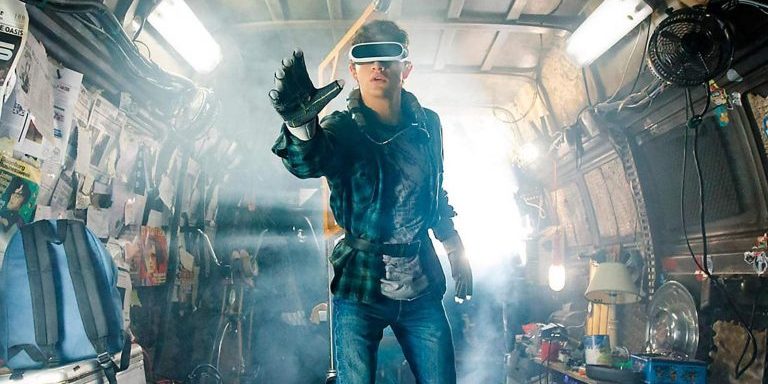
    Wade Watts (Tye Sheridan), who was named that by his father because it sounds like a superhero’s secret identity (references and nostalgia!). Wade lives in the stacks. A discombobulated structure of twisted metal and mobile homes built up stories high on the outskirts of the Columbus, Ohio — the fastest growing city in the world. We don’t learn a lot about Wade. We know his home life isn’t great, though that’s barely touched on, which is why he escapes to an abandoned van outside the stacks to live in the Oasis.

    In the Oasis, Wade becomes Parzival. He’s an extremely skilled player and Gunter. Gunters, which is short for Egg Hunters, are players who are focused on unlocking Halliday’s last dying wish in the Oasis. Halliday created a scavenger hunt where players must find 3 keys to win complete control of the Oasis both in the game and the real world.

    Compared to the book, which I enjoyed, the film is a lot simpler in its execution. To its detriment, the creation of the Oasis and its impact on society are quickly glossed over, which ultimately changes what the film is commenting on versus the book. The book takes time to set up that the world has become an oppressive environment where movement between classes has become impossible, except for in the Oasis. By stripping that message out and barely touching on the dichotomy of geek culture, the movie ends up not saying very much.

    It does attempt to have some commentary through Artemis (Olivia Cooke — she does great work here with the little material she’s given). She leads a group of resistance members — at one point she actually says, “welcome to the resistance” — that are focused on preventing IOI, a video game conglomerate that creates most of the equipment used to access the Oasis, from winning the prize. IOI and its CEO Nolan Sorrento (Ben Mendohlsen) have been forcing people into indentured servitude to help them win the game — essentially they raise an army. However, even with that storyline ripe for some commentary, the story breezes over it.

    Not every movie needs to be subversive. However, Ready Player One is asking us to care about its main characters because they are fighting for something bigger than themselves. But without making them struggle or there being some sense of stakes in the real world, it makes any moment that feels like a rallying cry fall flat. There are moments where a character is all but standing on a soapbox and there is almost no impact.

    Ready Player One suffers from a similar problem to last year’s Valerian and the City of a Thousand Planets. It’s visually a feast — an accomplishment of CGI. There are sequences that feel like they’re going to be iconic in the future. Dare I say, sequences that people will be nostalgic for. Specifically, the second act The Shining sequence is one of the few references that made me perk up. However, it feels like it achieves those moments at the stake of the plot and characters. No characters, lead or supporting, feel fully drawn out or have complete arcs.

    Spielberg seemed more interested in the possibilities that the Oasis presents rather than the societal implications of such a world. He set out to make a modern-day Willy Wonka and the Chocolate Factory but forgot to make the characters as colorful as the world around them. Spielberg is the master of setpieces the race for the first egg — it feels like the perfect amount of homage — and The Shining sequence are both evidence of that. It’s enough to make Ready Player One at least enjoyable. However, it’s one of those movies that slips through your fingers. If you’re looking for a colorful, video game-inspired, 80s homage, give Thor: Ragnarok a chance. It’s everything I wish this movie was.


  • ‘Love, Simon’ review — The coming-of-age story that’s a long time coming

    ‘Love, Simon’ review — The coming-of-age story that’s a long time coming

    Love, Simon is groundbreaking as the first gay coming of age film by a major studio. Although, it is more than what it seems on the surface.

    This is what straight people must feel like when they watch romantic comedies. That’s a comment that I’ve been seeing a lot about Love, Simon, the newest film by Greg Berlanti based on Becky Albertalli’s novel Simon vs. the Homo-Sapiens Agenda. It’s not wrong. There have been countless sappy coming-of-age stories told about straight people with barely etched characters and an emotionally manipulative tearjerker of a plot that turns uplifting in the end. However, first the first time ever, a major studio — 20th Century Fox — made one about a gay teen. For that, Love, Simon, deserves tons of praise. And while it does feel like The Perks of Being a Wallflower for gay teens, there’s an understanding the film has that will allow countless people in the LGBTQ+ community to see their experience somewhere on screen.

    I’m not naive to the fact that the titular Simon Spiers (Nick Robinson) is a straight-passing, white, good-looking teen who comes from a more than financially comfortable family in the Atlanta suburbs. Love, Simon is the mainstream version of a gay romantic comedy. But that’s not necessarily a fault of the movie. Berlanti, who is gay, always reminds us that Simon is gay in subtle ways that will feel all too relatable to the community — that obsessing over whether someone is gay or not, the awkwardness whenever someone makes a straight comment at you. To the movie’s credit, it’s not about the process of discovering your sexuality. When we meet Simon, he’s already come to terms with the fact that he’s gay. Though, he isn’t out yet. He emphasizes that he’s just like “you.”

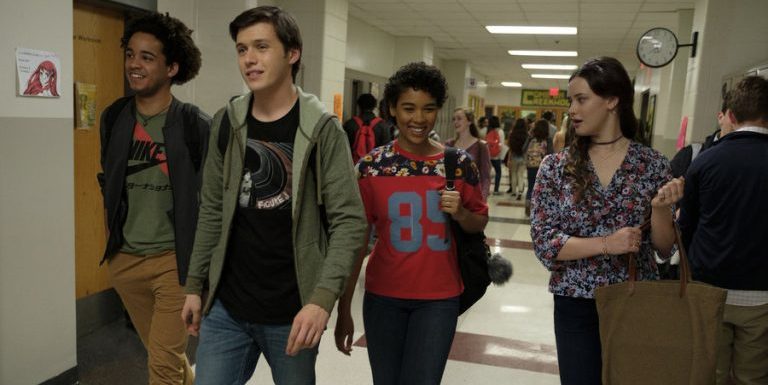
    Simon has a strong network of friends and family. His best friends Leah (Katherine Langford) and Nick (Jorge Lendeborg Jr.) have grown up together, while Abby (Alexandra Shipp) only recently moved to the town, but fit in with the group perfectly. However, none of them know he’s gay. Neither does his family — his parents, Jack (Josh Duhamel) and Emily (Jennifer Garner, fantastic here), and sister Nora (Talitha Bateman). He’s simply not ready to change his world. A feeling that a lot of us had before coming out. However, when an anonymous student — he goes by the name Blue — in his school posts on a Tumblr-like website comes out, Simon finally begins considering that coming out may not be all that bad.

    What Berlanti nails is that before coming out, so many gay people live in fantasies. In Love, Simon, Simon fantasizes about various other boys in his life being Blue, following each thread until he’s left heartbroken by the fact that they aren’t who he’s looking for — Joey Pollari, Keiynan Lonsdale, and Miles Heizer are among them. At the center, of course, is the school musical that stars Martin (Logan Miller) as the Master of Ceremonies in Cabaret. A blackmail plot complicates Simon’s online relationship with Blue, which is progressing quickly as the two help each other come to accept themselves and eventually be accepted by others. On the outskirts of the main plot, other characters deal with their own issues and identities. It’s something that I wish the film explored more.

    As Simon pursues his love story, the movie’s importance becomes more clear. I will add to the cacophony of people saying, “if I had seen this movie when I was a teen…” Of course, there are other queer movies that teens can clench to — Moonlight and Call Me By Your Name are recent examples, Closet Monster is an underrated one. However, in addition to being a mainstream release, Love, Simon doesn’t deal with the devastating side of being gay — it has its moments, but nowhere near those in the movies I mentioned. But that’s not the space it needs to be dealing in. The movie is idealistic and corny, but by the end, I was laughing and crying along with it. I was floating as I left the theater. If this is what straight people felt like when they watch romantic comedies, then I’m extremely jealous then get one of these a month.

    That’s not to say Love, Simon is typical. Thanks to its synthy score by Rob Simonsen and music direction by Bleacher’s Jack Antonoff, the movie moves swiftly from emotional beat to emotional beat while scoring laughs along the way — Tony Hale and Natasha Rothwell score the most as the school’s principal and drama teacher, respectively. It’s emotionally manipulative and corny but hooks you in a way that makes you not mind it at all. It’s going to fill adults with nostalgia or regret, depending on your experience. More importantly, though, it’s going to tell gay teens that your coming out story is yours. No one can take it from you. You can exhale.

    ★★★★ out of 5


    Get the movie tie-in edition of Love, Simon here!

  • ‘Red Sparrow’ review — Muddy plot to match Jennifer Lawrence’s muddy Russian accent

    ‘Red Sparrow’ review — Muddy plot to match Jennifer Lawrence’s muddy Russian accent

    Red Sparrow delivers a thinly plotted, gratuitous espionage thriller that fails to take off despite a strong cast (with some questionable accents)

    At the end of Red Sparrow, the entire audience at the screening all physically recoiled when the screen cut to black. A few seconds after that, someone began to slow clap sarcastically and the entire audience together had a chuckle. The plot of the film is mystifying, to say the least. It has all the twists and turns you’d expect in an espionage thriller, but it seems that the film twists just because it feels like it. Not because it plays into a deeper plot. Though, it eventually tries to tie up loose ends in what really feels like an afterthought of a scene.

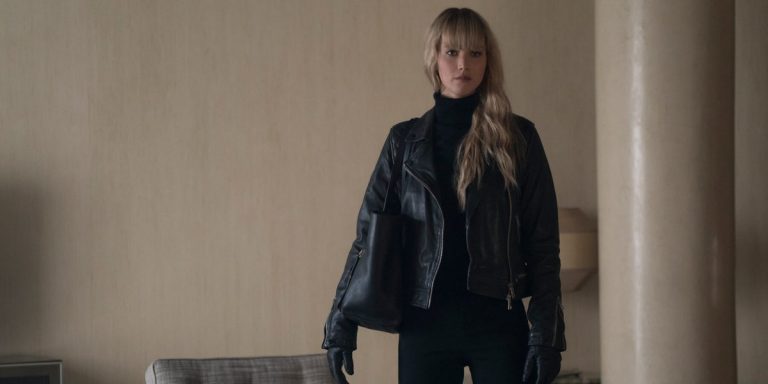
    Red Sparrow doesn’t start that way, though. Its opening sequence is riveting. It’s a prime example of cinematic storytelling. Dominika (Jennifer Lawrence) is a famed Russian ballerina and niece of Ivan Igorov (Matthias Schoenaerts), a high ranking official in Russian intelligence. We’re introduced to Dominika’s daily life, which includes caring for her ailing mother, Nina (Joely Richardson), and dancing in the ballet. This is all we know about her at this point (and the rest of the movie, honestly). We’re then introduced to Nate Nash (Joel Edgerton)… Yes, that’s his actual name. He’s preparing for a mysterious meeting with his contact, who is a mole in Russian intelligence. What was he going to achieve in the meeting? How did they get the mole? What information was the mole doing? None of this we know at this point (and the rest of the movie, honestly). The scenes begin to intercut. Nate prepares for his meeting while Dominika prepares for her performance. The dramatic score and artful cinematography make the scene engrossing. Nate’s meeting ends with his contact nearly being caught and Dominika’s performance ends with a career-ending injury. The pacing and editing of the scene are masterful, something the rest of the film aspires to but never reaches.

    As she struggles to take care of her mother after her injury, Ivan forces Dominika into an ultimatum and sends her to become a Sparrow. Highly trained operatives of Russian Intelligence that specialize in seducing their targets to get information. She, as Dominika points out, is essentially going to whore school. This may be a good time to bring up 2017’s Atomic Blonde, another female-led espionage thriller. Without the gratuitous nudity and violence that Red Sparrow boasts, Atomic Blonde reads as a story of female empowerment. Through the Sparrow training scenes, it’s clear that the feminist gaze that views Charlize Theron’s character in Atomic Blonde is traded for a keenly male one that stalks Jennifer Lawrence in Red Sparrow. It’s a key reason the film doesn’t work.

    Matron (Charlotte Rampling) puts Dominika and the other recruits through grueling and cruel training sessions that teach them how to read the desires of their targets and exploit them, often sexually. Rampling is great as the ruthless headmistress and delivers key information about why Red Sparrow should be relevant in today’s environment, however, these scenes are shortlived to the detriment of the film. These are the only scenes in place to convince of Dominika’s natural talent as a Sparrow, however, all they tell us instead is that she knows how to pick a lock.

    She’s quickly swept away on a mission to make contact with Nash, gain his trust, and find out who his contact is. A lot of things happen in between involving an odd but hilarious Mary Louise-Parker cameo, brutal torture, a lot of double-crossing, and a lot of bad Russian accents, but demystifying the plot of Red Sparrow may be the real thrill of the movie. It feels as if the screenwriter and director Francis Lawrence — he directed Jennifer Lawrence in the last three Hunger Games movies — had ideas and plot points and set pieces that never ultimately fit together. Everything ends up feeling muddled, characters included. Though Cirian HindsJeremy Irons, and Sakina Jaffrey do the best they can with what little they’re given in supporting roles

    Red Sparrow thinks its a smarter movie than it is. The plot of Atomic Blonde is admittedly nonsensical, but it makes up for it with characters the jump off the screen and some of the best action set pieces in years. Red Sparrow had neither. The central relationship between Nash and Dominika, which should be a driving force behind the film, feels like an afterthought. Even with violence and enough nudity and sex to make Tarantino blush, the film doesn’t even succeed in the exploitation genre. That opening scene is kinetic, thrilling, and beautiful. In contrast, the rest of the movie chugs along in a dull fashion. If only the talent onscreen was given the material they deserve.

    ★★ out of 5


  • ‘Game Night’ wins the jackpot | review

    ‘Game Night’ wins the jackpot | review

    Game Night uses its talented cast to deliver one of the most hilarious broad comedies in years.

    Similarly to 2010’s Date Night and 2016’s Meet the Joneses, Game Night follows Annie (Rachel McAdams) and Max (Jason Bateman), a normal married couple whose game night tradition with their best friends somehow turns into a tangle with the international black market. It’s a comedy conceit as old as the genre. However, Game Night is more successful than many of the prior iterations of this story because it does one thing that those other movies didn’t: it trust its audience. By sticking to that philosophy, co-directors John Francis Daley and Jonathan Goldstein make Game Night is one of the best broad comedies to come out in the past couple years.

    However, that’s not just because the state of studio broad comedies is dire. Daley and Goldstein are elegant with their execution of the plot and comedy. That’s to say, they gave equal thought to both. So often with these R-rated comedies do they go for the easy or raunchy joke with vulgarities being thrown out every other word. Instead, Game Night feels like its always working towards a larger joke rather than going for the quick punchline.

    💌 Sign up for our weekly email newsletter with movie recommendations available to stream.


    ADVERTISEMENT


    Case in point, the movie spends a good amount of time setting up the premise and our cast of characters — similarly to Clue, which it feels like a spiritual successor of. Annie and Max met, dated, and eventually married because of their shared loves of games, something that they carry on in their lives together. Every week they host a game night with their other married friends Kevin (Lamorne Morris — a standout) and Michelle (Kyle Bunbury) and less-than-sharp friend Ryan (Billy Magnussen) who brings a different date to every gathering — they’re always young, blonde, and not the brightest.

    Each character feels like an archeatype of a real young suburbanite — Annie and Max are struggling to conceive, Kevin and Michelle have been together since childhood (though that doesn’t mean they were always faithful), and Ryan never really grew up. And even though they fulfill archeatypes, the relationships between each character feels genuine. Conversations are filled with inside jokes and shared experiences. In particular, Annie and Max’s relationship is best defined. That’s partially thanks to Bateman and McAdams, whose chemisty is a driving force behind the movie.

    Though Max is usually the master of games, when his brother Brooks (Kyle Chandler), a successful venture capitalist, comes to town he loses his edge. Max constantly feels overshadowed by his brother in every aspect and Brooks’ actions certainly don’t help — he begins driving Max’s dream car, throws his own elaborate game night. That elaborate game night is where are story truly begins. The group of friends and Ryan’s date Sarah (Sharon Horgan) — this time an older professional who Ryan brought to seem smarter — arrive at Brooks’ gorgeous rental house to learn that they are going to be a part of a hyperrealistic murder mystery in which one guest will be kidnapped and the rest of the group will have to rescue. After a delightful cameo from Jeffrey Wright as an actor playing an FBI agent for the game, two real kidnappers enter the house and abduct Brooks. Of course, the group is unaware that what happened was real and go about the game.

    💌 Sign up for our weekly email newsletter with movie recommendations available to stream.


    ADVERTISEMENT


    Eventually, after several hilarious hijinks including a gun in a bar, a failed escape attempt through a skylight, and a hilarious cameo by Chelsea Peretti, the group realizes that Brooks was actually taken and this was not a game. They then all band together to race against the clock — and several baddies — to save Brooks from his captors.

    Game Night is structured like the board games that the group would play. There are twists and turns that come out of nowhere, the delight of winning, the sting of defeat, and the feeling of comradarie. Daley and Goldstein navigate the plot with style — a one-shot sequence involving a faberge egg is a highlight — while mining every moment for laughs. However, none of it ever feels over-the-top somehow. Even when the twists get increasingly unrealistic, the characters reactions feel genuine. Even Jesse Plemons‘ scene-stealing turn as Gary, the group’s former recently divorced friend who seemingly lost any sense of humor feels grounded.

    That’s not to say the humor isn’t uproarious. An attempted bullet removal, brush with Denzel Washington, and the most effective use of charades later and I was nearly bawling on the floor. It has its issues, the premise is perhaps milked for all its worth and we don’t get much pay off with every storyline, but Game Night is still a step in the right direction for broad comedy.


    ADVERTISEMENT


    More movies, less problems


    Hey! I’m Karl. You can find me on Twitter and Letterboxd. I’m also a Tomatometer-approved critic.

    💌 Sign up for our weekly email newsletter with movie recommendations available to stream.


    ADVERTISEMENT


    💌 Sign up for our weekly email newsletter with movie recommendations available to stream.


    ADVERTISEMENT


  • ‘Annihilation’ review — Science fiction that will make your skin crawl

    ‘Annihilation’ review — Science fiction that will make your skin crawl

    Annihilation is equal parts beautiful, terrifying, and intellectual while also including an emotional truth about what it means to be human.

    High-minded sci-fi has defined the late 2010s with entries like Arrival and Blade Runner 2049 defining the period. Another film that could be included in that group is Alex Garland’s Ex Machina. Garland explored extremely human topics by framing it in something not human. So, he seemed like the perfect fit to be tackling Jeff VanderMeer’s Annihilation a novel that I loved. What I loved about it is it poses more questions than it offers answers. And while Garland’s adaptation certainly seems to offer more answers, he grounds the sci-fi in another exploration of what it is to be human. That’s not to say that this film is straightforward or easy-to-digest. It’s quite the opposite actually. Annihilation feels like an assault on the senses without going over-the-top with its style. To call it engrossing would be an understatement.

    While I loved the novel, the film doesn’t follow it except for its basic premise. Most sequences that occur in the book don’t appear in the film. But I think that it’s for the better. Garland takes the Southern Reach and Area X and uses them to explore different ideas. It’s a thrilling discovery for book readers unless you live by the novel. What Garland carries over from the novel is the atmosphere. Area X, an ever-expanding bubble bordered off by something called “the shimmer,” is a mysterious and disorienting place that challenges almost all of our scientific beliefs. The film is unsettling the same way that The Blair Witch Project is. Annihilation infringes on your comfort zone and makes you feel disoriented the second the characters step into Area X.

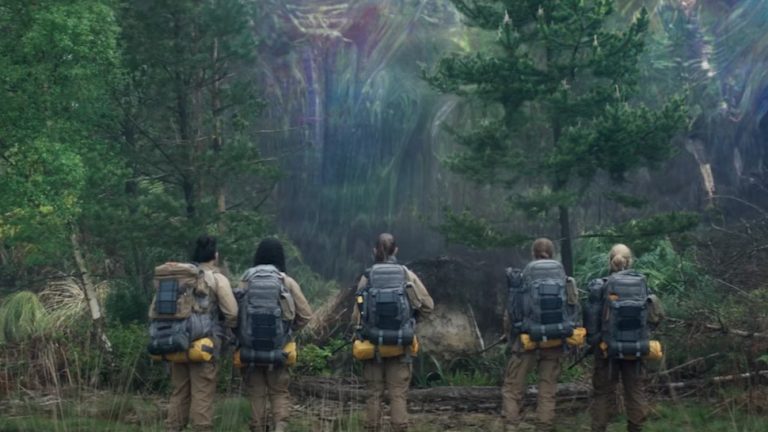
    But before all that happens, we see a meteor-like object strike a lighthouse on the Gulf Coast before cutting to Lena (Natalie Portman), a professor of biology who seems like a shell of a person as she mourns her husband, Kane (Oscar Isaac), who went missing on a mysterious mission a year prior. However, one day, he shows up. But it’s clear that the man that returned to her is not the man that left her. He is confused, unsure of how he got there or where he’s been, then his organs begin to fail. On route to the hospital, the ambulance is forced to stop by a squad of black SUVs that take Kane and Lena to a facility called the Southern Reach. Lena wakes up in a cell with Dr. Ventress (Jennifer Jason Leigh), a psychologist. Ventress explains that the Southern Reach has sent dozens of research teams into Area X and have never heard back from any of them, that is until Kane reappeared. Lena learns that her husband was a part of one of these teams and is the first person to return from across the shimmer. Eventually, seeking answers to help her husband, Lena decides to enter The Shimmer along with Dr. Ventress, paramedic Anya (Gina Rodriguez), physicist Josie (Tess Thompson, fresh off of Thor: Ragnarok), and anthropologist Cass (Tuva Novotny). It would be an understatement to say what happens beyond The Shimmer is extraordinary.

    The set-up and much of the story is told in fragmented scenes that give us some information, but end up raising more questions. It makes sense, though. The story is framed by Lena’s interrogation following her return from Area X — it’s revealed almost at the beginning of the film, as are the fates of every character. That’s just a testament to what Garland was able to do. Despite knowing the outcome, Annihilation is never less tense or horrifying. That doesn’t mean that it leans heavily on gore or horror movie logic. In fact, it’s quite the opposite. The movie is heady and cerebral. The same can be said for the thrills and action. Every image and moment feels calculated. The movie gets under your skin.

    Much of the film follows how you’d expect a movie about an exploration into an alien world to go. Each character is picked off one by one. But even the circumstances around their demises remain mysterious. That’s what separates it from Alien and other films that came after it. Even each death feels like another piece of the complex puzzle of Area X and the film itself. In that way, it feels more similar to Arrival or 2015’s Coherence. It’s as concerned with the emotional implications of the plot as it is the science. At one point, Cass tells Lena that all the women — it’s refreshing that all the people on the expedition being women is not a major plot point — have experienced some type of loss or are on some type of path of self-destruction. By the mind-bending final scenes, you understand why this discussion is so important.

    There has been a lot of talk about how Paramount essentially dropped all hope of Annihilation having a theatrical life from the moment producer Scott Rudin refused to “dumb down” the film. After watching it, I understand why. Though the design and thrills of Area X are impeccable, the true beauty of the film lies beneath. And it’s a beauty that you have to work for. Unfortunately, modern movie audiences aren’t ready for that type of sci-fi. Arrival and Interstellar may be the two examples of intellectual sci-fi surviving in this age of blockbusters. However, Annihilation is a film that has to be experienced on the big screen. There’s too much nuance to be affected by it on Netflix.

    A lot of that nuance comes from the cast. After giving the best performance of her career in Jackie, Natalie Portman gives perhaps the second best performance in this film. Playing a seven-year army vet and biology professor as both strong and vulnerable is a task that few actors could succeed in. On top of that, the character’s emotional journey is explored almost silently, particularly in the last 15 minutes. Without her, the impact wouldn’t be as strong. The same could be said for the set design by Mark Digby. His realization of Area X and all its oddities are equal parts beautiful and unsettling. As are the creatures that they encounter. The film is impeccably designed. The score also stands out — “The Alien” may be one of the most terrifying pieces I’ve ever heard in a film.

    Annihilation is complex, terrifying, engrossing, and beautiful, but above all, it feels completely unique. While the actual design and direction are unique, the themes it deals with and the way it comes to terms with those themes are what really sets it apart. It taps on a human process that we are too afraid to confront — our mortality and self-destruction. However, that is even a simplistic way to describe the themes. It’s truly a movie that has to be experienced and experienced on the biggest screen possible. It envelops you, gets under your skin, and stays with you long after it ends. Annihilation has monsters, but it exposes that the biggest monster of all is our own humanity.

    ★★★★½ out of five


  • 2018 Oscar Nominations — Final Predictions

    2018 Oscar Nominations — Final Predictions

    The Oscar nominations for the 90th Annual Academy Awards are upon us! This has easily been the most unpredictable season in recent memory for the Oscars. There is still no solid Best Picture frontrunner and most categories don’t have a solid group of nominees yet. Come nominations morning — Tuesday, January 23rd — we are in for snubs, shocks, and surprises.

    I’m predicting that The Shape of Water will lead with 13 Oscar nominations, followed by Dunkirk with 8.

    Here are my final Oscar nominations predictions!

    Best Picture

    Call Me By Your Name
    Dunkirk
    Get Out
    The Florida Project
    I, Tonya
    Lady Bird
    Three Billboards Outside Ebbing, Missouri
    The Post
    The Shape of Water

    Because of the rule that there can be between 5 and 10 nominees in this category — basically, you have to earn at least 5% of the total first-place votes — it’s almost impossible to predict exactly how many nominees there will. That makes predicting the bottom half of the category particularly hard. Get Out, Lady Bird, The Shape of Water, and Three Billboards are the frontrunners in the category and are safe for nominations. Dunkirk and Call Me By Your Name have been consistent the entire season, so they should be safe too. That leaves 2-3 spots. Mathematically, this category should always end up with 8 or 9 nominees. The Post is probably the safest bet. Since this has been such a divided season, I think there is a good chance for 9 nominees. The Florida Project could follow Room and fly under the radar all season, then show up at the Oscars and I, Tonya is certainly popular and nabbed a surprise PGA nomination, so those would be my picks.

    Best Director

    Sean Baker, The Florida Project
    Guillermo Del Toro, The Shape of Water
    Greta Gerwig, Lady Bird
    Jordan Peele, Get Out
    Martin McDonough, Three Billboards Outside Ebbing, Missouri

    A good rule of thumb for this category is that it mirrors the Directors Guild Award nominations with one difference. Last year, Garth Davis was pushed out for Mel Gibson. Before that, Ridley Scott was pushed out for Lenny Abrahamson. I think that the second example is the precedent I’m using for this. I think Christopher Nolan is going to be snubbed, yet again, and Sean Baker is going to slip in for The Florida Project. This is probably the gutsiest prediction I’m making this year. Let’s see if it pans out.

    Best Actor

    Timothée Chalamet, Call Me By Your Name
    Daniel Day-Lewis, Phantom Thread
    James Franco, The Disaster Artist
    Daniel Kaluuya, Get Out
    Gary Oldman, Darkest Hour

    With the sexual harassment allegations against James Franco coming out just a couple days before the end of the voting period, I think he still gets in. There simply wasn’t enough time to snub him. I think this category will closely follow the SAG nominations, except Daniel Day-Lewis replaces Denzel Washington.


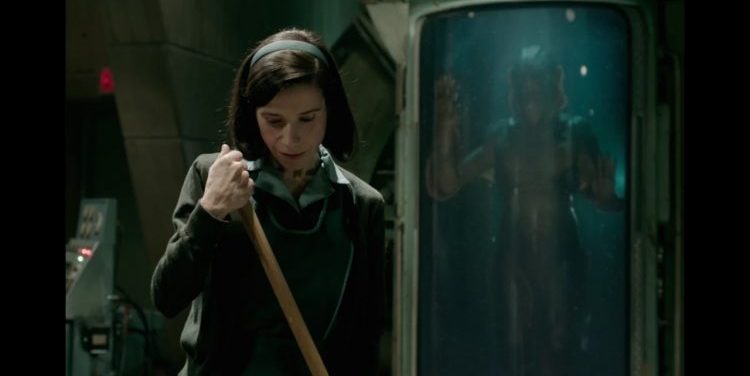
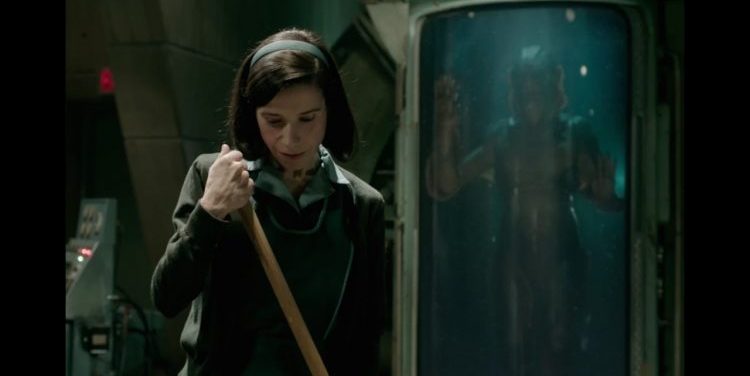
    Sally Hawkins and Doug Jones in The Shape of Water

    Best Actress

    Sally Hawkins, The Shape of Water
    Frances McDormand, Three Billboards Outside Ebbing, Missouri
    Margot Robbie, I, Tonya
    Saoirse Ronan, Lady Bird
    Meryl Streep, The Post

    Every nominee in this category feels safe except for, surprisingly, Meryl Streep. The Post has been struggling this season, and Molly’s Game has been picking up steam. So, Jessica Chastain could replace her.

    Best Supporting Actor

    Willem Dafoe, The Florida Project
    Woody Harrelson, Three Billboards Outside Ebbing, Missouri
    Richard Jenkins, The Shape of Water
    Sam Rockwell, Three Billboards Outside Ebbing, Missouri
    Michael Stuhlbarg, Call Me By Your Name

    Sam Rockwell and Willem Dafoe are the frontrunners and are really the only two safe nominations in this category with Richard Jenkins also likely to be nominated, but with the number of contenders could be pushed out. Though Armie Hammer received a Golden Globe nomination, I think there’s more passion for this Call Me By Your Name co-star Michael Stuhlbarg.

    Best Supporting Actress

    Mary J. Blige, Mudbound
    Holly Hunter, The Big Sick
    Allison Janney, I, Tonya
    Laurie Metcalf, Lady Bird
    Octavia Spencer, The Shape of Water

    Never underestimate Octavia Spencer. Despite not having much to do last year in Hidden Figures, she was still nominated. The Shape of Water looks like it’s going to have a lot of support across the board. So, Spencer will probably be swept along. The one wild card is really a WILD card. Tiffany Haddish had some heat early in the season that faded away. But the Academy could go for her over Holly Hunter. 

    Best Original Screenplay

    The Big Sick
    Get Out
    Lady Bird
    The Shape of Water
    Three Billboards Outside Ebbing, Missouri

    This is easily the most crowded category at the Oscars this year. It’s full of Best Picture contenders, so it really depends on how that category shakes out. I think the only vulnerable nominee here is The Big Sick. If the Academy goes for it in a big way, then this nomination is a shoo-in. If they swing more for The Postthen that could sneak in, as well. If I, Tonya shows up in Best Picture, then it could be nominated.

    Best Adapted Screenplay

    Call Me By Your Name
    The Disaster Artist
    Logan
    Mudbound
    Molly’s Game

    On the other end of the spectrum from Best Original Screenplay, this category has basically no strong contenders other than Call Me By Your Name, which is easily the frontrunner. Mudbound, Molly’s Game, and The Disaster Artist have the best chance for support outside this category, so they should be safe, as well. The last spot is up for grabs. Wonder, Wonder Woman, and even Blade Runner 2049 have a chance. But I think Logan has the most compelling argument.


    Ryan Gosling in Blade Runner 2049

    Best Cinematography

    Call Me By Your Name
    Blade Runner 2049
    Dunkirk
    Mudbound

    The Shape of Water

    The Academy loves to throw curveballs in this category — Ida, The Grandmaster, The White Ribbon — particularly when there’s a strong Foreign Language contender. But this year, Foreign Language is a thinner category than usual. So, the curveball might come from somewhere else. Darkest Hour is the most vulnerable of the American Society of Cinematographers nominees. I don’t think the Academy will pass up the opportunity to nominate a woman for the first time in this category — yes, I realize how crazy it is that it’s been this long. So, Rachel Marrison feels safe for Mudbound. It doesn’t feel like anyone is talking about Darkest Hour. So, Call Me By Your Name or Three Billboards Outside Ebbing, Missouri could sneak in. The former has the better shot.

    Best Costume Design

    Beauty and the Beast
    Darkest Hour
    Murder on the Orient Express
    Phantom Thread
    The Shape of Water

    Best Film Editing

    Dunkirk
    Lady Bird

    Get Out
    The Shape of Water
    Three Billboards Outside Ebbing, Missouri

    The real test for Lady Bird‘s strength in Best Picture is whether it can muster up a nomination in this category. However, Baby Driver or Blade Runner 2049 can push it out.

    Best Makeup and Hairstyling

    Darkest Hour
    I, Tonya
    Wonder

    Best Production Design

    Beauty and the Beast
    Blade Runner 2049
    Darkest Hour

    Dunkirk
    The Shape of Water

    Best Score

    Dunkirk
    Phantom Thread
    The Post
    The Shape of Water
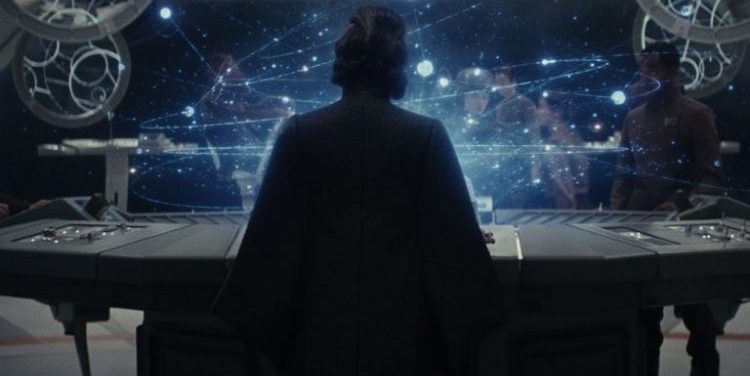
    Star Wars:
     The Last Jedi


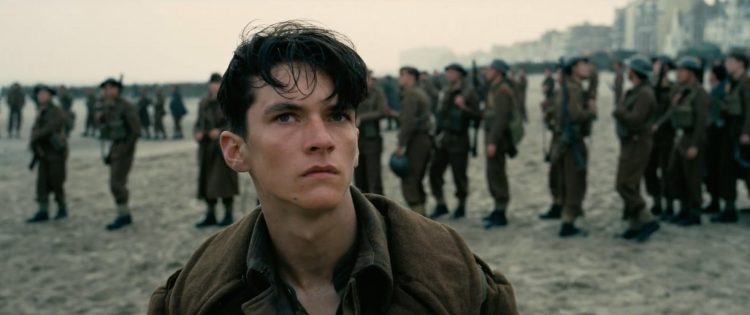
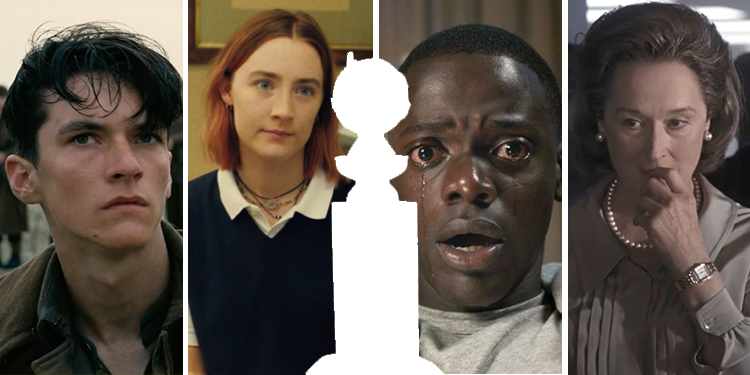
    Dunkirk Golden Globes

    Best Original Song

    “Evermore” — Beauty and the Beast
    “The Mystery of Love” — Call Me By Your Name
    “Remember Me” — Coco
    “This is Me” — The Greatest Showman
    “Mighty River” — Mudbound

    Best Sound Editing

    Baby Driver
    Blade Runner 2049
    Dunkirk
    The Shape of Water
    Star Wars: The Last Jedi

    Best Sound Mixing

    Baby Driver
    Blade Runner 2049
    Dunkirk
    The Shape of Water

    Star Wars: The Last Jedi

    Best Visual Effects

    Blade Runner 2049
    Dunkirk
    Okja
    Star Wars: The Last Jedi
    War for the Planet of the Apes

    Best Animated Feature

    The Breadwinner
    Coco
    The Lego Batman Movie
    Loving Vincent
    Mary and the Witch’s Flower

    Best Foreign Language Film

    A Fantastic Woman
    Foxtrot
    In the Fade
    Loveless
    The Square


    Coco

    Best Animated Short Film

    Cradle
    Dear Basketball
    Fox and the Whale
    In A Heartbeat
    Negative Space

    Best Documentary Short Film

    116 Cameras
    Alone
    Edith+Eddie
    Heroin(e)

    Ten Meter Tower

    Best Live-Action Short Film

    Dekalb Elementary
    Facing Mecca
    My Nephew Emmett
    Rise of a Star
    The Silent Child

  • ‘Mom and Dad’ review — Honey, I killed the kids

    ‘Mom and Dad’ review — Honey, I killed the kids

    Mom and Dad is a ridiculous, campy horror-comedy starring Nicolas Cage and Selma Blair with a premise that it stretches to the absolute max.

    Mom and Dad comes on the heels of a line of highly successful horror movies about the anxiety of parenthood—mainly The Babadook, A Quiet Place, and Hereditary. While each of those examples is elevated arthouse movies, Mom and Dad comes on almost the complete opposite side—exploitation. Even though the boiled down logline is basically that parents suddenly have the urge to violently murder their children, it is a surprisingly self-aware movie. Director Brian Taylor knows exactly what kind of movie he’s making. The movie only goes astray when it thinks it’s about something deeper—maybe it is—but it isn’t much more than some good genre thrills, except for one central scene.

    That central scene comes nearly two-thirds of the way through the movie and delivers the idea that the movie is trying to put forward in a neat package beautifully delivered by Selma Blair, who plays the titular Mom, Kendall. After her husband, Brent (Nicolas Cage giving the exact performance you’d think he’d give) has a meltdown in the basement of their picturesque suburban house screaming about his dreams that were lost to parenthood, Kendall calmly sits down beside him and with a tear-streaked face assures him that this isn’t the life she pictured for herself either. It’s a surprisingly powerful scene that comes amid the carnage of the first two-thirds of the film and would have more impact if Taylor was able to complete an idea. Instead, the movie switches back to being the B-movie that audiences are expecting to see.

    There’s not much to explain in the plot of Mom and Dad. The logline that I mentioned earlier really covers most of the plot. Kendall and Brent’s High School sophomore daughter Carly (Anne Winters) is almost too stereotypical—which is nearly perfect for this movie. While being driven to school by her Mom, she idly scrolls through Instagram while her mom complains that they don’t speak anymore. Carly sharply responds that it’s because Kendall doesn’t have a life. It’s over-the-top, but not far off from the reality of Mother/Daughter relationships. Brent, a typical suburban husband—too much machismo, vaguely racist, etc.—disapproves of Carly’s boyfriend Riley (Robert T. Cunningham) who happens to be black, though Brent says that he doesn’t like him because he’s a year older than her.

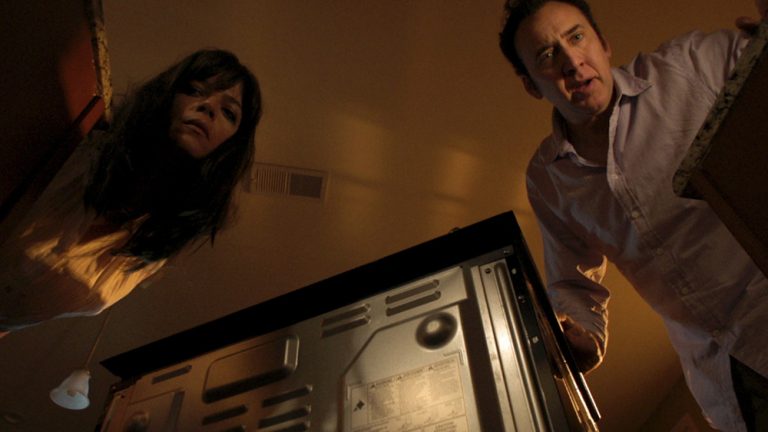
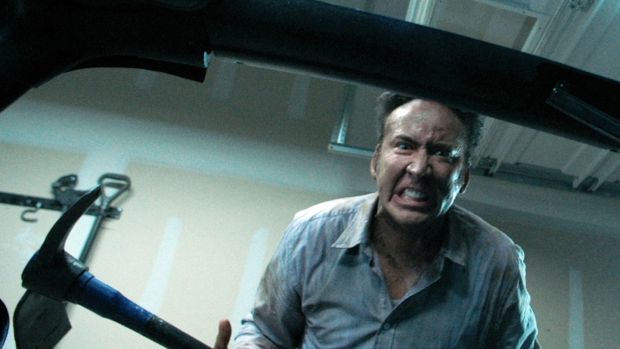
    Nicolas Cage in Mom and Dad

    All this setup is to establish that the parents and kids—the other being Carly’s younger brother Josh (Zackary Arthur)—have a strained relationship. Still, even if it’s over the top, it seemingly is nothing worse than any other parent’s relationship with their kids. That is until we see other parents gathering outside the gates of Carly’s school stalking their kids with nothing but malice in their eyes. Visually, it feels like a clear homage to George Romero’s Dawn of the Dead while the concept feels like it’s lifted from The Crazies. Eventually, the parents begin to scale the fence to the school and chase down their kids like lions hunting.

    From there, Mom and Dad turns into a nonstop ridiculous and violent B-movie of parents trying to murder their children. To the movie’s credit—and detriment—it knows what it is. At just 83 minutes, it’s for the most part able to maintain its ridiculous premise. Selma Blair is phenomenal as she tries to fight the urge to both protect and potentially maim her children. Cage’s character, on the other hand, is almost too eager to join the legion of parents taking baseball bats and hammers to their kids. His career has been one odd choice after another, but Mom and Dad does the exact thing you need to do with Nicolas Cage: let him go crazy.

    There’s not much more to the movie. You could probably watch it with one eye on the screen and still get everything you need to get out of it. It’s half-baked at best in terms of plot and character and doesn’t amount to much more than a B-movie with an interesting premise. That being said Blair and Cage are giving legitimately good performances and the movie as a whole is, for the most part, what you want it to be. Turn off the lights, gather up some friends, pop some popcorn, and laugh both at and with the movie. You’ll have an ideal movie night. 

    Mom and Dad is now streaming on Hulu. It is also available on Amazon ➤

    ★★½ out of five

  • 2018 Golden Globes Winners — Complete List

    2018 Golden Globes Winners — Complete List

    Check out the complete list of winners from the 75th Annual Golden Globes!

    The 75th Annual Golden Globes are tonight, hosted by Seth Meyers. As the first major awards show of the season, the Golden Globes often leave us with talked-about moments from the fashion to the ceremony to the winners — check out our predictions here. This year, which honors the best of film and television from 2017, The Shape of Water leads the film categories with 7 nominations and Big Little Lies leads the television categories with 6 nominations.

    Tune in to NBC at 8 p.m. ET to watch the ceremony and check back here for an updated list of winners throughout the show!

    Best Picture – Drama
    Call Me by Your Name
    Dunkirk
    The Post

    The Shape of Water
    Three Billboards Outside Ebbing, Missouri

    Best Picture – Comedy or Musical
    The Disaster Artist
    Get Out

    The Greatest Showman
    I, Tonya
    Lady Bird***

    Best Actor – Drama
    Timothée Chalamet, Call Me by Your Name
    Daniel Day-Lewis, Phantom Thread
    Tom Hanks, The Post
    Gary Oldman, Darkest Hour***
    Denzel Washington, Roman J. Israel, Esq.

    Best Actress – Comedy or Musical
    Judi Dench, Victoria & Abdul
    Helen Mirren, The Leisure Seeker
    Margot Robbie, I, Tonya
    Saoirse Ronan, Lady Bird***
    Emma Stone, Battle of the Sexes


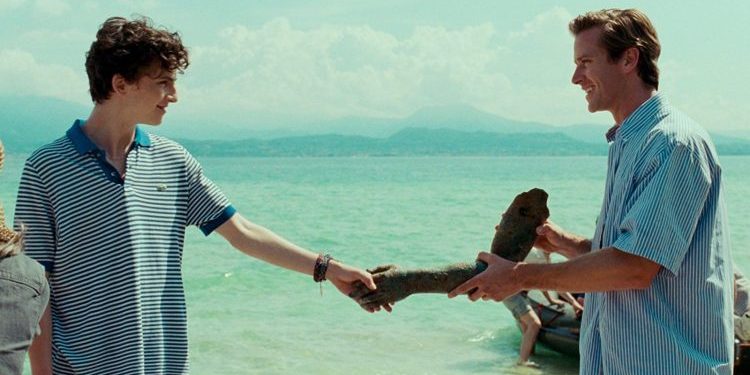
    Timothee Chalamet and Armie Hammer in Call Me By Your NameBest Actress – Drama
    Jessica Chastain, Molly’s Game
    Sally Hawkins, The Shape of Water
    Frances McDormand, Three Billboards Outside Ebbing, Missouri***
    Meryl Streep, The Post
    Michelle Williams, All the Money in the World

    Best Actor – Comedy or Musical
    Steve Carrel, Battle of the Sexes
    Ansel Elgort, Baby Driver
    James Franco, The Disaster Artist***
    Hugh Jackman, The Greatest Showman
    Daniel Kaluuya, Get Out

    Best Supporting Actor
    Willem Dafoe, The Florida Project
    Armie Hammer, Call Me by Your Name
    Richard Jenkins, The Shape of Water
    Christopher Plummer, All the Money in the World
    Sam Rockwell, Three Billboards Outside Ebbing, Missouri***

    Best Supporting Actress
    Mary J. Blige, Mudbound
    Hong Chau, Downsizing
    Allison Janney, I, Tonya***
    Laurie Metcalf, Lady Bird
    Octavia Spencer, The Shape of Water


    Sally Hawkins and Doug Jones in The Shape of WaterBest Director
    Guillermo del Toro, The Shape of Water***

    Martin McDonagh, Three Billboards Outside Ebbing, Missouri
    Christopher Nolan, Dunkirk
    Ridley Scott, All the Money in the World
    Steven Spielberg, The Post

    Best Screenplay
    Lady Bird
    Molly’s Game
    The Post

    The Shape of Water
    Three Billboards Outside Ebbing, Missouri***

    Best Score
    Dunkirk
    Phantom Thread

    The Post
    The Shape of Water***
    Three Billboards Outside Ebbing, Missouri

    Best Song
    “Home” from Ferdinand
    “Mighty River” from Mudbound
    “Remember Me” from Coco
    “The Star” from The Star
    “This Is Me” from The Greatest Showman***


    Best Animated Film
    The Boss Baby
    The Breadwinner
    Coco***
    Ferdinand
    Loving Vincent

    Best Foreign Film
    A Fantastic Woman
    First They Killed My Father
    In the Fade***
    Loveless
    The Square

    Best Television Series, Drama

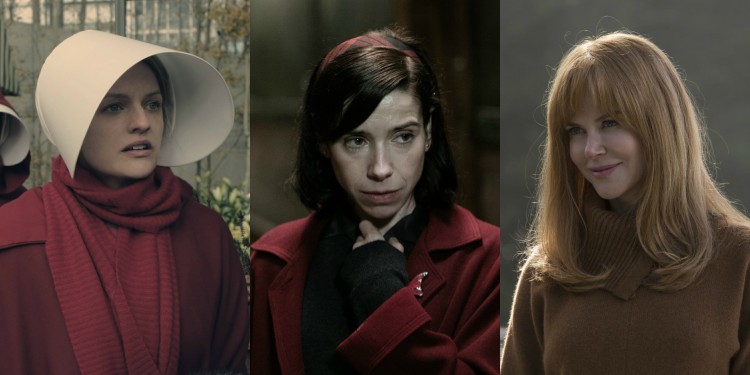
    The Handmaid’s Tale***
    This Is Us
    The Crown
    Game of Thrones
    Stranger Things

    Best Television Series, Comedy

    Black-ish
    The Marvelous Mrs. Maisel***
    Master of None
    SMILF
    Will & Grace

    Best Limited Series or Television Movie

    Big Little Lies***
    Feud: Bette and Joan
    Fargo
    Top of the Lake: China Girl
    The Sinner

    Best Actress, Limited Series or Television Movie

    Nicole Kidman, Big Little Lies***
    Reese Witherspoon, Big Little Lies
    Jessica Lange, Feud: Bette and Joan
    Susan Sarandon, Feud: Bette and Joan
    Jessica Biel, The Sinner

    Best Actor, Limited Series or Television Movie

    Robert De Niro, The Wizard of Lies
    Kyle MacLachlan, Twin Peaks
    Jude Law, The Young Pope
    Ewan McGregor, Fargo***
    Geoffrey Rush, Genius

    Best Actress, Television Series, Drama

    Elisabeth Moss, The Handmaid’s Tale***
    Claire Foy, The Crown
    Katherine Langford, 13 Reasons Why
    Maggie Gyllenhaal, The Deuce
    Caitriona Balfe, Outlander

    Best Actor, Television Series, Drama

    Freddie Highmore, The Good Doctor
    Sterling K. Brown, This Is Us***
    Bob Odenkirk, Better Call Saul
    Jason Bateman, Ozark
    Liev Schreiber, Ray Donovan

    Best Actress, Television Series, Comedy

    Pamela Adlon, Better Things
    Alison Brie, GLOW
    Rachel Brosnahan, The Marvelous Mrs. Maisel***
    Issa Rae, Insecure
    Frankie Shaw, SMILF

    Best Actor, Television Series, Comedy

    Anthony Anderson, Black-ish
    Aziz Ansari, Master of None***
    Kevin Bacon, I Love Dick
    William H. Macy, Shameless
    Eric McCormack, Will & Grace

    Best Supporting Actress, Television Series

    Laura Dern, Big Little Lies***
    Ann Dowd, The Handmaid’s Tale
    Chrissy Metz, This Is Us
    Michelle Pfeiffer, The Wizard of Lies
    Shailene Woodley, Big Little Lies

    Best Supporting Actor, Television Series

    Christian Slater, Mr. Robot
    David Harbour, Stranger Things
    Alfred Molina, Feud: Bette and Joan

    Alexander Skarsgard, Big Little Lies***

    David Thewlis, Fargo

  • ‘Star Wars: The Last Jedi’ review — Gorgeously shot, complex, and thrilling

    ‘Star Wars: The Last Jedi’ review — Gorgeously shot, complex, and thrilling

    The Last Jedi is easily the best-made Star Wars film as director Rian Johnson explores deeper and more complex themes than past films

    Spoiler Alert! I’m not holding back on any plot points. Based on the box office though, it seems like everyone has watched the movie already. 

    30-second review: Admittedly, I was never a huge fan of the Star Wars franchise. I always appreciated its place as a corner of modern-day cinema and believe that The Empire Strikes Back is one of the greatest sci-fi movies of all time. But I’ve never been a fanboy. The Force Awakens was a fun space romp that was well made, but further highlighted my issues with the franchise. Issues that competing franchise Star Trek seemed to solve a long time ago (in a galaxy far, far away). However, Rian Johnson’s The Last Jedi doesn’t only give me a new hope for the franchise.

    It raises the bar for blockbuster filmmaking the same way that Mad Max: Fury Road did a few years ago and Blade Runner 2049 did this year. The difference is that no matter what, any Star Wars movie is going to be seen. And it’s going to be seen by a lot of people. Whether or not Johnson considered this when crafting the narrative I don’t know, but he has moved the franchise forward in quality and perspective. Before continuing, I want to say thank you to Johnson and Kelly Marie Tran. For the first time in my life, I felt like an action hero.

    Continuing in the spirit of the franchise, The Last Jedi picks up immediately after the events of The Force Awakens. Rey (Daisy Ridley continues to do great work) has found Luke (Mark Hamill) on an isolated island looking to bring him back to the waning resistance to help empower their forces and to further explore her newfound power with the force. Much of this sounds like The Empire Strikes Back retreaded, but Johnson constantly upends expectations in a way that constantly keeps you guessing.

    Hamill has never been better as Luke (he was also great in Brigsby Bear this year). Refreshingly, he’s not the hero that he once was. Hamill famously was unsure about the direction of the character, but eventually came around. I understand why he was concerned. For years he was sold as the undisputed hero of the series, and in this film that is the legend that has persisted. But as the old adage goes, never meet your heroes.

    The scenes between Rey and Luke don’t work as well as the rest of the film. However, the theme of the storyline is one that the series has never addressed: what does it mean to be a hero. Rey wants to be a hero, but Luke doesn’t quite believe them anymore. It’s incredibly mature storytelling for a series that has mostly kept its themes surface level.

    The rest of the resistance is engaging in only what I could call a Mad Max-style chase with the First Order. The theme of what it means to be a hero carries on here, but it also points to a new direction for the series. Star Wars, in spite of its title, has never felt like a war movie. Last year’s Rogue One came close, but The Last Jedi is the first movie to completely feel like it completely embraced the title. The action sequences, which are beautifully directed, visually and structurally feel like war battle sequences.

    However, I want to pay specific attention to the opening battle. This is the kind of battle that George Lucas would end the movie on. It’s a triumphant victory achieved in spectacular fashion. Instead, Johnson focuses on the losses of the battle. In particular, he focuses on one resistance fighter’s attempt to drop bombs on a First Order dreadnought. Her ultimate sacrifice is what drives the movie’s narrative. Not her specific sacrifice, but the reason she’s doing it. Johnson is a superb visual storyteller and he makes these scenes feel like they can stand alone. Of course, that emotional arc pays off in the form of Rose (Kelly Marie Tran, a revelation and breakout).

    Fewer characters were introduced in this film, but of all the new characters in this trilogy, she may be one of the best. Not only does she have a backstory and a complex character arc, she’s an Asian woman. Diversity has never been Star Wars‘ strong suit, thought The Force Awakens did a great job in adding some to the cast, but Rose feels different. Of course, this is coming from someone who is Filipino-American. Still, I’ve never felt like I could be an action hero. However, her inclusion points to another improvement for the series. For the first time, each character feels complex and like they have to make decisions that have consequences.

    For the entire running time, the resistance has their backs against a wall, which adds stakes to the story. Something that the previous movies never had. The Last Jedi is easily the most consistently exciting film in the series. For fans of Battlestar Galactica, it is reminiscent of the series premiere where fleet must constantly evade their enemies through a series of jumps through hyperspace. Johnson’s direction of the sequences are sensational and the effects are among the strongest of the year. However, what is more interesting is General Leia (Carrie Fisher — she gives a performance that reminds us how far presence can get you in a scene) and her attempt to save what is left of the resistance. Poe (Oscar Isaac), who seems to be the new Han Solo, has the “shoot from the hip” attitude that got our heroes out of more than one sticky situation in the original trilogy. Instead, Johnson makes it a point to highlight the strategic side of the fight. At one point Leia becomes so angry at Poe taking the heroic path rather than the strategic one that she slaps him and delivers the soon-to-be iconic line, “get your head out of your cockpit.”

    Thematically, the film explores what it means to be a hero through Poe and his contentious relationship with Admiral Holdo (Laura Dern, a standout). More interestingly, though, it also blurs the line between good and evil. As a space western, the Star Wars films have always felt like good vs. evil. The Last Jedi explores what it is to be good or evil as Rey and Kylo Ren (Adam Driver) become linked to each other through the force by Supreme Leader Snoke (Andy Serkis), which culminates in one of the best lightsaber battles in the series’ history.

    Johnson elevates the design of the universe by showing us corners that we’ve never seen before. The casino that Rose and Finn (John Boyega) visit is a highlight. And in the final battle sequence, the salt planet serves as an incredible backdrop for the rebels’ last stand. It’s that kind of visual innovation that the series lacked in The Force Awakens, which just felt like more of the same, even if that same is delightful.

    Coming from a background of appreciation rather than complete adoration, I never understood the undying love for the series. Well, The Last Jedi made me understand it. I felt emotional during the hero moments because I felt attached for the first time. Partially because I got to know them on a deeper level, but also because people of color and women got a chance to have those hero moments.

    They truly saved the day. Will that anger some fans? Yes. But objectively, The Last Jedi is the best Star Wars movie to ever be released. That fact can’t be disputed. It may not be the Star Wars you remember, but change, in the end, is good. And to the fans that are unhappy about the changes or the diversity, I leave you with this: “we’re going to win this war not by fighting what we hate, but saving what we love.”


    ADVERTISEMENT


    More movies, less problems


    Hey! I’m Karl. You can find me on Twitter and Letterboxd. I’m also a Tomatometer-approved critic.

    💌 Sign up for our weekly email newsletter with movie recommendations available to stream.


    ADVERTISEMENT


  • 2018 Golden Globes Predictions — Movie Categories

    2018 Golden Globes Predictions — Movie Categories

    The Golden Globes, Hollywood’s biggest party, is this Sunday and we have predictions in all the motion picture categories below!

    The 75th Annual Golden Globe Awards are on Sunday, January 7th. They are the first major awards ceremony of this unpredictable awards season. Although the Golden Globes aren’t seen as an Oscar predictor, they can give a boost to films already in the hunt for Oscar. This year, Guillermo Del Toro’s fantasy-romance The Shape of Water led with 7 nominations (see the full list of nominees here) and will be the favorite coming into the ceremony. Check out our predictions in all the motion picture categories below!

    Best Motion Picture, Drama

    Will Win: The Shape of Water
    Could Win: Three Billboards Outside Ebbing, Missouri
    Should Win: Call Me By Your Name

    Pretty much any nominee in this category could end up winning for any number of reasons, but the foreign voting body that makes up the HFPA will most likely skew towards Guillermo Del Toro’s The Shape of Water, which led the nominations. Since this is the earliest major ceremony, the winner of this category tends to be the Oscar frontrunner at the time, even if that film doesn’t ultimately win — Moonlight, 12 Years A Slave, Boyhood. That means it has to be a film that is in wide release or had already had its wide release. That narrows it down to two — the other is Three Billboards Outside Ebbing, Missouri. However, the quirky tone and less US-centric themes will help it appeal to the HFPA.

    Best Motion Picture, Comedy or Musical

    Will Win: Lady Bird
    Could Win: Get Out
    Should Win: Lady Bird

    This race is Lady Bird vs. Get Out. Both movies are Oscar frontrunners and have a strong consistent buzz around them, which is most important when it comes to the Golden Globes. However, after Get Out was controversially deemed eligible as a comedy and snubbed in the screenplay category — both films missed out on director nominations — Lady Bird feels like a more concrete frontrunner. Though leave it to the Golden Globes to nominate something controversially, then give it the win — The Martian is the most recent example. Get Out is still in this race, but it looks like Lady Bird‘s to lose.

    Best Actress in a Motion Picture, Drama

    Will Win: Sally Hawkins, The Shape of Water
    Could Win: Frances McDormand, Three Billboards Outside Ebbing, Missouri
    Should Win: Sally Hawkins, The Shape of Water

    With Ronan in the comedy category, this is Hawkins vs. McDormand. Movies tend to sweep at the Globes, which gives Hawkins the edge.

    Best Actor in a Motion Picture, Drama

    Will Win: Timothée Chalamet, Call Me By Your Name
    Could Win: Gary Oldman, Darkest Hour
    Should Win: Timothée Chalamet, Call Me By Your Name

    Though Oldman is the frontrunner, I see the Globes going for the buzzier Chalamet.


    Best Actress in a Motion Picture, Comedy or Musical

    Will Win: Saoirse Ronan, Lady Bird
    Could Win: Margot Robbie, I, Tonya
    Will Win: Saoirse Ronan, Lady Bird

    While every category so far has been a toss-up, this is the one that I feel confident in predicting. Ronan is the Oscar frontrunner and in the likely winner for Motion Picture, Comedy or Musical. The Golden Globes love sweeps, so she should be swept along.

    Best Actor in a Motion Picture, Comedy or Musical

    Will Win: James Franco, The Disaster Artist
    Could Win: Daniel Kaluuya, Get Out
    Should Win: Daniel Kaluuya, Get Out

    Franco and Kaluuya are the two nominees with the best shot at Oscar nominations, which automatically puts them in the top two spots. Franco has gotten more individual acclaim, which will most likely carry him over to a win. Plus, the Golden Globes love to see a movie star on their stage.

    Best Supporting Actress

    Will Win: Laurie Metcalf, Lady Bird
    Could Win: Allison Janney, I, Tonya
    Should Win: Laurie Metcalf, Lady Bird

    Like her co-star, Metcalf should easily coast to victory.

    Best Supporting Actor

    Will Win: Christopher Plummer, All the Money in the World
    Could Win: Willem Dafoe, The Florida Project
    Should Win: Willem Dafoe, The Florida Project

    Like I said before, leave it to the Golden Globes to pat themselves on the back for their own out of left field nominee. Since they obviously really loved All the Money in the World, it’s natural they’d award its buzziest aspect. Christopher Plummer’s last-minute entry into the film is going to be the story that pushes him over the edge over Oscar-frontrunner Dafoe.

    Best Director

    Will Win: Guillermo Del Toro, The Shape of Water
    Could Win: Ridley Scott, All the Money in the World
    Should Win: Christopher Nolan, Dunkirk

    Del Toro should win this prize along with the motion picture category, but again, don’t put it past the Golden Globes to award Ridley Scott.


    Dunkirk Golden Globes

    Best Screenplay

    Will Win: Martin McDonough, Three Billboards Outside Ebbing, Missouri
    Could Win: Guillermo Del Toro and Vannessa Taylor, The Shape of Water
    Should Win: Greta Gerwig, Lady Bird

    Best Animated Feature

    Will Win: Coco
    Could Win: The Breadwinner
    Should Win: Coco

    Best Foreign Language Film

    Will Win: First They Killed My Father
    Could Win: The Square

    Best Score

    Will Win: The Shape of Water
    Could Win: The Post
    Should Win: Phantom Thread

  • The 10 Best Movies of 2017

    The 10 Best Movies of 2017

    This year has been one of the best movie years in recent memories with films that pushed the boundaries of filmmaking. Here are the best movies of 2017!

    2017 is a year that started strong and ended even stronger, which is refreshing considering the end of the year always has an influx of awards-friendly prestige movies. But what is even more refreshing is the variety of movies this year that were successful commercially and critically. Horror had a huge year, as did comedy. Action made a comeback and romance became original again. But these genres don’t totally cover the movies on this list. If movies in 2017 could be summed up, you could say it was a genre-bending year. More and more movies have escaped classification, which is the right direction for the industry. However, more importantly. It seems that movies that had something real to say about our current political and societal moment are being seen.

    The more movies that stray away from the typical movie formula and become successful, the more original movies we will start seeing. This list, I believe, is a testament to those new original directions and voices. Here are what I consider the best movies of 2017.

    Note: See every 2017 movie I watched ranked on Letterboxd!


    Brigsby Bear
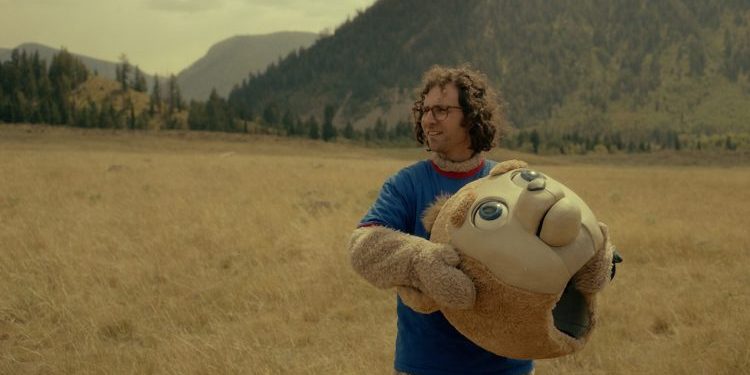
    Kyle Mooney in Brigsby Bear

    When I heard that Saturday Night Live’s Kyle Mooney — one of my favorite repertory players — was co-writing and starring in a movie I was expecting something hilarious, awkward, and downright weird. Brigsby Bear was all those things, but what surprised me is that it had a surprising amount of heart. Mooney brings his usual endearingly awkward persona to his character, but the story makes it both charming and a bit devastating. It’s actually a rational exploration of trauma and how we deal with it. That doesn’t stop it from being a hilarious “fish out of water” comedy with the sensibilities as Mooney’s sketches on SNL. Still, its weird exterior is just a way to take the audience off guard and hit them with the kind of warmth and hope we need today.

    Brigsby Bear is available on Blu-Ray and Digital HD on Amazon ➤

    Get Out
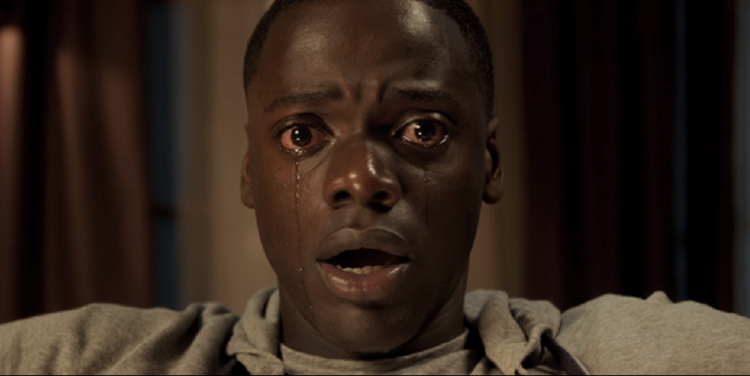
    2017 was a great year for first-time filmmakers. However, no first film quite made an impact as large as Jordan Peele’s Get OutNot only did it make an impact critically and commercially, it sparked a national conversation about race while also being eminently entertaining. It has the sharp wit that Peele has become known for along with his collaborator Keegan Michael Key (who didn’t work on him for this film) that drive big laughs, but also a really smart take on racism, particular that of the liberal elites. However, what makes Get Out one of the best movies of 2017 is the incredible attention to detail. It’s the type of movie that is more rewarding on multiple viewings. Every line and image serves a purpose in the grand scheme of the movie. Not only that, it makes a star out of Daniel Kaluuya. To which, I say, it’s about time.

    Get Out is available on Blu-Ray and Digital HD on Amazon ➤

    The Florida Project
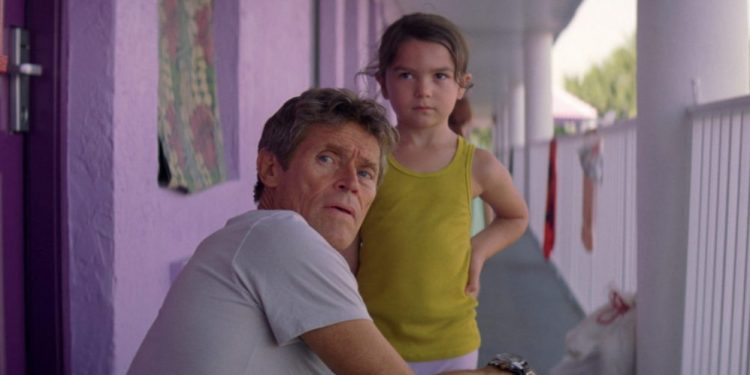
    Willem Dafoe and Brooklynn Prince in The Florida Project

    Director Sean Baker specializes in making films about people on the fringes of society. In The Florida Project, he tells a story about the invisible homeless on the outskirts of the family resorts of Orlando. But what makes this movie truly great and one of the best movies of 2017 is that he tells it firmly in a child’s perspective. To the protagonist Moonee (Brooklynn Prince), everything is magical. However, she doesn’t understand that some of the things her young mother Halley (Bria Vinaite) are less than normal and sometimes even illegal. But Baker never judges his characters. He has sympathy for their experiences, much like Willem Dafoe‘s character, who manages the hotel where Moonee and Halley live. In the end, audiences will view it with the same childlike wonder that Moonee has. It’s heartfelt, a bit dark, but also a delight to watch.

    The Florida Project is available on Blu-Ray and Digital HD on Amazon ➤


    Phantom Thread

    Daniel Day-Lewis and Vicky Krieps in Phantom Thread

    To say that Paul Thomas Anderson created a romantic comedy with Phantom Thread might be overreaching, but he came close. In what is apparently his last performance, Daniel Day-Lewis continues his streak of playing complicated and difficult men. However, this time he has a complicated woman (Vicky Krieps) to go up against. And that battle of the Titans is one of the most thrilling relationships to see play out on screen. Reynolds Woodcock is a character for the ages and is certainly fitting to be Day-Lewis’ march into movie history, but more importantly, we have been introduced to an exciting new star in the making in Vicky Krieps. While this is a movie about a tortured artist, it’s also very much about the women — the other being his sister Cyril (Lesley Manville) behind that tortured artist who have to find new ways to both support him and keep him grounded. Phantom Thread is a meditation on marriage. And if I was Maya Rudolph, Anderson’s wife, then I might be a bit worried.

    Blade Runner 2049

    Creating a follow-up to a film as technically dazzling and thematically rich as Ridley Scott’s 1982 classic Blade Runner seemed like a fool’s errand. That is until Denis Villeneuve (Arrival) stepped into the director’s chair. Along with Hans Zimmer and Benjamin Wallfisch, who composed the score, and Roger Deakins, who shot the film, Villeneuve created one of the dazzling worlds seen on film this year. Splashed with neon tones that contrast to the industrial infrastructure that has befallen Earth, Blade Runner 2049 is a visual feast. But what made the film one of the best movies of 2017 is it continued to explore the themes of humanity, while also delving into new directions, most interestingly involving Ryan Gosling‘s K. Though it has a nearly 3-hour running time, it’s endlessly engrossing as its mysterious plot reveals itself. What differentiates it from the original, though, is it has a strong emotional center that catches you off guard and brings warmth to an otherwise cold world.

    Blade Runner 2049 is available on Blu-Ray and Digital HD on Amazon ➤

    Next Page: The Top Five

    My top five favorite movies of the year are an eclectic group of films that I believe balanced beautiful filmmaking with profound storytelling. These filmmakers have certainly earned their place as the best movies of 2017!

    Columbus

    Haley Lu Richardson and John Cho in Columbus

    What made Richard Linklater’s Before trilogy such an amazing achievement is its ability to make conversation so compelling. The same could be said for Kogonada’s film debut Columbus. Although this conversation isn’t as contained as Jess and Celine’s in terms of time, Casey (Haley Lu Richardson, who gives one of the best performances of the year) and Jin (John Cho) help each other come to terms with their pasts and plan for the future. All of this happens in the shadow of the modern architecture of Columbus, Indiana, which is captured beautifully by Elisha Christian. However, what makes this film great and one of the best movies of 2017 is that Columbus is the third lead of this film. Its existence is a juxtaposition much like Casey and Jin are to each other, and it’s exactly what they need.

    Columbus is available on Digital HD on Amazon ➤

    Personal Shopper

    Kristen Stewart in Personal Shopper

    I’ve tried to describe Personal Shopper to people and it always comes out sounding like an overzealous student film. But masterful director Olivier Assayas takes the seemingly disparate elements and competing genres to create a profound meditation on grief — with a detour towards the supernatural. The ghostly elements of the film are legitimately terrifying mostly because there is so much mystery behind them. Assayas doesn’t give audiences the answers, which makes the film into a puzzle that we have to solve. And that’s thrilling enough, but he then instills Hitchcockian tension that turns it into a psychological thriller. While all these genre elements are happening, Maureen, played by a masterful Kristen Stewart, has to come to terms with her own mortality and her grief. It’s an emotional powerhouse of a movie disguised as a psychological thriller, which makes it one of the best movies of 2017.

    Personal Shopper is available on Blu-Ray and Digital HD on Amazon ➤


    Lady Bird
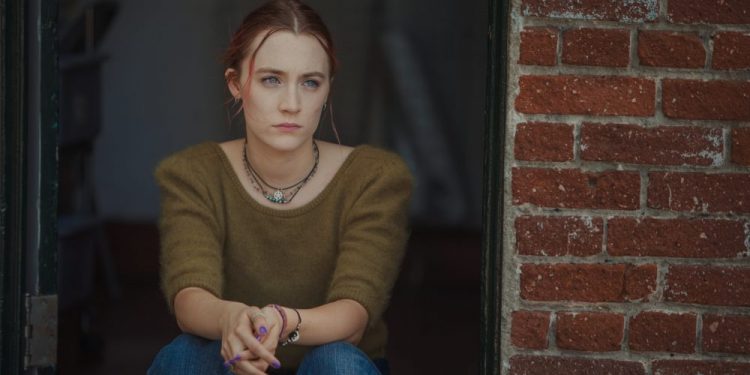
    Saoirse Ronan Lady Bird Review

    The same way movies like Clueless and Never Been Kissed so accurately portrayed the painful awkwardness of growing up in the 90s, Lady Bird is almost a near perfect coming-of-age dramedy about adolescence in the post-9/11 era. Though the movie is based on writer and director Greta Gerwig‘s teenage years growing up in Sacramento, California, Christine “Lady Bird” McPherson (Saoirse Ronan) is the kind of character that nearly anyone can see themselves in. In particular, she’s a teen that is trying out different versions of herself, and Gerwig captures that in a quick-paced, hilarious romp that hits emotional beats that will make you want to give your parents a call and tell them that you love them. Lady Bird reminds us that even though we may see ourselves as the star of our own story, we may be a supporting character in someone else’s.

    Lady Bird is available on Blu-Ray and Digital HD on Amazon ➤


    Dunkirk
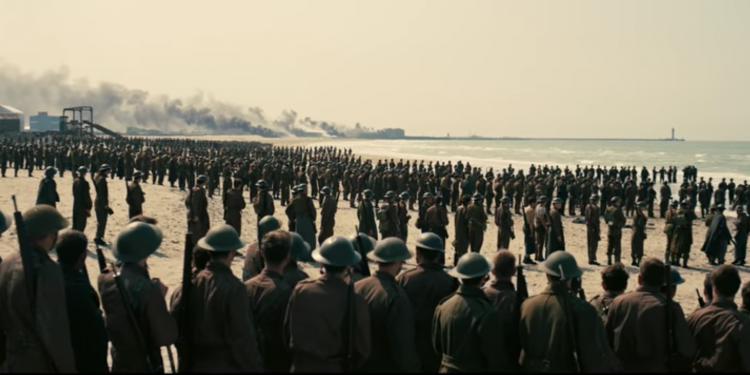
    Dunkirk Best Picture

    No studio filmmaker is pushing the boundaries of cinema quite like Christopher Nolan. But he may have launched us into a new frontier with his World War II movie Dunkirk. I so often use the word epic when describing Nolan’s films. Interstellar was a nearly 3-hour journey through space and time. Epic is really the only word you can use to describe it. However, Dunkirk is almost the antithesis of that. It deconstructs the war movie and only leaves the action, which makes it an unrelenting and tense experience that makes a fantastic argument as to why movies have to be seen in the theater. With the sweeping cinematography by Hoyte Van Hoytema and dissonant score by Hans Zimmer, Nolan was able to achieve full immersion into the world. By the end, you’ll feel like you went through war. It’s a cinematic experience of the highest caliber. Read by

    Dunkirk is available on Blu-Ray and Digital HD on Amazon ➤

    Call Me By Your Name
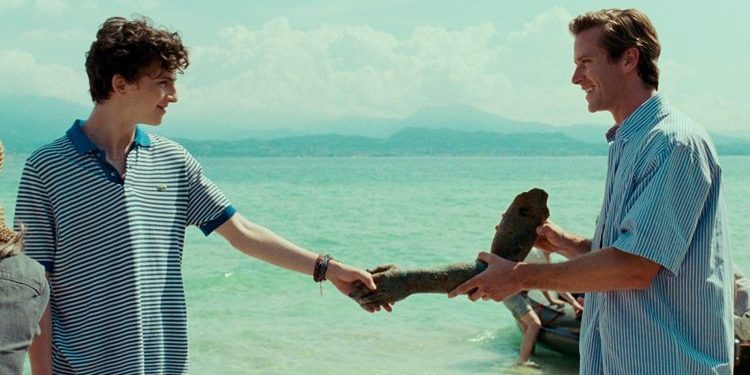
    Timothee Chalamet and Armie Hammer in Call Me By Your Name

    For all the movies giving commentary on our current political moment, commenting on the injustices of our society, or simply bringing stories forward that are no often told, the one that stands out and tops this list as the best movie of 2017 is largely unpolitical. Call Me By Your Name is at its heart a romance. Specifically, a first love. And it captures that feeling brilliantly under the direction of Luca Guadagnino who, along with cinematographer Sayombhu Mukdeeprom, present the movie with the feeling of a fleeting summer’s glow. And like Moonlight, my number one film last year, Call Me By Your Name recalls feelings that nearly everyone has felt — love, hate, jealousy, fear, hope, helplessness — without doing much to force those feelings on you. Movies are emotionally manipulative. However, the best movies are the ones that are getting you to feel something without you even noticing. And Call Me By Your Name achieves this flawlessly.

    James Ivory’s screenplay and Guadagnino’s sensitive direction gave the cast the room to play with their characters, which gives every conversation an authentic quality. But, much credit must be given to the cast. Michael Stuhlbarg‘s intellectual father character is bubbling with excitement over the prospect of discovered artifacts or sparring over the origin of words. But by the time we get to his closing speech, we understand that his character is more sensitive than we’re initially led to believe and the love for his son knows no bounds. With the enigmatic Oliver, Armie Hammer constantly keeps us guessing about his motives, his thoughts, and his feelings. However, at the center of it all is Timothée Chalamet. He’s effortless in his portrayal of youthful energy, but when the emotions that come with the exploration of sexuality hit him, it’s like a floodgate is opened.

    Call Me By Your Name is the rare film where really nothing is happening on screen, yet everything is at the same time. It’s beautiful and bold and sexy and sensitive. It’s a film about love that is impossible not to love.


    Honorable Mentions

    Looking back, it has been an incredible year for movies. So, parring this list down to a top ten was nearly impossible, and I’m still not completely confident in my rankings or inclusions. Although, that’s just a testament to the quality of films this year. So before I get to the “best movies” — if there’s really such a thing in this crop — I want to take a moment to highlight some of the high points of cinema this year.

    It’s safe to say that this year included some of the most original and best superheroes movies in the past few year. Patty Jenkins’ Wonder Woman, in addition to being the highest-grossing film to be directed by a woman, did something that no film in the DC universe of films has done. Be good. Not only that, though, the film has some of the best action scenes of the year and a strong heart at its center with Gal Gadot. Marvel also had a great year with Spider-Man: Homecoming and Thor: Ragnarok, both of which felt like departures from the usual Marvel formula with the former being a John Hughes-inspired high school movie and the latter being a broad comedy.

    However, action also had other great entries. In particular, David Leitch (co-director of John Wick) brought us one of the greatest female action heroes with Atomic Blonde. Even though the Cold War plot gets convoluted, it boasts the single best action scene even made with the now famous stairwell scene.

    There were two fantastic ghost stories this year. One of them made this list, the other, A Ghost Story, just missed out. However, its melancholic journey through time is beautifully captured in a way that feels wholly unique. Another ghostly film with a more family-friendly approach also proved to be one of the emotionally satisfying experiences of the year. Pixar hits it out of the park again with Coco, an entertaining, funny, and sentimental take on processing loss.

    Two real-life stories also made a strong impression this year. The first was one of the most surprising revelations of the year. Stronger on the surface looked like another “based on a true story” movie about a man overcoming incredible odds. But with sensational performances by Jake Gyllenhaal and Tatiana Maslany and a smart directorial style, it turns into a real story of triumph in the face of adversity. The other, The Big Sick, tells a story that seems too crazy to be true. But Kumail Nanjiani and Emily V. Gordon adapted their real-life love story with enough of a witty realistic punch to make it a charming reinvention of the romantic comedy genre.

    Lastly, the film that just barely misses out on my top ten best movies of the year is Bong Joon-Ho’s Okja. More than any film this year, it takes creative swings that test both genre and filmmaking conventions and ends up being a sweet and profound tale of friendship and without a doubt the best original Netflix film to date.
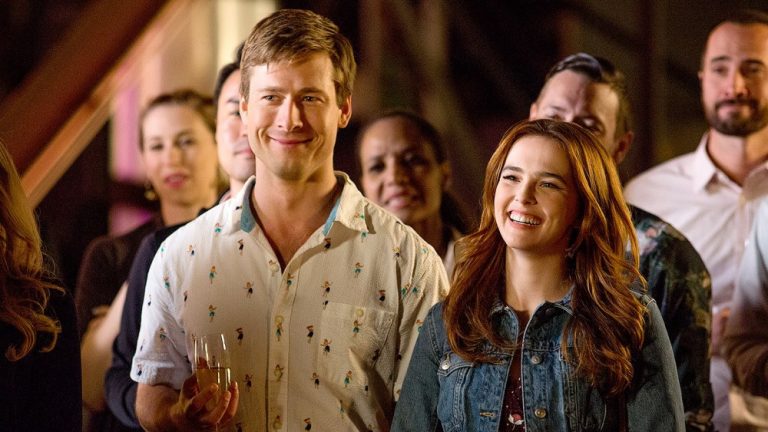
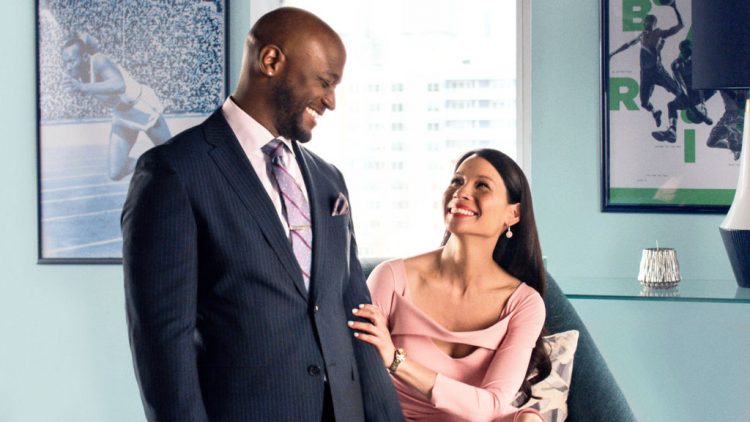
  • Phantom Thread review — Daniel Day-Lewis falls in love in his final performance

    Phantom Thread review — Daniel Day-Lewis falls in love in his final performance

    Phantom Thread is a surprisingly funny and poignant romance with stellar performances by Daniel Day-Lewis, Lesley Manville, and, in particular, Vicky Krieps.

    I could listen to Daniel Day-Lewis order breakfast all day. In what is supposedly his final film performance, the three-time Oscar winner plays a role that encapsulates what makes him one of the greatest actors to have ever lived. Day-Lewis has always been attracted to roles of difficult and complicated men. Take his Oscar-winning turns in There Will Be Blood or Gangs of New York. He played men consumed by their passions. Often losing their humanity to them. As Reynolds Woodcock, a renowned fashion designer working in the couture world of 1950s London, in Paul Thomas Anderson’s Phantom Thread, he plays yet another difficult man, though a quieter one than his past roles. However, Mr. Woodcock, as he’s often called, is not only consumed by his passion for dressmaking. He’s obsessed with it. He believes that his artistry and genius is more meaningful than the pleasantries of society, which is why he often doesn’t participate in them.


    Woodcock and his sister, and business partner, Cyril (Lesley Manville, lovely here) understand each other to the point where most of their conversations could happen without words if they needed. In particular, Cyril understands what her brother needs to successfully pursue his work — silence during breakfast, strict adherence to his schedule. So, when he takes a liking to Alma (Vicky Krieps), Cyril believes that she’s just another woman who will act as his muse for a period of time before Reynolds is more distracted by her presence than inspired and is eventually dumped, usually by Cyril herself. But Alma is different. Unlike past women in Reynolds’ life who strive to please him, Alma isn’t just happy being subservient. She has wants and desires too. Which is why this unconventional love story almost feels like a battle between two titans than a waltz between lovers. Eventually, Reynolds invites Alma to live with him in his and his sister’s house — it doubles as his workspace — which, as the description for the film says, disrupts his carefully tailored life.

    What caught me most off guard is that Phantom Thread, more than any other of Anderson’s other movies, is incredibly funny. Though Reynolds is a daunting figure often consumed by his own genius — often propelled by the royals passing through his doors — going up against two strong women often leads to incredibly funny exchanges that almost classify this film as a romantic comedy. Still, it’s a captivating character study about a man who thrives in his craft but is nearly destroyed by disorder, which comes in the form of Alma’s presence. Not only that, the film has moments of pure sexual tension that are almost too much to bear. When Reynolds first meets Alma while she is working as a waitress in a restaurant in the countryside, he orders breakfast in one of the most sensual ways possible. But Day-Lewis barely moves his body. It’s all in his subtle intonation. It’s masterful.

    As Alma’s presence becomes a threat to the very work he cherishes, he begins to act erratically. After all, he’s an artist. A tortured one that never wants to admit he’s tortured. From there, the movie takes a dark turn, albeit an increasingly intriguing one. The movie turns into a story about love and companionship, but certainly not one to swoon over. Like Mother! and Raw earlier this year, Phantom Thread is about the darker side of marriage — or not marriage, I suppose. The side where you have to give up a piece of yourself to make the relationship work. Both of those movies cover the extremes of it, though the themes in Mother! — the tortured artist and the long-suffering wife — are eerily similar to those in Phantom Thread. But Anderson is such a commanding writer that he is able to spend nearly an hour setting up his characters before thrusting them into the plot.

    While the story of this movie is that it is Daniel Day-Lewis’ final performance, the real star of this film is Vicky Krieps and her astounding performance as Alma. She is a full-bodied actor. Even when she’s sitting down she uses her entire body to convey emotion. Even when she simply says “yes,” it has an impact. Alma is a complicated character who experiences a wide-range of emotions. Krieps handles everything Anderson throws at her with a staunch confidence. It’s quite the performance to announce her to the world.


    Though the performance and screenplay are certainly motivating factors to the movie’s success, Anderson proves yet again that he’s one of the greatest directors working today by presenting the story with an unrelenting rhythm that gives the audience little time to rest. It’s thrilling to watch with an audience because they become instantly absorbed in the movie’s humor, sexuality, and drama. It’s like a toned down melodrama with actual themes it can comment on. Also essential is Jonny Greenwood’s (of Radiohead fame) magnificent score that is almost never not underscoring the film. It’s whimsical, soaring, foreboding, and a driving force behind the movie’s emotional core.

    To try and adequately describe Phantom Thread is a nearly impossible task. It’s about a dress designer in 1950s London, a plain girl turned muse and a partnership that is both constructive and destructive at the same time. And still, that doesn’t even begin to cover it. While this is supposedly the final time we are going to see Daniel Day-Lewis on the silver screen, it also feels like the beginning of Vicky Krieps’ career, which is bound to be great. It’s fitting considering the movie is about one artist on the way down and another on the way up. But I promise you, you will have no idea where this ride takes you.

    ★★★★½ out of 5