Blog

  • Off-Broadway Review: “Indian Ink”

    Off-Broadway Review: “Indian Ink”

    indian ink

    Two actresses, some fifty years apart, portray sisters. Different time periods and locations weave together through fast paced flowing dialogue. A history lesson of clashing cultures unfolds. I must be at a Tom Stoppard play.

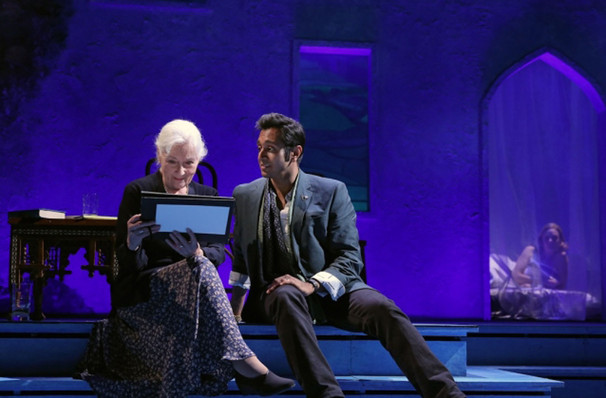
    The playwright, famous for works like Arcadia and The Real Thing, has crafted a sweeping narrative across two time periods with Indian Ink, at the Roundabout Theatre Company. The play centers on British poet Flora Crewe (Romola Garai) who travels to India in the late 1920’s for her health. We gain knowledge of her escapades by way of her sister Eleanor (Rosemary Harris) as she discusses Flora’s life with a biographer in 1980’s England.

    Flora befriends an Indian painter Nirad Das (Firdous Bamji), whom she poses for. Paintings, poems, and ideas are exchanged between them. Set during the time when India was part of the British Empire, the two artists frequently find themselves navigating questions of art and culture. Did Britain “make” India into a culturally rich territory, or did they already have their own Shakespeare and Monet before colonization?

    As Flora’s story unfolds in the past, the biographer (Neal Huff) tries to piece together information in the 80’s from her old letters.  As he searches for clues to a potential nude portrait and romance between poet and painter, the play also becomes a story about what is lost to time.

    If this all sounds like it’s a lot to digest, that’s because it is. Stoppard covers and even wider swath than usual in this play, and is only sometimes successful at navigating it. The play moves along at a clip, and I never found myself bored or lost. But, the wide array of topics and history he covers results in dialogue that only scratches the surface of the issues presented. Characters will argue and offend over cultural merits of their homeland, yet they will kiss and make up by the end of the scene. The result is a script that is a bit too neat and tidy and I wish it had dug deeper.

    The cast is thankfully in top form. Romola Garai, in her Off-Broadway debut has an elegant stage presence that anchors the show. She has warmth to her voice and delivery, and gives a sumptuous quality to a woman who must otherwise abide by all things “proper”.

    Rosemary Harris is in fine form (is she capable of being less that stellar?) as Eleanor. She is a woman balancing the spirited girl of her youth, with the conservative aristocratic lady all older British women seem to become. Harris has wonderful chemistry with Bhavesh Patel, as the son of Nirad Das who arrives seeking stories of his father. Their sparring matches over colonialism are entertaining and insightful.

    Speaking of Mr. Das, I have never seen Firdous Bamji on stage before, but I hope to again soon. He is intensely vulnerable and enchanting as the humble Indian painter. His specificity and honesty in the aforementioned kiss-and-make-up scenes gives them legitimacy. And there is quite the spark between he and Ms. Garai as their characters grow closer.

    Director Carey Perloff deserves credit for keeping the time jumps and complex plot understandable. Lighting designer Robert Wierzel transforms a rather simple set into a gorgeously lush background. And without spoiling anything, I will say they have created a clever and gorgeous final tableau. It accomplishes the daunting task of weaving Stoppard’s many ideas together without the use of words.

    Nirad Das mentions the concept of “Rasa” often throughout the play. Rasa he explains, is the essence of a piece of art and the emotion that an artist conjures in the audience.  The rasa in Indian Ink would be more apparent if the script dug past the surface of its compelling topics and didn’t keep its characters at arm’s length so often. As it stands, the emotional attachment only appears sporadically.


    Indian Ink
    Roundabout Theatre Company
    Laura Pels Theatre at the Harold and Miriam Steinberg Center for the Arts
    111 West 46th Street, Manhattan
    Written by: Tom Stoppard
    Directed by: Carey Perloff
    Starring: Romola Garai, Rosemary Harris, Firdous Bamji, Bhavesh Patel, and Neal Huff
    Run Time: 2 Hours and 45 Minutes, with one intermission
    Through: November 30, 2014

  • U2 Album Review: “Songs of Innocence”

    U2 Album Review: “Songs of Innocence”

    u2

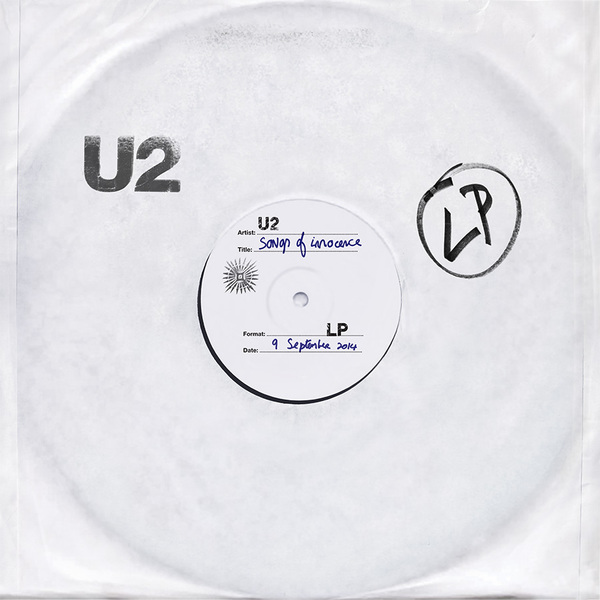
    Let’s be frank: U2 is nothing less than one of the most successful and popular acts to have ever recorded a rock album. They need no introduction. As such, this review really needs no introduction either. By now you’re probably already sick of hearing about the band’s thirteenth studio album, Songs of Innocence, as well as the uniquely invasive delivery strategy surrounding its release. So allow me to start this review on a personal note: I spent the summer listening to a whole lot of fucking U2. Inspired by “U Talkin’ U2 to Me?” — a not-as-ironic-as-it-seems-at-first fan podcast hosted by Scott Aukerman (“Comedy Bang! Bang!”) and Adam Scott (“Parks & Recreation”) — I’ve devoted the last couple months to exploring the band’s back catalogue, from their 1980 debut LP Boy to their last self-consciously experimental outing, 2009’s No Line on the Horizon. Now, September is here and I find myself blessed with the opportunity to end my Summer of U2 with the band’s brand new album. If that wasn’t enough of a pleasant surprise, the thing is actually good, too.

    If the release of Songs of Innocence has reminded me of anything, it’s that a lot of people really, really hate U2. Chalk it up to the band’s often cringeworthingly earnest sound or Bono’s refusal to step down from his soapbox; U2 may be insanely popular, but people fucking despise this band. I don’t. They may not be the greatest rock act in the world, but I think they’ve managed to turn in their fair share of decent material over their almost four decades of being a band, some of which — such as records like their first magnum opus The Joshua Tree and the band’s ironic reinvention Achtung Baby — have rightfully ascended to the position of rock classics.

    That being said, it’s been a while since U2 have released anything outstanding. No Line on the Horizon’s respectable attempt at experimentation was marred by the presence of some of the band’s worst songs ever. 2004’s How to Dismantle an Atomic Bomb was a scattershot collection of hits and misses. All That You Can’t Leave Behind found the band kicking off the new millennium with a solid A-side that gave way to a back half that is almost offensively dismissible. Forgotten 90s records like Pop and Zooropa are okay (if you’re into that sort of thing) but that takes us all the way back to 1991 and Achtung Baby — which means that it’s been 23 years since U2 have managed to record a truly impressive album.

    If U2 have another masterpiece in them, Songs of Innocence isn’t it. Instead, it’s simply a cohesive collection of personal, catchy pop rock songs that is solid from front to back, and I couldn’t be more pleased to have it. This record is respectable to a fault; it seems like Bono and co. have somehow actually managed to learn from everything that has and — perhaps even more importantly — hasn’t worked for them in the past. Take the record’s first single and opening track for example. While the arrival of No Line on the Horizon was heralded by Bono getting on his “sexy boots” to shout about submarines and gasoline, “The Miracle (of Joey Ramone)” finds the band returning with a big sound but a personal message, comprised of just how significantly music can touch us at impressionable times in our lives. Not only does “Miracle” soundtrack the return of a band who have released their fair share of inspiring music themselves, but it introduces us to an album that is surprisingly free of the Bono-isms that have earned the band’s singer his reputation of being one of the most annoying frontman to ever pick up a microphone.

    u2 songs of innocenceWhich is not to say that Songs of Innocence is lyrically a great album; to tell you the truth, I haven’t actually given the record’s lyrics too much attention (from what I can gather, they’re fairly personal and surprisingly unoffensive, though). Fortunately, Songs of Innocence succeeds on various other levels. For instance, while I couldn’t begin to tell you what “Every Breaking Wave” is about lyrically, I can tell you that it finds the band functioning at the top of their game in terms of melody and dynamics. After a subdued intro reminiscent of “With or Without You”, the band reach for the heavens with an irresistibly huge chorus that proves to be one of U2’s most spiritually elevating moments since, well, “Elevation”. The band really go for it on this album; perhaps threatened by irrelevance, they’ve recorded some of the most undeniably catchy songs of their career, all while managing to sound more youthful and energetic than they have in decades.

    That sense of youthful energy can probably be accredited to the record’s production. It’s worth mentioning that Songs of Innocence is the first U2 record since 1997’s Pop not to feature production from the likes of Brian Eno and Daniel Lanois, the duo responsible for many of the band’s finest moments. Instead, we’re either treated to big pop sheens and glimmers from Paul Epworth and One Republic’s Ryan Tedder, or the muted colors of Danger Mouse / Brian Burton. This might be the first U2 record to sound like Coldplay since Coldplay started sounding like U2, but the pop treatment actually serves the band well for the most part (“California” actually manages to sound like every good Coldplay single distilled into one track). Still, it’s Danger Mouse who actually manages to take the record’s b-side as an opportunity to push the band into more exciting and experimental territory. If I’m being honest, I haven’t really enjoyed Burton’s production work since his work with Gorillaz and MF Doom back in 2005, but he actually manages to pull some cool tricks out of his sleeve here; “Raised by Wolves” is a car-bomb ballad with some razor-sharp guitar and a drop from Hell and “This is Where You Can Reach Me Now” will have you tapping your foot before you even realize that U2 have gone disco. They’re two of the record’s most esoteric moments, but they’re also two of its best.

    If you’ve been drinking the U2 haterade since back when Bono decided to replace four with fourteen, I’m sure Songs of Innocence will do little to change your mind on the band. But if you manage to put all pretenses aside and approach the record with an open mind, I think you’ll be as pleasantly surprised as I was that the record’s title is actually sorta fitting. Pretensions, lyrical blunders, political soapboxing… these songs are innocent of every crime U2 has been accused of in the past. Maybe they’ve finally found what they were looking for after all this time?

  • Boardwalk Empire Review: “King of Norway” (5×05)

    Boardwalk Empire Review: “King of Norway” (5×05)

    boardwalk empire review

    How do you know what you are? That’s the question that the asylum’s doctor levels at Gillian Darmody, who claims to recognize the insanity that overtook her, and to have now overcome it. It ironically is the most rational we have seen her in quite some time. But the doctor doesn’t believe her. There must be something inside her, and they will find it and get it out. How do you know what you are? It’s a question that’s come up again and again throughout this season, and really, throughout the series. Is Nucky a gangster or isn’t he? He was supposed to have proven it by murdering Jimmy, but he’s in just as much doubt now as ever. Chalky is convinced that he’s unfit as a husband and father, a criminal to the bone—but surely he’s better than that? Van Alden has been living under an assumed name for years, long enough perhaps to have forgotten his true self. How do you know what you are?

    Throughout “King of Norway,” it becomes increasingly obvious (if it wasn’t already perfectly plain) that Terence Winter and company are setting up a very long story in this final season. A smaller episode order and an impending finale are of no concern. On almost any other show, this downright luxurious pace would be a concern; but “King of Norway” proceeds with such confidence, such conviction in its own storytelling, that it’s basically impossible to do anything but look on, mesmerized, and wonder just how the hell this is all going to come together.

    The plot may be running itself in circles now, creating new tangles and heretofore unseen complications, but unlike other shows (and, perhaps, unlike earlier seasons of this show), these are not stalling tactics, are not unlikely or even outright impossible complications that exist purely to extend narrative and mark time. Each and every complication is borne of character, borne of a decision made years ago, that only now is rearing its head and revealing its consequences.

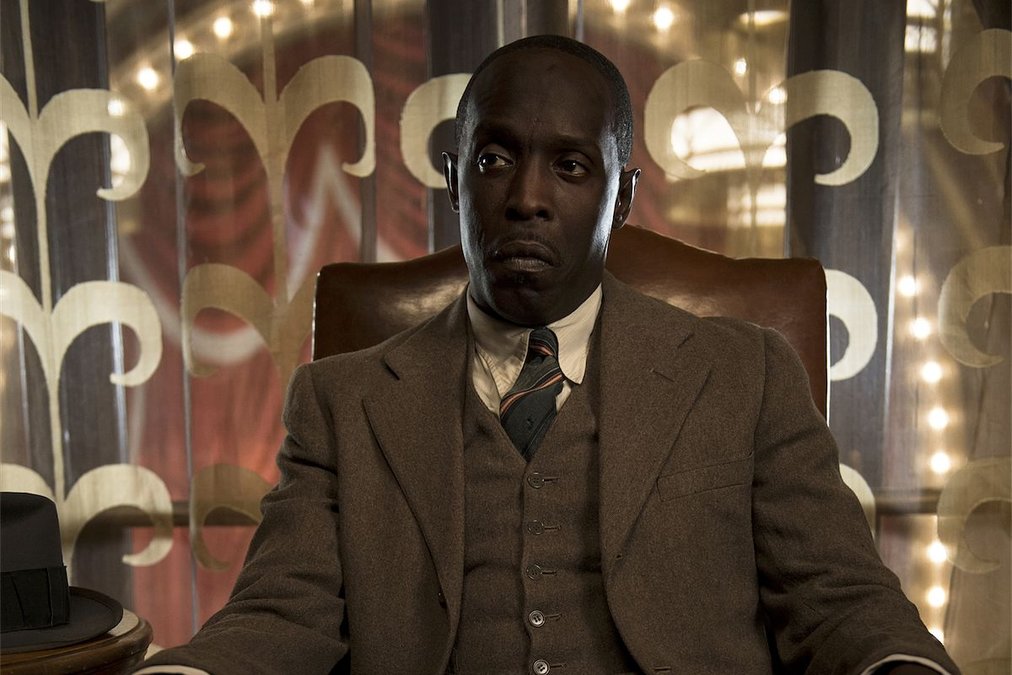
    This week Chalky returns to Atlantic City, and not a moment too soon. He stops to see Nucky first, but he has just one goal: to find and kill Narcisse. Michael Kenneth Williams remains one of the show’s greatest assets (though really, every actor on the bench is an asset), delivering his lines with a flat, hopeless affect that still does not hide the bloodlust boiling just below the surface. Nucky senses it, too. He offers Chalky money, “between friends,” and wonders why Chalky won’t return to his family. But Chalky knows better than Nucky, knows there is no going back to family after what he’s wrought. And yet, when he does arrive at Narcisse’s at episode’s end, he finds himself face to face not with the man himself, but with Daughter Maitland. Family, of whatever kind, is not so easily abandoned.

    Obviously, the gangster life has done a number on all of the family units in this show, and not just Chalky’s. Nelson Van Alden’s family is a farce, invented to better hide himself as George Mueller, but even now, after living more or less comfortably in this invented skin for the better part of a decade, it’s past indiscretions that come forth to tear everything down. Sigrid’s revelation that she and Eli, “we fuck,” as she so elegantly states it, is crushing, especially since June is pregnant with yet another Thompson child. Sigrid’s quiet tension looms over the dinner table until finally she explodes, but her revelation coincides with another, even more dangerous one, as the feds from a couple weeks back have tracked down Eli and Van Alden, and they know exactly who they are. Now, the two have become complicit in the scheme to take down Capone for tax evasion, and we’ve seen more than enough of Capone to know that there’s more blood on the horizon.

    As for Nucky himself, he meets with Maranzano, warning him that Luciano is not to be trusted. Torrio, of course, knows this already, and soon bullets are flying at Nucky once more. For a man who’s spent his whole life trying “to get himself ahead,” to ingratiate himself to the right parties, he’s found himself a target an awful lot. The guard is changing, and so far Nucky has survived the slaughter of the men he ingratiated himself to, but not for long. This is a process that began years ago, with Jimmy Darmody. When the Commodore fell, he was merely the first. Luciano sees the opportunity to kill all of these old men, and take everything for himself. Nucky’s been on the outside long enough; he sees the plan, but now he’s out for blood. He’s already gotten himself ahead, as far as he’s concerned, and now he’s determined to stay put.

    What “King of Norway” is, chiefly, is a tightening of the noose. Perhaps it comes too late in the season; and yes, too little actually happens in this episode, which feels mostly like a pivot upon which the season will ultimately turn, making Sally Wheat’s death last week simply the last overture of the preamble. It might seem that it’s pace slowly, but there are some major revelations that happen in this episode, major enough to send a clear signal: the time for playing out is over. All that’s left now is reckoning, and, perhaps, understanding, even a slightly better sense of who these people are. It’s the type of novelistic storytelling that Boardwalk excels at, and to have the conclusion in sight empowers that storytelling all the more.


    Stray Observations

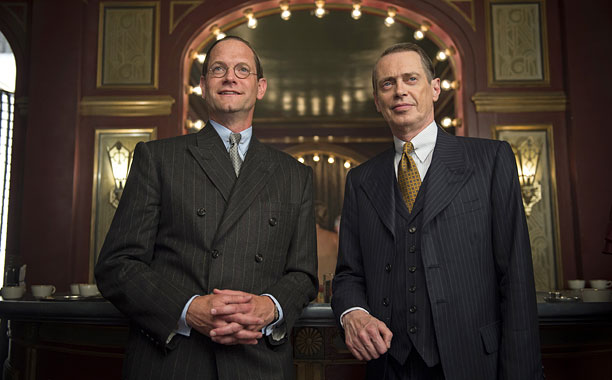
    – The actor playing Nucky as a young adult does a literally pitch perfect impression of Steve Buscemi. The dead-on voice and mannerisms, and even the similar eyes and sunken cheeks, all contribute to an eerie verisimilitude.

    – The flash of recognition Nucky has with young Joe Harper is the kind of small link that makes the flashbacks feel, if not worthwhile, at least intentioned. They jump forward in time this week, and in doing so, restore the momentum that had flagged a bit last week.

    – Speaking of the flashbacks, surely they are building to a reveal involving Gillian, no?

    – Sigrid Mueller is a treasure.

    – Of the speculation that Joe Harper is in fact Tommy Darmody, I say: highly unlikely. It’s not the sort of game the show tends to play.

  • Sons of Anarchy Review: “Poor Little Lambs” (7×04)

    Sons of Anarchy Review: “Poor Little Lambs” (7×04)

    sons of anarchy review 7x04

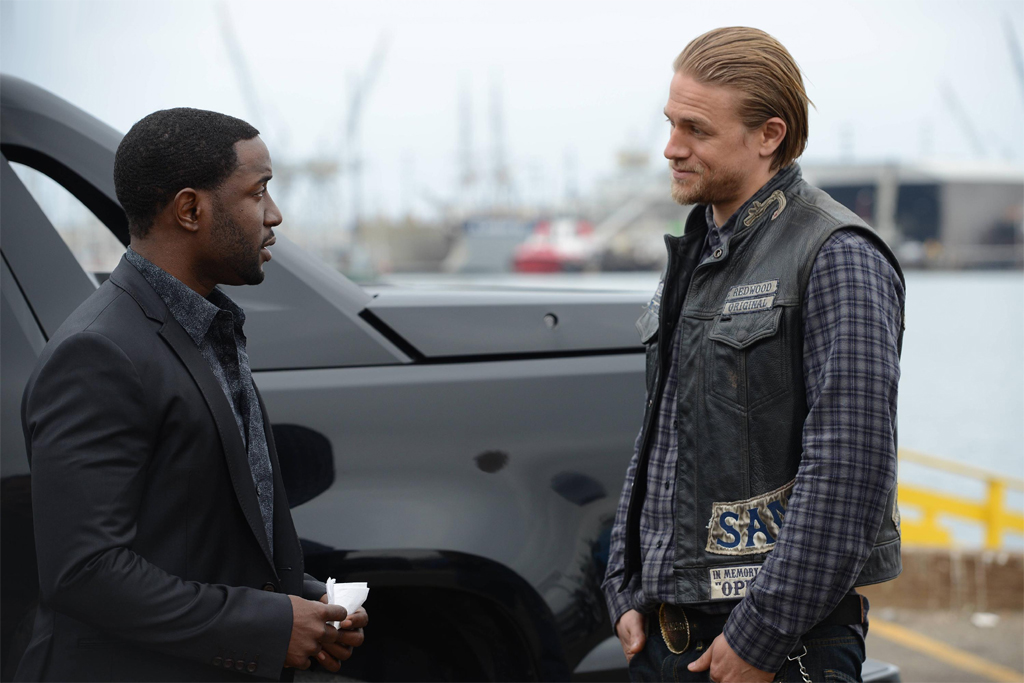
    This week’s episode of Sons of Anarchy is, for a while, business as usual. Jax’s murder of the reverend comes back to haunt him, Juice finally agrees it’s time to skip town, and Gemma realizes she’s accidentally framed Nero.

    But then, with twenty or so minutes to go, things escalate, and fast. When the club meets up with those meth heads, two cops get shot, and one survives, perhaps to tell the tale. When Jarry goes to confront the club at Scoops, the Chinese lob a handful of bombs through the window; and while the Sons and Nero are distracted by that, Lin’s men murder all the women at Diosa.

    At this point in the series, the momentum of the narrative depends on the rate at which everything twists out of control and into chaos. Each episode must introduce a new complication, or else the show merely treads water. So far, the writing has made good on that, making clear that the center here cannot hold, and throwing everything into disarray with wild abandon. The writing on the wall has never been clearer. Escalation is an effective storytelling technique only when the escalation doesn’t have to stop. Sons, finally, is in a place where stalling is no longer necessary. The continued success of the narrative here, then, is entirely dependent on future episodes continuing the pattern. For now, though, the Sons’ final ride has been one heck of a rollercoaster.

    The characters, as well, are finally falling victim themselves to the havoc they’ve wrought. Gemma descends ever more deeply into madness. Even in admitting that Jax is responsible for beating that girl’s father up, she won’t reveal her own complicity in that. She truly believes she can manipulate everyone around her and get away with it. Meanwhile she’s having regular conversations with Tara’s ghost. Gemma’s delusion is so total, and her madness so vividly and explicitly portrayed, that she has yet to realize she’s the villain of the piece.

    Jax, also, is seemingly ignorant of the evil within him. When a mission to track down the reverend’s son goes awry, he rescues the reverend’s widow from drowning. It’s a real “save the cat” moment, one that ordinarily might fall flat, but here serves to highlight how Jax is as deluded as his mother. He believes he can be a good man, still; but just as the narrative explodes all around his character, Jax is faced with the death of sixteen women, and the blame lies directly at his feet.

    Zach Handlen of the The A.V. Club writes this week that the show is setting up Jax for the same old redemption story, that by having Lin’s men murder Diosa, the writers’ have moved the morality markers, so to speak, and given Jax a legitimate reason to go on a resumed vengeance quest. And while yes it’s true that Jax has not crossed that particular line, I think for once the show is still asking Jax, and therefore asking us, to consider his own complicity in this. The hammer will fall harder upon Gemma, if there is any justice at all, since it is her lie that has set this whole war in motion; but I think show and character both are well aware of Jax’s role in this. As I’ve noted before, he long ago made the decision that sealed Tara’s fate, and his own. Now, I could end up being wrong about this, and if this turns out to be a legitimate attempt to paint Jax as an essentially “good” antihero, that will re-color my whole perception of this season. For now, though, I’m buying what Kurt Sutter is selling; this is the reckoning for six seasons of increasingly immorality.

    By episode’s end, there is a legitimate question as to how the Sons will escape this situation. It’s been a while since that’s been the case. This kind of breakneck pace might not be sustainable for a full thirteen episodes, but so far, it is indeed holding up. While some of the moments this episode are quite predictable (Tig’s fling with Venus, for one, as well as every plot twist leading up to the explosion), others are genuinely shocking, especially the final twist of the knife at the end of the episode.

    The other major development this week is not so major at all, as Juice’s decision is another of those forgone conclusions. Theo Rossi’s acting is still only intermittently effective, and he isn’t quite as good as Katey Sagal at selling the whole act of soliloquizing. But then, the writing doesn’t provide as strong of a reason for his soliloquizing, either. It’s not exactly a weak link in the episode, but this scene could just as easily have been put at the end of last week’s episode, too.

    Overall? This final season has been a pleasant surprise. All-out tragedy is a mode that suits Sons well, if it can keep things going at this rate.


    Stray Observations:

    – “This is a bad place, isn’t it, Wayne?” Althea Jarry asks. Sister, you don’t know the half of it.

    – Speaking of “sister,” Gemma’s taunting of Jarry over her name is so typically Sons, but somehow pretty funny.

    – Jarry also appears to be getting chummy with Chibbs. That’ll be an interesting development to keep an eye on.

    – Theo Rossi is suddenly naked all the time on this show (not that I’m complaining about it). Sons has always had a fairly equal-opportunity nudity policy, and seems like Rossi is filling the FX man-ass requirement until a Jax sex scene makes narrative sense again.

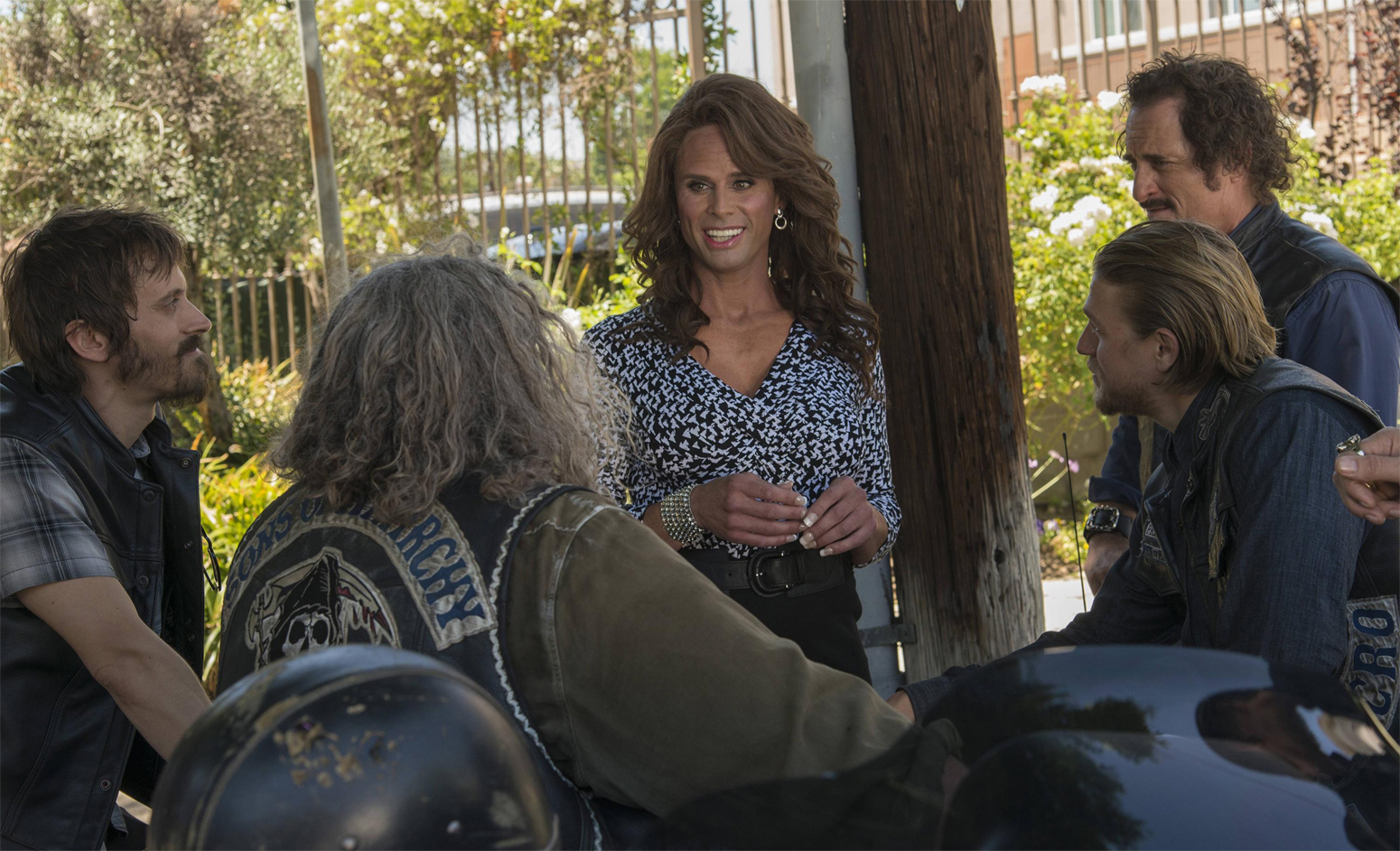
    – Venus Van Dam returns this week, and more Venus is never, ever a bad thing. Walton Goggins does so much with what could easily have been a one-note joke in poor taste. Even the running joke of Jax wondering if he should be “worried” about Tig plays as funny, rather than offensive. We know these characters extremely well by this point, and the joking, the innuendos, are all rough edges we know to expect; but they also treat Venus like a person, as does the show itself.


  • Scandal Review: “The State of the Union” (4×02)

    Scandal Review: “The State of the Union” (4×02)

    scandal reviews

    This week’s episode is aptly titled, as the show continues to take stock of its characters and where they stand in the wake of the carnage that closed out season three. The episode is very much painting a portrait of broken people, and now we are watching them attempt to piece themselves back together, with varying degrees of success.

    Nowhere is this more evident than in the scene on the balcony where Cyrus confronts Mellie, who refuses to attend the State of the Union address. She’s been photographed in her bathrobe, eating potato chips, at her son’s grave, and now the media is speculating that she may not have it all together. (The media has obviously not been as privy to Mellie’s antics as we have all this time.) Now, Mellie has frequently been villainized on this show, and she’s a character that tends to be written in the broadest strokes. As with the reveal of her rape last season, Jerry’s death is fairly transparently functioning as a device to generate sympathy for her.

    It’s down to Bellamy Young, then, to ensure that there is at least some depth to this over the top, clichéd display of grief. Fortunately for the show and for us, she delivers. She approaches the material seriously, and when she plays out the maniacal laughter, the hysterical munching of chips, she plays it as though Mellie herself is putting on an act. There’s an additional layer to the performance that, in some ways, suggests that Mellie’s demeanor has always been an act, and that she’s always just been one screw loose from becoming completely unhinged. We get that at the end of the episode, when she collapses in the portrait room, with all the First Ladies surrounding her (fortunately, this time there are no zoom cuts to the portraits themselves). This meltdown is, perhaps, overwrought, and the scoring certainly doesn’t help; it’s a disappointing capper to what’s otherwise the best story of the night.

    Second best is good old Cyrus Beene, who is, in his own way, equally wracked with grief. His actions led directly to his husband’s murder. He cannot turn back from that now, and he knows it. So he casually blackmails Olivia. He spends the night with a sex worker. He tries to convince Mellie that his grief is equal to hers. Jeff Perry doesn’t slouch this week, either, even when the writing surrounding him is a little lazy (of course Portia de Rossi is blackmailing him!). In a show full of broken, soulless people, Cyrus is perhaps the most soulless, or at least he has done the most damage to his soul in the name of his country and his ambition.

    So, when the two of them stand on the balcony and compare notes on their grief, it’s an excellent and much needed reflection upon the carnage that ensued last season. Last week brought us up to speed with the plot; this scene, and several others this week, bring us up to speed emotionally, and it’s this that is much more important for the show to work. Scandal is drama writ large, Greek mythology by way of the Washington beltway. These are bad, powerful people, and their actions have wrought chaos and gotten people they love killed.

    The question is even raised by David Rosen, who states, correctly, “Olive Pope just gets whatever she wants, and sometimes you’re just collateral damage.” The white hats are long gone, even after the show she made of putting them back on last season. So it’s interesting that this outburst occurs in an episode where “Fitz and Olivia” rears its head again in a massive way. Sure, she just helps him deliver an impassioned speech; but her idea is to use his child’s death as a catalyst for that passion, to essentially turn Jerry into a political talking point. It’s Olivia’s idea that sends Mellie into hysterics later that evening. And of course, Fitz is still obsessed with her: “Can Ms. Pope and I have the room?” is laden with sexual tension. He’s not just asking a favor.

    So that’s what’s happening with character work this week. But, in the opposite of what’s usually the case with Scandal, the plot it hangs on is uninspired, dull, and occasionally just outright bad. The couple that the White House is trotting out for gun control, a former POW and a paralyzed woman who saved a group of kids at a school shooting, is a living cartoon. I’m still cringing this morning from how thinly and poorly the characters were written, and how terribly the actors over-performed each cloying, obvious line. The episode requires everything to ride on Olivia’s success in getting these two idiots to attend the State of the Union, but it is impossible to care about something so stupid. Any narrative tension at all deflates the instant these characters appear on screen. And they end up not mattering at all, since it’s Olivia’s addition to the speech that ultimately saves the day. In addition to being a horrible, dumb distraction from the episode, they’re also an entirely unnecessary one. Boo.

    This, then, is a good Scandal episode, buried within a terrible Scandal episode. Too much relies on the gun control couple for me to truly say that I enjoyed it as a whole, but there are strong moments nestled within here, such as another brief encounter between Olivia and Huck, or Abby’s scenes in the White House. But you still have Jake, who is seemingly still in competition with Fitz to see who can be more grossly protective; and in these scenes, the writers seem to be in competition with each other to see who can make Olivia more grossly submissive. Shondaland’s idea of romance has always been just slightly off, and the love triangle here accentuates that a lot. Jake himself is also tied to the biggest piece of dead weight this show has, B-613, and from this week, it seems we haven’t laid that or Harrison’s death to rest just yet.

    We’re not quite there yet with this season. But we’re getting there, and the scenes in this episode that do work are more than worth the time. My hope is that season will get a good serial storyline going, one that hopefully involves minimal B-613, and then we’ll be able to begin the scheming, double-crossing antics that give the show the energy it desperately needs right now.


    Stray Observations:

    – Putting Abby in the White House has been a great narrative move, and the character pairs well with both Cyrus and Mellie. I hope we keep her in this role for a while.

    – Is Quinn dressing like Huck on purpose or what? Their weird thing continues to be a weird thing, but as it functions tonight, as a conduit for more Huck-Olivia heart to hearts, it works pretty well.

    – “Singing the Army song what the hell are you doing?” is perhaps Huck’s best line to date.

  • Broadway Fall Preview

    Broadway Fall Preview

    Fall Broadway Preview

    The 2014-2015 Broadway season is upon us. Sadly the first show to open (Holler If Ya Hear Me) was also the season’s first casualty. But fear not theatre fans: I have a compiled a comprehensive guide to this Fall’s shows on the Great White Way. So whether you see a Broadway show once a year, or you’ve run out of new shows to see: here is every production for the first half of the season to spend your paycheck on.

    Please note that Broadway can be a fickle mistress. Some shows may not have been announced yet, and some may be canceled abruptly (Rebecca, anyone?).  And before you start asking “where’s Larry David’s new play?” and “What about ‘The King and I’ with Kelli O’Hara?”, those good things are all coming later in the winter or spring.

    PLAYS

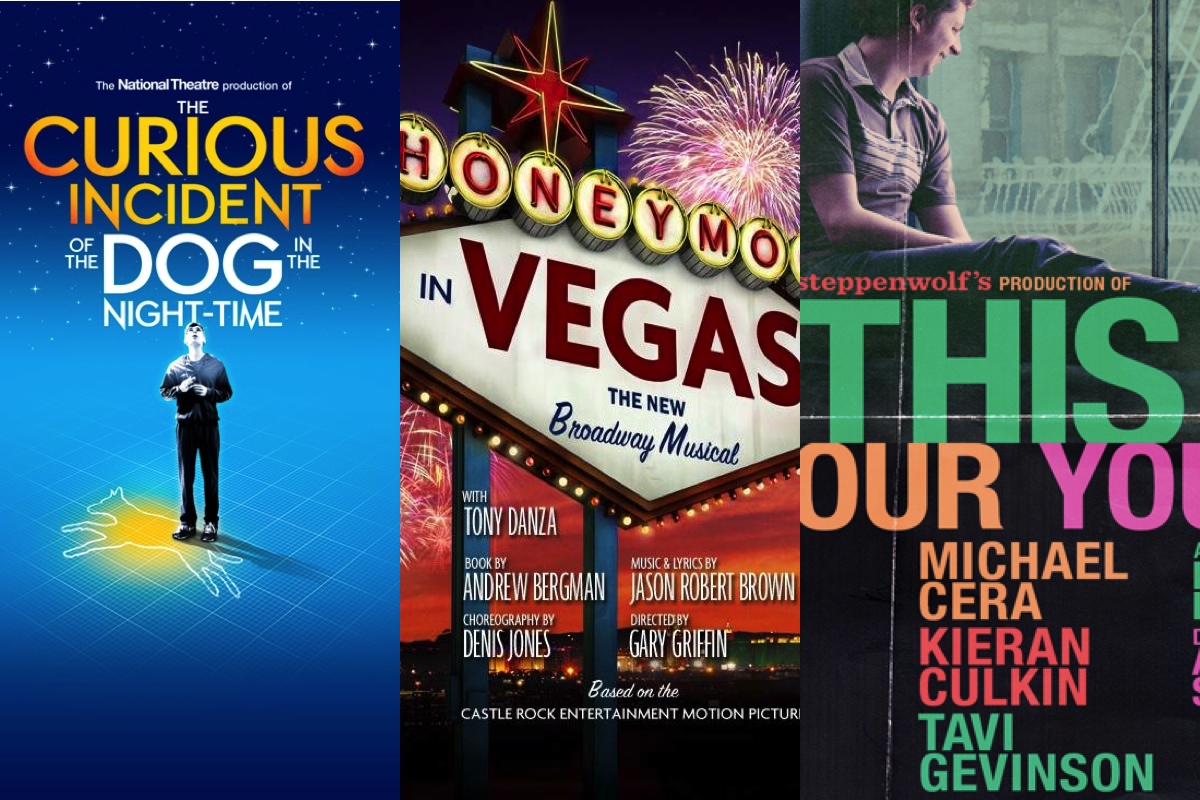
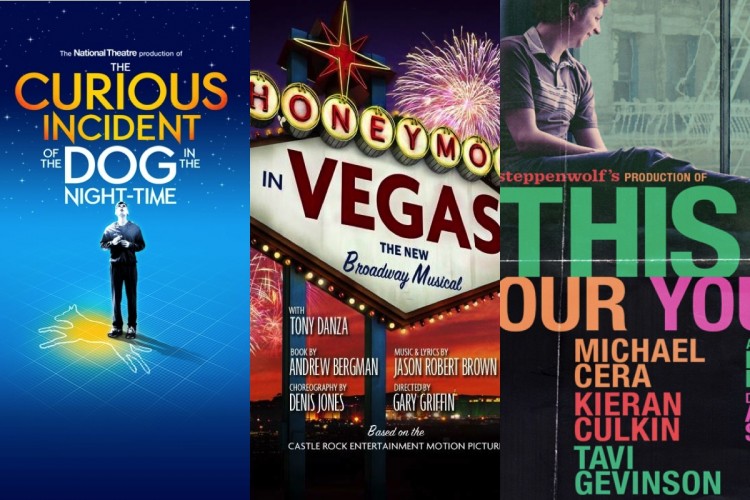
    youthThis Is Our Youth (Revival)
    Cort Theatre
    Previews: August 18, 2014
    Opening: September 11, 2014
    Written by: Kenneth Lonergan
    Director: Anna D. Shapiro
    Starring: Michael Cera with Kieran Culkin and Tavi Gevinson
    Why you should be excited: If you have friends in the theatre, one of them has undoubtedly taken an audition monologue from this play. It chronicles 48 hours in the lives of a couple of drugged out, bratty Upper West Side teens.  And this particular productions provides three Broadway debuts in one play.

    You Can’t Take it With You (Revival)
    Longacre Theatre
    Previews: August 26, 2014
    Opening: September 28, 2014
    Written by: George S. Kaufman and Moss Hart
    Director: Scott Ellis
    Starring: James Earl Jones and Kristiene Nielsen, with Rose Byrne, Annaleigh Ashford, and Reg Rogers
    Why you should be excited: This oft-revived Broadway staple is presenting the story of the Sycamore family with a multi-racial cast. Personally, I’d pay just to hear Mr. Jones read the newspaper, but getting to watch him with comedic genius Kristine Nielsen in this Kaufman and Hart classic is an extra treat.

    The Country House (Original)
    Samuel J. Friedman Theatre
    Previews: September 9, 2014
    Opening: October 2, 2014
    Written by: Donald Margulies
    Director: Daniel Sullivan
    Starring: Blythe Danner with Daniel Sunjata, Sarah Steele, and Eric Lange
    Why you should be excited: Blythe Danner returns to Manhattan Theatre Club with this Chekhovian-esque comedy by Margulies. The Pulitzer Prizer winner is the voice behind Dinner with Friends and Time Stands Still.

    Love Letters (Revival)
    Brooks-Atkinson Theatre
    Previews: September 13, 2014
    Opening: September 18, 2014
    Written by: A.R. Gurney
    Director: Gregory Mosher
    Starring: Brian Dennehy and Mia Farrow
    Why you should be excited: Stars! A whole bunch of them. This two character play was famous for its rotating cast of big names and this revival is no exception.  Dennehy and Farrow will play until Oct. 10 followed by Carol Burnett & Brian Dennehy (Oct. 11-Nov. 7), Alan Alda & Candice Bergen (Nov. 8-Dec. 5), Stacey Keach & Diana Rigg (Dec. 6-Jan. 9) and Angelica Huston & Martin Sheen (Jan. 10-Feb. 1).

    It’s Only a Play (Revival)
    Schoenfeld Theatre
    Previews: TBA September, 2014
    Opening: October 9, 2014
    Written by: Terrence McNally
    Director: Jack O’Brien
    Starring: Nathan Land and Matthew Broderick, with Megan Mullally, Stockard Channing, Rupert Grint, & F. Murray Abraham
    Why you should be excited: This play about show business is receiving some contemporary revisions and updates by McNally.  Plus, this could give us the stellar re-pairing of Lane and Broderick we’ve all been waiting for. The all-star cast has already sold over $5 million in advance sales, so buy your tickets fast before its sold out.
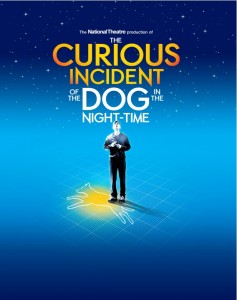
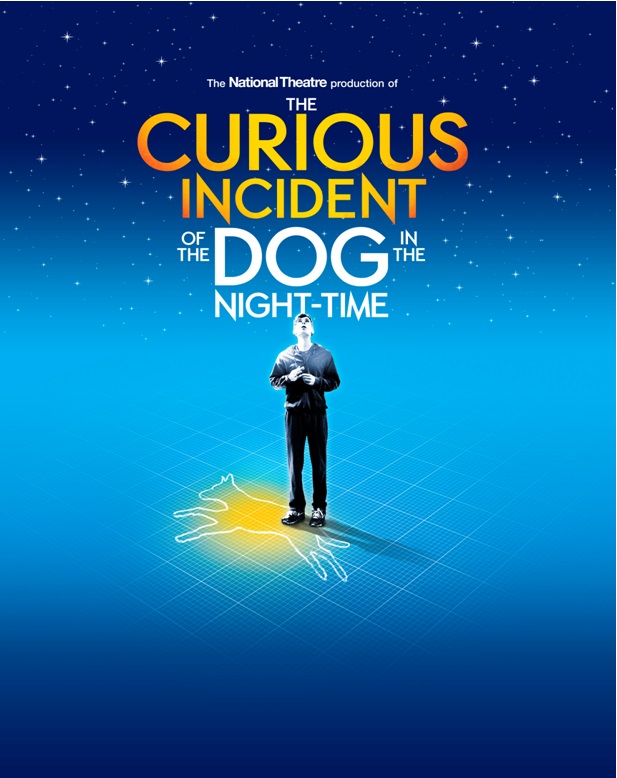
    Showart-Photo-of-Luke-Treadaway-by-Hugo-GlendinningThe Curious Incident of the Dog in the Night-Time (Original)
    Ethel Barrymore Theatre
    Previews: September 15, 2014
    Opening: October 5, 2014
    Written by: Simon Stephens
    Director: Marianne Elliott
    Starring: Alexander Sharp with Taylor Trensch, Francesca Faridany, and Ian Barford
    Why you should be excited: This British import won acclaim and practically swept the Olivier awards last year (including the top prize for Best New Play). Its kinetic staging and innovative set design earned comparisons to War Horse. If the new promos are accurate, it promises to be a feast for the eyes.

    The Real Thing (Revival)
    American Airlines Theatre
    Previews: October 2, 2014
    Opening: October 30, 2014
    Closing:  January 4, 2015
    Written by: Tom Stoppard
    Director: Sam Gold
    Starring: Ewan McGregor and Maggie Gyllenhaal with Cynthia Nixon
    Why you should be excited: This Roundabout revival boasts the Broadway debut for Ewan McGregor, and in one of Tom Stoppard’s finest dramas no less.  Sam Gold has been showcasing his unique directorial voice in a multitude of great projects recently, and his take on this modern classic is eagerly awaited.

    The Elephant Man (Revival)
    Previews: October 17, 2014
    Opening: November 13, 2014
    Written by: Bernard Pomerance
    Director: Scott Ellis
    Starring: Bradley Cooper, with Patricia Clarkson and Alessandro Nivola
    Why you should be excited: This Bradley Cooper lead production was previously seen, to rave reviews, at The Williamstown Theatre Festival. The Broadway transfer has been continually pushed back due to scheduling conflicts, so we cant wait for Cooper to finally show us his stage chops (and a good deal of skin) in this dramatic transformation.

    A Delicate Balance (Revival)
    Golden Theatre
    Previews: October 20, 2014
    Opening: November 20, 2014
    Closing: February 22, 2015
    Written by: Edward Albee
    Director: Pam McKinnon
    Starring: Glenn Close and John Lithgow, with Lindsay Duncan, Bob Balaban, and Martha Plimpton
    Why you should be excited: Glenn. Close. Glenn Close is returning to us for the first time since her Tony winning performance in Sunset Boulevard. What, that’s not enough for you? It’s also an incredible Edward Albee script that won the Pulitzer Prize. Just go.

    The River (Original)
    Circle in the Square Theatre
    Previews: October 31, 2014
    Opening: November 16, 2015
    Closing: January 25, 2015
    Written by: Jez Butterworth
    Starring: Hugh Jackman with Laura Donnelly and Cush Jumbo
    Why you should be excited: You will never get this close to Hugh Jackman again. Set in the intimate Circle in the Square Theatre, Butterworth’s follow-up to Jerusalem promises something “erotic, chilling, and poetic”.  Could this role land Jackman Tony number two?

    Constellations (Original)
    Samuel J Friedman Theatre
    Previews: December 16, 2014
    Opening: January 13, 2015
    Written by: Nick Payne
    Director: Michael Longhurst
    Starring: Jake Gyllenhaal
    Why you should be excited: While the story of a bee-keeper and a scientist finding romance and discussing quantum mechanics might sound out there, its original incarnation in London won raves. This marks Gyllenhaal’s Broadway debut and reunites him with the writer/director team behind his Off-Broadway outing “If There Is I Haven’t Found it Yet”.


    MUSICALS

    On The Town (Revival)
    Lyric Theatre
    Previews: September 20, 2014
    Opening: October 16, 2014
    Music: Leonard Bernstein, Book and Lyrics: Betty Comden & Adolph Green
    Director: John Rando
    Starring: Tony Yazbeck, Jay Armstrong Johnson, and Clive Alves with Jackie Hoffman
    Why you should be excited: “New York, New York It’s A Helluva Town” is all you need to start tapping your feet and get excited for this classic song and dance show. Based on the Barrington Stage production, this musical is perfect for those who prefer dancing sailors and long for the Golden Age of Broadway.

    The Last Ship (Original)
    Neil Simon Theatre
    Previews: September 30, 2014
    Opening: October 26, 2014
    Music and Lyrics: Sting, Book: John Logan and Brian Yorkey
    Director: Joe Mantello
    Starring: Michael Esper with Rachel Tucker, Fred Applegate, Aaron Lazar, and Jimmy Nail
    Why you should be excited: Don’t let the Tony performance fool you. Sting is not in this musical. But he did write the hauntingly beautiful score about the downfall of an Irish fishing town.   It’s also an entirely original musical (i.e. not based on a movie or book) and how often does that happen nowadays?

    Side Show (Revival)
    St. James Theatre
    Previews: October 28, 2014
    Opening: November 17, 2014
    Music: Henry Krieger, Book and Lyrics: Bill Russell
    Director:  Bill Condon
    Starring: Erin Davie and Emily Padgett
    Why you should be excited: Straight from the Kennedy Center with its two stars in tow, this gorgeous musical will finally find a second life in New York. The show was a bit of a misfire when it originally opened, but several revisions and re-writes have been implemented for this revival. If you enjoy seriously talented people belting face to beautiful power ballads, please give this show all your money.
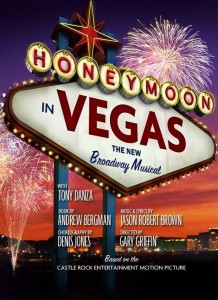
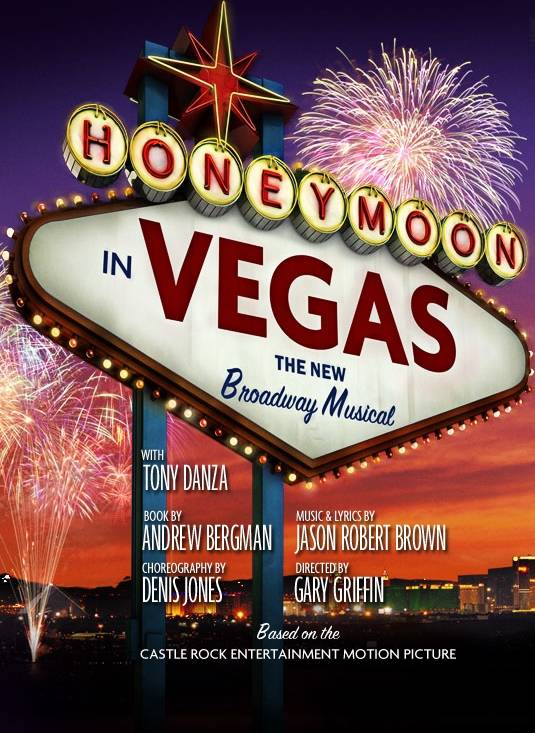
    honeymooninvegasHoneymoon in Vegas (Original)
    Nederlander Theatre
    Previews: November 18, 2014
    Opening: January 15, 2015
    Music and Lyrics: Jason Robert Brown, Book: Andrew Bergman
    Director: Gary Griffin
    Starring: Rob McClure, Tony Danza, and Brynn O’Malley, with Nancy Opel
    Why you should be excited: After the criminally overlooked Bridges of Madison County, Jason Robert Brown could finally have a hit on his hands.  The Pre-Broadway engagement drummed up stellar word of mouth for the fun musical score. It follows the plot of the 1992 movie about a man with an intense fear of settling down who crosses paths with a mafia man from Vegas.

  • 5 Reasons Why Shailene Woodley Can Receive an Oscar Nom for “The Fault in Our Stars”

    5 Reasons Why Shailene Woodley Can Receive an Oscar Nom for “The Fault in Our Stars”

    gushazel

    According to Richard Roeper Woodley is a lock and I’m inclined to agree. Actually, I’ve thought Woodley could get an Oscar nomination since the beginning of this year, however with the strong reviews The Fault in Our Stars is getting it seems that that prediction may become a reality.

    1. Her career is on a roll
    Many Oscar pundits thought she would breakthrough and receive an nomination for her supporting role in The Decendents and although she missed out her career has been on fire. In addition to landing the starring role in The Hunger– I mean the Divergent series, she also won praises for her performance in The Spectacular Now. She’s proven that she is no longer just a lowly pregnant teenager on a sh!ty ABC family show anymore. With a career trajectory similar to Jennifer Lawrence, she may also be on her way to a win.

    2. The Fault in Our Stars was one of the biggest summer movies
    It’s no secret that the John Green book is a hit among teenage girls, teenage boys, young adults, some even in their 20s… anyway the movie has a lot of buzz behind it that may carry it over the hump of its early release date. This coupled with the positive reviews for the film give her the added boost, especially if the film receives additional Oscar nominations (see next point).

    Related Article: ‘THE FAULT IN OUR STARS’ REVIEW: SHAILENE WOODLEY GRACEFULLY LEADS THIS CHARMING FILM

    3. The film has the potential to receive additional Oscar nominations
    While I think Best Picture is out of the question, a nomination in Adapted Screenplay or perhaps even for one of the songs on its soundtrack are not far fetched. Why is this important? It is rare for a movie to receive a singular nomination for an actor. When Meryl Streep was nominated for The Iron Lady, it also received a make-up nomination as did Marion Cotilliard in La Vie en Rose. While the pattern is not solid in every acting category, it seems that almost every actress nominated in the lead category thus far was not the only nomination her film had. This is mostly due to the film needing some added merit.

    4. She could be the one dark horse nominee
    What do Laura Linney in The Savages, Rooney Mara in The Girl with the Dragon Tattoo, and Michelle Williams in Blue Valentine have in common? They were all the one nominee that seemed out of place. None of them received SAG nominations for their films and seemed to be that one contender that popped up here and there, but would probably be snubbed in the end. Woodley has set herself up in that same position. I can see her winning several critics awards, but missing out on SAG and maybe even critics choice, then surprise at the Oscars.

    5. It’s a damn good performance
    It’s no exaggeration when I say that this is the performance of a lifetime. She was able to carry an entire movie on her back full of powerhouse emotions, but seem so natural, like she wasn’t even acting at all. Sometimes, that’s all you need.

  • Benjamin Booker Album Review: “Benjamin Booker”

    Benjamin Booker Album Review: “Benjamin Booker”

    Benjamin Booker album review

    Benjamin Booker’s powerful self-titled debut album is less of a kick in the teeth and more of a push off of a massive cliff into a deep, clear ocean. Its sound is raw and menacing at times, but its construction couldn’t be more tightly controlled. The New Orleans-based Booker burst onto the music scene with a bang this year, touring with Jack White and putting on an impressive set at Lollapalooza.

    The barrage of press surrounding his anticipated debut album has often hailed him as the savior of blues-rock. While it is for certain that Booker’s sound is frequently brushed with the remnants of 60s and 70s blues and gospel, to compartmentalize this album to just one type of sound would be doing it a great disservice. In this album you hear the punk rock influences of bands like The Gun Club and glam rock bands like T. Rex. Both of whom Booker cites as bands that have impacted his sound.

    Listening to this album may take you to a time of unpolished and coarse rock and roll, but despite its timeless sound this album is incredibly present. From the very beginning with the lead track “Violent Shiver,” Booker (and his drummer Max Norton) kick-start the album with a song that refuses to let the vocals rise above the rhythm section. The music and the lyrics are so intertwined that their union blurs the lines between which one is used for the melody and which is used for harmony. Is the guitar complimenting his raspy voice or the other way around?

    This is blatant in songs like “Spoon Out My Eyeballs” a seemingly soothing, almost ballad, where Booker’s voice couldn’t be soft if his life depended on it. Eventually the song shifts into a fast-paced guitar at around the two minute mark. In this song, and many others on the album, the eruption of guitar feels as if Booker had just been impatiently waiting for the slow part to be done so he could implement it.

    That is my favorite part of this album and with Booker as an artist. Listening to him, I can’t tell if these songs are a product of improvisation or they are just masterfully crafted songs. Exhibiting a mastery that is well beyond his 25 years.

    My favorite track on the album is “Have You Seen My Son?” I first heard it on the radio a few months ago and it struck me so profoundly I had to pull over to look up the name of it. Booker in this song takes the perspective of a father who is looking for his son in a world consumed by sin and immorality. It starts with a rhythmic drum and doesn’t let up. Booker’s shaky and raspy voice pulls you in and then pushes you out as the guitar grows and grows. At around the 1:45 mark he delves into his first of two rhythmic jam sessions between him and the drummer. It sounds like he’s constantly about to lose control, but his never does. He finds cohesion in the chaos.

  • Boardwalk Empire Review: “Cuanto” (5×04)

    Boardwalk Empire Review: “Cuanto” (5×04)

    boardwalk empire review

    “How much?” is a question asked regularly by this show. . How much is enough? How much of yourself will you give up? How much that you love will you sacrifice, and to what end? So far, Boardwalk Empire’s answer to this question is two-fold: eventually you will lose everything, and your loss will be in vain. This week’s episode paints a bleaker picture than usual. In his youth, Nucky is released from work by the Commodore at summer’s end; unable to bear the thought of returning to school, and to his life, Nucky ends up sneaking back into the mansion with little Eli, showing him the Commodore’s various wonders, including a fully functioning toilet. Nucky is caught, of course, by Sheriff Lindsey, but, in the first suggestion of a talent we’ll watch him exercise later in life, he parlays this into a new “job” as deputy sheriff.

    The story of Nucky’s youth feels particularly Dickensian this week, telling of a downtrodden, poor young man, who makes a promise to himself and to his brother to one day pull himself out of poverty, to make something out of himself. (You might even say “to leave something behind,” if you were feeling particularly cheeky.) But the flashbacks this week intrude in a way that they did not last week. They don’t feel like they are particularly informative; in fact, they feel obvious, on the nose. Once again, they are providing information we already knew about Nucky. There are some great beats that arise from the flashbacks this week—for instance, juxtaposing young Nucky’s protectiveness over Eli to the brief, clipped conversation on the phone in the present—but nothing that justifies the great amount of time spent on them this week.

    Sluggish pacing has always been an issue with this show, and even this truncated season is no exception. Here, at the end of episode four, the death of Sally Wheat finally indicates that the season might be done drawing its breath, and is now at long last ready to begin the sprint to the finish. But that’s just one portion of what’s become a sprawling story. “Cuanto” does push Van Alden to a similar point, as the truth of his identity is now out, the hammer poised to fall at any moment. But with other characters entirely absent, one wonders when the show is going to begin telling stories with them, and not merely playing catch-up with the viewer.

    With all of that said, there is very much to enjoy this episode, but much of it is atmospheric, or performative, rather than narrative. Everything with Capone draws a giant line under character traits we’ve already become well acquainted with. Al Capone is a bona fide psychopath, and its his lack of control that will eventually give Luciano the upper hand. The show has great fun with these scenes, though, as does Stephen Graham. The newsreel clip especially is a neat way of briefly recapping Capone’s historical rise to fame.

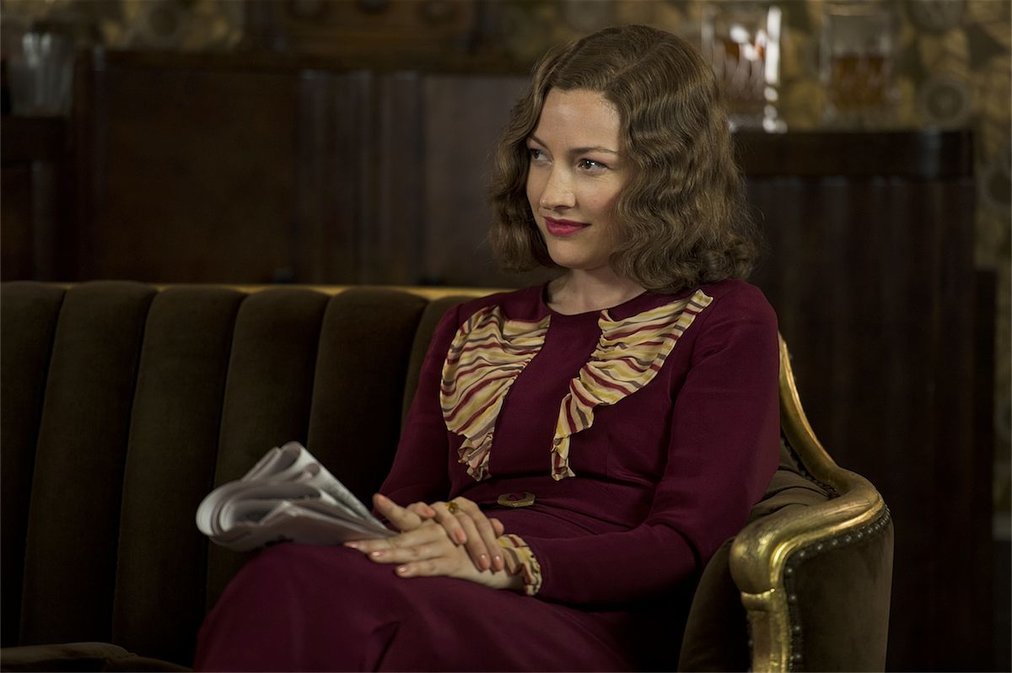
    Margaret Schroeder is more entertaining and interesting in this episode than she has been in a long time. She waltzes back into Nucky’s life with one hell of a complication, especially as Nucky endeavors to go legit. Their relationship was never simple, but now has taken on a new level of criminality. They spend much of the episode just talking over a boozy lunch, and it is magnetic. This new arrangement between them is a shot in the arm for a relationship that had grown stagnant in terms of its importance to the show. Kelly Macdonald plays Margaret’s ambivalence really well, and with verve and a sense of fun to boot. Her chemistry with Steve Buscemi is palpable, as well. Margaret and Nucky sit there, feeling each other out, testing how far they can push back, wondering how far apart they’ve really grown.

    The pieces are slowly—slowly—moving into place. While that happens, the show remains often captivating and occasionally fascinating. But the sluggish crawl of the season arc is too much for “Cuanto” to bear, especially with respect to the flashbacks, and we end up with an episode that feels longer or bloated than it should. The moments of excitement or genuine tension are swallowed up by the tedium elsewhere. “Cuanto” is almost certainly a turning point, though, and where we go from here will ultimately determine Boardwalk’s legacy.


    Stray Observations

    – The scene where Capone interrogates Van Alden is an example of that genuine tension. With the show coming to an end, there is no reason at all that Capone wouldn’t splatter Van Alden across the wall, and the show plays that uncertainty for all that it’s worth.

    – The chain of lackeys handling Capone’s Empire State Building statue is hilarious. The statue itself was marked for its violent end the moment it appeared on screen.

  • Scandal Season Premiere Review: “Randy, Red, Superfreak, and Julia” (4×01)

    Scandal Season Premiere Review: “Randy, Red, Superfreak, and Julia” (4×01)

    scandal season premiere review

    Scandal’s fourth season premiere is something of re-pilot, and it functions that way for the bulk of its running time. When we first meet Olivia again, she’s living it up on a private island “a hundred miles off the coast of Zanzibar,” with Jake. She’s completely off the grid and pretending to be happy. The entire sequence is completely over the top, the light so bright, the island so idyllic, and it all serves to underscore just how much Olivia is lying to herself. Even when she’s actually living her fantasy of freedom, it’s still a fake, constructed thing.

    The rest of the episode is an exercise in getting Olivia Pope back in the game. She returns to Washington upon receiving news, from Quinn, of Harrison’s death. Her desire to plan a funeral for him leads to her re-recruiting the old team one by one. Quinn is still at the office, being awful and spending her time tracking down Olivia. Huck is working as a tech repairman, and going by the name Randy; he’s in worse shape even than when we last saw him, as a result of what he sees as Olivia’s abandonment of him. And Abby is the new White House Press Secretary.

    Honestly, I completely forgot that Columbus Short was being written off the show, and even in an episode devoted to Harrison’s funeral, I can’t say that I miss the character at all. He never came to life the way the other characters did. The end of the last season was the first real attempt to give him a storyline, but even that fizzled out into anticlimax as a result of the actor’s off-screen complications. All the overwrought emotion of sending him off, then, doesn’t have quite the impact that the script wants it to, despite the actors’ best efforts.

    More successful is the show’s use of the classic case-of-the-week structure as a device to bring Olivia back into the fold. Season three took many, many steps away from the idea of “white-hatted gladiators,” so now is as good a time as any for both Olivia and the show to emphatically restate their purpose. The case itself is typical Scandal: Olivia gets a call from a senator, who is afraid she has accidentally killed another senator. Instead, it turns out the man attempted to rape her congressional aide. That’s all it takes; the firebrand Olivia we know and love is back, even is she is flying solo for the time being.

    Olivia is on her own in more ways than one. The team has scattered, yes, but there’s also the question of Fitz, still racked with grief over his son’s death, and busy trying to salvage his presidency at the same time. Plus he has to deal with Mellie, who is in even worse shape than he, drunk all the time, even more drunk and prone to cruel soliloquy than usual. Bellamy Young sells both the comedic and dramatic aspects of the performance, as always, and when the two have a frank conversation about the past several months, it’s Young who shines.

    The Grants, and especially the stuff with Olivia and Fitz, can be the most tiring part of any given Scandal episode, so it’s nice to see the Grants with some of the best material for once. Jake is still tiresome, a cipher, and he’s the one to resurrect the godforsaken love triangle, as well, taking Olivia’s obsession with returning to work as a secret signal of her pining for Fitz, because of course. Jake is also a reminder of the show’s obsession with B-613, as is David Rosen, and frankly, the less said about evil secret organizations at this point, the better.

    So basically, the premiere boils down to Olivia returning after a prolonged absence. She can’t function without her world, and it can’t function without her, either. The episode, then, becomes an exercise in playing around with everyone’s newfound roles, but also setting up the new status quo, which of course is just the old status quo. The more things change, the more they stay the same, or something.

    Scandal is as its best when it’s at fever pitch, firing on all cylinders. Quiet reflection is not its strong suit, but that’s kind of what this episode aims at for much of the time. Still, after the tumultuous run of the second half of season three, a solid palate-cleanser was in order. With everyone back in place, and Olivia where she belongs, expect season four to take off properly in no time at all.

    Stray Observation

    – Perd Hapley makes another appearance on Scandal! I feel bad for the actor, but through no fault of his own, it takes me out of the moment every single time.

    – Olivia’s relationship to Huck has always provided a nice emotional throughline for the series, and this week is no exception.

    – Portia de Rossi debuts as the RNC chairwoman, and as a rival for Cyrus. She doesn’t do much beyond be generically bitchy this evening, but then, neither does Cyrus. Again, once a wrinkle or seven gets thrown in here, everyone and everything is bound to become much more exciting.

  • The Good Wife Review: “The Line” (6×01)

    The Good Wife Review: “The Line” (6×01)

    the good wife review the line

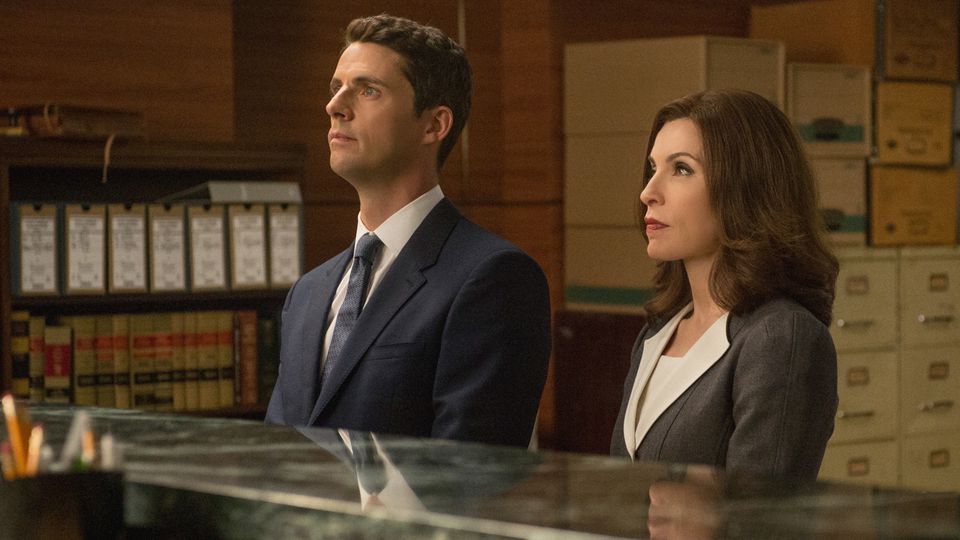
    I was both excited and concerned coming into the sixth season premiere of The Good Wife. Excited because they were coming off their best season yet and concerned because they were coming off their best season yet. It would be an understatement to say that season 5 was a game changer. We saw who was essentially the male lead of the show killed off, the firm that we’ve been rooting for the entire series become the enemy, and every character change drastically in one way or another. Alicia said it best in the season finale: “it’s been a weird year.” However, all those excitements and concerns were put to rest when a different, but still phenomenal series premiered last night.

    In “The Line” we are thrown into a case that has an interesting character at its emotional center. From the beginning of the series, Cary has been the relatively straight character. Not to say he is a boring character, it just seems that the writers never saw an opportunity to use the character in any capacity outside the legal side of the show. However, this episode tests Cary’s resilience outside the courtroom. Turns out life isn’t so pretty on the other side of the law. We’re quickly learning that Cary may not be as strong as we originally thought. There was a degradation of his put together facade when he was faced with an arena that he isn’t used to or fearful of.

    The most satisfying part of this episode is that Cary’s arrest, which happens before the opening credits, seems like such a gimmick. The Good Wife is a show that is based in such realism, so when something somewhat outside the norm occurs you know that something is up. It’s the same way I felt with Will’s death. It came off as jumping the shark, but it turned out to be just another step in what is an education of Alicia Florrick. Cary’s arrest came as a test for Alicia to see if she could handle the firm and decisions on her own. It’s also going to further complicate Diane’s transition into Florrick/Agos. With a name partner incarcerated and firm funds being tied up with his bail, it may be difficult to convince clients to come into the firm ($38 million worth, as Diane has said 57 times).

    Cary’s arrest has an interesting tie to the rest of the series. Lemond Bishop has been an interesting character in that he makes nearly everyone he interacts with question their morals. The characters on The Good Wife are educated, successful, and wealthy people, who believe what they are doing is being done for the greater good. However, when you mix a man who has a corrupt business but also brings you revenue beyond your imagination, they’re morality is questioned. Are they bad people? Everyone down to Kalinda, whose morality seems so self centered even questions what she’s doing.

    A side story line (which brought us a very… adult moment involving panties, or lack thereof) involved Eli’s attempt to get Alicia to run for state’s attorney. Her answer? Not in hell. However, Eli continues and discovers that she can in fact win. Let’s keep an eye out.

    This episode is a wonderful reminder that this is a show about adults by adults for adults. The writers don’t attempt to baby their audience. They cut the bullsh!t and give us story. That’s why The Good Wife is such a successful network television series. This episode doesn’t really give us any clues about the rest of the season, usually the Kings are careful to bury those deep within the episodes, but it’s clear that The Good Wife is back at it.

  • Sons of Anarchy Review: “Playing With Monsters” (7×03)

    Sons of Anarchy Review: “Playing With Monsters” (7×03)

    sons of anarchy review

    Nothing much happens this week on Sons of Anarchy, and yet, I can’t help but feel like this is the best episode of the season so far. As things plummet further into darkness, the show gains a surety of narrative that it hasn’t had in a long time. Now that there is no question as to Jax’s villainy and Gemma’s madness, we are back in full-on Hamlet mode. Jax is going to start a war and likely (figuratively) burn Charming to the ground, only to realize that his mother is the monster he’s been seeking. And what’s worse he’ll do it all for Gemma’s sake to begin with.

    We are fully in on Jax being a terrible monster, now, and the show makes that statement in a very powerful way, none more so than a neat piece of editing in the middle of the show. Gemma ensures Abel that Jax is a good man, then we cut to Jax immediately after he’s committed yet another cold-blooded murder. Charlie Hunnam answers the phone and says, “Hey, Mom, what’s up?” in this wonderfully flippant way, like he’s a cocky high school kid playing at gangsters. He’s perfectly nonchalant, in a way that suggests not only the extent to which he is cavalier about his actions, but also that he considers it behavior his mother would approve of, and even be proud of. When he answers the phone he’s practically giddy—he’s solving problems the way Gemma told him how. This week’s closing scene it the show’s most toxic portrayal yet of their relationship, but it feels surprisingly vital.

    Even thought he show is just spinning its wheels, this week—Jax continues to enact his revenge, which boils down to “kill them all,” and Juice tries one last time with Chibs before splitting town. The main conflicts are yet to come. But this episode is still a powerhouse, featuring some strong acting, some legitimately good writing, and a tone that embraces the pseudo-Shakespearean tragedy of the plot. In a way these three episodes have been a very long first act, one likely to conclude last week, but since it’s the first act of the last season in the cycle, everything is allowed to feel vital again. Any wheel-spinning here is a legitimate attempt to build tension, and not a desperate grasping of straws for fodder for future seasons.

    It helps, of course, that the attempts to build tension are also successful. The machinations of Jax’s plan concerning the Niners are exciting to watch unfold, and sufficiently dastardly. Yes, we’ve seen this all before, and need no further convincing of the extent of Jax’s villainy. But the show is no longer trying to convince us. There is a gleefulness to Charlie Hunnam’s performance tonight; he makes Jax like a Richard III or a Macbeth, rather than the brooding anti-hero he’s been for too long now.

    Katey Sagal accomplishes the same with Gemma this week. Sagal deserves a lot of credit, because it is her performance above all else that keeps this show afloat. She is digging into Gemma’s arc this year with even more verve and aplomb than usual, and it shows. Gemma has now taken to addressing Tara’s ghost, which on its face is ludicrous, but is so dementedly Shakespearean, and so entrancingly performed by Sagal, that these soliloquies become fascinating illustrations of Gemma’s madness. This kind of stuff is what Sons should be doing more of.

    Juice has his best scenes so far as well. The character is torn between Gemma and Unser, two parental figures in his life, while he loses the third, Chibs, in a heartbreaking scene. Tommy Flanagan hasn’t had as much to do as many others on this show, but he’s always great to watch, and he’s made Chibs such a fully realized character that his cold abandonment of Juice here stings.

    Would it be nice if we’d reached this point a long time ago? Absolutely. And from the previews, it looks like the hammer won’t even begin to fall until next week. The sense that, to an extent, we’re marking time, is unavoidable, and it does linger in this episode still.  But even though this episode retreads so many of the same old Sons twists and motifs, it embraces the usual baggage with such energy that it’s hard not to be pretty happy with it anyway. It’s taken us a while to get to this point, but now that we’re here, the final act proves to have been worth sticking around for after all.

    Stray Observations:

    -Althea Jarry is most reminiscent of Ally Walker’s June Stahl, right down to the corrupt act she pulls to curry favor with Jax and the club. It’s ambiguous at this point how much is an act, but Annabeth Gish is great fun in the role, and Jarry’s flirtatious scene with Chibs was a highlight of the episode.

    – This week in SAMCRO: my DVR cut off the beginning of the episode slightly, and so I was launched immediately into the shooting of the lesbian pornographic masterpiece, Skankenstein. And you know what? That’s hilarious. Point, Sons.


  • Boardwalk Empire Review: “What Jesus Said” (5×03)

    Boardwalk Empire Review: “What Jesus Said” (5×03)

    boardwalk empire what jesus said

    More than it does anything else, this week’s episode of Boardwalk Empire confirms the show’s storytelling method, remaining entrenched in the series slow (we might instead say “steady”), novelistic approach to telling its story through the accumulation of character-driven scenes, rather than necessarily through developments of the plot. There are plot developments as well, of course—Luciano and Siegel’s murder of several of Doctor Narcisse’s girls this week guarantees a reckoning in the episodes to come, for starters. But, as is always the case with early season episodes, much of what goes on here is place-setting, standing up dominoes that we’ll later have much more fun knocking down.

    You know this already about Boardwalk Empire, and either you’ve bought in or, if you haven’t, you’ve likely stopped watching altogether. So while I wish the show could be a little faster paced, a little lighter on its feet, writing to that effect is fruitless. Instead, the show from week to week rises and falls on the strength of the scenes it chooses to focus on. This week, the focus is on a few key scenes, with some additional characters scattered about for the sake of moving the season along.

    This week, the focus is on Chalky White, and this is good news indeed for the viewer. Chalky and his newfound companion, Milton, break into a house and take the widow and daughter who live there hostage. Milton spied a safe in the home before, and is determined now for its contents. The girl, Fern, and her mother prove pluckier than expected, however, and they stall Milton all day long with lies about where the safe is located, when the man of the house will arrive home, and so forth. The scene is an extended vignette, a sort of pseudo-bottle episode tucked away inside “What Jesus Said,” and it is magnificent, unsettling and exquisitely tense, feeling for all the world like a lost Flannery O’Connor story.

    It’s no great shakes at this point to state how astoundingly talented Michael Kenneth Williams is, but it bears repeating here anyway. Chalky is a silent observer for much of this episode, answering very few questions, and even those cryptically—does his daughter know who he is, Fern asks. Chalky says, “She knew what I was.” But neither Chalky nor Williams needs say anything to be effective. The actor imbues even silent stares, of which this episode has several, with great import. The tension builds and builds, and of course we know, instinctively perhaps, that Chalky will kill Milton. He will act to save this family from being murdered—that will be the bridge too far for him. But when it happens he receives as thanks only a gun leveled at him, and orders to leave the house. Chalky’s experience has been such that he believes himself deserving of little more.

    This is a brilliant scene, and a great breakdown of Chalky’s character at this point, filling in many of the blanks of the premiere, as well as of the gap between seasons. He is still reeling from Maybelle’s death, and it is the event that has led him to lose everything else, as well. He and Nucky are mirrors of each other as ever, but, as we’ve learned time and again, Nucky will always have one advantage Chalky can never have.

    It’s that advantage that allows Nucky to spend the episode gallivanting with Joe Kennedy, despite having committed as many crimes as Chalky and then some. Kennedy is a cracked mirror held up against Nucky (or, more truthfully, Nucky is the one with the cracks). He has a large, happy family; he claims never to have committed a crime in his life; he does not drink. He is exactly the sort of man Nucky pictures himself as, and in seeing him, he is the sort of man who makes Nucky realize that he himself, is not that sort of man. Kennedy prods and pokes, asking Nucky “What are you?” when Nucky attempts to distinguish himself from gangsters. He can’t. He tells white lies about his family, his relationships with wife and brother and nephew and children. And Kennedy sees through them, rejects Nucky’s deal, and pours him a single glass of booze.

    When pressed, Nucky says that the reason for all this, for everything he’s done, is this: “I want to leave something behind.” Which, YAWN. This trite sentiment has become such a cliché of the prestige TV drama as to be annoying and practically comedic. Here it is stripped even of any nuance or additional detail. Kennedy is equally unimpressed, and perhaps the emptiness of such a platitude is an intentional commentary on Nucky’s own emptiness? But if this is the case, the show had better make with another, better reason, and soon.

    As for the flashbacks to young Nucky, they depict his introduction to the seedier side of the Commodore’s business, witnessing first a man who claims to be in love with one of the Commodore’s girls, and then, later, the aftermath of that same man’s murder of that same girl. It’s a hard lesson for a ten-year old. He’s also enamored with a young girl named Mabel Jeffries. The flashbacks continue to become more interesting, especially in the ways the intercut with the present day story (the connection between the Commodore’s girls and the dancer in Nucky’s club is not lost on the camera or the editor).

    The rest of the developments I’ll deal with below in some stray observations. What we have here in this episode chiefly is direction, even if that direction could use some additional nuance. The justification for setting the season in 1931 become ever more obvious as time goes on, and the show begins to move pieces into interesting places, and to set up viable, vital conflicts and character combinations. It could be faster paced, and I especially wish that the balance of characters per episode was a little more even. We’re still very much in the part of the season that will seem more valuable in retrospect—but when even the slow build toward chaos is this beautiful, and this riveting, it’s hard not to be swept away just one more time.


    Stray Observations:

    – Margaret greets Nucky from the darkness in the corner of his living room, which is an extremely cartoonish moment that detracts from the lovely acting that both Kelly Macdonald and Steve Buscemi do in this reunion. There is such a sense of history, grudging respect, and yes, lingering love, between the two, and these are all conveyed nearly entirely wordlessly. If only Margaret weren’t lit like a comic book supervillain.

    – The world surely joins me in demanding a Mickey Doyle spinoff series.

    – Narcisse’s return is almost entirely expository, just as Luciano and Siegel’s massacre on his house at the end is simply a trigger for future stories. There’s the promise of more interesting developments as a result, of course, but it rather bugs to still be doing this kind of seed planting in the third episode of eight.

  • “Once” Review (Revisit): Retains the title of Broadway’s Best Romance

    “Once” Review (Revisit): Retains the title of Broadway’s Best Romance

    once the musical
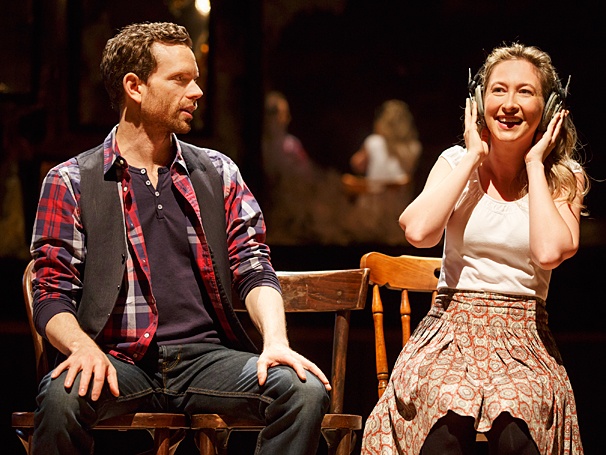
    Usually when I revisit a show, I begin to find flaws. It happens every time. Nearly every show feels perfect the first time around, but when you watch it again, you’re paying more attention to the details, good and bad. The first time I watched Once the musical, I was putty in their Irish hands. There’s a quality about the show that just draws you in.

    For those of you that don’t know, Once is based of the film of the same name, which is one of my favorite films. It tells the story of a 5-day relationship between an unnamed Guy and Girl, who set off to make a demo for the Guy’s ex-girlfriend. The musical evolves to a complex love story that will make your heart swoon. However, that description doesn’t do this story justice. A cast of characters, from a group of Czechs, to a music shop owner, to a bank manager with a dream create one of the strongest ensembles on Broadway. Every member of the cast, save for the one child actor in the show, play an instrument to create the orchestra.

    The entire cast is truly wonderful. Every performer on stage has multiple jobs, and they all excel in them. The best part about seeing a musical for the second time is watching all the small details you missed the first time. The choreography is so simple, yet speaks a lot. Small moments like those in “Sleeping,” when the Czechs had these small movements to portray their support of each other, supplied so much emotion on stage. While large group numbers like “Gold” and “If You Want Me” were simply just magical to look at. The lighting also made a huge impression. Natasha Katz was able to transport us to different times and locations with a single lighting change, all that worked so well with Bob Crowley’s set.

    However, what continues to make Once so magical, in addition to John Tiffany’s outstanding direction, is Enda Walsh’s book. The dialogue is so natural, sometimes hilarious, others emotional, but it all just serves the story so well.

    The performance that I watched had standby Ben Hope in playing Guy. Now, before I go any further I have to explain the character of Guy. To be honest, I think its one of the most underrated roles on Broadway. While original performer Steve Kazee did bring home the Tony, and rightfully so, I think most people don’t really see the performance involved. First of all, they have to portray a character that changes a lot over the course of the musical. He starts as a bitter lovelorn musician and eventually finds a meaning in life as he goes along. On top of that, he has to play the “straight” character to The Girl’s quirky, and has to do most of the singing throughout. On top of all of this, the actor has to portray a lot of understated emotion, which is a chore in theatre.

    Although he didn’t reach the heights of Kazee’s performance, vocally or acting…ly, he was able to hit all the points the are needed in the performance. There’s a scene about midway through the second act where the Guy and Girl are talking on a hill above Dublin. He tells her a story about his mother. It’s a monologue that has always stuck with me, but it’s a difficult one to dish out. Well, Hope did it with all of the emotional impact that it needed.

    Jessie Fisher was also wonderful as the Girl. Such a complicated character, but she was just as charming and funny as OBC member Christin Millioti.

    Overall, my revisit to Once was an eye opening one. I am going to say something that’s going to be very controversial, but completely valid. Once is the best musical on Broadway right now. It’s so beautifully contracted and written. Playwrights would kill to write dialogue that natural. The show is so well realized, and every aspect comes together to serenade the audience. It’s a near perfect musical.

  • 11 Gifs Explaining Why Breaking Bad Should Win at the Emmys

    11 Gifs Explaining Why Breaking Bad Should Win at the Emmys

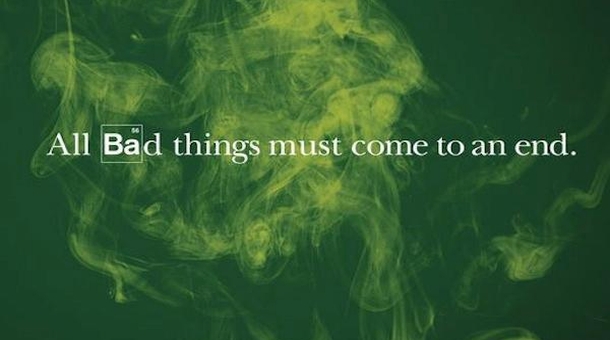
    breaking_bad_5b_teaser_poster_0SPOILERS AHEAD!
    Breaking Bad‘s brilliant final season deserves all the accolades coming to it (see our Emmy predictions here), but why? Here are 11 reasons why Breaking Bad should win at the Emmys.

    So Hanks finds out about Walt in the premiere, but instead of lashing out, in true Heisenberg style Walt says:

    aqltj

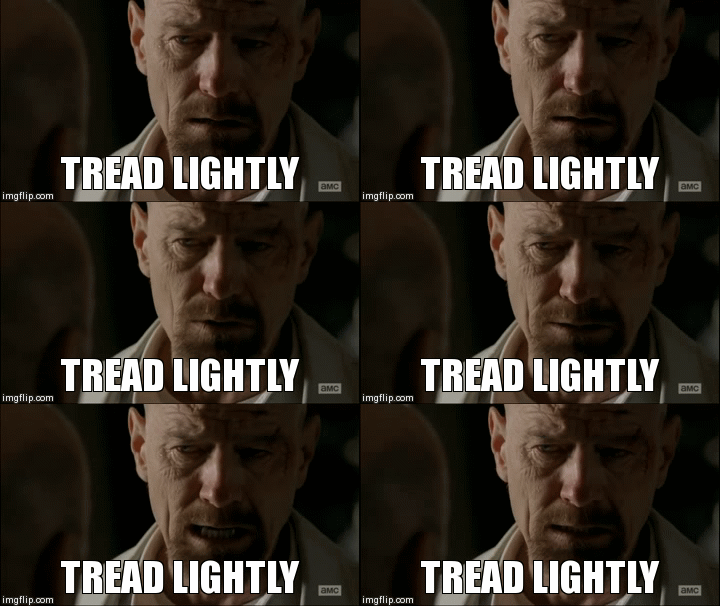
    When Hank gets a little to close, Walt makes this little ditty.

    aqld4

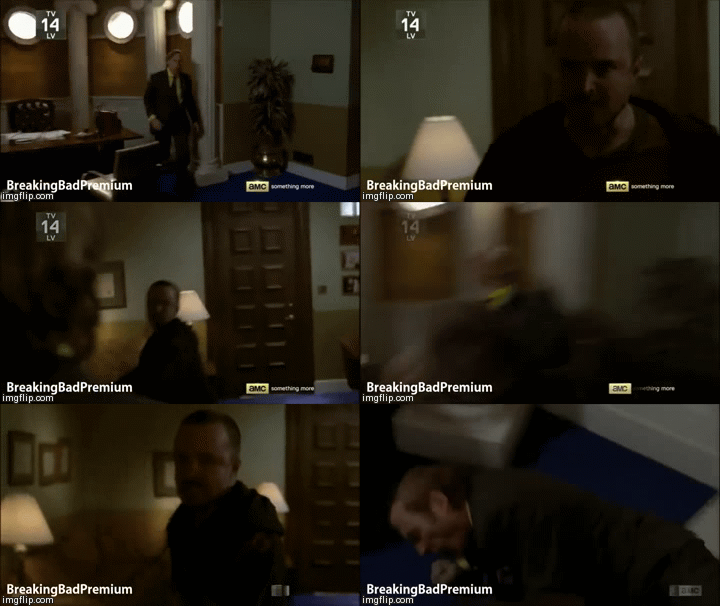
    After Jesse discovers that Saul stop the ricin from Jesse to give to Brock, we see a very angry Jesse.

    aqm32

    Then when Meth Damon… I mean Creepy Todd… I mean Todd pays Andrea a visit to keep captive Jesse in line, we see sad Jesse.

    aqm15

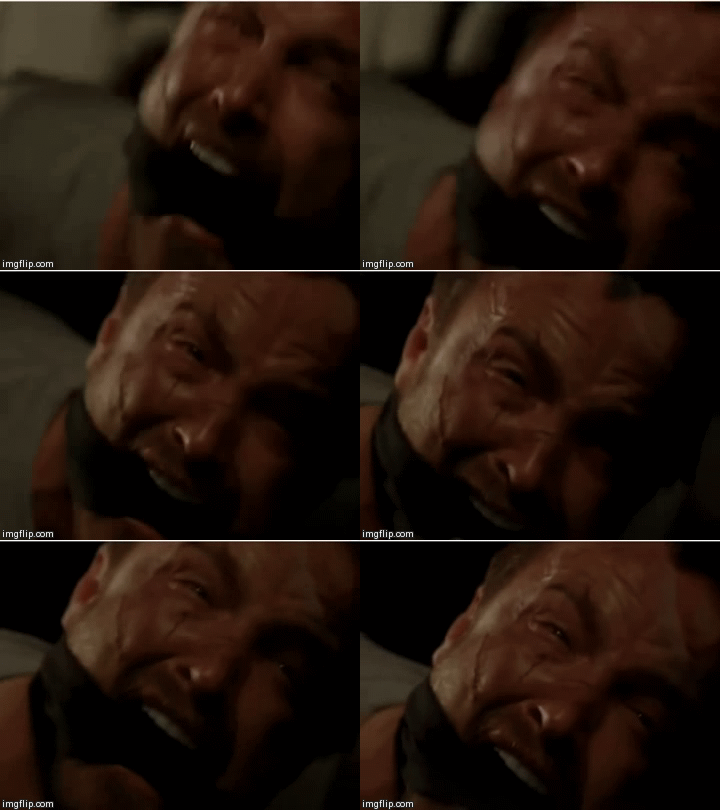
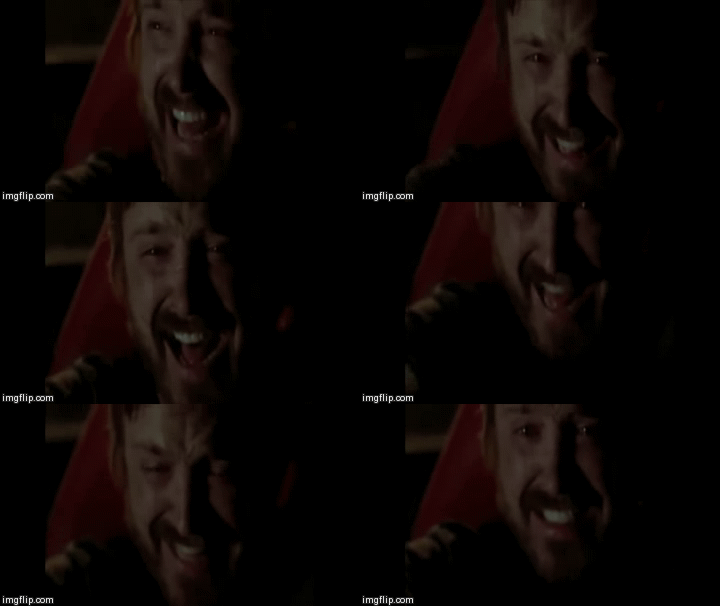
    But neither of those compare to happy Jesse in the finale. Emmy him, bitch!

    aqn9z

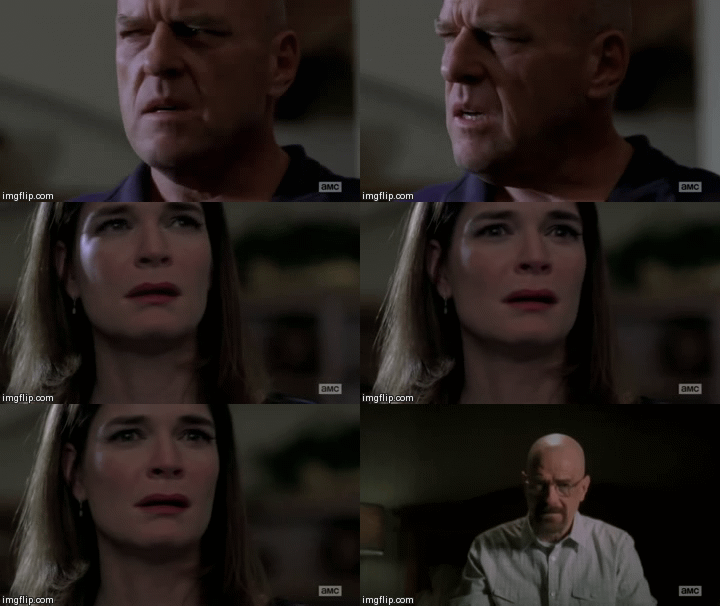
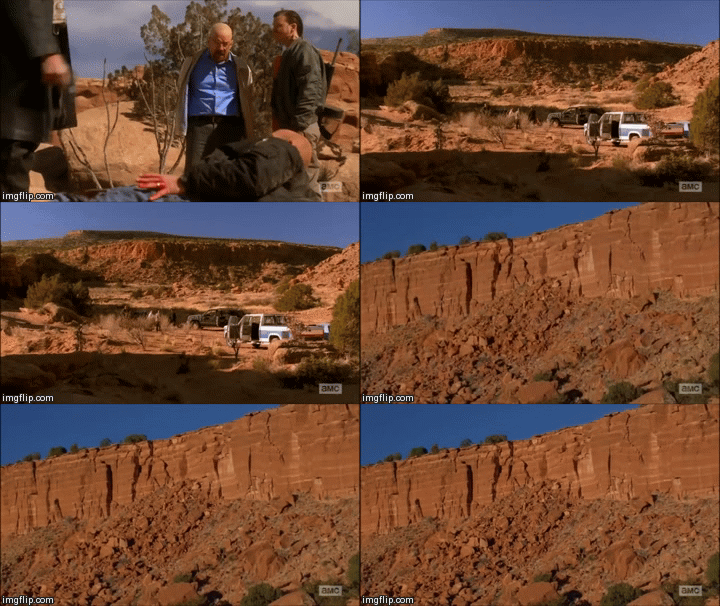
    In the instant classic “Ozymandias” we see the end of ASAC Schrader… I don’t have anything funny to say. That was just plain sad.

    aqlfz

    Poor Walt… not like you caused this or anything.

    aqlh8

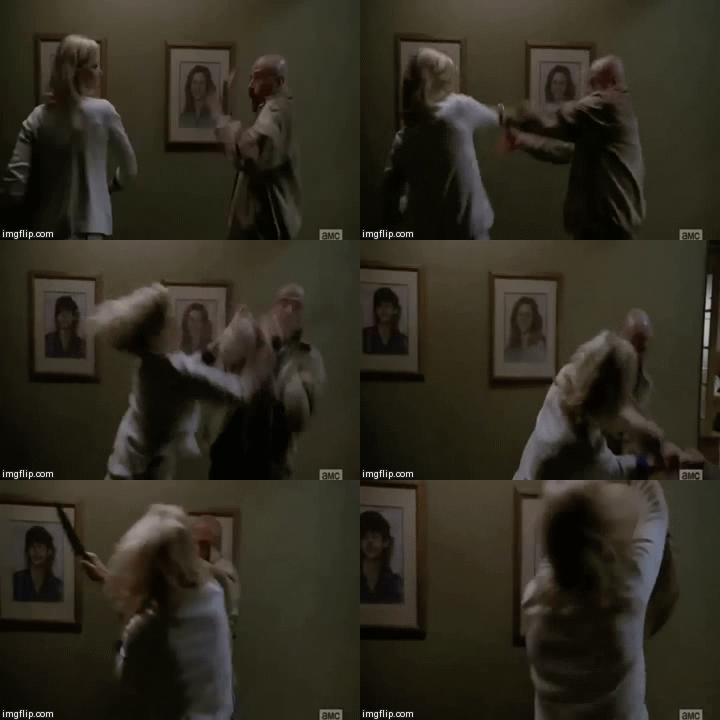
    The Skyler becomes a BAMF when Walt tries to get them to leave.

    aqlz6

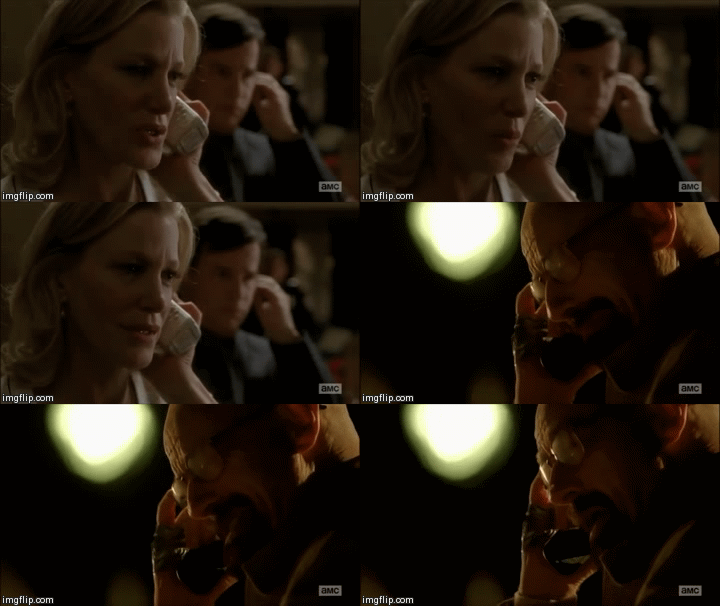
    However, there is some shred of the Walt we used to know when he protects Skyler with this phone call. Emmys for everyone!

    aqo3p

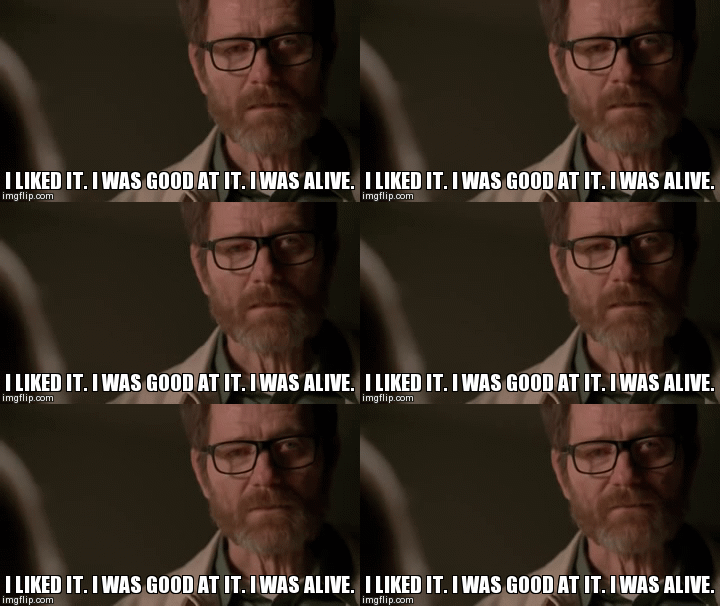
    Skyler: If I have to hear one more time that you did this for the family–
    Walt: I did it for me.

    aqmav

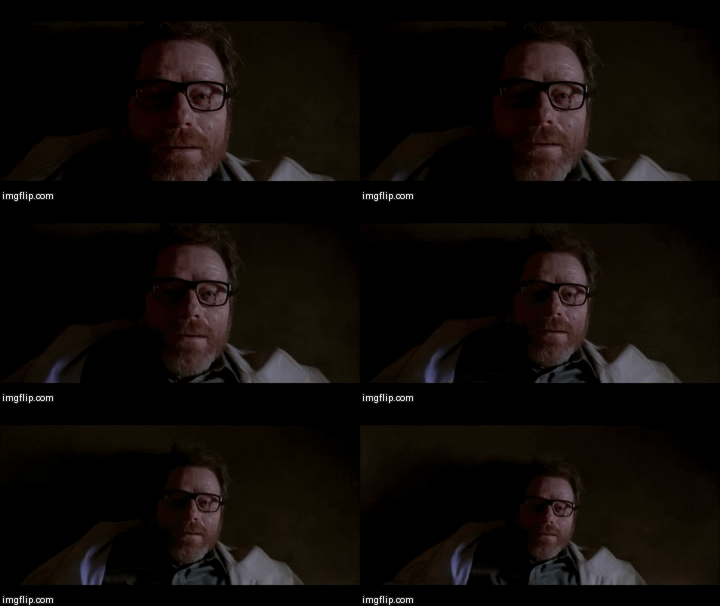
    Goodbye Heisenberg. We will remember your name.

    aqm7d Check out our Emmy Spotlight of the show here! What were your favorite moments of the final season of Breaking Bad?