Blog

  • Emmy Spotlight: “Killing Kennedy”

    Emmy Spotlight: “Killing Kennedy”

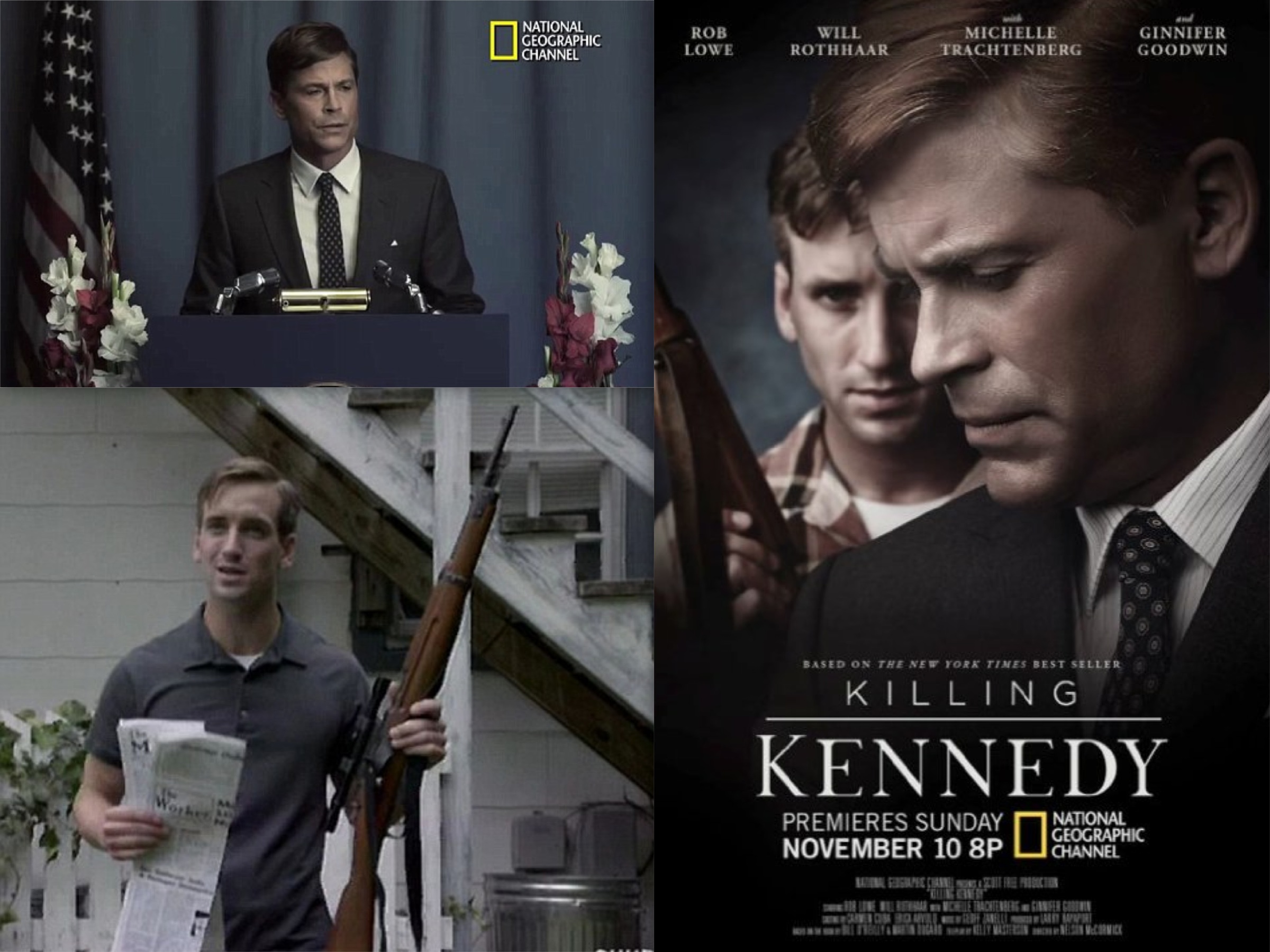
    Killing Kennedy Emmy Spotlight When I say there isn’t a contender more underrated than Killing Kennedy, I mean it. Although it was a fairly successful entry for the History Channel, have you heard someone walking down the street saying, “have you seen that new JFK movie on the History Channel?” However, although the History Channel is basically doing to history what MTV did to music, the film ended up being a strong mix of both television and history. It may have not garnered the critical notices that it should have (56% on Rotten Tomatoes?), the film was still able to give a surprisingly engaging, and more importantly, entertaining portrayal of a story we think we all know.

    The story is very simple, it is the assassination of John F. Kennedy from the perspective of assassin Lee Harvey Oswald. However, although this doesn’t sound as impressive coming from me, the film may be one of the best portrayals of the JFK assassination I have ever seen.

    Instead of focusing much on the assassination itself or the aftermath like Parkland did, Killing Kennedy was a construed look at two complicated men doing what they could to save the country they loved. The juxtaposition of their methods was a refreshing take on the subject, which has beaten at for years. For the sake of this review I will break up this spotlight into two sections: John F. Kennedy and Lee Harvey Oswald.

    John F. Kennedy
    These parts of the film didn’t stray terribly far from what we already knew. The film starts off with John Fitzgerald Kennedy (Rob Lowe) kicking off his 1960 presidential campaign. He explains to Kenneth O’Donnell that it was supposed to be his older brother Joe running for president, however Kenny retorts that it was always supposed to be him. We then jump ahead 11 months to the night of the election, with Jack anxiously waiting the results.

    It seems appropriate to mention here the surprising resemblance Rob Lowe has to JFK. It’s not a striking visual resemblance, although the hail is nearly perfect. The way of him. His attitude. His voice. It all seems familiar, even without the dark sunken eyes that JFK did have.

    Jacquie Kennedy comes in to congratulate him, although the race isn’t over. She even calls him “Mr. President.” Just like that, we know who Jacquie Kennedy is. She is not just a wife who stands next to the big man. She is his supported and pillar. Throughout the movie we watch her be betrayed by Jack, even hurt. However, she champions his successes and comforts him in his failures.

    Through the Cuban Missile Crisis, Cold War, and rise of organized crime (which will fuel the conspiracy theorists yet again). It’s not the most interesting look at these events. Obviously it’s more of a back room approach, but what is important here is the way JFK reacts to this new stress. You realize the kind of man he is. He wants to do well the for the country. He wants to do well for his family, but he doesn’t know how. It puts the role of POTUS in perspective. There is no manual to be president. The film nicely humanizes him.

    As great as Rob Lowe is as JFK, Gennifer Goodwin is a revelation as Jackie Kennedy. I don’t think it’s the greatest portrayal of Jackie O. To be honest, I don’t think anyone has absolutely nailed the role. But she played her part of the First Wife, beside and one step behind her husband extremely well. Especially when Jack’s taste for fun begins to surface.

    Lee Harvey Oswald
    When we first see Lee Harvey Oswald, a former Marine, he is in the Russian Embassy looking to denounce his United States citizenship. He criticizes the capitalist system and pledges himself to the political idea of marxism. He doesn’t necessarily have a hatred for his home country, he is simply disillusioned by it. However, the US ambassador refuses to allow him to denounce his citizenship and tells him to spend time thinking about what he actually wants.

    In the ensuing time he meets a girl named Marina, who he ends up marrying. After experiencing the realities of Russia, he returns to the embassy to get his citizenship back and move back to his home country. However, before leaving he has tiny press conference explaining his decision to denounce his citizenship and make his pledge for marxism. The fun part is, that it was just all a delusion. We learn that Oswald isn’t only a patriot, he also want to have something to be known for, to be remembered for.

    Throughout the film, his delusions become more frequent, his devotion to marxism stronger, and his inclination towards action apparent.

    However, the revelation here is Will Rothhaar’s performance as Lee Harvey Oswald. There is something to be said for an understated performance, but when it is meant to portray a character that is a sociopathic delusional marxist it becomes all the more remarkable. At a certain point, you feel empathetic toward the patriot. The film portrays him as a misunderstood patriot, who may have taken his delusions of a more perfect America too far, but had a heart that was in the right place. At least, that’s what I thought. You could still see him as a sociopathic delusional marxist. To each their own.

    In the end, Killing Kennedy is a fun film to watch. It tells a side of the story that is not often told. It seems that we always get one or the other. It’s always John F. Kennedy or Lee Harvey Oswald. This movie compares these two difficult men, whose destiny’s collide in a catastrophic way, but allows us the understanding behind the both of them. I don’t think it exactly reaches the heights of 2011’s miniseries The Kennedy’s, but it does feel like something fresh and new. Either way, Killing Kennedy is yet another corner in the History Channel’s journey to make History exciting again.

  • 2014 Emmy Predictions: Supporting Actress in a Miniseries/TV Movie

    2014 Emmy Predictions: Supporting Actress in a Miniseries/TV Movie

    I’ve been avoiding predicting this category like the plague. It is probably the hardest category to predict, because there is not even a semblance of a frontrunner. The top three contenders are neck and neck, and this race could really go either way.

    First of all there is Julia Roberts (The Normal Heart). Her role in won Ellen Barkin a Tony and offers Roberts a lot strong and passionate speeches and scenes.

    On the other hand, there is Allison Tolman (Fargo) that gives a very understated underdog performance that has been critically acclaimed. It also doesn’t hurt that Fargo did extremely well in the nominations.

    Then, there is Oscar-winner Kathy Bates (American Horror Story: Coven) who was an early frontrunner for the trophy. With the anthology series over-performing in nominations, and Bates being joined by two additional cast members, logistics could be in her favor.

    For now, I’m going to have Tolman out front. It’s more of a hunch if anything, but I do think she has momentum going for her.

    [maxbutton id=”3″]

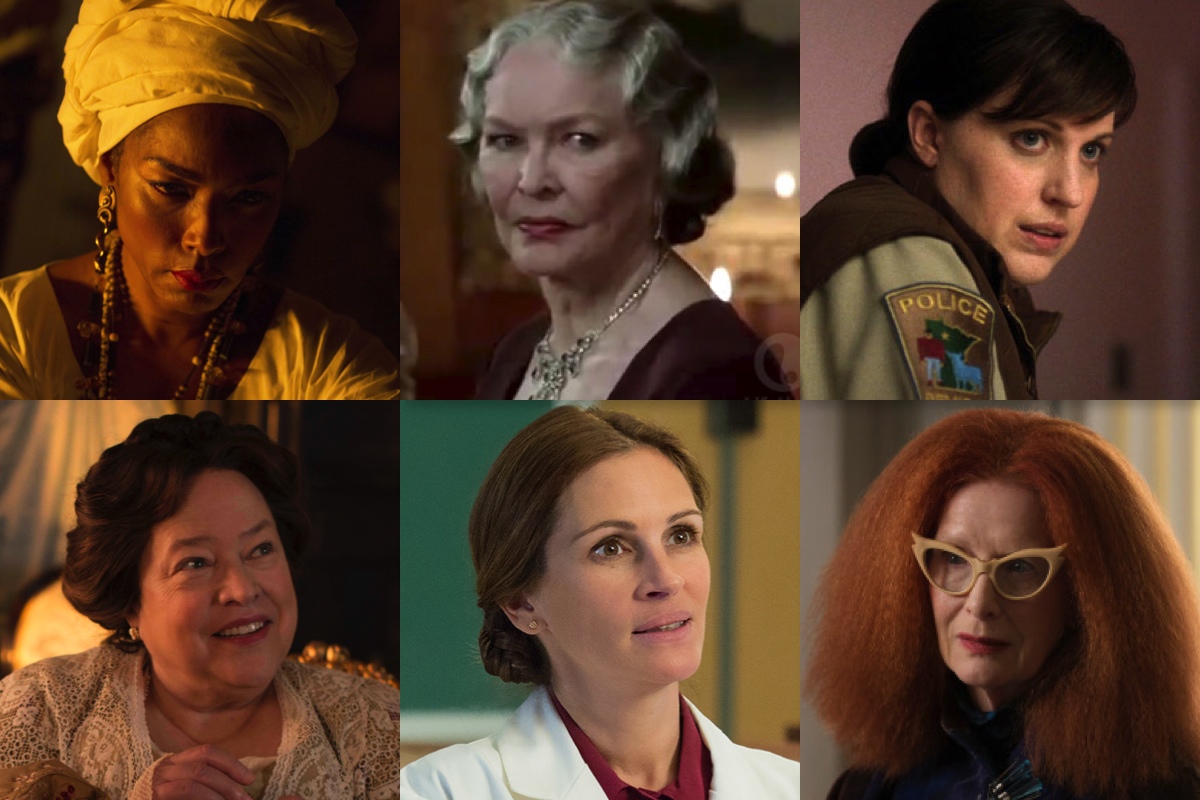
    Miniseries Supporting Actress FINAL 1. Allison Tolman (Fargo)
    2. Kathy Bates (American Horror Story: Coven)
    3. Julia Roberts (The Normal Heart)
    4. Angela Bassett (American Horror Story: Coven)
    5. Ellen Burstyn (Flowers in the Attic)
    6. Frances Conroy (American Horror Story: Coven)

  • Do the Shuffle (Vol. 10): Blur, The Flaming Lips, Toro y Moi & more!

    Do the Shuffle (Vol. 10): Blur, The Flaming Lips, Toro y Moi & more!

    In Do the Shuffle, one of our team members put their iPod on shuffle and list the first 10 songs that play. It’s great for us because it helps us remember some of the stuff that gets lost on our playlists and it’s great for you because you can discover some of the awesome music that we listen to. Enjoy!

    Beck – “We Dance Alone” off of The Information (2006)

    Sonic Youth – “Kissability” off of Daydream Nation (1988)

    The Chemical Brothers – “Leave Home” off of Exit Planet Dust (1995)

    A Place to Bury Strangers – “To Fix the Gash in Your Head” off of A Place to Bury Strangers (2007)

    Toro y Moi – “Thanks Vision” off of Causers of This (2010)

    The Flaming Lips – “Aquarius Sabotage” off of Embryonic (2009)

    Blur – “I’m Just A Killer For Your Love” off of Blur (1997)

    https://www.youtube.com/watch?v=A8siVDnCBvw

    Death From Above 1979 – “Romantic Rights (Girls Are Short Remix)” off of Romantic Rights EP (2004)

    https://www.youtube.com/watch?v=jgm_GWv_vdw

    Melody Gardot – “Deep Within the Corner of My Mind” off of My One and Only Thrill (2008)

    The Antlers – “Corsicana” off of Burst Apart (2011)


  • Joyce Manor Album Review: Never Hungover Again

    Joyce Manor Album Review: Never Hungover Again

    joyce_manor_originalIf you’ve been following the genre since its inception, I’m sure that I don’t have to tell you that pop punk hasn’t always been the emotionally-charged melting pot that it is today. While classic pop punk bands such as Blink-182 may have occasionally ruminated on the nuances of growing up, they ended up spending most of their time writing songs about alien conspiracies and getting stoned, all the while indulging in some of the most sophomoric humor ever to grace a pair of headphones. Hell, one of the most popular singles to ever bring the genre to mainstream radio is about little more than seeking a cure for boredom in the act of… well, we’re all familiar with Green Day’s “Longview”.

    On the other hand, nowadays you’ve got acts like the Front Bottoms begging you to kiss your knuckles before you punch them in the face, Modern Baseball celebrating the simple joy of your crush sitting next to you on the couch, and most recently on Joyce Manor’s third LP Never Hunger Again, Barry Johnson quite literally wearing his heart on his sleeve (or somewhere on his body, the dude never really says specifically where).

    In many ways, Joyce Manor are a perfect pop punk band. Relatable, catchy and instantly quotable, their songs are over in the blink of an eye yet paint vivid pictures, offering fresh and clever takes on subjects that have been long-standing staples of the genre such as dysfunctional friendships and small town angst.

    Much like on their previous album, 2012’s Of All Things I Will Soon Grow Tired, the band still thrive on chaos, forsaking anything resembling a traditional introduction to a song in favor of simply propelling their listeners into the tune. The effect can be disorientating; if Never Hungover Again is your first experience with Joyce Manor, you might be forgiven for thinking that you’ve accidentally downloaded a copy of the record that’s missing the first 30 seconds of each MP3. You may initially bemoan the fact that some of your favorite tracks here are too short, but once you learn to appreciate the band’s style for what it is, you’ll realize that they’re just not messing around; the songs may not last long, but literally every moment of them is good. All killer, no filler, to quote a band you may have bumped in middle school.

    Front and center of these songs is singer Barry Johnson, who seems to be working harder than ever to fill the shoes of the pop-punk-Morrissey both fans and journalists have hailed him as ever since his band swiped the Smiths’ jangly swagger on “Bride of Usher” two years ago. The parallels are not for nothing: Johnson’s friends may ask how he can be happy when he wears all black, but one only needs to turn to one of the Smith’s underrated b-sides to learn that he probably wears black on the outside because black is how he feels on the inside. Still, nowhere are Johnson’s Moz aspirations more striking than on the record’s closing track, “Heated Swimming Pool”, which finds the singer sharing a strange confession with a friend: “I wish you would’ve died in high school, so you could’ve been somebody’s idol.” Oh Manchester, so much to answer for.

    Of course, Joyce Manor make sure to pay tribute to the veterans of the genre that paved their way, as well. It’s hard to hear the backing vocals that close out album highlight “Heart Tattoo” without the nasally whine of Blink-182’s Tom Delonge springing to mind, while the band’s biting sense of ironic humor can only be described as Jawbreaker-esque. Meanwhile, the stoned, summery production of the record harkens back to the basement sounds favored by punks of every era, from classic bands like the Descendents and Circle Jerks, to more modern acts such as the Ergs!.

    Essentially, Never Hungover Again has something to offer you no matter what kind of punk rock you enjoy. From Barry Johnson’s clever yet relatable lyrics to the band’s uncompromising ability to whip up an instrumental fury, Joyce Manor have crafted what will undoubtedly be the pop-punk record of the summer, an album you’ll want to start over the second it finishes. Trust me, brevity has nothing to do with it.

  • Do the Shuffle (Vol. 8): The 1975, Foster the People, and Ghost Beach

    Do the Shuffle (Vol. 8): The 1975, Foster the People, and Ghost Beach

    Vol. 8

    In Do the Shuffle, one of our team members puts their iPod on shuffle and makes a playlist out of the first ten songs that play. It’s a great way to find new music or rediscover the old stuff. Enjoy!

    http://open.spotify.com/user/smashcutreviews/playlist/7yF2Ow1Ko9j9KGONcXWRWF

  • Contenders for the Best Film of 2014 so far

    Contenders for the Best Film of 2014 so far

    Contenders for Best Films

    It may be a bit early to write a definitive ranking of the best films of the year. Usually it takes a few viewings of the contenders before I can make a true decision on what should be on top. That’s a mistake I made last year. When I did my rankings last year, I added films to the list as I want along. That’s why American Hustle and Nebraska ended up closer to the top of my list. After re-watching the films, I moved the latter back in the list and the former off completely in addition to moving Gravity back and pushing Upstream Color off. Two films that at a certain point held the top spot on my list. I’m not going to have that debacle again. So, instead I’m going to talk about some of the contenders for the best film of the year.

    91pThjom7AL._SL1500_I think the first film I watched that I had thought could make it to the top of the list was Wes Anderson’s The Grand Budapest Hotel (check out Matt Flynn’s review here). Although I didn’t think it was his best work like many others (I still think Moonrise Kingdom surpassed it), it was clearly his most impressive work. The concept of having a story within a story within a story was brilliant and beautifully drawn out. As usual, the film was gorgeous to look at, however the underlying darkness was just as gorgeous.

    Speaking of darkness (SEGUE!), the adaptation of John Green’s The Fault in Our Stars (review here) was pretty much as dark as it could get. Josh Boone was so adroitly able to capture the characters of the book while making the film just as, if not more, affecting. Topped off with an Oscar worthy performance from Shailene Woodley (see why I think she’ll be nominated here) and Fault becomes one of the best adaptations of a novel since The Picture of Dorian Grey in 1945. Okay, maybe not that far back, but it’s the first one I could think of.

    Denis Villeneuve’s Prisoners made my list last year at number 7, and his latest collaboration with Jake Gyllenhaal is poised to make my list again. Enemy (check out Matt Flynn’s review here) is going to be a film that I have to watch a few times to place on my list. I was enamored by it, and not because I watched it during an insomnia ridden stormy night. It was a psychological thriller mixed with a character study, and it doesn’t really get much better than that. Throw in Villeneuve’s signature gloomy and beautifully color palleted style and you’ve got a film.

    Speaking of signature styles (I am a segue machine today!), Jim Jarmusch’s Only Lovers Left Alive relies on it’s gothic style and simple plot to portray a century old love story. Or you could just look at it as Tilda Swinton and Tom Hiddelston playing hipster vampires. Whichever works for you. Anyway, this was a divisive film for me when I watched it. It’s far from perfect. Really far from perfect. However, it is damn fun to watch and damn fun to look at. I’m going to have to watch a few more times to decide if I’m gonna throw it in the top ten, but chances are looking pretty good.

    stranger-by-the-lake-2013Another divisive film for me was definitely the little watched (thanks Harvey Weinstein) Korean/American co-production Snowpiercer. The only way I could put it is that it’s a perfect action flick. It had a great post-apocolyptic concept, strong characters that you could root for, an impeccable visual style, and most importantly (and what most action movies forget) a clear end goal. Plus, Chris Evans plays a superhero who’s not Captain America, Jamie Bell plays the comic relief, and Octavia Spencer plays a sassy black woman, which is absolutely wonderful.

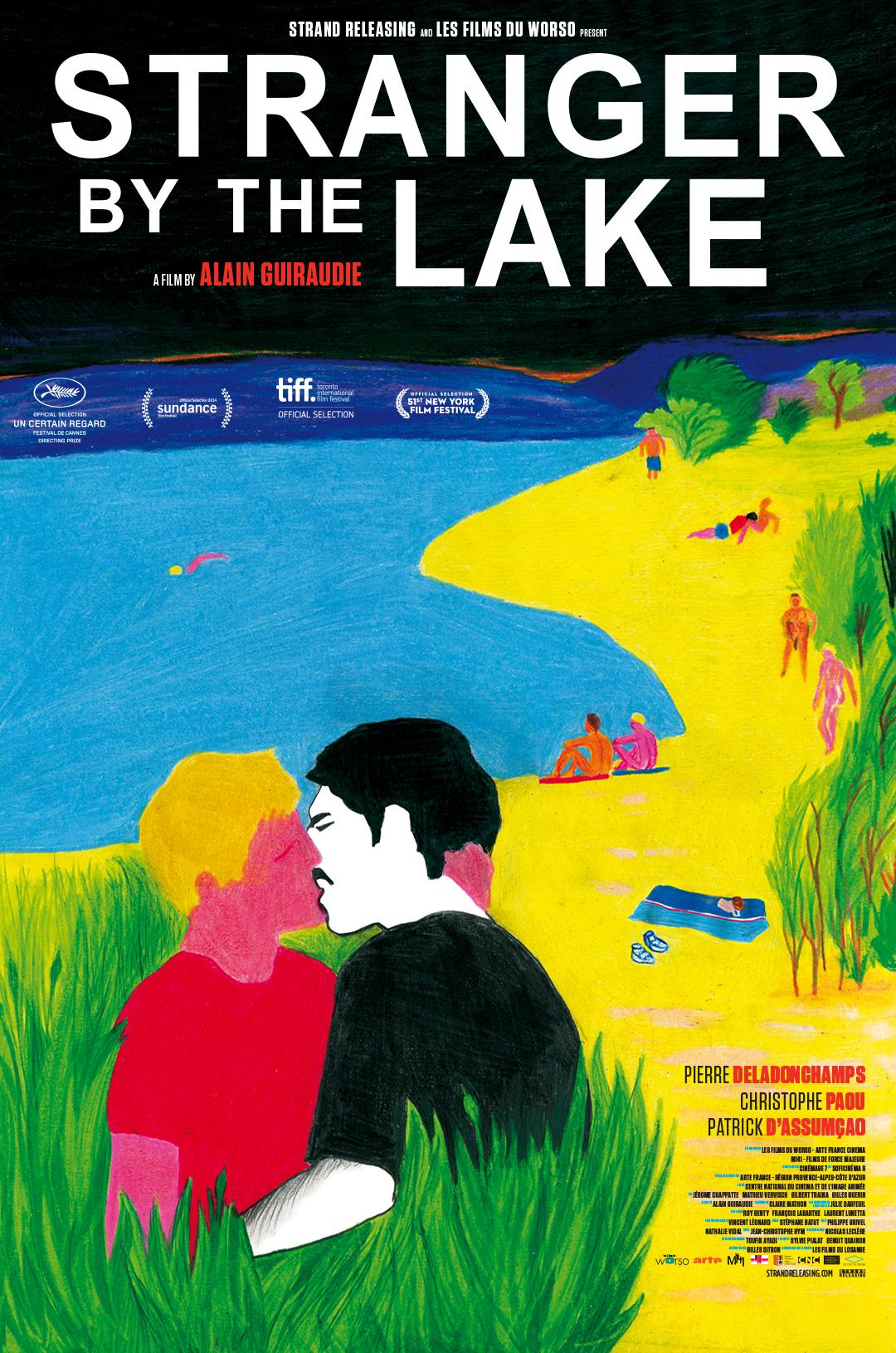
    I’m not totally sure if Stranger By the Lake counts for this list since it technically premiered at Cannes last year, but had its American premiere in January. Either way, it has a great chance to make my top ten list this year or last year. Not only is it a smart, thought provoking drama, it is also dark, sexy, surprisingly funny, engrossing, sexy, entertaining, and did I mention sexy? Despite its full frontal nudity and erotic sex scenes, the film is a masterful work of thrills and suspense.
    boyhood-teaser-poster1
    Lastly, the film that I am confident will end up in at least my top 5… of the decade… is Richard Linklater’s brilliant 12-year masterpiece Boyhood (check out my review here). I know I’ve made it clear that I’m not picking a top film of the year yet, but I’m adamant that this film is most likely, probably, almost certainly, will be at the top of my list. It’s not hard to say why the film will take my best picture slot because it’s just perfect. Plain and simple and perfect. It so gorgeously captures the magic and tragedy of growing up. Framed against an adroitly put together 12 year production, Linklater was able to give an honest look at life.

    So that’s all I’ve got, what films are going to make your end of the year list?

  • “Guardians of the Galaxy” Film Review

    “Guardians of the Galaxy” Film Review

    guardians of the galaxy cast

    I make it a general rule to try and stay away from any hype/reviews/general recommendations about what I’ll be reviewing. Marvel’s Guardians of the Galaxy was one of those films where I just couldn’t escape that stuff. Sitting through the coming attractions, I forced myself to push out all of the uber-positive feedback about the film, tried forget that this is supposed to be one of the greatest hero movies ever, and just watch the movie with a fresh mind as best I could.

    Thankfully, this was a film that lived up to, and in some areas, exceeded the hype.

    On the eve of his mother’s death, Earthling-child Peter Quill is abducted by a group of space pirates. Raised to be a pirate himself, Peter steals a valuable mystery orb, but a botched attempt to sell it puts him into prison. Teaming up with of his fellow outcast inmates, the newly formed Guardians of the Galaxy must fight off the destruction-bent Ronan the Accuser.

    Now every superhero movie has some degree of emotional element, some better executed than others. It’s these emotions that drive the protagonist’s goals throughout the film. Yes, a love interest is included here, but the main emotional journey comes the death of Peter’s mother. His prized possession is a mixtape of her favorite songs, and he is seemingly haunted by an unfulfilled deathbed wish of hers. Peter’s character progression deals with finally being able to come to terms with her death, an angle not commonly taken by hero films.

    The emotions shown by Pratt (and portrayed brilliantly by Wyatt Oleff as his childhood counterpart) are always blunt and truthful. They are sometimes sweet and heartwarming, sometimes funny, and sometimes gut-wrenching. Many of the minor characters have differing emotional battles throughout the film, ranging from feelings of isolation, to a simple romantic interest. Yet all are done amazing well.

    Major kudos to screenwriters James Gunn and Nicole Perlman for injecting a ton of humor into the film. Ranging from slapstick to witty one-liners, the jokes never detract from the action, or take meaning away from the emotional scenes. In terms of character development, humor is used to effortlessly dig deeper into the various characters’ backgrounds. For example, Peter’s love of classic rock/pop hits makes for some always fun soundtrack choices, especially when combined with Chris Pratt’s always hilarious dance moves. Yet it also solidifies the relationship Peter had with his mother, which is a major character element.

    I had a few small qualms with the film’s plot, however. Peter’s growing romance with Gamora wasn’t visualized enough on screen, at least for my personal taste. I know that the film was probably trying to shy away from the “normal” love storyline within a lot of hero movies, but any sort of romantic developments seemed to come a bit out of left field because of it. I’m not sure where the couple found the time to develop any sort of romantic interest, and it certainly deserved a couple more minutes of screen time to clarify this.

    In addition, there were quite a few confusing moments due to backstory’s not being completely solidified. While we know that Gamora turned against her father and sister because they were evil, we are still left with very little information about where she comes from. However, I presume (and desperately hope) that minor plot holes like this will be filled in during the sequel (yup, it’s happening).

    Finally, I need to give credit where credit is due: what little that I didn’t like about this movie was completely forgotten thanks to the hundreds of talented artists working for Framestore, Moving Picture Company, Luma Pictures, Method Studios, Lola VFX, Cantina Creative, Sony Pictures Imagineworks, CoSA VFX, Secret Lab, Rise Visual Effects Solutions, Technicolor VFX, and Industrial Light and Magic. The visual effects are quite possibly the best that I have ever seen in a film. Rocket has to be the most realistic anthropomorphic animal I have ever seen in a film, and all of the alien characters are just as lifelike. Battle scenes were flashy while maintaining realistic grit, and some of the landscapes were truly breathtaking. I saw the film in a standard movie theater, and I was amazed by what I saw. I can only imagine how it looked in IMAX or 3D.

    To sum it up simply: the hype is right. Go out and see Guardians of the Galaxy, it is easily worth the time and money, and it honestly deserves to be seen on the silver screen.

    Check out our other review by Matt Flynn here!

  • 2014 Emmy Predictions: Comedy Series

    2014 Emmy Predictions: Comedy Series

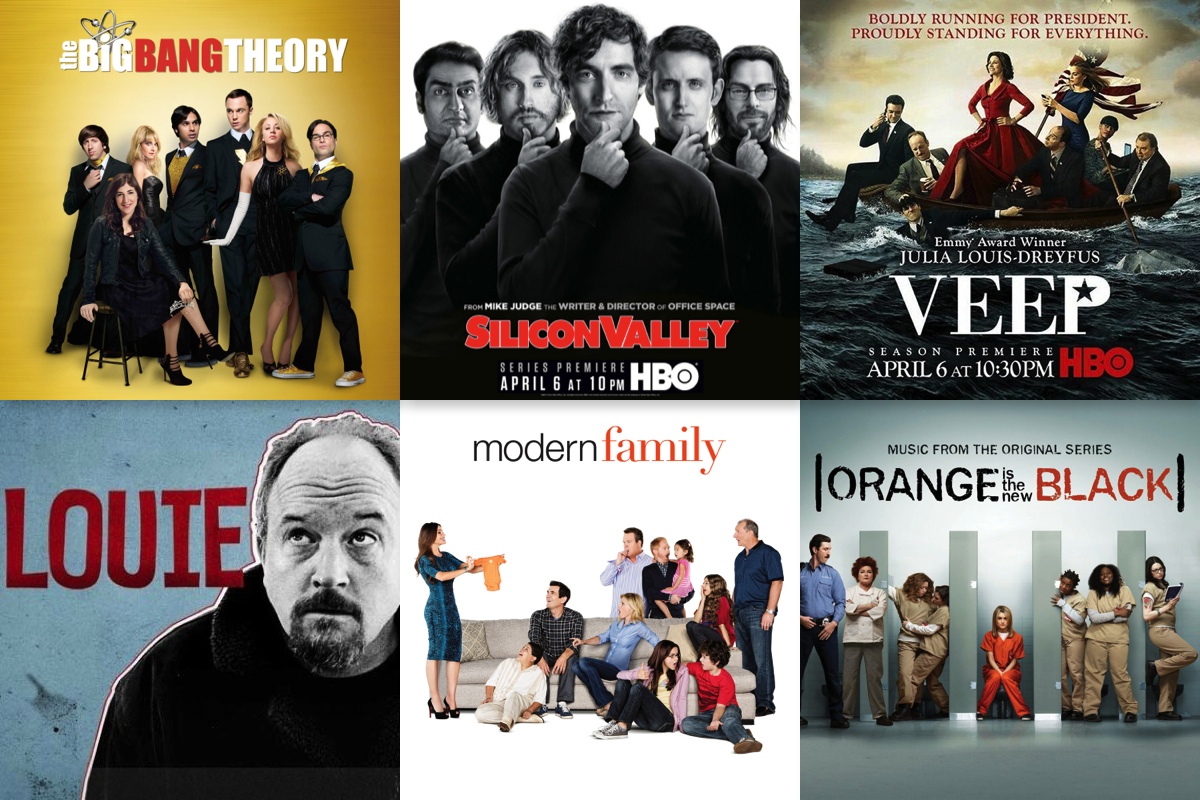
    I’ve been hesitant to predict this category. I think that the category is being battled out between two of the biggest critical darlings of the year. Veep did surprisingly well last year winning 3 awards, with surprises in two of the categories. This year they did even better increasing their nomination total from five to nine, including a crucial nomination in the writing category. However, Orange is the New Black performed extremely well for their first season as well. They score key writing and directing nominations, did solidly in the technicals, and led all new shows. I think there is a lot of support and buzz for the series, that’s why I have them taking it.

    Four-time champ Modern Family is looking to tie Fraiser for the most wins in this category. However, it’s clear that there is a lot of waning support in the Academy. Although they did take the trophy last year, they only won in one other category. They also dropped in nominations, including losing out in two more supporting slots (Sofia Vergara and Ed O’Neill) in addition to Eric Stonestreet’s surprise snub last year.

    Comedy Series[maxbutton id=”3″]

    1. Orange is the New Black
    2. Veep
    3. Modern Family
    4. Louie
    5. Silicon Valley
    6. The Big Bang Theory

  • Conor Oberst “Upside Down Mountain” Album Review

    Conor Oberst “Upside Down Mountain” Album Review

    140331-conor-oberst-governors-ball

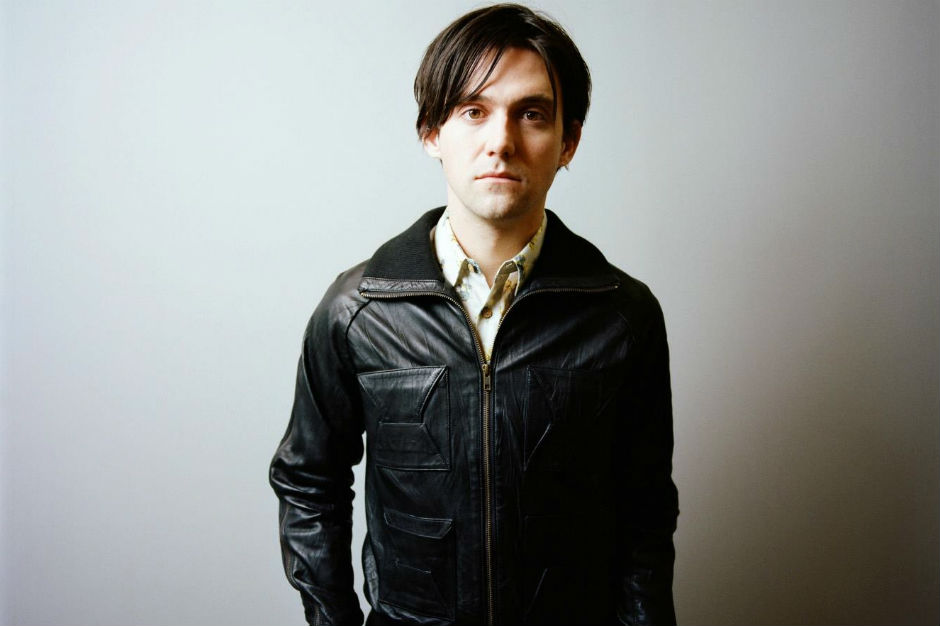
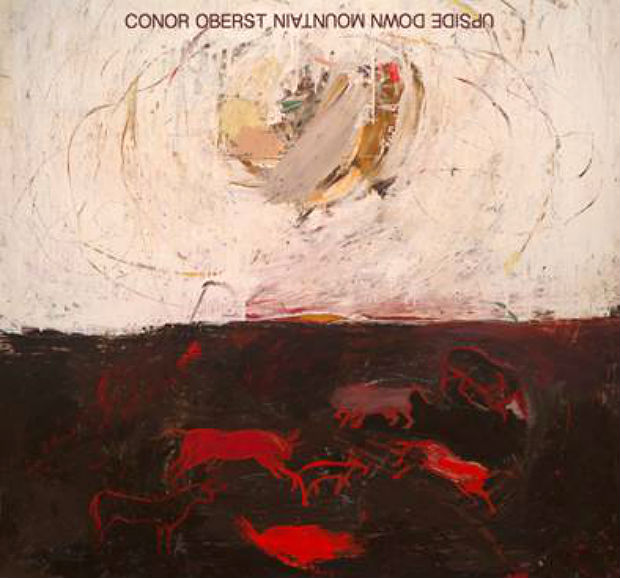
    It’s really hard for me to write about a Conor Oberst album because Bright Eyes is and will forever be one of my favorite bands of all time. When Oberst started to release solo albums again in 2008, I was a bit tepid. His self-titled album sounded like a lighter version of a Bright Eyes Album, which was an odd feeling. The album lacked the overwrought lyrics or powerful meanings that every Bright Eyes album had preceding it. The over-the-top dramatics that ended feeling poetic is part of the reason Bright Eyes became such an important band to me, so when Oberst began his simpler solo projects I was turned off. However, when I say this was his best solo released album to date, I mean it.

    I will admit that I haven’t paid much attention to his solo projects prior to his self-titled in 2008, but the progression of Oberst as a musician is evident here. It’s somewhat of a call back to the effortless and intimate “I’m Wide Awake It’s Morning,” while still drawing from the Southern California Folk Pop that led his recent return to solo work. While his album doesn’t become as tragic as his previous work in Bright Eyes, the introspection feels so genuine.

    140331-conor-oberst-upside-down-mountain-album-artThe mix of upbeat folk with the melancholy of the lyrics end up working to support Oberst’s vocals and its simple instrumentation become a refreshing reminder of Oberst’s long career that allowed him to mature as a musician.

    While much of the album featured strong storytelling, none are as complete and profound as that in “Enola Gay.” The 2:24 song features one of the most lyrically honest songs (“mashing Charles Mason songs up with show tunes”) of Oberst’s career set against such a beautifully complex instrumentation that plays off mostly like a classic mellow California folk rock groove, but includes small piano interludes that add a whimsical feeling to the song. Eventually the song builds into one of the most haunting endings of any song I’ve ever heard.

    Overall, Upside Down Mountain is a massive step in the Canon that is Conor Oberst. For some musicians unhappy is them at their best. I will put in that I have been wildly anticipating Death Cab’s post-Ben Gibbard divorce album for some time now. However, the need for raw unadulterated emotion is unnecessary, which is what makes Conor Oberst one of the great musicians of our time. His work always feels so urgent. Whether it be about not knowing love until I met you or about a bad break up his music begs to be heard. This album begs to be heard because of its great storytelling and ability to tap into the emotions we feel as we all gradually move toward death. As a fan of Oberst I am thrilled that he is still able to put out this quality of work, as a lover of music I am thrilled he is able to speak truths in an industry full of bulls**t.

  • 2014 Emmy Predictions: Supporting Actress in a Comedy Series

    2014 Emmy Predictions: Supporting Actress in a Comedy Series

    Supporting Actress in a Comedy Series

    Emmy favorite Allison Janney (Mom) has been the presumed frontrunner of this race from the beginning of the season. However, I wasn’t totally buying that she could win based off name alone. However, the episode submissions have made it clear who this race comes down to. There are really only two viable contenders to win.

    Janney is still out front with the hilarious menopause episode of Mom. It’s reminiscent of Patricia Heaton’s “Bad Moon Rising” episode of Everybody Loves Raymond, which won her an Emmy.

    The other contender is Kate Mulgrew (Orange is the New Black). She has the benefit of having her episode focus on her character and allows her to show a lot of range. Although she doesn’t have any huge laugh out loud moments, it’s definitely the most unique tape in the bunch. She’s just behind Janney right now.

    Two-time winner and supposed frontrunner last year Julie Bowen (Modern Family) either didn’t have any better episodes or just submitted poorly. She has one somewhat funny physical comedy scene where she tries to itch her lice infested hair without having someone noticing, but it’s short and definitely not enough.

    If there is a Merritt Weaver situation like last year, it could be Anna Chlumsky (Veep) taking the trophy. Although her episode isn’t too impressive, I can see her being the alternative choice if voters can’t pick a winner, especially is Veep is a hit at this year’s Emmys.
    Supporting Actress Comedy FINAL[maxbutton id=”3″]
    1. Allison Janney, Mom (“Estrogen and Hearty Breakfast”)
    2. Kate Mulgrew, Orange is the New Black (“Tit Punch”)
    3. Anna Chlumsky, Veep (“Detroit”)
    4. Julie Bowen, Modern Family (“The Feud”)
    5. Kate McKinnon, Saturday Night Live (“Host: Anna Kendrick”)
    6. Mayim Bialik, The Big Bang Theory (“The Indecision Amalmagation”)

  • Radiator Hospital Album Review: Torch Song

    Radiator Hospital Album Review: Torch Song

    radiator hospital album review

    Radiator Hospital makes the kinds of records that your teenaged heart wishes it could have. Principle member Sam Cook-Parrott has meshed punk energy with pop songwriting since 2010 and has steadily stacked his discography with straight-up gems crafted with a great sense of earnestness, and yet all the modesty of a high school secret admirer. On this his 12th (12th!) release, Cook-Parrott delivers a forward-charging, focused batch of songs and stories that, while less idealistic than previous LP Something Wild, refuses to get bogged down in emotional bombast.

    Torch Song has a similar feel to it that Superchunk records do, in that you go in knowing what to expect, but never in a “ho-hum” way, because you know the songs will kick ass. And like Superchunk, Radiator Hospital knows how to musically pack a genuine punk sensibility into songs that skew more towards mid-tempo or slower, as is the case with songs like “Cut Your Bangs” and “Five & Dime.” At the same time, the more obviously “punk” songs never sacrifice lyrical importance. This is key for an album focused more firmly on reality; as such, “Leather & Lace,” “Blue Gown,” and “Honeymoon Phase” work beautifully at introducing and sustaining a sense of urgency while ensuring that no chance to develop the record’s theme goes wasted. There are plenty of other really cool elements to be found throughout the record, though; from the surfy vibe of “The Eye,” to the dive bar, Hold Steady-esque jump of “Midnight Nothing;” the best lead-in Straylight Run never had on “Just May Be The One;” and, of course, the presence of the wonderful Crutchfield sisters on “Blue Gown,” “Five & Dime,” and the aforementioned “Midnight Nothing.”

    That’s not to say that the album doesn’t succeed in its quieter moments. Cook-Parrot can get down with Waxahatchee-style minimalism, as heard on “181935” (try and tell me the line “the dogs are out for blood tonight” hasn’t resonated with you before) and “I’m All Right,” taking simple guitar/voice arrangements and using them as contrast against the rockier numbers.  The conciseness of his songwriting is great for this kind of variation, and as a result the record has neat dynamics to it. Also, being Torch Song, the album would be incomplete without one, so RadHos delivers, albeit unconventionally, with the two-part “Fireworks”. The first part is sung by Maryn Jones (of Saintseneca), the reprise by Cook-Parrott, separated by half an album’s worth of songs. Appropriate to its lyrics, this distance mirrors the “another place, another time” feeling of the relationship it describes, and fully realizes the overarching theme of the album.

    When comparing Torch Song to Something Wild, production stands out the most. Whereas Something Wild meandered in fidelity, and had a real sense of being recorded in various places (and various distances from the microphone), Torch Song has a more consistent, forward-sitting mix, which keeps the energy up, maintains its momentum, and lets those quiet moments feel more intimate. The only time this doesn’t quite come off is in “Sleeping House” which sticks out by being a little too synth-heavy and lurching, despite fulfilling a necessary spot lyrically. However, it does bring about an interesting question: what would Radiator Hospital songs sound like with more synth?  Altogether, a big shout out needs to be given to engineer Kyle Gilbride and his mobile recording rig Wherever Audio for continuing to prove that DIY recording can have great results and bring the most out of great songs.

    Torch Song is another solid release from a band with almost exclusively solid releases. There are a few outright jams to be found here, and a slew of other songs with sticky enough melodies and hooks that will find their way into your subconscious. In an efficient 33 minutes, Radiator Hospital delivers a batch of experiences and stories that lend themselves to numerous replays.

  • Emmy Spotlight: Louie

    Emmy Spotlight: Louie

    louie-ny356

    Louie returned this year after a longer than usual hiatus. When we last left our fictional Louie, Parker Posey had collapsed on the subway and died suddenly, and he flew to China alone for New Year’s Eve. It was a surprisingly melancholy season finale, especially following the “Late Show” three-parter that preceded it. Now in its fourth season, Louie is decidedly more on that melancholy, realist side of things. It’s still very much a comedy, in the sense that it’s designed to draw a laugh, but also in its general approach toward life. What I mean is that it’s a comedy in the Aristotelian sense, as opposed to a tragedy. In other words, what Louie is not, thank goodness, is a sitcom.

    This season of Louie is also the show’s best, a more mature, thoughtful, and yes, funny extension of everything that Louis C.K. has been doing for three years now. As the show’s sole writer, director and editor, C.K.’s mastery of the form becomes more and more evident, while Louie progresses and becomes more and more daring. Surreal at times, and very, very real at others, the show navigates these tonal shifts expertly and to great effect; at any given moment an episode can turn on the dime, but the show never panders, is never egregious. It is often beautifully shot, as in the Emmy-nominated “Elevator, Part 6,” and is brilliantly edited, as in “In the Woods, Part 2,” and it is always excellently written. Uniformly, without exception, and that’s not hyperbole.

    As you may have guessed from the episode titles I’ve called out already, the season is more heavily serialized than the show has typically been in the past. Of fourteen episodes, eleven are part of multi-episode arcs. But that doesn’t mean you need to watch everything to understand what’s going on—it isn’t like this is 24 or something. The episodes interconnect, but they also stand alone, each acting as its own short story. It’s one of many things that Louie has in common with Girls, but it’s no great revelation to say that Louie is on a whole other level than that (also great) series.

    There is such a great depth to this season. By this point it’s a given that Louis C.K. is funny, and talented, and the actors he gathers are equally so. But the storytelling reaches new heights here, with several episodes standing out as series best entries. Take “Elevator, Part Four,” which opens with Janet and Louie in couples’ therapy, a comically surreal scene in which their therapist alternately (and quite meanly) places blame on each of them for the failure of their marriage. C.K. and Susan Kelechi Watson have always had great chemistry, but this season, and especially this episode, delve deeper than ever into their characters’ relationship, and the result is massively rewarding. Louie jokes in the elevator that for the cost of therapy, they could just as easily have their daughter Jane killed. Janet stands there, stone-faced, for a very long moment, until she cracks a laugh just as the scene cuts.

    Even better is what C.K. cuts to, an extended flashback in which a much younger Louie and Janet spend the night at a hotel, admit that they want divorce, and have sex for the very last time. After Louie comments that it would be hilarious if Janet had gotten pregnant. We already know she did. The young actors playing Louie and Janet are perfectly cast, despite the fact that the young Janet is somehow white—she makes you forget that almost instantly, and a little cognitive dissonance only adds to the scene, anyway. They fully encapsulate who these people are, not just at this point in their lives, but fundamentally, across their entire lives. With the combination of acting, writing and directing, the audience is never in doubt that these are the same characters we’ve gotten to know in the present day.

    This is even truer of “In the Woods,” which features flashbacks to a thirteen-year-old Louie’s first adventures with pot, as in the present, Lily discovers the drug at the same age. I absolutely love how C.K. uses temporality to create such a complete picture of Louie as a character, and how he is so thorough in doing so that he also juxtaposes Louie the father with his own mother, Louie the young man with Janet, and so forth. “In the Woods, Part Two,” is almost entirely a flashback, but when it cuts back to the present, it does so meaningfully. When Louie’s mother yells at him, and keeps on yelling, and breaks down crying, it’s a punch to the gut; when the scene cuts to Louie as a father, with his own child to talk with about pot, that’s something else entirely. F. Murray Abraham also gives a guest turn this episode, as Louie’s absent father, and when Louie talks to Lily later on, you can see, from his acting, and from the way the episode is directed and edited, that Louie is afraid of becoming that absent father himself. He sees the peculiar way that life tends to rhyme with itself, and that idea is simultaneously comforting and terrifying. He remembers the way he so disappointed his science teacher, and his mother, and his best friend. But also he knows that Lily needs his love and support, more even than she needs his discipline.

    “In the Woods” is also an extremely serious episode, but it needs to be. It’s not without its laughs, including a pretty amazing turn from Jeremy Renner as Louie’s dealer, but it’s also got these gut-wrenching moments, including Louie’s fight with his mother mentioned above, and his tirade against his father, and the silent treatment his teacher gives him when Louie finally comes clean about his misdeeds. It’s a nightmare of the adult Louie’s, an imagining of every awful thing that could happen to Lily as she grows up, made doubly worse by the fact that those things have happened to Louie already.

    The entire season, in retrospect, is a project in slowly piecing together a man that to some degree has been broken by tragedy. He’s unable to understand the women in his life, and so he’s always starving for emotional connection, and it gets worse the older he gets. C.K. makes this more literal than usual throughout Louie’s extended romance with the Hungarian Amia. Their sex scene in “Elevator, Part 5” was a hot topic after it aired, and it is certainly difficult to tell if or when Amia consents. Louie literally drags her into the bed, and the scene is lit and staged in such a way that it happens in almost pitch darkness. That she speaks to him the following morning in Hungarian, speaking literally a different language, underscores not just the lack of communication that leads to dubious consent, but to Louie’s overall inability when it comes to women. The later episodes in the “Elevator” arc lead up to Hurricane Jasmine Forsythe, and feature several bizarre newscasts, with the anchors spouting gibberish. They’re some of the most laugh-out-loud funny bits in the whole season, but I like to think that they’re also speaking to this theme.

    That running theme is also why ending the season with “Pamela” is such an inspired decision. As played by Pamela Adlon, the character Pamela is even more Louie-esque than Louie himself. She’s incapable of taking anything season, even and especially her own feelings for Louie, and that brusqueness both makes her perfect for him, and makes talking to him nearly impossible. Louie may not be the best at communicating in a relationship, but he desperately wants to communicate in a relationship, whereas Pamela can think of nothing worse. And yet their courtship at the season’s end is touching, and it culminates, as comedy must, in their own little happy ending. Neither character changes, but by meeting in the middle, they can still find a way to make love, or something, work.

    This is an artistic vision that is so singular and so fully realized, quite unlike anything else on television. I can’t use superlatives or hyperbole to compare it to other shows—it’s practically speaking its own language. As I said before, its closest relative is Girls, but even as a fan of that show, Louie blows it out of the water. It’s sometimes as funny as Veep, sometimes as deep and provoking as Mad Men, sometimes even as exhilarating as Breaking Bad, but it is never anything less than its own, special thing. It’s at this point that I’m really glad I was so tough on the previous shows in this spotlight series, because it makes the score I’m about to give that much more emphatic. Louie is a perfect ten. Go watch it.

  • Do the Shuffle (Vol. 9): The Lumineers, The Spring Standards, & Modest Mouse

    Do the Shuffle (Vol. 9): The Lumineers, The Spring Standards, & Modest Mouse

    Vol. 9

    In Do the Shuffle, one of our team members puts their iPod on shuffle and makes a playlist out of the first ten songs that play. It’s a great way to find new music or rediscover the old stuff. Enjoy!

    http://open.spotify.com/user/smashcutreviews/playlist/3pbCQijWocfc5F1ub7NBbt

  • Masters of Sex Review: Parallax (2×01)

    Masters of Sex Review: Parallax (2×01)

    masters of sex review: parallax
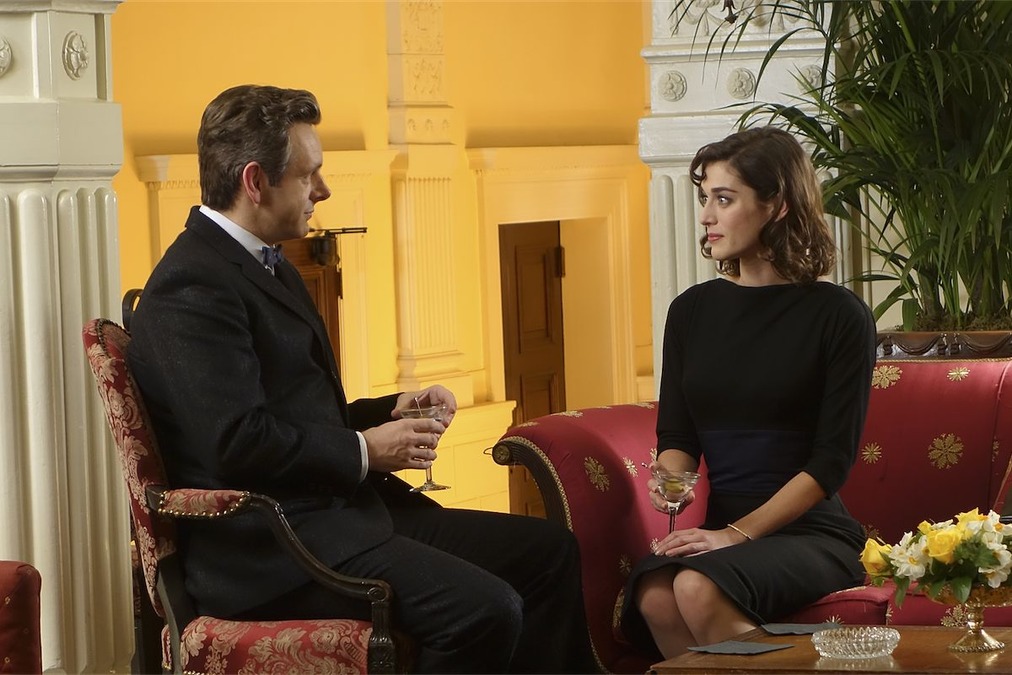
    I’ve always seen Masters of Sex as a more viewer friendly version of Mad Men. While you had to wait for Mad Men to teach you how to watch it, Masters of Sex was relatively easy for viewer to digest. I’m not saying that’s a bad thing, actually, in the case of the second season premiere it is a very good thing. Both shows are period pieces set during a time that seems so close, yet the ideals so far. Both shows feature difficult men, behind whom are even more difficult women. However, Masters of Sex has a different appeal to it. Whether it’s the pitch black humor, thrilling concept, or intriguing character study, Masters is a show that knows how to hook its audience.

    The magnificent first season of Masters ended with a drenched Dr. Masters telling Virginia that all he needed was her. Then, cut to black. It was simple, quiet, yet enormous cliff hanger that is quickly resolved in the episode. Actually, “Parallax” is framed by two events. That rainy night at the end of season one, an evening in a hotel, and the events following the catastrophic presentation of Bill’s study. All the characters must face a sort of brave new world as they continue on with their lives.

    Part of this brave new world involves Virginia constantly being berated by her male coworkers following the speculation that she was the female subject used in the study. While Virginia attempted to persist through the constant barrage of proposition, innuendos, and criticisms, she seemed to be slowly broken down until she finally went off on a doctor in a parking lot. However, the doctor was simply seeking her advice on his own study. Whether this is going to be a major plot point for Virginia to become her own authority or simply a reminder of her and Masters’ study is yet to be seen. Either way, Virginia is clearly in for a ride this season.

    Especially since she turned down Ethan’s proposal shortly after having sex with Dr. Masters. The night that Bill went to Virginia’s doorstep soaking wet and confessing his need for her was played out several times throughout the episode. This is where the episode title “Parallax” comes into play. While it is the same night in question, the situation changes when you look at it from different perspectives. Such is the concept of parallax. Clever, huh?

    I’m worried to watch the relationship develop. Their tryst in a hotel room under the names of Dr. and Mrs. Holden was way more intense than any sex scene on the show. Their dirty little secret just got a little dirtier. The reason I’m worried is because I love the Bill/Virginia dynamic, but I also love the Libby/Virginia dynamic. To see one of the other crumble would be hard.

    Much of the episode is spent introducing us to the Masters’ new life with a child. Although there were countless scenes that outline their brave new world, the most telling scene of the episode came when Bill was left alone with his newborn. Libby was adamant that he will be fine: “No one knows more about babies than you” she told him. However, when their child was crying he couldn’t help her. He couldn’t let himself. He instead cranked up the record player and drowned it out. What is Bill afraid of?

    Barton goes into treatment for his “disorder” with the assistance of Bill. Watching him go through ECT was shocking (pun intended) and heartbreaking. To think that men and women went through that to correct a problem that didn’t exist was a terrifying thought. His persistence came from his love for Margaret, so when he was unable to perform in bed, it was a blow. Later in the episode, Margaret and their daughter find Barton trying to hang himself. Masters is a dark show, but no moment was as pitch black as this. The fact that the writers are willing to go this far impresses me. I’m excited to see what they can muster up next.

    “Parallax” felt a bit like a season finale. So many of the episode’s story lines seemed to come to a head in this episode, but it’s just the beginning, which makes me extremely excited for this season. I can see a scenario where the show could tread a little too far towards a soap opera, especially with the Libby/Bill relationship intensifying. However, I am confident that the writers will be able to keep the show on track. Overall, a phenomenal premiere.

  • Welcome to Sweden Review: Season One

    Welcome to Sweden Review: Season One

    welcome to sweden review
    To quote one of the comedic greats, “curb your enthusiasm”.

    Welcome to Sweden, part of NBC’s latest offering of sitcoms, is an already tired concept. An American has to figure out how to live in a different country, dealing with the crazy customs and different language that the new country forces upon them. In this show, we have Bruce, an American accountant for the stars, moving to Sweden so that his Swedish girlfriend, Emma, can live closer to her family (who lives in Sweden). Let the culturally based humor ensue.

    The show, created by Greg Poehler (yup, Amy’s sister), does one thing right by making Bruce suffer the consequences of the cultural misunderstanding. The Swedish customs are never the butts of the jokes; on the contrary, they are portrayed as normal practices instead of just a bunch of weird things that the Swedes do. Bruce is the weird one for not being able to fit in. The culture is respected instead of being made fun of, a formula successfully used by similar shows such as Outsourced and Lillehammer (which somewhat awkwardly takes place in the country right next door).

    Each episode features a celebrity cameo, as one of Bruce’s ex-clients coming back to him for various reasons. Yet, in the first two episodes released, they both feel like awkward, forced placement to get the show some extra viewers. It wasn’t really cute seeing Amy Poehler playing opposite her brother as a meaner, fictionalized version of herself. And there was no real point to Will Ferrell being on the show, except to have Will Ferrell on the show. Audrey Plaza’s cameo in the third episode is actually quite funny, but she is unfortunately limited to only about a minute of on-screen time.

    The show’s writing doesn’t do it any favors either. Like any genre of tv or film, there needs to some sort of conflict, the stakes need to be raised. Seinfeld was a show literally about nothing, yet it played off of constant conflict, and raised the stakes high enough to get its characters to do the craziest, funniest, things. Welcome to Sweden has a plot: Bruce needs to learn to be Swedish. But any moment of potential conflict is quickly solved with a hug and a kiss. There is nothing to play off of, which is why most of the jokes fall flat.

    The only big laugh so far came during second episode, in the form of a shocking joke about the Iraq war. The joke itself was brilliant, but it was way too deep, shocking, and dark for a show this lighthearted.

    In addition to not being that funny, the editing is very strange for a sitcom. The scenes are introduced by long establishing shots of pretty scenery, accompanied by the jolly, traditional Swedish music. We then get what feels like a short scene, one that almost always ends in laughter (from the characters themselves) and resolvement of whatever went slightly wrong during the scene. Then, back to the establishing shot and the music before the next scene. Maybe it’s the music, but this makes the show feel like something straight from Nick Jr.

    While Welcome to Sweden certainly has potential to become a much better show, it has a lot of areas that are begging for improvement.