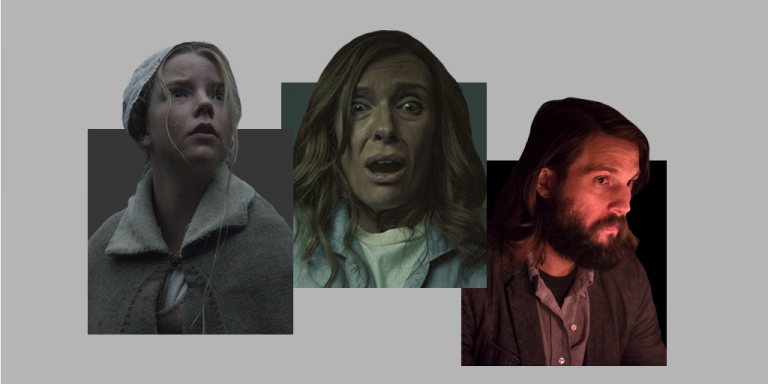
Tag: Anya Taylor-Joy

  • 10 Great Slow Burn Horror Movies (and where to stream them)

    10 Great Slow Burn Horror Movies (and where to stream them)

    Slow burn horror movies done right can be some of the scariest movies in the genre. Here are some of our favorites!

    Horror movies today rely on unsuspecting *JUMP SCARES* to entertain audiences. But we all know—at least you should—that a good horror movie is built on suspense and tension. That’s why some of the best horror movies are slow burn. These movies don’t tell you everything. Instead, they’re puzzles that you have to solve. And sometimes the terror is in what you can’t figure out. 

    From folk horror to ghost stories to slashers, here are some of my favorite slow burn horror movies!

    The Invitation (2016)
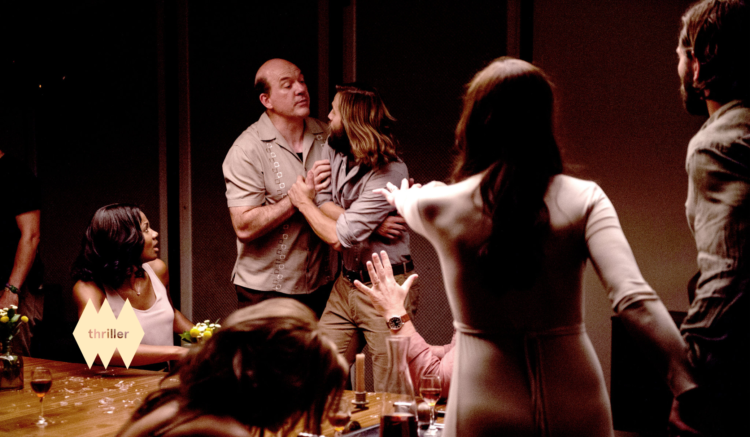
    What it’s about: Will (Logan Marshall-Greene) and his new girlfriend Kira (Emayatzy Corinealdi) are invited to his ex-wife (Tammy Blanchard) and her new husband’s (The Haunting at Hill House’s Michiel Huisman) house for a dinner with old friends. However, a reunion isn’t the only thing planned for the night.

    Why it’s great: Of the movies on this list, Karyn Kusama’s The Invitation is arguably the most underrated. It is the definition of a slow burn. Really nothing happens in the plot until the last 25 minutes. But by then, you’ve run through all the possibilities for what’s actually going on in your head and you’re prepared to find out exactly what’s happening.

    The amount of tension—both horror and emotional—that the movie builds before its conclusion is incredible. And any payoff would work. Still, it feels like the movie still picks the best possible ending—and the final shot is stunning.


    ADVERTISEMENT


    Funny Games (1997)
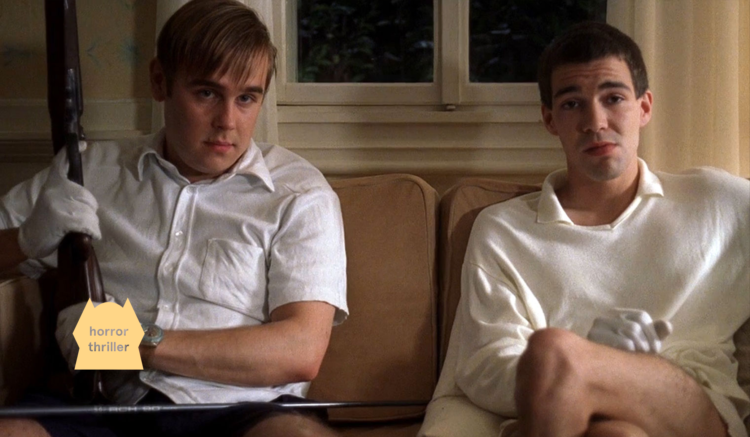
    What it’s about: Georg (Ulrich Mühe), his wife Anna (Susanne Lothar), their son Georgie (Stefan Clapczynski), and their dog Rolfi arrive at their lakeside vacation home for a week of relaxation. However, when Paul (Arno Frisch) and Peter (Frank Giering) arrive, their weekend becomes anything but.

    Why it’s great: Funny Games might be an uncomfortable experience, but it’s impossible to turn away from the screen once it gets going. The movie’s slow-burn pace never feels sluggish as Paul and Peter’s games become more sadistic and the family’s attempts at survival more fleeting.

    It’s a lean and mean horror-thriller that clearly has more on its mind, but it’s never overindulgent. There’s also a shot-for-shot English remake directed by Haneke himself, which is just as good as the original. 109 mins.

    The Lighthouse (2019)
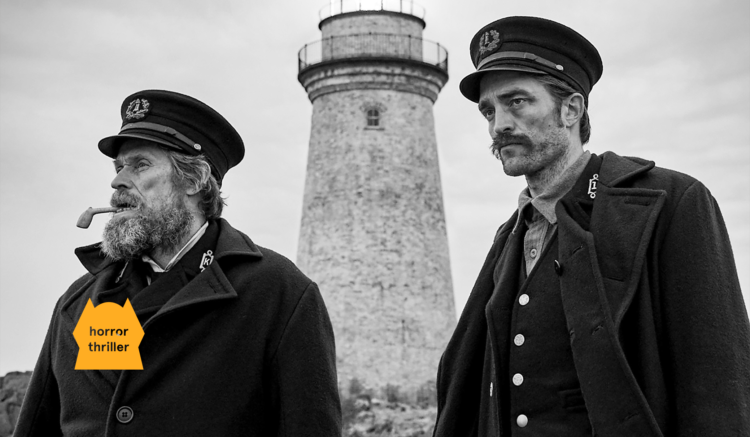
    Here’s what it’s about: In the late 19th century, a lighthouse keeper (Willem Dafoe) and his assistant (Robert Pattinson) slowly descend into suspicion and madness as they become isolated on a tiny New England island by a storm.

    Why you should watch it: Just like his breakthrough first feature The WitchThe Lighthouse is an immersive experience. Shot with stark black-and-white cinematography and presented in a glorious 1.19:1 aspect ratio, Robert Eggers throws you headfirst into the deep end of the late 19th century with every period detail intact — it’s almost unbelievable that the lighthouse was built for the film.

    The layered sound and striking visuals make it feel like the movie is wrapping around you as the pair fall further into insanity. The story, compelling from beginning to end and aided by a career-best performance by Dafoe, challenges your perception of what is real before leaving you either perplexed or jaw-dropped. Just let it take you.


    ADVERTISEMENT


    It Follows (2015)
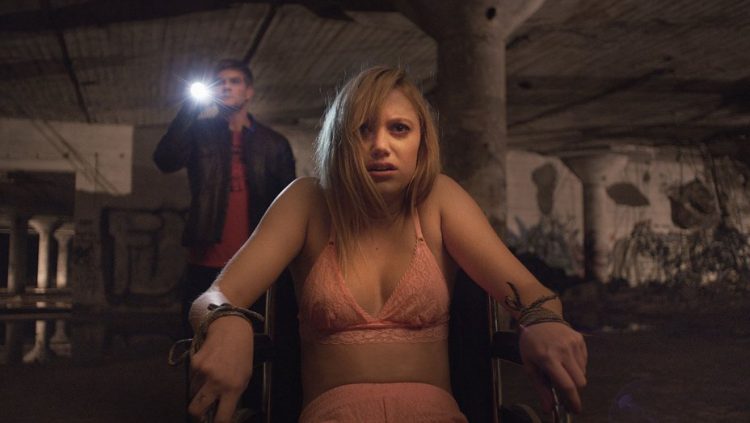
    it follows

    What it’s about: Jay (Maika Monroe) is a normal teenage girl who spends time at the pool and goes on dates. But after sleeping with a guy, she is tracked down by a mysterious entity that takes the form of anyone—a stranger or someone she knows—until “it” finally gets her.

    Why it’s great: It Follows takes the classic slasher movie rule “never have sex” to the extreme. What’s really interesting about the movie is that it subverts a couple of different genres. It has the elements of a slasher movie and a ghost movie which makes the finished product something else entirely.

    However, instead of jump scare prone ghosts or agile serial killer, the eponymous “it” is slow-moving and creeping in its pursuit of the teenagers. And unlike the other movies on this list, It Follows isn’t about uncovering a mystery—it’s about surviving.

    There is also little jump scares, but the movie leverages creepy imagery to add to the tense atmosphere. Plus, Disasterpiece’s pulsing synth score makes every beat all the more intense.

    Hereditary (2018)
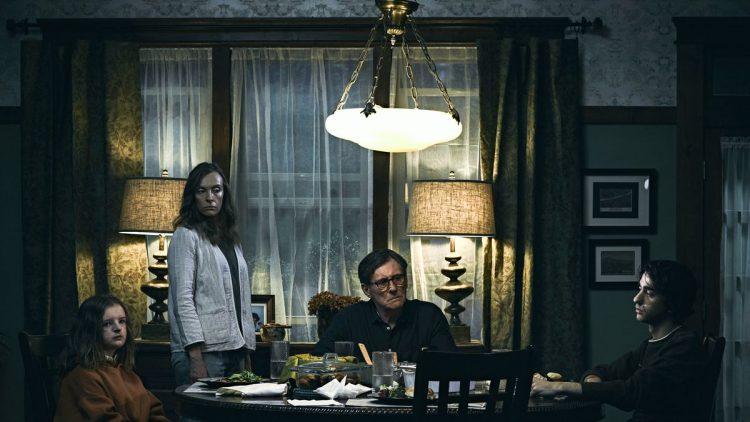
    Hereditary

    What it’s about: After the death of her mother, Annie (Toni Collette), her husband Steve (Gabriel Byrne), and their kids (Alex Wolff and Milly Shapiro) begin to uncover sinister secrets about their family.

    Why it’s great: Hereditary is without qualification the scariest movie I saw in theaters. It’s also a horror fan’s dream. It’s a puzzle that you have to solve and unlike a lot of slow burn horror movies, it gives you the clues, you just have to find them.

    Hereditary is also patient in its scares—in addition to its story. The horror set pieces are long drawn out and some you don’t even notice until a second look. That’s what makes this a masterpiece. It replaces jump scares with truly frightening imagery and an unsettling atmosphere.

    Everything from the score to the production design to the sound design drip with evil. And it also has a smoldering family drama underneath it all. Not to mention one of the great horror performances from Toni Collette. It’s also one of our favorite movies of 2018.

    Where to stream it: Hereditary is available to stream on Prime Video! It’s also available to rent or buy.


    ADVERTISEMENT


    The House of the Devil (2009)
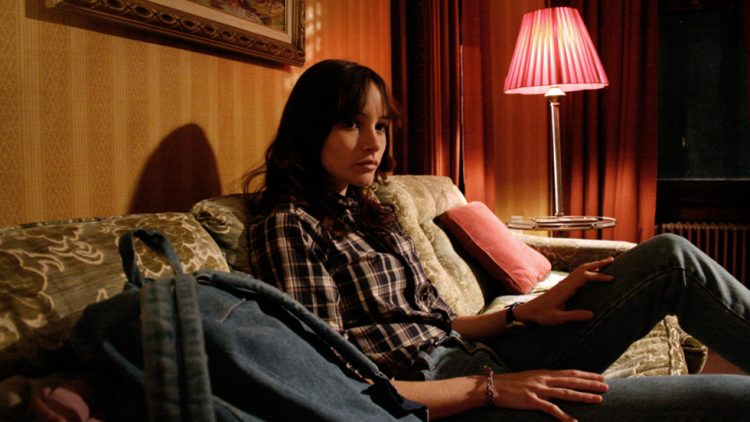
    the house of the devil

    What it’s about: It’s the 1980s, The Fixx is burning up the charts, there’s a full lunar eclipse, and Samantha (Jocelin Donahue) has a babysitting job at a mansion in the middle of nowhere. What can go wrong?

    Why it’s great: The House of the Devil is a pitch-perfect homage to the satanic panic films of the 70s and 80s—think Rosemary’s Baby and The Omen—complete with camera zooms and freeze frames. Another thing it nails from the era is the slow burn.

    You never truly know what’s going on in the movie until it lets you in on it. And I will warn you, this movie is the slowest of slow burns. It doesn’t give you much indication—or horror—for a good while. But the ending is worth the wait.

    Plus, there’s bad 80s pop rock, feathered hair, and Sony Walkman. It’s all you can ask for.

    Where to stream it: The House of the Devil is available to stream on Shudder! It’s also available to rent or buy on Amazon.


    ADVERTISEMENT


    It Comes at Night (2017)
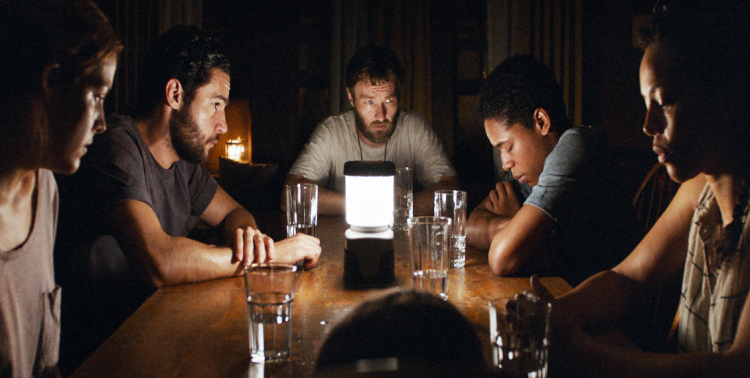
    The Cast of It Comes At Night

    What it’s about: After a mysterious apocalyptic illness wipes out the population, a family (Joel Edgerton, Carmen Ejogo, and Kelvin Harrison Jr.) must battle the horrors outside the house—and some inside.

    Why it’s great: It Comes at Night suffered from its marketing in its initial theatrical run. While it was being sold as an apocalypse horror, it was closer to a psychological thriller with truly unsettling moments.

    Trey Edward Shults—who also directed the phenomenal Krisha—balances unnerving imagery with a slow burn story that isn’t about what’s going on the outside, but what’s going on on the inside.

    The chilling final 20 minutes are the payoff of an emotional rollarcoaster where relationships are tested and trust is earned and lost.

    Where to stream it: It Comes at Night is available to stream on Prime Video. It’s also available to rent or buy.

    💌 Sign up for our weekly email newsletter with movie recommendations available to stream.


    ADVERTISEMENT


    The Killing of a Sacred Deer (2017)
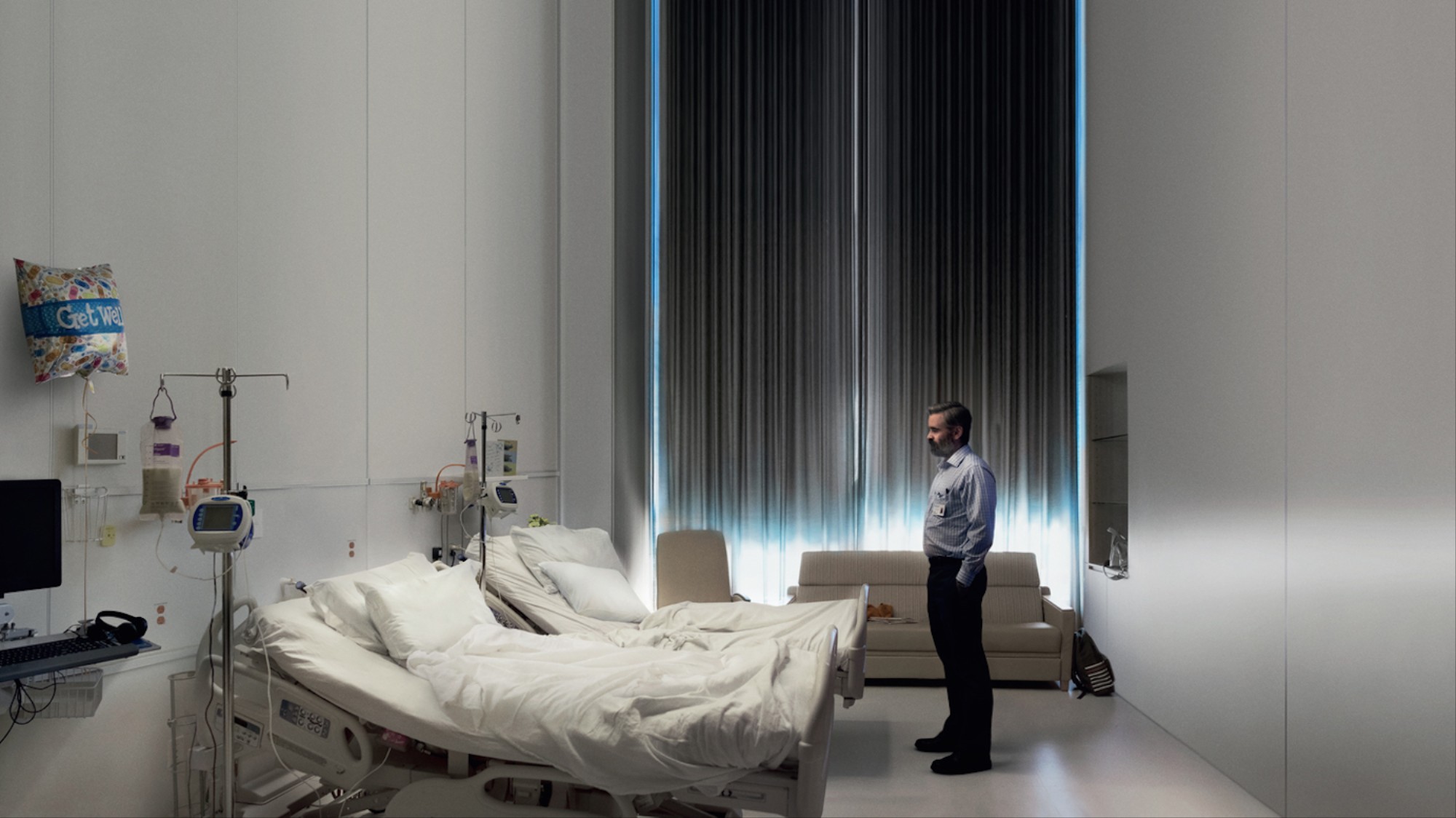
    The Killing of a Sacred Deer

    What it’s about: The Murphy Family, cardiovascular surgeon Steven (Colin Farrell), his wife Anna (Nicole Kidman), and his two kids (Raffey Cassidy and Sunny Suljic), become the fascination of a mysterious teen Martin (Barry Keoghan) who seems to be up to no good.

    Why it’s great: Director Yorgos Lanthimos’ signature style—deadpan acting and generally nihilistic worldview—is sometimes hard to appreciate, but it applies so well to the psychological thriller The Killing of a Sacred Deer.

    There is a sense of impending doom throughout the entire film as Martin’s increasingly nefarious plan falls into place. What makes him such a compelling villain is that you never truly know what he is up to. Neither does the Murphy Family—until it’s too late.

    During the last act, Lanthimos’ style adds even more tense energy as a decision on the level of Sophie’s Choice is made. It’s darkly funny, suspenseful, and creepy. The perfect combination for a slow burn horror movie.

    Where to stream it: The Killing of a Sacred Deer is available to stream on Prime Video. It’s also available to rent or buy.

    The Ritual (2018)
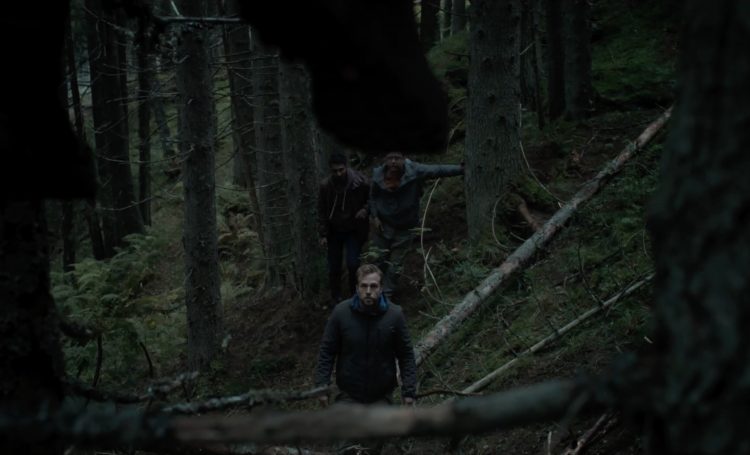
    the ritual netflix

    What it’s about: After a tragic incident, four friends reunite for a trip into the mountains and forests of Sweden. However, little do they know they’re not alone.

    Why it’s great: A slow burn story is almost a requirement for a folk horror movie, and The Ritual is no exception. Though the story is one that we’ve seen before—it’s comparable to The Descent earlier on this list—The Ritual delves into incredibly interesting mythology.

    While the group of friends ventures deeper into the forest—The Blair Witch Project-style—increasingly distressing and creepy occurrences build suspense until the movie finally reveals exactly what’s going on.

    The Ritual is paced incredibly well and never lets any tension go. And while it might be the least original of the movies on this list, its execution makes for a perfect stormy movie night.

    Where to stream it: The Ritual is streaming on Netflix.


    ADVERTISEMENT


    The Witch (2015)
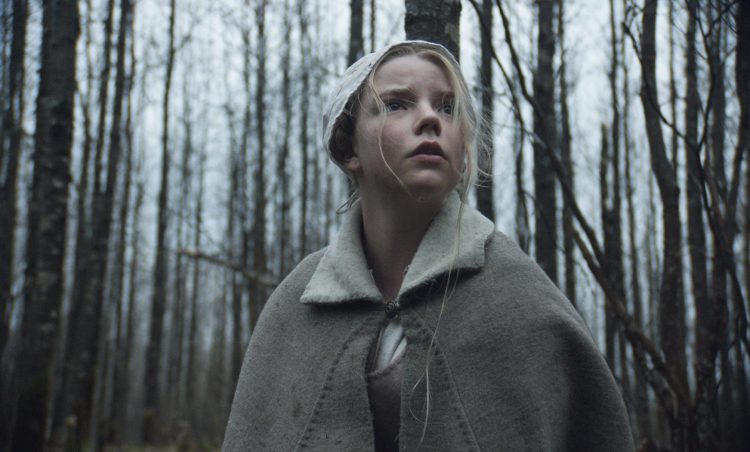
    the witch slow-burn horror movies

    What it’s about: In 1630s New England a devout Christian family is exiled from their settlement to live in the wilderness. All is well until weird occurrences start to make the family members question if they can trust each other.

    Why it’s great: Described as a New England folktale, The Witch does a fantastic job of immersing you in the world—the old English, the perfect production design, stunning performances. It’s all ground setting for a chilling tale.

    However, the slow burn doesn’t come from whether or not there is a witch, that question is answered relatively quickly. Instead, the mystery is who you can trust.

    And the movie doesn’t give you a clear answer. But along the way, you encounter terrifying scenes from a creepy black goat to one of the most stunning exorcism scenes I’ve ever seen. Plus, there’s a fantastic performance by newly anointed scream queen Anya Taylor-Joy.

    Where to stream it: The Witch is available to stream on Netflix and Prime Video! It’s also available to rent or buy.


    ADVERTISEMENT


    The Night House (2020)
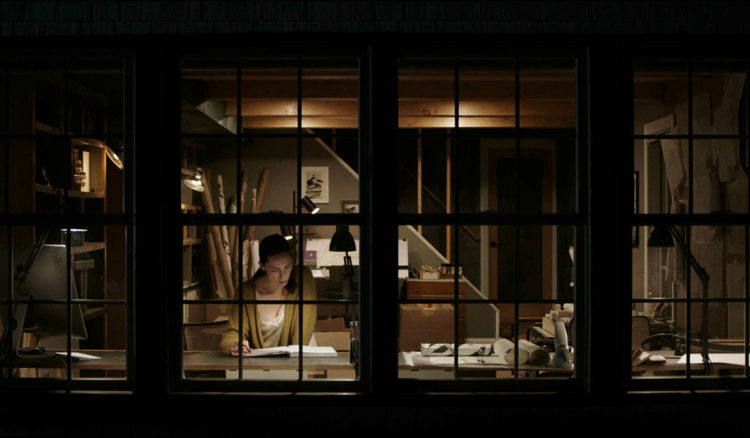
    The Night House

    What does a house feel like when one of its inhabitants is gone? It feels empty. Incomplete. Cold. That’s the feeling that director David Bruckner’s new film The Night House, which premiered as part of the Midnight section of the 2020 Sundance Film Festival, gives off at the start as Beth (Rebecca Hall), a high school teacher, copes with the suicide of her husband Owen (Evan Jonigkeit). As she strolls through their lakeside home, built and designed by Owen, you can feel the vacant space. It probably doesn’t help that the home is filled with large windows opening into the darkness of the woods and lake. However, eventually, like Bruckner’s last film The Ritual, that feeling eventually gives way to a pervasive dread. 


    ADVERTISEMENT


    More movies, less problems


    Hey! I’m Karl. You can find me on Twitter and Letterboxd. I’m also a Tomatometer-approved critic.

    💌 Sign up for our weekly email newsletter with movie recommendations available to stream.


    ADVERTISEMENT

    💌 Sign up for our weekly email newsletter with movie recommendations available to stream.


    ADVERTISEMENT


  • Romantic sci-fi thriller ‘The Gorge’ hits its mark | movie reivew

    Romantic sci-fi thriller ‘The Gorge’ hits its mark | movie reivew

    Two snipers tasked with guarding the mysterious of an inexplicable gorge find themselves following in love from thousands of feet away.

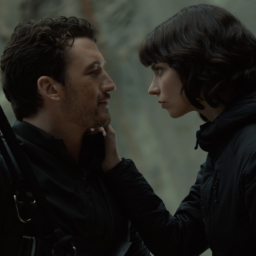
    The Gorge is a wild, genre-blending ride that somehow makes high-concept sci-fi, survival horror, and romance all work together. Miles Teller and Anya Taylor-Joy bring irresistible chemistry to this “love story with sniper rifles,” as two lonely souls bond over long-range messages while defending against terrifying, nature-infused zombies. Packed with thrilling action, heartfelt moments, and unexpected humor, it’s an offbeat but utterly charming adventure. If you’re up for something unique, take the leap.

    The Gorge is now streaming on Apple TV+.

    Yes, The Gorge is about a mysterious, gigantic crevasse guarded by multiple countries that, as one character puts it, “is the door to hell, and we’re standing at the gate.” And yet, it is one of the most romantic movies of the year. There isn’t an easy label to slap on director Scott Derrickson’s latest film, which is streaming on Apple TV+ starting (appropriately) on Valentine’s Day. It dips into high-concept science fiction, survival thriller, creature horror, and, yes, romance. Somehow, it never feels like it’s shortchanging any of those genres. It is basically a Hallmark romance… just with tree-like zombies that crawl out of a giant hole in the ground.


    ADVERTISEMENT


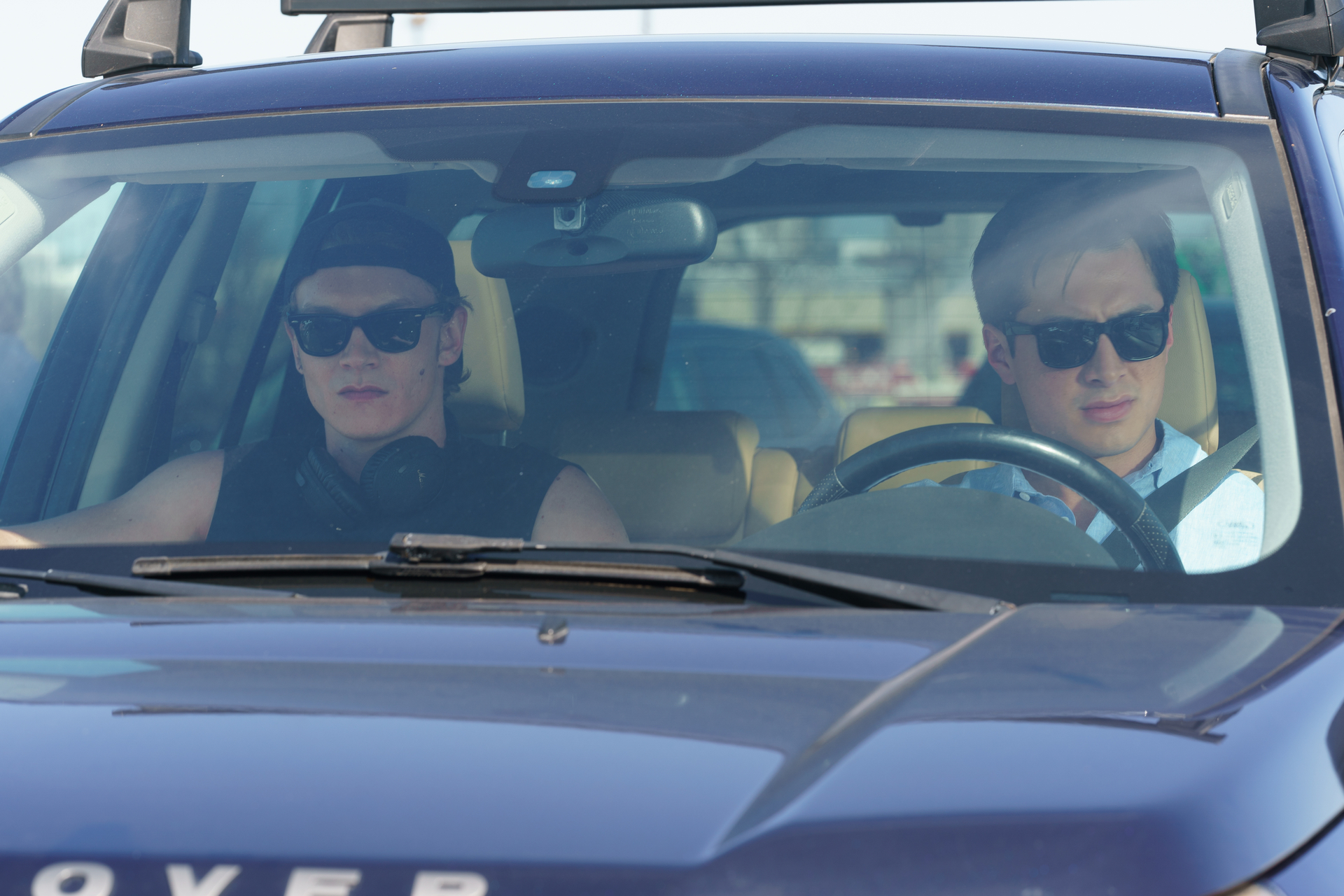
    Sitting on either side of the steep canyon walls of the eponymous gorge—a giant gash in the Earth nestled in a snowy mountain range—are two watchtowers. In the west tower sits Levi (Miles Teller), a former U.S. Marine sniper suffering from PTSD and feeling all the lonelier because of it. In the east is Drasa (Anya Taylor-Joy), a mysterious Lithuanian contract killer who finds herself at the gorge after the death of her father. Their predecessors lay out the rules for their one-year rotation: check in with command once a month, always watch the gorg and no contact with the other watchtower. Their job? To keep whatever is in the gorge inside the gorge.

    However, after months, Drasa finally fires her gun to get Levi’s attention and holds up a sign that simply reads, “What is your name?” that he sees through the long-range scope mounted on the balcony. Levi, ever the rule-following Boy Scout, hesitates to break protocol, but Drasa ropes him in by revealing it’s her birthday. Their “meet-cute” conversation—which includes negging about dancing, a sniping contest, and a birthday toast from Levi—is as delightfully cheesy as if they had accidentally grabbed the same coffee order at a café. But the spell shatters when they finally see what they’ve been guarding against.


    ADVERTISEMENT


    As wall-climbing zombies that look like humans merged with nature emerge from the shadows, the pair fight for their lives with sniper rifles, land mines, and giant mounted machine guns. You know, the romantic stuff. It’s also the kind of rip-roaring action-horror scene that’s impossible not to be engrossed by—especially when Drasa holds up a sign that says, “Best birthday ever,” finally getting Levi to chuckle. And so begins a Taylor Swift “You Belong With Me” romance, as the two communicate via their signs. It’s like any rom-com montage: they learn about each other’s lives, play chess, and comfort each other during the long, dark nights. The only difference? They’re doing it from opposite sides of a gorge, thousands of feet apart.

    The romance between Levi and Drasa could have come off as corny if not for their specific circumstance. But that’s what makes The Gorge such a surprising delight. Its mishmash of genres and tones somehow breathes new life into each one. When Levi eventually makes a makeshift grappling-hook gun out of a rocket launcher to zipline to Drasa’s side—because if he wanted to, he would—he effortlessly lets slip, “I’ve been staring at the gorge every day for the last six months, and I’ve got to say, the view is much better over here.” Swoon. It helps, too, that Teller plays the romantic leading man so well. And it’s easy when you have someone as effortlessly charismatic as Taylor-Joy to play off of.


    ADVERTISEMENT


    Eventually, The Gorge shifts into Lovecraftian action-horror, packed with fight sequences featuring nightmarish creatures straight out of Annihilation or Kong: Skull Island. It’s like watching the most exciting first-person shooter ever made. Zach Dean’s screenplay gives you just enough exposition to feel the stakes of the story without slowing the pace. It’s sparse, perhaps, but never less effective because of it. On paper, it shouldn’t work—and for some, it may very well not. It’s a delicate formula that, with the wrong balance, could have easily gone awry. However, if you allow yourself to be charmed by it, you’ll find yourself grinning from ear to ear at every new moment between Levi and Drasa—while the action gets your blood pumping. Take the leap.


    ADVERTISEMENT


    More movies, less problems


    Hey! I’m Karl. You can find me on Twitter and Letterboxd. I’m also a Tomatometer-approved critic.

    💌 Sign up for our weekly email newsletter with movie recommendations available to stream.


    ADVERTISEMENT


  • ‘The Menu’ review: A delectable dark horror-comedy | TIFF review

    ‘The Menu’ review: A delectable dark horror-comedy | TIFF review

    In The Menu, a group of wealthy diners is invited to an exclusive island restaurant run by a world-renowned chef to experience a once-in-a-lifetime dinner. On the menu: horror.

    As with his Emmy-wining work on Succession, director-writer Mark Mylod brings the same black comedy schadenfreude at the hands of the rich to The Menu.

    Have you ever watched an episode of Netflix’s Chef’s Table and thought, “gee, I wish this was more like a horror movie.” Well, I present to you weirdos The Menu, a deliciously camp (that’s a pun) humble one-room eat the rich satirical horror-comedy about a group of diners at an exclusive isolated island restaurant who think they’re about to be treated to a one-in-a-lifetime multiple-course molecular gastronomy dinner constructed by legendary Chef Julian Slowik (Ralph Fiennes). And they are treated to that meal, more or less. What they don’t know is that they are a part of the menu. However, what is so exciting about The Menu is it’s not in the way you think. This isn’t Raw (if you know, you know). What it is is a hilarious and satiating pitch-black comedy of manners about rich people getting their just desserts from the people meant to serve them—and separately one of the best horror movies and comedies of the year.

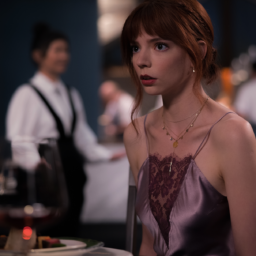
    Director Mark Mylod works in a very similar tone to his Emmy-winning work on HBO’s Succession. The Menu from its opening moments to its explosive finale is tongue-in-cheek and never notions that it is trying to say anything more than what is on its surface like other recent genre movies dealing with class—it’s more Bodies Bodies Bodies than it is Get Out or Parasite. Take Tyler (a delightful Nicholas Hoult), a self-described foodie and super fan of Chef Slowik who has been trying to get a reservation to Hawthorne for months—the restaurant only takes twelve guests a night for $1,250 a seat. When he finally does, he brings along Margot (Anya Taylor-Joy) who he chastises for smoking because it will mess up her palette leaving her unable to appreciate the food.

    They board a ferry that brings them and the ten other guests for the night’s dinner service to the isolated island where the restaurant, including the farm, smokehouse, and staff quarters all reside. The restaurant’s no-nonsense deadpan maître d’hôtel Elsa (Hong Chau) explains that the entire staff lives on the island. “Why would we not?” she asks. She adds, “we’re a family.” Elsa is like the harbinger of a classic horror movie and basically wears a sign that says “you will die.” The guests don’t heed the warning.

    After, the guests are seated in the minimalist seaside restaurant that is open concept with the kitchen flowing straight into the dining room. Throughout the night we slip into and out of the conversations at each table where we learn the backstory of each group, all characters in their own right—much like the eccentric suspects of Knives Out. There’s highfalutin food critic Lillian Bloom (Janet McTeer) and her magazine editor (Paul Adelstein) who try to come up with increasingly pretentious words to describe the food (“it’s thalassic,” Lillian says about the first course of the meal, a single scallop on a rock). A group of finance bros who work for the venture capital firm that funds the restaurant. John Leguizamo plays a movie star who says he’s friends with Chef Slowik and tries to stop his assistant Felicity (Aimee Carrero) from quitting her job.

    Through the multiple courses of his finely tuned dinner—captured with the same delicate mouthwatering cinematography of an episode of Chef’s Table or the cooking scenes in Ang Lee’s Eat Drink Man Woman—he brings his diners on an exploration of flavor, nature, and horror. That itself could have been a hilarious satirical comedy, mainly when he introduces the second course: a “breadless” bread plate—he explains that for aristocracy like the diners, something as simple as bread is beneath them. And while the movie starts as a hilarious satirical

    The first indication that something is not quite what it seems is when Chef Slowik describes the inspiration of his third course, recalling a memory from childhood when he had to protect his mother from his abusive father by stabbing him in the thigh with a pair of scissors—on taco night of all nights. The meal, a deconstructed taco with a chicken thigh stabbed a pair of scissors, is served with tortillas laser drawn on with images further exposing the indiscretions of each the guests. They range from gentle chides—Tyler’s is photos of himself taking photos of the food (which they were instructed not to do at the beginning of the night)—to personal revelations—Anne’s tortillas are printed with photos of Richard with a young woman who looks a lot like Margot—to criminal evidence—let’s just say the venture capitalists’ money took a vacation to the Cayman Islands.

    “What is this?” asks Bryce (Rob Yang), one of the venture capitalists.

    “That is a tortilla deliciosa,” Elsa responds sincerely.


    ADVERTISEMENT


    More movies, less problems


    Hey! I’m Karl. You can find me on Twitter and Letterboxd. I’m also a Tomatometer-approved critic.

    💌 Sign up for our weekly email newsletter with movie recommendations available to stream.


    ADVERTISEMENT

  • ‘Last Night in Soho’ is a ghost story that needs fewer ghosts | TIFF movie review

    ‘Last Night in Soho’ is a ghost story that needs fewer ghosts | TIFF movie review

    In Last Night in Soho, an aspiring fashion designer escapes her drab London life by transporting by to the 1960s and inhabiting an aspiring singer. But eventually dreams become nightmares.

    Edgar Wright is anything but subtle in his filmmaking and storytelling. When asked, “how much?” he answers with a resounding, “yes!” — and that’s typically for the better and worse with his films. He’s a lover of the cinematic form. That’s evident in all of his movies. However, it’s often at the expense of his storytelling. And that is the case with his latest crime mystery psychological horror ghost story *takes breath* Last Night in Soho, which played at the 2021 Toronto Film Festival.

    That long list of descriptors is why it does and does not work. It tries to chase down too many threads — pun intended. Though, the thread that holds it all together is Eloise Turner (Thomasin McKenzie proving yet again that she’s a force to be reckoned with), a young aspiring fashion designer who gets the chance to chase her dream when she’s accepted to the London School of Fashion. 


    ADVERTISEMENT


    Eloise, who is from a remote English town, is excited to go to London to not only find a bigger space for herself but to follow the footsteps of her late mother — who she just so happens to see once in a while. Eloise has a sixth sense, if you will, that makes her more connected to those that have passed. There isn’t much explanation of the phenomenon, so you just have to go with it. 

    When she arrives, her nightmare roommate makes it impossible for her to live in the student dorms. Instead, she finds a room to rent in an old house in Soho owned by Miss Collins (Diana Rigg) and her life seems like it’s about to fall into place — until she goes to sleep. Her first night sleeping there, she suddenly finds herself transported back to the 1960s. However, she’s not herself. She inhabits the body of a young woman named Sandie (Anya Taylor-Joy) as she breezes into a nightclub with the intention of being a star. And Taylor-Joy performance convinces us that she is going to be. 

    💌 Sign up for our weekly email newsletter with movie recommendations available to stream.


    ADVERTISEMENT
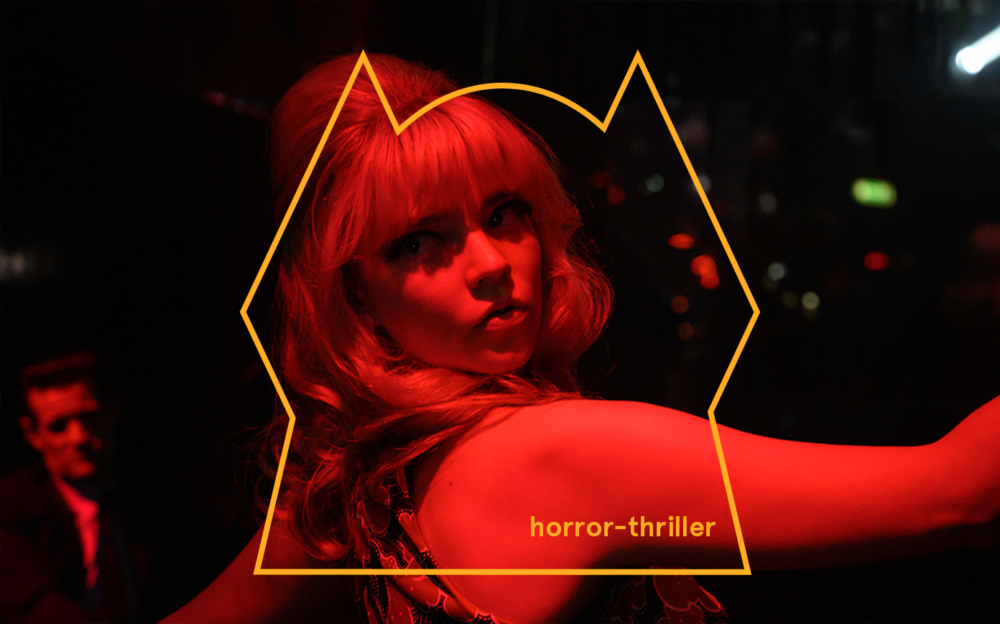

    The way the camera sweeps between the two actresses is Wright at his finest. Eloise in her gray pajamas stares into a mirror where Sandie, in her flowing unstructured pink dress, stares back. Suddenly with a sweep of the camera they’ve switched places. Later on, as Sandie twirls on the dance floor with a music manager (Matt Smith) who promises to make her a star, she suddenly switches to Eloise. Another move and it’s Sandie again. 

    Those first few scenes of Eloise romping through the 60s are glorious in their visuals — the production design and costumes only amplify the kinetic energy — and help move the story forward at a breakneck pace — until it doesn’t. The problem I often have with Wright is those hyper-stylized visuals and frenetic editing eventually get in the way of the story. Like he’s thinking of stories in the context of how he’s going to present them. 


    ADVERTISEMENT


    Eventually, those visions of Sandie and the 60s turn from an escape to an inescapable living nightmare as it bleeds into Eloise’s reality. And with that turn, it feels like Last Night in Soho jumps the shark. Jump scares pervade the horror and Eloise, our relatable outcast heroine never quite returns to form as the ghosts take their toll on her. 

    In addition to the ghost story, there’s a murder mystery that begins to take form. However, like the apparitions that haunt the streets of Soho, your interest in it is often fleeting. And to the film’s detriment, the entire third act, which is genuinely thrilling and unfolds stunningly, hinges on your investment in it. 

    As an experiment in the cinematic form, Last Night in Soho doesn’t disappoint and fans of Wright will likely be able to overlook its weaker elements to find satisfaction in the film. Even those that aren’t can revel in the film’s visuals, energy, and standout performances by Thomasin McKenzie and Anya Taylor-Joy. But in the canon of Wright’s career, Last Night in Solo feels minor. 


    ADVERTISEMENT


    More movies, less problems


    Hey! I’m Karl. You can find me on Twitter and Letterboxd. I’m also a Tomatometer-approved critic.

    💌 Sign up for our weekly email newsletter with movie recommendations available to stream.


    ADVERTISEMENT

    💌 Sign up for our weekly email newsletter with movie recommendations available to stream.


    ADVERTISEMENT


  • ‘Thoroughbreds’ review — Coming-of-age has never been so diabolical

    ‘Thoroughbreds’ review — Coming-of-age has never been so diabolical

    Thoroughbreds is a twisted and darkly funny coming-of-age debut film about what it means to be evil

    Thoroughbreds is about evil. What makes someone evil? However, it begs that question in two ways. What makes someone evil—meaning what action or actions that a person takes that makes them considered evil—and what makes someone evil—in that what happens in someone’s genetics or upbringing that could make them evil. The film, however, is more opaque than that. Director Cory Finney’s first feature is a subversive coming-of-age that is deliciously twisted and bleakly hilarious in a way that we haven’t seen since Park Chan-Wook’s Stoker.

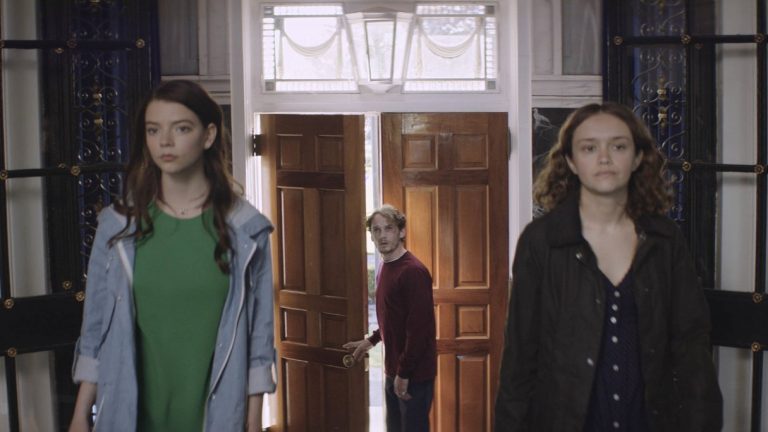
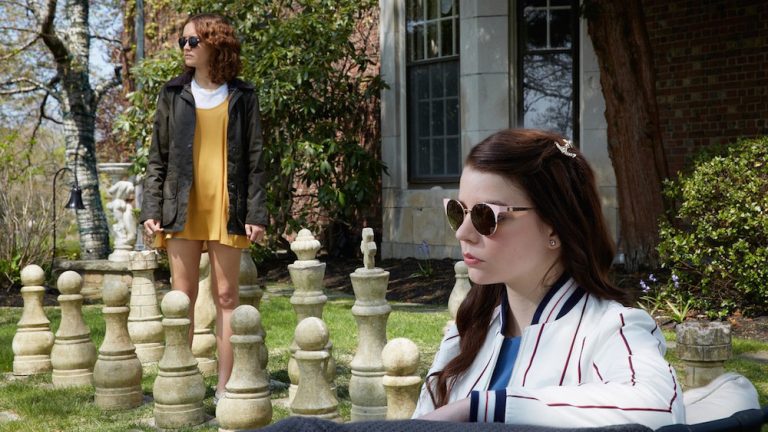
    The characters in Thoroughbreds come from privilege and imbue everything that comes with that. Lily (Anya Taylor-Joy following up her breakout roles in The Witch and Split) is a polished and intelligent boarding school girl who has countless prospects in life. Amanda (Olivia Cooke), on the other hand, could simply care less about what life has in store for her. She admittedly is completely devoid of emotion and can’t even process it in other people. However, the two were old friends and have again started to talk to each other, even though they both know that it’s because Amanda’s mother Karen (Kaili Vernoff) paid Lily to casually tutor her.

    The two girls haven’t spoken to each other in years since drifting apart after middle school—the way it always goes—and Lily is clearly hesitant to interact with Amanda after she euthanized her injured horse with nothing but a knife. And while their reunion is uneasy, the quickly bond over one thing: Lily’s contempt for her stepfather Mark (Paul Sparks). Amanda quickly dispatches an easy solution: murder Mark.

    Like most film noir’s, which Finley used as the basic structure, Thoroughbreds is interested in the morality of its character’s actions. Much of the film’s lean 90-minute running time is spent with the pair debating the absurd plan’s ethics in darkly funny exchanges. Cooke delivers Amanda’s dialogue with a pointed deadpan that always seems to get to Taylor-Joy’s Lily. Connecting back to the central question of the movie, Amanda is the makes question and Lily is the what question.

    “You cannot hesitate. The only thing worse than being incompetent, or being unkind, or being evil, is being indecisive.”

    — Amanda (Olivia Cooke), Thoroughbreds

    Eventually, the low-level drug dealer Tim (Anton Yelchin in one of his final film roles before his tragic death) is introduced into the story. His kicked assumed tough guy exterior mixed with a kick puppy dog endearment makes him an interesting third wheel in the story. He serves as a bridge between the two extremes of the girl. He may be doing something harmful—dealing drugs to teenagers—but he’s doing it for a noble purpose—pursuing his slice of the American dream. Yelchin’s performance just makes the sting of losing him even worse. Few actors could both endear themselves to an audience with characters that don’t always deserve it.

    The girls plan to use Tim as a hitman to murder Mark, who Sparks plays absolutely despicably with few redeeming qualities if any. But does he truly deserve to die for that? Instead of going for genre thrills, Thoroughbreds is more meditative than that. Case in point, a climactic scene is a single image that doesn’t change except for the sounds we hear just outside the frame. This may be Finley’s first film, but he’s extremely assured as a director.

    Thoroughbreds is a perfect example of various elements coming together to make a great film. Taylor-Joy and Cooke deliver incredible performances that act as foils to one another while Yelchin, though limited in screentime, acts as an emotional grounding for the film. The twisted but simple plot is expertly stitched together by Louise Ford and scored by Erik Friedlander—one of the best movie scores of the year. And at the core is a stunning feature debut by Finley. The movie flies by, but it’s impactful and daring. Thoroughbreds is one of the year’s best.

    Thoroughbreds is available to watch on Amazon ➤

    Karl’s rating:

  • ‘Split’ review — James McAvoy gives the performance of his career

    ‘Split’ review — James McAvoy gives the performance of his career

    Split is an incredibly tense and well-made thriller that features fantastic performances by James McAvoy and Anya Taylor Joy.

    M. Night Shyamalan is back, for better or worst. The last Shyamalan movie I watched was 2008’s The Happening, so you could understand my hesitance going into this movie. Although I heard mostly good things about his last movie The Visit, dissociative identity disorder or multiple personalities is a hard subject to pull off well. Of course, you get into the dilemma of portraying mental illness as a danger to society. However, Shyamalan toes the line gently with Split

    The movie opens with a slow dolly shot of Casey (Anya Taylor-Joy) at a classmate’s birthday party in a suburban mall. She’s contemplative, uncomfortable, and obviously doesn’t belong. After her ride fails to show up, she hitches a ride with two of her classmates, Claire (Haley Lu Richardson) and Marcia (Jessica Sula). However, their driver, Claire’s father, doesn’t show up in the driver’s seat. As the camera menacing approaches the father packing gifts in the trunk, we realize that we are watching from the perspective of a malevolent force. A strange man (James McAvoy) steps into the car instead of Claire’s father. After knocking out Claire and Marcia, he turns to Casey, then we cut to the main title sequence.


    This scene is a perfect study of the patience and grasp of tension Shyamalan has in this movie. He lets shots linger. Like when the mysterious stranger approaches the car or the opening shot of Casey. Coupled with the brilliant cinematography by Mike Gioulakis, who shot 2015’s It Follows to great success, the opening is an incredible practice in tension and visual storytelling, which is something that we haven’t seen from Shyamalan since 2002’s Signs.

    And it’s not just the opening scene that is filled with tension. All of Split has this impressive slow-burning dread that underlies every scene. It makes you want to turn away from the screen. It’s a combination of the creative elements that Shyamalan was able to pull together that pulls it off. Specifically, the simple production design of the bunker, which feels like an endless maze of tunnels, the heavy bass of the score, the cinematography, and the performances come together to create an ominous mood. When we start getting into the meat of the story some of that goes away, but generally, the movie keeps tightening and tightening until the last 20 minutes.

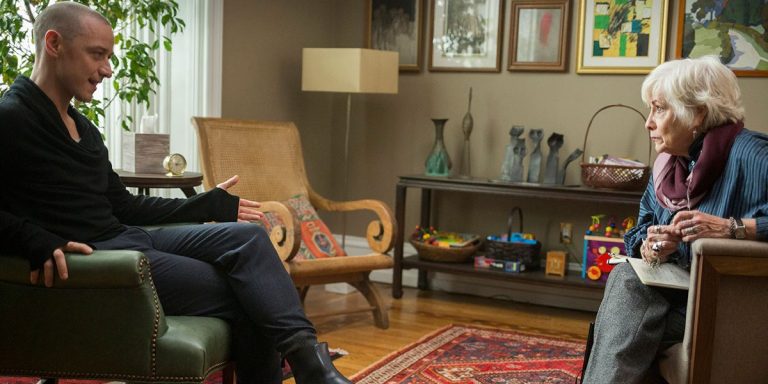
    The girls’ captor is revealed to have Dissociative Identity Disorder, which means 23 different personalities control this one body — a spirited nine-year-old, an obsessive-compulsive brute, a disciplined and proper English woman. The main alter, Barry is a fashion designer with a generally happy attitude and motivation to get past his condition. His scenes with his therapist Dr. Karen Fletcher (Betty Buckley) have nearly as much tension as the scenes with the three girls as they attempt to escape from the bunker he brought them to. It’s difficult to talk about why the use of DID as a plot device is justified without edging into spoilers. However, this is a movie that is recontextualized by its ending — for the better.

    James McAvoy is remarkable. Not only because he has to play a menagerie characters, but because the way he distinguishes between each is so specific. When he walks into a room you can tell just by his posture which alter he is. And when he becomes each alter, he inhabits them wholly in his speech, facial expressions, and even the way he moves his jaw. Though he’s certainly playing to the back of the theater, it works because of the recontextualization of the movie.

    That’s not to take away from the other performances. Betty Buckley is marvelous and sure-footed as Dr. Fletcher and Anya Taylor-Joy gives a complex, yet nuanced performance as Casey. But you just can’t help but be both drawn in and terrified by McAvoy.

    Split is built like a mystery that allows the audience to piece together the clues without tipping its ultimate hand.


    We know and fully expect a plot twist in an M. Night Shyamalan movie. However, the question becomes whether it enhances or destroys the plot. And honestly, it does both. For those who are confused or put off by the movie’s

    Up until the last 20 or so minutes, Split is a tense, tightly directed thriller that would probably have ended up among my favorite movies at the end of the year. It is still a really great movie, but the ending nearly takes all the momentum it had going. Does it make it a bad movie? No. It’s still a good movie. While Shyamalan is known for his self-indulgence – some low brow humor and of course an appearance in the movie – he shows restraint for most of the movie. However, nearly all of its success has to be put on James McAvoy who should hopefully finally get the roles and respect he deserves. If anything, watch Split for the masterclass in acting happening on the screen.

    ★★★ out of 5


    Split is available on Blu-Ray and Digital HD on Amazon!