Tag: Sundance 2021

  • ‘Coda’ and how deaf culture sings | Sundance movie review

    ‘Coda’ and how deaf culture sings | Sundance movie review

    Coda follows the only hearing member of a culturally deaf family as she finds her voice as part of her school’s choir


    Coda starts Sundance 2021 off on a high note. While it doesn’t stray too far from its familiar coming-of-age dramedy plot, its keen observations of the hardships and joys of being deaf in a hearing world. It’s impossibly charming, funny, and filled with memorable characters.

    ▶︎ CODA is now streaming on Apple TV+

    Coda tells a story it feels like we’ve seen hundreds of times before — but trust me when I say you haven’t seen anything like it yet. Coda premiered in the U.S. dramatic competition section of the virtual 2021 Sundance Film Festival, the second film of writer and director Sian Heder to premiere at the fest, and will likely be one of the year’s success stories.

    You know the setup. Ruby (Emilia Jones — get to know this name), an angsty and picked-on teen, struggles her way through her senior year of high school. She is mostly ostracised from her classmates because her family is poor and runs a fishing business, however the fact that she’s the only hearing member of her deaf family also plays into the torment. 


    ADVERTISEMENT


    As you could imagine, she feels a weight of obligation to help her father Leo (Daniel Durant) and older brother Frank (Troy Kotsur) with the business, and her mother Jackie (Oscar winner Marlee Matlin) doesn’t help things either. However, she does it out of love for her family, which other than being culturally deaf are completely happy.

    Knowing her crush Miles (Sing Street’s Ferdia Walsh-Peelo) is joining the choir, Ruby makes a rash decision to also join. However, as we see in moments of privacy, Ruby can sing — like really sing. As the movie progresses, her choir teacher Bernardo Villalobos (Eugenio Derbez), offers to train her to audition for music school. Of course, though, she keeps it from her family for fear of disappointing them.

    You know the plot. You can tell me what you think is going to happen and I’ll probably tell you you’re right. However, there are moments where Coda breaks from the genre trappings to deliver one of the best musings on what it’s like to be deaf in a hearing world. 
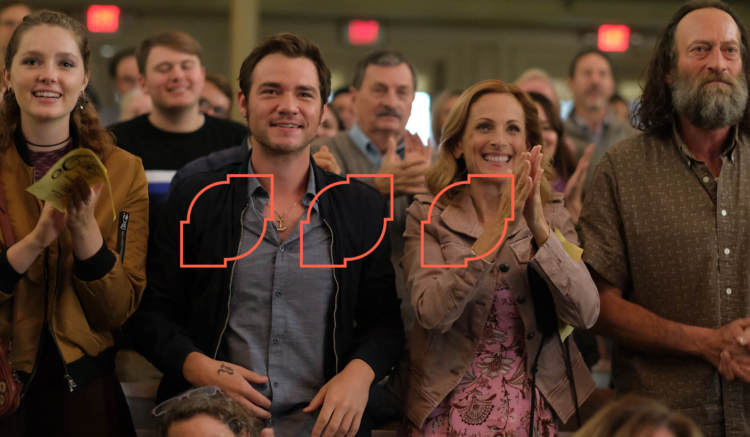
    Coda follows the only hearing member of a culturally deaf family as she finds her voice as part of her school's choir
    A still from CODA by Siân Heder, an official selection of the U.S. Dramatic Competition at the 2021 Sundance Film Festival. Courtesy of Sundance Institute.

    When Ruby’s parents watch her perform for the first time, we hear the song for the first few moments — and then silence. We’re in her parents’ heads. We can’t hear what she sounds like, which is anxiety-inducing for them. However, they begin to look around. The gift of observation that those that are deaf have allowed them to see what the music is doing to the audience so that even though they can’t hear her they know that she has something.

    Coda benefits from its stellar and deep exploration of every character, each of whom just happens to be made of pure charm and delight. We get to spend a little time with each of them to understand exactly why they make the decisions they make, the struggles that they fight through — exploring the minutiae of being culturally deaf.

    Coda never strays to the melodrama. Every moment feels earned and grounded in something real thanks to the strong performances from the entire cast. However, if there is a breakout this year at Sundance, it is Emilia Jones. She pours with emotion at every point often slipping in and out of signing that is wracked with emotion. If Coda is about anything, it’s about the joys we find through adversity. And though that adversity might shape us, it doesn’t define us. A stunning wait to start the fest.


    ADVERTISEMENT


    More movies, less problems


    Hey! I’m Karl. You can find me on Twitter and Letterboxd. I’m also a Tomatometer-approved critic.

    💌 Sign up for our weekly email newsletter with movie recommendations available to stream.


    ADVERTISEMENT


    Chloé Zhao makes Nomadland‘s melancholic but hopeful story of nomads traversing the American West a stunningly complex character study of life on the margins of society.



    💌 Sign up for our weekly email newsletter with movie recommendations available to stream.


    ADVERTISEMENT

  • ‘Flee’ pushes the boundaries of documentary films | Sundance movie review

    ‘Flee’ pushes the boundaries of documentary films | Sundance movie review

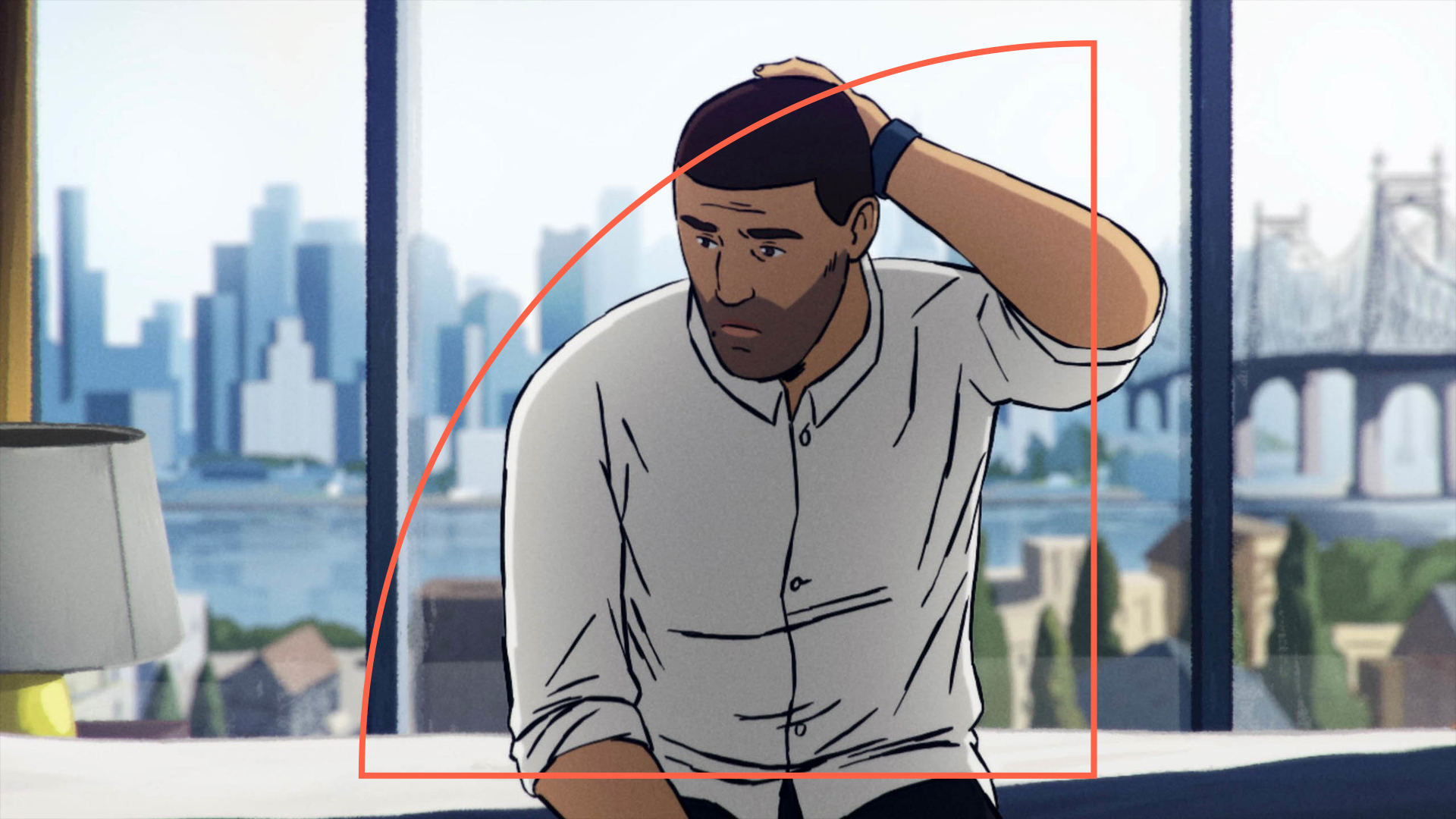
    Flee follows an Afghan refugee’s journey with his family to find safety in Europe. Years later he recounts the story to a friend who documents the story through animation.

    Flee is a great argument for animation’s place in documentary filmmaking. Though we’ve seen refugee stories before, this one is specific and intimate. Filled with nuances about trauma, sexuality, and finding home. An emotional, visceral, and ultimately cathartic experience.

    At the start of Flee, which premiered in the World Documentary section of the 2021 Sundance Film Festival, we watch a man lie back in a bed. We see him from a bird’s eye view. He’s animated, but something about the animation tells us that this is drawn from life. Offscreen we hear director Jonas Poher Rasmussen ask the man, “what does the word ‘home’ mean to you?”

    At that, the man, Amin, begins to transport us back to 1984 Kabul, Afghanistan. As he describes the place and time, the rough charcoal sketches morph into vivid colors as we meet his family. He begins to talk about them — his mother, father, brother, and sisters. However, he quickly cuts off the interview saying, “it’s my past. I can’t run away from it. I don’t want to.” But he can’t continue, which Rasmussen understands.

    That’s because Rasmussen, we learn, is old school mates with Amin. He describes seeing him on the train. He describes him in great detail. Decades later they’re still friends and Rasmussen has taken interest in telling Amin’s story of fleeing Kabul as the Taliban took control of the city and his journey to eventually settle in Denmark. And the way Rasmussen tells it is the way any other person would learn about their friends’ past. Flee feels like a story that you lie back in a bed and listen to with the storyteller right next to you — this quite literally happens.

    This might be a good place to mention that the entire film is animated. That’s in large part to protect Amin’s privacy. At the same time, it allows us to see his memories, as fickle as they are like all memories, as he remembers them. Months later he sits back down to recount the story. And from there, Flee captures you and doesn’t let you go until it cuts to black. 

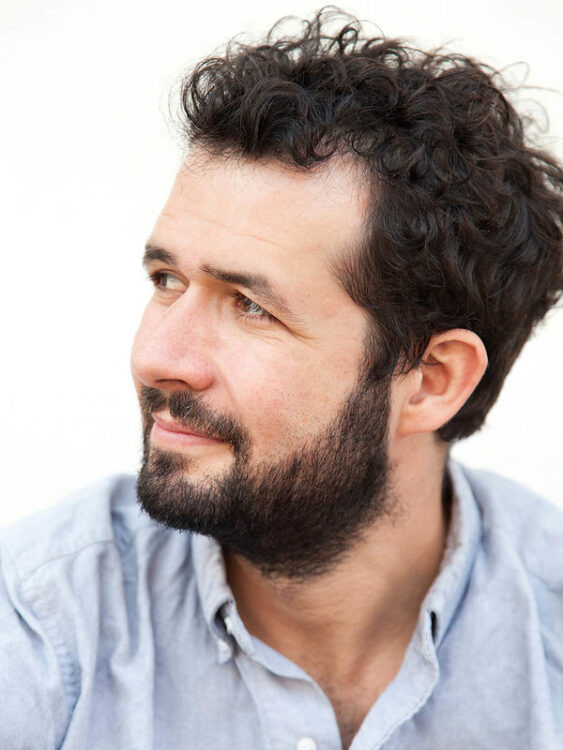
    Jonas Poher Rasmussen, director of Flee, an official selection of the World Cinema Documentary Competition at the 2021 Sundance Film Festival. Courtesy of Sundance Institute | photo by Yann Bean.

    There’s so much to unpack in Amin’s story, but I will leave that for you to uncover when you watch it. And I’m telling you now, watch it when it comes out — thankfully Neon has acquired the film for distribution (the first of the fest). Instead, I want to talk about what makes Flee so effective as a documentary. 

    Documentarians often find archival footage to piece together the story they’re trying to tell. They fill in the gaps with interviews or reenactments. Instead, Flee lets Amin tell the story. Rasmussen simply gives us a way to see it all unfold. Hearing Amin’s voice as it wavers, the animation often following his lead, makes the entire experience feel intimate. Like he’s telling it just to us. 

    Periodically, we’ll flip back to the present, which we also see in the same hand-drawn animation. It only heightens the intimacy. There are asides about how that past and trauma has shaped who Amin is now, especially his relationship with his partner Kasper, who hopes to move to the countryside with Amin. However, he can tell something is holding him back. 

    We learn through Amin’s story why he’s so hesitant to take the next step with Kasper. He doesn’t tell us, but we’re able to figure it out. In a gorgeous and poetic scene right before the end of the film, we watch Amin return home to Denmark in the present after a business trip. Kasper is off in the distance waiting for him in the busy airport. Amin stares from afar and says in voiceover, “even when you’re in a safe place, you’re on your guard.” Quickly, he adds, that maybe that’s something that needs to change. 

    Flee pushes the medium of documentary filmmaking forward by finding a way to get us to both sympathize and empathize with Amin’s feelings through our own experiences. It was almost a visceral experience. I experienced nothing close to the hardships Amin experienced as he tried to escape Afghanistan by way of Russia through human traffickers. However, the film’s intimate understanding of the story it was telling made it possible to find a way to apply his story to my own life. Even in a safe place, you’re on your guard. Maybe it is about time to change that.


    ADVERTISEMENT


    More movies, less problems


    Hey! I’m Karl. You can find me on Twitter and Letterboxd. I’m also a Tomatometer-approved critic.

    💌 Sign up for our weekly email newsletter with movie recommendations available to stream.


    ADVERTISEMENT


    💌 Sign up for our weekly email newsletter with movie recommendations available to stream.


    ADVERTISEMENT

  • ‘Prisoners of the Ghostland’ is Nic Cage’s ballsy Mad Max | Sundance movie review

    ‘Prisoners of the Ghostland’ is Nic Cage’s ballsy Mad Max | Sundance movie review

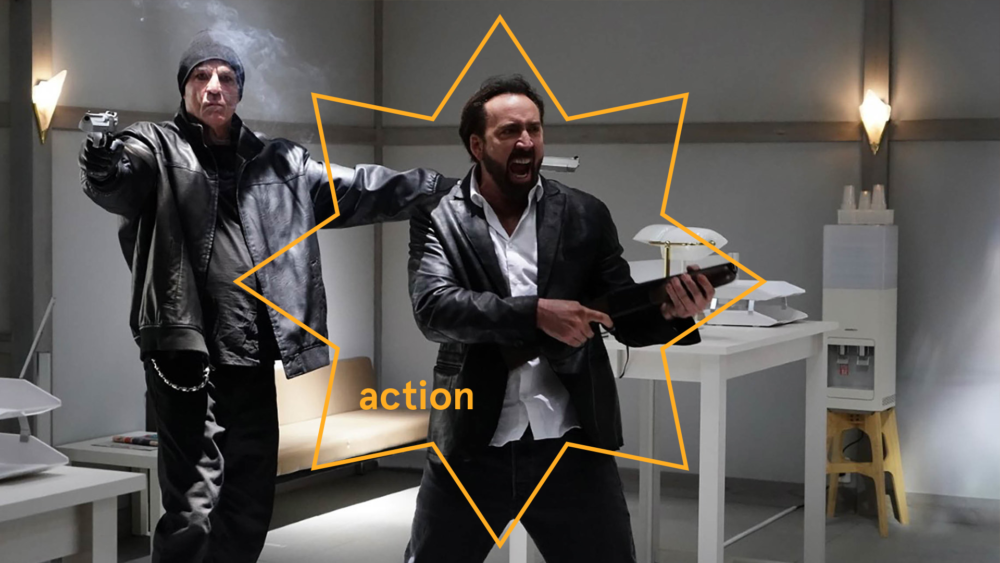
    Nicolas Cage is on a mission to return a missing woman in the Japanese Wild West post-apocalyptic hellscape that is Prisoners of the Ghostland

    Prisoners of the Ghostland is easily the wildest film of Nicolas Cage’s epic career. Mixing elements of Escape from New York and Mad Max: Fury Road with acid, the result is a psuedo-western-samarai post-apocalyptic action film that is going to be a midnight screening staple for years to come.

    In the words of Trinity the Tuck, “I don’t know what the f—k she’s saying, but girl, I am living.” Prisoners of the Ghostland is an assault on the eyes, ears, mind, and sanity as Nicolas Cage rips through a Japanese Wild West post-apocalyptic hellscape littered with *checks notes* mutated corpses of prisoners. Yeah, I think I got that right.

    To say that director Sion Sono, who is making his English-language debut with the 2021 Sundance Film Festival premiere of this film, is one of the most subversive filmmakers working today is an understatement. This satirical pseudo-western-samurai film feels like it has never existed before in any form. Yes, comparisons could be made to George Miller’s Mad Max: Fury Road or Quentin Tarantino’s Kill Bill or John Carpenter’s Escape from New York, but it’s his amalgamation of all those films, combined with some inventive East meets West production and costume design, that makes Prisoners of the Ghostland a singular property.


    ADVERTISEMENT


    Hero (Cage) is tasked by the Governor (Bill Moseley) to rescue his daughter Bernice (Atomic Blonde’s Sofia Boutella) from a mysterious outpost just past the ghostland where unknown nightmares await. And that’s really the entire plot. Nothing else is going on — and nothing else needs to go on. All you need to enjoy this film is the wildly inventive staging of this incredibly built world, the surprisingly adept action, and some of ballsy humor and line delivery from Nicolas Cage — this is a pun.

    I could go on and on about Prisoners of the Ghostland. I could tell you about the testicle-exploding suit or the interpretive dance explaining a nuclear explosion or the bank heist gone wrong with famed actor John Cassavetes son, but I’m just going to let you experience this acid trip of a film on its own. Is it good? I mean, objectively, no. It’s dramatically inert, devoid of character, and confusing as all hell. Did I enjoy every minute of it? You’re damn right.


    ADVERTISEMENT


    More movies, less problems


    Hey! I’m Karl. You can find me on Twitter and Letterboxd. I’m also a Tomatometer-approved critic.

    💌 Sign up for our weekly email newsletter with movie recommendations available to stream.


    ADVERTISEMENT

    Chloé Zhao makes Nomadland‘s melancholic but hopeful story of nomads traversing the American West a stunningly complex character study of life on the margins of society.


    💌 Sign up for our weekly email newsletter with movie recommendations available to stream.


    ADVERTISEMENT


  • ‘Judas and the Black Messiah’ is essential cinema | Sundance movie review

    ‘Judas and the Black Messiah’ is essential cinema | Sundance movie review

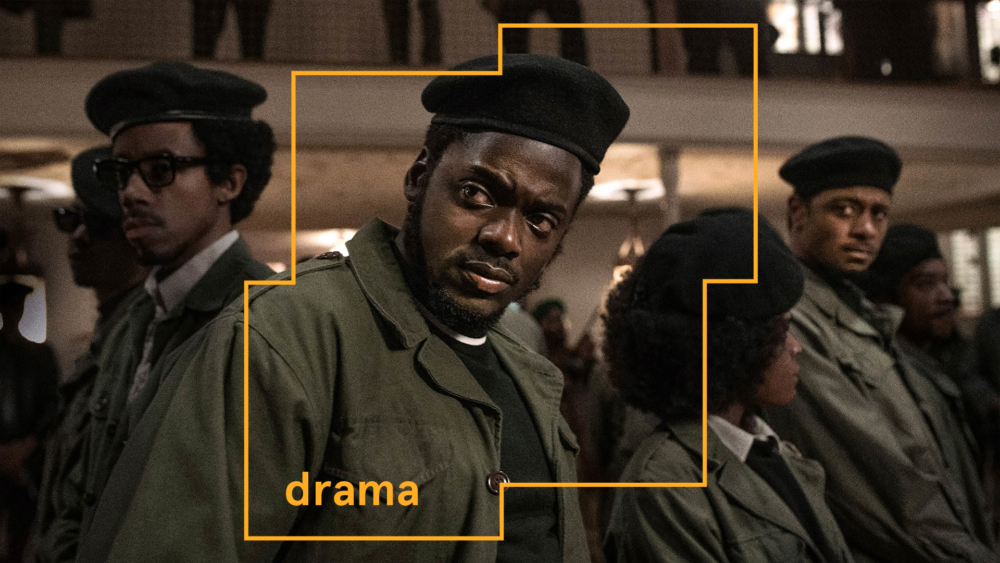
    Judas and the Black Messiah is an electrifying and contemplative biopic about Black Panther party chairman Fred Hampton and the plot to bring him down

    Chloé Zhao makes Nomadland‘s melancholic but hopeful story of nomads traversing the American West a stunningly complex character study of life on the margins of society.


    Of the movies that have come out after last year’s Black Lives Matter protests, Judas and the Black Messiah is perhaps the most essential. A raw and in the trenches look at the Black Panther party through the eyes of Fred Hampton (Daniel Kaluuya returning to Chicago after his incredible turn in Widows), the chairman of The Illinois chapter, and FBI informant William O’Neal (Lakeith Stanfield), director Shaka King’s sophomore feature feels like a magnum opus.

    That’s stunning considering his last feature, which also premiered at the Sundance Film Festival, came out six years ago to little fanfare. However, what makes Judas and the Black Messiah so essential is its ability to switch between electric moments of rebellion against an oppressive system and quiet moments of beauty, sadness, and love in the movement.


    ADVERTISEMENT


    To properly communicate my feelings towards the movie, I have to talk about my very visceral reaction to watching it. In one scene after returning from prison for a throwaway charge, Hampton gives a speech to a packed church of party supporters. Kaluuya is brimming with emotion — happiness, pride, rage — as his onlookers cheer him on. I was shaking like I was in the room, unable to sit any longer.

    In another moment, as Hampton is talking to the mother of his child, Deborah Johnson (played sensitively by Dominique Fishback). She recites a poem to him about the fear of bringing a child into this “war zone.” Not the war between the party and the cops, the war between the country and Black people. It’s impossible not to ache physically. To feel empathetic for the experience of being Black in America.


    ADVERTISEMENT


    I’m writing this review immediately after watching the film and I’m having trouble communicating what makes it work so well. It’s above plot and above character. It’s a feeling. It’s purely human. Even O’Neal, seen as a traitor to many, is humanized. However, as Stanfield put in the post screening Q&A, that humanization isn’t meant to explain away his behavior. It’s meant to show us he felt guilty, but did what he did anyway.

    Judas and the Black Messiah is perhaps the closest I’ve gotten in this long quarantine to feeling engulfed by a film like it is to watch one in a theater. It’s oscillation between electric moments of genre storytelling — thrilling moments of action — and quiet introspective studies of character keep you spellbound. That’s the word I’ve been looking for this whole review. It’s a spellbinding movie. One that will be studied for years to come.


    ADVERTISEMENT


    More movies, less problems


    Hey! I’m Karl. You can find me on Twitter and Letterboxd. I’m also a Tomatometer-approved critic.

    💌 Sign up for our weekly email newsletter with movie recommendations available to stream.


    ADVERTISEMENT

    💌 Sign up for our weekly email newsletter with movie recommendations available to stream.


    ADVERTISEMENT

  • ‘Coming Home in the Dark’ is a perfect midnight feature | Sundance movie review

    ‘Coming Home in the Dark’ is a perfect midnight feature | Sundance movie review

    Coming Home in the Dark follows a family on a road trip in the New Zealand mountains that is isolated and tormented by an unknown assailant

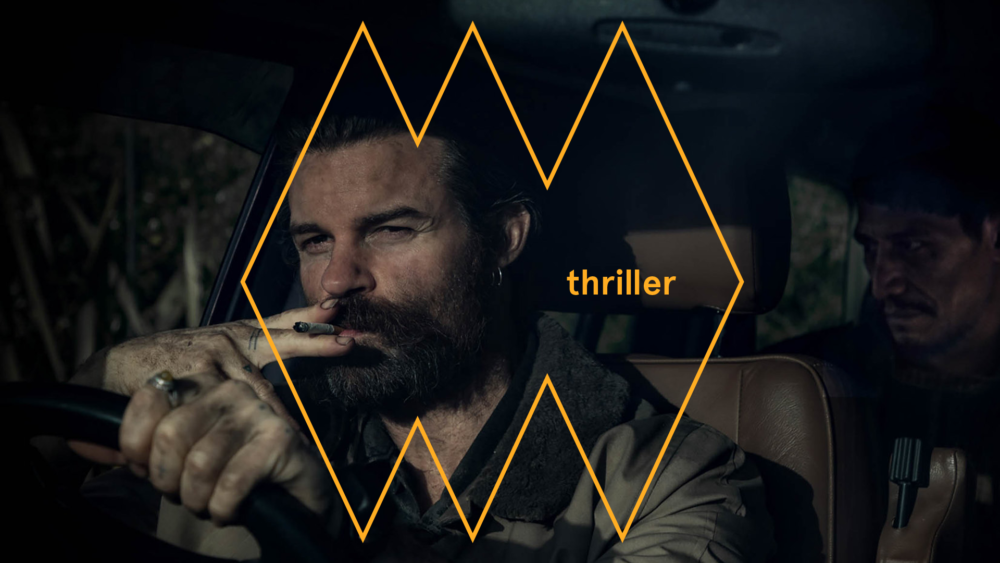
    While Coming Home in the Dark doesn’t bring anything new to the thriller genre, it is an anxiety-inducing mean and lean entry that is the perfect kind of Midnight screening at Sundance 2021.

    Coming Home in the Dark is like the best of home invasion thrillers — slow-burning, shocking, and continually shifting circumstances — except it’s not set in a home. The movie takes us off a hiking trail and on the road across the New Zealand landscape. If there is a perfect film to screen in the Midnight section of the 2021 Sundance Film Festival, it is this one.

    The plot is simple. A family is on a road trip to do some hiking in the mountains of New Zealand. There’s father Hoaggie (Erik Thomson), mother Jill (Miriama McDowell), and their two sons. With sweeping vistas captured by cinematographer Matt Henley, it’s clear that the family is alone. 


    ADVERTISEMENT


    That is until Mandrake (Daniel Gillies) and his quiet sidekick Tubs (Matthias Luafutu) come walking over the ridge towards the picnicking family wielding a powerful rifle and nothing to lose. The entire ordeal, which takes place over a chilling twenty or so minutes is reminiscent of the infamous lake scene in Zodiac or perhaps the eggs scene in Funny Games. It’s restrained, simmering with tension — until it’s not.

    Director James Ashcroft, who wrote the film alongside Eli Kent, said at the start of the screening, “I hope it gets under your skin.” And it does. Coming Home in the Dark is built for maximum anxiety-inducing suspense that can turn into violence — though not glorified — at the drop of a hat. That opening scene, one of the best of the fest, is the perfect example of that. 


    ADVERTISEMENT


    As the story moves from the mountains to a car driving to an unknown location in the dark, the claustrophobic atmosphere becomes all the more apparent thanks to Gillies’ committed and unpredictable performance. However, unlike many other home invasion-inspired movies, Mandrake and Tubs aren’t torturing the family for no reason — like The Strangers’s infamous “because you were home” line. No, they have a purpose, which makes things feel all the more hopeless.

    Coming Home in the Dark doesn’t necessarily reinvent the thriller genre. Instead, it takes all its best elements and puts them to good use. The result is a sleek, well-shot, mean, and lean — it clocks in at 93 minutes — entry that leaves you satisfied knowing that you got exactly what you were looking for.


    ADVERTISEMENT


    More movies, less problems


    Hey! I’m Karl. You can find me on Twitter and Letterboxd. I’m also a Tomatometer-approved critic.

    💌 Sign up for our weekly email newsletter with movie recommendations available to stream.


    ADVERTISEMENT


    Chloé Zhao makes Nomadland‘s melancholic but hopeful story of nomads traversing the American West a stunningly complex character study of life on the margins of society.


    💌 Sign up for our weekly email newsletter with movie recommendations available to stream.


    ADVERTISEMENT

  • ‘Mass’ tries to find the end of grief | Sundance movie review

    ‘Mass’ tries to find the end of grief | Sundance movie review

    Mass watches as four people come together to talk through an old wound that has been preventing them from moving on with their lives

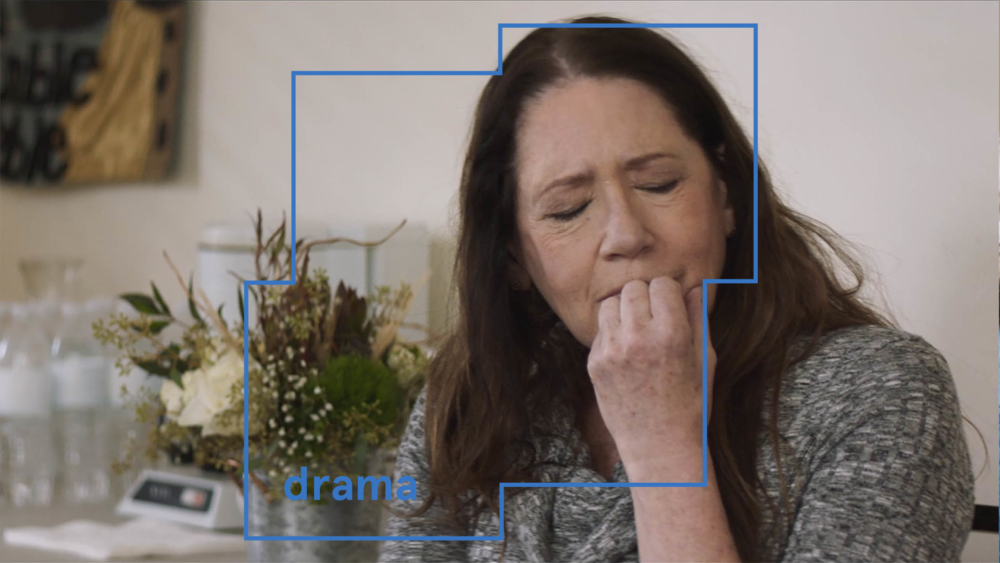
    Mass is a stunningly raw and emotional journey through trauma, grief, and healing featuring four tour-de-force performances that’ll leave you breathless.

    Four people gather in a small room in the back of a Church basement. We know that they have a history considering the meeting is being coordinated like a sitdown between mafia bosses, but we don’t quite know what. And to truly appreciate Mass, which premiered at the 2021 Sundance Film Festival, you should keep it that way. The movie will tell you eventually, but it’ll earn that reveal.

    Although, if you’re reading this review you likely already know it, so I’m not holding back.

    Fran Kranz, perhaps best known as the stoner Marty in my beloved The Cabin in the Woods, directed the film from a script he wrote. His debut in both roles. But you would never know it from how assured the film is. Something happened to Gail (Martha Plimpton) and Jay (Jason Isaacs). Something so traumatic that they’ve been in therapy for years working up the courage to face Linda (Hereditary’s Ann Dowd) and Richard (Reed Birney). 


    ADVERTISEMENT


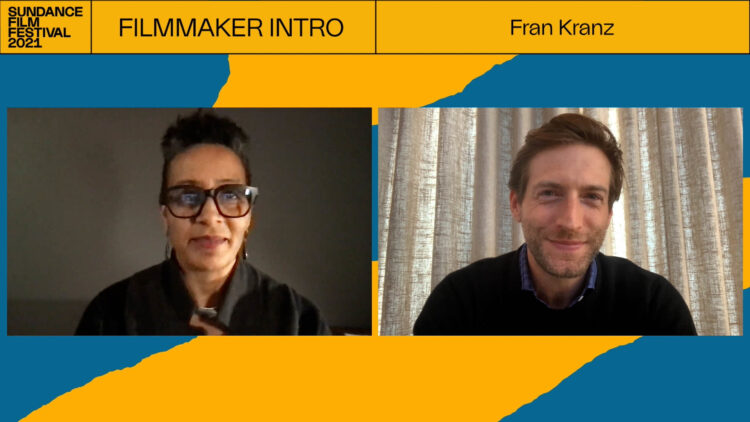
    Director of the Sundance Film Festival Tabitha Jackson and director Fran Kranz at the virtual Premiere of Mass by Fran Kranz, an official selection of the Premieres section at the 2021 Sundance Film Festival. © 2021 Sundance Institute.
    Director of the Sundance Film Festival Tabitha Jackson and director Fran Kranz at the virtual Premiere of Mass by Fran Kranz, an official selection of the Premieres section at the 2021 Sundance Film Festival. © 2021 Sundance Institute. 

    The first 45 minutes of the film are spent skirting around the subject. Blessedly sparing us from any clunky exposition. We don’t need it anyway. All we need to know is the emotions. Gail is angry and hesitant. Jay is also angry but willing to hear things out. Linda is regretful. And Richard… well, Richard is detached. We sit in these roles through simmering, slow-burn dialogue where the couples catch up. Clearly not friends but connected. And then that moment happens. When Gail finally stops being hesitant and runs headlong into it all. “Well, your son killed my son, so I’d like to know.”

    It’s revealed that Linda and Richard’s son killed Gail and Jay’s son in a mass shooting at their school. After years of therapy, Gail and Jay feel ready to ask Linda and Richard the questions that have been preventing them from moving on. Did they see the signs ahead of time? What happened in his childhood to make this happen? Do they blame themselves?

    That last question holds a lot of weight for both couples. That’s because Gail and Jay want to find someone to blame, Richard wants to explain it away, and Linda is still trying to figure out whether or not she is to blame. Kranz’s screenplay shows incredible restraint by rarely veering into anything that feels overwrought or inauthentic — perhaps the one thread of conversation that does is about gun control. 


    ADVERTISEMENT


    For a premise that is prime for melodrama, Mass has little of it. There is a flow to the conversation. A flow that starts out as a leek before becoming a tsunami in the third act. There are threads about parenting, consequence, and grief that take you on an emotional rollercoaster driven by four stunning and committed performances that is a watershed moment in each of the actors’ careers — Plimpton and Dowd steal the show though.

    One theme that you’d expect me to list is forgiveness. But from my perspective Mass isn’t about that. Perhaps forgiveness is a part of it somehow, but it is simply a means to an end. At its core it is about healing. It is about hope. How in the darkest moments of life we have the capacity to heal our spirits. We have the means to do that but simply have to be willing to do the work. Mass shows us the work. 


    ADVERTISEMENT


    More movies, less problems


    Hey! I’m Karl. You can find me on Twitter and Letterboxd. I’m also a Tomatometer-approved critic.

    💌 Sign up for our weekly email newsletter with movie recommendations available to stream.


    ADVERTISEMENT

    Chloé Zhao makes Nomadland‘s melancholic but hopeful story of nomads traversing the American West a stunningly complex character study of life on the margins of society.


    💌 Sign up for our weekly email newsletter with movie recommendations available to stream.


    ADVERTISEMENT

  • ‘John and the Hole’ needed more hole | Sundance movie review

    ‘John and the Hole’ needed more hole | Sundance movie review

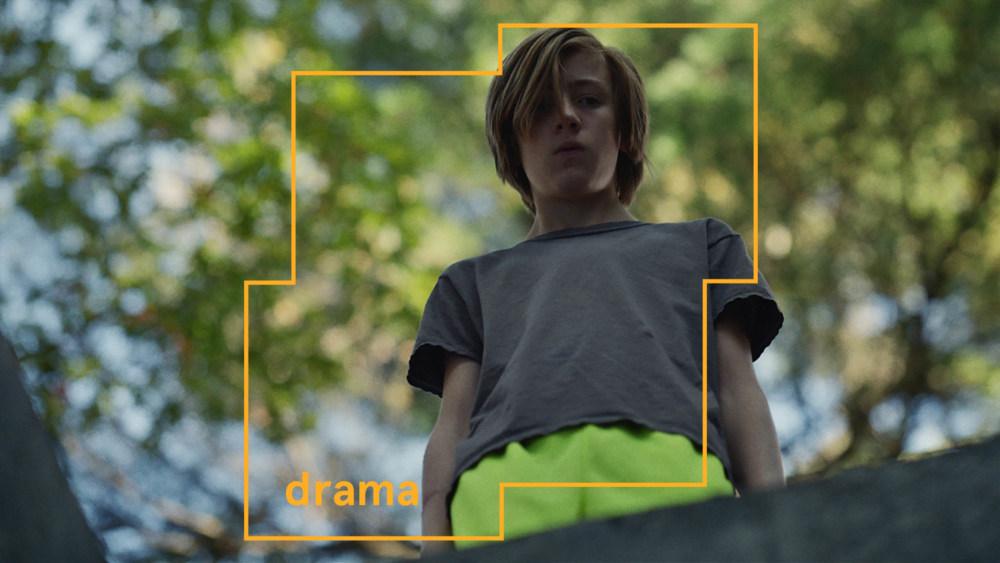
    John and the Hole follows a teen named John who holds his entire family captive in a deep concrete hole in the middle of the woods.

    John and the Hole as an intriguing enough premise holds you for some of its running time, but its lack of commitment to the black comedy or biting satire that it begs for leaves you wanting it to dig deeper.

    A boy named John (Charlie Shotwell) stumbles through the woods looking for his lost drone and instead happens upon a nearly ten-meter deep concrete hole in the ground. Cue title card John and the Hole. Fascinatingly we don’t get that title card until about thirty minutes into the film when we cut away from John’s narrative to a young girl in an alternate story (universe?) who asks her mother to tell her the story of “John and the Hole.”

    That aside does a lot for the film, which premiered in the U.S. Dramatic Competition at the 2021 Sundance Film Festival. It tells us that this is a cautionary tale rather than a depiction of real life. That’s partly why it feels so akin to director Yorgos Lanthimos’ work like Dogtooth or The Killing of the Sacred Deer. It’s clear that John and the Hole director Pascual Sisto — this is his directorial debut — was at least inspired by those films. It also explains why this film was a selection at the canceled 2020 Cannes Film Festival — Lanthimos was a favorite.


    ADVERTISEMENT


    We don’t learn much about the titular John other than the fact that he’s motivated to be an adult, which partially explains why one night he systematically and quietly drugs his family — father Brad (Michael C. Hall), mother Anna (Jennifer Ehle) and sister Laurie (Taissa Farmiga) — and places them at the bottom of the titular hole with no way out. 

    Outside of the hole John drives his parents’ car, buys himself food with money he withdraws from the ATM, and even tries and propositions Anna’s friend. It’s like a twisted version of Home Alone. Meanwhile, in the hole, the family struggles to understand why John is doing this to them. From what little interaction we see it seems the family is well-adjusted and loving. And John still cares for them by bringing them water and food — he even cooks them risotto at one point, the only time he actually addresses them.


    ADVERTISEMENT


    And while this setup and much of the plot feels prime for some Lanthimos-like black comedy or a stinging satire on parenting, it feels like the movie is just kind of there. Sisto noted that he got the inspiration for the film after reading an article about “snowplow parenting,” a strategy where parents clear any potential obstacles or challenges for their children to succeed. And while I can see the story pushing for some commentary on the subject, it never really scratches the surface.

    There’s so much potential in a movie with the premise (hell, even the title) of John and the Hole. But what makes Lanthimos such a successful and singular filmmaker is his ability to find the outsized versions of humanity in his absurdist situations. John and the Hole is almost too realistic in its approach to even hold your attention. Honestly, a little less John and a little more hole would have done wonders for this movie. 


    ADVERTISEMENT


    More movies, less problems


    Hey! I’m Karl. You can find me on Twitter and Letterboxd. I’m also a Tomatometer-approved critic.

    💌 Sign up for our weekly email newsletter with movie recommendations available to stream.


    ADVERTISEMENT


    Chloé Zhao makes Nomadland‘s melancholic but hopeful story of nomads traversing the American West a stunningly complex character study of life on the margins of society.


    💌 Sign up for our weekly email newsletter with movie recommendations available to stream.


    ADVERTISEMENT
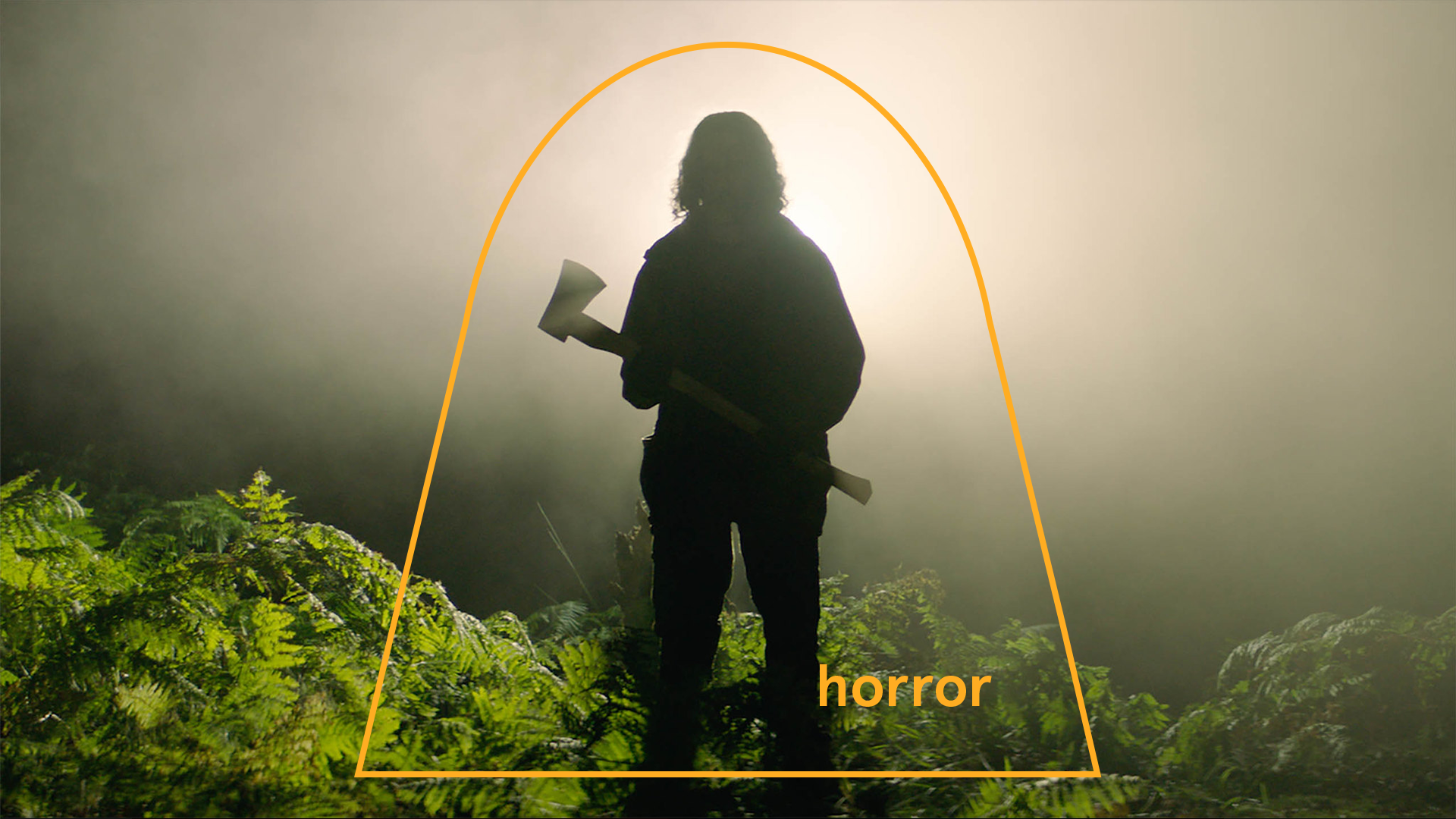

  • ‘In the Earth’ is peak folk horror | Sundance movie review

    ‘In the Earth’ is peak folk horror | Sundance movie review

    A doctor and a park ranger venture into the forest to find a research hub that went quiet in In the Earth. However, after a run-in with a stranger, they get more than they bargained for.

    In the Earth is a hypnotic, psychedelic, and anxiety-inducing assault on the senses that invokes comparisons to the best of folk horror, body horror, slashers, and science fiction, yet still comes out as a singular — and stunning — piece of filmmaking.

    In the Earth, director Ben Wheatley’s newest film that premiered at the 2021 Sundance Film Festival this week, is clearly derived from a broad range of cinematic influences spanning multiple genres. Yet it still feels like a singular piece of work and perhaps his most successful film to date.

    I’ll be candid, I struggle with Wheatley’s films. They’re well-made, intriguing for a moment, but I’m left cold in the end. With In the Earth, Wheatley is able to capture your attention with an ever-changing narrative that makes slight shifts to constantly keep you on the edge of your seat.


    ADVERTISEMENT


    In the first act, which harkens back to the best of folk horror — The Blair Witch Project, The Wicker Man, and the more recent The Ritual come to mind — we’re introduced to Dr. Martin Lowery (Joel Fry), who makes his way to a checkpoint on the edge of a forest where he is meant to meet with the park ranger to guide him.

    There are allusions to our current day, masks, hand sanitizer, temperature checks. However, it’s not explicitly stated what is happening in the world. The movie isn’t about that. The park ranger, Alma (Ellora Torchia), is tasked with taking Martin into the forest on an arduous two-day hike to meet with his research colleague who has stopped responding to his correspondence.

    The hike is underscored by an incredible synth-infused score by frequent Wheatley and Darren Aronofsky composer Clint Mansell and isolating cinematography by Nick Gillespie that invokes the feeling of dread so often associated with folk horror. It’s a slow-burn until a terrifying attack in the middle of the night leaves Martin and Alma injured, shoeless, and looking for help. 


    ADVERTISEMENT


    They run into Zach (Reece Shearsmith), a man living in the woods who shows them kindness by tending to their wounds, giving them food, and shoes. But not all is as it seems. Eventually, the pair find themselves in the middle of a slasher movie complete with The Shining-like imagery and edited with masterful precision for maximum anxiety. 

    There are so many comparisons I could make to try to help you understand what In the Earth is. In addition to the folk horror and slasher elements, there are flashes of body horror — like last year’s Possessor (produced by Wheatley), high-concept science fiction reminiscent of Upstream Color or Annihilation, and even moments of fantasy. However, In the Earth stands completely on its own. 

    It would be a disservice to divulge any more of the plot than I already have, but what I can say is that In the Earth is an assault on the senses — your eyes, your ears, even touch. In the Egyptian theater at the center of Park City, this film would have swallowed the audience whole. Even from my living room, I felt untethered. It’s psychedelic, hypnotic, and impossible to not lose yourself.


    ADVERTISEMENT


    More movies, less problems


    Hey! I’m Karl. You can find me on Twitter and Letterboxd. I’m also a Tomatometer-approved critic.

    💌 Sign up for our weekly email newsletter with movie recommendations available to stream.


    ADVERTISEMENT


    Chloé Zhao makes Nomadland‘s melancholic but hopeful story of nomads traversing the American West a stunningly complex character study of life on the margins of society.


    💌 Sign up for our weekly email newsletter with movie recommendations available to stream.


    ADVERTISEMENT